Types of Welding – The Complete Beginner’s Guide in 2026
What is Welding? – Understanding Welding Concept
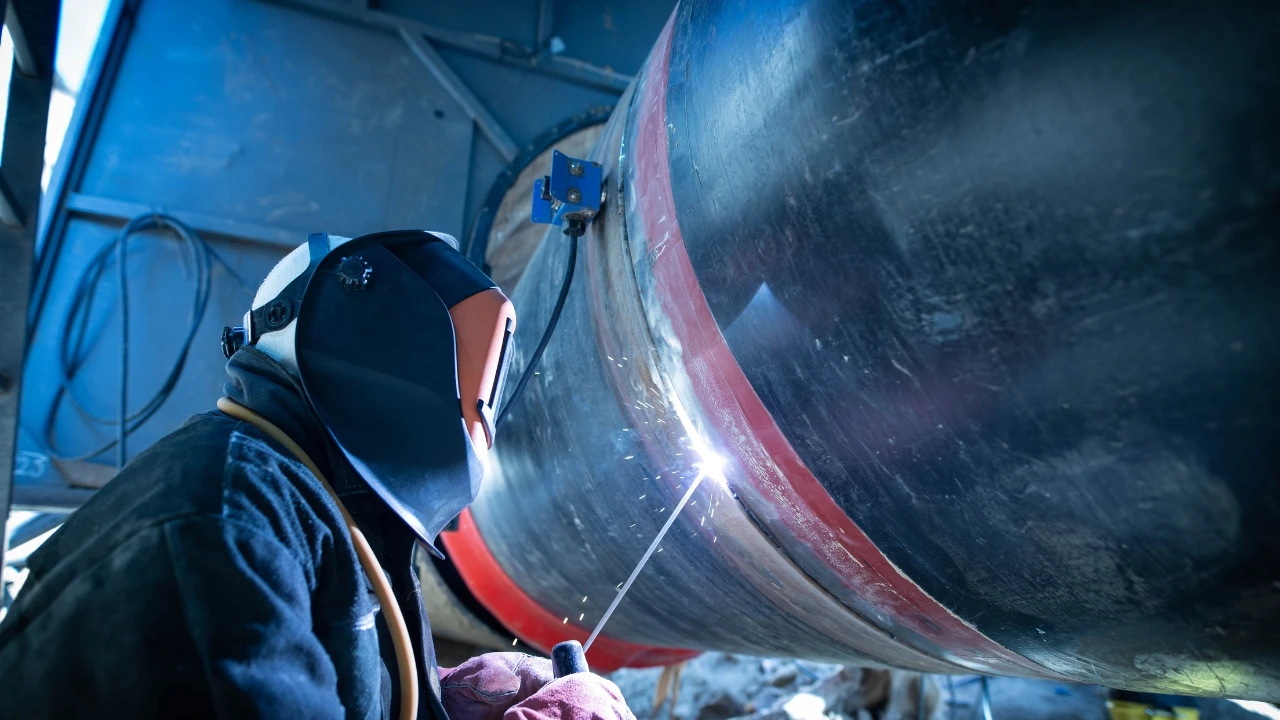
It is a process which you can use to join the different metal through heating or usage of pressure. It is an amalgamation of parent materials with or without the addition of filler metal. Materials melt, soften and fuse together due to heat or pressure. Cooling forms a powerful, enduring joint referred to as a weldment. Shielding eliminates the contamination of oxygen, nitrogen and moisture in the process of welding. Many types of welding are still vital in construction, manufacturing, automotive, and heavy engineering sectors worldwide today. Always use proper welding technique to guarantee joint strength, durability and long-term structural reliability.
Key Welding Terms
- Parent material (base metal): Metal forming structure prior to the start of the welding process. Gives strength and support to the assembly of welded joints.
- Filler material / consumable: Material used in the welding process to form strong joint bond. Melts and fuses base metals together effectively securely.
- Weld pool (molten metal zone): Temporary molten zone that is created in the course of the welding process. Freezes up to establish permanent welded joint structure.
- Heat-affected zone (HAZ): Region around weld that undergoes considerable thermal variations. Has a direct effect on material properties but does not melt base metal.
- Shielding gas: This is a protection gas that is employed during welding to avoid oxidation contamination. Protect molten pool of weld against atmospheric exposure and defects.
Weld Types Based on Material Interaction
Homogeneous Welds
Homogeneous welds are those that are used to connect both metals with similar composition with compatible filler or base fusion. This technique guarantees consistency in strength, corrosion, and predictable mechanical behavior in buildings. with proper preparation, you can achieve consistent and reliable quality of different type of welders.
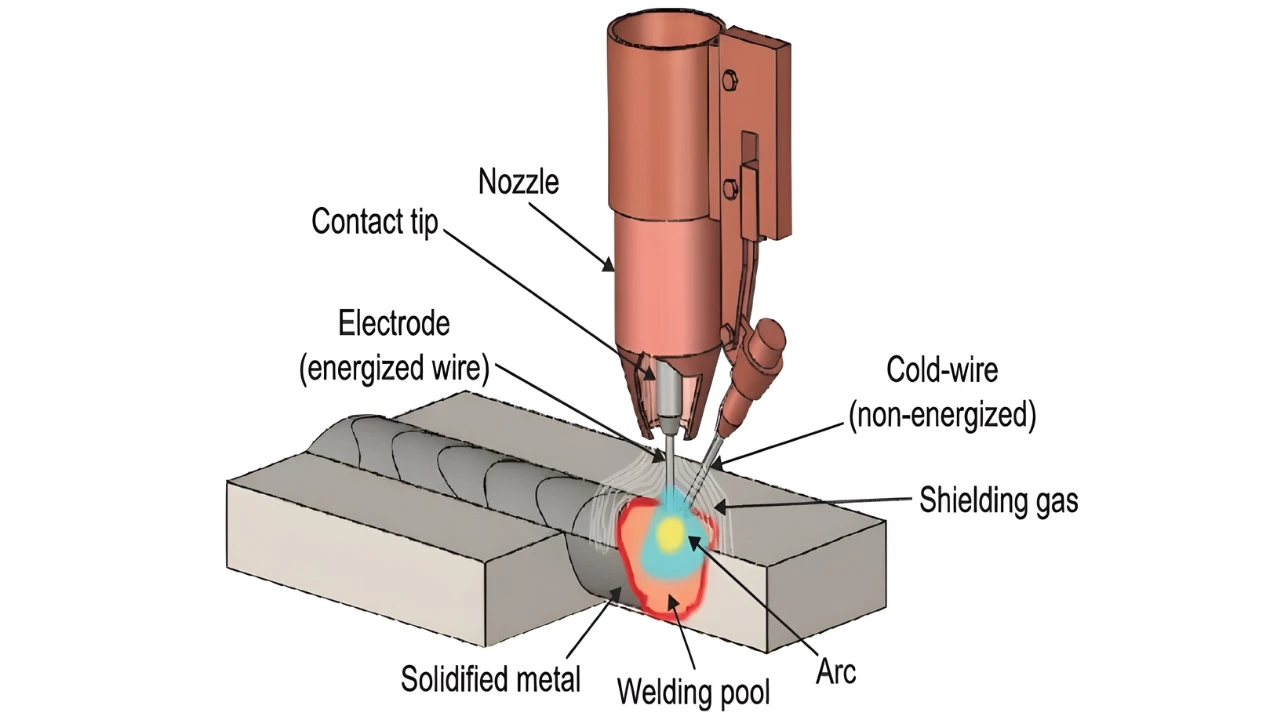
Heterogeneous Welds
Heterogeneous welds are those welds that mix two or more base metals or filler compositions in the welding process. The choice of these welds should be done with great care in order to minimize defects and ensure integrity of the joints. you should regulate heat input to prevent the problem of weak bond formation.
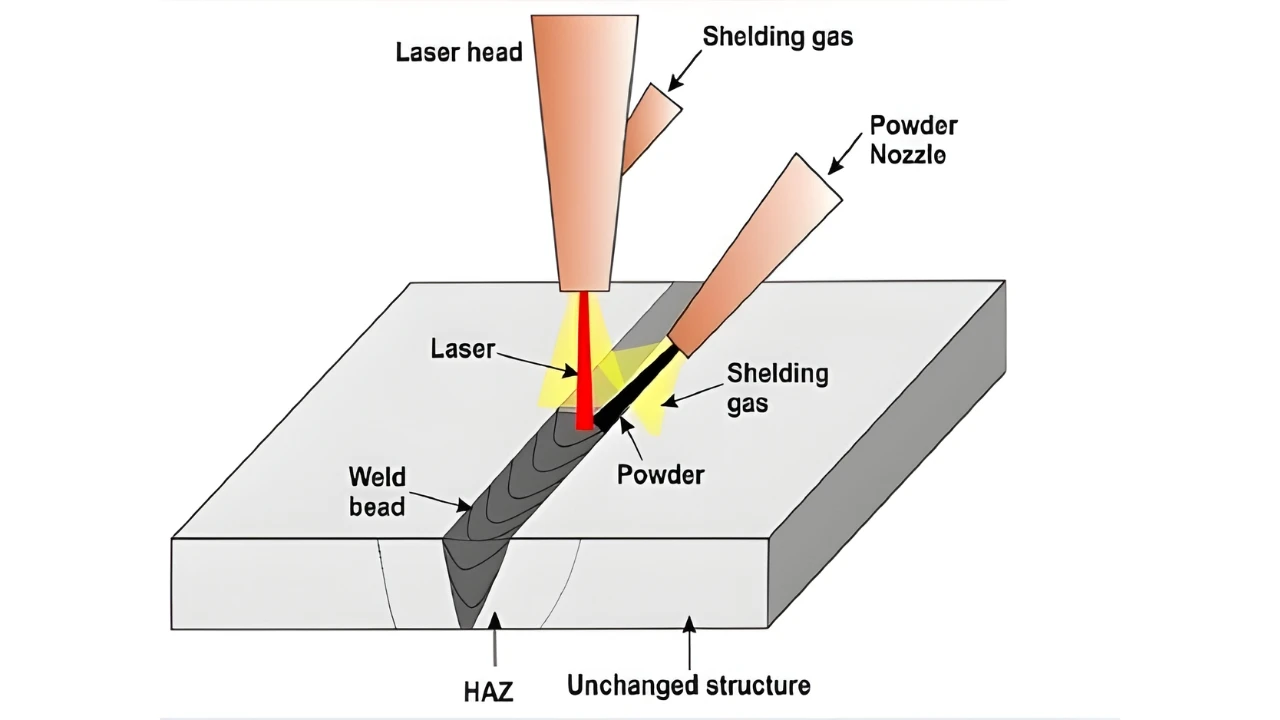
Autogenous Welds
In fusion of base metals, autogenous welds are created in the absence of filler material. They use only melting edges, resulting in clean and sharp joint lines. you must make sure that they fit-up tight to create a strong weld.
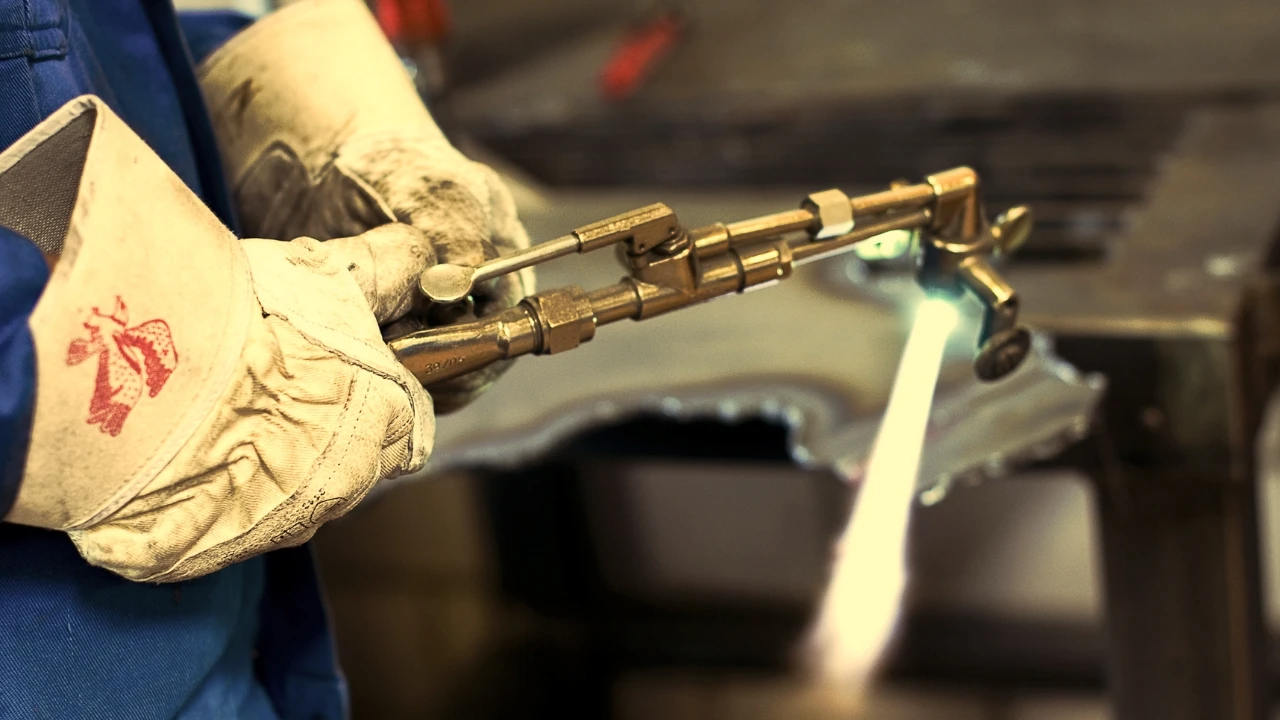
How Does Welding Work (Step-by-Step Process)
Step 1: Surface preparation
The initial step to commence any welding work done is surface preparation. You wash metal surfaces to ensure that there is no rust oil and contaminations. Adequate preparation guarantees good bonding and minimizes welding flaws in the future.
Step 2: Heat generation
The generation of heat is due to the intense welding temperature generated by electrical current or fuel. This heat is used for the welding of metals surfaces effectively in the welding process. Effective heat control avoids warping and guarantees greater penetration strength at all times.
Step 3: Weld pool formed as molten
When the base metal melts, a molten weld pool is formed. You can see the behavior of liquid metals when materials merge in pool. This pool should be stable in order to attain good and consistent quality of the welding results.
Step 4: Addition of filler metal
Filler metal is incorporated to reinforce joint and fill gaps appropriately. Based on the type of base metal, you choose suitable filler material. It enhances the weld integrity and provides durability in mechanical stress conditions long lasting results.
Step 5: Cooling and solidification
Cooling is done right after the heat source of welding is withdrawn. You leave metal to harden gradually in order to get structural strength. Controlled cooling not only prevents cracks but also enhances toughness of the welded joint in general very well done.
Step 6: Weld joint
Weld joint is created when two base materials are joined with the help of fused metal. You check alignment and proper fusion and then set it. Powerful weld joint offers durability strength and long term reliability in structures applications in a safe manner.
Main Categories of Welding Processes
- Arc welding: Arc welding uses electric arc to melt metals and join them. It is popular in fabrication of construction. Also used for repair maintenance applications today.
- Gas welding: Gas welding uses oxygen fuel flame to melt and join metals. It is applicable to thin metals and repair. Usually used in plumbing automotive and sheet metal.
- Resistance welding: Resistance welding joins metals using pressure and electric current heat. It is quick and can be used in large-scale production. Used in automotive and appliance manufacturing industries.
- Energy beam welding (laser, electron beam): Energy beam welding uses laser or electron beams for joining. It offers high accuracy and penetration of the weld. Used in aerospace medical and electronics industries.
- Solid-state welding: Solid state welding joins metals without melting base material. It applies friction pressure or deformation bonding of metals. Usually used in aerospace automotive and rail production sectors.
Arc Welding (Most Common Welding Category)
Among different welding types, Arc welding involves the use of electric arc in order to produce high-level heat to join metals. It is the most popular and one of the best type of welding in the fabrication industry worldwide. It is effective in welding a variety of metals such as steel, iron, and a number of alloys. It provides robust joints and facilitates multitasking in constructions and productions.
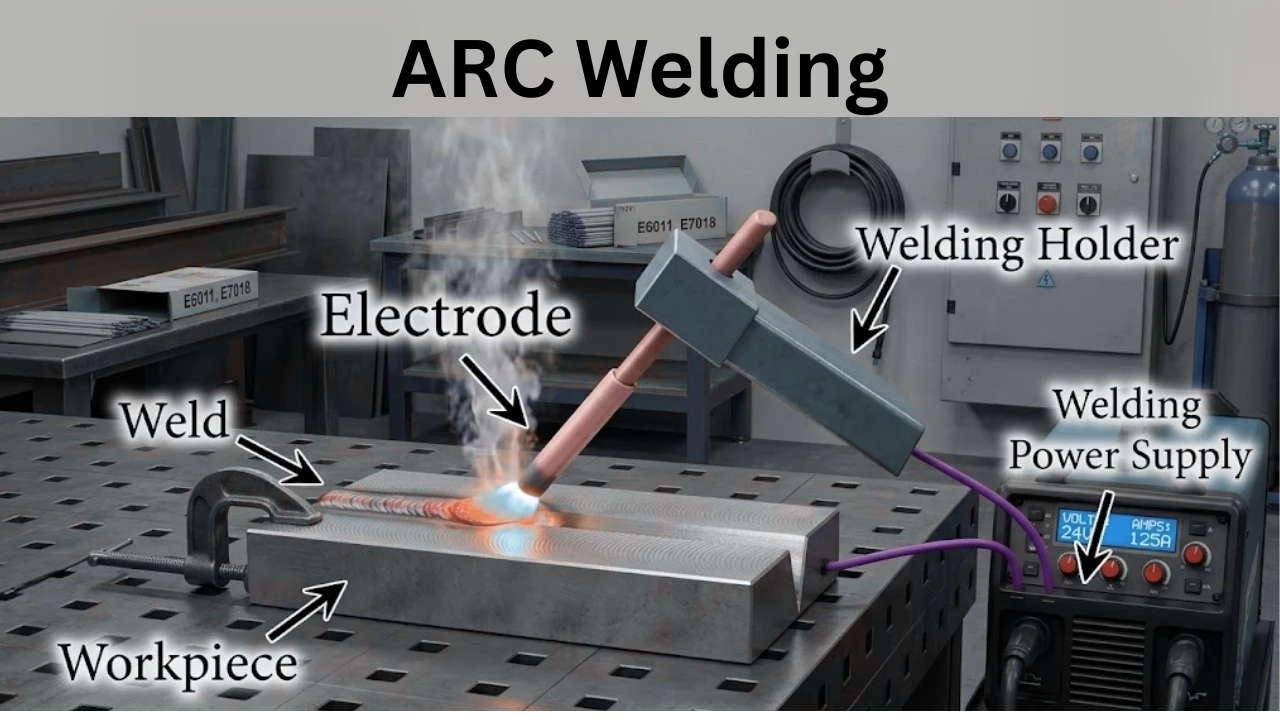
Main Types of Arc Welding
- MIG Welding
- TIG Welding
- Stick Welding
- Flux-Cored Arc Welding
- Submerged Arc Welding
- Plasma Arc Welding
Different kinds of Welding
In the given information, we will learn about the different types of welding and their applications in different sectors in our daily life.
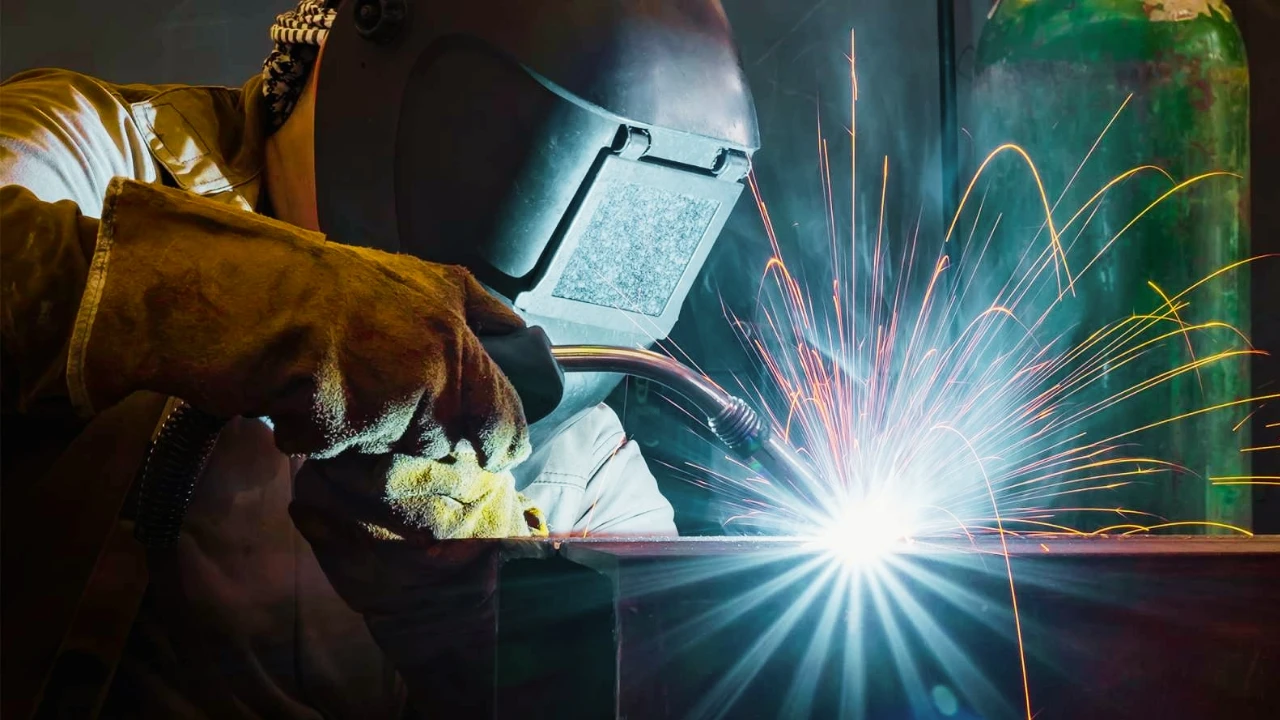
MIG/MAG Welding (GMAW)
MIG/MAG is a semi-automatic continuously fed wire electrode arc welding process. The wire and base metal are melted together efficiently by an electric arc. In the welding process, shielding gas is used to keep the weld pool free of atmospheric contamination. Applied in automotive fabrication, and repair work because of high speed productivity gains. Clean strong welds.
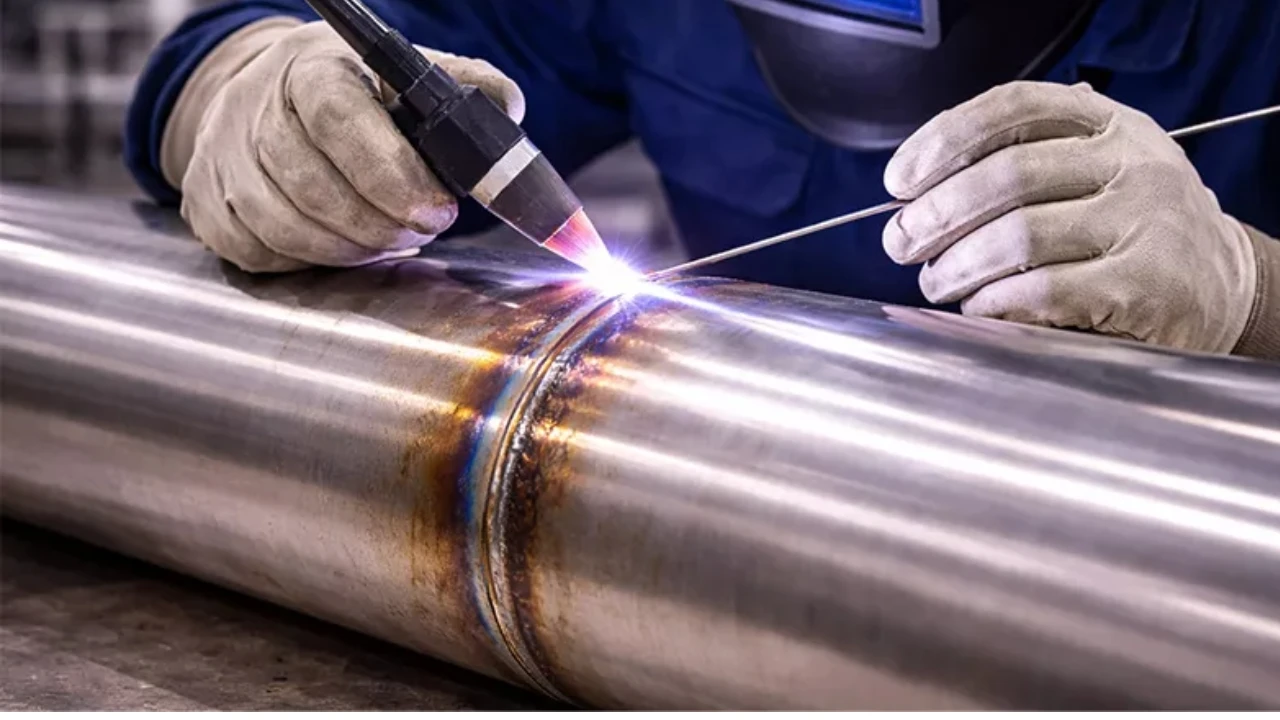
TIG Welding
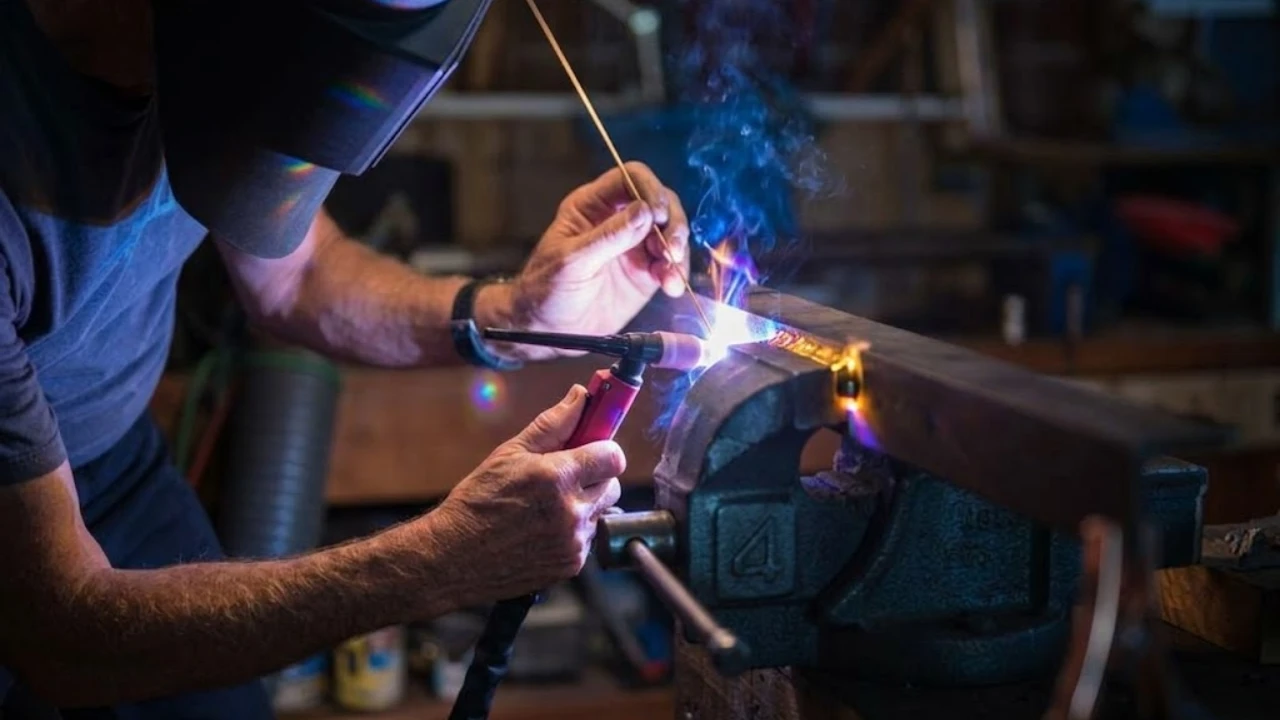
A technique of welding that uses an electrode made up of non-consumable tungsten, and an arc that uses filler rod for origination. Base metal is melted in an arc, with a shielding gas preventing atmospheric contamination during welding and is used in aerospace, stainless steel, aluminium welding, and precision automotive fabrication work. Produces clean welds and high accuracy control, but is time-consuming and skilled.
Note: To explore in-depth information about MIG and TIG welding, you can read MIG vs TIG welding.
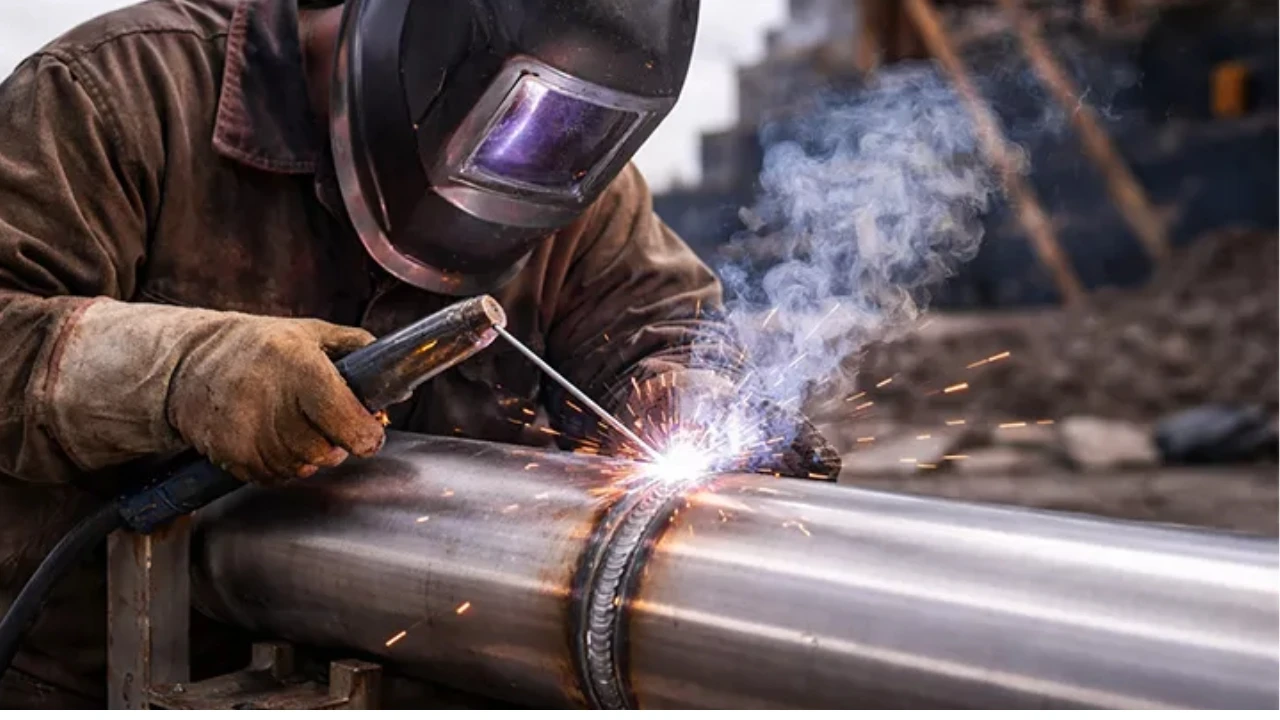
Stick Welding
A hand joining welding process that makes use of arc along with electrode featurinhg the flux coating. This joins the different metals together. Between the electrode and the base metal an electric arc is produced that produces a lot of heat to melt and bond. Applicable in maintenance of pipelines used in construction, and outdoor remote repair location often employed. Very mobile and can be used outdoors, but is a skilled operation and leaves slag cleanup.
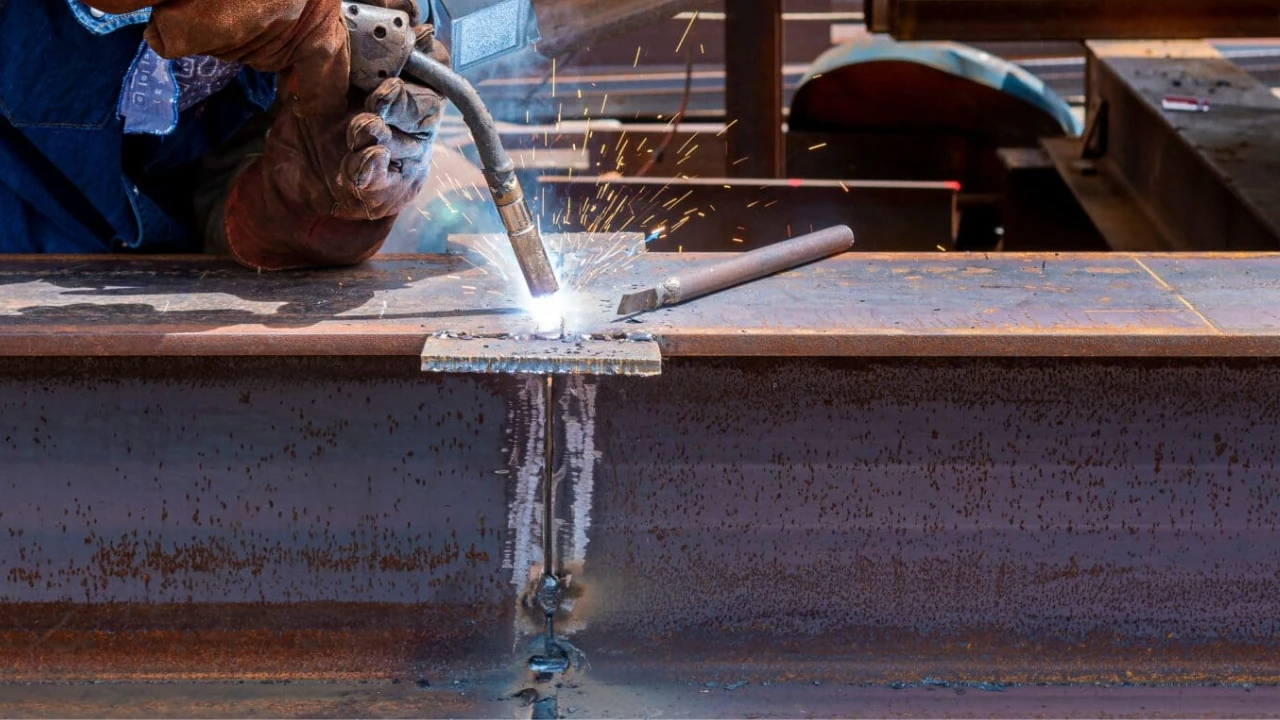
Flux-Cored Arc Welding
This technique is one among the types of welding that makes use of tubular wire featuring flux filled into it. Arc melts metal and flux produces shielding gas and protective slag. Applied to construction shipbuilding heavy fabrication, and in outdoor welding tasks particularly involving heavy materials. The rate of deposition is high and the productivity is also high but leaves slag smoke and rough finish.
Submerged Arc Welding (SAW)
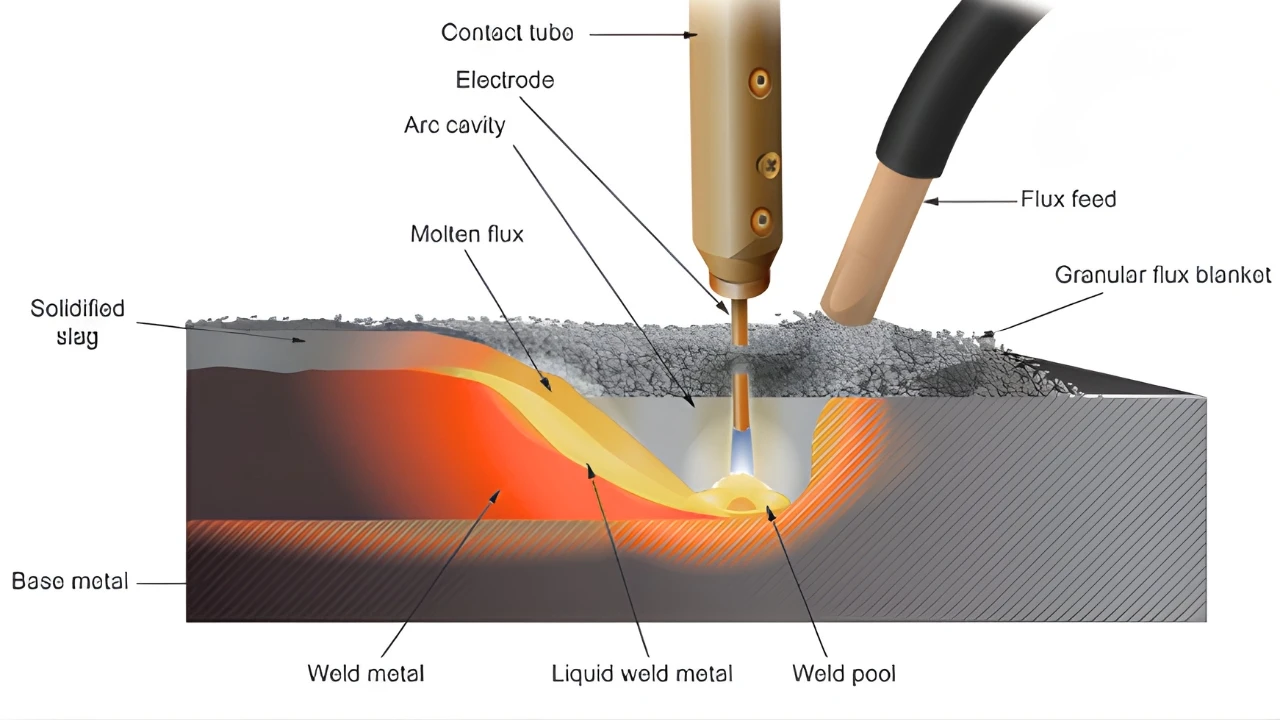
Submerged arc welding is an automated welding method arc that is concealed in flux. The feed of wire electrodes is constant and granular flux prevents contamination of the weld. Used for shipbuilding pipelines heavy structural steel, and pressure vessel fabrication industrial applications use. Gives very high penetration speed but only in a flat or horizontal position.
Plasma Arc Welding (PAW)
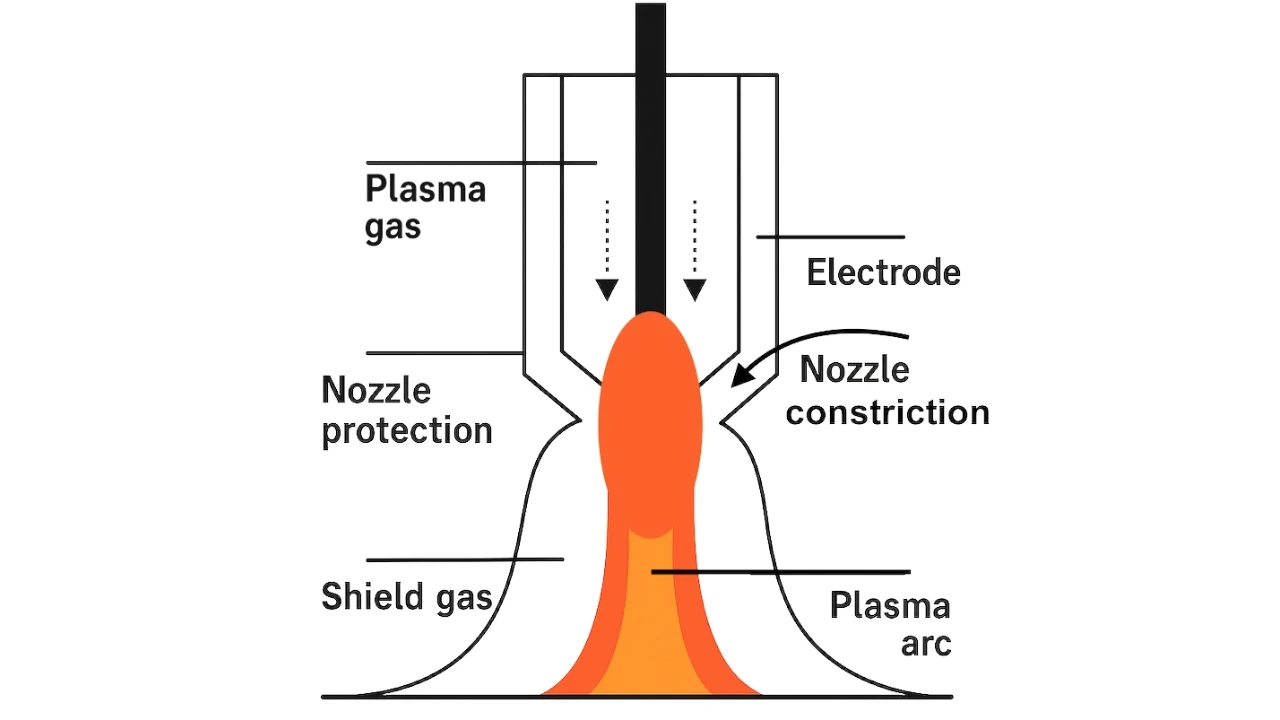
Plasma arc welding is an accuracy process that is based on TIG with constricted arc. Arc is made to pass through nozzle to produce high temperature plasma jet to do welding. Applied in aerospace thin sheets fabrication, and in specialized engineering components industrial applications. It is very precise and controllable but expensive equipment and operators are needed.
Advanced Welding Techniques
Here are the different welding techniques that we use in daily life:
Laser Beam Welding (LBW)
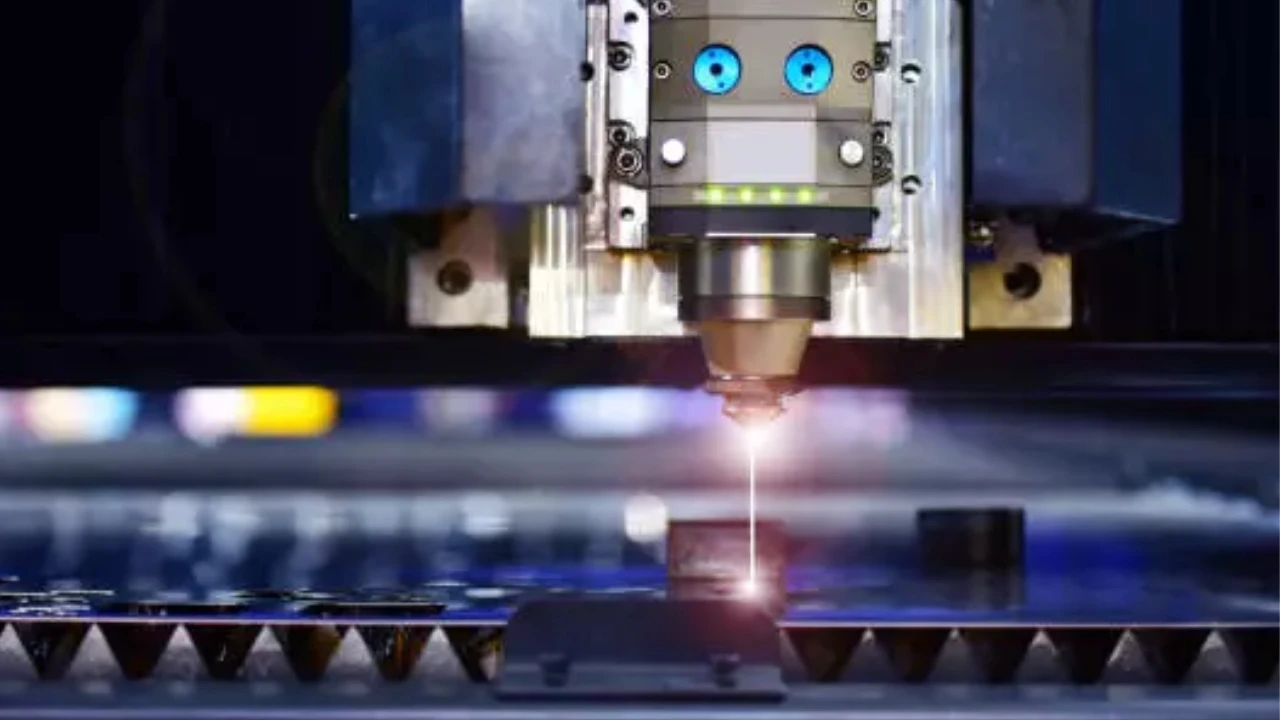
Laser Beam Welding is a high-precision and one of the best welding process which uses laser energy in a focused state. It focuses a lot of laser on a small area to ablate materials. Laser welding is applicable in the production of automotive, electronic, aerospace and medical. It has high level of accuracy, minimal amounts of distortion, speedy and clean welds. The cost of equipment is high.
Electron Beam Welding (EBW)
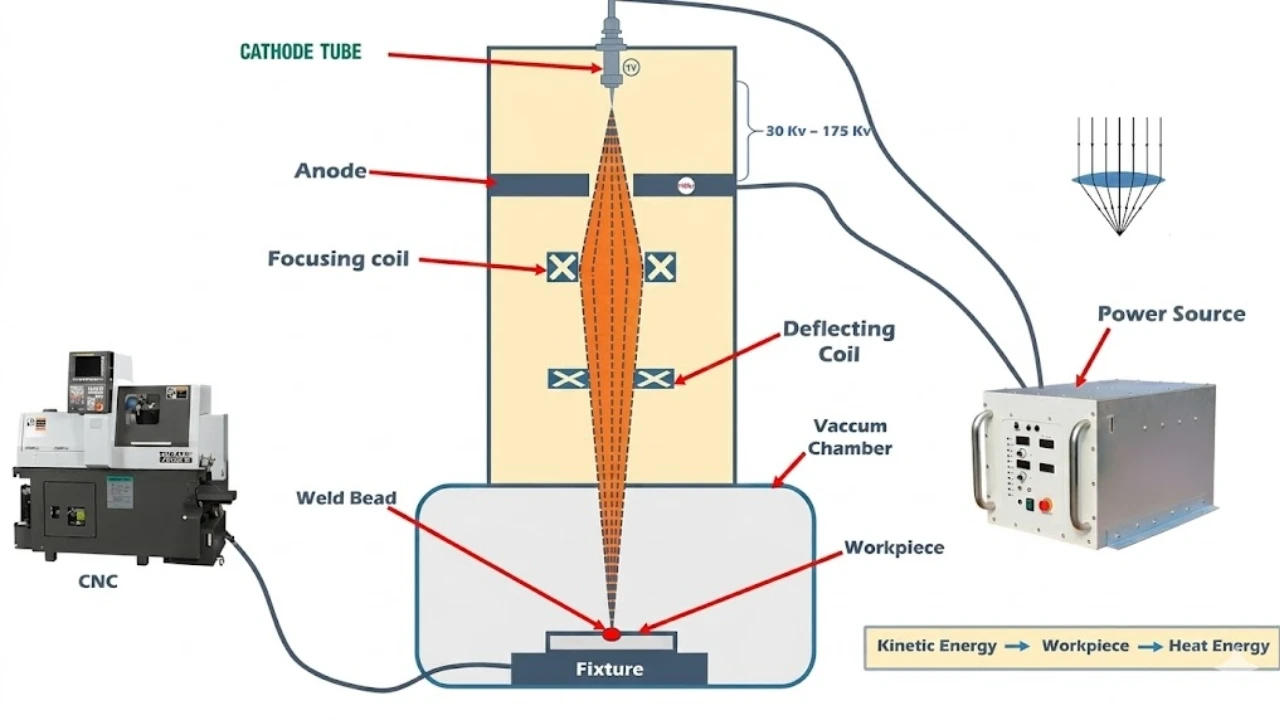
Among the various welding techniques, Electron Beam Welding is a process that involves the use of high velocity electrons that are focused to join metals. It operates in vacuum where materials are deeply melted cleanly by electrons energy. It finds application in aerospace, nuclear plants and precision engineering components. In comparison to other types of welding, it provides deep welds, however requires vacuum and costly sophisticated equipment. Extremely low portability.
Friction Welding (Solid-State Welding)
Friction Welding is a solid state process, where metals are joined together using friction force. It creates heat by rotating and pushing pressure without melting the metals directly. The processes are rotary welding, linear welding and friction stir welding and types. It creates hard joints without filler and minimizes the overall welding defects.
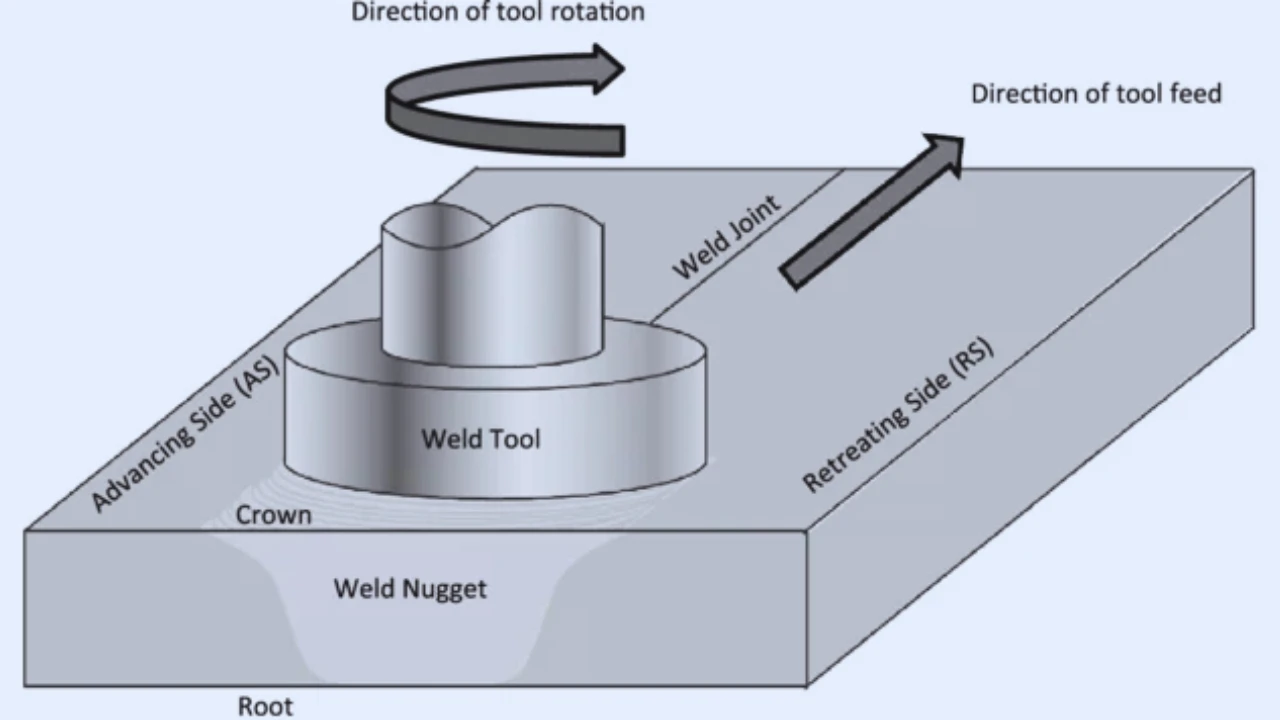
Resistance Welding
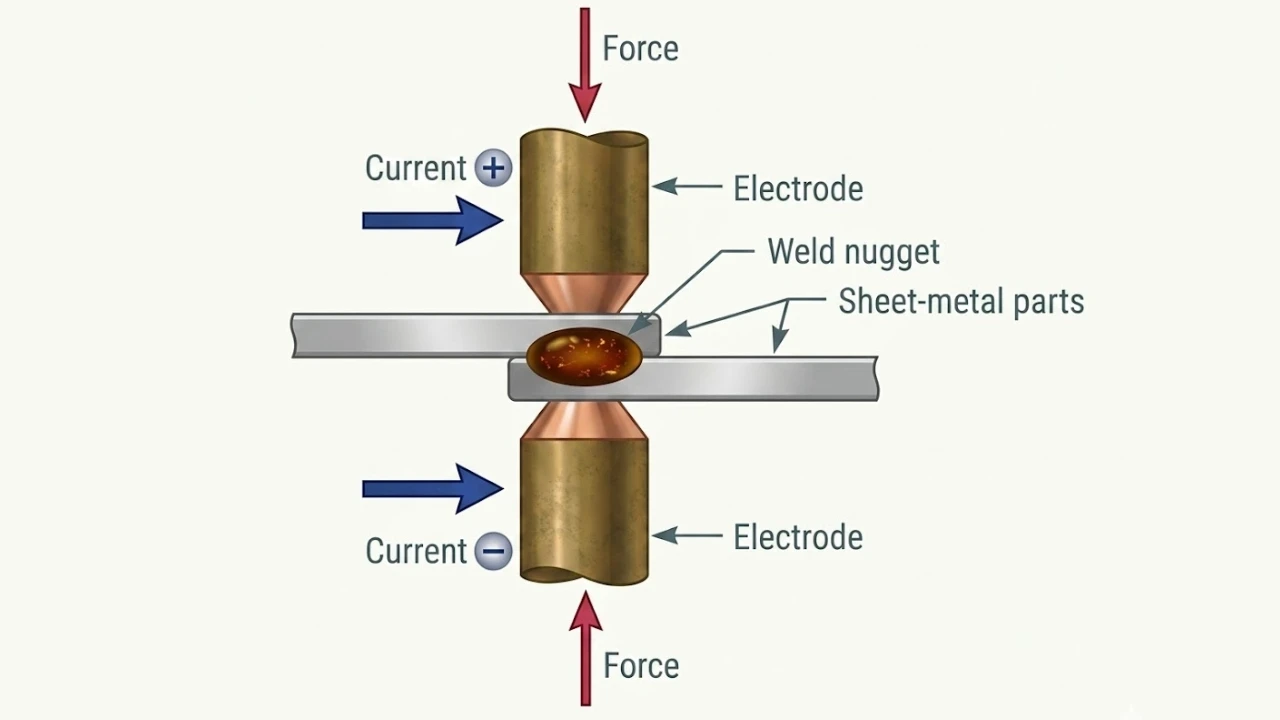
Resistance Welding involves the application of electric current and pressure for welding of metals surfaces. Electrical resistance at contact points between pressurized materials produces heat. Typical ones are spot welding and seam welding in industry manufacturing. It allows rapid production, automation, yet with thin material only.
Welding Type | Heat Source | Skill Level | Cost | Best Use Case | Key Advantage |
MIG/MAG Welding (GMAW) | Electric arc + consumable wire + shielding gas | Easy | Medium | Automotive, sheet metal, general fabrication | Fast, beginner-friendly, clean welds |
Stick Welding (SMAW) | Electric arc + flux-coated electrode | Medium | Low | Construction, outdoor repair, pipelines | Works in harsh/outdoor conditions |
TIG Welding (GTAW) | Arc + tungsten electrode + shielding gas | Hard | High | Precision welding, aerospace, stainless steel | Highest quality, very precise welds |
Flux-Cored Arc Welding (FCAW) | Flux-core wire arc (self or gas shielded) | Medium | Medium | Heavy fabrication, shipbuilding, construction | High deposition rate, good for thick materials |
Submerged Arc Welding (SAW) | Electric arc + granular flux layer | Advanced | High | Shipbuilding, pipelines, pressure vessels | Deep penetration, high productivity |
Plasma Arc Welding (PAW) | Constricted plasma arc (ionized gas) | Advanced | High | Aerospace, thin metals, precision parts | Extremely precise, stable arc control |
Laser Beam Welding (LBW) | Focused laser beam | Advanced | Very high | Electronics, automotive, medical devices | Ultra-precise, minimal heat distortion |
Electron Beam Welding (EBW) | High-velocity electron beam (vacuum) | Expert | Very high | Aerospace, nuclear, high-performance parts | Extremely deep, high-integrity welds |
Friction Welding (Solid-State) | Mechanical friction + pressure (no melting) | Expert | High | Aerospace, automotive, dissimilar metals | Very strong solid-state joints |
Resistance Welding (Spot/Seam) | Electric current + resistance + pressure | Medium | Medium | Automotive body panels, mass production | Extremely fast, highly automatable |
Welding Joint Comparison Table
Joint Type | Description | Strength Level | Common Uses | Suitability |
Butt Joint | Edges joined in same plane | High | Pipelines, structural steel | Heavy-duty applications |
Lap Joint | Overlapping materials | Medium | Sheet metal, automotive panels | Thin materials |
Tee Joint | Perpendicular connection (T shape) | High | Structural frameworks | Load-bearing structures |
Corner Joint | 90° corner connection | Medium-High | Boxes, frames, furniture | Enclosures and frames |
Edge Joint | Parallel edge welding | Low-Medium | Sheet metal finishing | Non-load-bearing work |
Types of Welding Joints (Critical for Beginners)
- Butt joint: Butt joints are used to join two elements at the same plane. They are often found in structural fabrication and pipes. Needs high accuracy in edge positioning to achieve high quality welds.
- Lap Joint: A lap joint is formed by overlapping two metal sheets. The purpose of welding metal sheets in this way is to form a strong joint. This provides good strength and is easy to assemble. Usually used in car body and sheet manufacturing.
- Tee Joint: Tee joint is formed when two parts have the right angle. Applied in structural fabrication and frames. Welding should be done carefully in order to be used as a load bearing structure.
- Corner Joint: When two metal components are held together at a right angle, the resulting joint is known as a corner joint, and is commonly used in frames and box structures. Needs good welding so that the joints can be stable.
- Edge Joint: Edge joint is a joint between two metal sheets. Applied to sheet metal and thin materials. Gives moderate strength to non load bearing parts.
How to Choose the Right Type of Welding
The choice of one among the types of welding is based on some pragmatic technical considerations. The type of material will determine the choice of process, particularly steel, aluminum, and stainless steel. Metal thickness can be used to define the input of heat, degree of penetration and general strength of the weld. Welding position influences choice of technique in use in flat vertical and overhead work. Shielding methods and equipment suitability choices are affected by indoor or outdoor environments. Structural versus cosmetic Welds are determined by required strength versus appearance. The most feasible choice of welding option is completed by budget constraint and the availability of equipment.
Applications of Welding in Real Life
Construction Industry
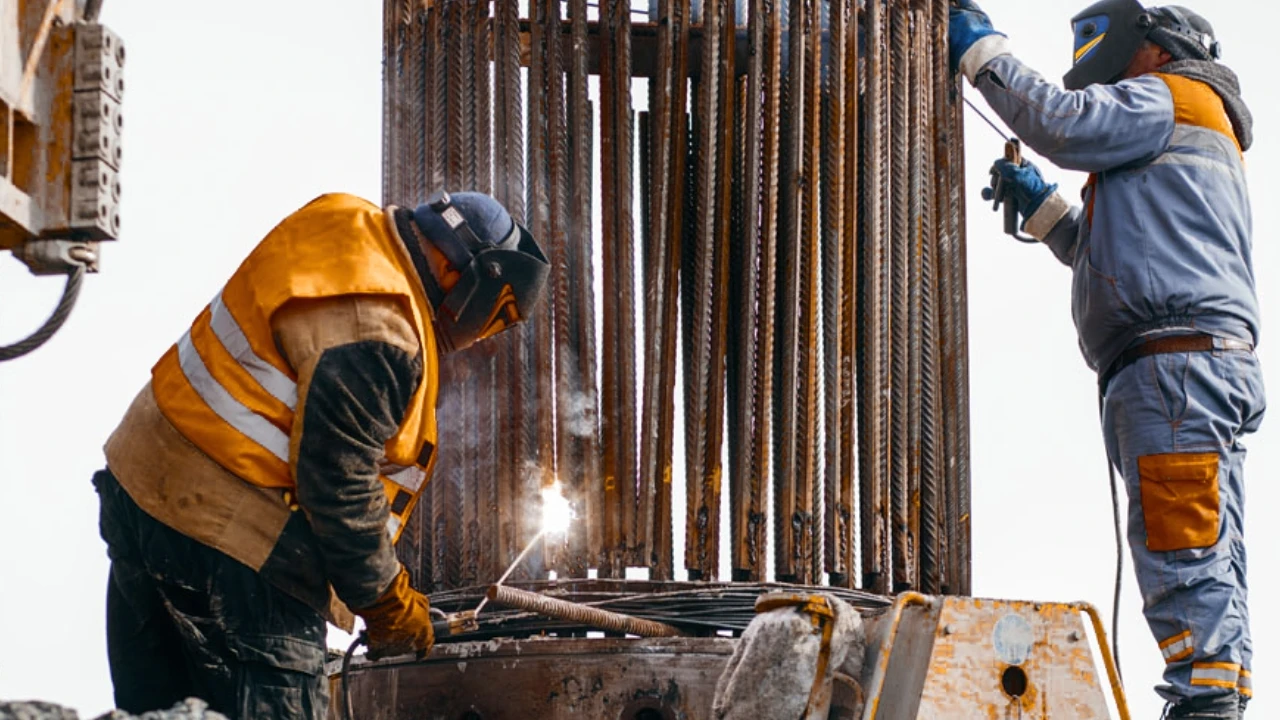
Welding aids in the building of buildings, bridges, and pipelines all over the world. It constructs durable steelwork structures that can be made by different types of welding. These steelwork structures are safe and long lasting infrastructural projects. You count on welded joints as a guarantee of durability and stability.
Automotive Industry
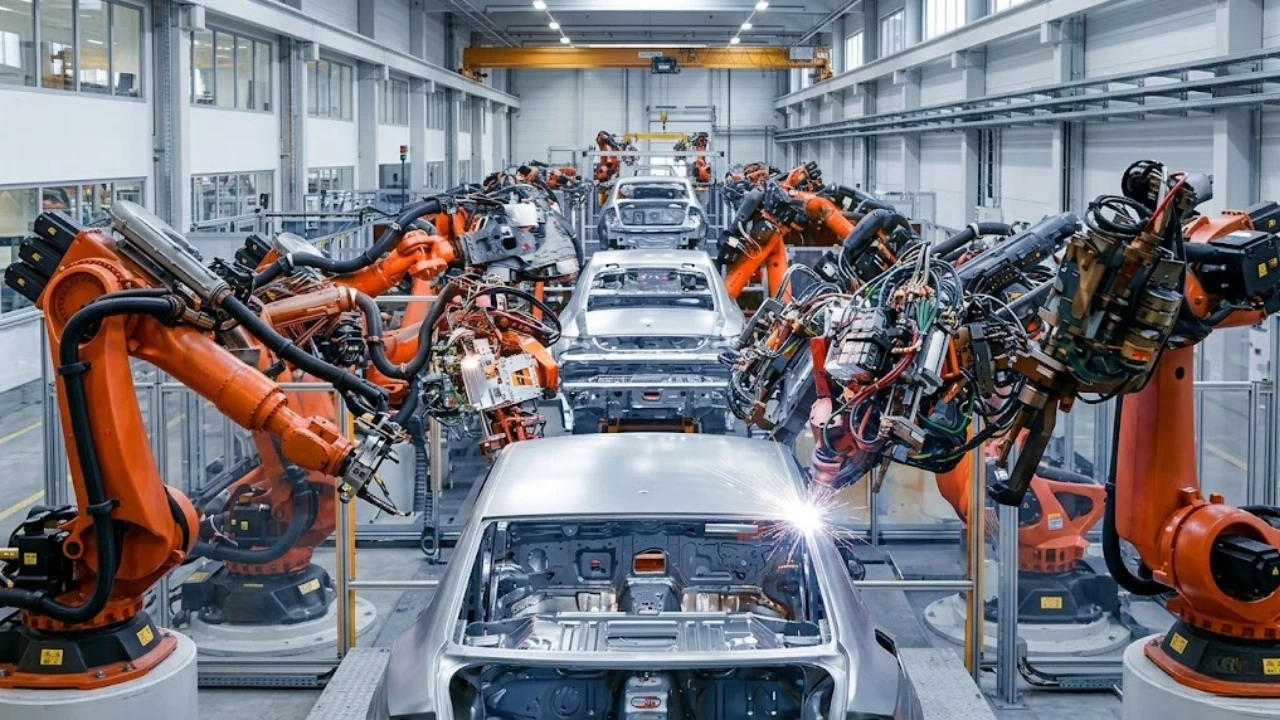
In fabrication of car bodies and chassis, welding is popular. It is also used to develop long lasting exhaust systems and structural parts. You have safer cars with accurate and robust welded connections.
Aerospace & Aviation
Welding is a key component of the manufacturing industry in aerospace and aviation. It guarantees high-end lightweight aircraft and spacecraft parts. You have better safety and fuel efficiency performance reliability.
Manufacturing & Fabrication
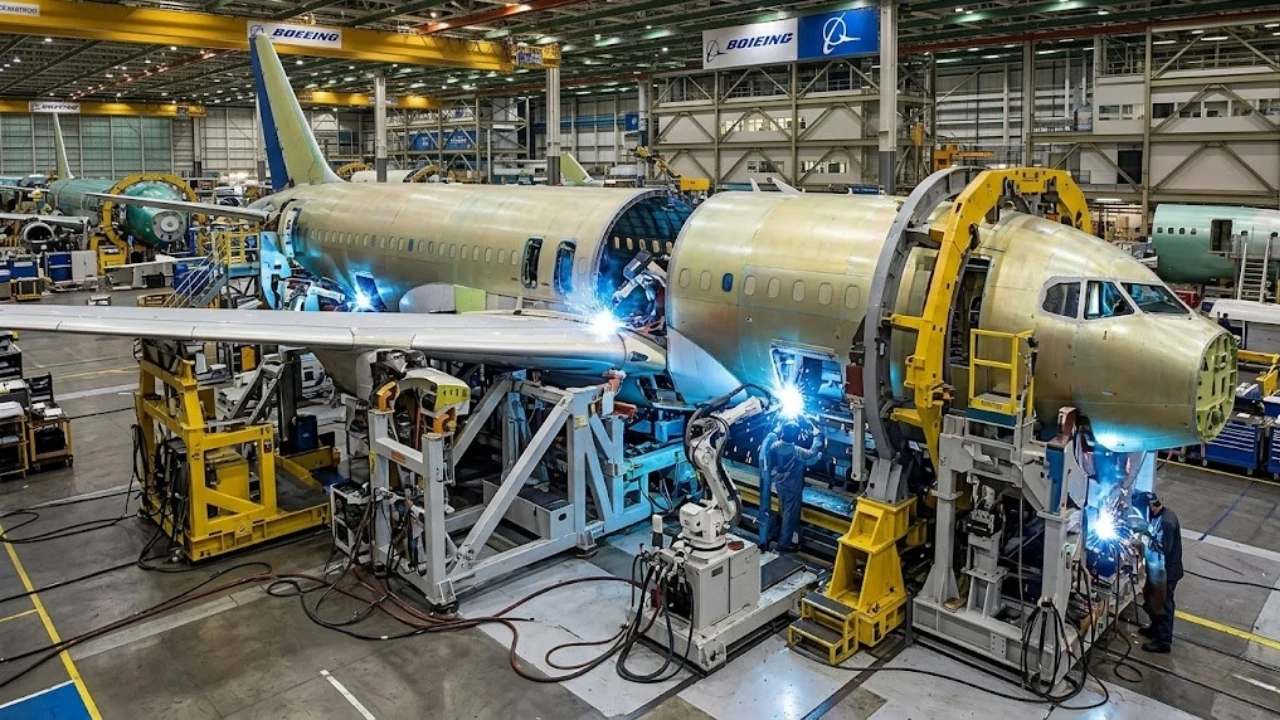
Welding is applied in manufacturing industries to make machines and industrial tools. It guarantees proper manufacturing of equipment in different industries. Today, you can be more productive with the help of trusted welded manufacturing.
Repair & Maintenance
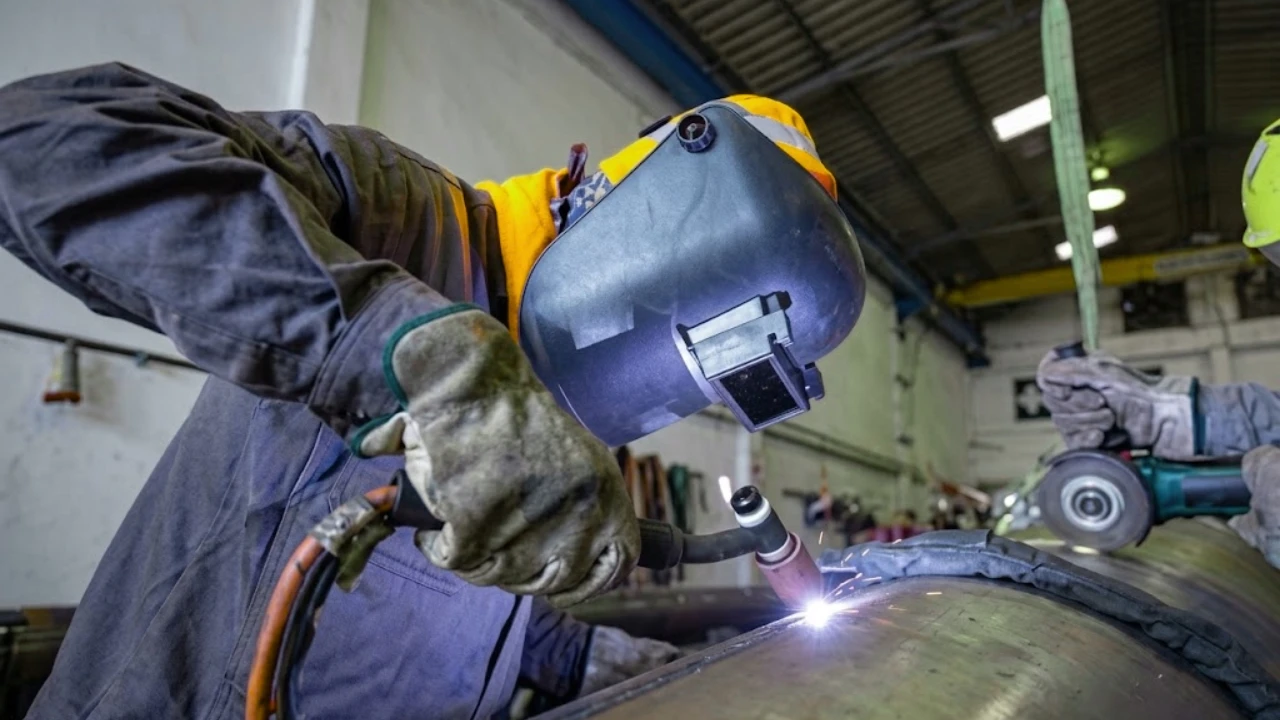
Agricultural machinery and equipment repair requires welding in order to be effective. It is also used to maintain heavy industrial machines and systems. You save on equipment maintenance and shorten downtimes in a cost effective manner.
Conclusion
Welding is one of the basic processes which underpin modern engineering and industry in the world. The various types of welding have their own benefits based on the type of material used and the use. Knowledge of all welding processes, joints and technologies will enable you to select the appropriate method. Welding provides strength, safety, and long-term durability of structures in construction to aerospace. To learn techniques effectively, beginners need to practice, be safe, and develop abilities. Today, in industry settings around the world, it is important to have continuous learning about welding and types of welding to attain professional level welding expertise.