Melting Point of Gold – The Ultimate Guide
Gold refers to a yellow and soft metal featuring high malleability and ductility. It has the ability to conduct heat as well as electricity. Gold has an atomic number of around 79 with abbreviation for the abbreviation Au. It features unmatchable luster and radiance. In today’s age, gold represents a symbol of power and wealth. Different industries, ranging from jewellery to finance, as well as electronics, utilize this metal for different purposes. One key aspect that impacts the application of Gold is its melting point. Getting familiar with this aspect is crucial for effective molding as well as refining specially for targeted industrial sectors. The purpose of this blog is to offer insights on Gold’s melting point, melting process, factors affecting it and much more. Let’s get started!
What is the Melting Point of Gold?
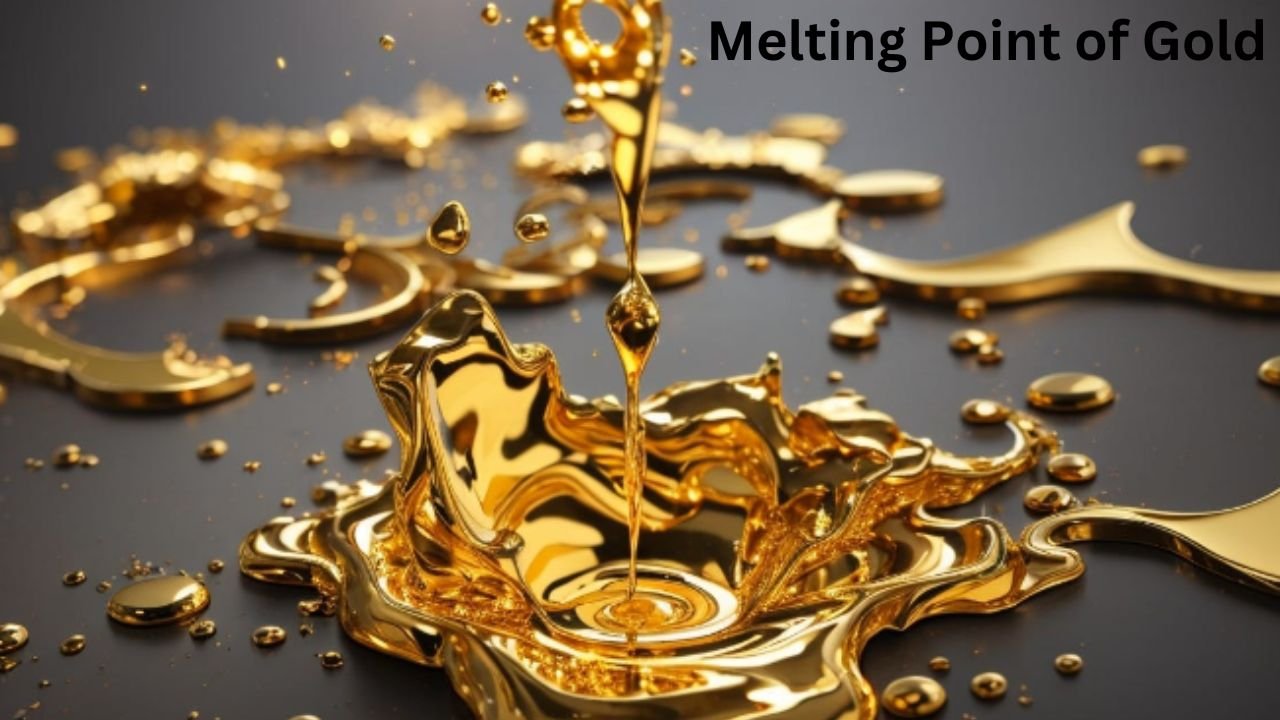
To understand the melting point of gold, first get familiar with the melting point concept. It refers to a point at which a material shift in state from solidity to liquidity occurs. Please note this is true at standard atmospheric pressure.
It is crucial to note familiarity with the gold melting point temperature in different units of temperature:
- Melting point of gold in Celsius (10640 °C)
- Melting point of gold in Fahrenheit (19470F)
- Gold melting point in Kelvin (1337.33K)
At these temperatures (10640 °C/1337.33K/19470F), the gold in any form experiences a shift in state from solidity to liquidity.
Factors That Influence the Melting Point of Gold in Degrees Celsius
Various factors that affect the melting point of gold in Celsius are: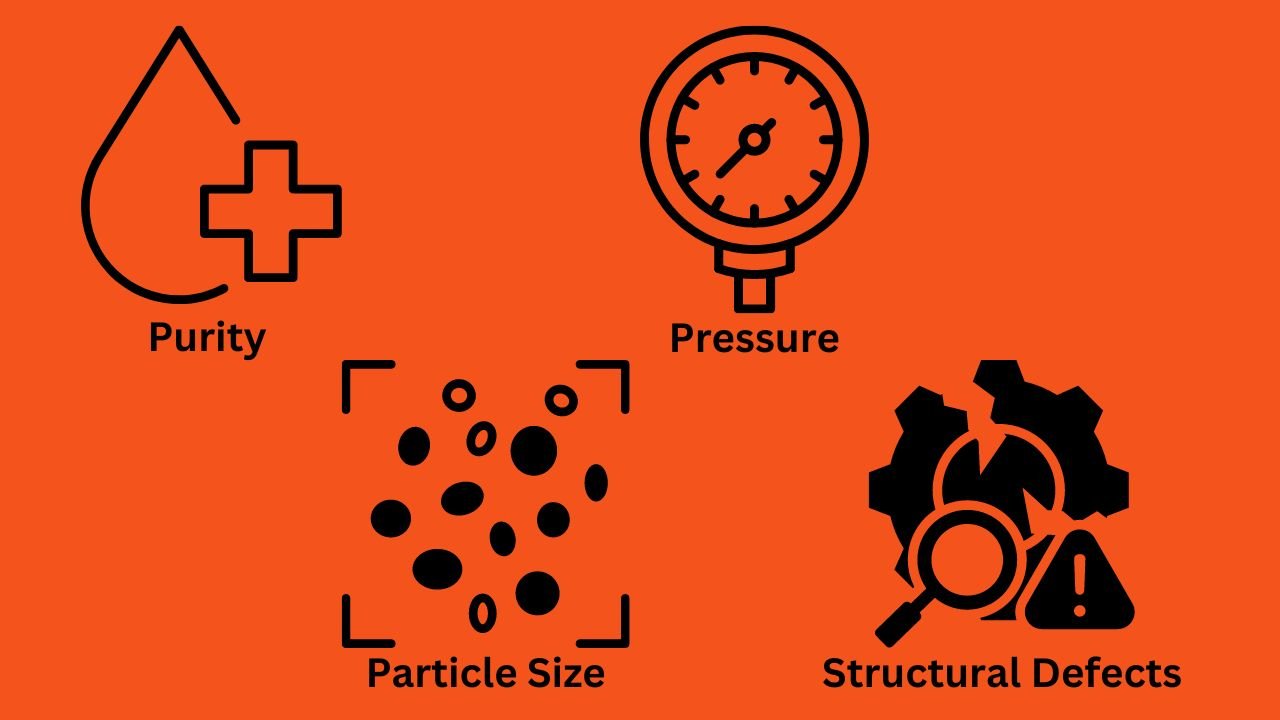
Level of Purity
The melting point of 24 karat gold or pure gold is 10670 °C. On the other hand, if the gold is not pure, then the melting point decreases. For instance, if the Gold is in alloyed form with either nickel, copper, or silver. Then these alloys change the atomic structure of the gold and ultimately lower the melting temperature of pure gold. For example, 18K gold comprises 25 per cent alloys and 75 per cent pure gold. The melting point of 18K gold is lower than that of 24K gold.
Melting Pressure
The pressure directly influences the melt point of gold. If the surrounding pressure increases, then the melting temperature of the gold also increases, and vice versa. This is because under lower pressure, the structure of the atoms becomes less compact and vice versa. Therefore, it varies the melting temperature.
Size of The Particles
The size of the nano-particles greatly impact the golds melting point. The presence of a large number of small-sized particles contributes to a greater surface-to-volume ratio. The larger surface area indicates the presence of large number of atoms on the surface than within the particle. This ultimately lowers the melting point of gold nanoparticles because you need much lower energy to transition from solidity to liquidity.
Chemical Environment
- In a chemical environment, a number of things can influence the melting temperature of gold, such as: If there exist reactive gases while heating the gold, such as chlorine or oxygen. Then these gases can influence the energy you need to melt the Gold. You can experience a lower melting point as these gases weaken the bonding.
- The fluxes (which refer to the substances that purify the Gold) impact the temperature at which Gold melts. These fluxes form compounds with Gold. This ultimately lowers the melting temperature.
Structural Defects
The structural defects present within the Gold that you are going to melt affect the melting point. The non-uniform presence of crystal structure or the existence of grain boundaries can contribute to a lower melting point. You can overcome this if you control the quality of the gold. The pure gold does not have any effect of grain boundaries or dislocations.
What is The Importance of The Gold Melting Point?
The following key points will clear up the importance of the golds melting point:
Precision Manufacturing
No matter if you are operating a jewellery business or an electronics business, getting familiar with the melting point of gold is crucial. This will help you cast or mold qualitative and precision products.
Effective Quality Control
To build a strong reputation in the market as a manufacturer, you need to offer flawless products. The melt point of gold can help maintain quality and form during the entire manufacturing phase.
Alloys Creation
If the end purpose is to blend two or more alloys with Gold. Then you cannot do so accurately without knowing the melting temperature of the gold. The main reason for blending these alloys is to impart specific characteristics. These characteristics include colour or even strength.
Effective Recycling
Knowing the melting point of the Gold allow you to experience effective recycling. The scrap gold possesses impurities or unwanted materials. With ageing, the color or luster reduces. You can renew it by recycling, which involves melting and casting the gold into new shapes or designs.
Research Advancement
If you are a researcher and want to strengthen your knowledge in material chemistry or material sciences. Then, in this case, the gold melting point serves as the base. You can understand how material behaves under certain conditions with different compositions.
Comparing the Gold Melting Point Temperature With Other Metals
- Melting point of copper and gold – Copper 10830 °C and Gold 10640 °C
- Melting point of iron and gold – Iron 15380 °C and Gold 10640 °C
- Melting point of Aluminum vs gold – Aluminum 6600 °C and Gold 10640 °C
- Melting point of gold and platinum –Gold 10640 °C and Platinum 17680 °C
- Melting point of steel vs gold –Steel 15380 °C and Gold 10640 °C
- Melting temperature of gold and silver – Gold 10640 °C and Silver 9610 °C
- Melting point of Titanium vs gold –Titanium 16680 °C and Gold 10640 °C
Sr. No. | Metal | Melting Point (Celsius) | The Melting Point (Fahrenheit) | Melting Point (Kelvin) |
1 | Gold | 1064 | 1947 | 1337 |
2 | Copper | 1083 | 1981 | 1356 |
3 | Iron | 1538 | 2800 | 1811 |
4 | Aluminum | 660 | 1220 | 933 |
5 | Platinum | 1768 | 3214 | 2041 |
6 | Steel | 1425-1538 | 2617-2800 | 1698-1811 |
5 | Silver | 961 | 1762 | 1234 |
8 | Titanium | 1668 | 3034 | 1941 |
Through the above table, you can witness that the melting temperature of gold is lower than that of copper, iron, platinum, steel, and titanium. But it is higher than aluminum and silver.
Understanding the Melting Temperature of Different Gold Grades
The gold has different grades available. Uncover insights on
- Melting point of 24 karat gold
- Melting point of 22k gold
- Melting point of 18k gold
- Melting point of 14k gold
- Melting point of 10k gold
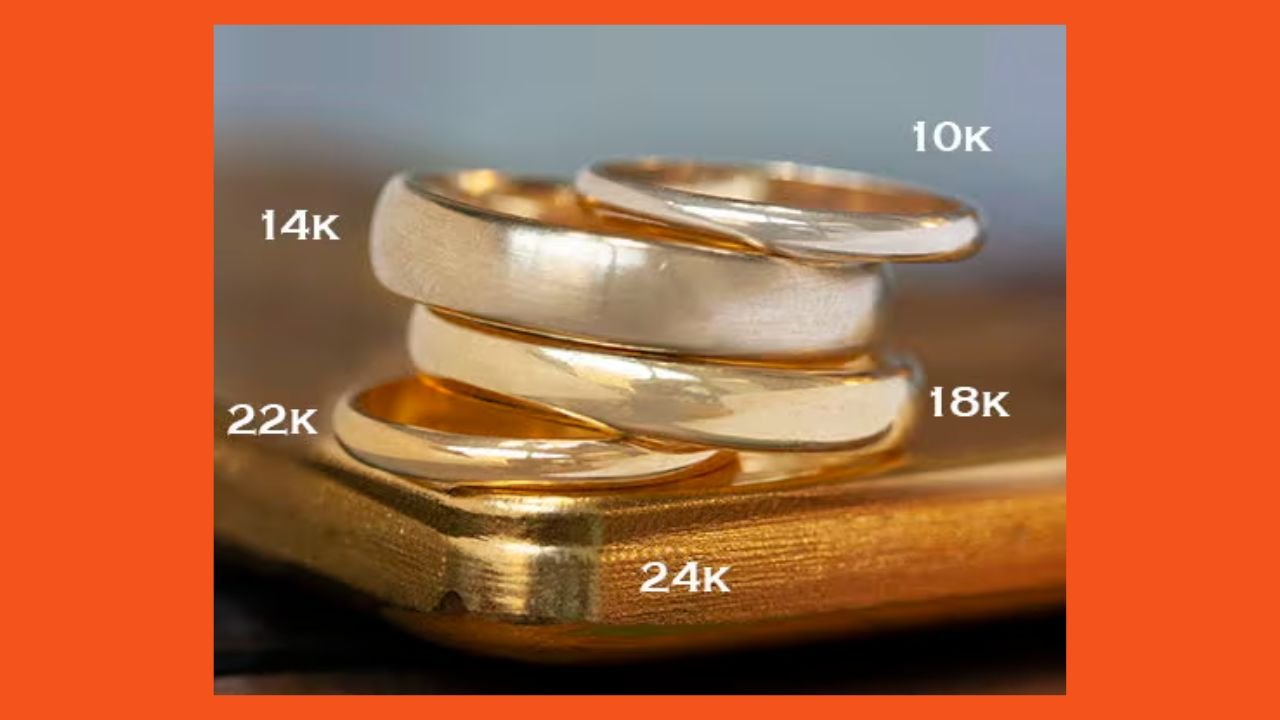
The melting temperature of all types of gold grades available. You can witness the melting point in different temperature units along with purity and impurity percentage in the table below:
Sr. No. | Gold Grade | Melting Point (Celsius) | The Melting Point (Fahrenheit) | Melting Point (Kelvin) | Purity Percentage | Other Alloys Percentage |
1 | melting point of 24 karat gold | 1064 | 1947 | 1337 | 99.99% | 0.01% (impurities) |
2 | melting point of 22k gold | 961 | 1762 | 1234 | 91.67% | 8.33% (usually silver, copper, or zinc) |
3 | melting point of 18k gold | 920 | 1688 | 1193 | 75% | 25% (usually silver, copper, or zinc) |
4 | melting point of 14k gold | 840 | 1544 | 1113 | 58.33% | 41.67% (usually silver, copper, or zinc) |
5 | melting point of 10k gold | 780 | 1436 | 1053 | 41.67% | 58.33% (usually silver, copper, or zinc) |
Melting Gold – Step By Step Process
By following the below step-by-step process, you can effectively melt the gold efficiently:
Dealing with preparations
Ensuring the appropriate safety is paramount. Make sure you have safety gear with you. The key safety gear items include goggles, safety suits, gloves, etc. Apart from that, ensure the safety of the working area. Make sure the place where you are working has adequate space for mobility as well as proper ventilation.

Crucible Set-up
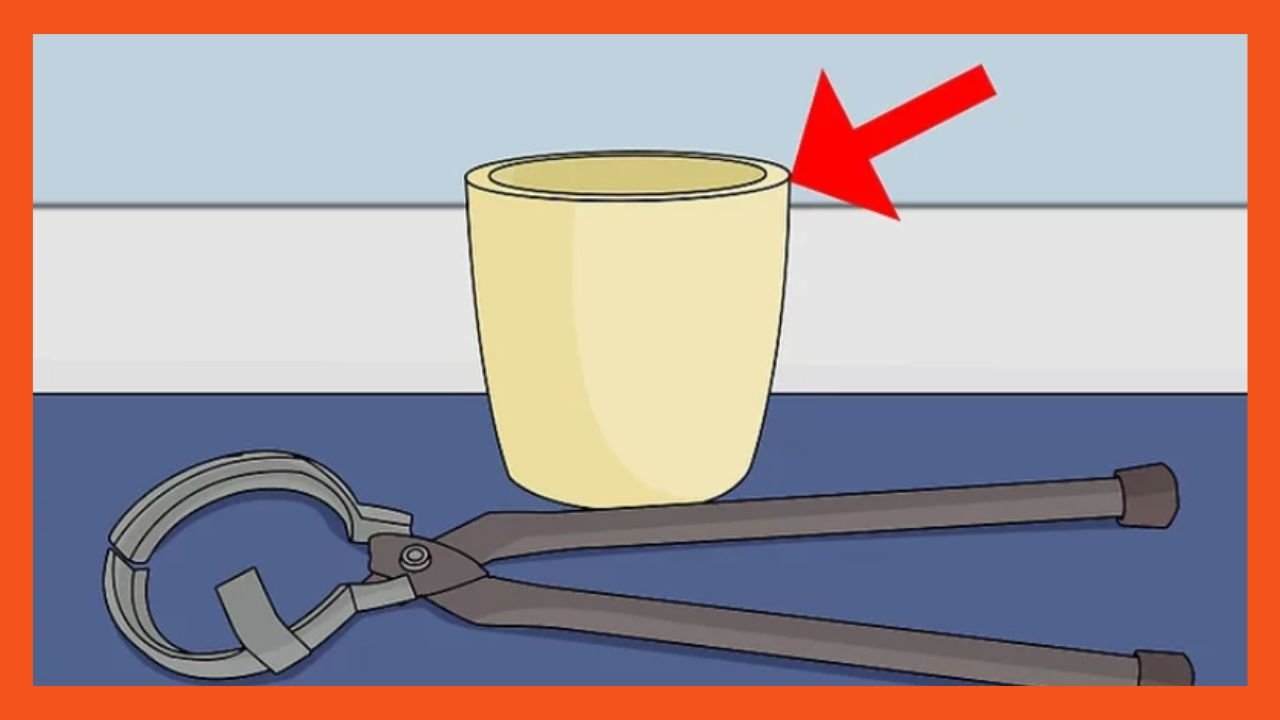
The next step is setting up the crucible. In this step, you need to put all the gold pieces that you have at hand within the crucible. It is crucial to keep the gold clean and free from other materials as well as elements. To do so, you need to use the flux. You can make use of borax as a flux. It keeps your gold pure and prevents any kind of adherence to the crucible walls.
Heat Treatment
Heat treatment involves the heating of the gold pieces that are present within the crucible. First, you need to heat the furnace, which refers to pre-heating. You need to heat it to 10640 °C, which is the exact melting point of gold. When the furnace reaches the desired temperature, you need to put the gold inside for melting. It slowly heats up and melts your gold.

There are two other ways that you can employ to melt the gold, such as:
- By using the heating torch, you can melt the gold pieces within the crucible. The torch costs less than operating the furnace. You need to evenly rotate the heating torch within the crucible; this will help spread the heat uniformly and melt the gold.
- The third method is employing an induction heater. You can use electromagnetic induction to melt the gold as per the manufacturer’s guidelines.
Melting
In this step, you need to observe how the gold is melting. As the temperature approaches the melting point for gold, it transforms from solid into paste, followed by thick liquid, and finally to the free-flowing liquid. Please note that at this step, you need to use the heat-proof rod to make a homogeneous mixture of the gold. Gently agitate the liquid; this way, the unwanted materials get to the top.
Impurities removal
The metal skimmer serves a key role in this stage. It allows you to remove the unwanted particles from the gold. The impurities are also known as slag, which comes to the top surface of the molten gold.
Pouring
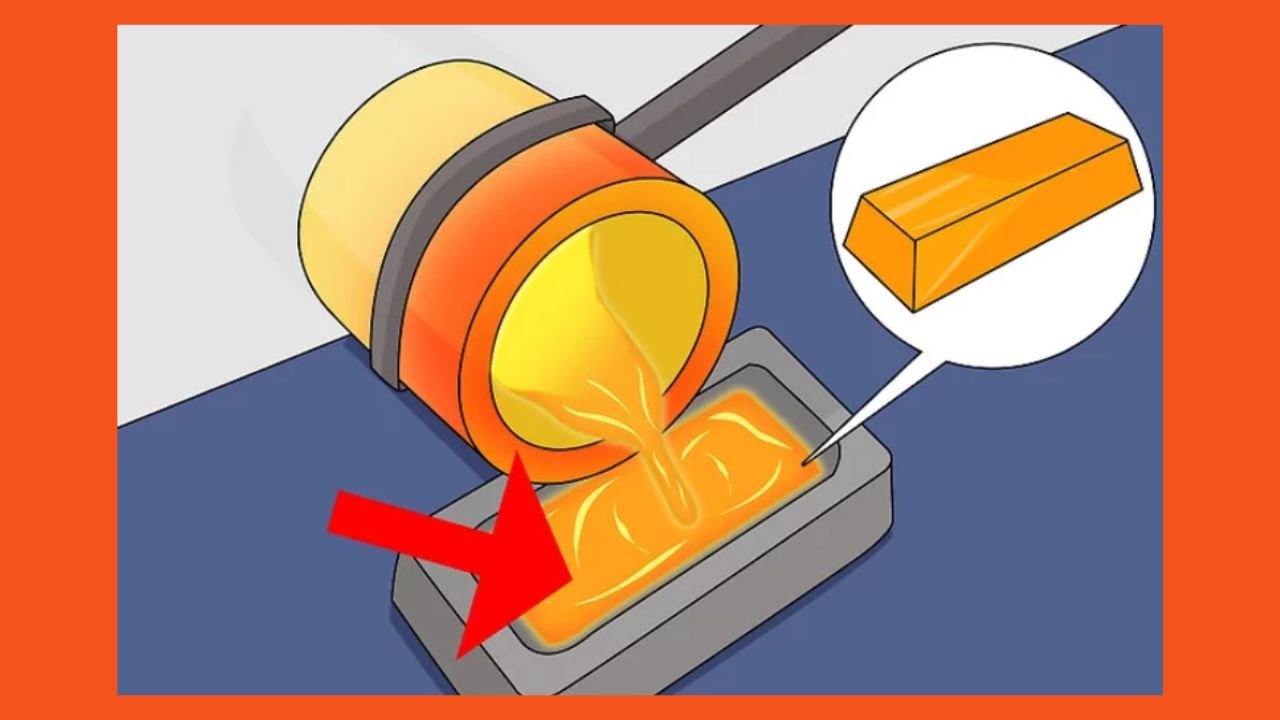
Observe the molten gold; when it fully melts, all the impurities appear on the molten gold’s surface. Now is the time to remove the crucible from the heating source. You can use tongs to do so.
You can use this molten gold to pour it into the molds to transform the shape of the molten gold into the desired structure. For instance, it can be the igloos as well as bars.
Cooling
After putting the molten gold inside the molds, you need to let it cool. Cooling process time may lie in the range of a few minutes to a few hours. The things that affect the cooling process are the surrounding temperature as well as the mold size. A bigger mold takes a longer time to cool and transform into a mold. You can take the gold out of the mold after a comprehensive cooling process.
Finishing
You can assess the quality of the gold by examining the impurities as well as defects. After that, you can subject your gold to finishing. You can subject the gold to polishing as well as refining, depending on the target applications.
Understanding the Melting and Boiling Point of Gold
The melting point and boiling point of gold are important physical properties to understand when working with this precious metal. The temperature that gold melts is 10640 °C, while the temperature at which gold boils is 28560 °C. The boiling point is the temperature at which gold transforms from liquid to gaseous form. You can also note that the boiling point of gold is much higher than the melting point of gold.
Achieving the melting temperature to melt the gold is easy, as it requires less energy, while achieving the boiling point requires much energy. With the larger equipment and higher heat, you need to do so.
Why do you need to melt the Gold?
There are a number of reasons why you need to melt the gold. Some of the key ones are:
- You may need to extract pure gold or get rid of impurities.
- By melting the gold, you can subject it to refining, casting, and molding.
- You can repurpose the scrap or old gold into reusable items.
- An option exists to transform the gold into bars as well as coins for financial storage. Further, you can use it for investment.
- You can design the custom jewellery from the molten gold, like lockets, rings, gold sets, and much more.
- Apart from the above uses, you can also alloy the gold with other alloys to fulfil the targeted applications.
How can you lower the Golds melting point?
You can lower the melting point of the gold by alloying it with other metals. The key metals that can assist in this regard include zinc, copper, and silver. These alloys disrupt the original structure of the gold and decrease the melting point. This means you can melt the gold with just a lower amount of energy.
Conclusion
No one can deny the importance of getting familiar with the melting point of gold. You can later apply it in casting, recycling, storage, custom designs, electronics, etc. The information mentioned above will help you with your purpose, regardless of the industry to which you belong.
Read more: