Custom Metal Stamping – The Complete Beginners Guide in 2026
Metal stamping impacts the world around you more than you think! The housing for your refrigerator, the chassis of your mobile phone, the parts of your pacemaker and the body panels of your car are all manufactured from flat metal sheets. Taking this one step further, custom metal stamping involves engineering the parts to meet the exact specifications of the client. Custom work requires the use of accurate custom work tooling, material selection, and process control, which are not required in regular stamping. Processes, materials, design, tooling, industries, cost, quality and emerging trends are all covered in this guide. Let’s get started!
What Is Metal Custom Stamping?
Metal custom stamping is a process that involves using dies and presses to convert flat metal sheets or coils into exact and application-specific shapes. In contrast to pre-made stampings, custom stamps for metal are created with custom-made dies that are designed to meet the client’s specifications. It has developed from hand-operated stamp presses to today’s CNC-controlled progressive die systems. Custom stamping provides repeatability at volume, close tolerances as small as plus or minus 0.0002 in., a wide variety of materials, and extremely complicated designs.
How the Custom Metal Stamping Process Works — Step by Step
1. Design & Tooling Engineering
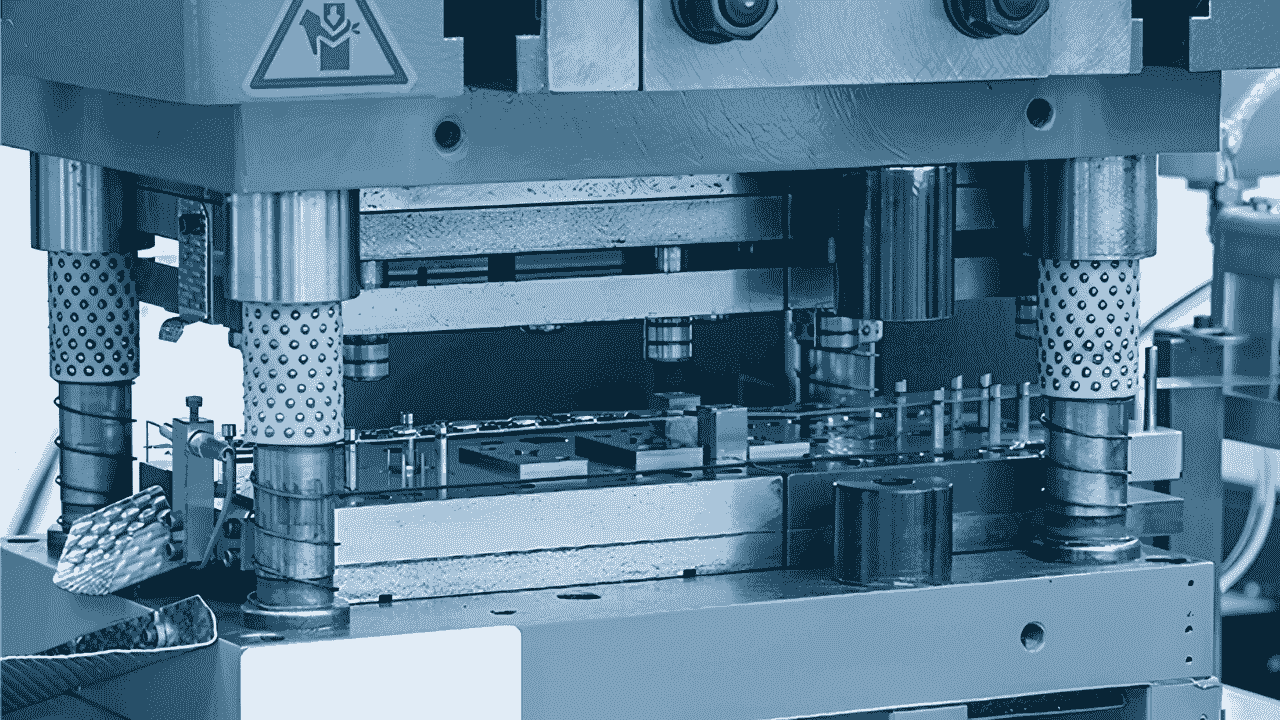
Engineers start with detailed CAD/CAM models which specify all the critical dimensions. Costly design errors are discovered during the DFM review before any steel is cut. Upper and lower dies, punch geometry are meticulously designed to work together. First Article Inspection is used to verify the tooling prior to entering full production.
2. Blanking
Blanking is a process that cuts flat metal sheet or coil into a preliminary shape, which is called a blank. Smart nesting patterns pack blanks tightly on the material sheet. This intentional design directly reduces the cost of material waste in each production process.
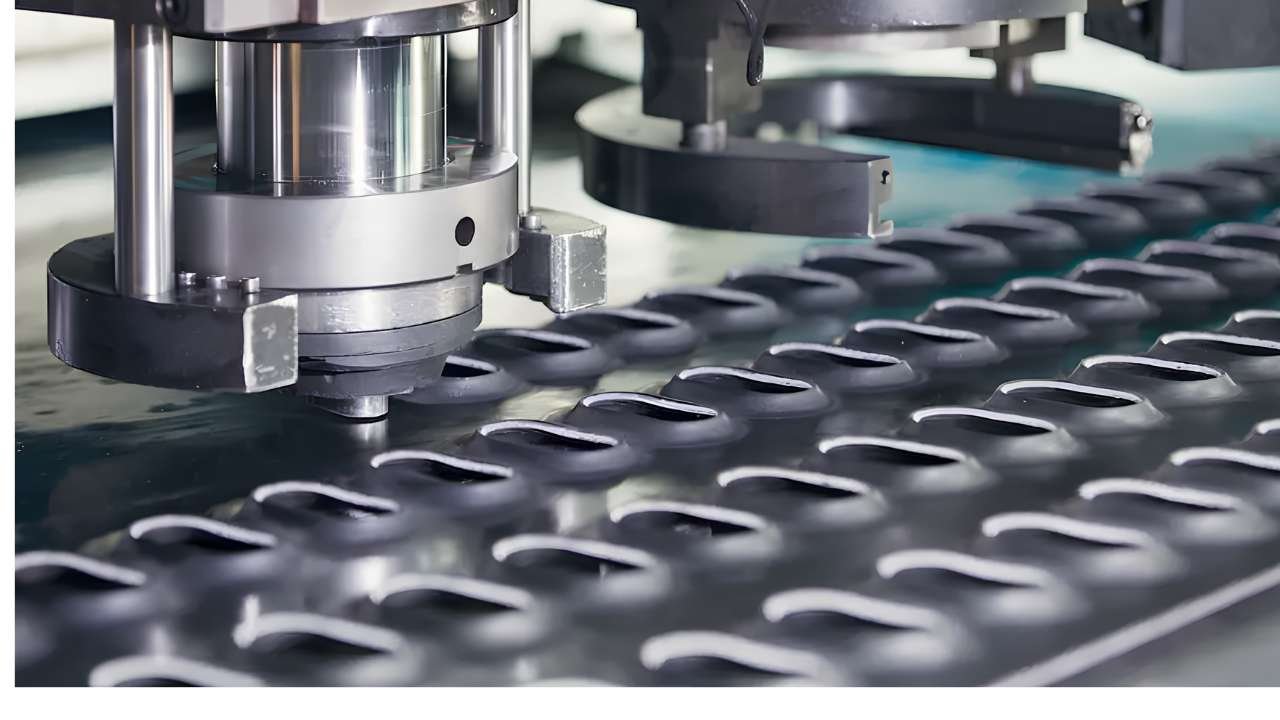
3. Punching
Punching creates holes, slots, and useful openings in the metal material. Unlike blanking, in this case the slug removed is scrap and the desired part is the blank. This is an important distinction which will affect the design and sequencing of the dies.
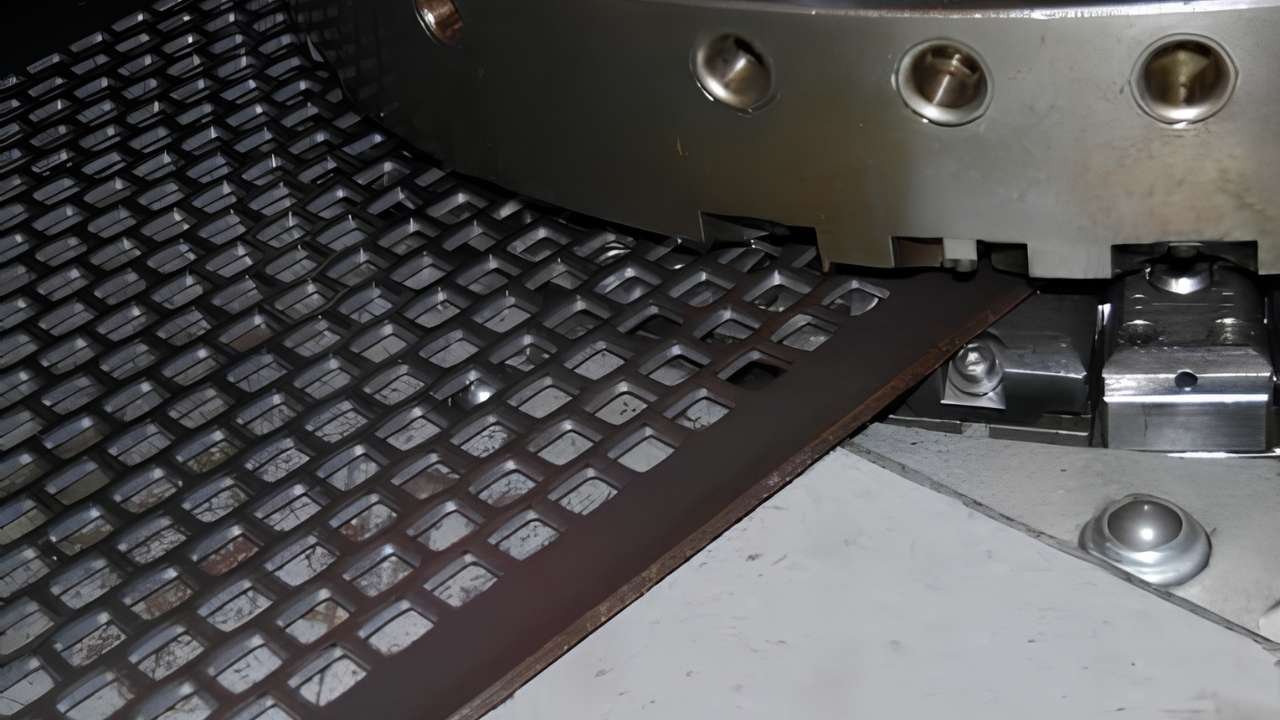
4. Forming & Bending
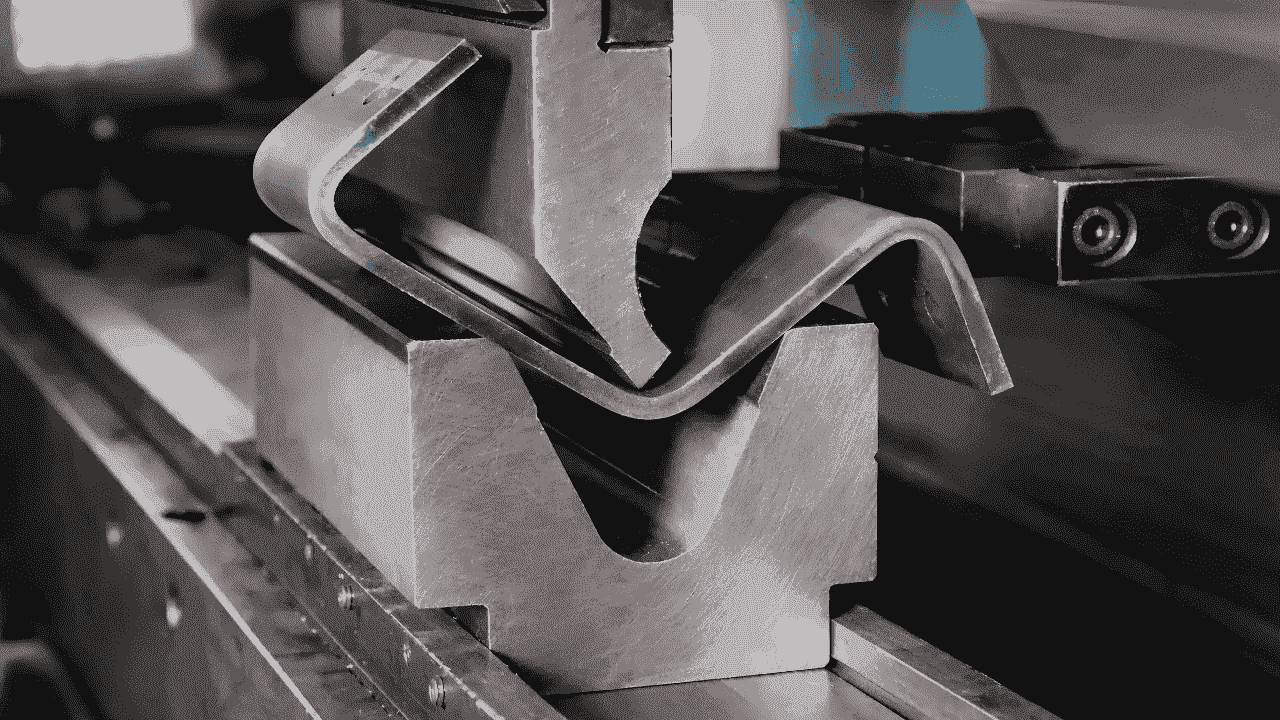
To bend flat blanks to exact 2D shapes such as U, V and L bends. After being bent, metal will want to return to its natural state. An expert die designer incorporates the springback compensation into the tooling geometry.
5. Drawing & Deep Drawing
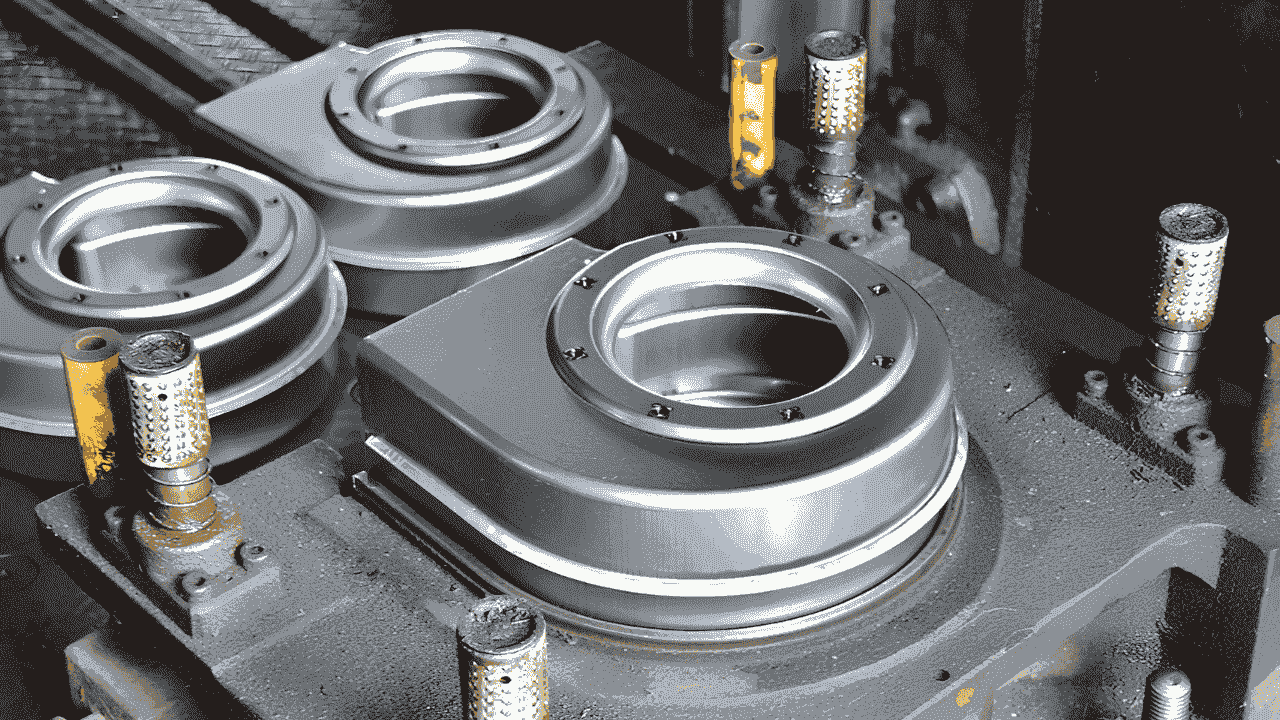
Deep drawing is the process of forming flat sheet metal into hollow 3-D form parts such as housings. The draw ratio is a measure of the amount of stretch imparted to the material during the forming process. Ductility is restores and dangerous reduction of material is avoided between successive draws by annealing.
6. Coining & Embossing
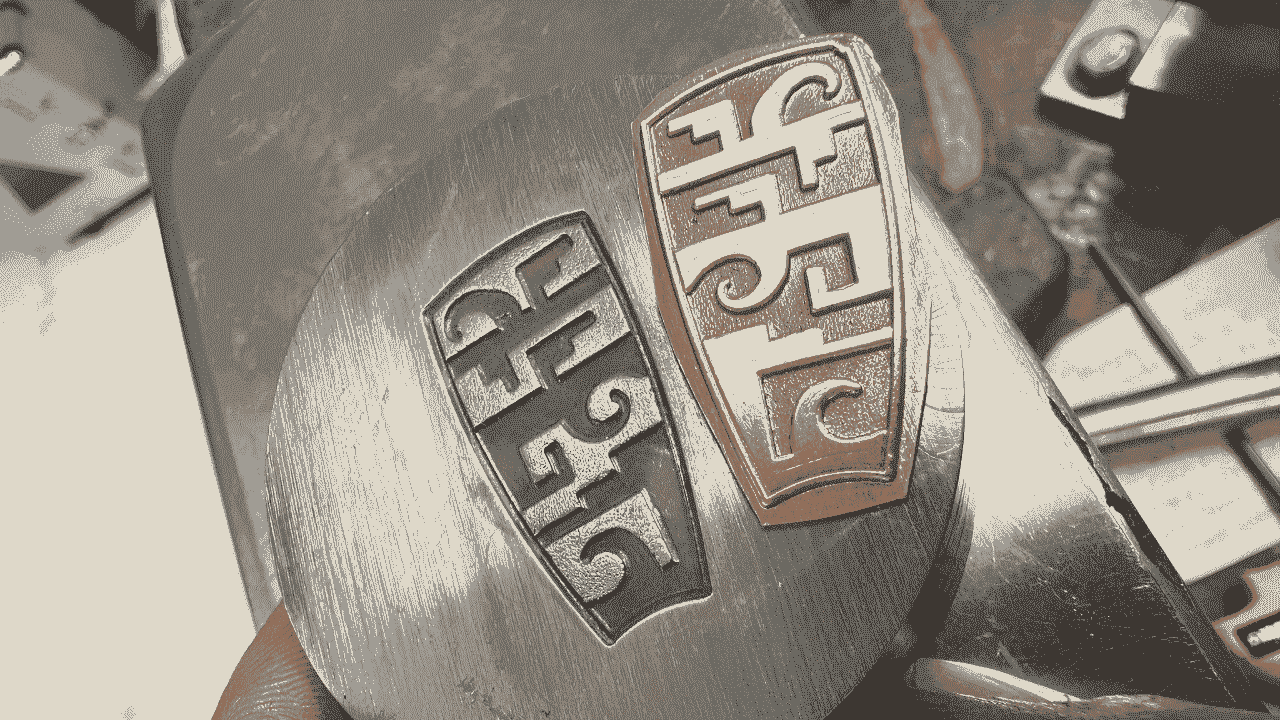
Coining is a custom metal stamping process that requires high forces to be applied to the stamp to obtain an ultra-precise final part size every time. This is a high pressure operation that will remove burrs from critical mating surfaces. Embossing is a process that produces a raised or recessed decorative or functional surface feature on purpose.
7. Trimming & Secondary Operations
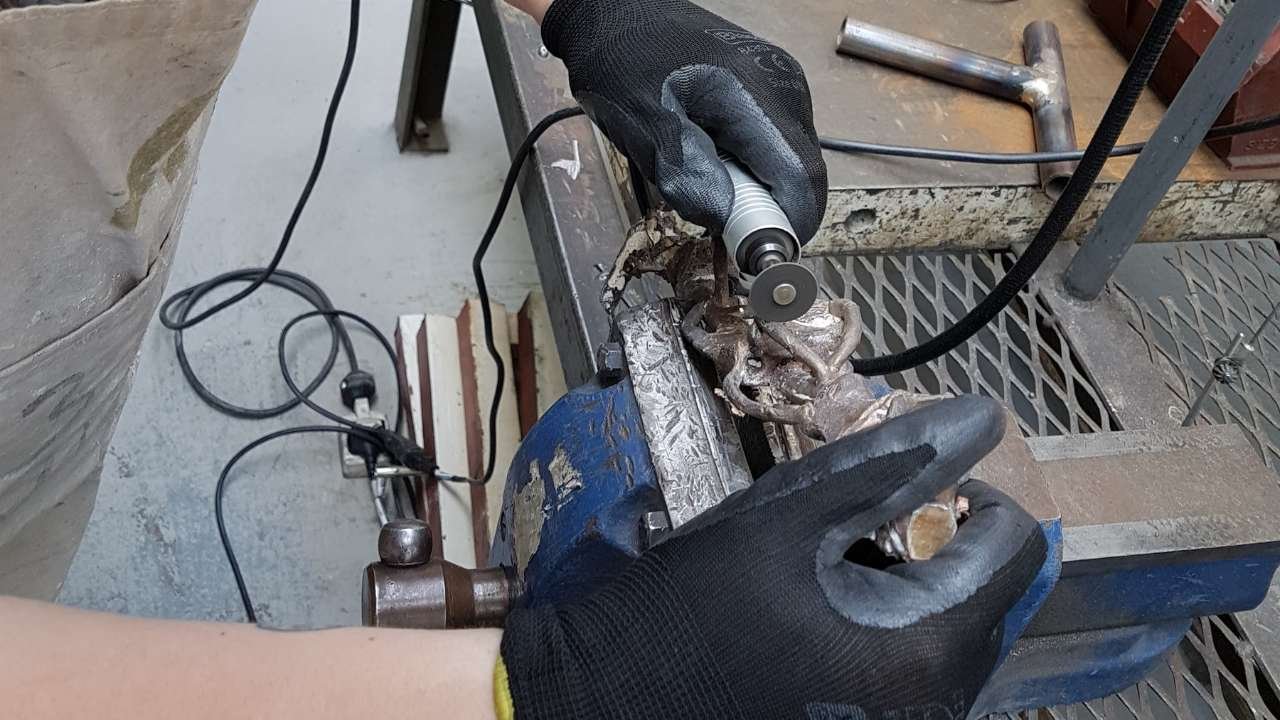
Trimming is the removal of excess material that has been left over from drawing or forming operations. Secondary operations such as deburring, tapping, welding and heat treatment are often carried out, where necessary. In-line secondary operations keep the production going and the Off-line processes are utilized for more complex finishing requirements.
Types of Custom Metal Stamps Processes
Transfer Die Stamping
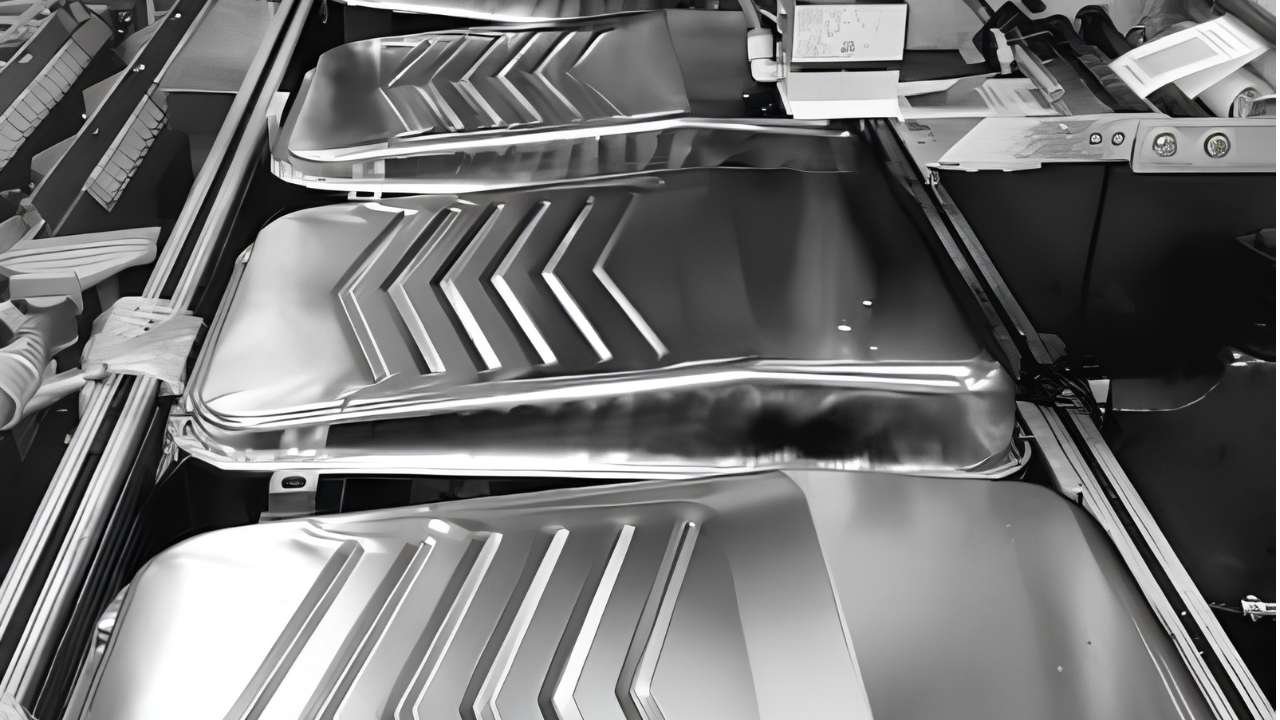
Each mechanical transfer finger removes and places each piece of work independently between the die stations. It’s a more robust system to support larger heavier components than progressive systems. For automotive parts requiring complex structure.
Deep Draw Stamping
The radial deformation of the sheet metal is great, and deep hollow cylindrical or rectangular parts can be formed accurately. Material is fed in without tearing under controlled punch pressure. Great for fuel tanks, cookware and enclosures.
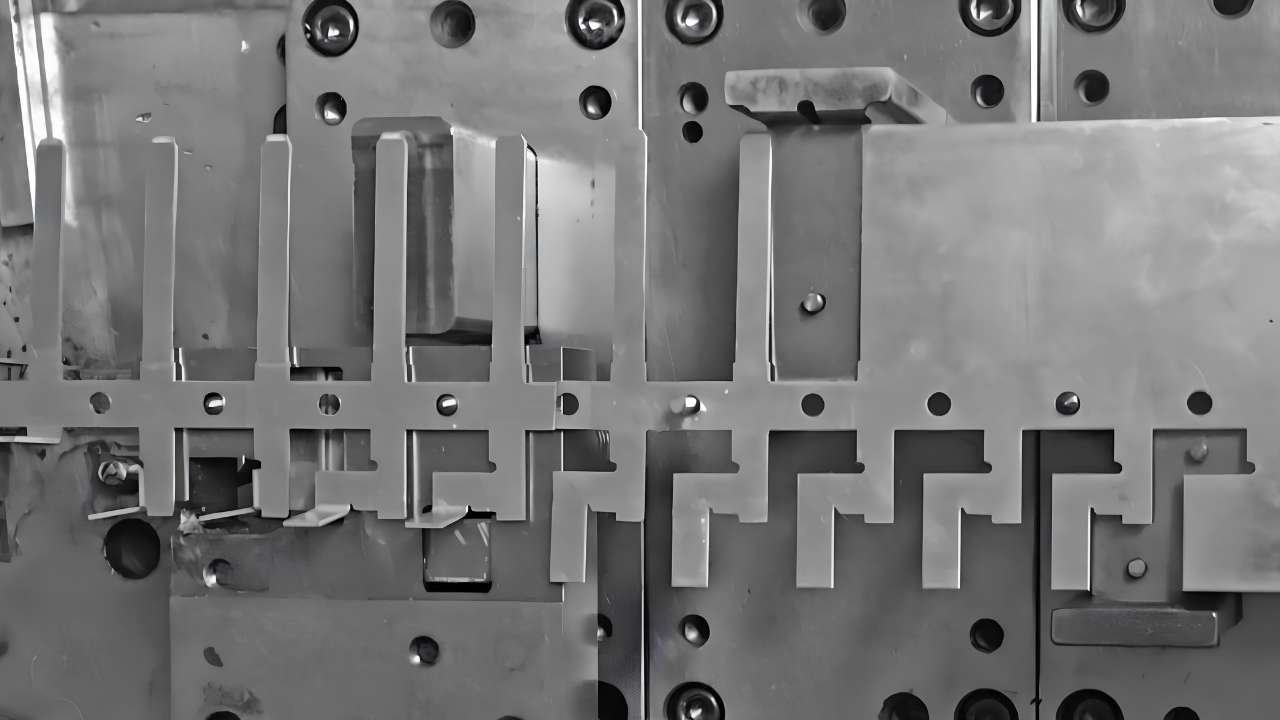
Progressive Die Stamping
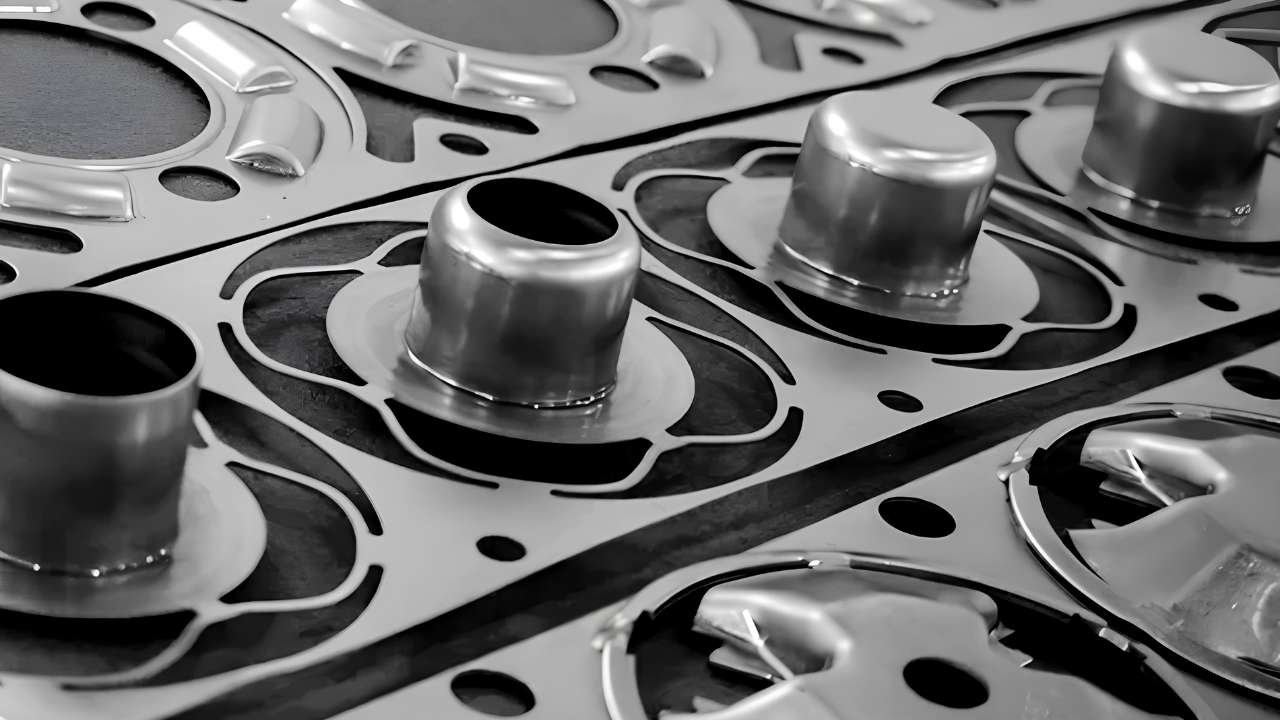
A type of custom metal stamping in which a metal strip is passed through a series of die stations, where each die does one particular operation. Detail is added at each station, complexity builds up progressively along the strip. It is suitable for high-volume automotive connectors and terminals.
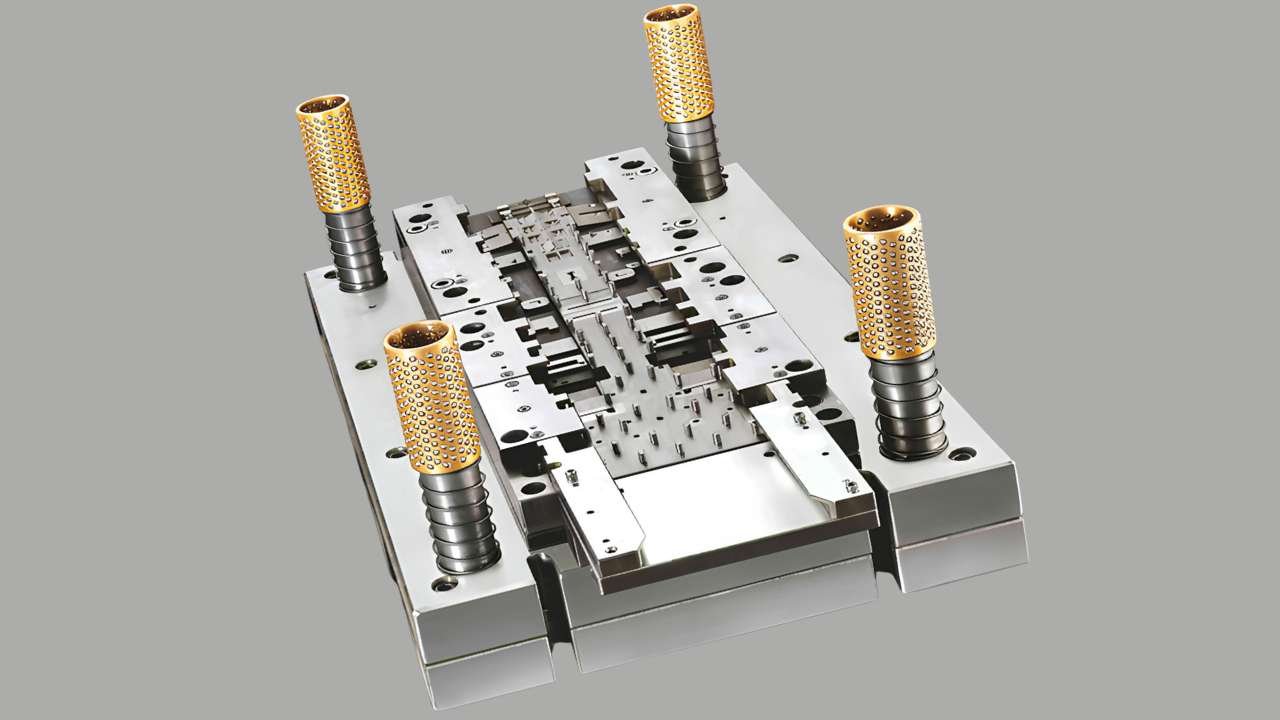
Compound Die Stamping
Blanking and punching are done at the same time by a single stroke of the press using a custom metal die stamp. This does away with secondary operations, significantly reducing cycle time. Perfect for flat parts such as washers and mounting brackets.
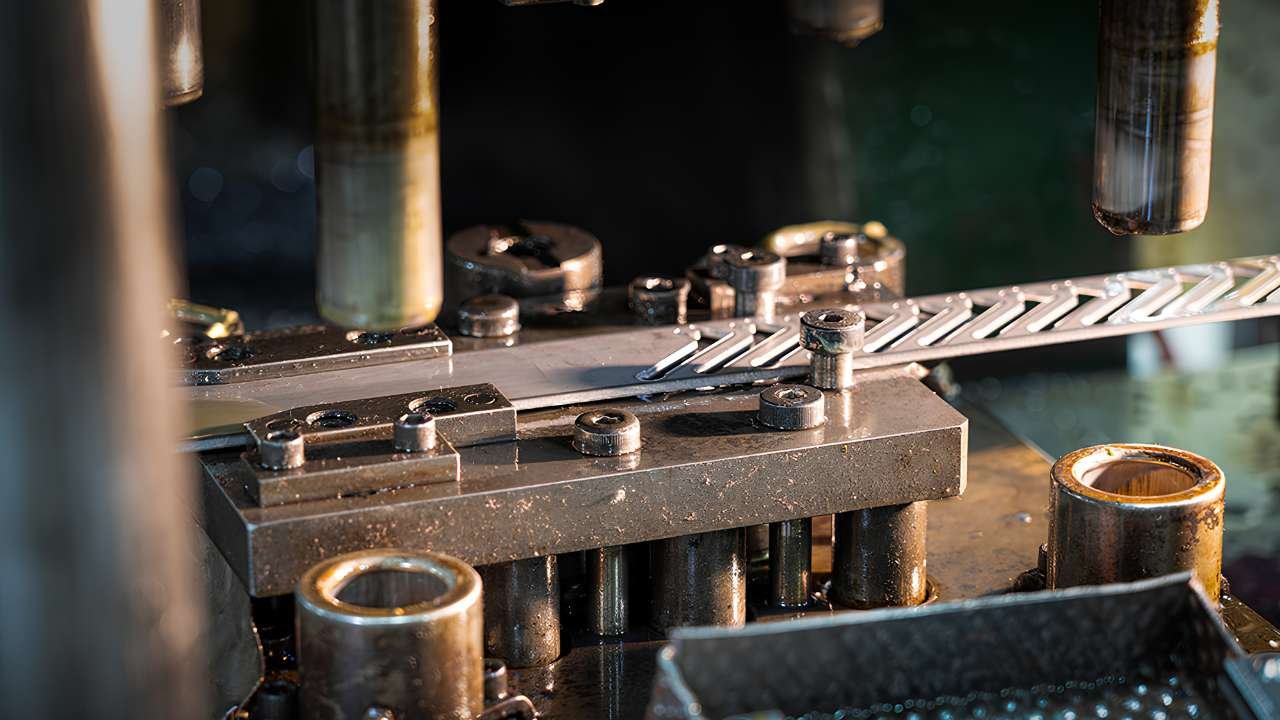
Four-Slide / Multi-Slide Stamping
Four separate tool axes act at once, flexing wire or strip in various directions. This is an efficient method of producing complex three-dimensional shapes in a single process. Perfect for clips, springs, battery contacts.
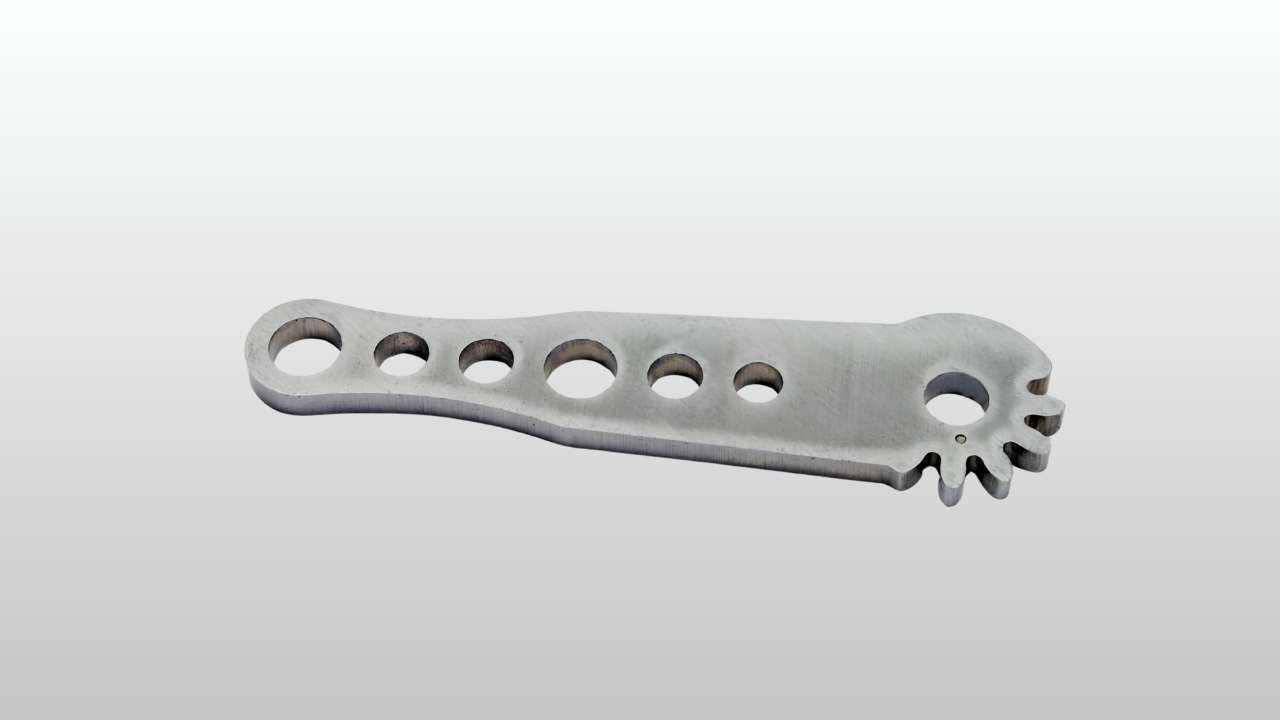
Fine Blanking
A triple press is a press that applies opposing forces, shearing parts with extremely smooth, square edges. Tolerances for dimensional characteristics are kept very close on all over the part surface. Suitable for gears, ratchets, pawls and clutch plates.
Hydroforming
The rigid upper die is replaced by pressurized hydraulic fluid that conforms the material to the complex contours. Minimized springback for dimensional integrity over curved geometry. Suitable for aerospaces panels and automotive body parts.
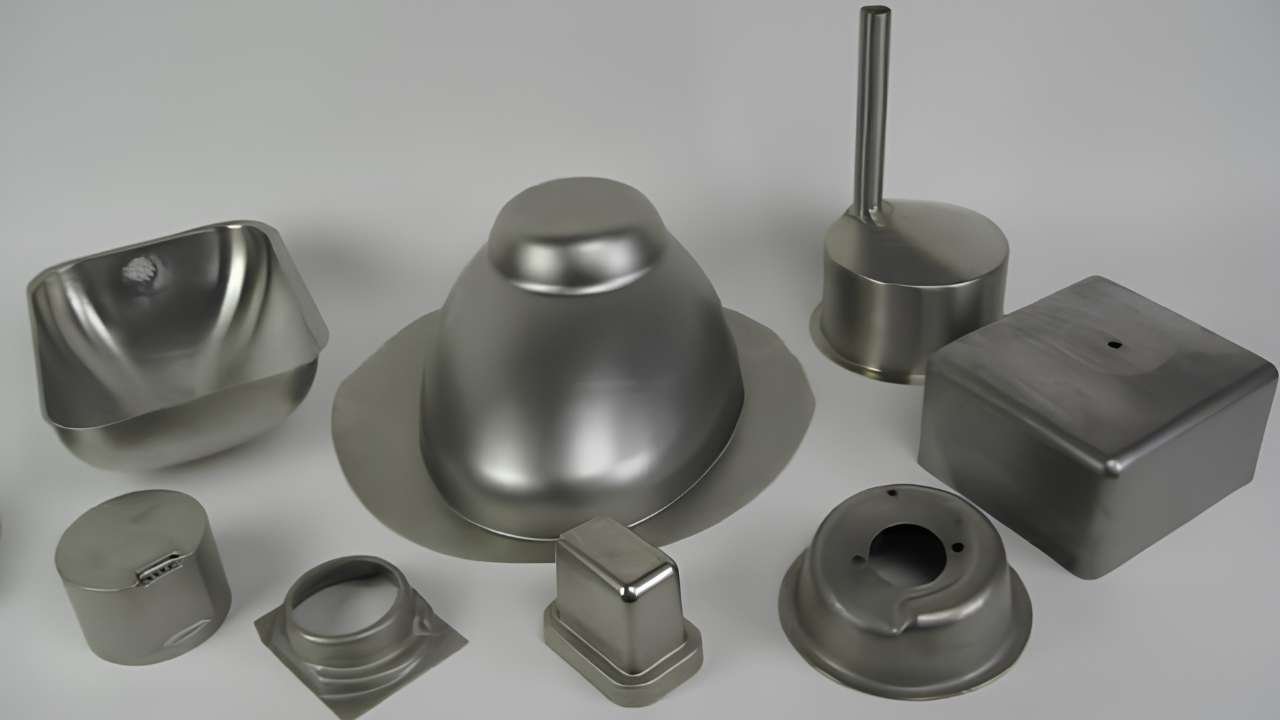
Rotary / Roll Forming
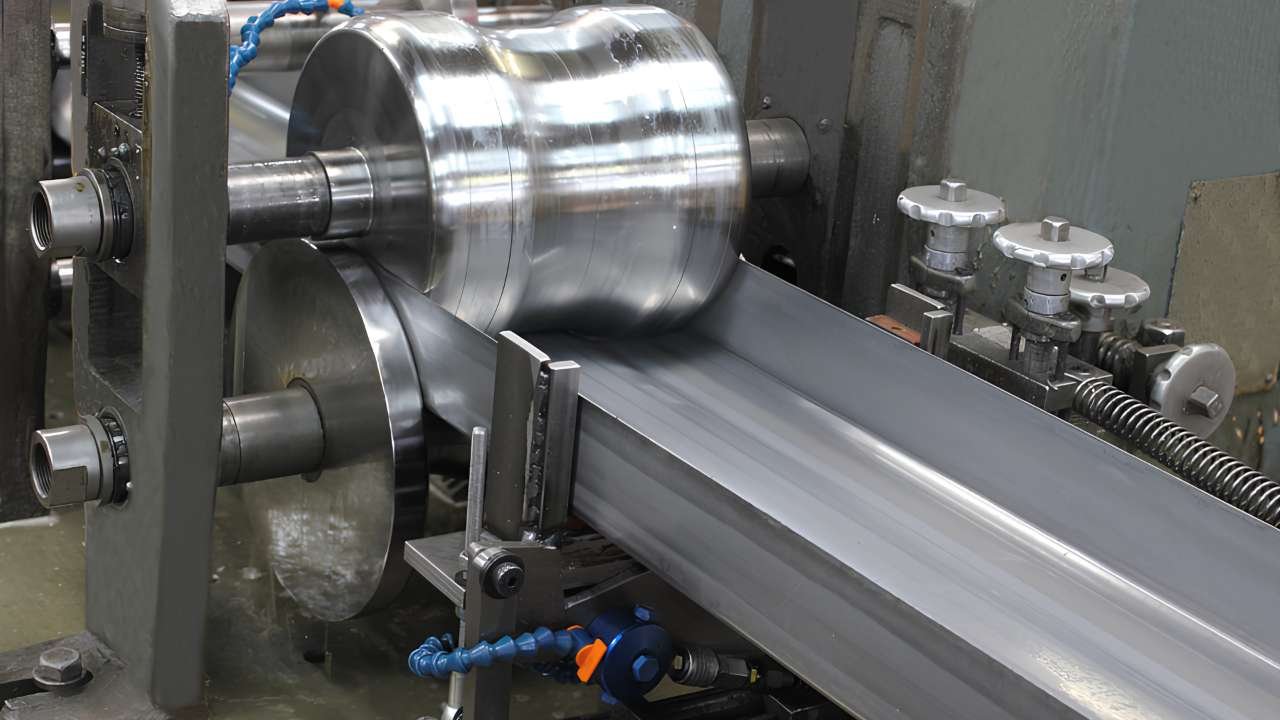
Rotary / Roll Forming is one of the custom metal stamping types. In the roll forming process, the sheet material is bent step by step into long profiles while moving continuously through the successive bending stations. Uniform cross-sections are easily made without any press strokes. Perfect for structural channels, tubes and framing parts.
Custom Stamping Process Comparison
Process | Dimensional Precision | Production Speed | Typical Tooling Cost | Part Complexity | Best Volume Range | Common Materials |
Progressive Die Stamping | High (±0.05 mm) | Very High | Moderate–High | Medium–High | 10,000–Millions | Steel, Aluminum, Copper, Brass |
Transfer Die Stamping | High | Moderate–High | High | High | 5,000–500,000 | Steel, Stainless Steel, Aluminum |
Deep Draw Stamping | High | Moderate | Moderate | Medium (hollow forms) | 1,000–500,000 | Stainless Steel, Aluminum, Copper |
Compound Die Stamping | Moderate | High | Low–Moderate | Low–Medium (flat) | 5,000–Millions | Steel, Brass, Aluminum |
Four-Slide / Multi-Slide | Moderate | High | Low | High (wire/strip forms) | 5,000–Millions | Steel, Copper, Brass |
Fine Blanking | Very High (±0.01 mm) | Low–Moderate | High | Medium | 5,000–500,000 | Steel, Stainless Steel |
Hydroforming | High | Low–Moderate | Moderate | Very High | 500–50,000 | Aluminum, Steel, Titanium |
Custom Precision Metal Stamping – Material Selection
Mechanical Property Requirements
Mechanical properties are not to be neglected. The properties of yield strength, tensile strength and hardness determine the part’s behavior under actual load.
Environmental Exposure Resistance
Wrong materials are very quickly destroyed by environment. Deliberate material selection is required for corrosion, chemical exposure and temperature extremes. Failure to do so will result in early field failure and costly replacements.
Electrical and Thermal Conductivity Needs
Conductivity is a must! Copper conducts electric needs. Aluminum manages heat. The wrong choices result in dangerous hotspots. Get conductivity requirements matched to application early.
Weight Constraints
Summarizes weights between assemblies. Heavy component causes strain on entire structure. Use aluminum or titanium if mass savings are important for the performance of the system.
Post-Processing Compatibility
Only certain metals can be welded, plated or anodized. If you select a material that does not match, you have an unfinished process. Always make sure you know what post-processing is required for any material you choose.
Cost and Availability
If the material is not available, there is no performance. Strain on the supply chain and budget of exotic alloys. Use common materials that are easily available while meeting your performance criteria.
Material-by-material breakdown:
Carbon Steel
The most economical custom metal stamping materials are carbon steel grades 1008, 1010 and 1018. Excellent formability allows for multiple progressive die operations without cracking. Failure during the tight radius bends is avoided due to low carbon content. Every day, these grades are used in structural brackets and chassis components.
HSLAs
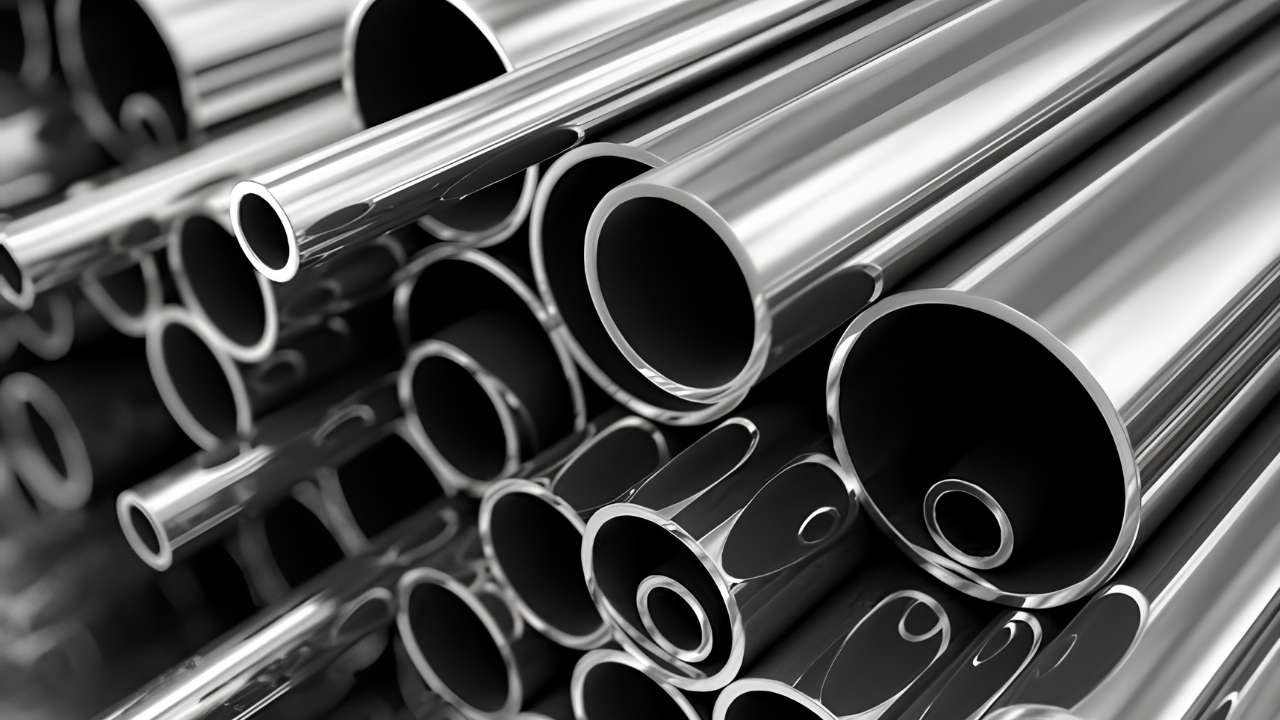
HSLA provides strength that traditional carbon steel can’t beat. It is specified by automotive engineers for pillars and crash critical parts. Thinner gauges have equivalent loads and reduce vehicle weight considerably. But springback is a significant forming concern that engineers have to overcome early on.
Stainless Steel
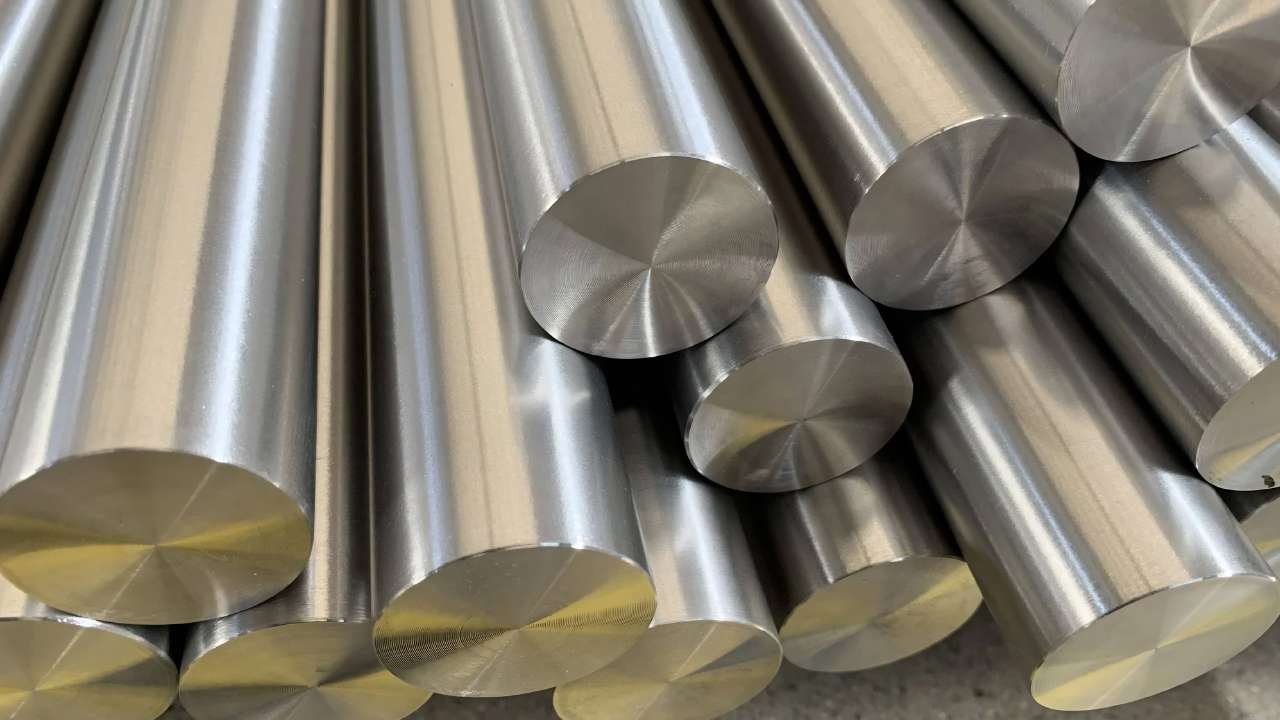
Grade 304 is a balance of corrosion resistance and formability for food processing parts. Grade 316L is a modification that contains molybdenum for use in marine and medical applications. Does not break down under repeated cycles of sterilization. The higher the work hardening rate, the more critical is the need for sturdier tooling and controlled tonnage on the press.
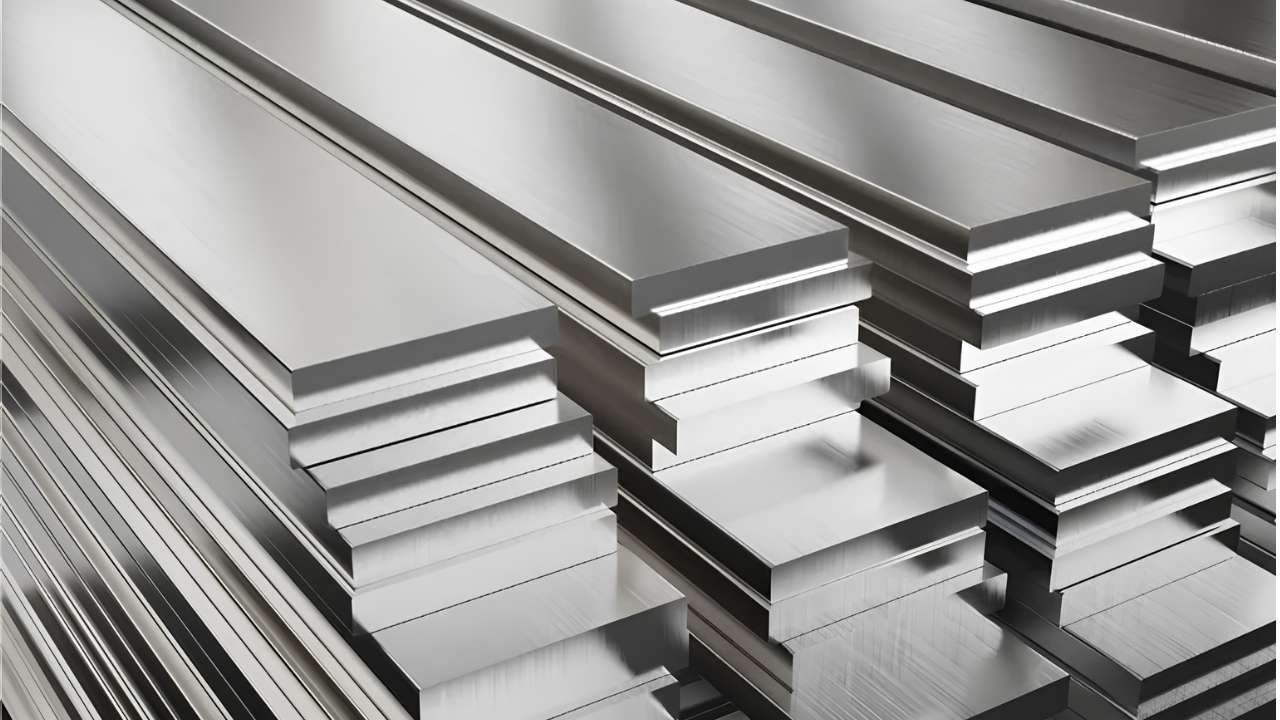
Aluminium
Grade 5052 is used in marine applications where the corrosion exposure is maintained. The 6061 grade adds structural strength to aerospace and EV battery enclosures. Aluminium is much lighter than steel. However, it has springback properties that are not necessary in steel.
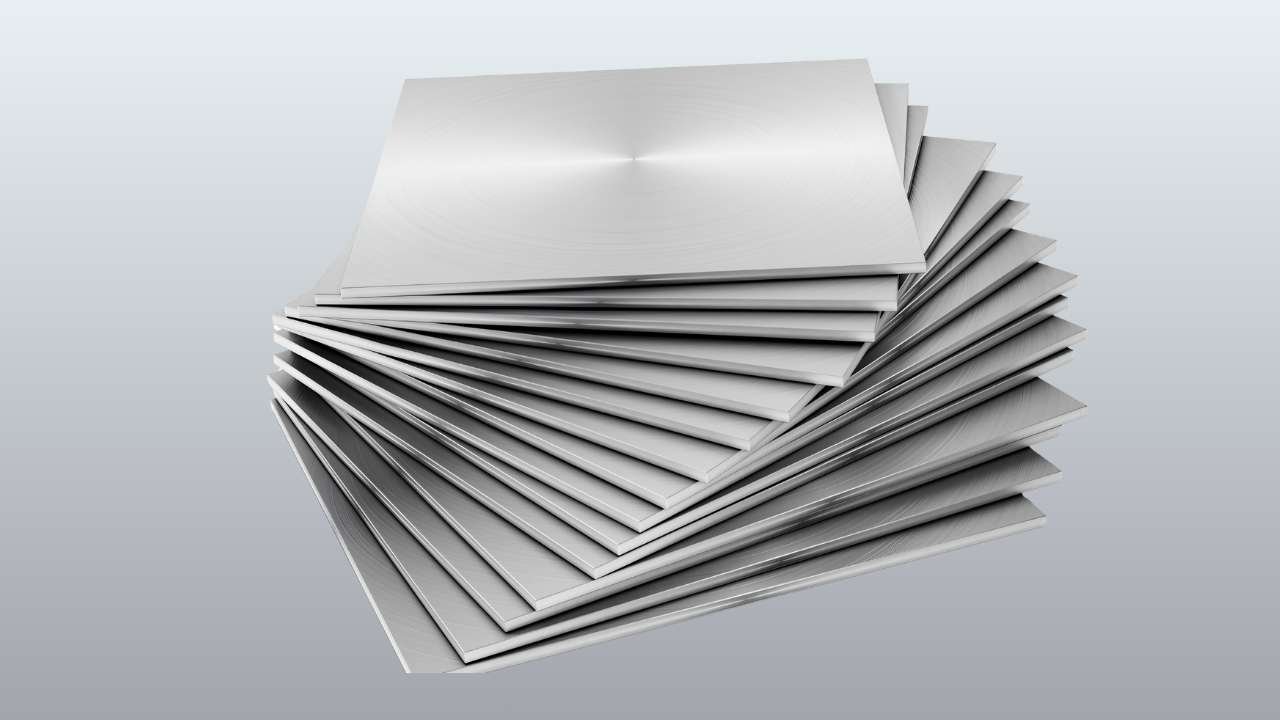
Titanium
Titanium has a higher strength-to-weight ratio than steel and aluminium in terms of engineering measures. Its natural biocompatibility and osseointegration properties make it suitable for medical implants. Under extreme cyclic loading, it has good fatigue resistance that is important for aerospace components. But custom metal stamping of titanium causes tool wear quickly, requiring special lubricants and tooling.
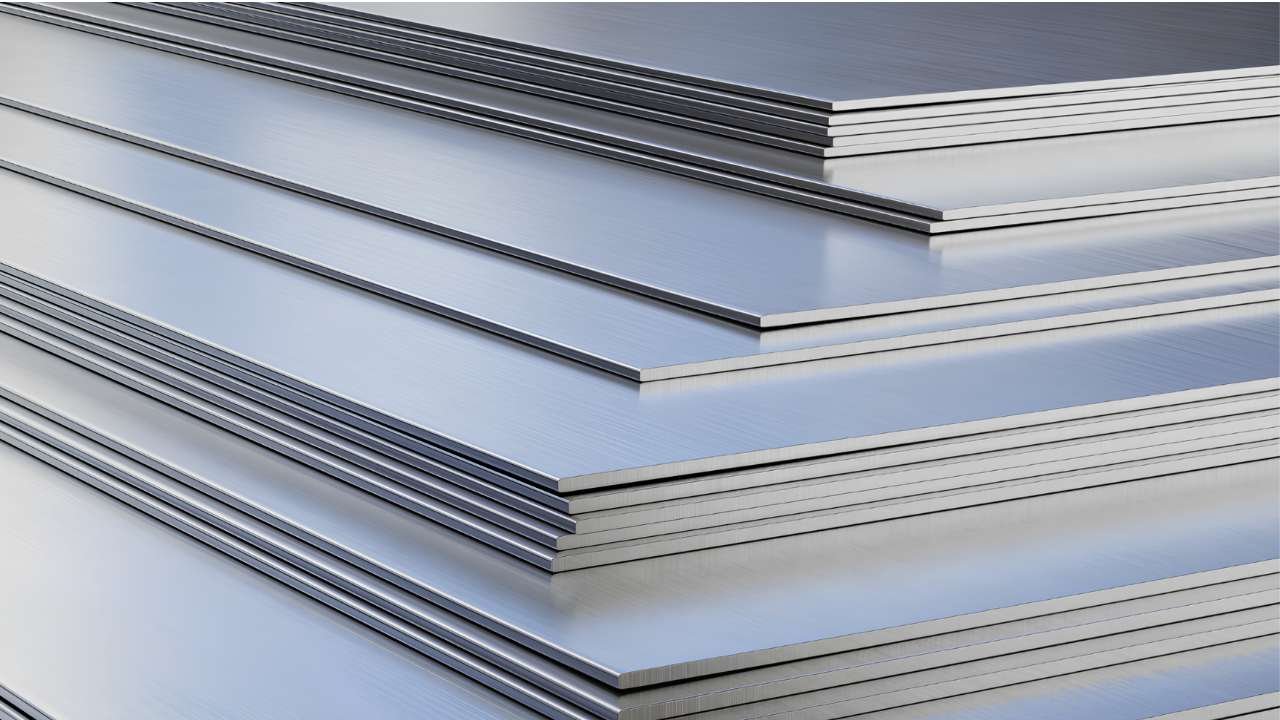
Copper
Grade C110 provides 101% IACS conductivity – outperforming all the common alternatives. This is the reason why C110 is almost always mentioned on bus bars and electrical terminals. It is also a good conductor of heat. However, it requires careful tooling to ensure that the dimensional tolerances are kept tight through the production process because of its softness.
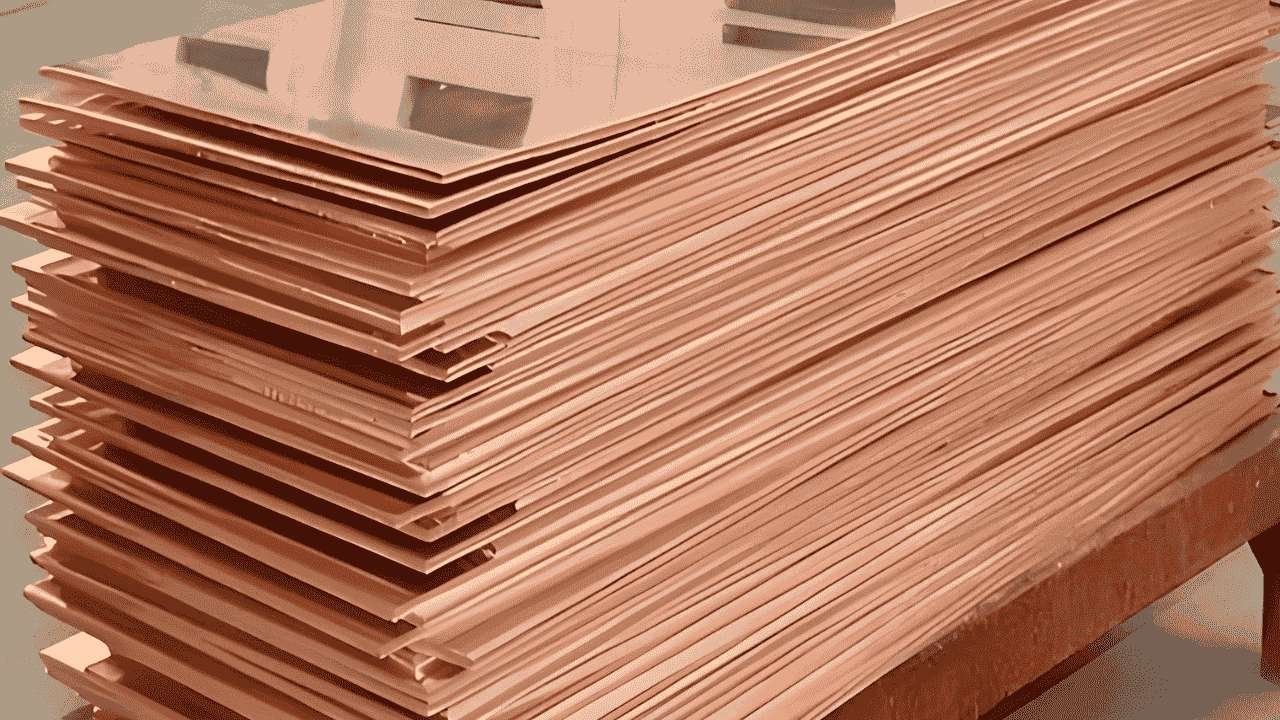
Brass
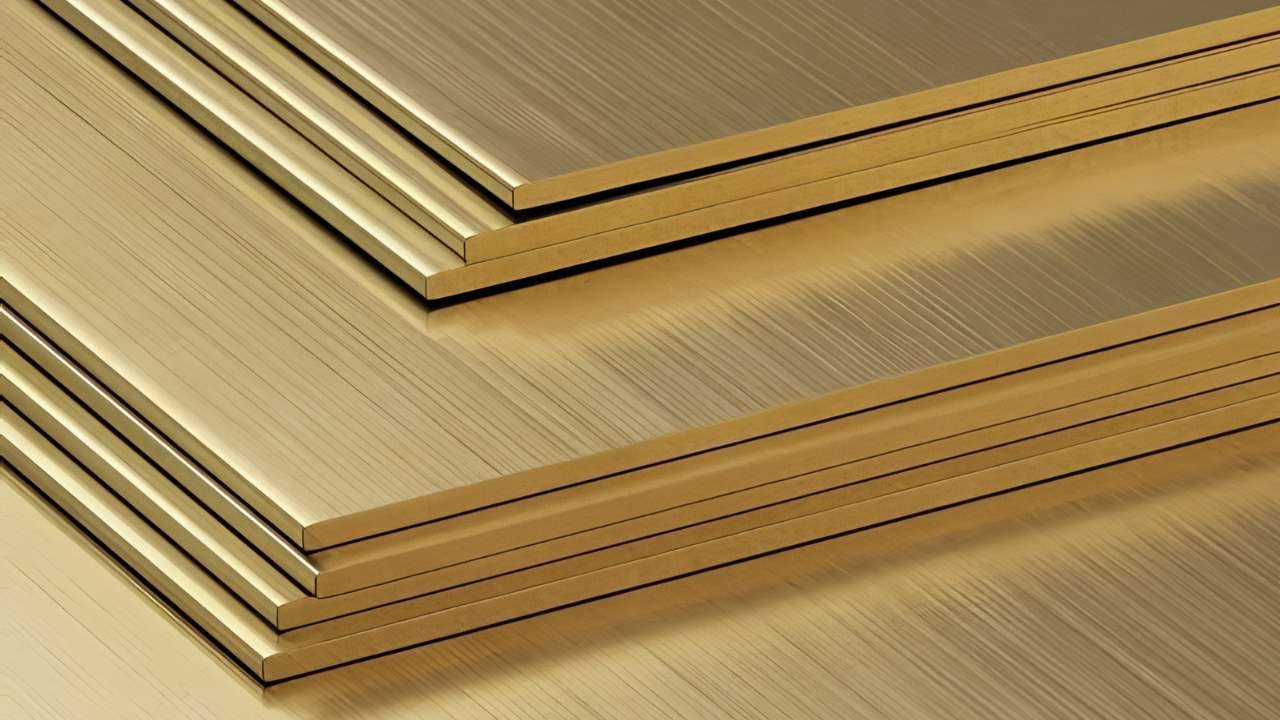
Grade 260 is a cartridge brass that has excellent cold-forming properties for deep-draw applications. Grade 230 enhances corrosion resistance for plumbing and connector parts. Brass has good dimensional stability at different temperatures. It is very consistent in the finish and is a good material for decorative hardware uses.
Specialty Alloys
Inconel will retain structural integrity even under temperature conditions in excess of 1,000°F consistently. BeCu is a highly electrically conductive alloy with excellent spring qualities. Phosphor Bronze is highly resistant to fatigue, which is useful for precision spring contacts. Cost per part is much higher and these alloys require very close control of stamping parameters.
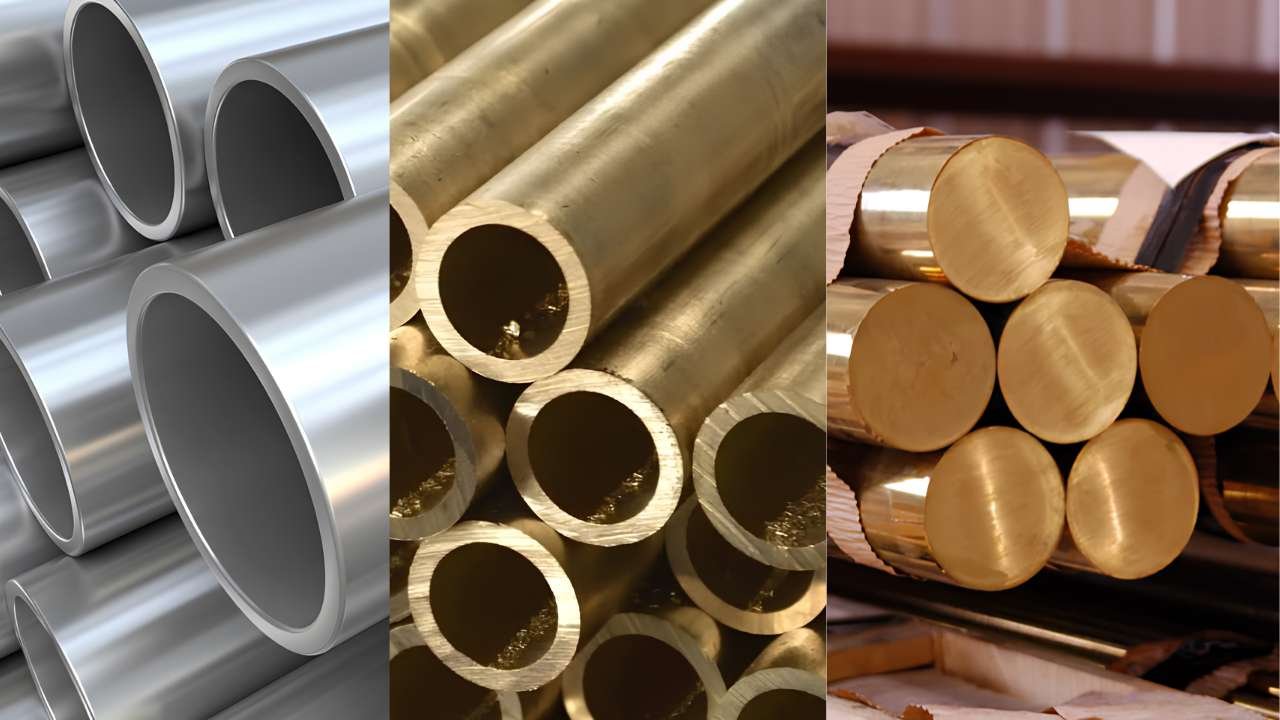
Custom Metal Stamping – Material Selection Guide
Material | Key Properties | Stampability | Typical Applications | Relative Cost | Surface Finish Options |
Low Carbon Steel (1008–1018) | Ductile, strong, magnetic | Excellent | Brackets, frames, automotive chassis | Low | Powder coat, plating, paint |
HSLA Steel | High strength, moderate ductility | Good | Structural automotive, industrial parts | Low–Medium | E-coat, paint |
Stainless Steel 304 | Corrosion resistant, hygienic | Moderate | Food equipment, medical housings | Medium–High | Passivation, electropolish |
Stainless Steel 316/316L | Superior corrosion resistance | Moderate | Marine, pharmaceutical, implants | High | Passivation, electropolish |
Aluminum 5052 | Lightweight, corrosion resistant | Good | Aerospace, EV panels, enclosures | Medium | Anodize, powder coat |
Titanium Grade 2 | Biocompatible, lightweight, strong | Difficult | Aerospace fasteners, medical implants | Very High | Anodize, passivation |
Copper C110 | Highest electrical conductivity | Good | Electrical terminals, bus bars | High | Tin plating, nickel plating |
Brass 260 | Formable, decorative, corrosion resistant | Excellent | Connectors, hardware, decorative parts | Medium–High | Plating, lacquer |
Tooling and Die Design: The Heart of Custom Stamping
Why Tooling is the Heaviest Up-front Cost
Tooling is the largest initial investment that you must make and cannot avoid. Every custom metal stamping kit relies on precision-engineered tooling to produce consistent, high-quality components. These dies are precision-made from D2 tool steel or carbide. These materials can be used for millions of production cycles, making them cost-effective.
Die Types and Their Anatomy Explained
The die you choose determines the results of your stamping. Blanking, progressive, compound, and draw dies have different functions in forming. All the dies contain four common parts: punch, die plate, stripper and guide pins.
How to Know Tolerance Stack-Up in Die Design
Tolerance stack-up is extremely important and should never be ignored. If a part is to be held to a tolerance of plus or minus 0.0002 in., the accuracy of plus or minus 0.00005 in. is required. Variances in each individual die piece add up and will directly affect your completed piece.
Custom Metal Stamping Tool Life, Maintenance and TPM Programs
Die maintenance is a long term cost per part. Most dies have a sharpening limit of 250,000 to 500,000 hits. If there are no TPM programs and check fixtures are not scheduled, the scrap rate increases and reliability of production decreases.
Soft Tooling and Hardened Steel Tooling
Prototype validation is never to be skipped, otherwise you risk losing your production investment. Kirksite and urethane soft tooling verifies geometry at low cost first. Hardened steel production tooling then provides the dimensional consistency high volume runs require.
Lifetime Tooling Guarantees and Their Long-Term Value
Most buyers don’t realize just how important lifetime tooling is. They pass on die repair charges to the supplier. This is one contract item which makes the long-term costs per part more predictable.
CAD/CAM And Simulation Tools For Modern Die Design
With simulation tools, expensive failures during the physical tryout of metal stamp custom dies are avoided. AutoForm and DYNAFORM can accurately predict spring back and material flow. Digital catch of forming defects compresses launch timelines and eliminates costly last minute tooling corrections.
Custom Sheet Metal Stamping – Design for Manufacturability (DFM)
Minimum Bend Radius Rules
Do not bend steel to less than 1 x material thickness. Smaller radii cause the outer surface to crack as soon as it is formed. Smaller radius can be used without damage for softer metals such as aluminium.
Hole-to-Edge Distance Minimums
Holes should be at least 1 times material thickness from any edge. Failure to do so results in obvious edge bulging and distortion. Part dimensions are no longer consistent and reliable from production to production.
Guidelines for Web and Notch Width
Narrow webs between cutouts are not capable of punch pressure. They collapse. Keep minimum thickness 1.5 times the material thickness. Broad notches also help to prevent early wear of your die.
Corner Radii Considerations
Sharp inside corners are an issue. They focus stress, and wear out dies more quickly. A slight difference in radius makes all the difference. It increases part strength and the life of expensive tooling to a great degree.
Feature Proximity Management
Too many holes in close proximity will diminish the strength of the slug. This results in chipping and poor hole quality. Spaces are used appropriately. It safeguards your completed piece and valuable tooling investment.
Grain Direction Orientation
The direction of rolling determines the way that the metal will bend. Cracking is reliably prevented by bends perpendicular to the grain direction. If this is ignored, fractures can be seen even with perfectly acceptable bend radius specifications.
Burr Side Specification
Each hole punched creates a burr on the back side of the hole. Facing up side must be specified. Assembly interference, injuries and bad looks on your finished product are caused by wrong orientation.
Blank Nesting Efficiency
When nested haphazardly, irregular shapes waste raw material. Blanks can be rotated or mirrored to reduce waste by 15-30%. This is a straight cut in per part cost without affecting your design.
Designing Out Secondary Operations
Secondary operations are time consuming and expensive. Design them out completely. Welded hardware is replaced by features such as self-clinching, embossed threads, and integral standoffs. You cut down on the number of assembly steps, the number of vendors and the total custom metal stamping production cost at once.
Custom Stamped Metal Parts Surface Finishing and Post-Processing Options
Deburring
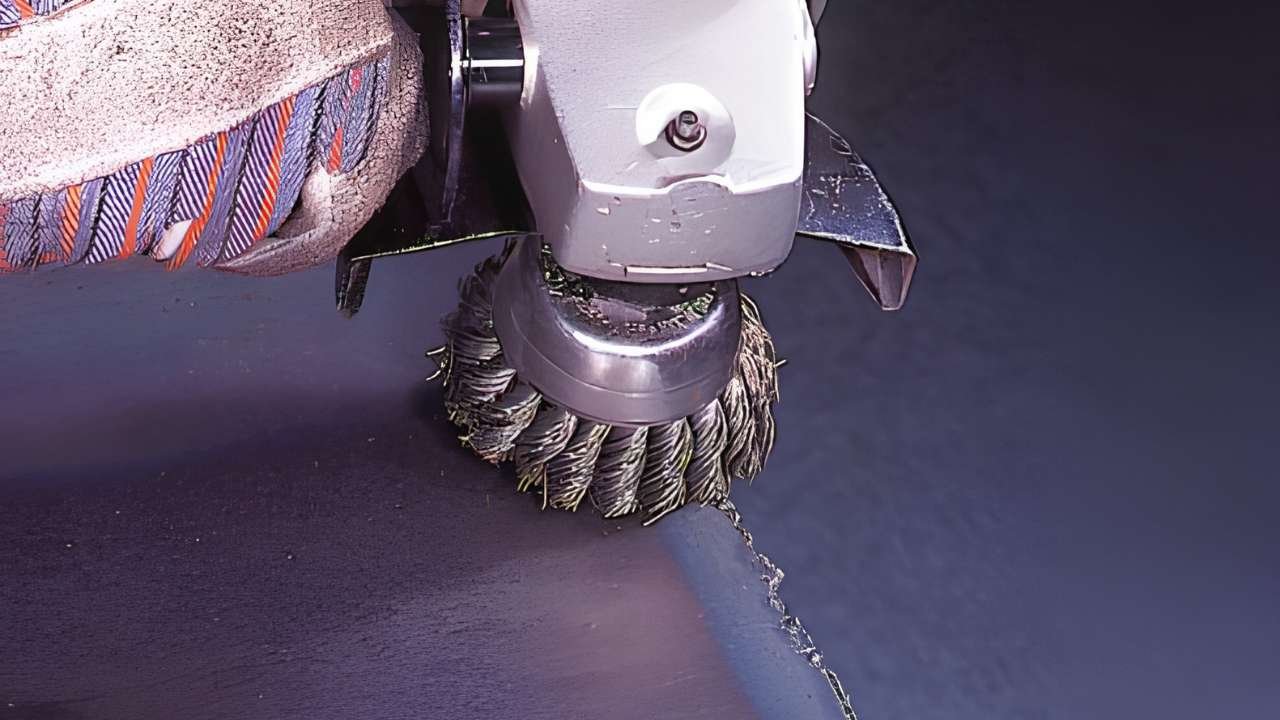
Sharp burrs are always present on the cut edges of stamped parts. Tumble deburring deburrs hundreds of parts at a time. Vibratory finishing is a gentle process for handling delicate parts. Electrochemical deburring has the ability to penetrate internal features that mechanical deburring cannot.
Heat Treatment
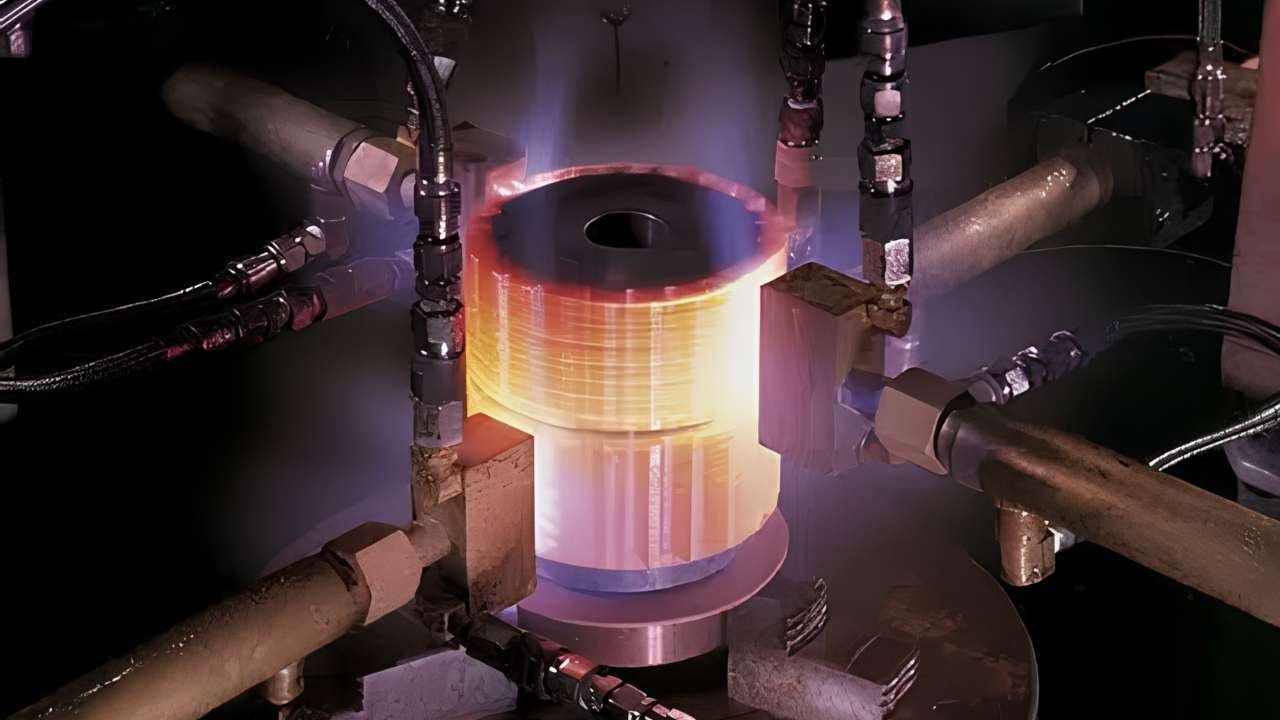
Cold working brings in internal stress, which reduces ductility. This stress is removed by annealing, which is a controlled heating process. It is physically effective in restoring original formability. Case hardening then makes the outer surface tougher, while maintaining the core to be flexible and impact resistant.
Plating
Electroless nickel is used to coat complex shapes to provide uniform corrosion protection. Zinc is a cost-effective material for high volume steel parts. Tin is used to enhance solderability of electronic connectors. Gold and silver are the materials that meet both conductivity requirements and premium aesthetic demands at the same time.
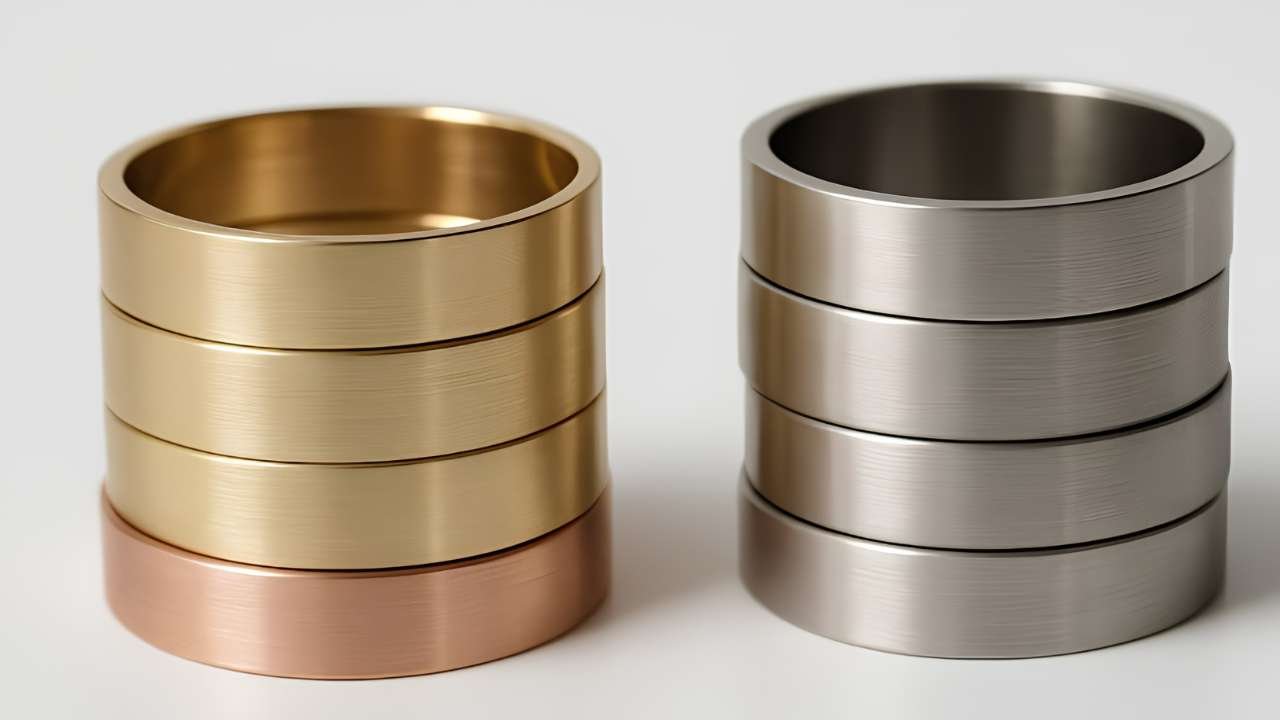
Anodizing
Anodizing is a process which turns the surface of aluminum into a hard oxide layer. Type II results in decorative finish. Type III hardcoat forms a thicker layer to provide wear resistance. Both do not contribute significantly to dimensional thickness of precision parts.
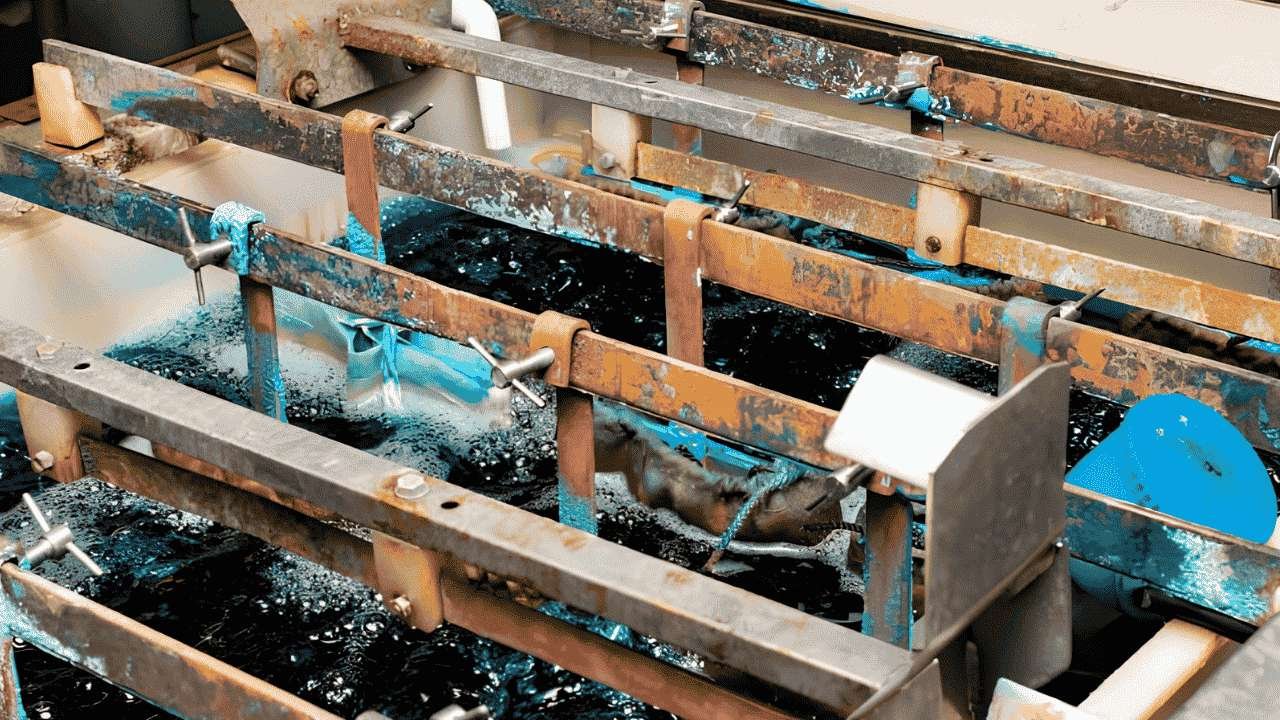
Powder Coating and E-Coat
Powder coating is an electrostatic dry resin that is oven cured. Creates a hard, durable barrier. E-coat coats custom metal stamping parts in hard-to-reach spots that spray guns can’t reach. Both processes together, dramatically increase the service life of the steel parts.
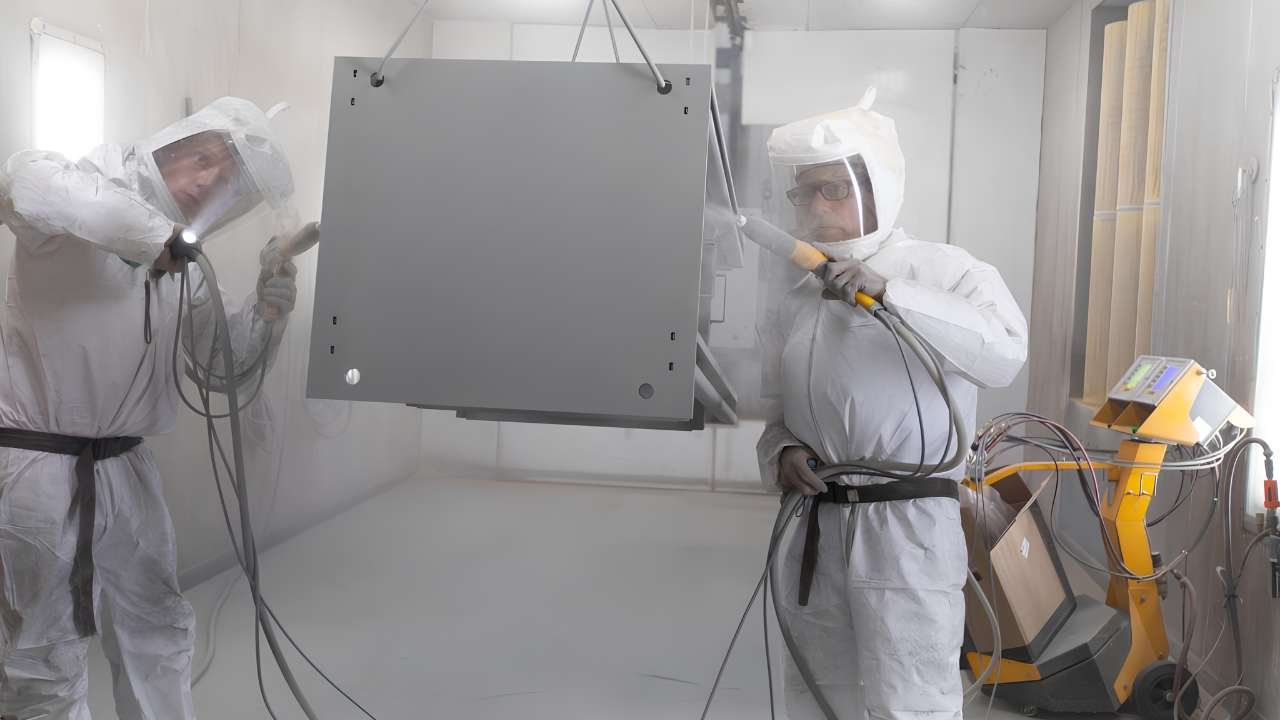
Passivation
Stamping involves impressing free iron into the surface of stainless steel. These particles wear away quickly and affect performance. They can be dissolved by passivation in nitric or citric acid. It restores the protective chromium oxide layer completely after that.
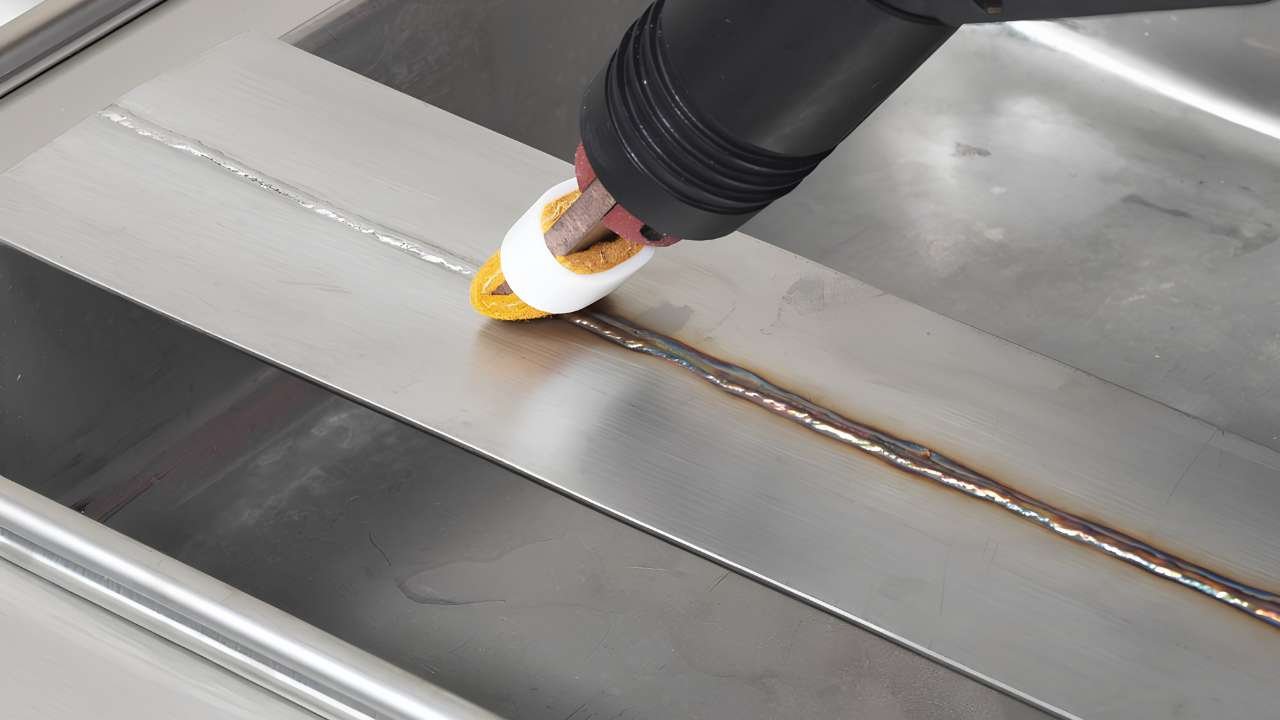
Chem Film (Alodine)
Aerospace requires corrosion protection with no added weight. Alodine chemically reacts with aluminum, forming a thin conductive coating. It keeps tight dimensional tolerances which cannot always be maintained with anodizing. It is also a good adhesion base for top coats.
Custom Precision Metal Stamping Applications in Industrial Sectors
Here are some industrial applications that use custom metal stampings:
Automotive Manufacturing
The amount of automotive stamping is enormous. Body panels, seat belt anchors and EV battery frames require tight tolerances. No exception, every production run is governed by IATF 16949.
Aerospace Components
When it comes to aerospace, there’s no margin for error. AS9100 compliant for Airframe brackets, Fuel fittings and Heat shields. A complete material traceability must be maintained for all custom stamped metal parts.
Medical & Surgical Devices
It is a business as business in the medical stamping world. ISO 13485 certification is required for surgical instruments, implant housings and parts of a catheter. Production requirements include biocompatibility validation and clean room handling.
Electronics & Semiconductors
Tolerances are here are ruthlessly close. PCB terminals, shielding cans and lead frames require sub-millimeter precision. Signal-path or battery contact components are mostly made from phosphor bronze or copper alloys.
Oil & Gas Equipment
In this industry, corrosion resistance is all-important. Extreme pressure is required on valve seats, sealing rings and downhole components. These are typically specified as duplex stainless or Inconel.
Consumer Appliances
All the decisions of custom metal stamping for appliances are based on cost. Hinges for refrigerator, HVAC brackets, washer paddles operate at high volumes. Moderate tolerances and consistent surface finishes help to maintain competitive per-part costs.
Defense & Military Systems
There are no shortcuts in defense stamping. MIL-SPEC compliance is required for weapon components, armor brackets and electronics housings. Specialized alloys and documented inspection records are required prior to any shipment leaving.
Renewable Energy Sector
Stamping demand is changing quickly with the advent of renewable energy. Durability for solar brackets, wind clips and EV charging components. High-strength steel and aluminum alloys help to achieve lightweighting objectives in all applications.
Cost Factors and How to Optimize Them
There is one cost that you cannot afford to overlook in custom metal stamping, and that is the tooling cost. It is the biggest initial investment for custom metal stamps production. This cost is spread out quickly with high volumes and is not significant per part. The cost of the material accounts for 40-60% of your total piece-part price. Smart nesting directly saves waste and helps control this cost. Press time is a function of tonnage, stroke speed and changeover time. Each subsequent operation is an additional cost and delay. Typical examples are tapping, welding and plating. The tighter the tolerance, the more iterations of the die and the more stringent the inspection. Volume levels of 10K, 100K, and 1M+ units reduce the unit costs much.
Cost optimization strategies:
- Use more than one feature in a progressive die to minimize secondary ops
- Minimise blank scrap through nesting efficiency in design
- Where possible, use standard material gauges and grades
- Integrate parts by design (no fasteners, integral features)
- Partner with a supplier who provides in-house tooling (will provide faster iterations and lower NRE cost)
Lead Times: What to Realistically Expect?
- Tooling development: 4–12 weeks depending on the complexity of the die.
- First article and PPAP: 2-6 weeks after tool completion
- Production ramp: 8 to 20 weeks from kickoff to approved production parts (typical range)
- Short-run/prototype stamping: soft tooling can provide a lead time of 1-3 weeks.
How to Choose the Right Custom Metal Stamping Company?
To choose the right custom metal stamping manufacturer, review the following key factors to ensure the company has the capabilities and standards to provide you with custom precision metal stamping services that meet your project requirements.
Press Tonnage Range
The actual force requirements will depend on the shape of your part. Check that the press range of the supplier will accommodate your thickest and hardest material. Production failures occur when there are gaps here.
Breadth of Materials and Processes
Not all shops are comfortable working with exotic alloys or working on processes with tight tolerances. Make sure they have stamped your particular product before. No need for expensive test runs with your alloy.
In-House Tooling Capability
In-house tooling means a substantial reduction in lead times for custom metal stamping projects. It cuts out third-party delays and minimizes miscommunication. The cost per tool decreases significantly.
Quality Certifications
Certifications represent disciplined and audited production standards in each and every run. Verify their credentials against your industry — IATF 16949, AS9100 or ISO 13485. Compliance gaps due to wrong certifications.
Prototypes
Great prototyping allows you to make your design vision come to fruition in production reality. Dimensional problems are identified early by partners who provide rapid prototyping. This helps to avoid costly tooling rework later.
Multiple Operations In-House
One-stop finishing, plating and assembly reduces your supply chain. With fewer vendors, there are fewer handoffs and less lead time. However, consolidation has a direct positive impact on quality accountability.
Conclusion
In summary, precision engineering, efficient tooling, choice of materials and quality control systems are all essential elements in a successful custom metal stamping operation, ensuring the production of reliable, high-quality components for diverse industries. Knowing how to stamp, what to consider, what finishing options are available, and cost considerations allows manufacturers to make informed choices to improve efficiency and product quality. With the ongoing progress of automation, digital simulation, and sustainable manufacturing, custom sheet metal stamping will continue to be a key part of modern, scalable, and cost-effective production processes.
FAQs
How do custom metal stamping services improve precision?
Custom die engineering is the process of creating tooling with close tolerances, using state-of-the-art CAD software. Deep drawing is done by slowly and evenly applying force using hydraulic presses. Multi-slide presses apply motion to metal in several directions at once for complex geometries. With Statistical Process Control the millionth part is the same part as the first part made.
What metals work best for a custom metal stamp logo?
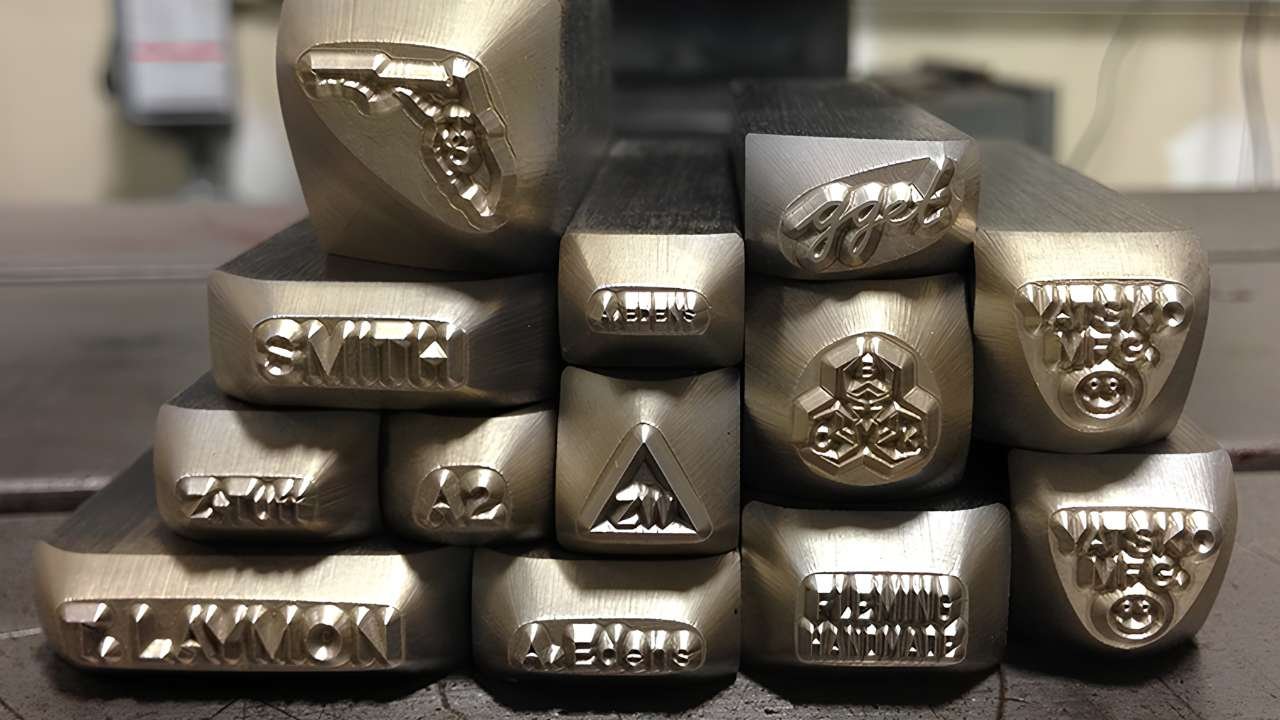
When choosing a custom metal logo stamp, material selection plays a critical role in performance. Under high stamping pressure, tool steel materials, such as O1 and A2, still have sharp logo information. Brass is highly machinable and is ideal for use in softer materials such as leather. Jewelry is best impressed in sterling silver or copper, which take a deep clear impression with very little effort. Stainless steel is suitable for hard or corrosive applications, but requires extremely hard stamp tooling.
What designs fit a custom metal embossing stamp?
High contrast designs that are vector-based will translate best when embossed with consistent physical embossing pressure. Solid geometric shapes and straightforward text make for incredibly sharp impressions, especially in corporate logos. Monograms, personal signatures and maker’s marks provide enduring authenticity for stationery and handmade items. When done correctly, the crests of wax seals or botanical illustrations are extremely tactile and dimensional.
How durable are Custom metal stamps for metal?
A custom metal stamp for metal is machined from tool steel which is heat-treated to about 61 HRC Rockwell hardness. Soft metals, such as aluminum, show little wear after stamping, which can last for many years. Longer life is achieved with fine lines and sharp angles, which are less prone to chipping from repeated heavy impacts. Carbide material is very durable and is up to 10 times longer than high-carbon steel, for extreme industrial demands.