What is Metal Fabrication? – Everything You Need to Know in 2026
What is Metal Fabrication?
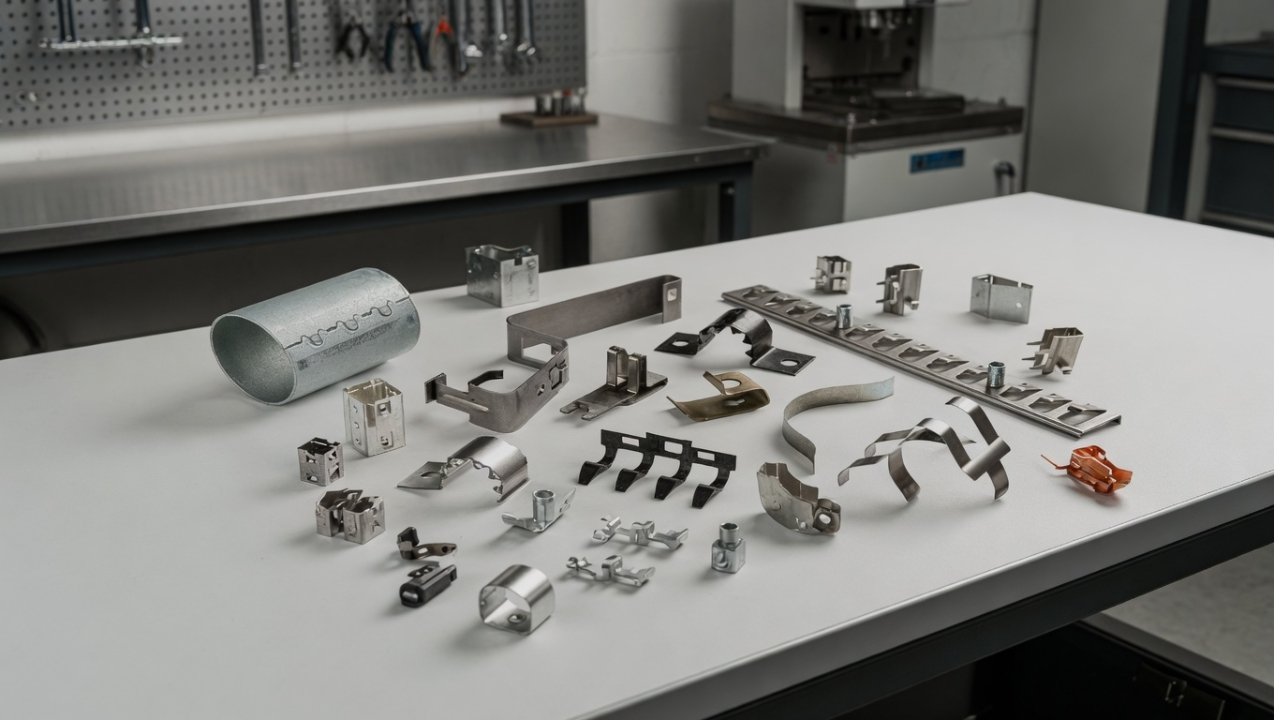
In practical industrial terms the phrase “What is metal fabrication?” states that the process with which raw metal is transformed into finished, functional products. The basic processes involve cutting, bending and joining metal parts with accuracy. Strong fabrication knowledge is essential because fabrication is concerned with the creation of parts and manufacturing deals with larger production systems. Machining involves removing material, and fabrication involves re-shaping or welding metal. Metal fabricators interpret technical drawings, choose material, use equipment, assemble, and quality check. Experienced fabricators make sure they are precise, well-built, and meet the requirements of the project. They operate in sectors such as construction automotive and heavy engineering sectors all over the world.
Examples of Metal Fabrication in Daily Life
- Car frames
- Building structures
- Household appliances
- Electronic enclosures
- Furniture and fixtures
The History and Evolution of Metal Fabrication
Ancient Metalworking Origins
Metals were first hammered by hand in early days forming simple tools and ornaments. Smelting was introduced during the Bronze Age and Iron Age, and made weapon making methods much more crafty and durable. Early civilization continued to develop.
Industrial Revolution
The use of steam power in machinery revolutionized the way metal was produced in factories throughout the world. Steam hammers and rolling mills provided stronger shaping techniques of metals much faster. The global industrial production started to transform radically with the advent of mass production.
20th Century Advancements
Technologies of welding appeared to enhance the strength of the structure and the accuracy of fabrication. Workshops and factories were made efficient with electrical machinery and mechanization. Automation has started to eliminate manual labor, enhance consistency, and productivity significantly.
Modern Metal Fabrication (21st Century)
CNC machining provides high precision production of complex industrial parts. Accurate shaping of metal is quicker through laser cutting and plasma cutting. The efficiency is increased with the help of robotics CAD CAM and smart factories.
How Metal Fabrication Works (Step-by-Step Process)
The second phase after answering to “what is metal fabrication” is metal fabrication work process. For your consideration the stepwise process includes:
- Material Selection
The process of metal fabrication begins by carefully choosing the right raw materials. There are steel, aluminum, copper and brass options that are common. The choice of materials is selectively guided by strength, resistance to corrosion and durability. Final material decision is always dependent on cost and project requirements.
- Design & Engineering
Design and engineering start after the stage of material selection is made. CAD software enables engineers to design accurate digital models. Design accuracy will provide proper dimensions and flow of fabrication. Specifications help the engineers to achieve project requirements in an effective manner at all times.
- Process & Equipment Selection
The right choice of the process is dependent on the complexity of the design and the type of material. Special tools are selected in line with engineering design requirements needs. CNC machines are efficient in providing high precision in the complex fabrication tasks. Laser cutters and press brakes enhance speedy and precise production.
- Fabrication Core Stage
The fundamental stage of fabrication is where components are made physically. It involves cutting, bending, welding, and joining metal in a delicate manner. Various methods are joined to create the structure of final products precisely. Quality results of assembly and long-lasting joints are guaranteed by skilled workers.
Finishing & Quality Control
The process of finishing enhances the quality of surfaces and shields the effects of damage on metals. There is coating, polishing and painting of processes to improve appearance finish. Quality check controls are made to guarantee accuracy, strength and safety standards, that is why sheet metal fabrication quality control plays a vital role in every professional production environment. Inspection ensures that the final product is in compliance with all the project specifications requirements that are certified.
Key Parameters in Metal Fabrication
Material Type
The choice of material type defines the strength, durability, resistance to corrosion and the appropriate fabrication method, which is a fundamental part of understanding what is metal fabrication. Before deciding on the fabrication techniques to apply, you should consider material properties to achieve optimal performance results at all times.
Thickness
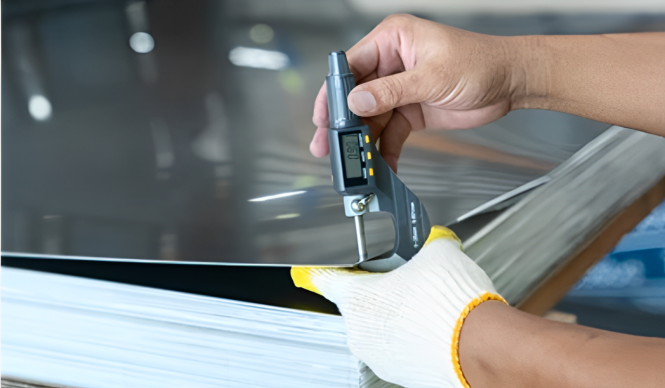
The thickness has a significant effect on the cutting speed, the bending behavior and the overall integrity of the structure when fabricating. Thickness must be measured accurately because any mistakes in the assembly process and the quality of welding operations will be missed.
Tolerance Levels
Tolerance values are used to establish allowable deviations in dimensions to produce accurate and functional metal parts. You should always make close tolerances when you need precision parts in assemblies.
Design Complexity
The complexity of design influences the fabrication time, cost, and necessary machinery to plan and execute production stages. You must strive to make designs as simple as possible in order to minimize manufacturing difficulties and cut down on total efficiency gains.
Production Volume
The quantity of production determines the choice of tools, process planning and the cost and scalability of the manufacturing strategy. Volume needs need to be taken into account at the beginning of the year in order to maximize efficiency and minimize waste in production lines.
Surface Finish Requirements
Surface finish specifications are used to control the standards of appearance, corrosion resistance and product functionality in the fabrication process. Always, you should choose finishing methods depending on the needs of application and environmental factors of exposure.
Machine Speed and Feed Rate.
Cutting performance balance is determined by machine speed and feed rate control to achieve efficiency, accuracy and tool life. In practice, you have to adjust speed and feed rate based on the level of material hardness.
Welding Techniques
Welding methods are different depending on the type of material, joint design and the need to apply a particular method on the strength requirement. In projects, you should select the right welding techniques that will help you achieve durability and structural integrity at all times.
Quality Standards
Quality standards guarantee uniformity, safety, and adherence to the fabrication standards of the industry necessitated by regulations world over. To provide high-quality and consistent products each manufacturing cycle, you have to adhere to quality standards.
Main Metal Fabrication Processes Explained
Cutting
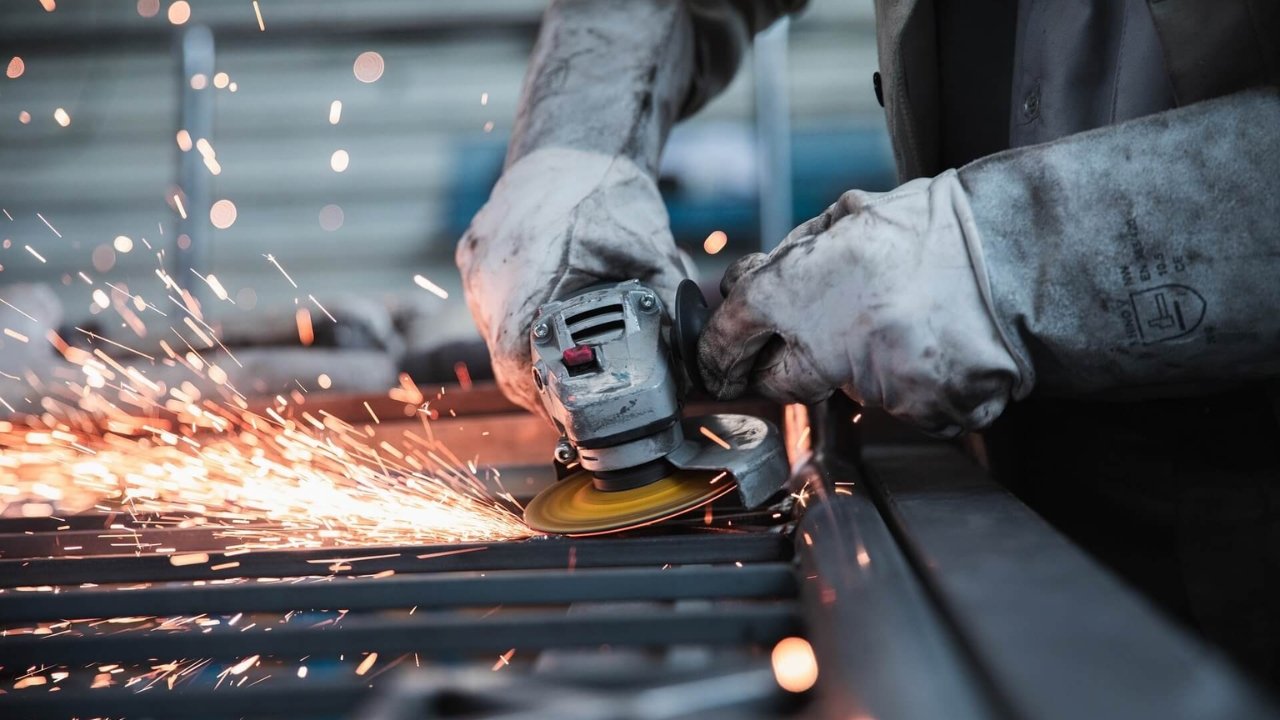
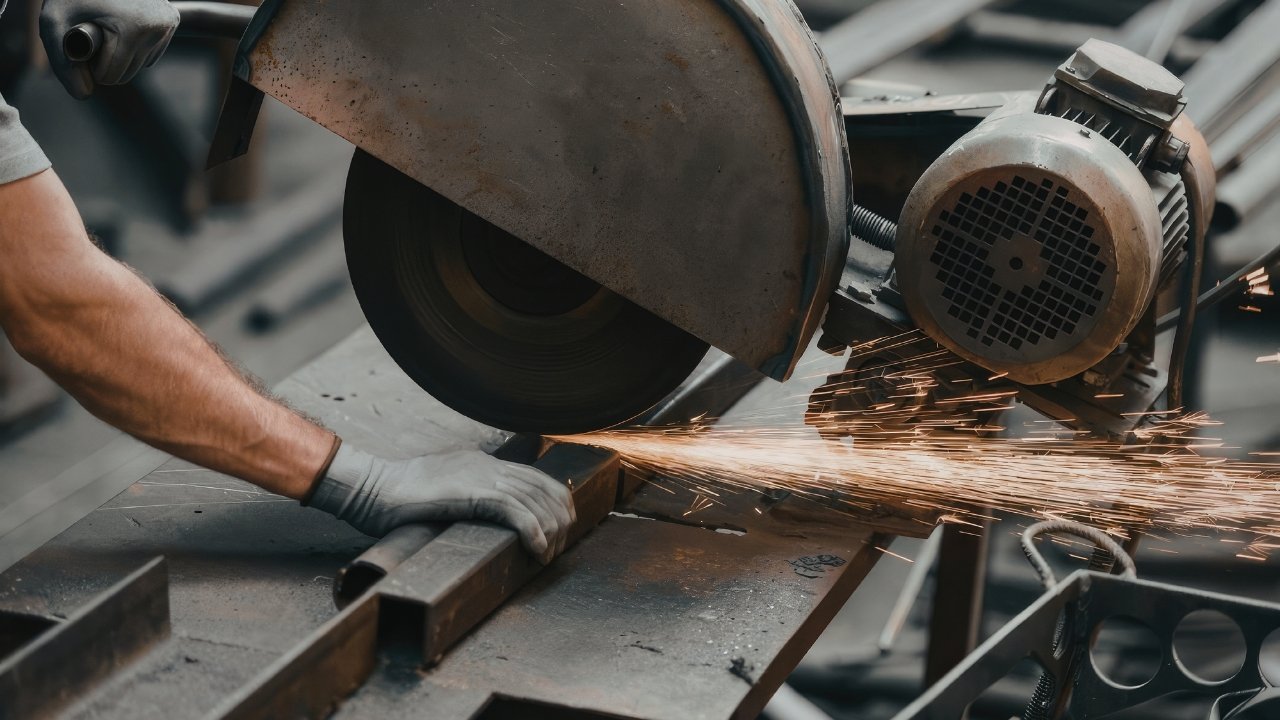
To understand what is metal fabrication process, first you need to get familiar with cutting. The cutting is a process, in which metallic fabrication cut the raw materials with traditional and modern, precise methods safely without wasting materials. Conventional sawing and shearing or hi-tech laser water jet plasma cutting will provide precision to you.
Bending & Forming
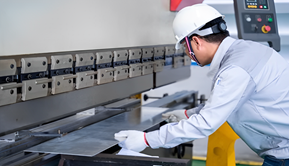
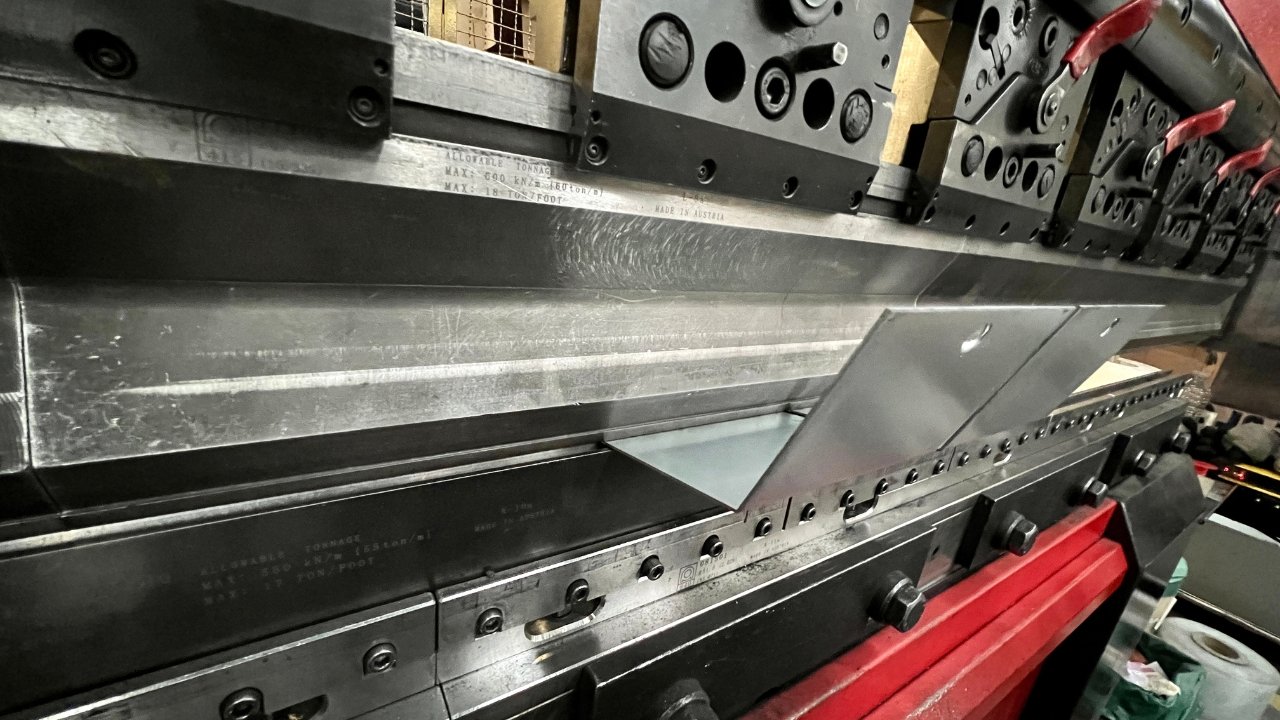
Press brakes are used to bend and shape reshape metal through rolling and folding without compromising structural integrity. Bending can be used to make the correct shapes without undermining material as long as it is done carefully and correctly.
Welding
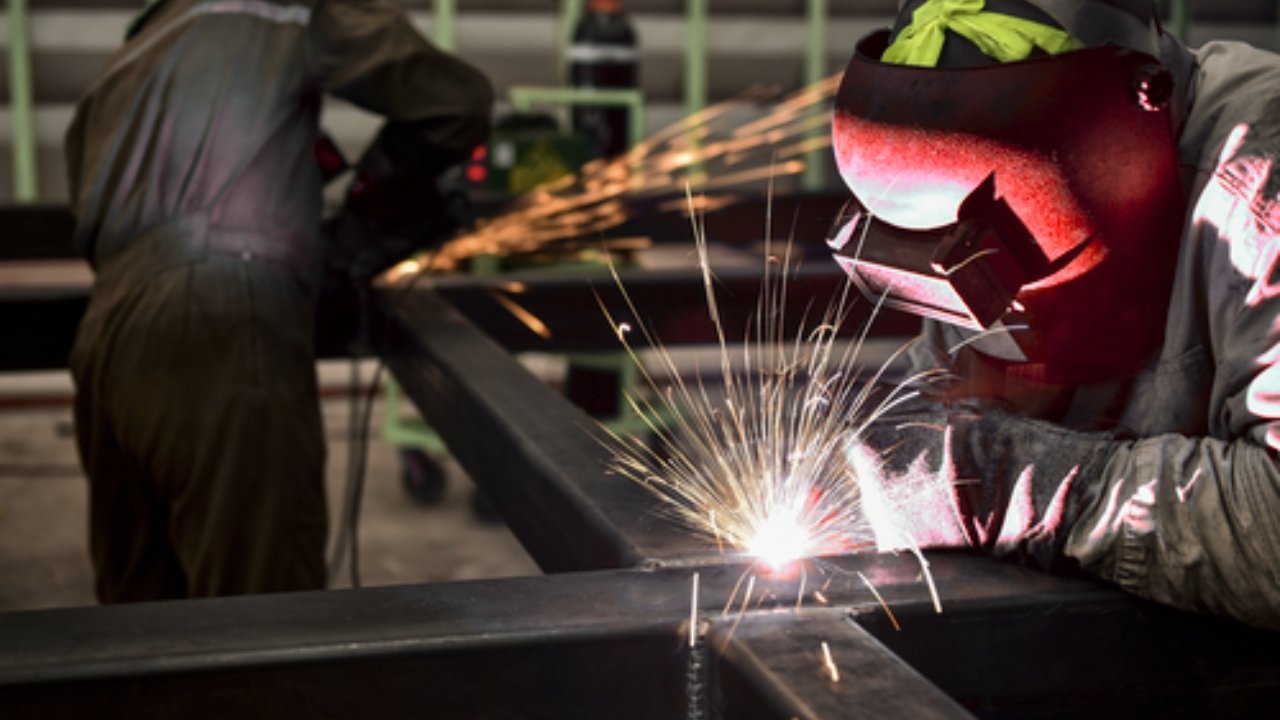
MIG TIG and arc welding are efficient ways of joining metals using various strength precision and heat techniques. Welding also allows you to create robust structures with methods of general accuracy and heavy-duty work.
Machining
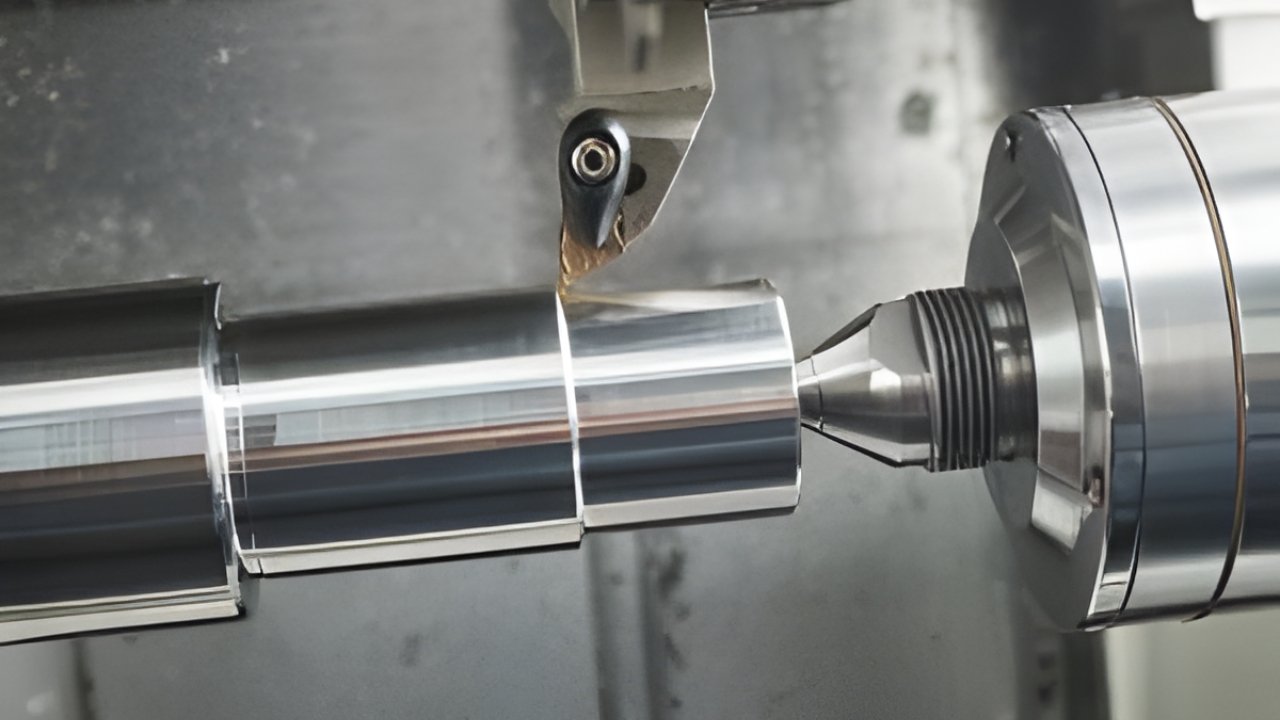
Machining involves drilling, milling and turning of materials where high accuracy tools are used to shape the metal. The machining processes will assist you in attaining accurate dimensions of industrial components and assemblies in a dependable manner.
Punching & Stamping
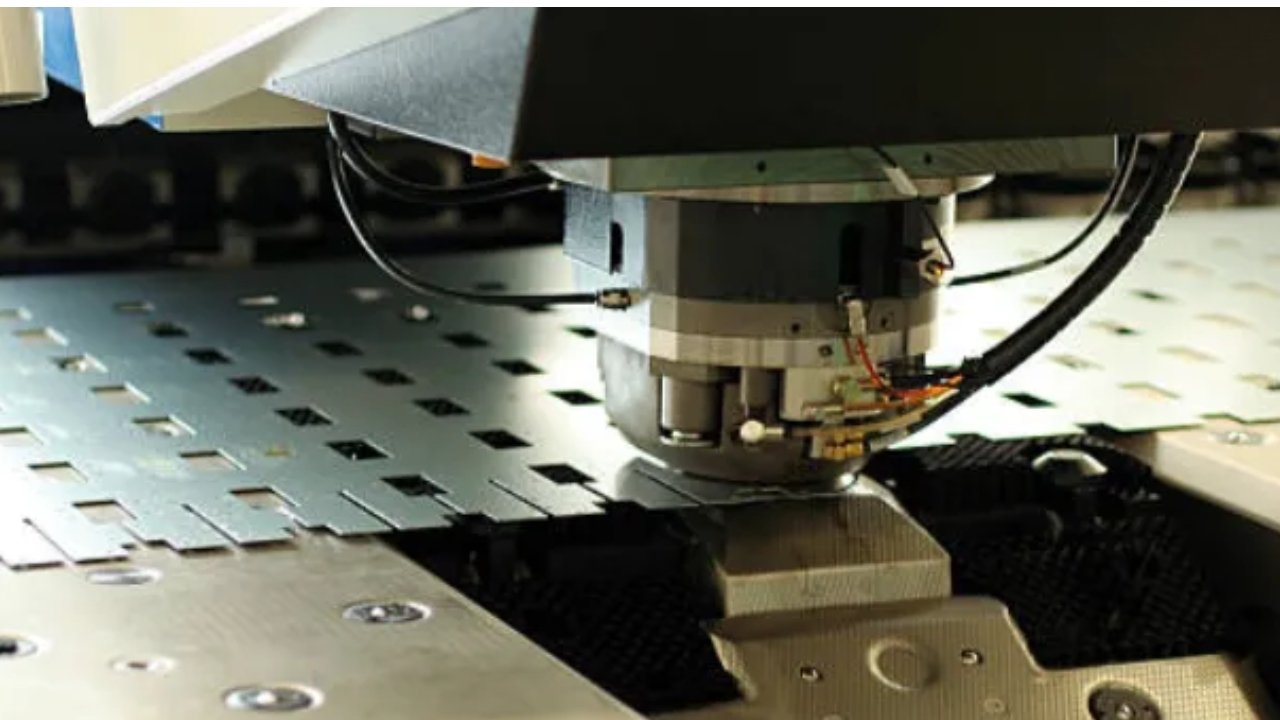
High speed metal parts that are punched and stamped are used to create patterns of holes and custom shapes very quickly. These methods can be used to perform mass production in which accuracy and speed are critical factors.
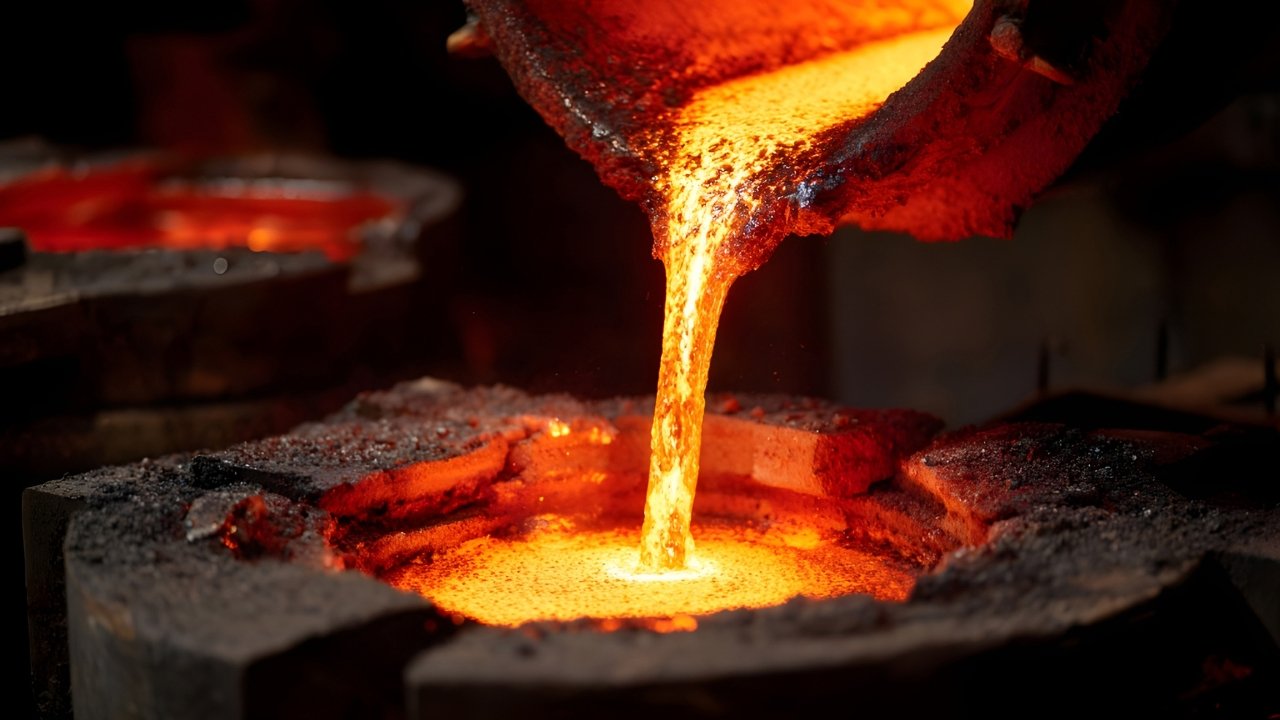
Casting
Metal casting is the process of pouring molten metal into molds to make detailed intricate shapes very effectively with precision. Casting assists you in creating complex pieces, which would have been hard to create in other fabrication techniques with ease.
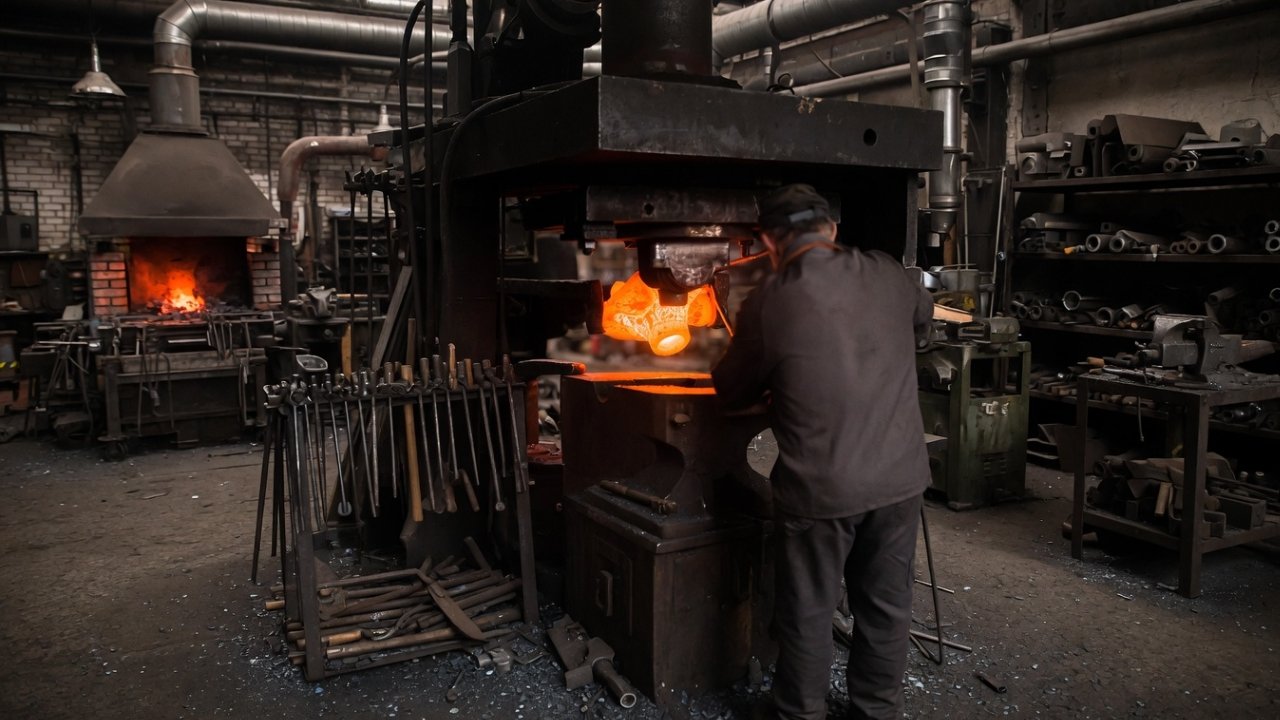
Forging
Forging is the process of working metal with compressive forces that produce structural components that are stronger and more durable in an effective and reliable manner. The advantage of forged parts is that they are more powerful and have a high performance life.
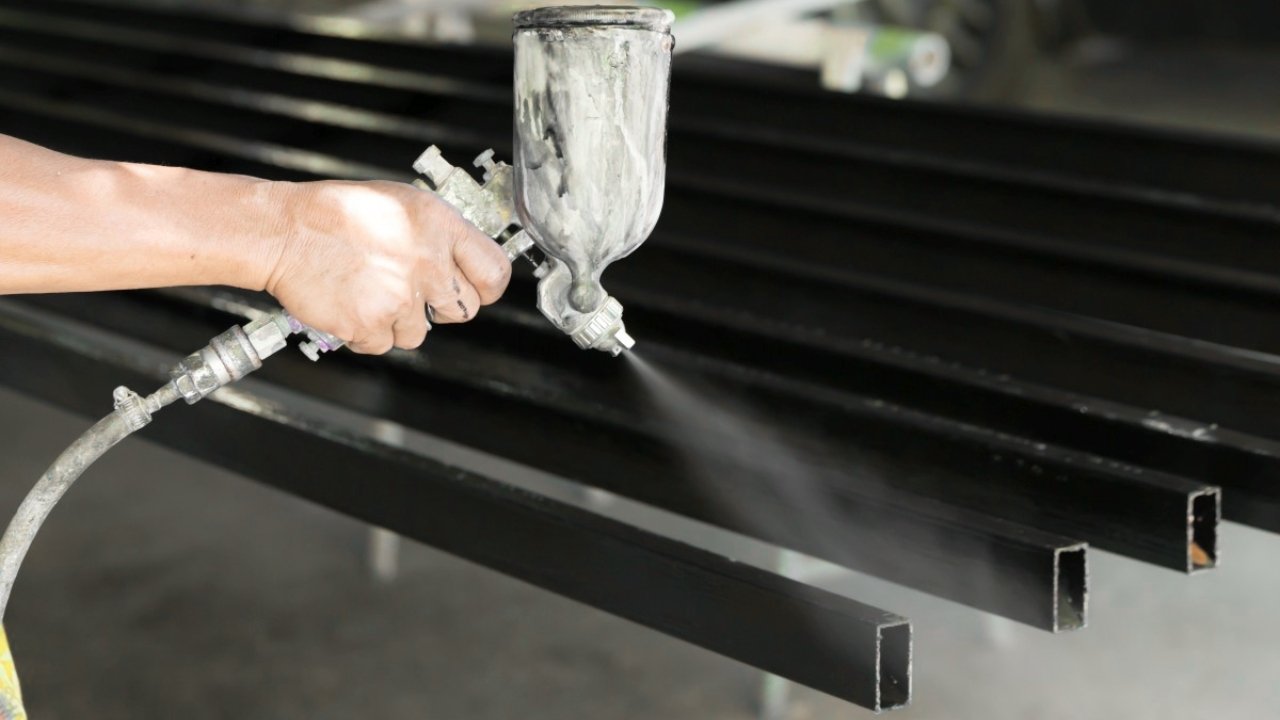
Finishing
Powder coating and painting are some of the finishing processes that are done to improve the look of metal surface protection and durability. When techniques of finishing are done properly to ensure long-lasting protection results performance, you enhance product quality.
Types of Metal Fabrication
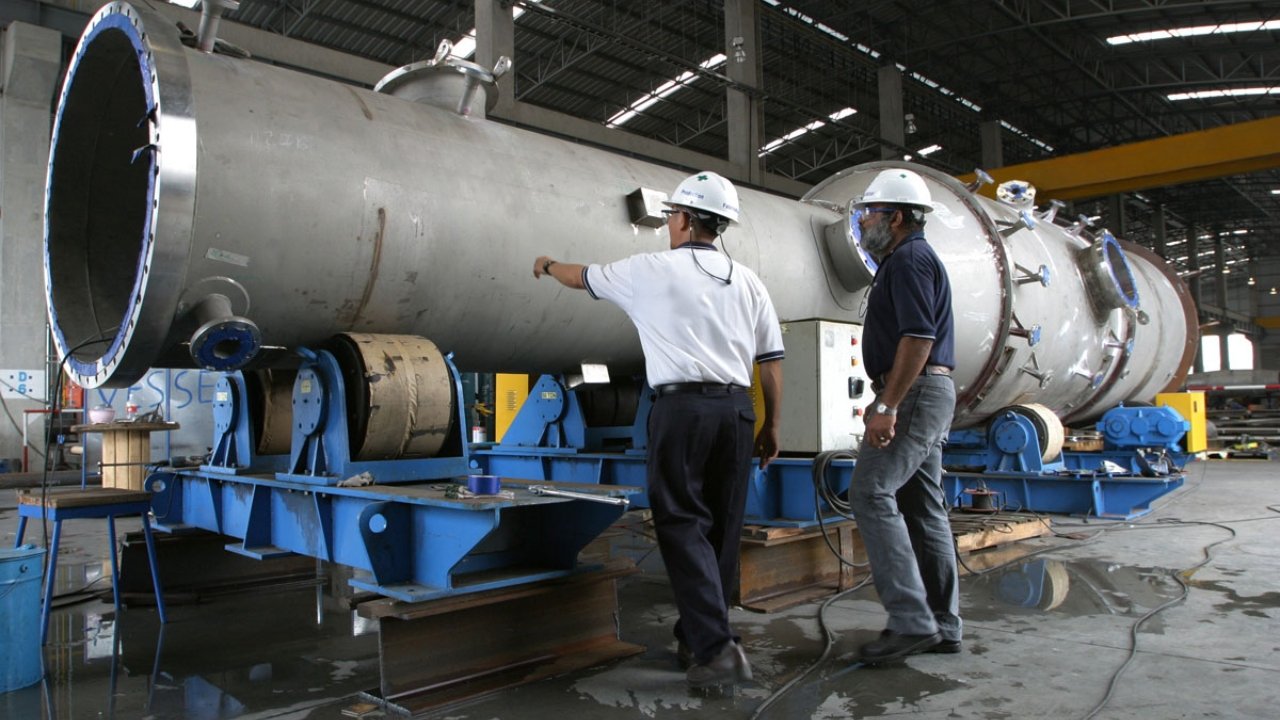
Industrial Fabrication
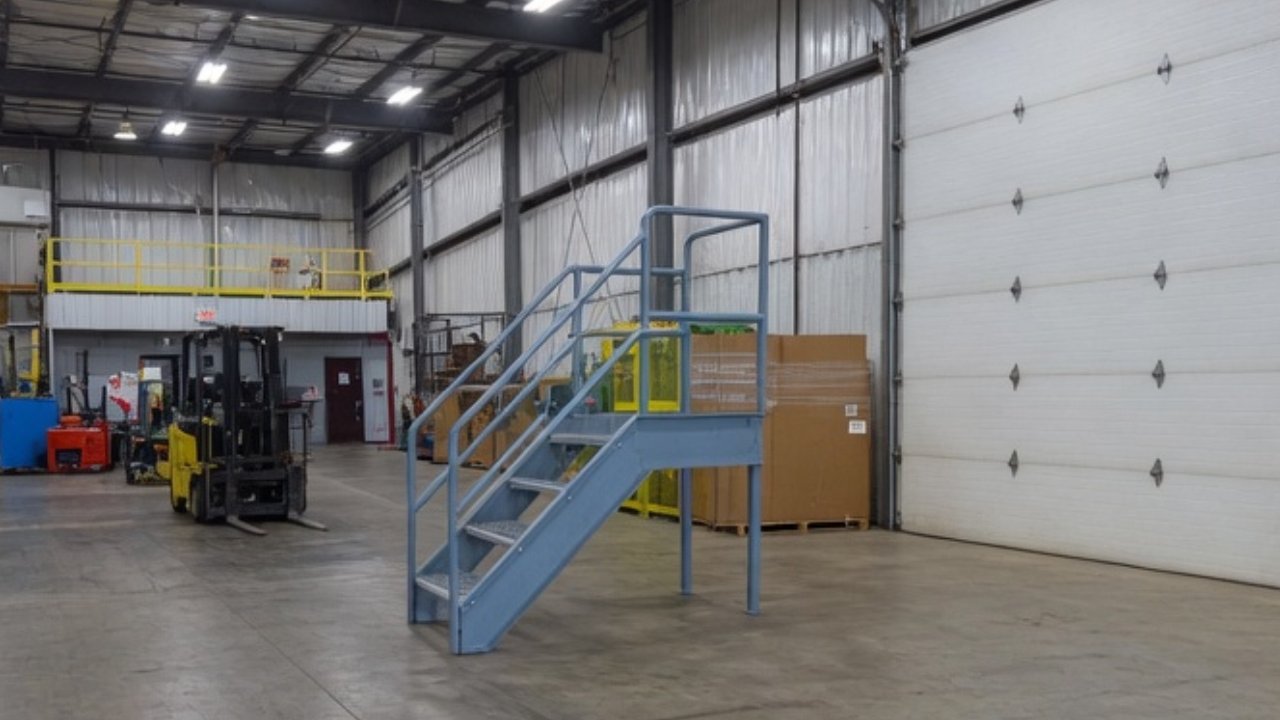
The industrial fabrication entails heavy machinery applied in the manufacturing projects of large scale. It is widely used in large scale metal fabrication to support production lines in industrial plants and equipment assembly of different industries. You always have robust systems that are constructed efficiently.
Structural Fabrication
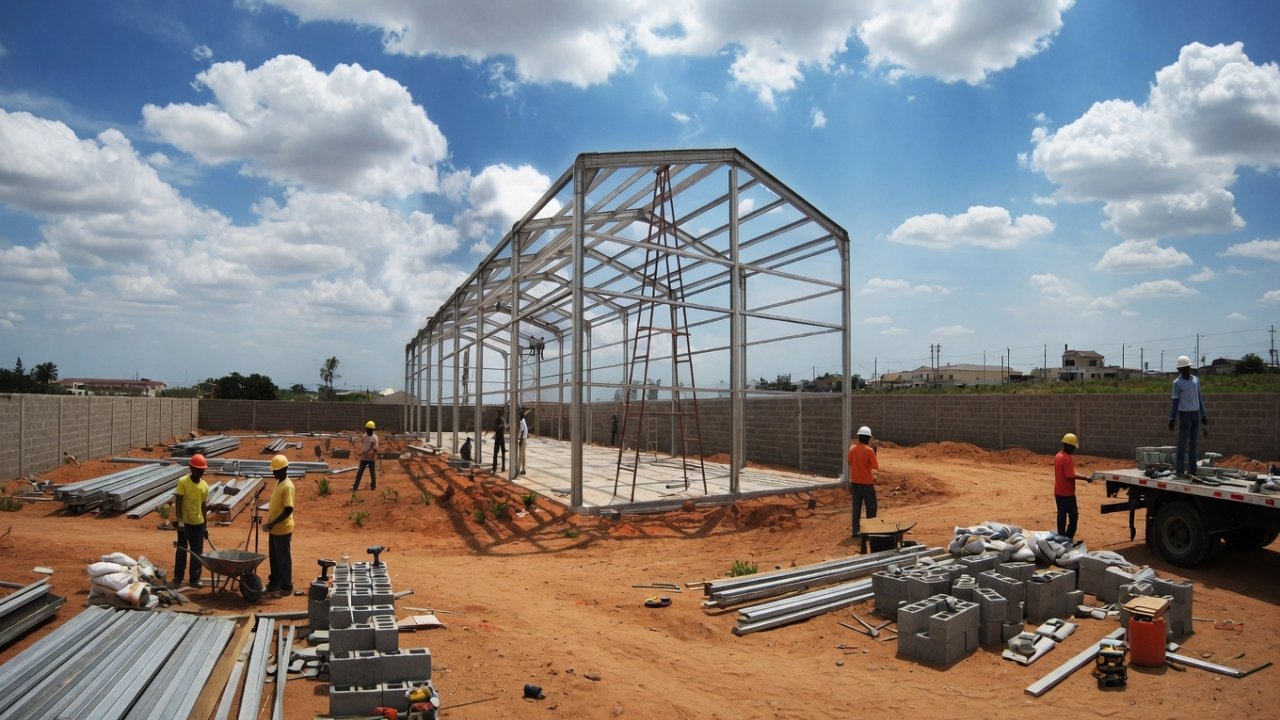
Structural fabrication concentrates on the building and infrastructure development projects. It guarantees the strength and safety of bridges towers and other large construction works. Here precision in fabrication is essential to engineers.
Commercial Fabrication
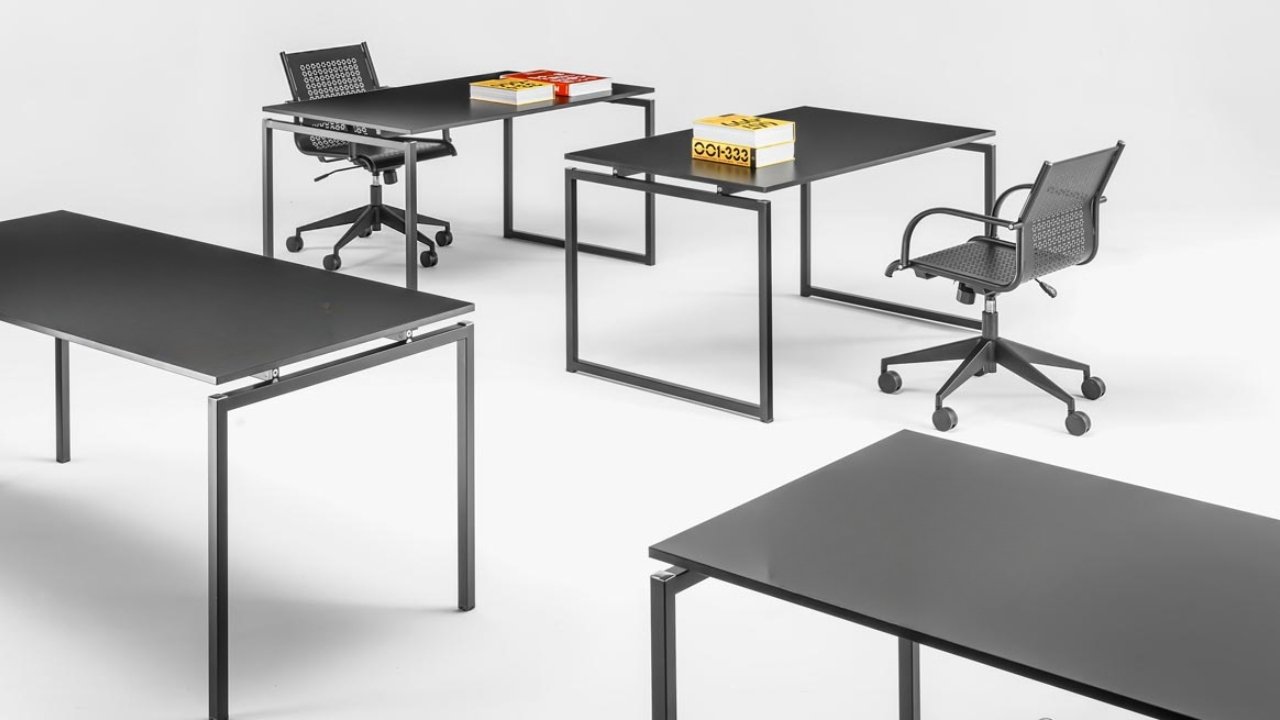
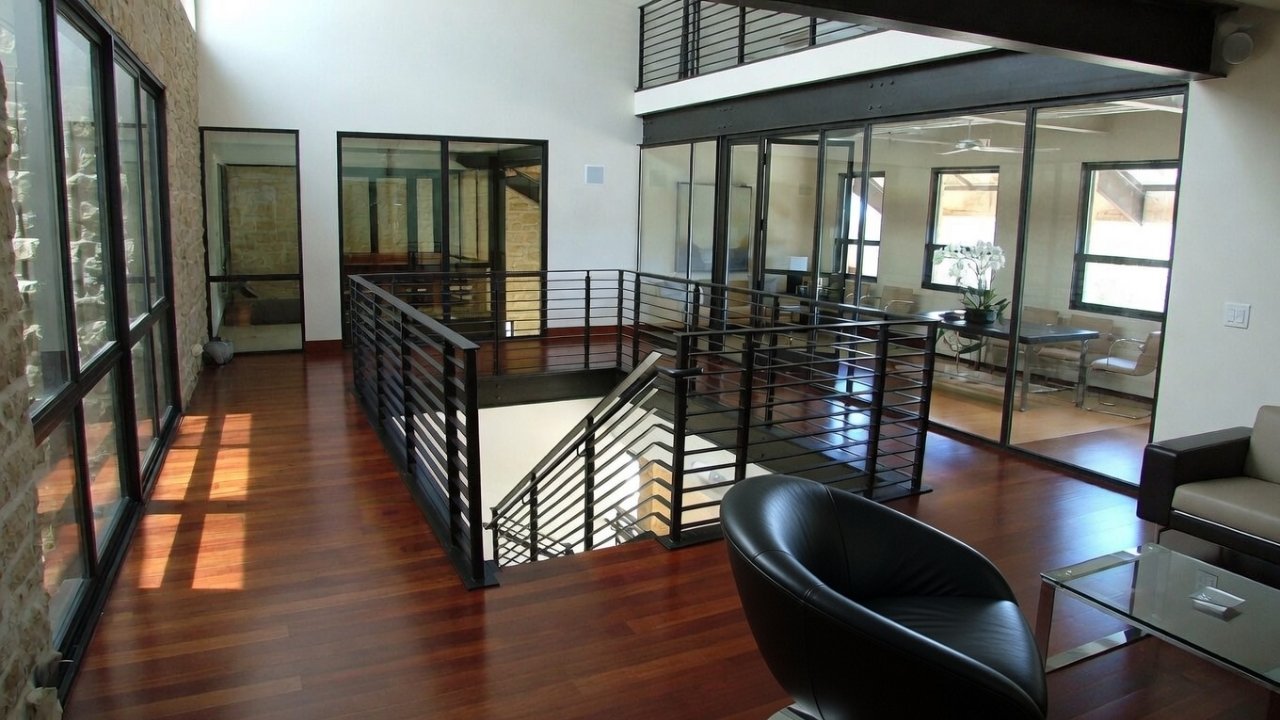
Business fabrication is used to make useful office and retailing business products. It has furniture fixtures and customized metal installations to be used commercially. Metal fabrication for commercial construction is also widely used in creating durable structural components, railings, frames, and customized architectural elements for modern commercial buildings. Today you can work on workspace efficiency through designs.
Custom Fabrication
Custom metal fabrication provides special solutions based on special client needs. It is widely used for prototypes special parts and one-off designs. With professional fabrication, you will be able to get accurate results.
Sheet Metal Fabrication
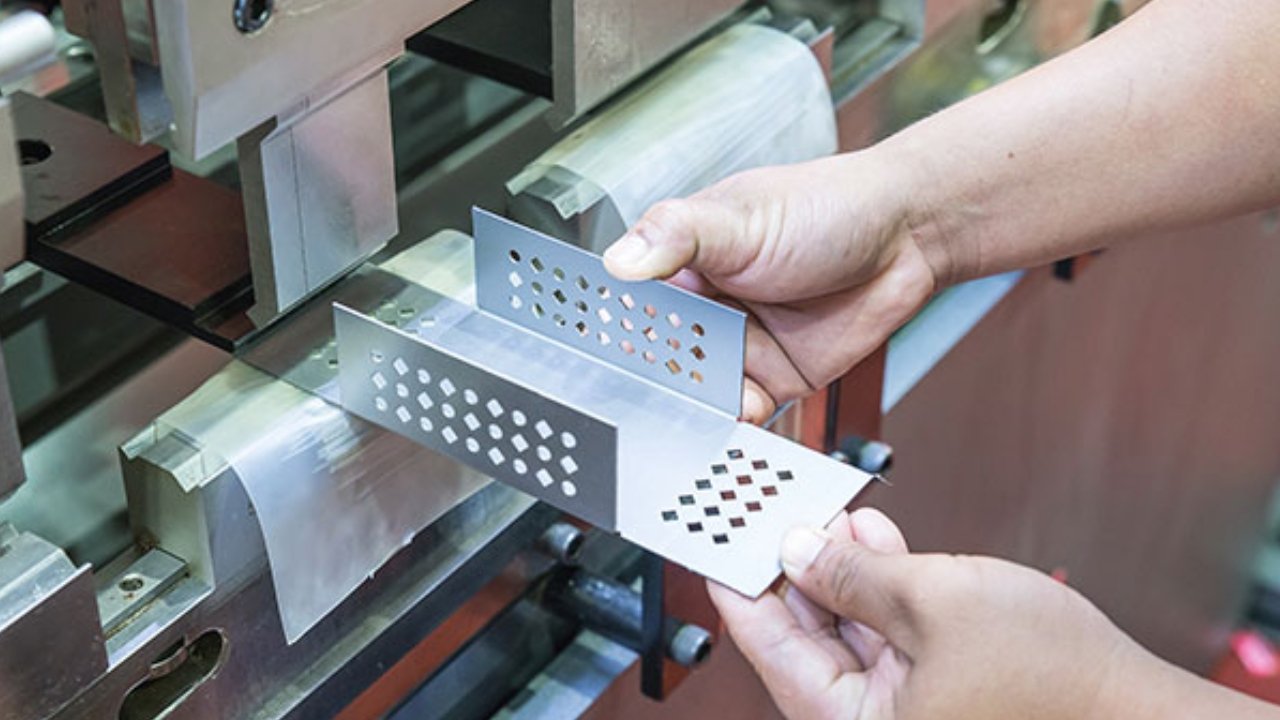
The sheet metal fabrication deals with the thin metal sheets that are formed into products. It is widely employed in HVAC and automobile body panels. When businesses and individuals search for sheet metal fabrication near me, they are typically looking for local experts who specialize in these precise, lightweight and durable sheet metal solutions for industries. Now you have lightweight durable parts to industries.
Ornamental Fabrication
Decorative metalwork is ornamental fabrication, producing artistic and architectural work. It improves spaces in attractive designs and hand-crafted metal art. You can make spaces beautiful with beautifully crafted details with minimal effort.
Electrical Fabrication
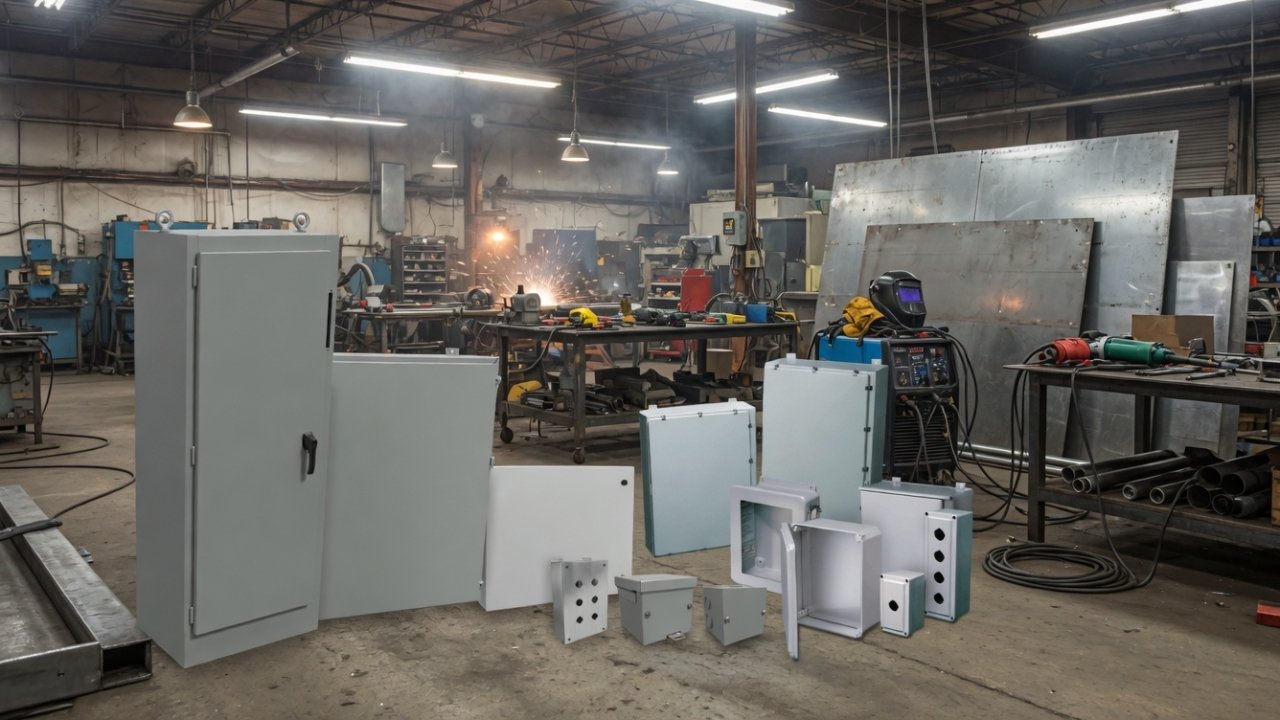
Electrical fabrication is the process of producing enclosures and metal conductive parts. It provides secure enclosures to electrical systems as well as industrial wiring installations. Always, it is important to make sure that you are reliable and safe in electrical applications.
Common Metals Used in Fabrication and Their Properties
Metal | Key Properties | Common Uses |
Carbon Steel | Strong, durable, affordable | Construction, machinery |
Stainless Steel | Corrosion-resistant, hygienic | Medical, food industry |
Aluminum | Lightweight, corrosion-resistant | Aerospace, automotive |
Copper | Excellent conductivity | Electrical wiring |
Brass | Easy to machine, decorative | Fixtures, musical instruments |
Titanium | High strength-to-weight ratio | Aerospace, medical implants |
Advantages of Metal Fabrication
- Great strength and durability.
- Flexibility and customization in design.
- Mass production cost efficiency.
- Accuracy in the new technologies.
- Recyclability and sustainability
- Wide application range
Uses of Metal Fabrication
Construction Industry
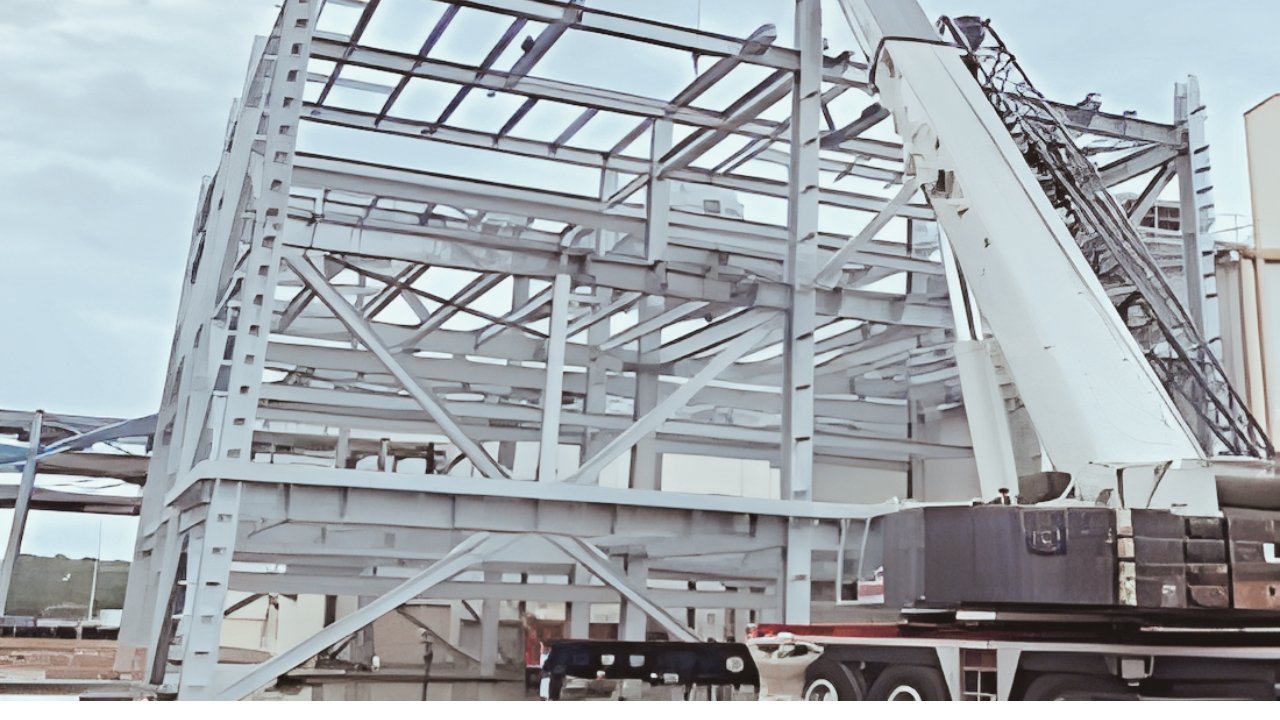
In contemporary construction projects, the concept of what is metal fabrication becomes clear, especially when examining heavy metal fabrication and its role in supporting structural frameworks within modern construction projects worldwide to ensure reliability in strength and durability. Fabricated steel is used by the builders in bridges and buildings that give them stability and long performance in the world.
Automotive Industry
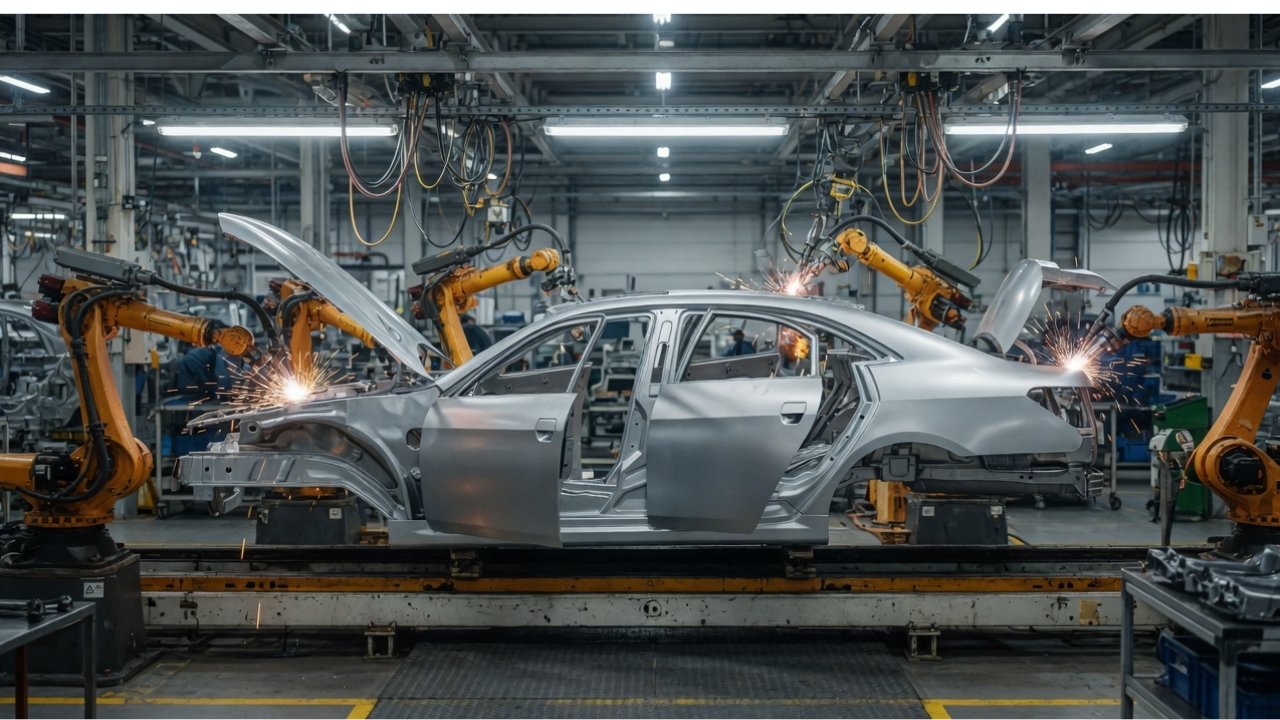
Metal fabrication produces the accurate car frame and engine components that are safe and efficient in vehicles. To enhance durability performance and lightweight design of modern automobiles, manufacturers worldwide depend on fabrication.
Aerospace
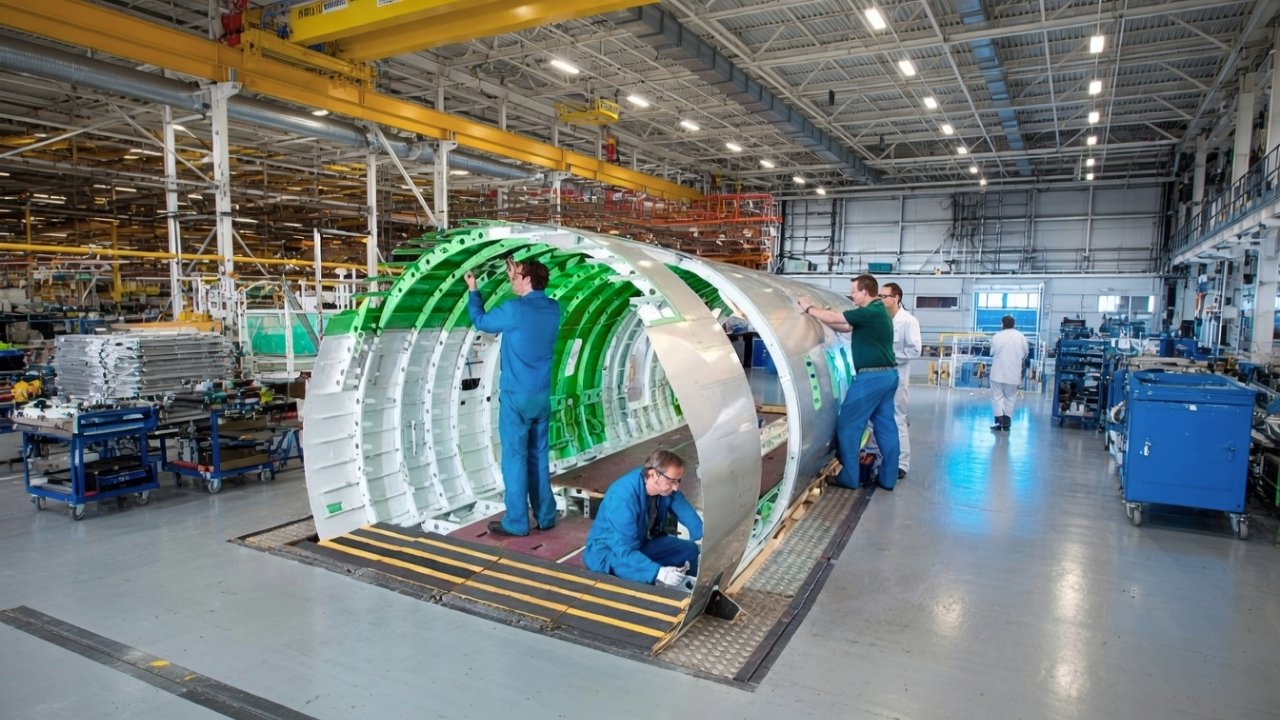
The aerospace industry needs high precision strength and reliability of aircraft components which are fabricated with advanced metals. Aerospace engineering depends on lightweight fabricated parts to improve fuel efficiency and flight safety standards.
Energy Sector
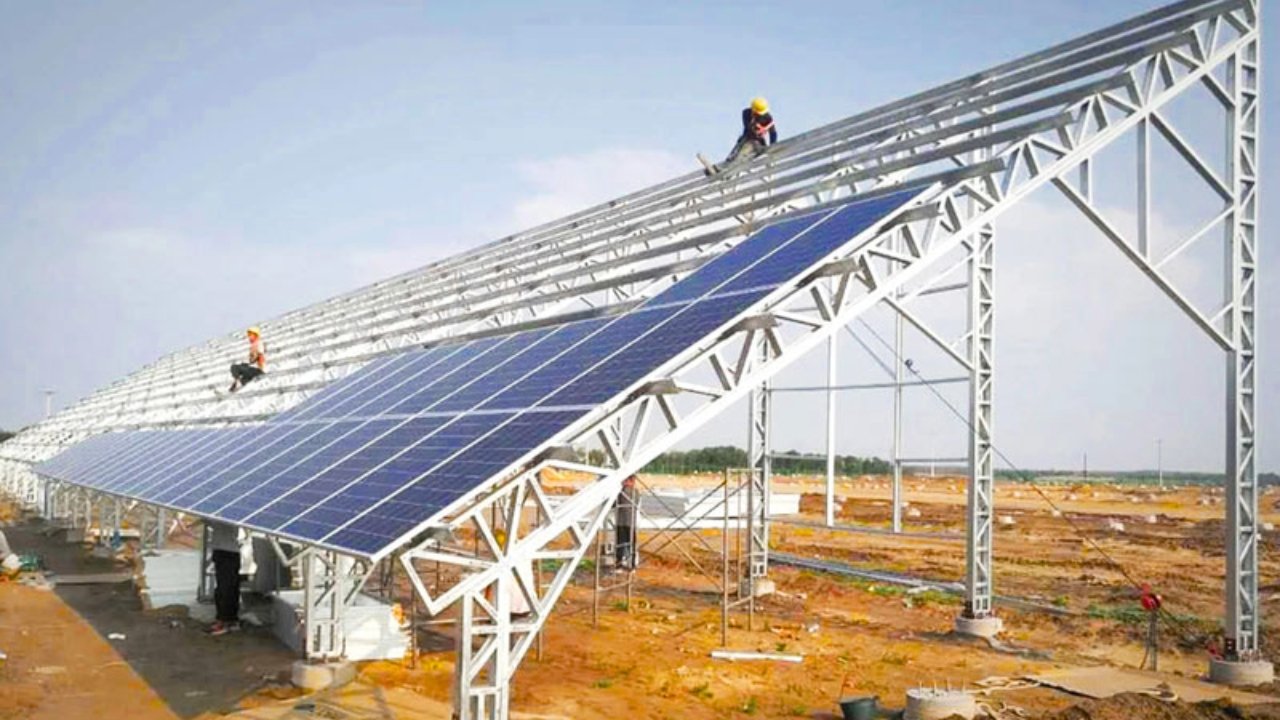
Oil pipelines require metal fabrication to provide durability in strength and safe systems of energy transportation. Wind turbines are also made using fabricated metal components to endure the stress and harsh environmental conditions.
Consumer Products
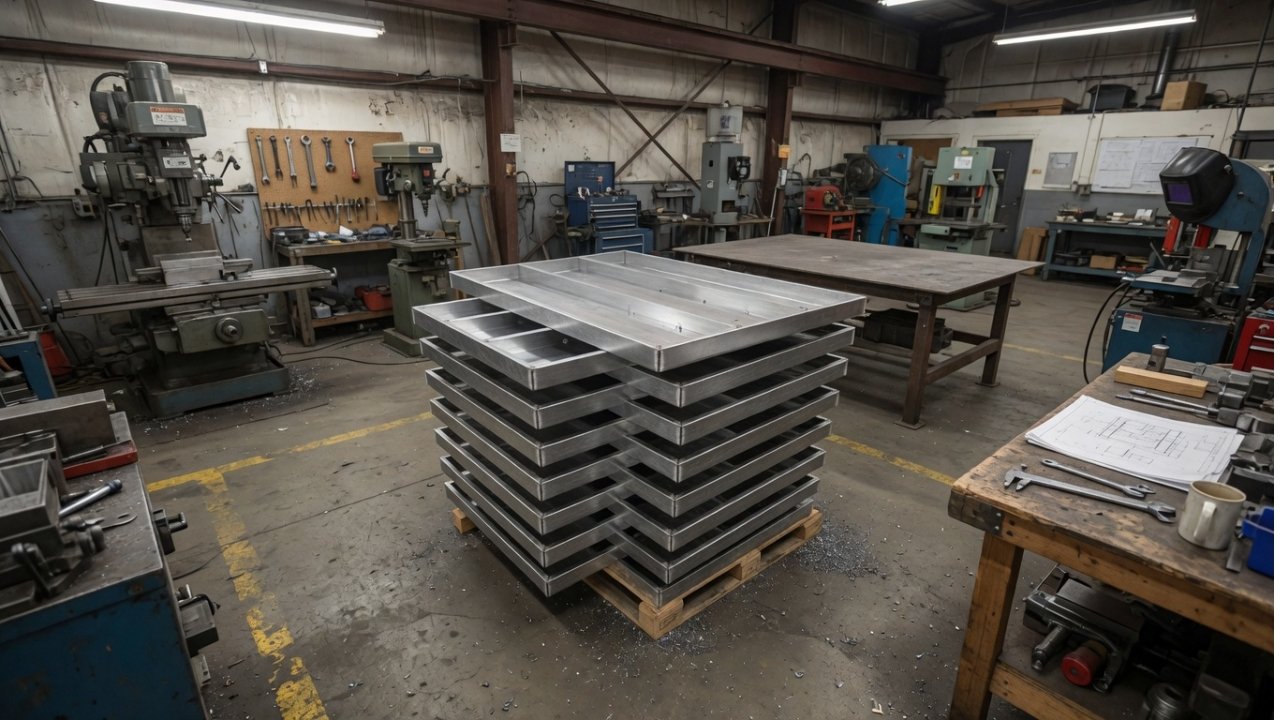
Understanding what is metal fabrication helps explain its role in consumer products such as appliances and furniture, to make them durable and attractive to modern design. It assists you in acquiring solid household products that endure longer and carry out dependable daily usage.
Medical Industry
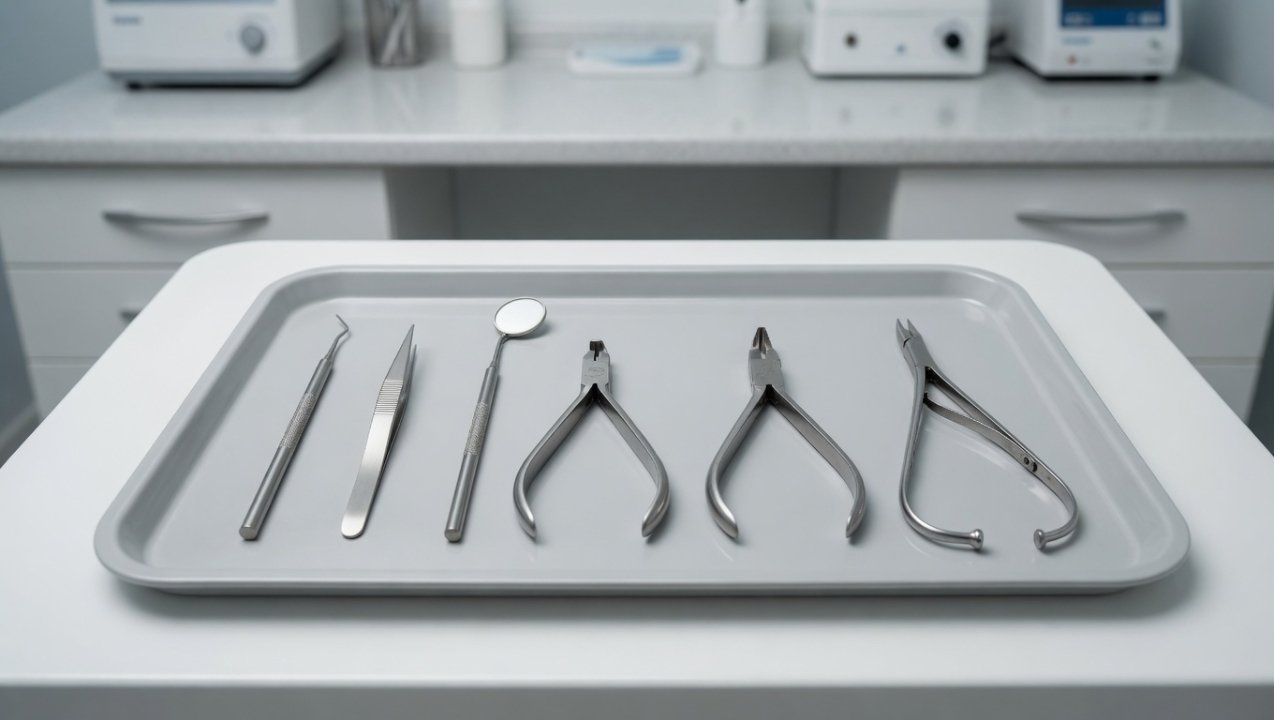
Medical industry applies metal fabrication to accurate surgical instruments that meet the hygiene accuracy and reliability standards. It guarantees equipment that is of high standards of healthcare that enhance patient safety and surgical outcomes in various parts of the world.
Electronics & Electrical
Metal fabrication is used to make enclosures and connectors that are needed to ensure the reliability of safe electrical and electronic systems. It guarantees security and efficiency in the devices that you use on a daily basis in different industries under global standards.
Fabrication Processes vs Applications
Process | Best For | Industries Using It |
Laser Cutting | Precision parts | Aerospace, electronics |
Welding | Strong joints | Construction, automotive |
Casting | Complex shapes | Automotive, machinery |
Machining | High-precision components | Medical, aerospace |
Bending | Structural shapes | Construction, manufacturing |
Software Used in Metal Fabrication
The guide on “What is metal fabrication” is incomplete if you forget to mention the role of software systems. In other words it is a tool that assists in shaping and assembling metal products with high level precision and efficiency. Here are the software used in metal fabrication.
CAD Software
CAD software assists you in making accurate design and 3D
modeling of fabrication projects with ease. They include AutoCAD and SolidWorks
that are popular in the design processes of the metal fabrication industry. You
are able to enhance precision and minimize mistakes when creating more
intricate fabrics.
CAM Software
The CAD designs are translated into machine instructions using CAM software to create machine instructions to manufacture correct production systems. It is important to optimize the workflow of CNC machining and automated production processes. Using CAM tools effectively reliably can help you to achieve faster production and consistent quality.
CAE Software
The CAE software allows simulation and engineering analysis prior to the actual manufacturing to take place minimizing risks. It assists in testing the strength, durability and product performance in the virtual environment in a safe manner. You are able to detect design flaws at an early stage and enhance reliability of products effectively.
ERP Systems
ERP systems coordinate business activities, production planning, inventory and resource allocation effectively in a seamless manner. They combine various departments to enhance communication and visibility of workflow across units of the organization. Orders, costs and production schedules can be accurately tracked in real time.
Nesting Software
Nesting software helps to reduce wastage of materials by organizing parts on sheets in the most efficient way. It minimizes scrap and enhances cost efficiency in the fabrication processes of metals in general. You can get together with maximum sheet utilization and save material costs smartly reliably on a consistent basis.
Metal Fabrication Challenges (and Solutions)
Common Challenges
The fabrication of metals has a number of general problems that influence the end product. Warping is a result of heat stress in the course of welding or cutting. Corrosion occurs when the materials interact with water and the environment. Precision error occurs when measurements or machining are not controlled appropriately. Wear on tools and weld defects also decrease fabrication reliability in general.
Solutions
Manufacturing processes are controlled to minimize fabrication mistakes and inconsistencies. The use of advanced CNC equipment guarantees greater precision and repeatability of operations in an efficient manner. Quality checks are performed on regular basis to detect defects at an early stage. The correct choice of material enhances durability and minimizes the chances of corrosion. And this is a great aspect when answering to “what is fabricating metal”. It also helps industries to apply the right fabrication methods and quality standards for long-term performance. With skilled planning and monitoring, overall performance of fabrication will be successful in the long term.
Conclusion
Now you have gained in-depth information about “what is metal fabrication”. Modern engineering and industrial development today heavily depend on metal fabrication. It converts raw materials into accurate, durable and useful products in all industries around the world. To both beginners and professionals, the fabrication knowledge, processes, parameters, and metal fabrication applications can be used to enhance quality outcomes in a significant way. On the whole, metal fabrication is crucial to the construction automotive aerospace and energy industries. This promote innovation efficiency and sustainability globally and provide beginners with a solid base to master technical skills and produce high-quality and reliable fabricated metal product using modern equipment developed methods and constant learning possibilities.
FAQs
What are the key differences between Fabrication vs Manufacturing?
Fabrication refers to working of raw materials into helpful forms or parts. It entails cutting, bending, welding and assembling metal parts precisely. The process of manufacturing is more comprehensive, which involves designing, processing and assembling products. Fabrication is a part of manufacturing workflow process.
What is the Best Metal for Beginners?
The most suitable metal to start with in metalworking projects is mild steel. It is cheap, simple to weld and is found in markets in large numbers. Another beginner friendly metal is aluminum because it is a lightweight metal. Both materials assist you to acquire basics with ease.