What is Heavy Metal Fabrication? – The Ultimate Guide in 2026
What is Heavy Metal Fabrication?
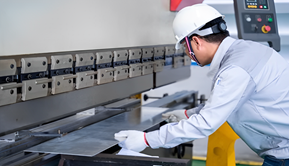
It is a way of making big, robust load bearing metal structures. It concentrates on reliability, robustness and uniformity in industrial performance across applications. There are processes such as cutting, welding, machining, forming, and assembling heavy components in an efficient manner. Engineers rely on sophisticated instruments to provide accuracy and structural integrity in fabrication.
Characteristics of Heavy-Metal Fabrication
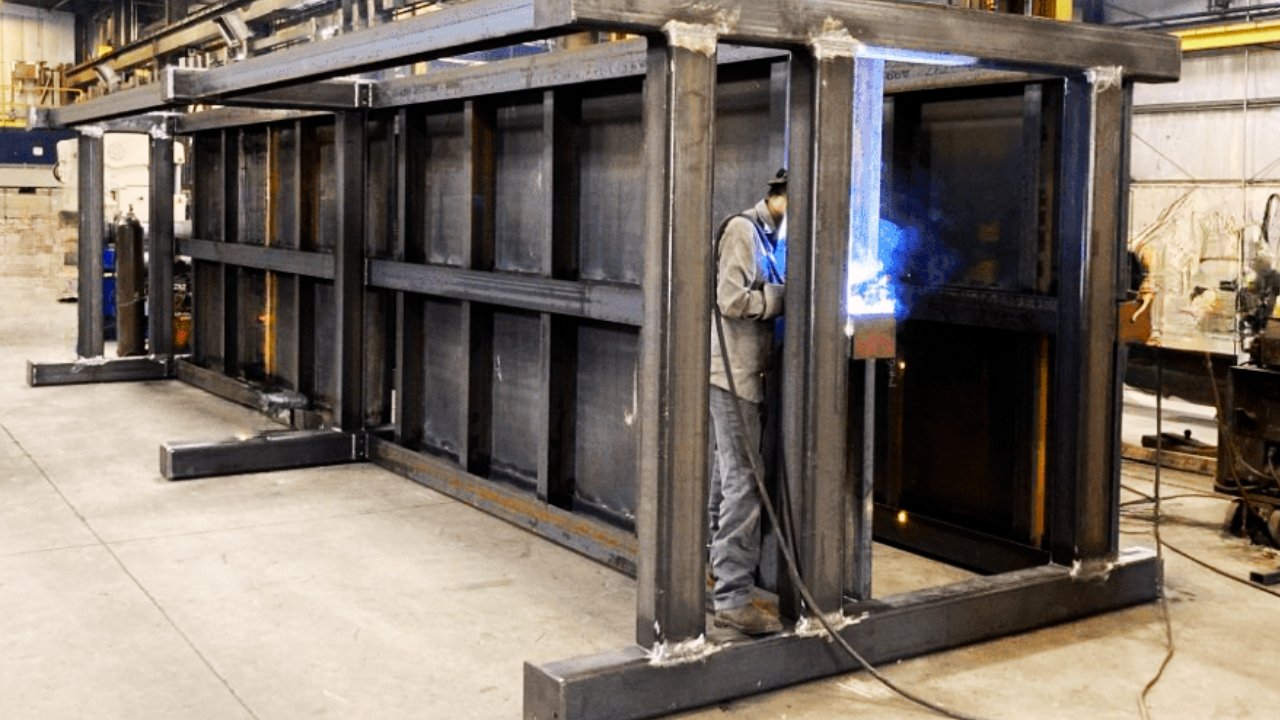
- Large-scale structures: Heavy fabrication of metal constructs large-scale industrial buildings in numerous industries in use worldwide. These structures consist of bridges, plants, warehouses and heavy engineering frameworks which are reliably built systems.
- Thick material: Thick metal plates are used to make sure that the fabrication is strong and that the performance is stable in terms of durability. These materials can withstand stress and pressure as well as the long-term conditions of industrial usage in operations.
- High load-bearing capacity: Heavy metal structures are constructed with a very high load-bearing capacity requirements safely. They are reliable to support machinery, storage systems, and continuous industrial operations without structural failure.
- Precision on an industrial level: Precision measurements and high-quality control standards that can be kept at all times are needed in industrial fabrication. This makes it reliable to work in harsh manufacturing and construction conditions without deviation errors.
- Resistance to harsh environment: Heavy fabrication of metal is resistant to corrosion, heat, and extreme weather conditions and is effective over the long-term. It works well in industrial, outdoor and marine environment all over the world without losing its performance.
Heavy Fabrication vs Light Metal Fabrication
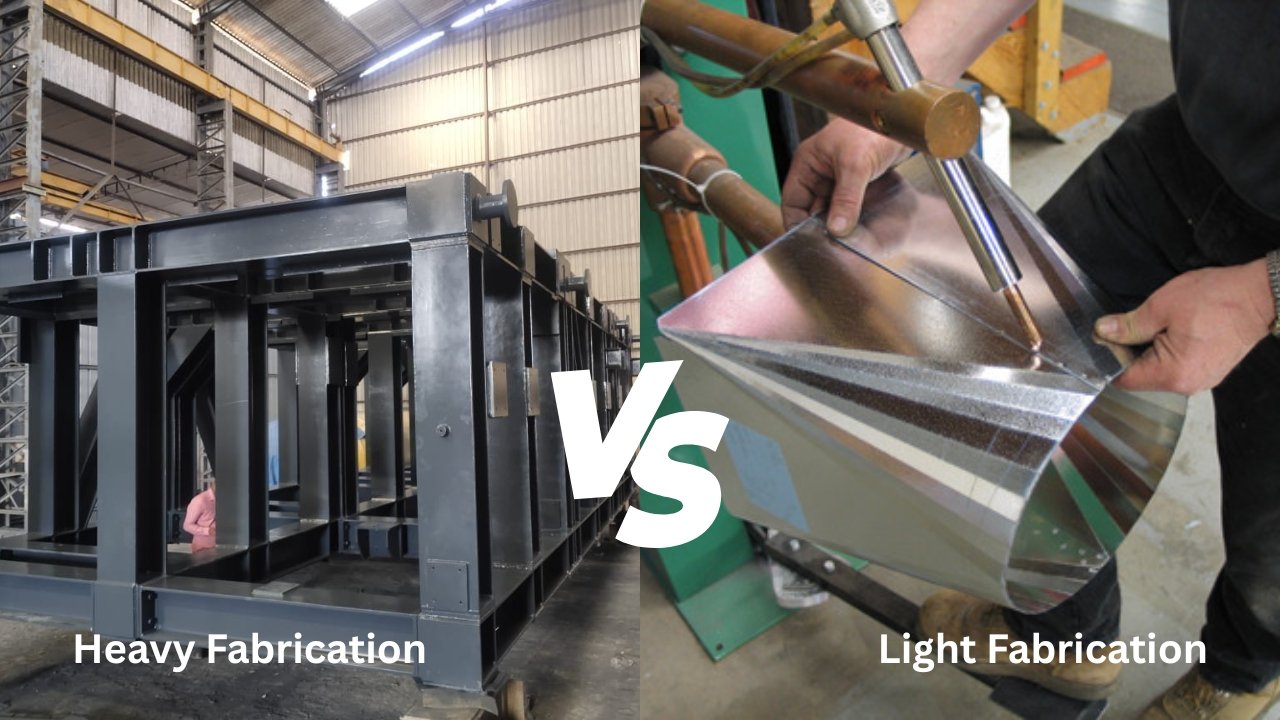
The heavy fabrication is different in scale, strength and structural requirements in industries compared to the light fabrication. Components in heavy fabrication and parts in light fabrication. Heavy work is characterized by heavier materials that heavy-duty machinery works with, whereas light work involves lighter sheets that work with hand tools. Construction and energy industries use heavy fabrication and automotive, appliances, and electronics manufacturing use light fabrication. The heavy fabrication costs are more in scale, materials, labor intensity as compared to the lighter processes.
Feature | Heavy Metal Fabrication | Light/Sheet Metal Fabrication |
Material Thickness | Thick, heavy metals | Thin sheets |
Applications | Infrastructure, machinery | Electronics, appliances |
Strength | Very high | Moderate |
Processes | Welding, forging, machining | Cutting, bending, stamping |
Equipment | Large industrial machines | Smaller, precision tools |
Scale | Large-scale structures | Small to medium components |
Role of Heavy Fabrication of Metal in Modern Industry
The contemporary industry is propelled by fabrication of heavy metal in the precision engineering and structural strength. It encourages development of infrastructure, production of machinery, energy systems and transport development globally. Industries are dependent on the high durability, high safety standards and high performance systems of operation. Custom industrial solutions can be fabricated to meet complex engineering needs. It guarantees sound performance in key areas underpinning economic and industrial growth in the world effectively. The total heavy fabrication fortifies modern infrastructure, enhances safety and facilitates advanced industrial development in the world in a consistent and significant way.
Types of Heavy Fabrication of Metal
Structural Metal Fabrication
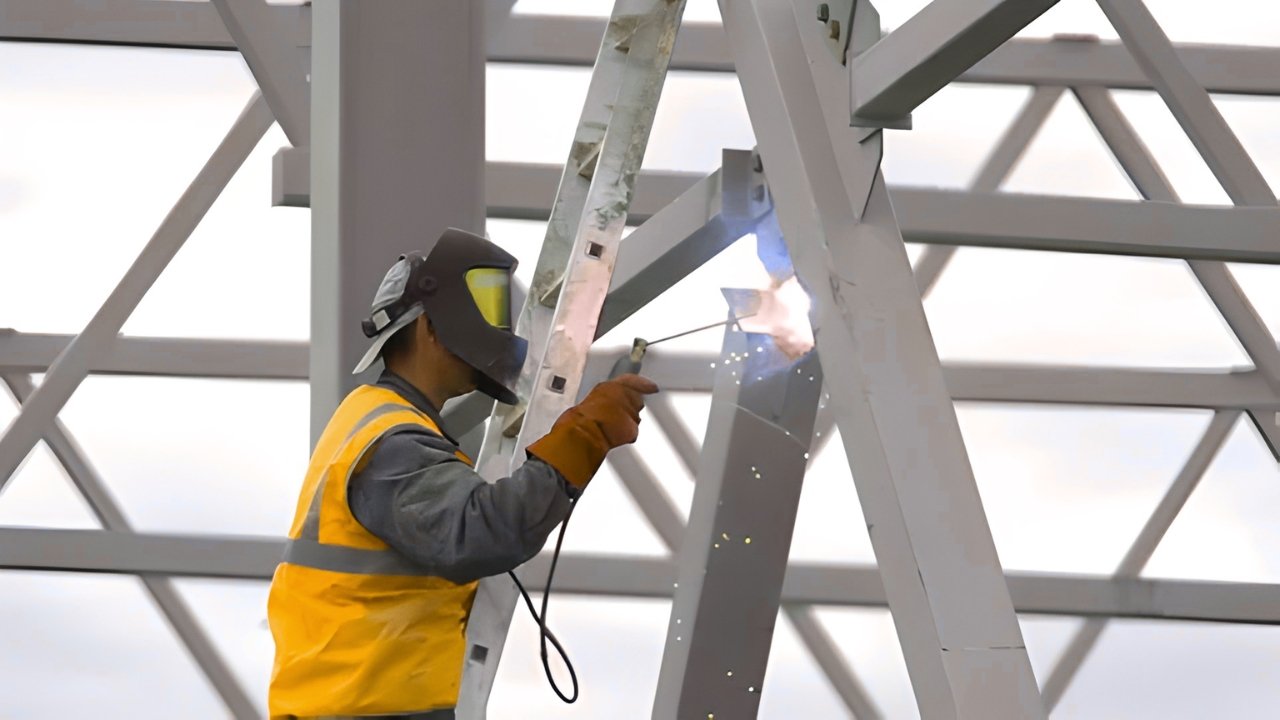
Structural Metal Fabrication refers to manufacturing of load bearing steel components that are intended to be utilized in construction projects all over the world. It entails beams, columns, trusses and platforms which are used in structures, bridges and roads network. You have good structural frameworks that provide safety, stability and durability in projects.
Sheet Metal Fabrication (Heavy Gauge)
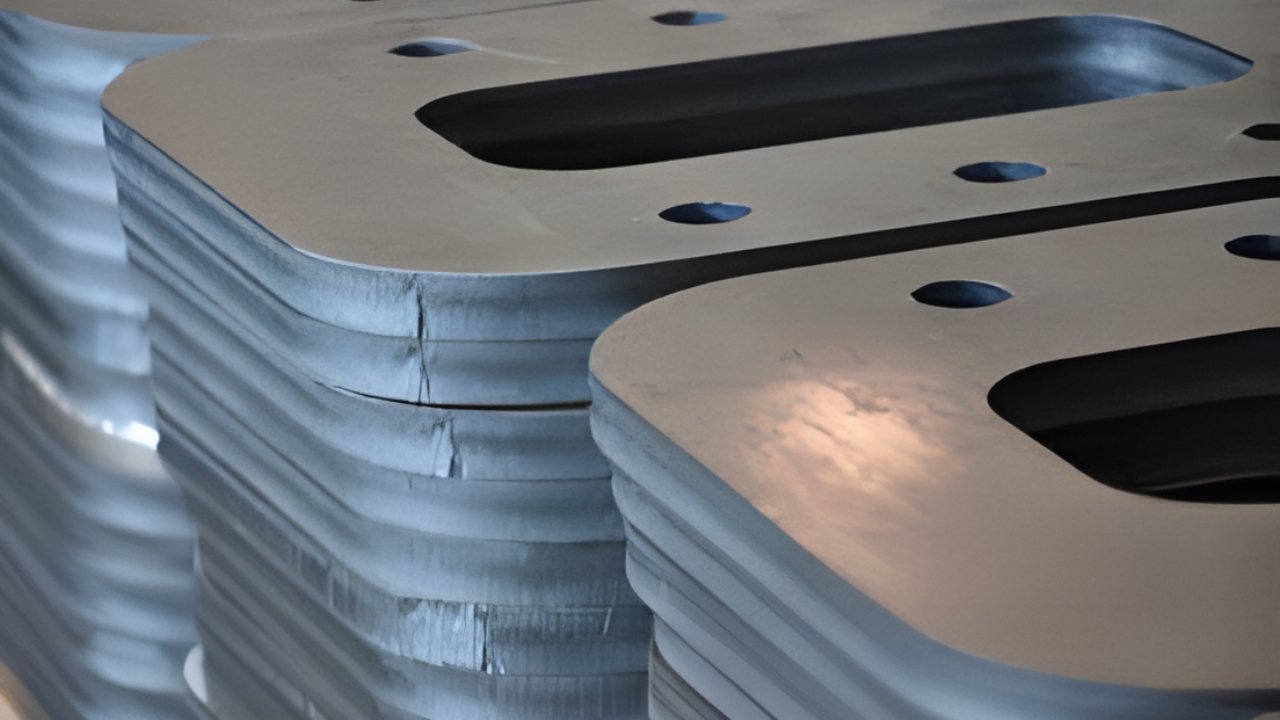
Sheet metal fabrication (Heavy Gauge) specializes in shaping thick metal sheets to be used in industries. It manufactures long-lasting enclosures, panels, and machinery and infrastructure ducts. You need heavy gauge products to be strong, protect and perform well in harsh conditions.
Machine Base Fabrication
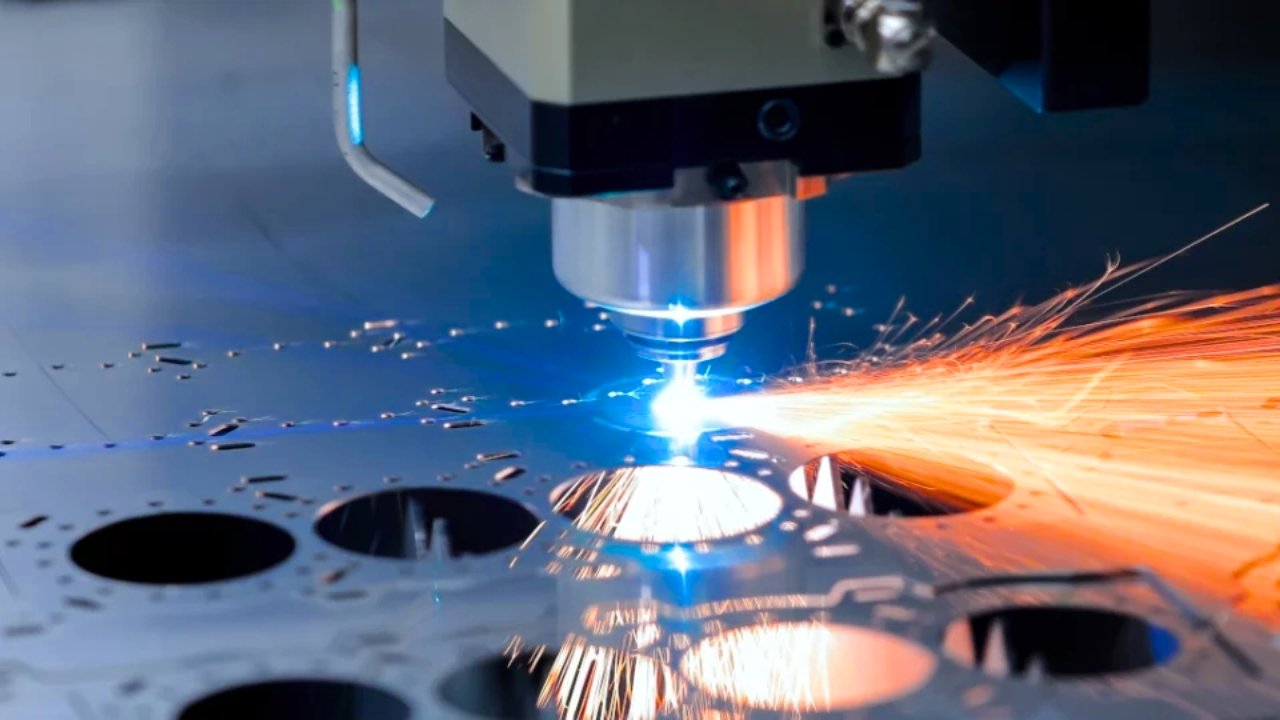
Machining-Based Fabrication is the cutting and shaping of metal parts with high precision and using precise machines to produce manufacturing processes. It is employed in the manufacture of high-tolerance components to critical engineering applications industries. You get correct parts that are reliable, efficient and consistent in systems.
Custom Fabrication
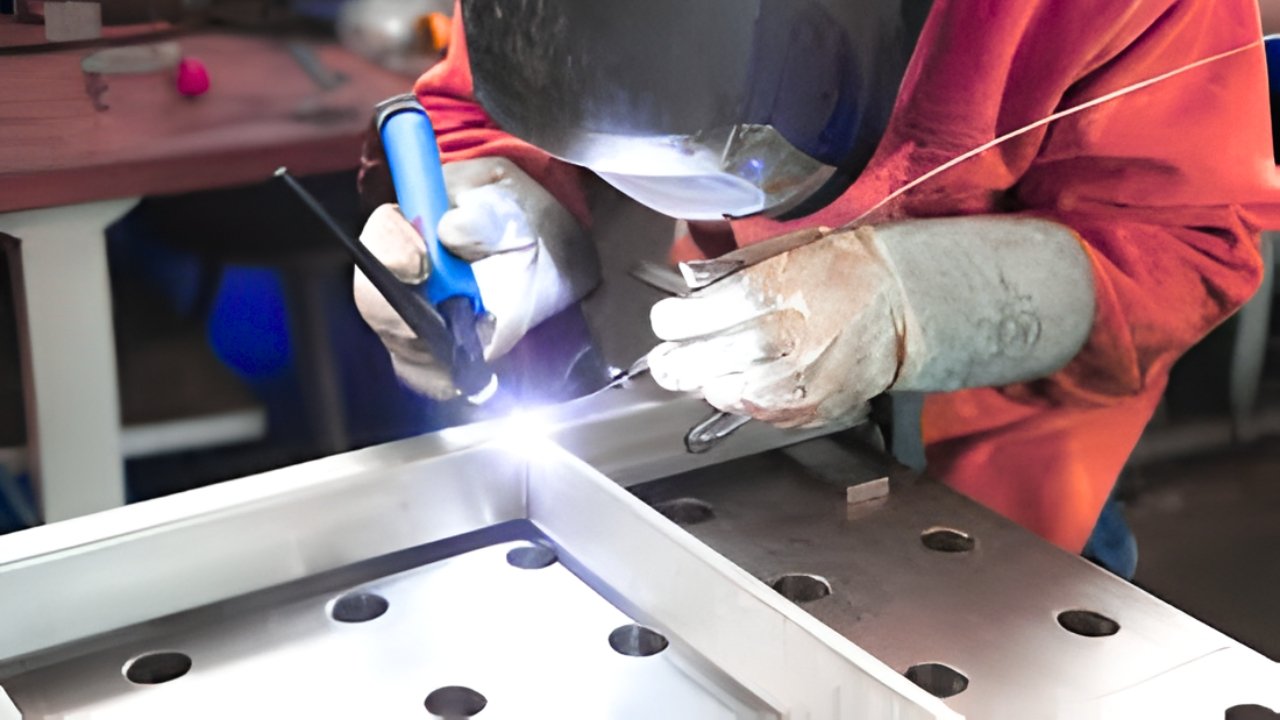
Custom Fabrication provides custom metal fabrications that meet the specific needs of the industry. It concentrates on special projects that cannot be successfully completed by the ordinary manufacturing. You have the benefit of engineering that guarantees accuracy in design, efficiency and optimization of overall performance.
Heavy Metal Fabrication Process (Step-by-Step)
Step 1: Design and Engineering.
Begin with CAD modeling that will provide proper visualization of the structure. Technical drawings are made by engineers to guide the fabrication. Load calculations are safe and performance. You pick the best design parameters and proceed. This is the phase that determines project success.
Step 2: Material Selection
Pay attention to strength requirements depending on the load conditions. Take into account environmental factors such as temperature and corrosion. Cost factors affect ultimate decision. You are sure that materials are within project specifications prior to fabrication. Durability and efficiency are enhanced by proper selection.
Step 3: Cutting
Sizing of the material is done properly before cutting. Computerized cutting machines provide clean edges and minimize wastage. You adhere to specifications to ensure consistency in fabrication process. This will reduce mistakes in subsequent production phases in general.
Step 4: Machining
Precision shaping has the benefit of producing precise component dimensions. Tolerances are controlled in CNC machines to achieve accuracy. You provide smooth finishes and alignment in the machining processes. This operation ensures accurate components that can be used in fabrication of heavy metal work.
Step 5: Forming
Forming involves the rolling, bending and pressing metal sheets. Machines manipulate materials to desired geometries. You are in charge of force and angles to obtain structural accuracy and stability. Correct shaping guarantees stability and bearing capacity in finished product.
Step 6 Welding and Assembly
The welding techniques are used to give strength to the components. The structural assembly provides alignment and distribution of load. During fabrication, you ensure the quality of the weld and that joints are secured. The high-quality joints enhance the safety and stability of the structure long-term performance.
Step 7: Surface Treatment
The impurities are removed by sandblasting and then finishing. Coating and painting prevent corrosion. Galvanizing provides extended durability. You make sure that the surface is well prepared to last and look as good as possible. This measure increases the environmental damage and wear resistance in general.
Step 8: Quality Inspection
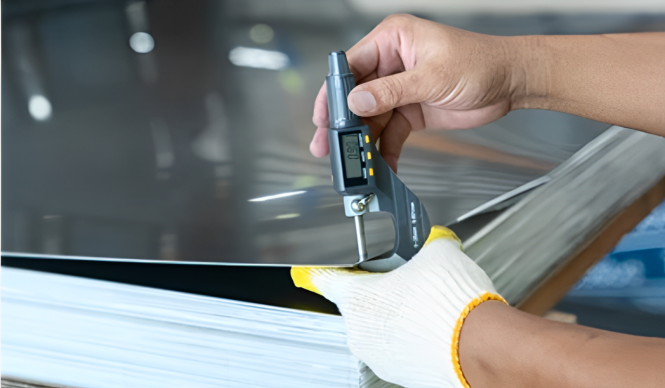
Dimensional check checks accuracy of manufactured parts. Inspection of welding assures integrity of joints. Strength and compliance is checked by material testing. You verify quality assurance prior to final delivery. This makes it a sure bet in terms of performance in fabrication of heavy metal projects.
Heavy Metal Fabrication Equipment
Cutting Equipment
In the fabrication of heavy metal, cutting equipment is used to accurately shape raw metal materials. Common tools include plasma cutters, laser cutters, and band saws. You get the right results effectively at all times.
Forming Equipment
Forming equipment is a method of manipulating metal to form in the required size under controlled pressure and force systems. The tools that are essential in forming include press brakes, rolling machines and hydraulic presses. Accuracy enhances when you work.
Machining Equipment
Machining tools are used to cut away unwanted material to produce accurate metal parts quite easily each time. Lathes, CNC machines and milling machines provide high precision machining results. Tight tolerances are provided by operators.
Welding Equipment
Welding tools are used to bond metal components with heat and pressure in order to make good bonds. Different welding applications are MIG welders, TIG welders and submerged arc welders. The ability guarantees robust long-lasting joints.
Material Handling Equipment
Handling machines transport heavy metal parts in fabrication workshops in their daily operations. Lifting and transportation of heavy metal materials are made easy with the use of cranes, forklifts, and hoists. Proper training enhances safety.
Heavy Metal Fabrication Materials
Material | Key Properties | Common Applications | Advantages |
Carbon Steel | Strong, durable | Structural frameworks | Cost-effective |
Stainless Steel | Corrosion resistant | Food processing equipment | Long lifespan |
Aluminum | Lightweight | Transportation | Corrosion resistant |
Alloy Steel | High strength | Heavy machinery | Durable |
Cast Iron | High compressive strength | Industrial bases | Vibration resistant |
Industries That Use Heavy Fabrication of Metal
Construction Industry
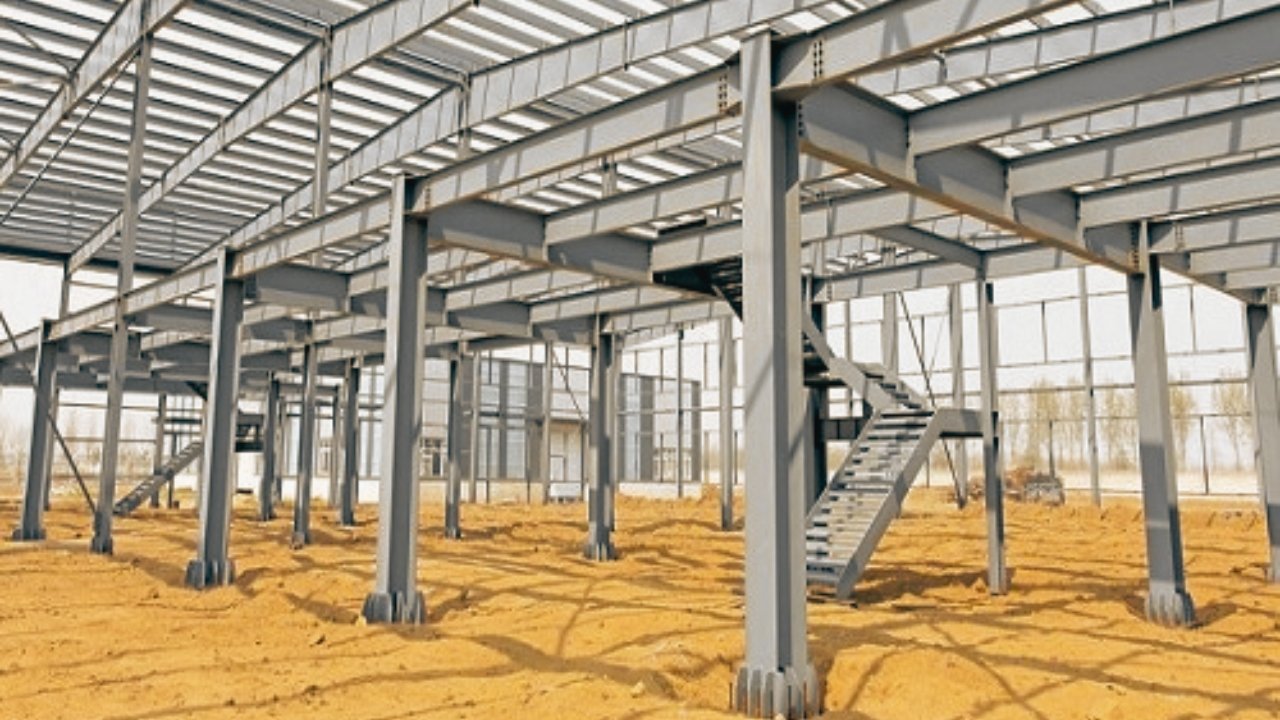
Construction industry depends a lot on fabricated steel in the buildings, bridges, industrial plants, and infrastructures across the world. You find metal fabrication in structural frameworks that provide safety strength durability throughout significant infrastructure projects.
Manufacturing Industry
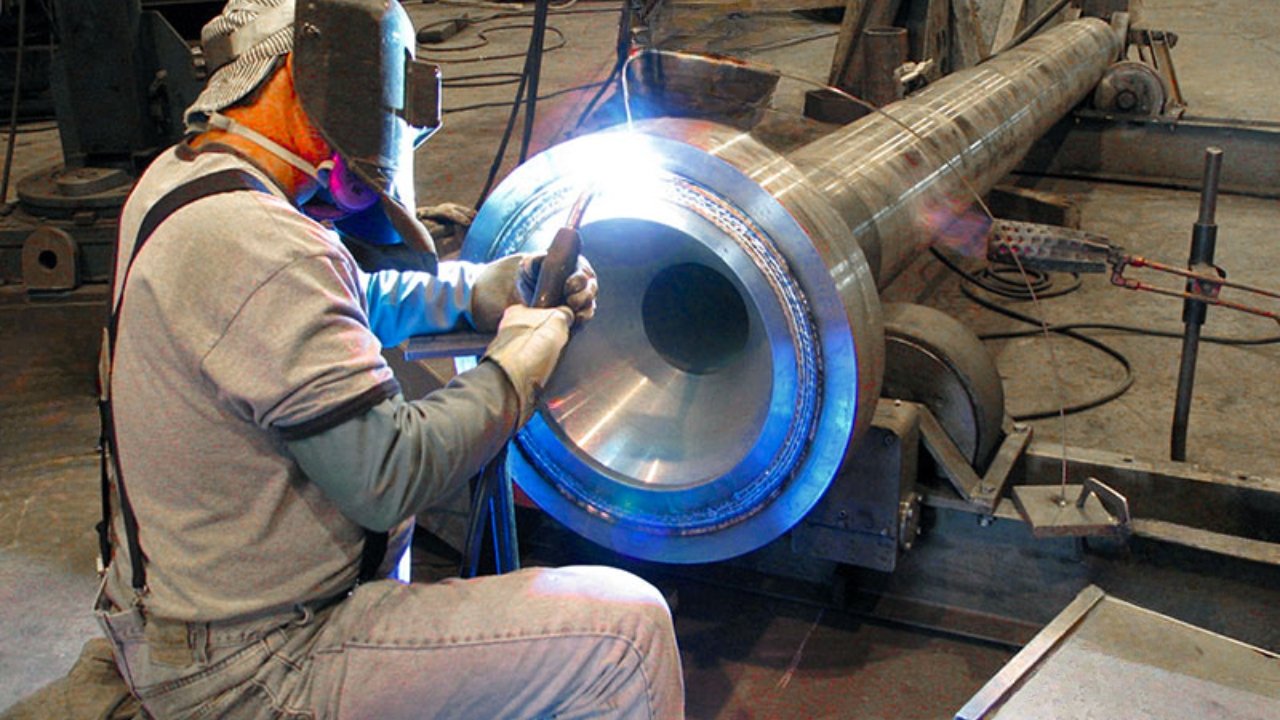
The heavy metal fabrication is applied in manufacturing industry in industrial machines, production lines, assembly equipment which is commonly used all around the world. It guarantees accuracy, effectiveness and longevity in contemporary automated production systems that you rely on everyday.
Oil and Gas Industry
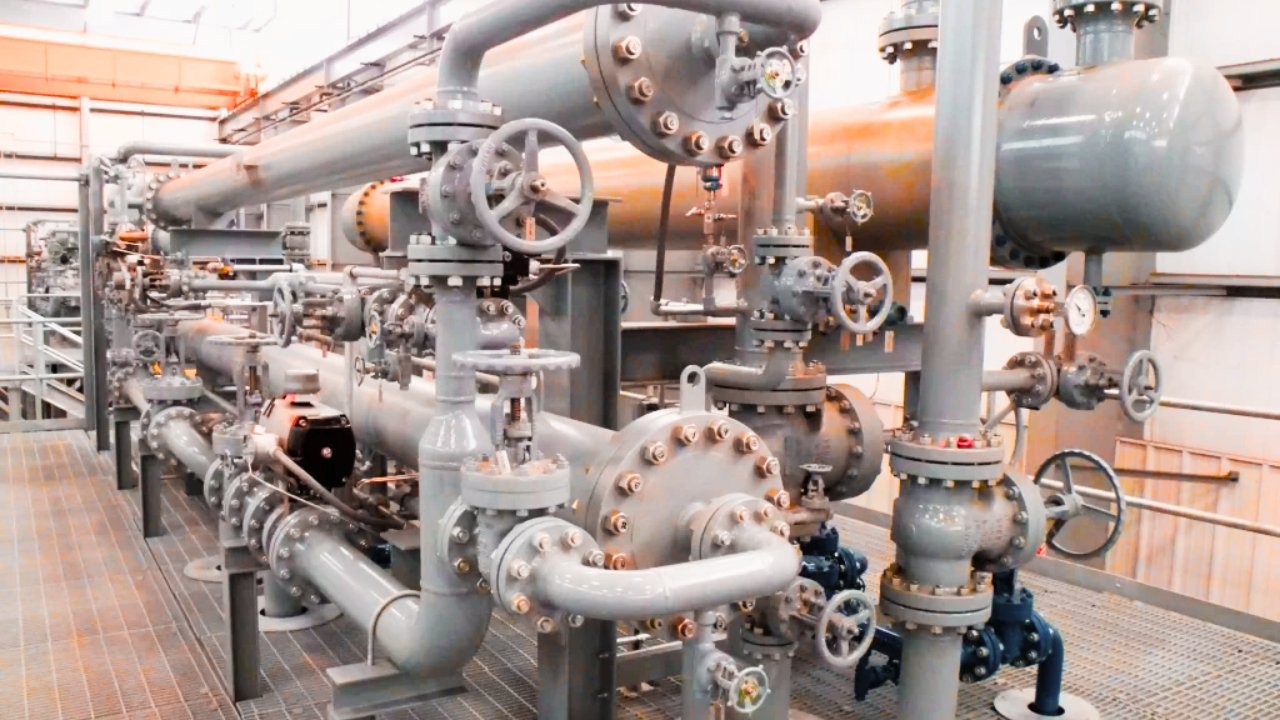
Fabrication is relied on in oil and gas industry in pipelines, pressure vessels, offshore platforms operations in the world. Well-welded structures are strong and can withstand extreme pressure and adverse environments to produce energy safely all over the world.
Transportation Industry
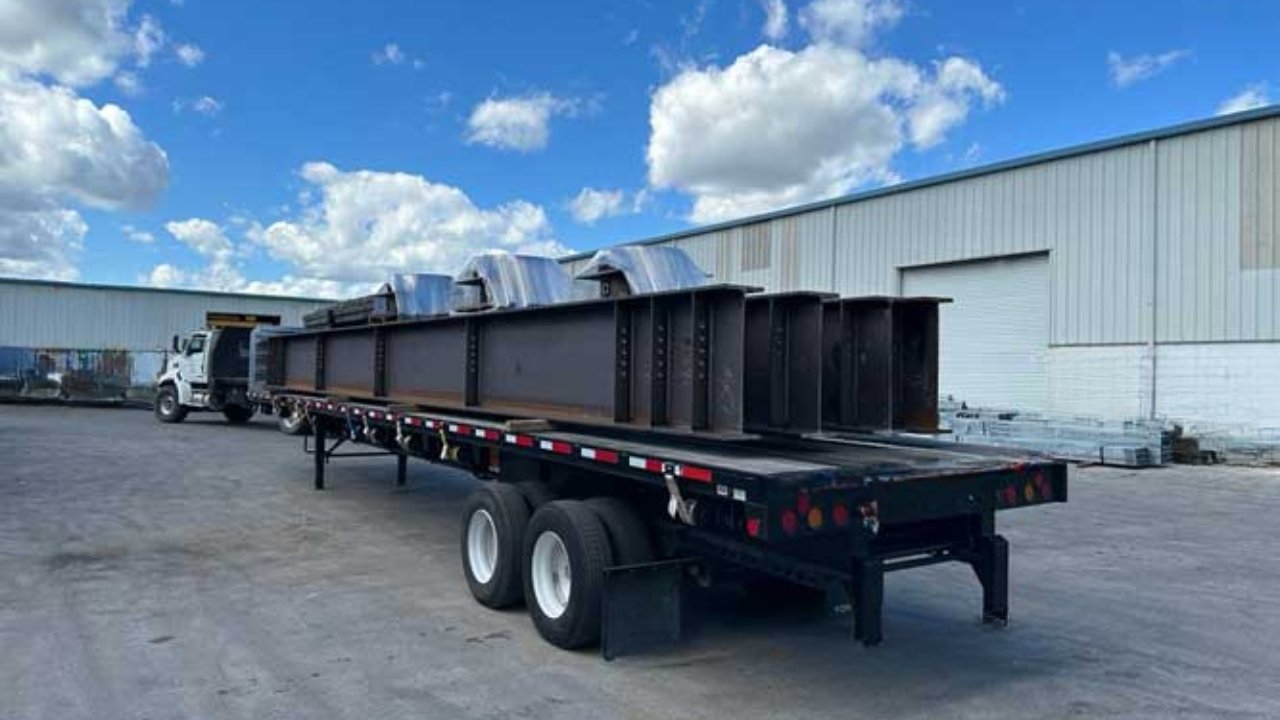
The heavy fabrication is used today in the transportation industry in the manufacturing systems of trucks, trains, ships, and heavy vehicles. These buildings are strong, safe, and have a long performance under continuous stress of operation reliably designed.
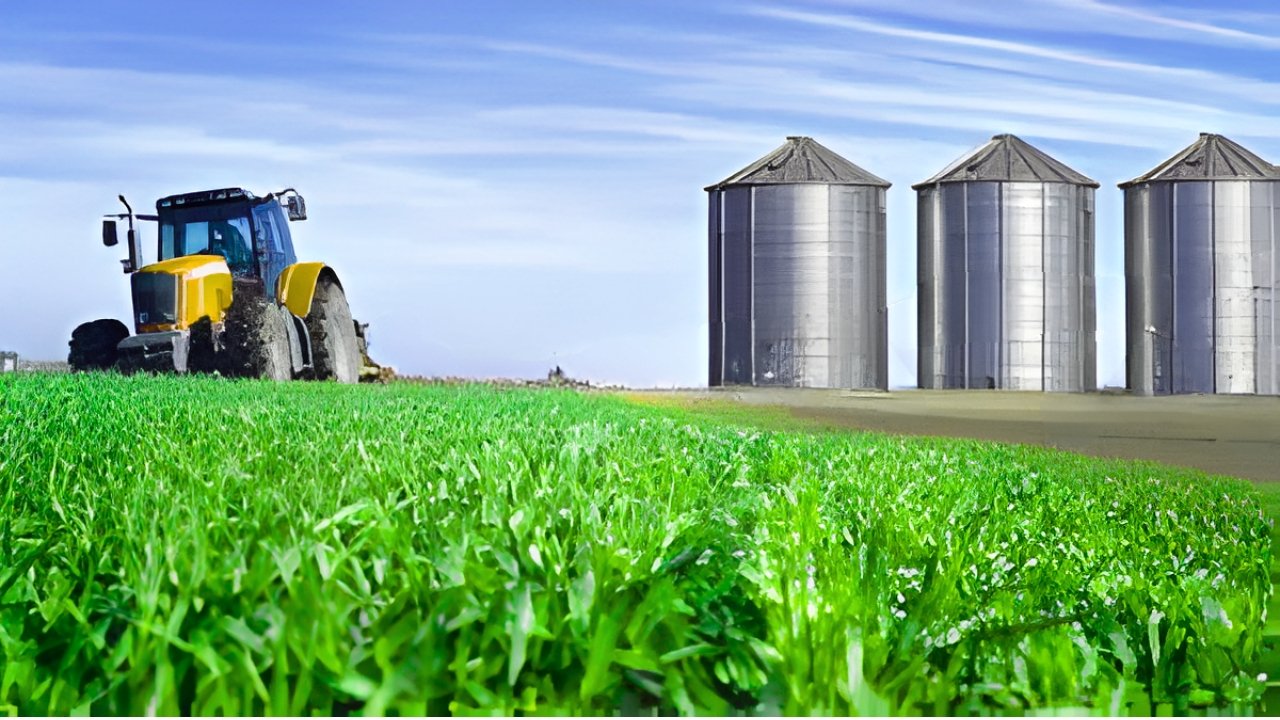
Agriculture Industry
The fabricated parts in the tractor, harvester, plows, and farm machinery equipment systems are beneficial to the agriculture industry. Long lasting metal components enable farmers to enhance productivity and minimize downtime when working in the field during heavy work periods effectively.
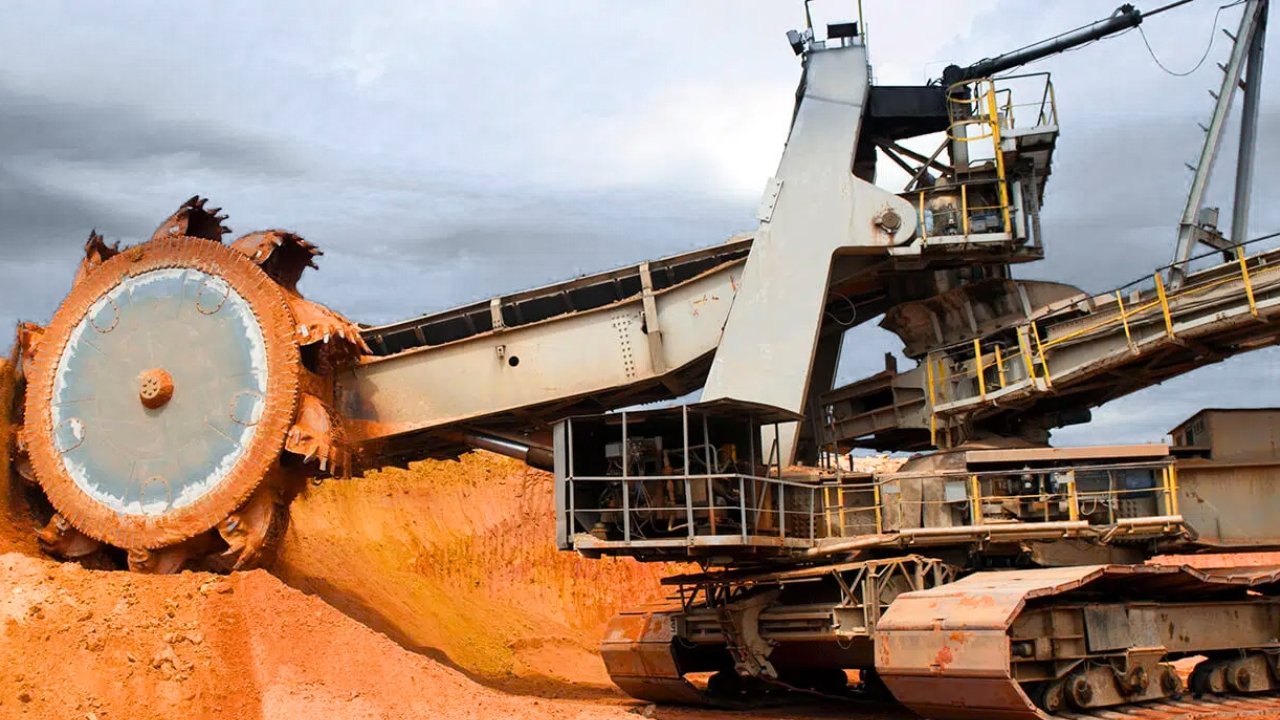
Mining Industry
The mining industry is based on the efficiency and durability of excavators, crushers, and conveyor systems that are based on fabrication. Heavy equipment can withstand the harsh conditions that provide safe extraction and on-going mineral processing activities underground.
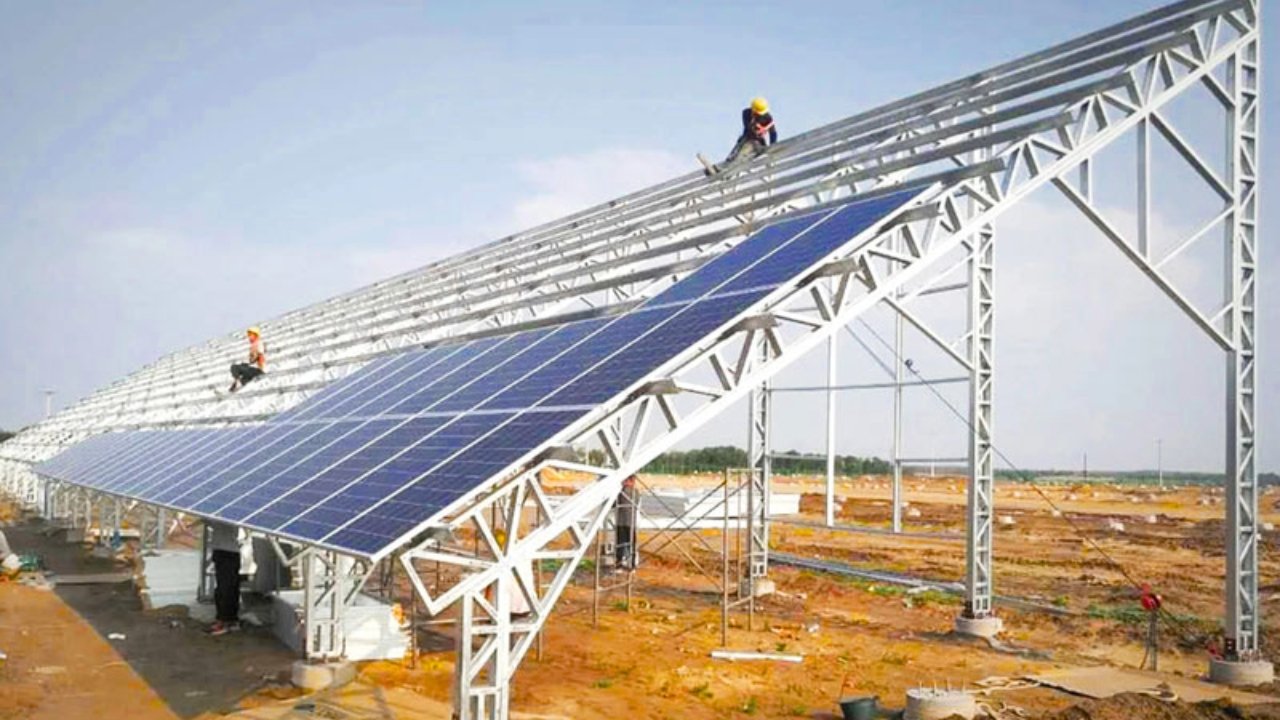
Energy Industry
In energy industry, power plants, wind towers, and turbine structures development systems are developed through heavy fabrication. It is efficient in providing reliable energy production and structural stability in challenging environmental conditions throughout the world in a safe way.
Benefits of Fabrication of Heavy Metal
- Long Lifespan: Heavy metal structures offer extended operational life due to robust material composition. Less wear and corrosion means that it will last longer when used in industrial and commercial settings.
- Customization Options: Metal fabrication allows flexible design adjustments to meet specific project requirements easily. It aids customized shapes, sizes and configurations to different industrial requirements well.
- Durability in Harsh Environments: Fabrication of heavy metal withstands extreme temperatures, pressure, and corrosive environmental conditions well. It is stable in harsh working environments such as outdoor, marine and industrial settings.
- Cost Efficiency in Long Term: Initial investment in metal fabrication reduces maintenance and replacement expenses significantly overall. Industrial infrastructure projects reduce total lifecycle costs by using long lasting materials.
- Scalability: Metal fabrication systems are easily scalable for expanding industrial operations growth needs. It enables the smooth expansion without affecting the structural integrity or performance standards with ease.
Heavy Metal Fabrication vs Sheet Metal Fabrication
Feature | Heavy Metal Fabrication | Sheet Metal Fabrication |
Material Thickness | Thick metals | Thin sheets |
Size | Large structures | Small components |
Equipment | Heavy machinery | Precision tools |
Applications | Bridges, machinery | Appliances, electronics |
Cost | Higher initial cost | Lower initial cost |
Heavy Metal Fabrication Challenges
Large Start-up Cost and Investment.
The fabrication of heavy metal needs a lot of initial investment in terms of the machinery, tools and the cost of setting up the infrastructure. You also encounter long term maintenance costs that add significant financial burden to project finances.
Skilled Labor Requirement.
Fabrication of heavy metal requires skilled labor to make sure that the workmanship is accurate and structural integrity. Without trained professionals who can effectively and safely handle complex welding and fabrication processes, you may not be able to do so without them.
Complex Design Requirements
Heavy metal fabrication buildings require accurate engineering designs that will satisfy the requirements of load and durability standards. You should be very careful with planning of all details to prevent future problems of costly redesigns and fabrication mistakes.
Dangers in the Fabrication
High risk activities such as cutting, welding and heavy material lifting operations are part of daily hazards of fabrication. Strict safety measures should be observed at all times to avoid accidents and injuries at the workplace that may cause serious injuries.
Material Handling Difficulties
The use of heavy steel materials is always hard to transport, lift and place when performing fabrication work. This may result in delays, damage and higher costs in production projects which are major project risks when handled inappropriately.
Safety Practices in Heavy Fabrication
- Personal Protection Equipment (PPE): When properly worn, personal protective equipment can significantly decrease injuries in heavy fabrication shops. The correct use of helmets, gloves and boots will provide worker safety in the course of operations, which is always obligatory.
- Safe Handling of Heavy Materials: It is always effective to prevent accidents and damage to equipment through safe handling of heavy materials. Move the large parts of fabrications with cranes and trained personnel to move them safely and efficiently.
- Welding Safety Procedures: Welding safety procedures minimizing fire hazards and protecting operators are always in use. Safe welding environments can be maintained at all times through proper ventilation of masks and checking of equipment.
- Machine Safety Guidelines: Machine safety guidelines avoid injuries, daily compliance with the fabrication workflow. There should be no exceptions to lockout tagout procedures to be taken by operators during maintenance and repairs.
- Workplace Hazard Management: Workplace hazard management recognizes the risks and enhances the safety culture that is continuously being monitored. With time, regular inspections reporting and audits cut down accidents in fabrication sites to a minimum.
Choosing the Right Fabrication Partner
When choosing a fabrication partner, it is important to consider various technical and operational factors. Emphasize experience and expertise since talented teams guarantee accuracy, efficiency and uniform project deliverables. Consider equipment and modern technology and quality certifications that ensure safety and compliance standards. Evaluate the level of customization and the project portfolio to ensure flexibility to a wide range of needs. Good assessment guarantees effective long term working and delivery of project success. Take knowledgeable choices to obtain lasting and productive fabrication outcomes.
Conclusion
Heavy metal fabrication allows the production of powerful, robust and trustworthy buildings that are applied in various industries in the global arena. Its application in engineering and manufacturing industries is emphasized by understanding its processes, types, and applications. Safety, accuracy, and professionalism are still the key factors to attaining safe and effective results. With the increasing technology, heavy fabrication will keep the innovation moving, sustaining large scale projects, and enhancing industrial developments around the world.