Tig vs Mig Welding – Everything You Need to Know in 2026
TIG Welding – Concept
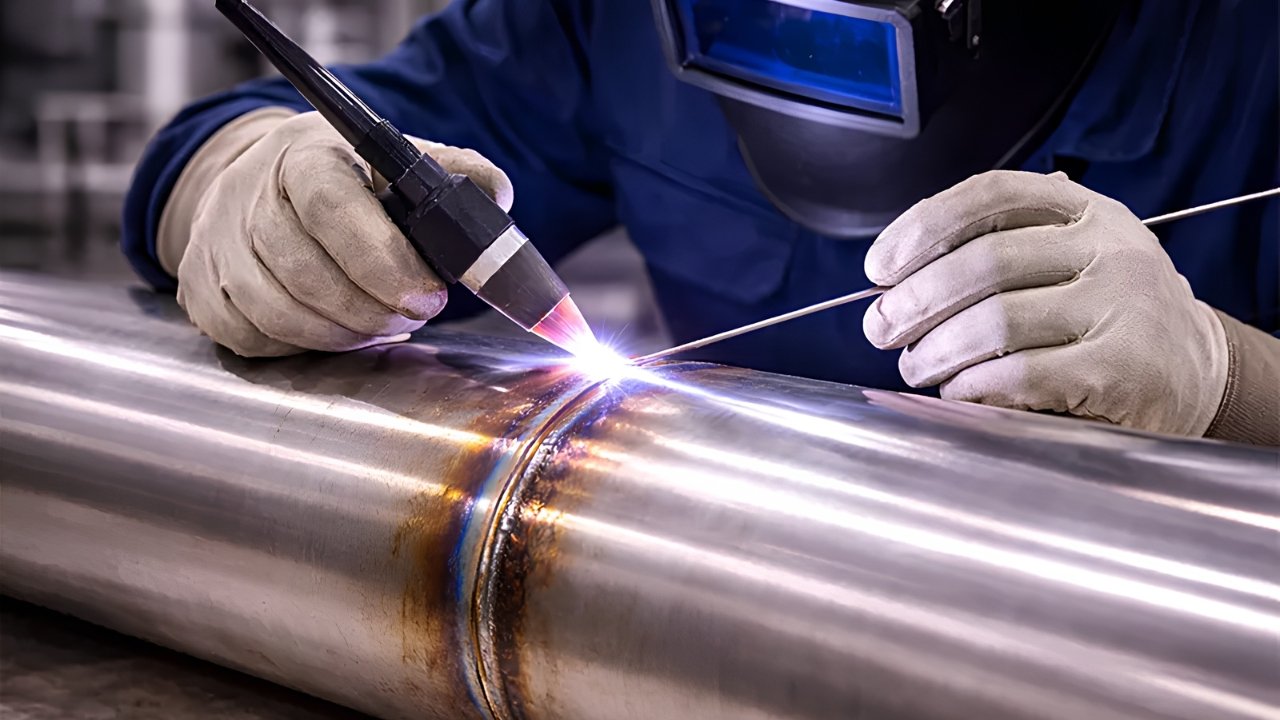
Gas Tungsten Arc Welding (GTAW) is the short name of TIG. As one of the foundational processes in Tig vs Mig Welding, it has a non-consumable tungsten electrode and an inert shielding gas to provide a controlled arc process.
Key Components of TIG Welding Equipment
- Power source (AC/DC based on material): The power source supplies controlled AC or DC current to use in TIG welding. It provides stability of the arc and regulates heat production as needed by the material thickness.
- TIG torch: The TIG torch provides excellent arc control in fine welding. Long welding sessions and comfort and safety. Long welding sessions are comfortable and safe with ergonomic design, enabling the welder to handle and be more precise.
- Tungsten electrode: The tungsten electrode is a carrier of the welding arc that does not melt during TIG. The various forms of tungsten enhance the quality of the arc and are perfectly matched to different metals used in their applications.
- Filler rod: The filler rod is used to add material to enhance the strength of the weld joints. It is chosen depending on the type of base metal and the strength of the joint needed to be durable and reliable.
- Shielding gas (argon): Shielding gas argon helps to keep the weld pool against contamination by the atmosphere. It assures clean welds and avoids oxidation in the high-temperature TIG welding process always safe.
- Foot pedal (to control amperage): The foot pedal controls amperage to permit fine control of heat in the welding process. It assists welders to be stable and have fine control of arc intensity with easy precision.
How Does TIG Welding Work
A tungsten electrode is not consumable, and this produces an electric arc to control heat. Base metals are welded by filling up the feeds one by one to join the filler rods manually. To protect Weld, shielding gas is employed (pure argon) to prevent atmospheric contamination. To clean strong welds, Arc stability and heat input are operator-controlled. Process yields the right joints, which are suitable for thin metals and quality fabrication.
MIG Welding – Concept
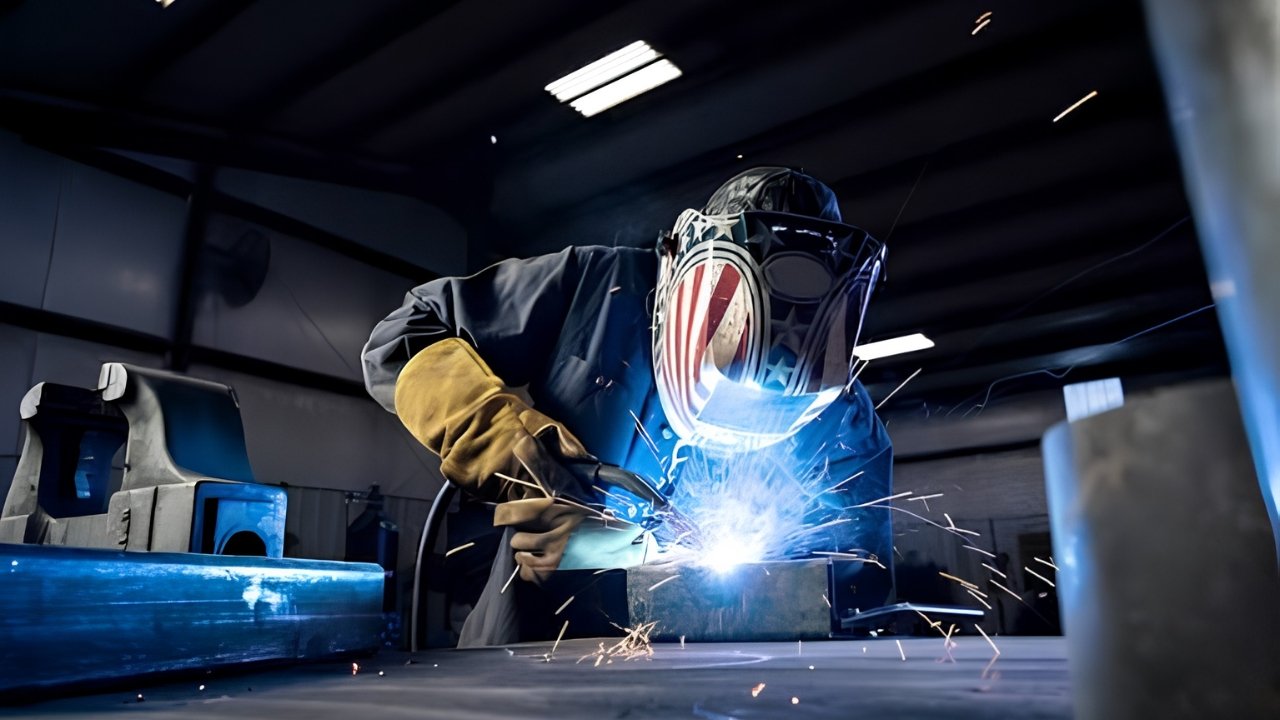
MIG welding, also known as Gas Metal Arc Welding (GMAW) or Metal Inert Gas (MIG) welding. Understanding Tig vs Mig Welding reveals that MIG consists of continuous feeding using a wire electrode through a welding gun with shielding gas. Melted metals in wires and workpieces produce an electric arc that forms strong joints.
Key Components of MIG Welding Equipment
- Power Source (Typically DC): Delivers steady direct current vital to the uniform arc performance and penetration. It can be used to control the voltage and amperage to provide flawless welding of various thicknesses and positions of the material.
- Welding Gun/Torch: Provides current, shielding gas, and electrode wire to the weld area. It is comfortable and precise in order to control the direction of the arc and the constant transfer of metals during the welding process.
- Wire Feed System: Feeds the consumable electrode wire at a constant controlled speed. The correct feed consistency will avoid burn backs, stabilize arcs, and the bead of the weld will be consistent regardless of the welding conditions.
- Consumable Wire Electrode: This serves as filler and electrode, and melts into the joint. Its composition should be equivalent to base metals so that it is strong, durable and well fused when welded.
- Shielding Gas Cylinder (Argon/CO 2 Mix): Provides protective gas that protects the molten weld pool against contamination. Proper gas mix enhances the stability of the arc, penetration and the appearance of the weld.
How Mig Welding Works
MIG welding is a consumable electrode that has a continuous wire feed system. The wire serves as an electrode and filler material in the process of welding. Shielding gas helps prevent atmospheric contamination of the arc and molten weld pool. Arc is stabilized by argon, CO2 or mixed gases and provides good joint formation. This is done to continually melt the wire, forming a smooth and durable weld seam.
TIG vs MIG Welding – Process Comparison
Electrode Type
- MIG: It involves a continuously fed wire electrode, which melts through the welding process without any difficulties. This consumable wire is faster and helps in production runs that are longer in stores.
- TIG: It utilizes a non-consumable tungsten electrode to have stable arcs that are used every day. You fill independently, maintaining electrode shape and arc stability during welding.
Filler Material Usage
- MIG: Feeds filler wire automatically, producing continuous deposits with little interruption during welding. You keep travel focus as filler delivery is constant over each pass.
- TIG: Requires frequent manual filler to be added to maintain deliberate control of puddles. Expert coordination allows you to adjust filler precisely where it is required in joints.
Arc Control and Heat Control.
- MIG: Gives a stable arc but does not give operators much heat control during the midweld. During the welding process, you primarily regulate the output by setting the movement speed.
- TIG: This enables accurate heat control with pedals or torch controls in real time. This control can be used to ensure that thin metals are not distorted during joining work.
Shielding Gas Differences
- MIG: It is predominantly argon and carbon dioxide mixtures that are used to achieve penetration and arc stability. Direct carbon dioxide reduces the cost but causes spatter to be more pronounced in numerous applications.
- TIG: Pure argon is normally employed to provide clean, consistent shielding cover in the welding process. Occasionally, it is better to use special mixes to weld reactive metals in practice.
Ease of Operation
- MIG: A typical hand-making process that is faster and easier to learn for a novice in most stores. Positioning and travelling rhythm are things that you can learn rather quickly via practice.
- TIG: Requires hands and timing between movements with each pass. This organization puts you to the test, but it pays patience with accuracy and more accurate results in general.
Key Differences Between TIG and MIG Welding Processes
The following Tig vs Mig Welding comparison table provides a quick overview of the most important differences between the two welding processes.
Factor | MIG Welding | TIG Welding |
Process Type | Semi-automatic | Manual |
Electrode | Consumable wire | Non-consumable tungsten |
Filler Material | Automatic | Manual or optional |
Ease of Learning | Easy (beginner-friendly) | Difficult (requires skill) |
Speed | Fast | Slow |
Precision | Moderate | Very high |
Weld Appearance | Less refined | Clean, aesthetic |
Material Thickness | Best for thick metals | Best for thin metals |
Cost | Lower initial cost | Higher equipment cost |
Applications | Manufacturing, automotive | Aerospace, precision work |
Key Differences Between TIG and MIG Welding
Understanding the key differences in Tig vs Mig Welding helps welders to choose the most suitable processes, which are given below:
Ease of Use
- MIG: MIG welding is simple to use, with one-hand control and automatic wire feed. Now you can acquire movements rapidly and make joints regular rather early.
- TIG: TIG welding involves the use of both hands, foot control and time in the process. It is a gradual process to develop a coordination flow, and this will require practice, practice and concentration during each working session.
Welding Speed
- MIG: MIG continuous welding ensures rapid production throughout the long fabrication runs, effectively on a daily basis. You can do larger projects within a shorter time and with minimal time taken for stopping.
- TIG: TIG manual filler addition reduces the speed of work, but allows beads to be placed precisely at all times. You sacrifice speed in favour of control when welding detailed components that you do on a regular basis today.
Weld Quality & Appearance
- MIG: MIG welding produces strong joints with visible bead textures that are rougher in appearance in a few cases. There, you can still reliably get good functional welds where they are needed in industry.
- TIG: TIG welding generates smoother beads that are cleaner and have a polished appearance and quality of finish. You get beautiful welds where looks and accuracy are of utmost importance in general in the profession.
Precision and Control
- MIG: MIG welding is a more generalised type of heat that is applied to large areas in the course of joining. You are able to cover material faster, but fine heat changes are less precise.
- TIG: TIG welding has micro heat control to manage puddles precisely and to achieve fusion accuracy. You obtain outstanding accuracy in welding thin metals or delicate parts meticulously every day.
MIG vs TIG Welding – Key Differences
The Tig vs Mig Welding feature comparison below helps welders choose the most suitable process according to project requirements and skill level.
Feature | MIG Welding | TIG Welding |
Ease of Use | Easier for beginners | Difficult, requires skill |
Welding Speed | Fast | Slow |
Weld Quality | Moderate | High precision & clean finish |
Heat Control | Limited control | Excellent control (foot pedal) |
Material Thickness | Best for thick metals | Best for thin metals |
Equipment Cost | Lower | Higher |
Learning Curve | Short | Steep |
Production Use | High efficiency production | Precision work |
Materials Compatibility – MIG Welding vs TIG Welding
Material | MIG Welding Suitability | TIG Welding Suitability |
Mild Steel | Excellent | Excellent |
Stainless Steel | Good | Excellent |
Aluminum | Moderate (requires skill) | Excellent (preferred method) |
Copper | Limited | Good |
Thin Sheet Metal | Poor (risk of burn-through) | Excellent |
Thick Steel | Excellent | Moderate |
Advantages and Disadvantages of MIG Welding
Advantages
- Simple to acquire for beginners.
- High welding speed
- Appropriate for high production volumes.
- Can be used with heavier materials.
- Minimal start/stop interruptions
Disadvantages
- Not as accurate as TIG.
- More spatter and clean-up are necessary.
- Not suitable for very thin metals.
- Weld aesthetics are reduced.
Advantages and Disadvantages of TIG Welding
Advantages
- High-quality accuracy and management.
- High-quality, clean welds
- Minimal spatter
- Perfect with thin and delicate materials.
- More aesthetics (stacked bead look)
Disadvantages
- Slower process
- Demands a greater skill level.
- More expensive equipment
- Needs clean surfaces before welding.
Applications of MIG and TIG Welding
The choice between welding processes often varies by industry and application, making Tig vs Mig Welding an essential comparison for fabrication professionals seeking optimal results.
MIG Welding Applications
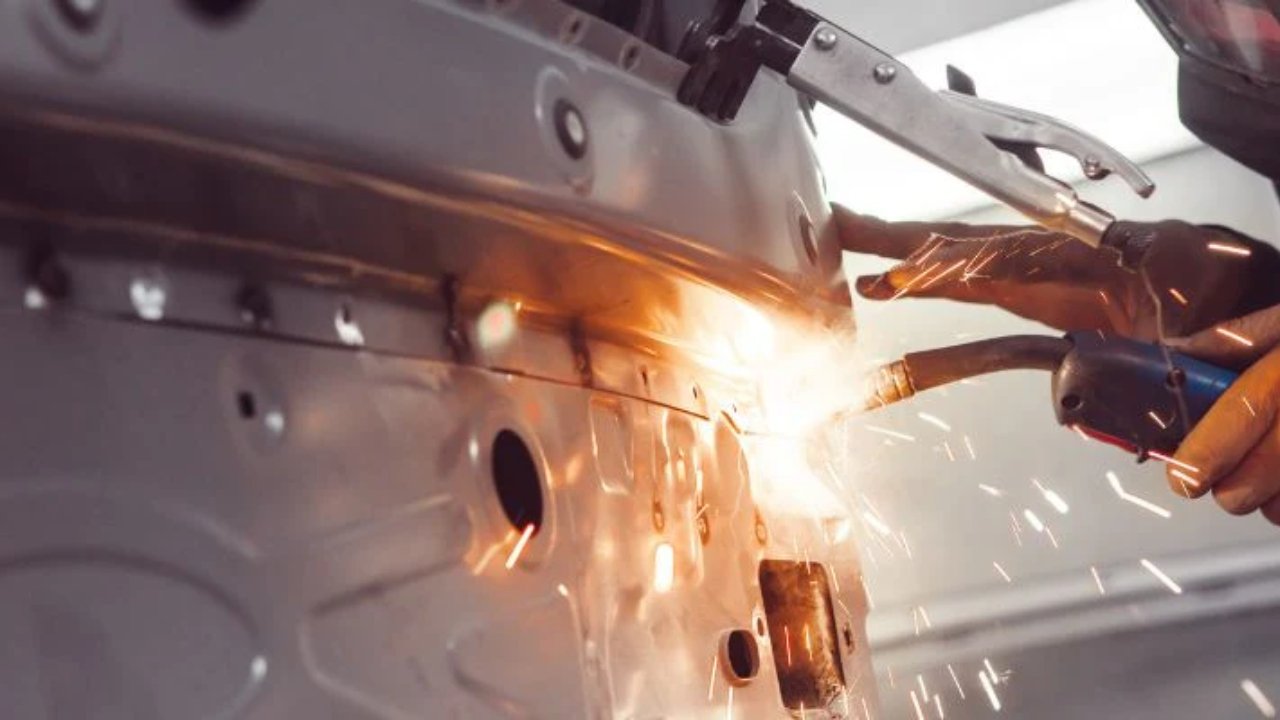
- Automotive repair: MIG welding is faster at joining steel panels and frames than other welding methods. TIG welding works with thin aluminium sheets, providing accurate, clean cuts on visible surfaces.
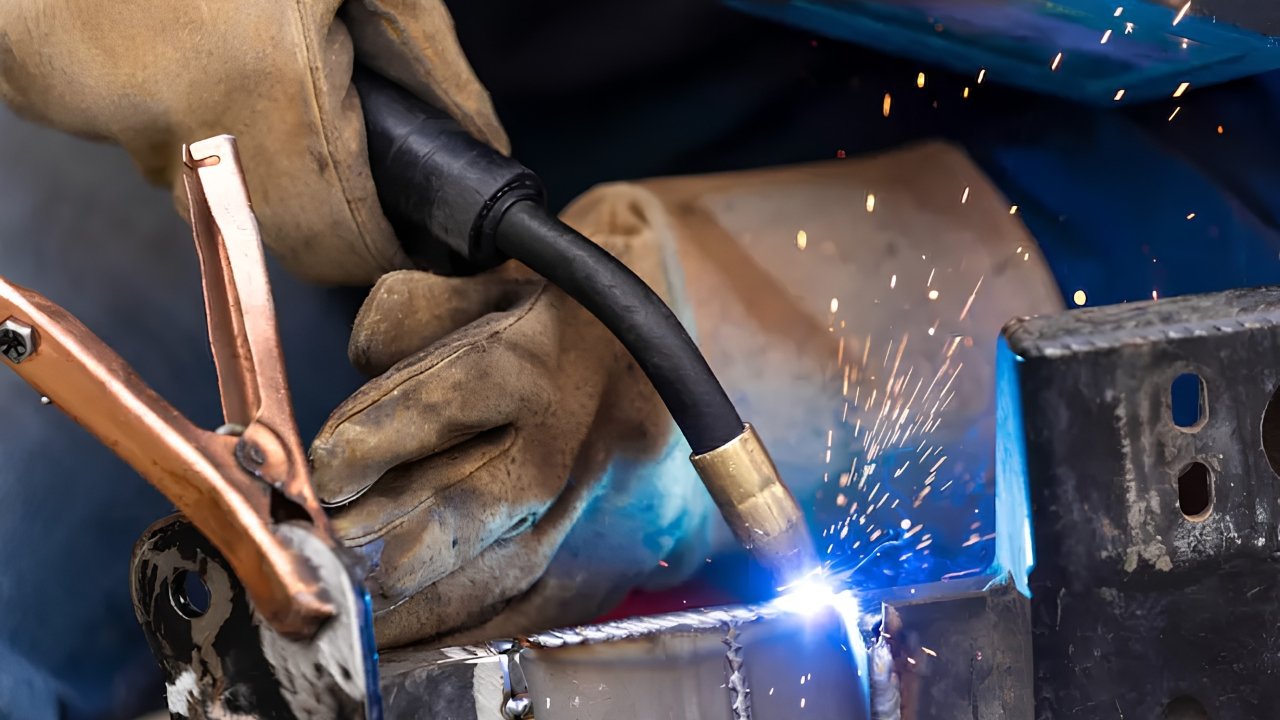
- Heavy Fabrication: MIG welding is effective in heavy fabrication, which entails joining heavy structural steel parts. Stainless pipes and critical joints that need control and penetration are done using TIG welding.
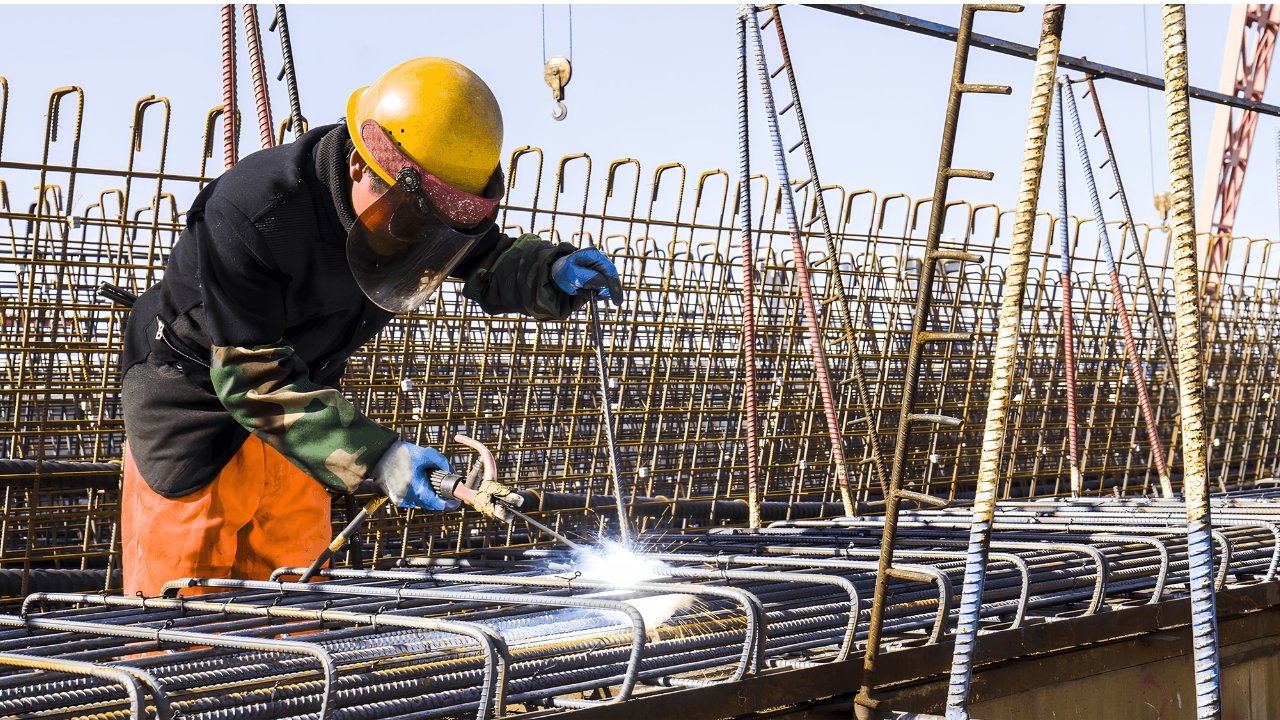
- Construction: MIG welding is regularly used in construction, joining beams, columns, and reinforcements quickly. TIG welding is performed on parts, such as handrails and open joints that need clean finishes.
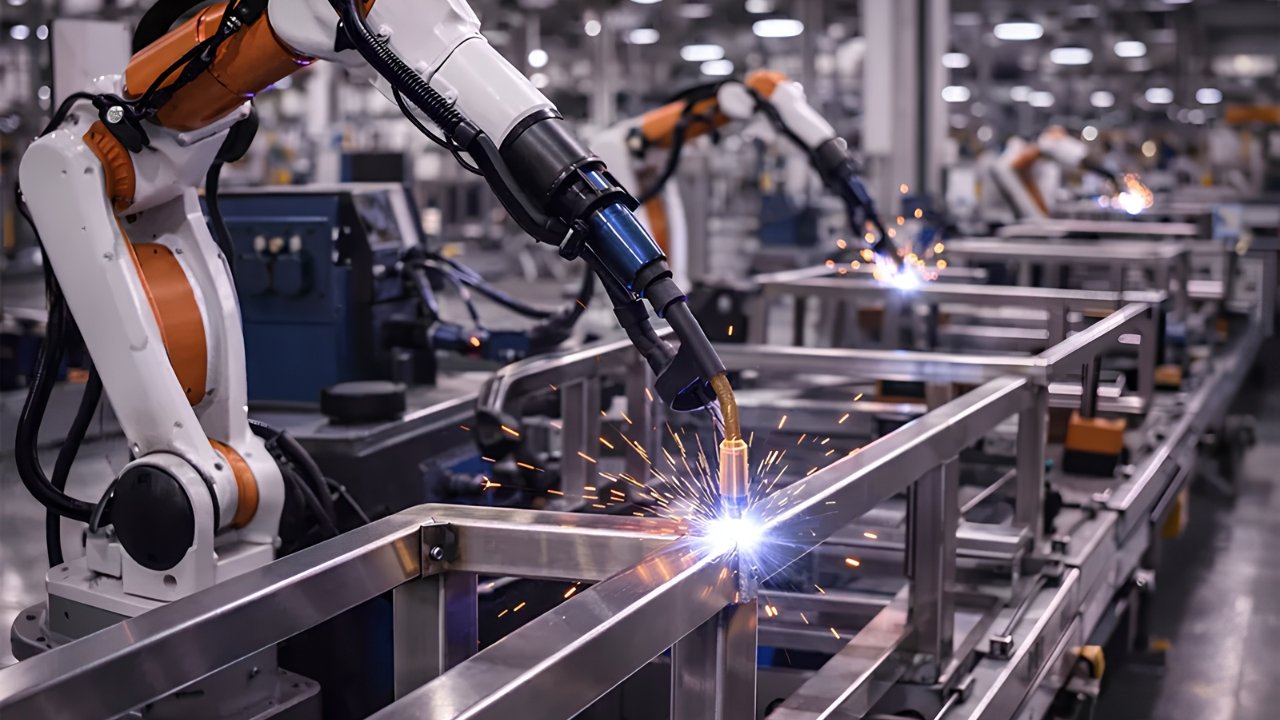
- Production and Manufacturing Lines: MIG welding is used in manufacturing lines to allow the repetitive joining of mild steel components. TIG welding applies to precision parts and aluminium assemblies that need a high-quality appearance.
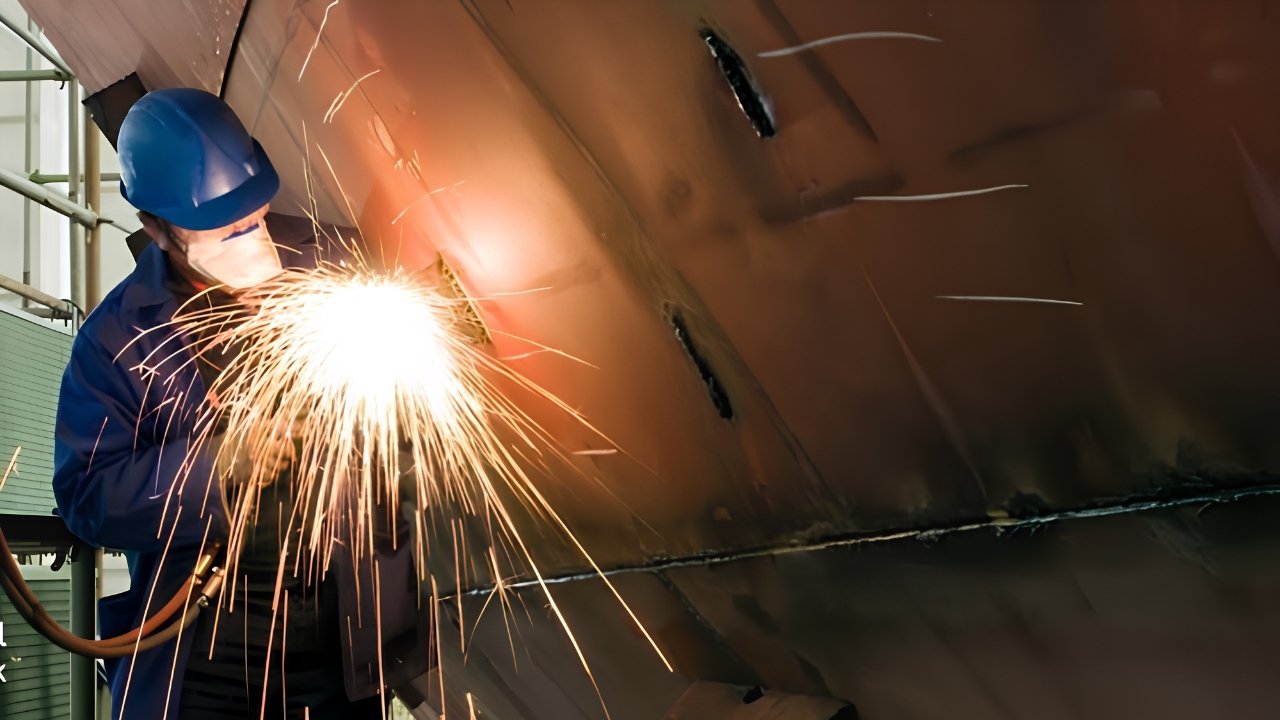
- Shipbuilding: MIG welding plays a crucial role in shipbuilding, connecting heavy plates and seams effectively. TIG welding is applied to pipes, sections and corrosion-resistant alloys that require accurate welds.
TIG Welding Applications
- Aerospace components: TIG welding is used to make precise welds to titanium and aluminium aerospace structural components and frameworks used in aircraft engines, fuselage sections that provide strength, lightweight performance and durability requirements.
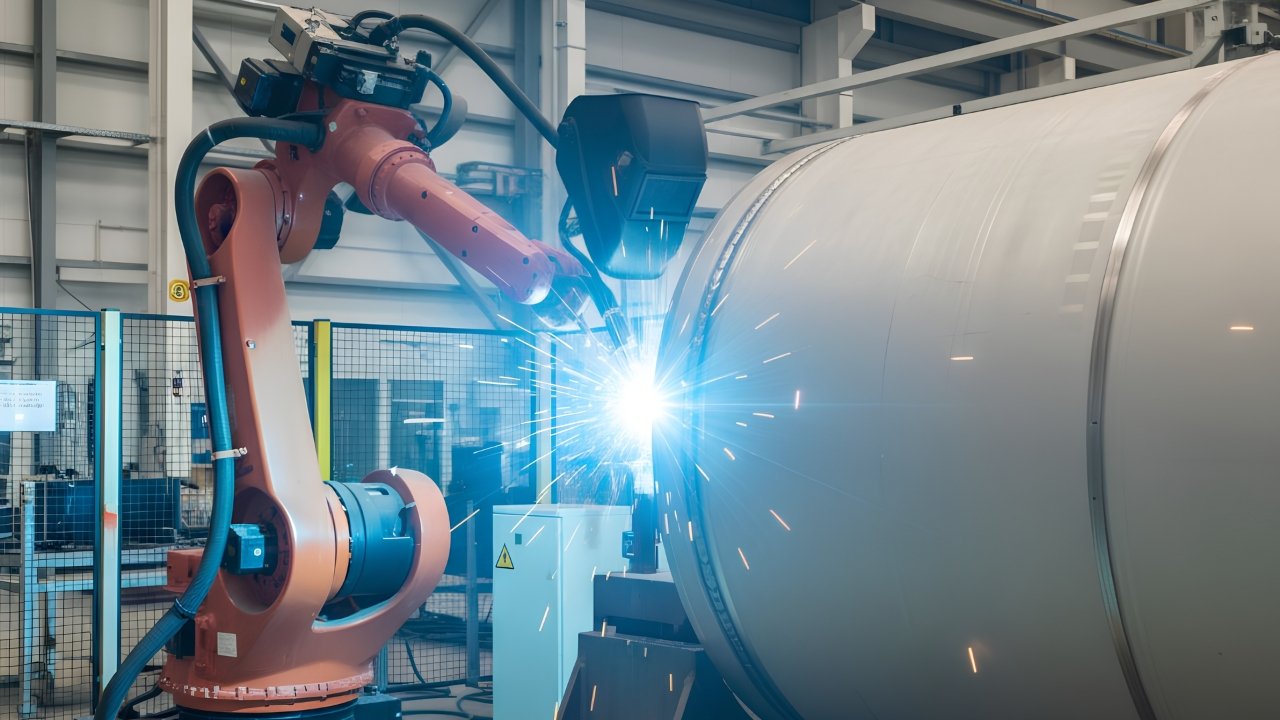
- Medical equipment: TIG welds stainless steel surgical tools and implants with high accuracy control. application in orthopaedic tools that guarantee a sterile medical production process and are contamination-free.
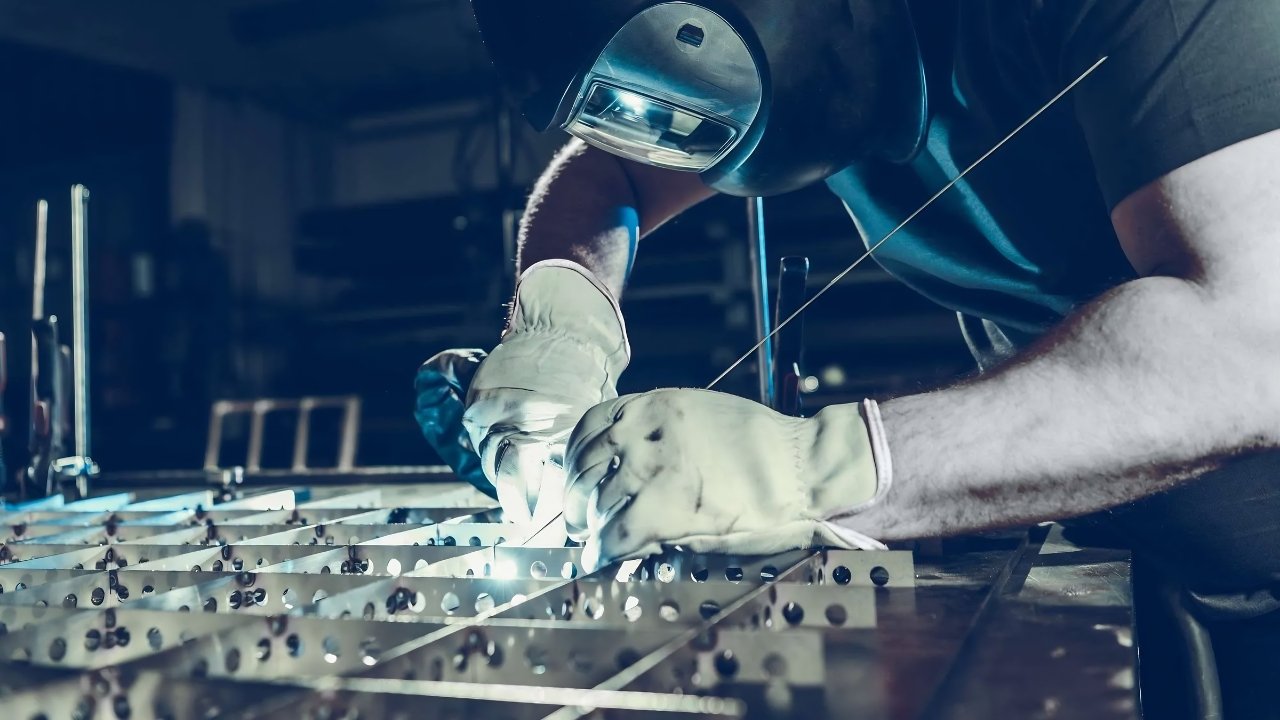
- Food-grade piping systems: TIG welding is used to join food-grade piping systems (stainless steel) and ensure the integrity of sanitary piping systems. In dairy beverage brewery lines that must be compliance with hygiene and corrosion resistance standards.
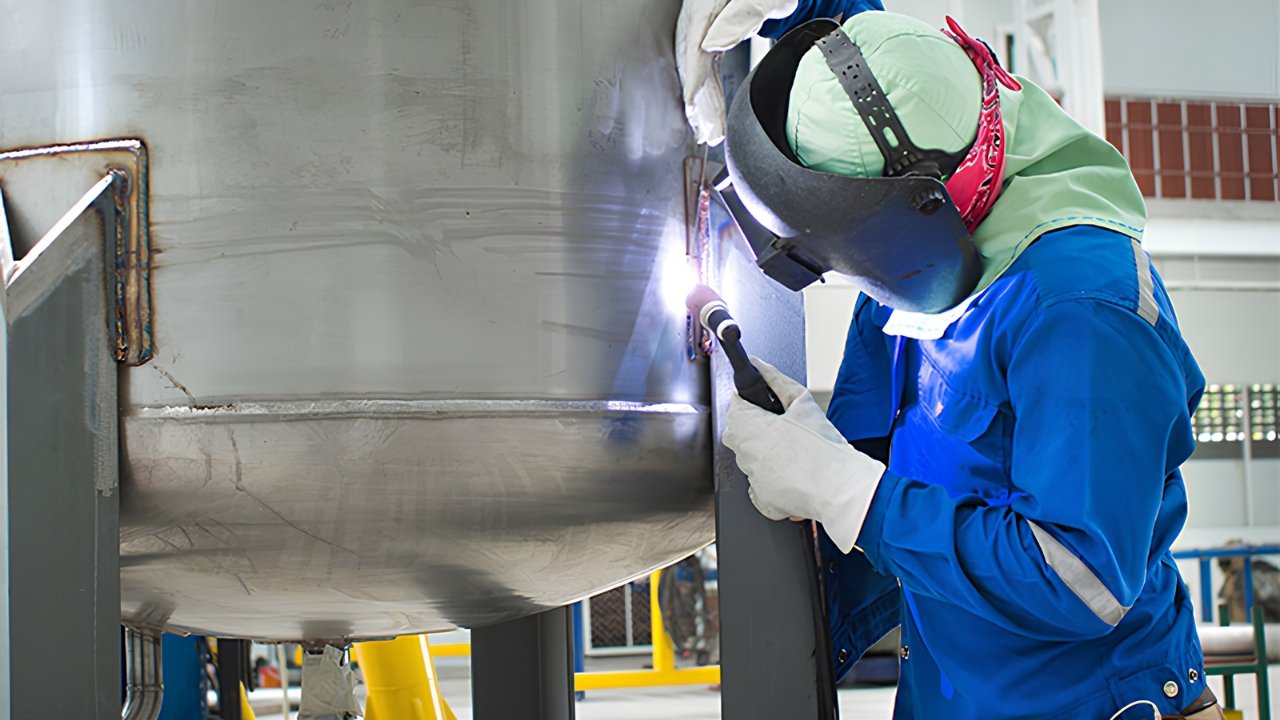
- Artistic metalwork: TIG welding is used to make detailed sculptures of stainless steel and aluminium artistic designs. used to make custom gates, decorative frames that provide smooth aesthetic weld finishes, and quality looks.
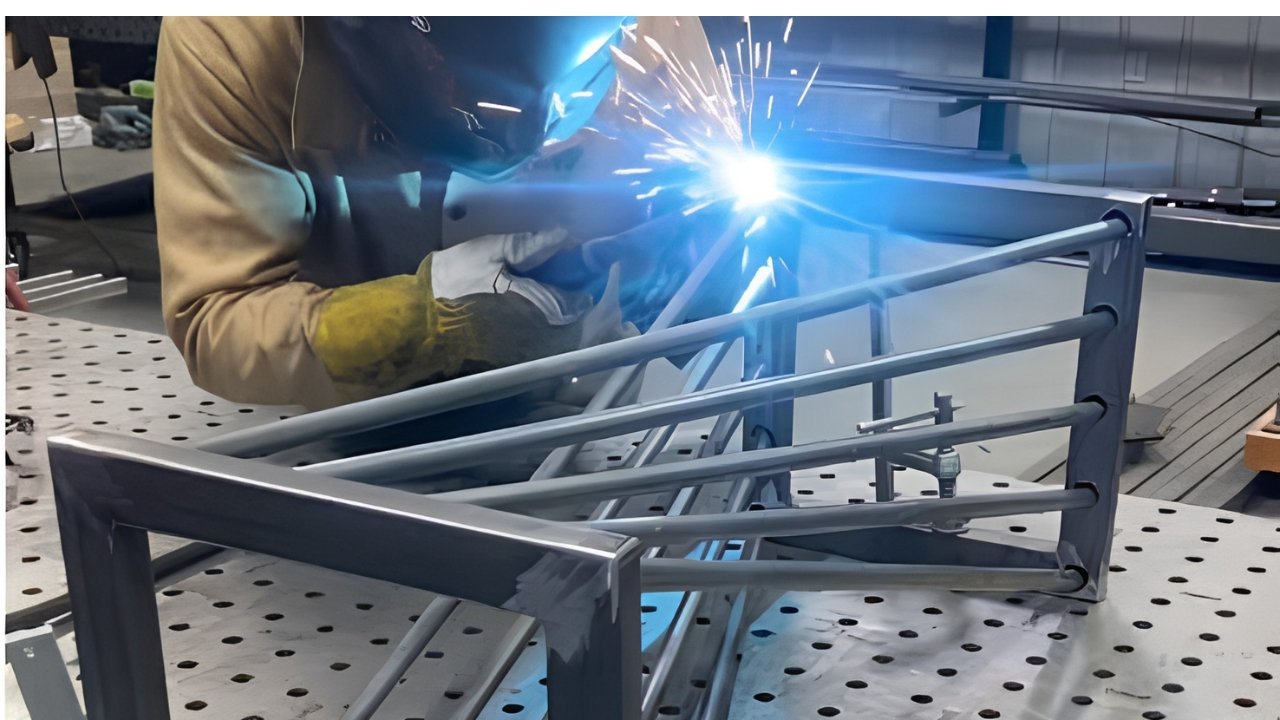
- Precision engineering: TIG welding, micro-fabrication of precision parts in instruments and mechanical systems, provides precision and dimensional stability performance, and reliability.
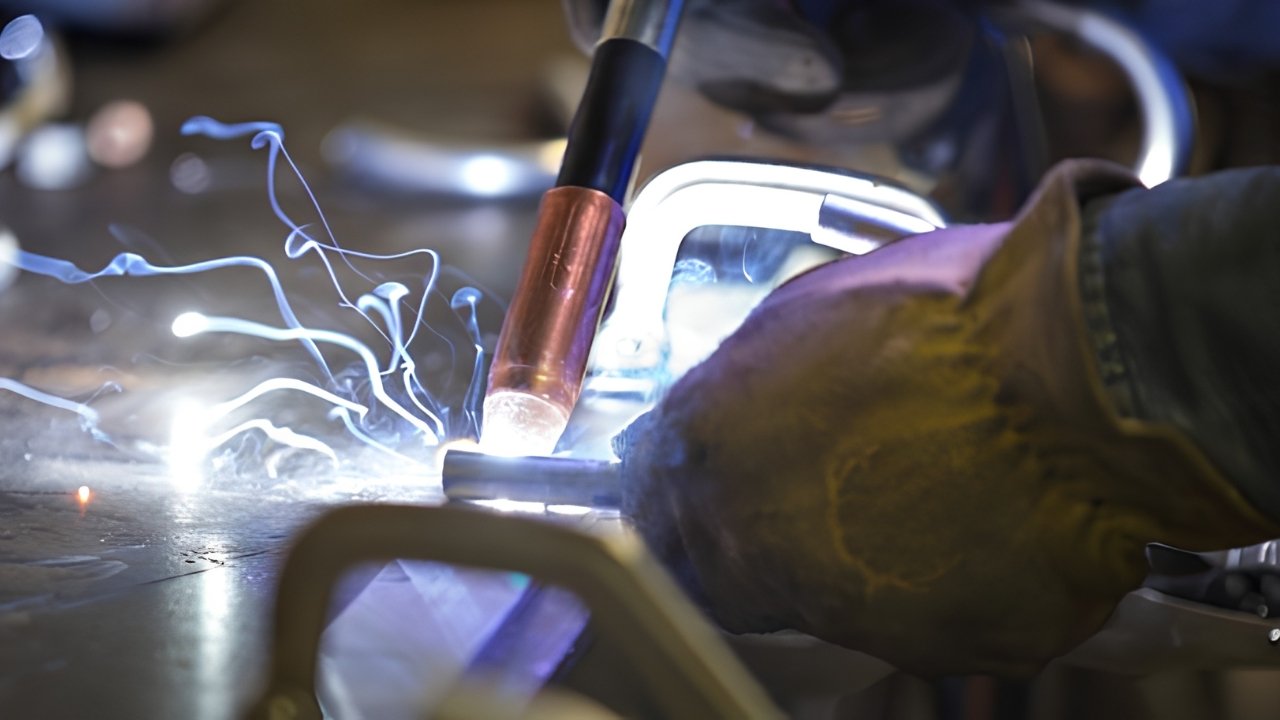
Cost Comparison of MIG vs. TIG welding
MIG welding is less expensive to start, and the design of the machine is less complicated. TIG welding is more expensive in initial cost because of sophisticated control systems. MIG is provided with continuous wire, which consumes more, but with little downtime. TIG uses tungsten electrodes and argon gas to work. When comparing Tig vs Mig Welding on a cost basis, MIG reduces overall expenditure by increasing the speed of welding and productivity, making it well-suited for mass production as a cost-effective long-term solution. TIG provides long-term value within precision industries at increased cost.
TIG vs. MIG Welding – Safety Considerations
MIG vs TIG welding involve very rigorous safety measures to avoid severe injuries in the workplace. Common welding hazards are UV radiation, heat burns, toxic fumes, and electric shock. Safety equipment such as an auto-darkening helmet, flame-resistant clothing, gloves, boots, respiratory protection, and ventilation systems is essential. The use of protective gear can help to minimise exposure and keep you safe when welding. Good ventilation systems to get rid of the harmful fumes and to ensure a safe working environment at all times. Check procedures and examine equipment before beginning each welding operation.
When to Use TIG welding vs. MIG
Choose MIG When:
- Working with thick materials
- High productivity is required
- Long weld runs are needed
- You are a beginner
Choose TIG When:
- Working with thin materials
- Precision and aesthetics matter
- Welding non-ferrous metals
- Performing short, detailed welds
Common Beginner Mistakes to Avoid in TIG welding vs. MIG welding
Whether you are new to Tig vs Mig Welding or still building your skills, avoiding these common beginner mistakes will save you time, materials, and serious safety risks from day one.
Incorrect Gas Selection
Failure to use the right gas leads to poor welding and uncontrollable arc action in welding. Always select shielding gas based on the type of metal and the type of welding process.
Poor Surface Preparation
Ineffective surface preparation causes contamination and low strength of the weld. Wipe base metal with a rag to remove rust, oil, and dust, and then carefully begin welding.
Wrong Travel Speed
Incorrect travel velocity results in a non-uniform bead, and inadequate quality of penetration problems arise. Keep a consistent speed based on material thickness and joint set-up to ensure consistency.
Improper Torch Angle
Poor torch angle will decrease control and lead to weak weld formation problems arising. Maintaining a proper angle is always important to have proper fusion and stable arc performance, always important.
Inappropriate Filler Material
The wrong filler material makes the joints weak and less durable in the long-term. Choose filler metal that matches the base material to ensure successful welding all the time.
Ignoring Safety Practices
Lack of safety practice increases the chances of injury and welding accidents very serious. Always use protective equipment and practice normal welding safety precautions.
Conclusion
TIG and MIG welding have their own uses depending on the level of precision, speed, and the material needs in the contemporary fabrication industries today. Both approaches are not universally superior since each process is applicable in a particular environment and skill level in different welding situations. The most suitable option is based on project requirements, such as the thickness, precision requirements, production speed, and material compatibility considerations. Novices ought to use both techniques to get a better practical feel of real-life welding. Ultimately, the full understanding of Tig vs Mig welding, including skills, applications, costs, and safety, determines the best choice of welding technique for any given project.