Sheet Metal Punching: Process, Machines, Applications, and More
Sheet metal punching has revolutionized the manufacturing industry, allowing for rapid and accurate hole punching and shaping of a wide range of metal products. Information on appropriate techniques, equipment, tooling, and designs can help you achieve consistent yields. The right knowledge also helps minimize defects, enhance efficiency and aid in better manufacturing decisions. This article will provide you with an overview of what sheet metal punching is, the various types of punching machines, the uses of punching, design considerations, tolerances, the benefits of punching, the drawbacks of punching, safety guidelines, and some useful tips on choosing the right punching service or equipment.
What Is Punching in Sheet Metal?
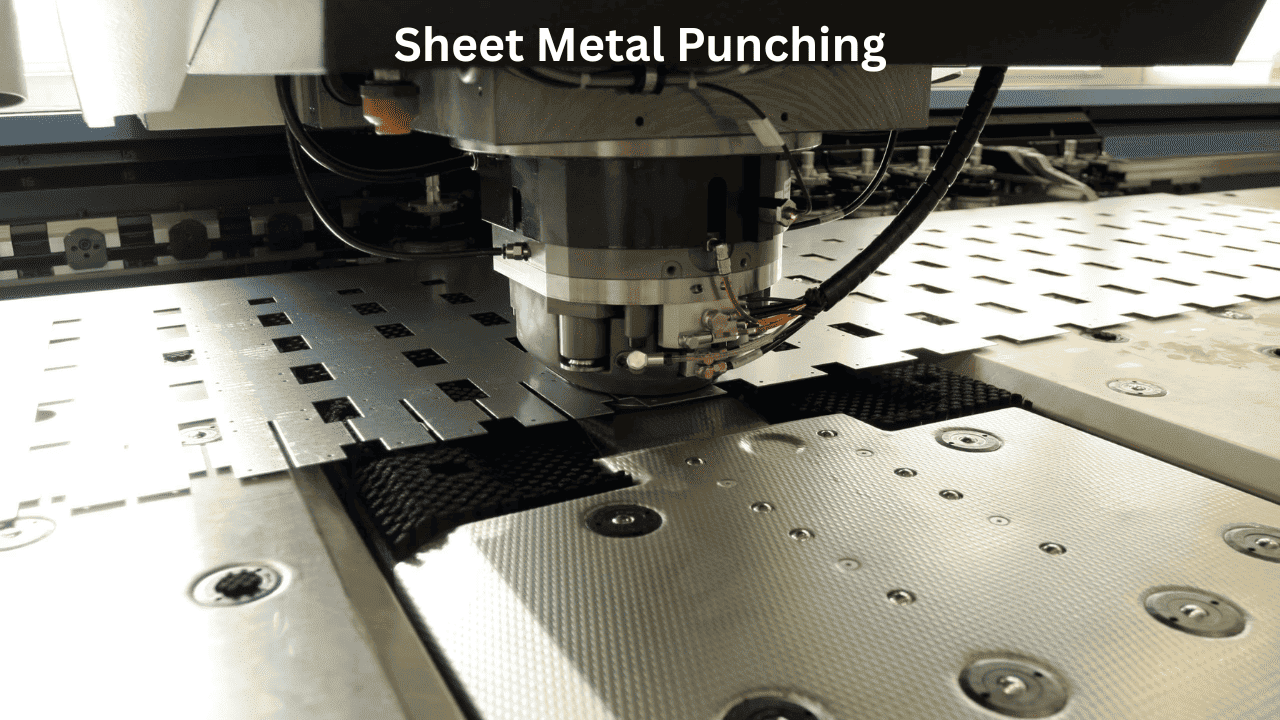
Sheet metal punching is a shearing process that results in punched holes or shapes with the use of matched tooling. Pressing a sheet metal with a punch presses down until the force exceeds the shear strength of the metal. It is cut using a punch that is the male part and a die that holds and forms the cut. It’s similar to an industrial paper hole punch, except it’s made for steel and aluminum. Although there are more modern techniques, such as laser and waterjet cutting, sheet metal punching is one of the most dependable and popular processes in manufacturing.
Punching vs. Blanking vs. Piercing
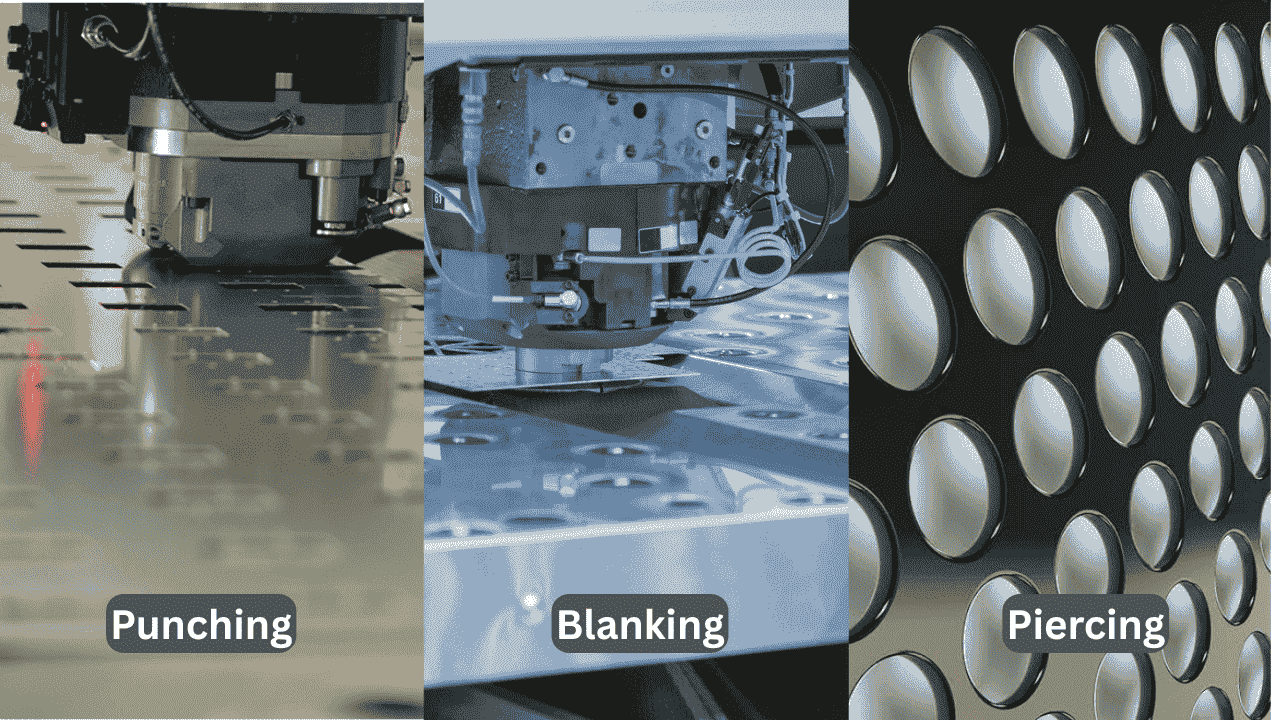
Piercing
Piercing involves making holes in a sheet of metal. When a slug is removed it is scrap after cutting. The surrounding sheet is the sheet product after a certain process and is also the product to be processed for the next process.
Blanking
Blanking is a process whereby a piece of metal is cut away as the desired product. After cutting the surrounding sheet becomes scrap. Blanks are often used in stamping, forming and assembly operations by manufacturers.
Punching
The big sheet metal cutting process is punching. Contains piercing and blanking. What remains is what is used to make the final product, depending on the section that has been kept by the manufacturer.
How the Sheet Metal Punching Process Works
Step-by-Step Punching Cycle
Step 1: Positioning & clamping
The sheet is loaded, aligned by back gauges and securely clamped. Proper positioning ensures that there is no movement and the punching accuracy is maintained throughout operation.
Step 2: Punch stroke
The punch moves down towards the corresponding die opening. Controlled movement is a force distributed evenly prior to the actual metal cutting upon contact.
Step 3: Elastic deformation
The metal begins to bend a little before cutting it permanently begins. This temporary deformation will vanish if the applied force does not go beyond the elastic limit of the material entirely.
Step 4: Plastic deformation & shear
The pressure continues to increase until the yield strength of the material is reached. The punch then cuts through the sheet, leaving smooth edges.
Step 5: Fracture & separation
Both punch and die edges create cracks. They are eventually joined together, and the slug is separated from other material without contamination.
Step 6: Ejection & retraction
The separated slug drops through the die opening by itself. The punch retracts and the sheet moves on for the next punch.
Anatomy of a Punched Edge
There are four distinct areas in a punched edge that illustrate the separation of the metal during punching.
- Rollover: The edge at the top where the punch first strikes the sheet and is somewhat rounded.
- Burnish: The smooth, shiny strip of material produced by the clean shearing action of the punch.
- Fracture: The rough area where the material ultimately fails and splits.
- Burr: Thin, raised metal edge left on the exit side of a punched hole.
Edge quality is controlled by punch to die clearance, which is usually 5–10% of the thickness of the material. The smaller the clearance, the smaller the burrs and the cleaner the edges but more wear in the tool. The larger the clearance, the more the tool will wear and the greater the size of the burr and the rougher the edges.
Calculating Punching Force (Optional Technical Callout Box)
Before punching sheet metal, it’s important to choose the right equipment, and punching force calculation is a key factor in this decision. Calculate this with the following formula:
Force = Perimeter × Material Thickness × Shear Strength
The force to be used for a hole of 10 mm in a steel plate of 2 mm thickness is about 25 kN (2.5 tons). In the punching process of sheet metal, fabricators usually add 20-40% safety margin. This provides for tool wear, material variations, and consistent hole punching sheet metal performance.
Types of Sheet Metal Punching Operations
- Piercing: Piercing makes a hole but the surrounding piece remains to be pierced. It provides clean removal of material, and precise openings and edges.
- Blanking: Blanking is producing the desired shape as the finished product. It divides the material to leave the desired portion and the rest of the sheet stock.
- Notching: Notching is the process of cutting tabs, corners or clearance areas out of the edges of sheets. It is used for preparing components for assembly and enhancing the bending accuracy.
- Slotting: Slotting is used to make long slots to accommodate wiring, cables or ventilation needs. It creates usable cut-outs without compromising the size and integrity of the sheets.
- Lancing: Lancing makes partial cuts without completely cutting the sheet material. Produces tabs, louvers and standoffs without disturbing the original sheet connection.
- Perforating: Perforating creates a series of small holes through surfaces of sheets. It is used for decorative panels, filters and ventilation applications to provide consistent spacing.
- Embossing/Stamping: Embossing or stamping forms raised or recessed details without cutting material. It puts logos, ribs, markings and structures on sheets.
- Nibbling: Nibbling involves making a number of small overlapping cuts to form a complex profile. It is able to produce irregular and curved shapes with standard punching tools in an efficient manner.
- Slitting: Slitting is the process of cutting sheets straight for preparations before the bending process. It is able to provide partial or complete separation with controlled cutting precision.
Single vs. Multi-Station Punching
Single-Punch (Single-Shot) Setups
The single punch setup makes the punching process of sheet metal simple and efficient. These are most suitable for prototypes, low volumes and basic designs. Setup time is kept to a minimum due to minimal tooling requirements. This is an appropriate technique for small quantities of punched metal sheets where there is a need for flexible and quick adjustments.
Multi-Punch (Gang or Turret) Setups
In metal punching, multi-punch setups can be used to boost the speed of the punching operation by combining multiple stations. They can work efficiently at high volume production with repeated patterns. This sheet metal punching technique can be used to achieve intricate designs, such as decorative punched metal sheets. A lot of punched metal sheets are processed with multiple tools to produce the same results.
Sheet Metal Punching Machines and Equipment
Types of Sheet Metal Punching Machines
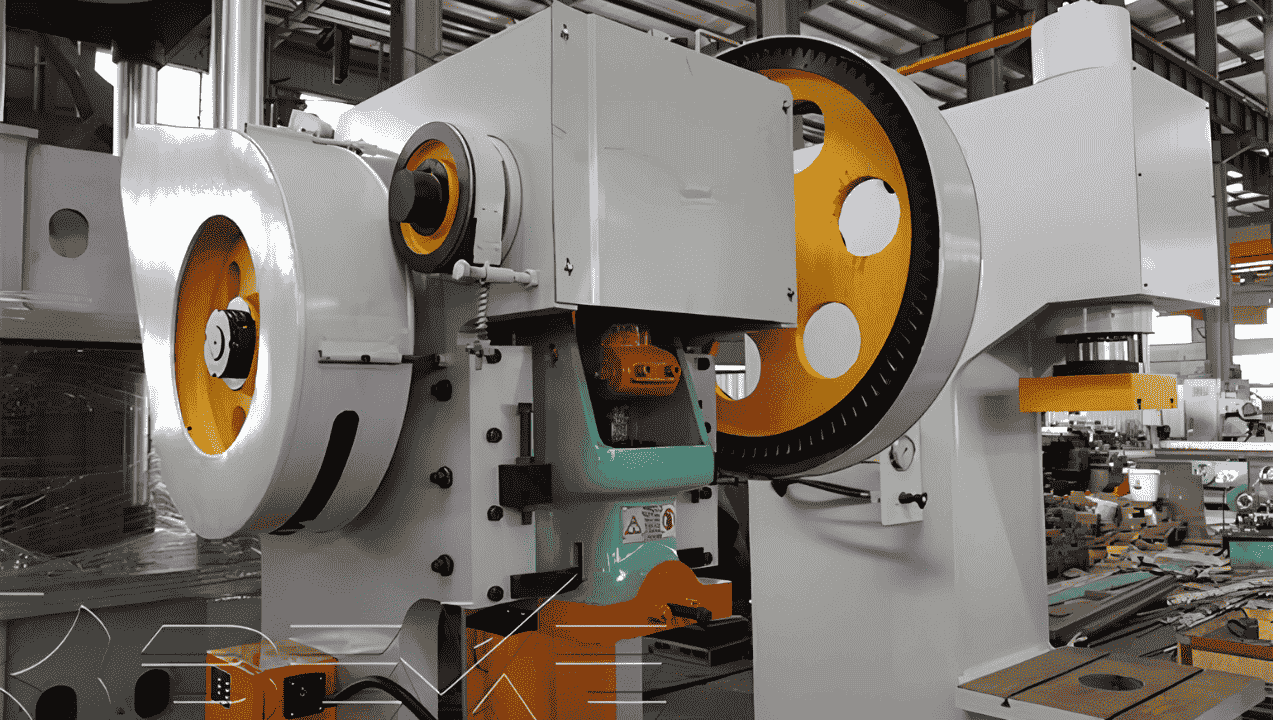
Mechanical Sheet Metal Punch Press
Mechanical punch presses operate on flywheel and crank systems for quick and consistent operations. They provide hundreds of strokes per minute. They are suited to thinner materials and longer production runs, and have a fixed stroke design.
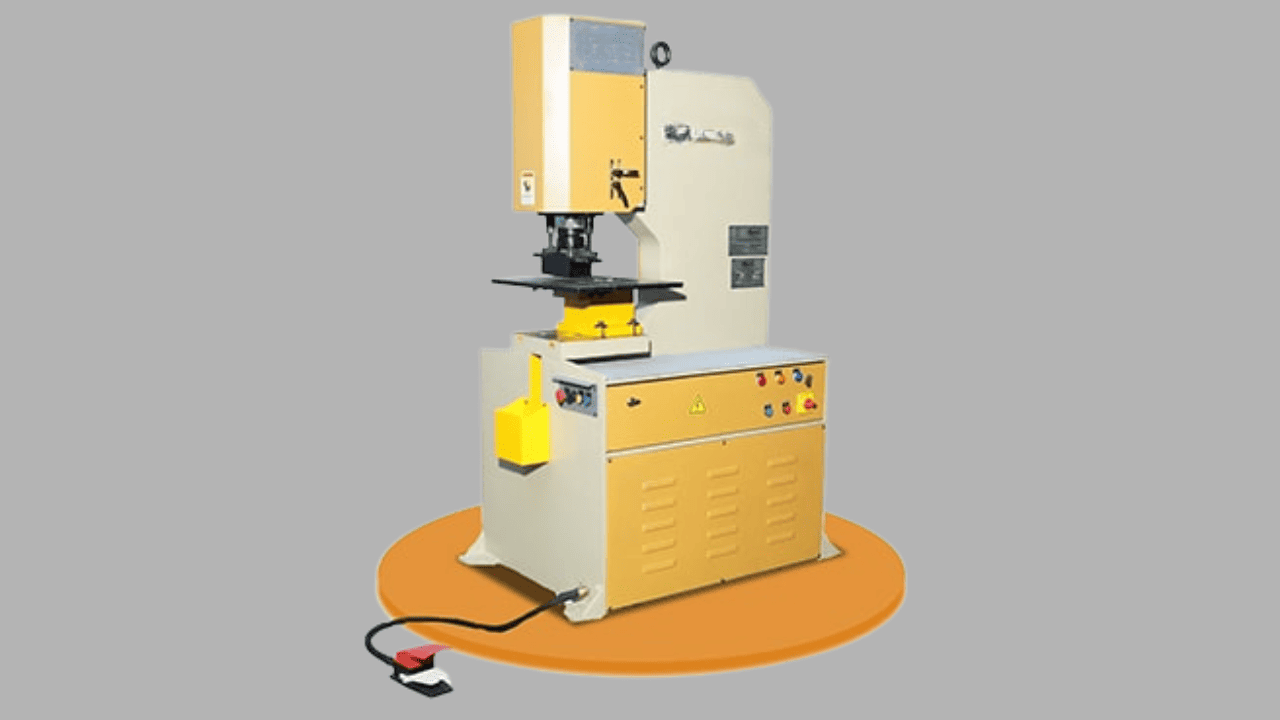
Hydraulic Punch Press
Hydraulic punch presses are hydraulic machines that rely on fluid-powered pistons to provide a controlled punching force. They are slower but can be used with thicker materials. These machines also provide flexible combined forming and piercing operations.
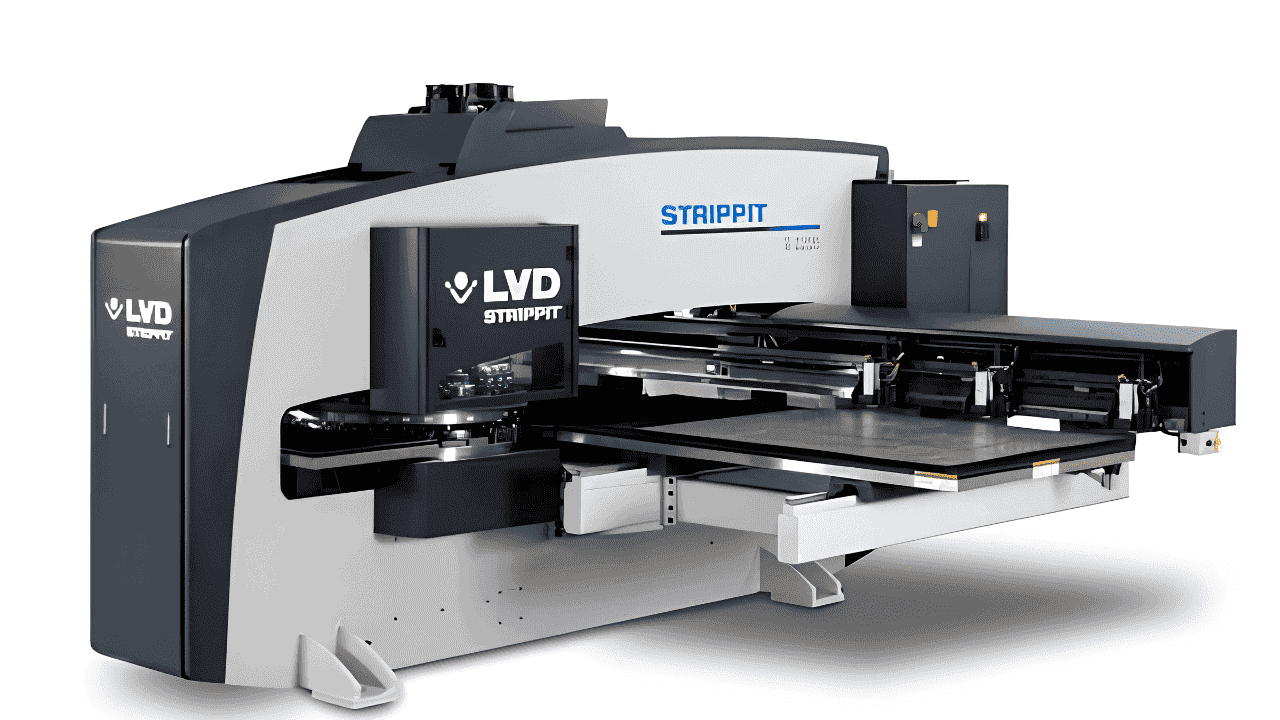
Servo-Electric Punch Press
Servo-electric punch presses are equipped with programmable motors to move the press with precision instead of conventional drives. They provide quicker switchovers and energy savings. These machines are ideal for manufacturers that require accuracy and efficiency.
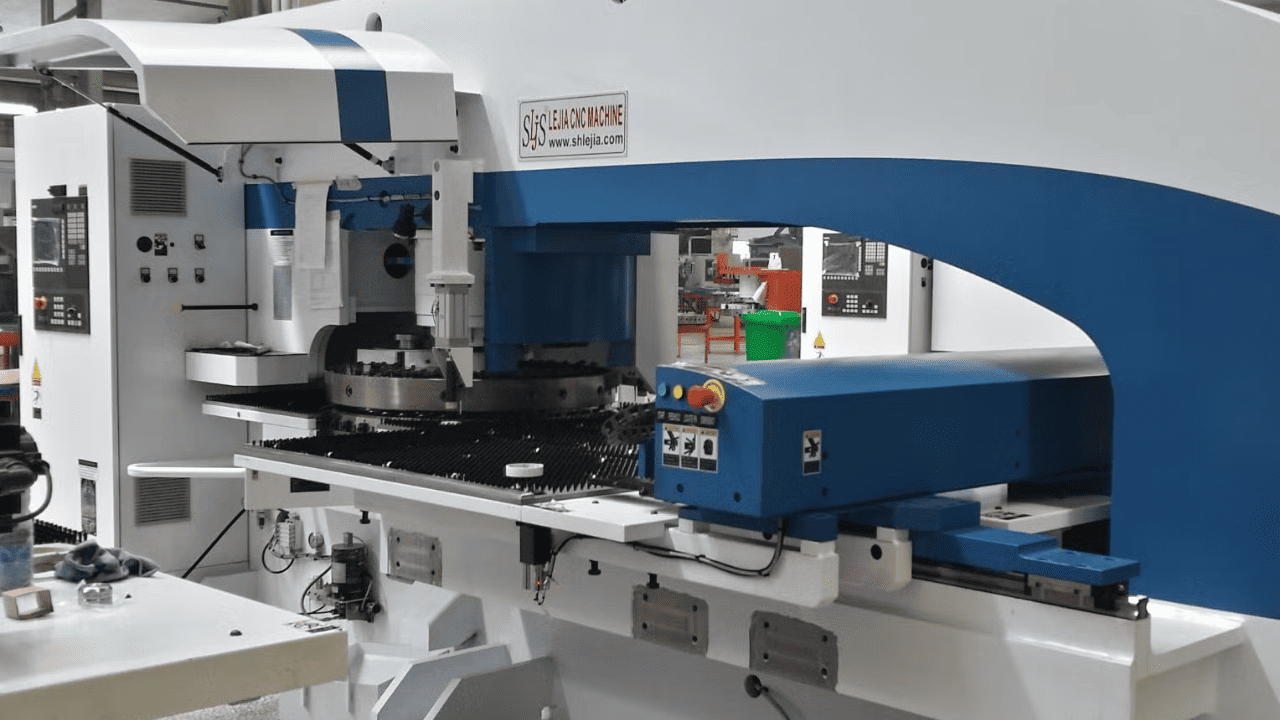
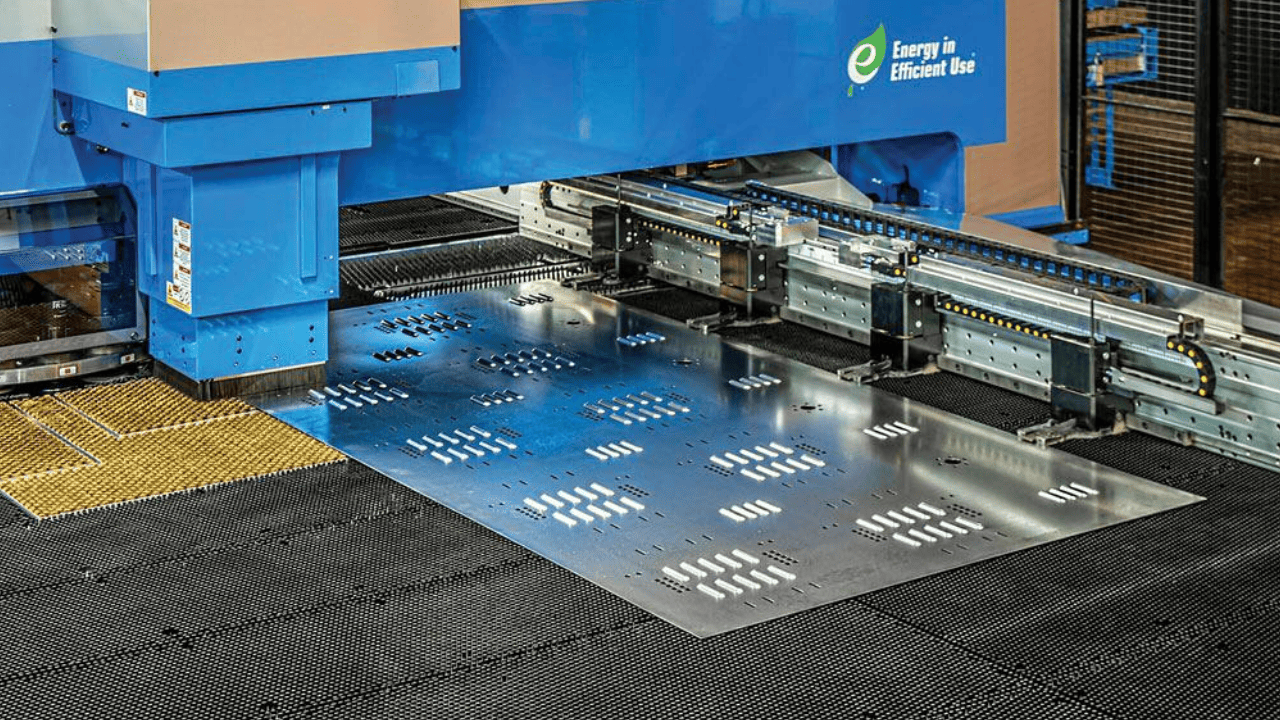
CNC Turret Punch Press
CNC turret punch press is a punch press with a turret that rotates and contains a number of punch and die tools. They change tools automatically while in operation. These machines help to improve productivity through nesting parts and minimising material waste.
Combination Punch-Laser Machines
Combination punch-laser machines are machines that combine punch and laser cutting in a single workstation. They go through several processes without having to be handled. This cuts down on production steps, increases the speed of the workflow and the efficiency of the manufacturing process.
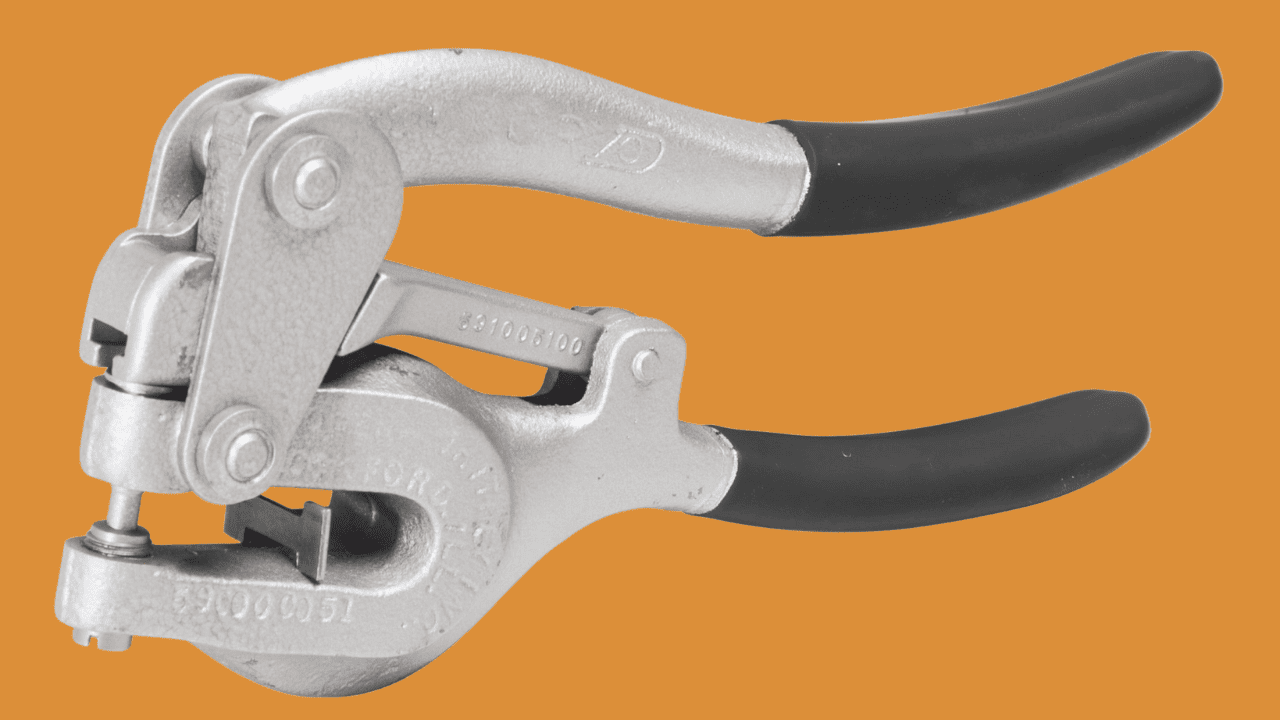
Hand Punch Tools and Portable Punches
In order to work with light gauge metal without large equipment, hand punches and portable hydraulic punches are available. They can be employed on a one-off basis, in the field, and for home projects. These tools are suitable for HVAC, electrical and hobby applications in which portability is a consideration. Be sure to carefully read the tonnage rating of a hand punch before selecting it. This specification can be useful to match the tool to the thickness of the material.
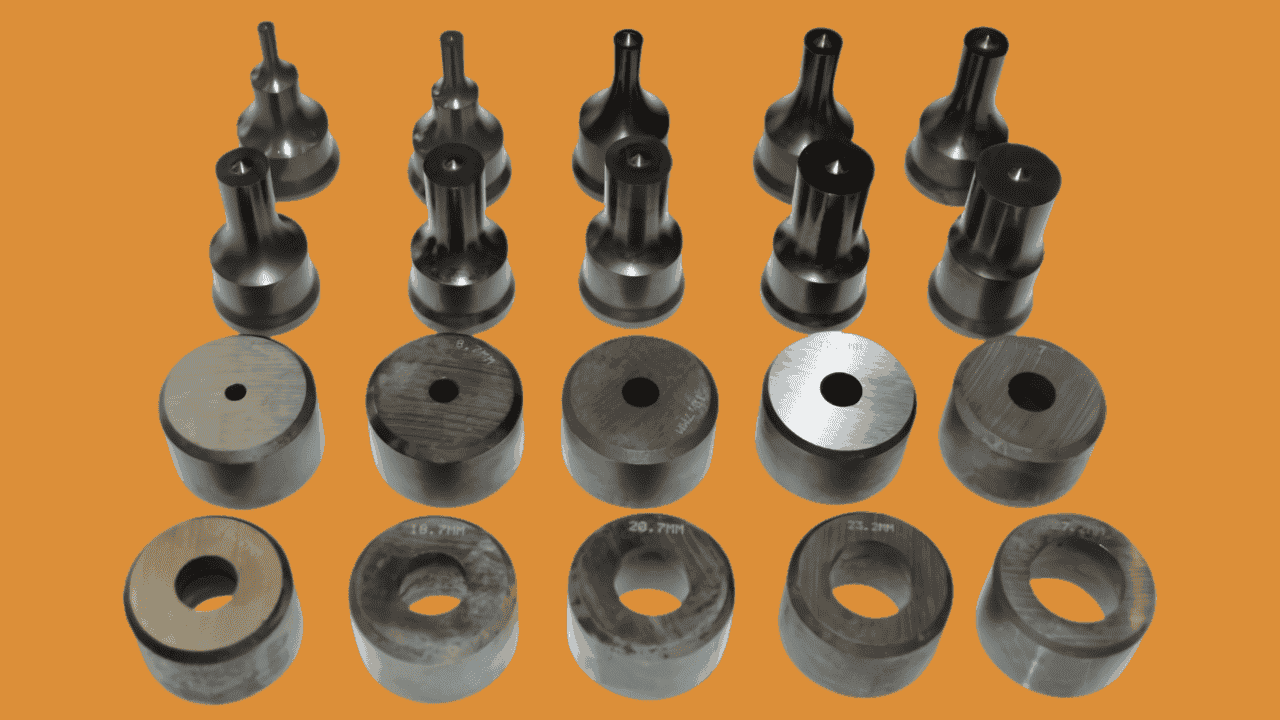
Punch and Die Sets and Supporting Tooling
Punch and die sets: Punch and die sets are interchangeable sheet metal punch tools with round, square, oblong and custom punch profiles to make precise cuts.
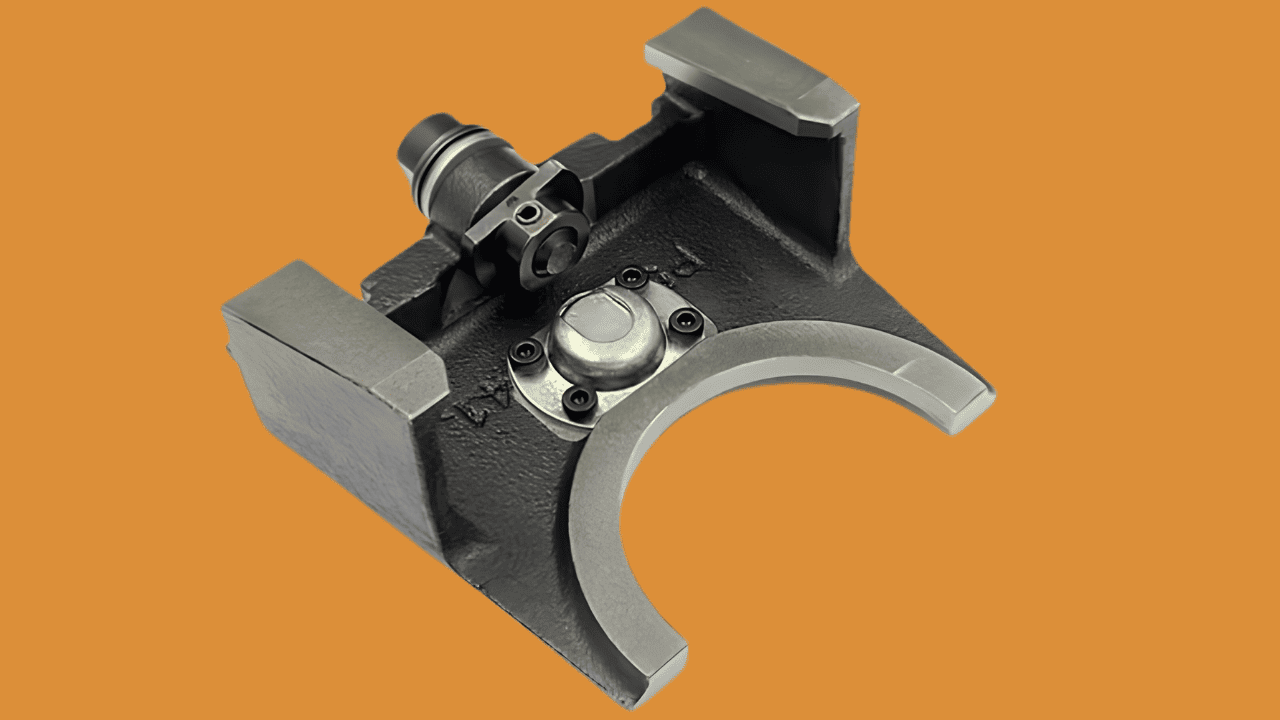
Tool holders and turret stations: Tool holders and turret stations are used in the sheet metal punching machine to ensure that the tools are securely held in place during the punching process, providing stable positioning control.
Back gauges and clamps: Sheet placement is crucial for automatic sheet metal punching machines to achieve consistent punching results with repeatability across different batches of sheets, so back gauges and clamps play a vital role.
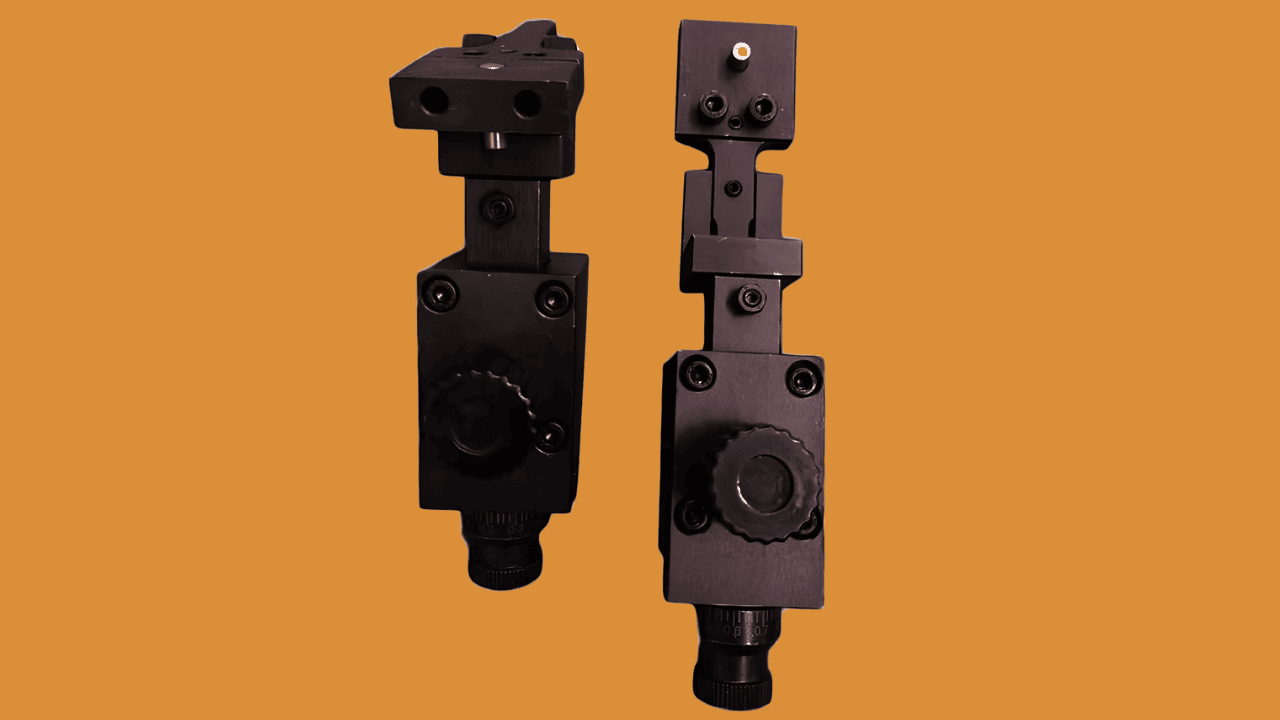
Lubrication systems: Lubrication systems help eliminate friction and heat, and provide smoother cutting of the sheet metal during the production process which prolongs the lifespan of punches and dies.
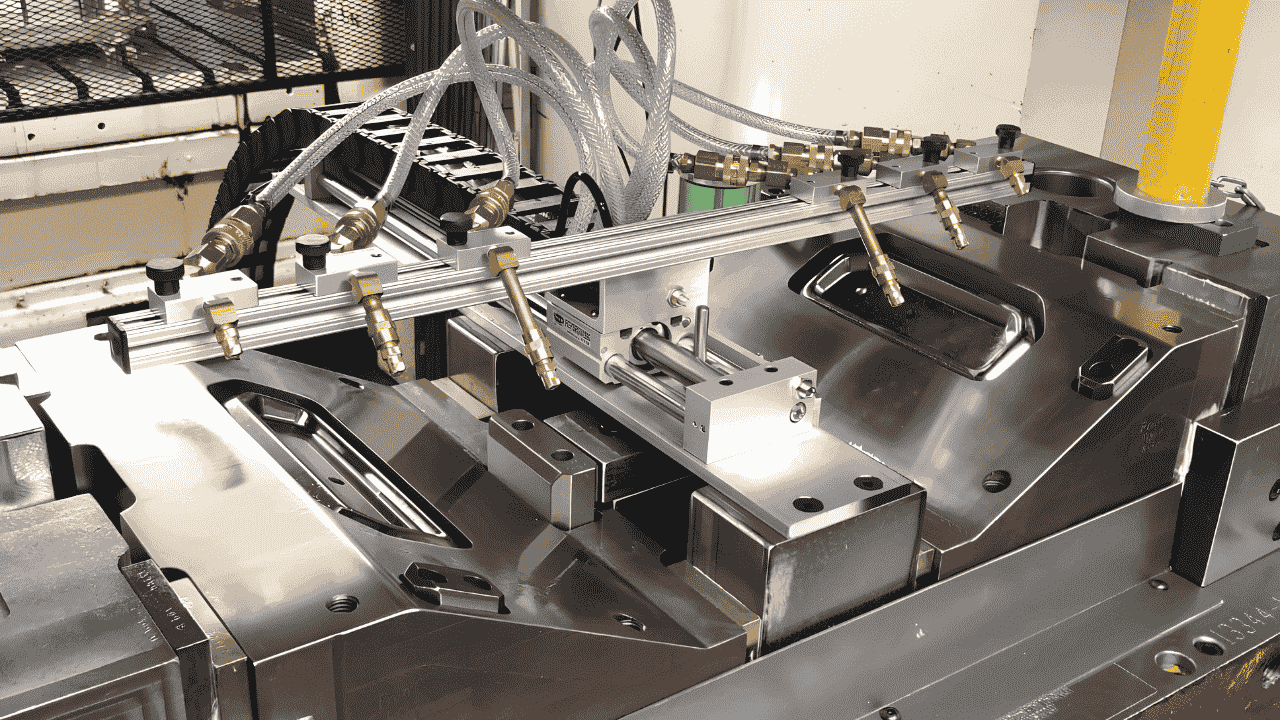
Scrap and slug removal: Scrap and slug removal systems remove waste and deburr edges after sheet metal punch press operations, for cleaner finished parts.
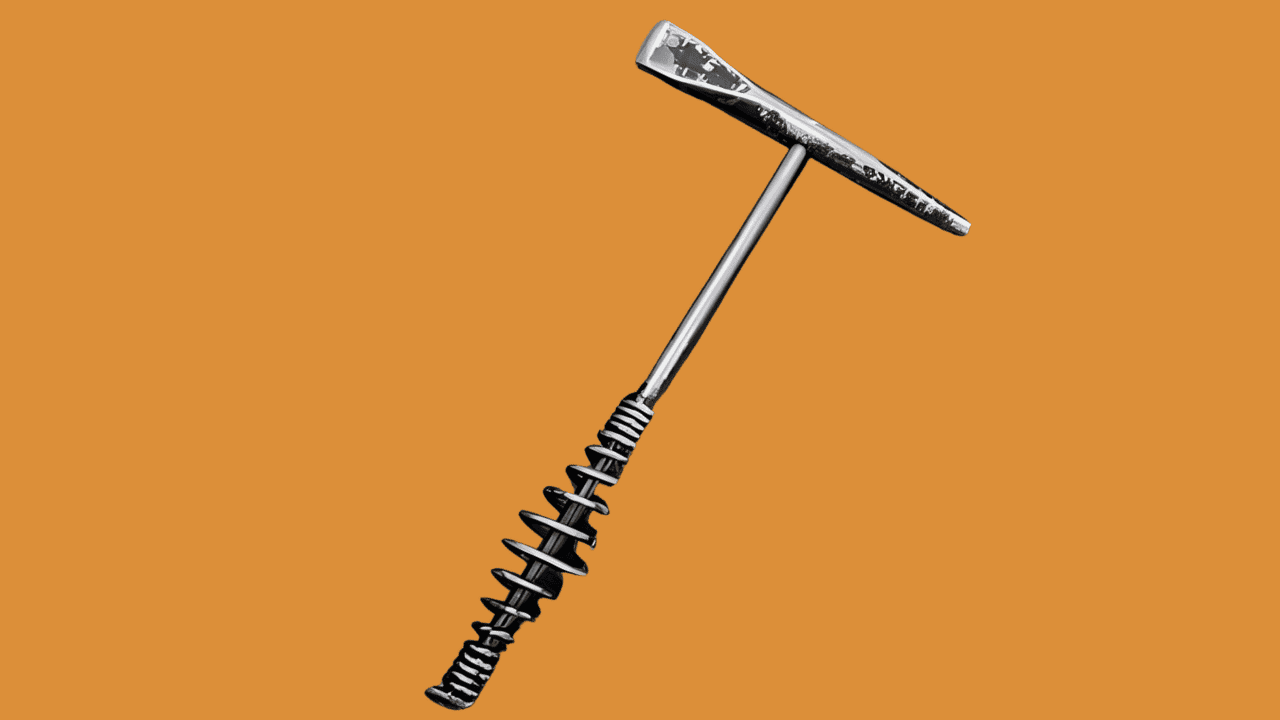
Materials Used in Punched Metal Sheets
Typical sheet metal punching materials include mild steel, stainless steel, aluminum, brass, and copper. Typically, materials up to approximately 6 mm thick can be punched efficiently. After that, laser/Plasma cutting is frequently more feasible. The material become harder the more tonnage required and the greater the tool wear. Grain direction also plays a role in custom sheet metal punching parts that require tight tolerances.
What Is Sheet Metal Punching Used For? (Applications by Industry)
Automotive & Transportation
Sheet metal punching is used to make brackets, panels and battery enclosures. It guarantees exact hole alignment for dependable vehicle assembly. These punched parts enable light and strong designs for the automotive industry.
Electronics & Electrical Enclosures
Punching is used for cabinets and chassis by electronics manufacturers. Ventilation holes, cable ports and slots enhance cooling and installation. These components maintain systems organized and secure.
HVAC & Appliances
Punched panels are used for airflow and mounting points in the HVAC and appliance industries. The precise punching ensures that the housings are made to fit and last. It enhances the function and look of the product.
Construction & Architectural Metalwork
Punched metal sheets are used for facades, screens and railings in construction projects. A decorative punched metal sheet provides patterns and regulates the flow of air and light. Unique designs can be created with custom sheet metal punch work.
Renewable Energy
Punched parts are used in renewable energy systems such as solar frames and battery housing. Accurate holes for safe installation. These components help to increase durability and reliability of the system.
Industrial Frames & Equipment
Punched plates and panels are used in industrial equipment for structures. Precise punching results in secure welding and fastening locations. These components help to aid in the assembly process and enhance strength.
Advantages and Disadvantages of Sheet Metal Punching
Advantages
- High speed and throughput: High speed and throughput, suitable for repetitive and high volume production.
- Repeatability: Provides repeatability in hole size, shape and positioning on each part in large manufacturing volumes.
- Cost-effective production: Low tooling costs and low part cost for high volume production.
- Minimal finishing required: produces clean cuts and generally does not require much finishing before proceeding to next manufacturing process.
- Wide range of material compatibility: It is effective for a variety of metal materials, such as various thicknesses of steel, aluminum, stainless steel and copper.
- Easy process integration: Integrates seamlessly into production lines prior to forming, bending, welding and other metal fabrication processes.
Disadvantages / Limitations
- Dedicated tooling for custom shapes: Custom or one-off shapes may be a challenge because the required punch and die tooling must be specially created, which will add to the setup time and production costs for small quantities.
- Burr formation: Burrs may form on the cut edges of the punched parts, which may need deburring to ensure the smooth and safe surface finishes.
- Material thickness restrictions: Punching is for thin to medium material. Laser, plasma or waterjet cutting is more suitable for very thick materials.
- Noise and vibration: Punch press operations can produce noise and vibration, which may need to be controlled for safety reasons.
- High initial investment: Punching machines are costly equipment, and they need trained operators and programmers to make efficient and accurate production.
Sheet Metal Punching vs. Laser Cutting and Other Methods (Comparison Section)
Sheet metal punching is ideal for the production of large quantities of parts that feature patterns that repeat. You get faster output after investing in tooling for repeated designs. For low volume projects that require custom shapes or thicker materials, laser cutting and waterjet are suitable. The selection should be made on the volume, thickness, quality of the edges, and flexibility. The advantages of punching are lower per-part costs, and the benefits of laser cutting include more design freedom.
Design and Tolerance Guidelines for Sheet Metal Punching
If you’re designing parts with a sheet metal punch, you must have the right guidelines. To avoid damaging the tools, the hole size should be the same as the material thickness. Make fillet radii on irregular shapes to minimize stress during punching. Maintain hole to hole and hole to edge spacing of about 2x thickness. Modern CNC machines have tolerances of ±0.1–0.2 mm. Custom sheet metal punch accuracy needs to take into account tool wear, springback, and alignment.
Safety Guidelines for Sheet Metal Punching Operations
- Machine Guarding: Machine guarding is the protection of operators with barriers and interlocks to keep away from moving parts during sheet metal punching operations.
- Emergency Stops: Emergency stops must be accessible, as this ensures risks are minimised during unexpected punch press failure and will help to protect operators from injury.
- Lockout/Tagout: Lockout/tagout procedures are used to isolate energy sources before maintenance or tool changes are made to ensure workers are not at risk of being injured from the movement of the machine during service and repairs.
- Safe Ejection: Safe ejection of material away from operators or sharp sheared edges, caution must be exercised when unloading to avoid cuts safely.
- Glove Safety: Near the press point, gloves create catch hazards; Operators should avoid wearing gloves when punching sheet metal operations for safety.
- Hearing Protection: Punch press operations are noisy, and, for the comfort and safety of the operator, hearing protection is necessary when the operation is repetitive.
- OSHA Standards: OSHA standards 1910.217 and 1910.212 provide guidance for press operation and point-of-operation guarding requirements for making sheet metal punching operations safer in the workplace.
- Training Inspections: Continuous operator training and periodic equipment inspection can help catch problems early and ensure reliable punch press performance and safer workflows.
Choosing a Sheet Metal Punching Service or Machine
The first step to selecting the appropriate sheet metal punching service is to find out what the provider can do. Before making a decision, ask about the materials, thickness ranges, tolerances, and minimum order quantities. It is also important to check if they can accommodate prototypes and bulk production. If you are purchasing an automatic sheet metal punching machine, you will need to consider things like tonnage, tool capacity, CNC support and CAD/CAM compatibility. To shorten lead times for mixed-batch projects, many contemporary shops use punching in conjunction with laser cutting or shearing.
Why Choose Masion for Dependable Sheet Metal Punch Solutions?
From initial designs to full-scale production, Masion can deliver reliable sheet metal parts. You have access to experienced engineers, cutting-edge machinery, and quality control measures. These features contribute to providing precise outcomes at every stage of the project. Sheet metal punching, laser cutting, CNC bending, welding, stamping, machining and finishing services are available. Masion is providing services to the automotive, electronics, medical, industrial, telecom and renewable energy sectors. Whether you’re dealing with prototypes or high-volume production, you get dependable timelines, technical collaboration and long-term manufacturing support.
Conclusion
Sheet metal punching is still one of the most rapid, precise and budget-friendly processes to create holes and shapes in high quantity metal fabrication processes. Knowing the process, type of machines, tooling, design guidelines and limitations, can help to improve quality, minimise waste and choose the most effective manufacturing approach for each project. It matters whether you’re looking for prototypes or making large production runs, finding the right fabrication partner can make the difference. Masion’s advanced equipment, skilled engineers, and full range of metal fabrication capabilities enable them to provide reliable sheet metal punching solutions. Call Masion today, and let us help you with your project and manufacturing.
FAQs
How do you choose a sheet metal hole puncher?
There are several factors to consider when selecting a hole puncher for sheet metal, such as material thickness, type of tool, and the specific requirements of the project. Make sure to check the capacity of the gauges. Light jobs use manual punches, and hydraulic models are used in tougher jobs. Also take into account throat depth and die options. The features determine reach, flexibility and punching accuracy for various metal fabrication needs.
How do you sheet metal punch hole without cracks?
It is important that the punching is clean, which means that there should be the right gap, sharp tools and good material support. The wrong gaps cause stress and edge damage. Maintain punch and die alignment during operation. Apply appropriate lubrication to minimize friction and heat. These steps can help avoid rough edges, distortion, and cracks while at the same time promoting good hole quality.
What defects occur during punching process in sheet metal?
Sheet metal punching may produce problems such as rough edges, rollover and burrs. Typically, these problems are caused by tool wear or misadjustment. Fractures and distortion are also created due to poor clearance. Repeated slug pulling can cause scratching of surfaces. Maintaining tools properly and making the necessary adjustments regularly, will help keep punched results cleaner.
Why is punching sheet metal cheaper than laser?
However, since sheet metal punching makes efficient use of the mechanical force, it is often less expensive. It is able to make repeated holes faster than laser cutting. Punch presses use less energy and do not require assist gases. They are also able to form tabs and countersinks. This is advantageous in terms of the cost of punching in large volume manufacturing projects.
How much does metal punching equipment cost?
The price of metal punching equipment depends on the size, tonnage, and automation. The price of small machines can be approximately $1,500. Industrial systems can cost more than $80,000. The light-duty models can be used in workshops, and the heavy models can be used for large production. The choice of machine will depend on the type of materials, the work volume and the manufacturing objectives.
How strong should a hand punch for sheet metal be?
The heavy-duty hand punch will deliver approximately 1.2 tons of force. The strength can be used on materials such as mild steel and aluminum. The Compound Leverage Systems are designed to add more power to the punch using mechanical advantage. Durable quality alloy steel dies. Always use the matching punch capacity of the material thickness to ensure safer operation.
How thick of metal can punching metal handle?
Thick metal punching is dependent on the tonnage of the punching machine, the material type and the hole size. The sheets used in industrial presses vary from 0.5 mm to 6 mm. Manual tools are used to work with thinner materials in the range of 16 to 12 gauge. The bigger the hole, the harder it will be to cut, as the cutting perimeter is greater. The correct clearance will discourage tool damage.
What safety features matter most for a punch press?
Control, sensors and protective devices are essential to punch press safety. Two-hand controls prevent operators from approaching danger zones. Light curtains provide detection of unwanted access during operation. Safety interlocks will stop machines if guards are opened. Emergency stops are used to shut down immediately in case of problems. These features minimize risks and promote safer fabrication environments.