How to Protect Sheet Metal Packaging Parts During Transportation – Complete Guide
Shipping Method for Sheet Metal Packaging Products
The shipping of sheet metal products is based on volume, assembly and handling requirements. You are given the option of bulk shipment of large orders or protection by individual packing. Kits are appropriate to multi-part, organized deliveries. Partially or fully-assembled products save time but require heavier packaging. Part knock-down saves space and cost. When designing secure and efficient packaging, you should take into account the handling and the transport risks, as well as assembly steps.
Method | When | Pros | Cons |
Bulk | Modular components | Cost savings, inventory reduction, simplified logistics | Cannot dismantle finished products |
Knocked Down | Bulky assemblies | Assembly easier, reduced shipping space | Requires assembly skills/tools |
Assembled | Direct-to-end user | No assembly needed, quality control simplified | Higher shipping cost, bulky |
Bulk Shipping Sheet Metal Parts
The packing of bulk shipping sheet metal parts must be done carefully to prevent damages and wastages. Pack parts should be packed tight when the surfaces can be contacted without being scratched. Place between pieces spacers, foam, paper or cardboard to minimize friction. Wrap delicate parts and edges to avoid damage and injury. Balance protection and density to reduce shipping costs and enhance efficiency.
Knocked-Down Sheet Metal Assemblies
Knocked-down assemblies of sheet metal will save you on shipping fees and storage space. You deliver parts or sub-assemblies to the destination, and assemble them there. This approach is appropriate in automotive, electronic and furniture sectors. You are able to maximize the packing density and reduce the volume of freights. It can also assist you in satisfying international tax or regulatory requirements effectively.
Fully Assembled Sheet Metal Part Packaging
Complete sheet metal components are the easiest to use by end-users. Nonetheless, this alternative raises the volume of shipping and the total expenses. The sheet metal packaging should be strong to avoid any damage during handling and transportation. Large assemblies are secured with custom crates, pallets or foam inserts. Packaging should also be matched with branding and labeling requirements. Look at drop shipping, retail display or direct-to-consumer delivery needs.
Distribution Methods
Delivery to End User
Specialise in providing goods securely and ensure good visual image to the customers. Protective materials should be used to avoid damage and maintain the quality of finish. Add clear instruction manuals and branded inserts to enhance user-friendliness and brand identity at all times.
Delivery to Assembler / Manufacturer
Send parts of the ship to assemblers where durability is given priority over the appearance. You should make sure that packaging is able to be stacked, stored and handled efficiently in facilities. Reconsider reusable containers in case of repeat orders, which will decrease the waste and enhance the efficiency of long term logistics in general.
Direct-to-Consumer (D2C)
Direct to consumer shipping needs heavier packaging since packages are at greater risk of handling. Carton weight must not exceed forty five pounds to move safely. Order strengthened boxes, check carrier size regulations and make sure that products are not supported by pallets.
Calculating Preliminary Logistic Costs
Begin with factory to warehouse to end user costs mapping, incorporating sheet metal packaging considerations into the overall logistics plan. Include freight, insurance, customs and import duties to get the true landed cost. Maximize container space to minimize unit freight and not to pay for empty space. Select FTL when making large and routine shipments or LTL to manage smaller and fluctuating loads. Compare weight, dimensions, and dimensional weight rules with carriers regarding express rates. Check quotes and buffer surcharge.
Metal Packaging Design and Engineering
Determine Packaging Type
Choose product fragility and conditions in sheet metal packaging. Type one relies on the strength of the product to protect against the risk of surface damage. Type two is based on carton durability and it needs engineered materials and fluting. You match design decisions with stresses and storage conditions.
Ensure Product Stability
Stabilize the product in the packaging to prevent internal product movement during transportation. Insert cushions, inserts or partitions to secure items. You design under vibration conditions, compression conditions, and tilt conditions. Stable packing equally enhances pallet integrity and minimizes claims of damages in general.
Check Loadability
Check loadability to optimize space usage in containers, trucks and pallets. Dimensions of plan cartons are stacked without overhang. You take into account the accessibility of forklifts, the distribution of weight, and the safety of handling. Efficient loading lowers transport cycles and prevents costly rework at warehouses busy.
Validate Logistics Cost
Early validation of logistics cost will prevent scaling surprises. Get container fill rates, packing labor and material costs correct. You match the design options with shipping modes and routes. Cost visibility assists you in balancing protection performance and total supply chain efficiency.
Drop Test Validation
Conduct drop test validation on representative samples and actual packaging setups. Test the effect of impacts of different heights and orientations. You document damage patterns and change materials or cushioning. Resilience is tested and products are delivered to the market in good condition in various distribution environments.
Sheet Metal Packaging of Fabricated Parts
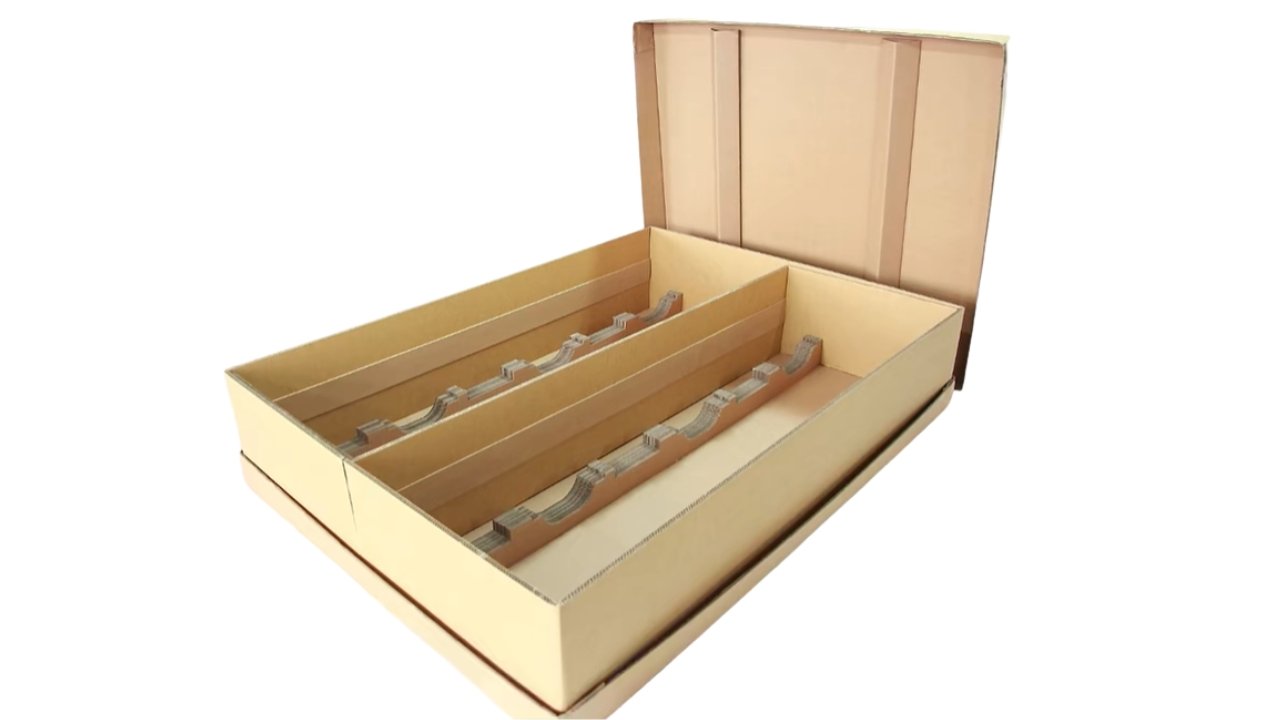
1) Top and Bottom Box Fixed Inner Lining + Surrounding Panels
Sheet metal parts are fixed in top and bottom boxes with fixed inner lining and surrounding panels. The packaging enhances stability, motionlessness, and layered protection during the transportation, storage, and handling processes.
Pros:
- Offers high stability that does not allow movement of parts during transportation.
- Prevents scrapes and slight impact to sheet metal parts.
- Exhibits good stacking capacity to store in the warehouse.
- Perfect in delicate parts that require delicate handling support.
- Reusable and can be used several times thus saving cost of packaging.
Cons:
- Increased packaging cost adds a lot of shipping cost.
- Takes longer time for packing large sheet metal parts.
- It places an additional weight burden and makes it harder to handle manually.
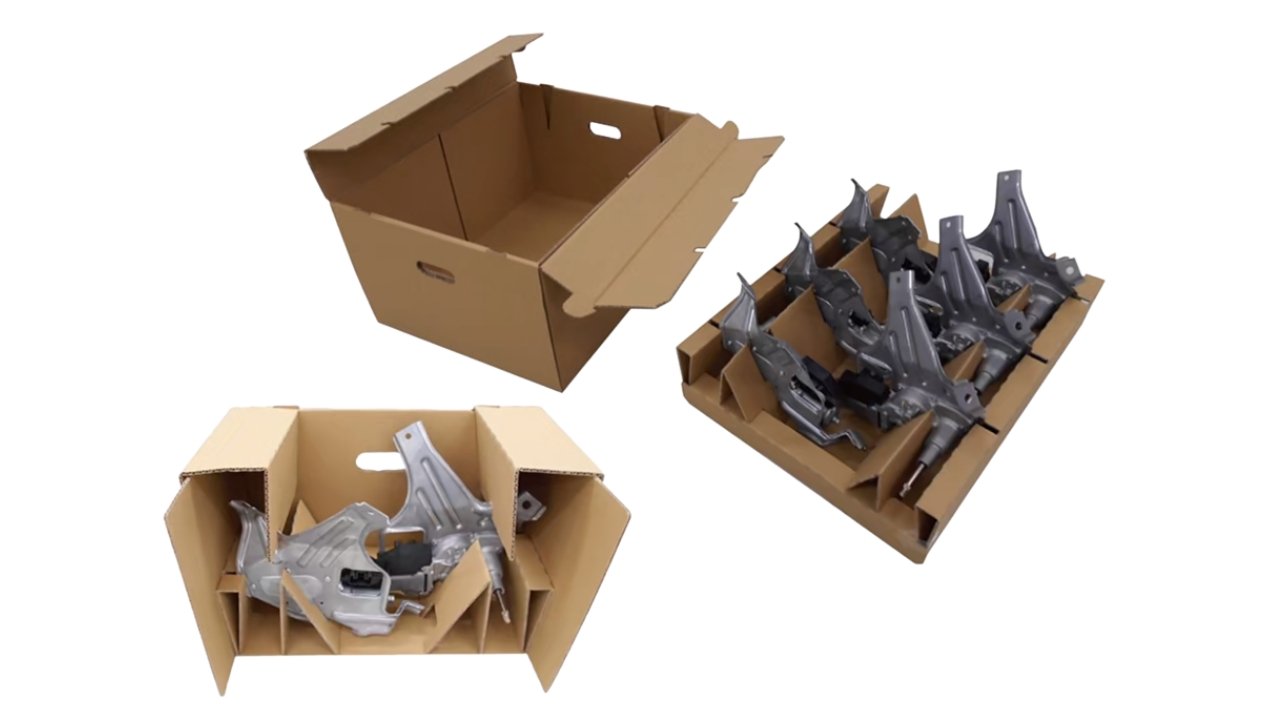
2) Fixed Inner Lining + Inner Box
Sheet metal packaging components are firmly fixed in a fixed inner lining with an inner box. This type of packaging reduces vibration, scratches, and offers small or precision fabricated parts compact protection during transportation in a safe way.
Pros:
- Holds sensitive sheet metal parts without moving.
- Eliminates vibration damage in long distance transportation.
- Offers small packaging that can fit small precision parts.
- Lightweight packaging saves on shipping and handling labor.
- Easy to handle for storage and shipping operations.
Cons:
- Low load carrying capacity inappropriate in heavy sheet metal.
- Not optimal when the fabricated components are very large.
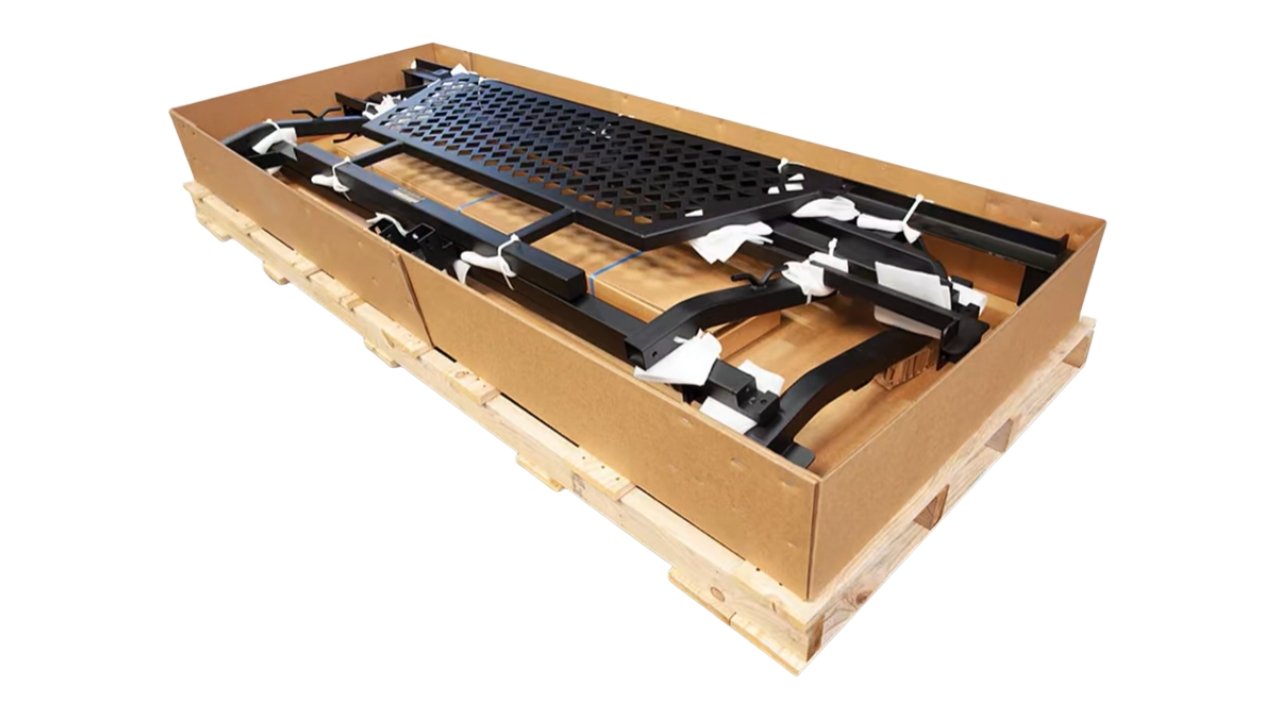
3) Wooden Pallet + AAA-Flute Corrugated Panel Box
The heavy sheet metal assemblies are supported on wooden pallets with AAA-flute corrugated panel boxes. This packaging improves the strength of stacking, deformation prevention, and safe shipment during exportation and storage activities in warehouses.
Pros:
- Supports heavy sheet metal parts that have high load carrying capacity.
- Applicable to export shipment that needs additional stacking power.
- Shock absorber of heavy parts in the transportation process.
- Easy forklift: This saves labor effort and time.
- Sturdiness of packaging guarantees safety when storing in the warehouse.
Cons:
- Higher freight price because of weight and packaging.
- Large packaging consumes large storage space.
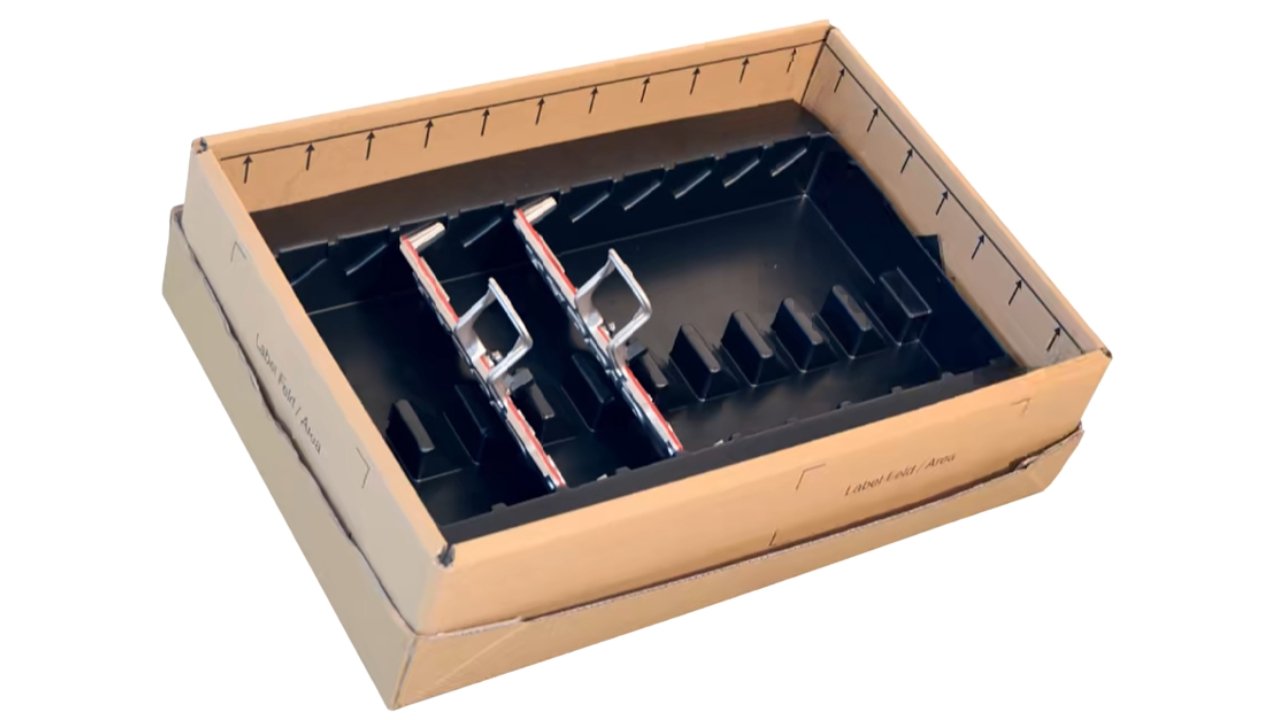
4) Top and Bottom Box + Panel Box + PET Blister Inner Lining
Delicate sheet metal parts are provided with top and bottom boxes with panel box and PET blister lining. This type of sheet metal packaging separates parts, prevents abrasion of surfaces, and provides a well-organized positioning during transportation and storage.
Pros:
- Very good surface protection eliminates scratches and small damages.
- Perfectly suited to delicate parts that need delicate handling and storage.
- Packages components in a way that is easy to store.
- Lightweight solution saves shipping expense and handling work.
- Presents professional looks to high-end product presentation packages.
Cons:
- Increased material cost raises the total packaging costs high.
- Very large sheet metal components are used sparingly.
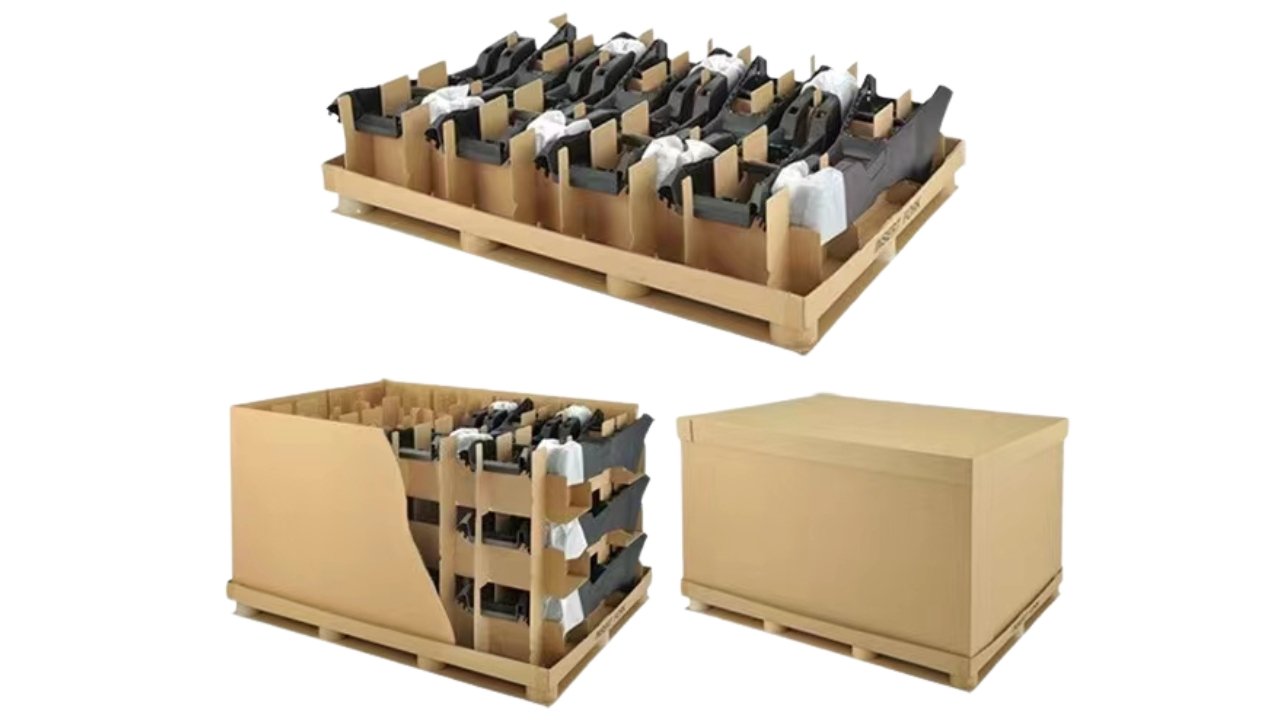
5) Top and Bottom Box + Paper Inner Lining + Paper Pallet
Eco-friendly protection is offered by top and bottom boxes with paper inner lining and paper pallet. This packaging is used to carry lightweight sheet metal components and is more efficient at enhancing recyclability of the packaging during shipping and warehouse handling processes.
Pros:
- Eco-friendly packaging minimizes environmental effects and waste.
- Lightweight structure reduces the cost of shipping and handling.
- Sustainability in packaging is supported by recyclable materials.
- Economical alternative to bulky wooden or plastic packaging.
- End of life packaging needs are made simple by easy disposal.
Cons:
- Small load capacity not suitable with very heavy components.
- Moisture sensitive, which means that it reduces protection in the wet conditions.
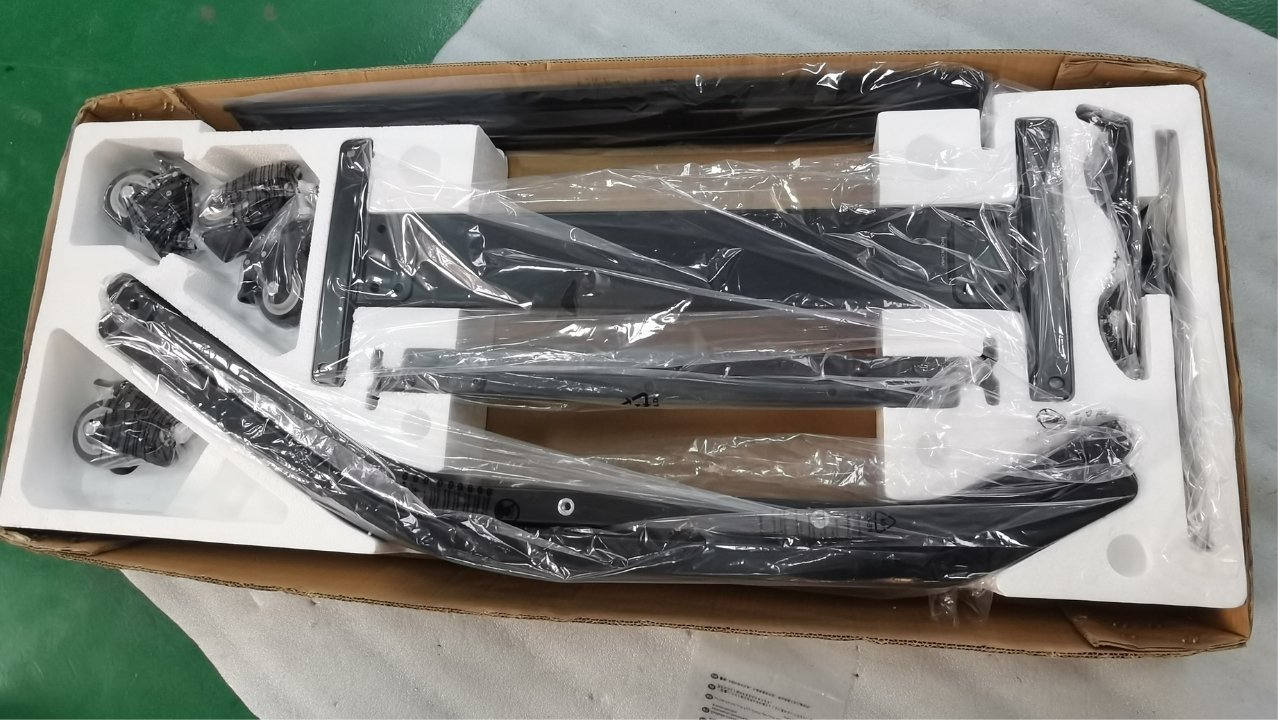
6) Foam + PE Film + Carton Box
PE film and carton boxes are used to cushion the sheet metal packaging components using foam. The packaging can absorb shocks, eliminate scratches, and offer light protection to shipments at domestic and export levels, ensuring that the product is not damaged during transportation and storage.
Pros:
- Outstanding shock absorption cushions components against unintentional damage.
- Light packaging saves the shipping fees and handling work.
- Efficiently prevents sheet metal parts surface scratches.
- Small and medium components cost-effective packaging solution.
- Easy packing process saves labor and time of operation.
Cons:
- Foam waste production is a source of environmental disposal issues.
- Not suitable with heavy or oversized components.
7) PE Film for Packing
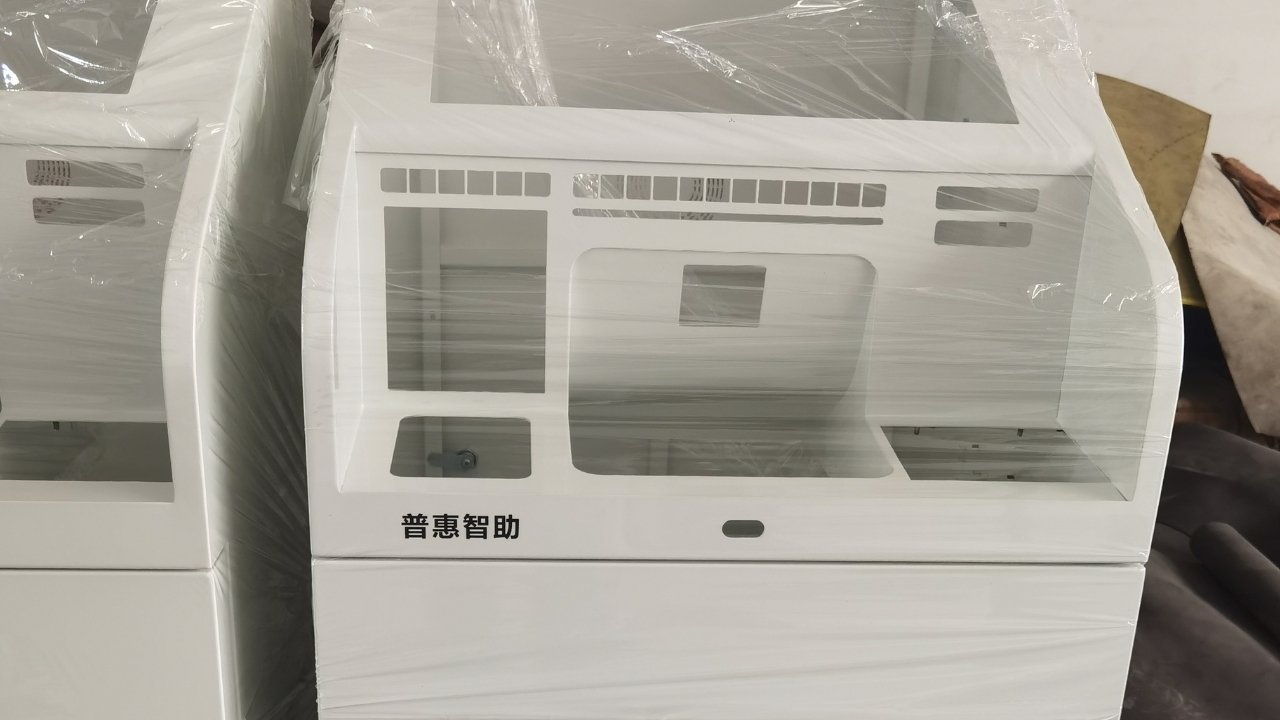
PE film wrapping is used to cover sheet metal parts to avoid dust and water. The packaging is simple protection, prevents surfaces, and aids in the economical packing of the goods that are to be transported over a short distance and stored temporarily.
Pros:
- Low-cost solution for basic packaging requirements efficiently.
- Light wrapping saves on shipping and handling costs.
- Coats parts to prevent exposure to dust and small amounts of moisture.
- Quick packaging saves labour time and effort.
- Applicable to bulk products that require temporary protection cover.
Cons:
- Poor protection of delicate or fine sheet metal components.
- Not applicable to heavy or sharp-edged fabricated parts.
8) Wooden Packaging
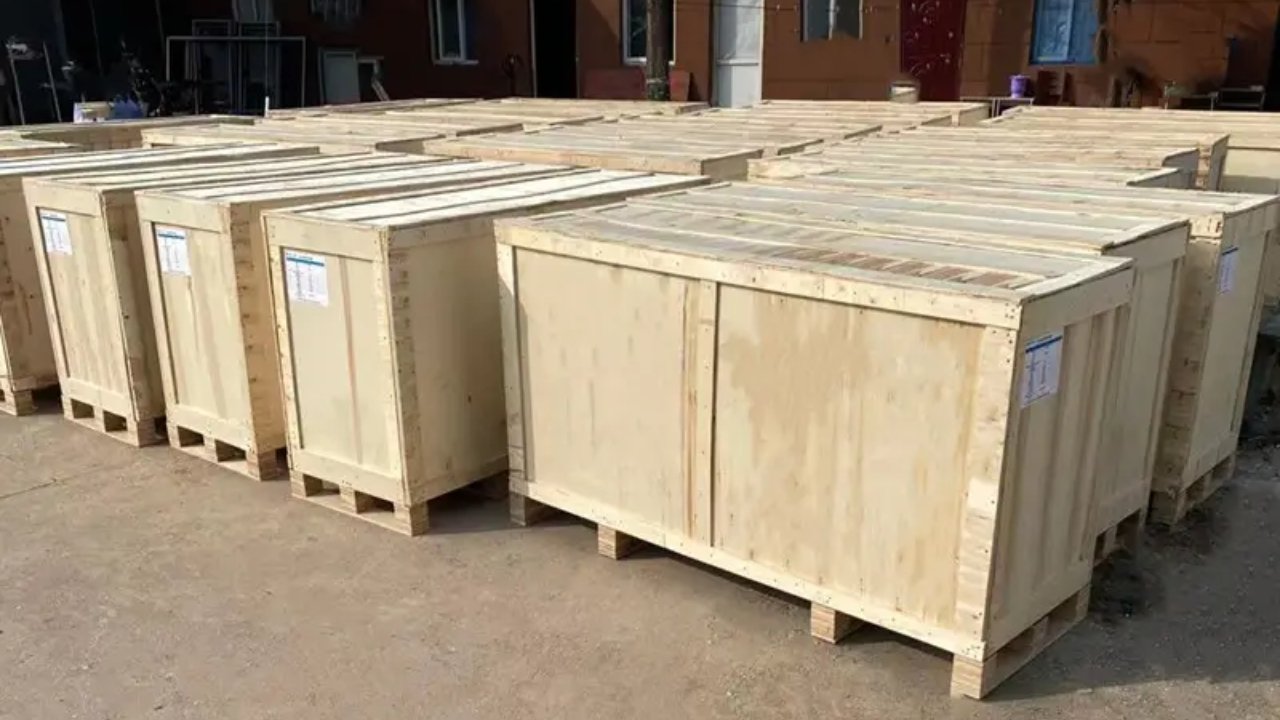
During exportation, heavy sheet metal parts are packed in wooden packaging crates. The sheet metal packaging in this way offers good structural protection, stacking, and impact resistance in case of being handled and transported over long distances under harsh environmental conditions.
Pros:
- Strong durable crates: these are used to protect heavy sheet metal components.
- Superior cushioning against shipping and storage effects.
- Ideal When heavy parts need strong structural support.
- Appropriate to export transportation with safety of long-range transportation.
- Reusable packaging saves money through repeated shipping.
Cons:
- High packaging cost adds to the total logistics and handling cost.
- Light weight contributes much to manual handling challenge.
9) Bubble Bags for Packing
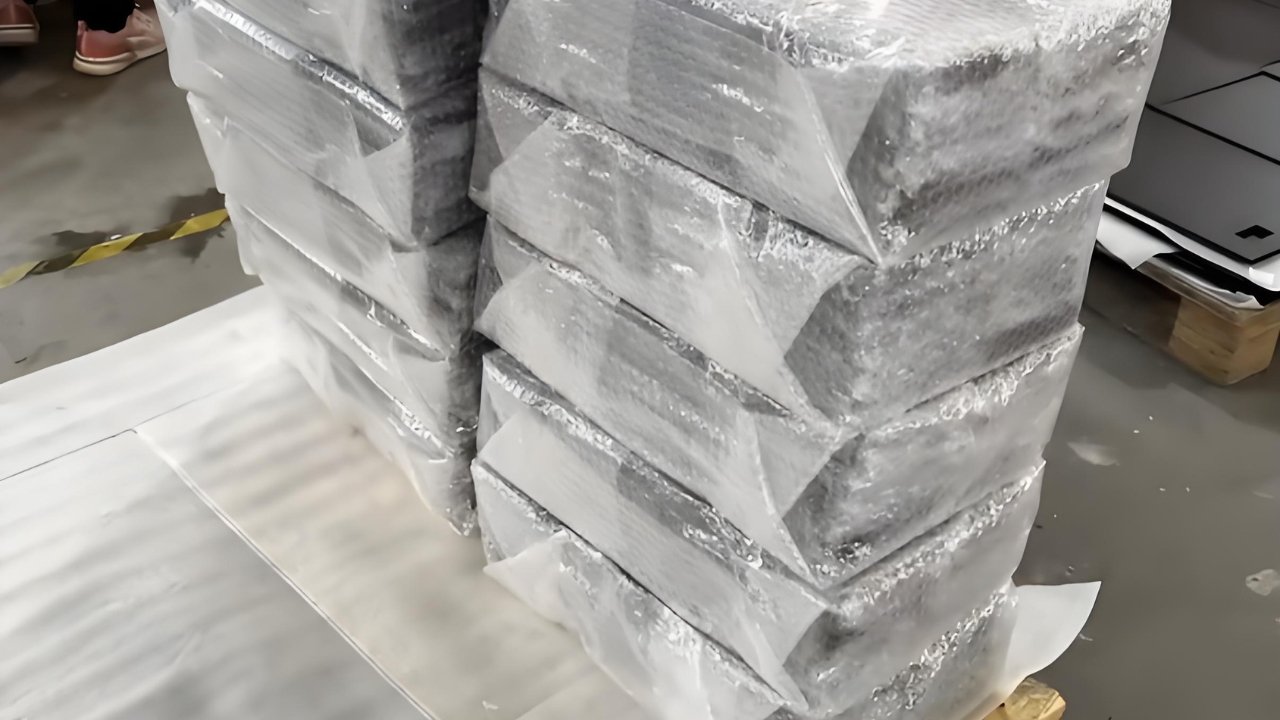
Bubble bags protect the sheet metal components and minimize the vibration damages. The packaging saves surfaces against scratches, offers lightweight protection, and enhances efficiency in packing during shipping of small and medium component sizes.
Pros:
- Lightweight cushioning: Components are not scratched or hit by small shocks.
- Affordable small and medium parts solution.
- Easy to use minimizes labor during packaging process.
- Offers protection at the surface without compromising on the finish.
- Perfect in temporary storage and short-haul transportation applications.
Cons:
- Little structural strength which is not suitable to heavy sheet metal.
- Not suitable with sharp or large components shipping.
10) EPE Foam Roll + PE Film
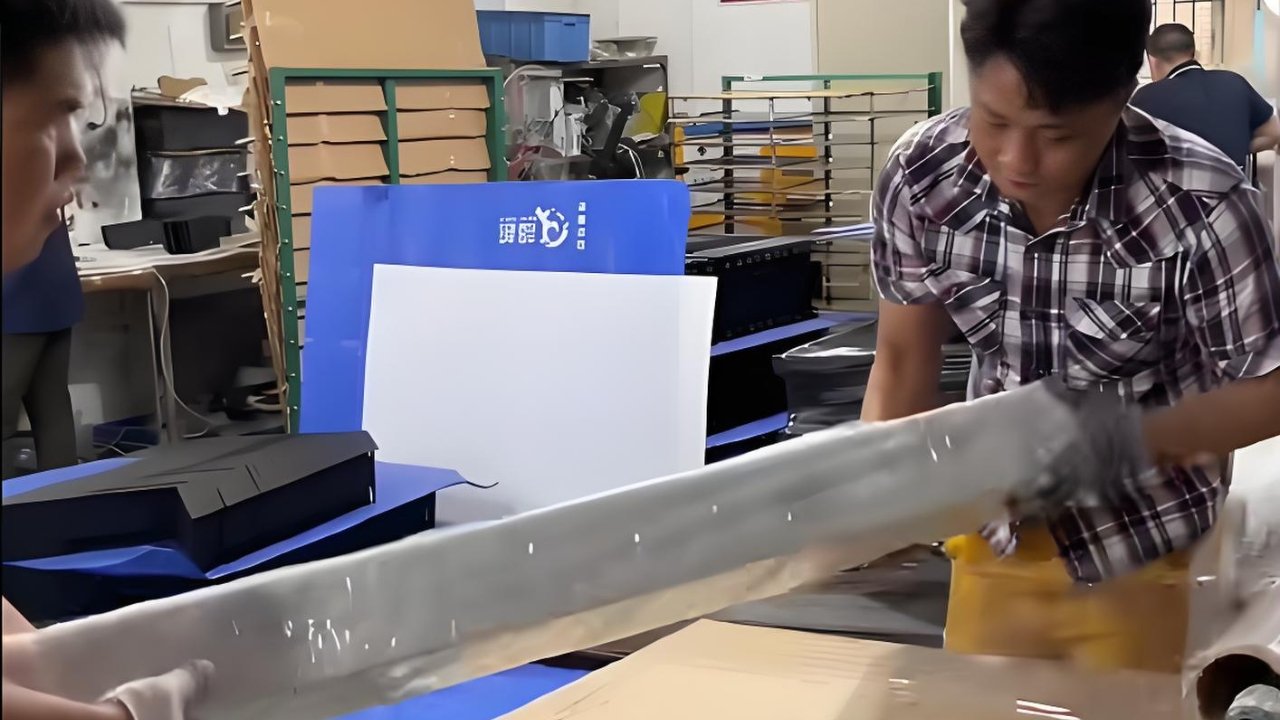
PE film wrap sheet metal parts are rolled by EPE foam. The advantages of sheet metal packaging in such way is that it helps avoid scratches, and offers a flexible protection of irregular shapes in the transportation, storage, and manipulation process without causing any harm.
Pros:
- Flexible packaging conforms to irregular shaped sheet metal components.
- Good cushioning is shock absorbing during transportation.
- Lightweight materials save on shipping expenses and handling workload.
- Easy wrapping is efficient in saving labor and time of operation.
- Fits well in the storage of fragile components.
Cons:
- The extra time spent on packing adds to the total labor required.
- Moderate protection, not suitable with very heavy parts.
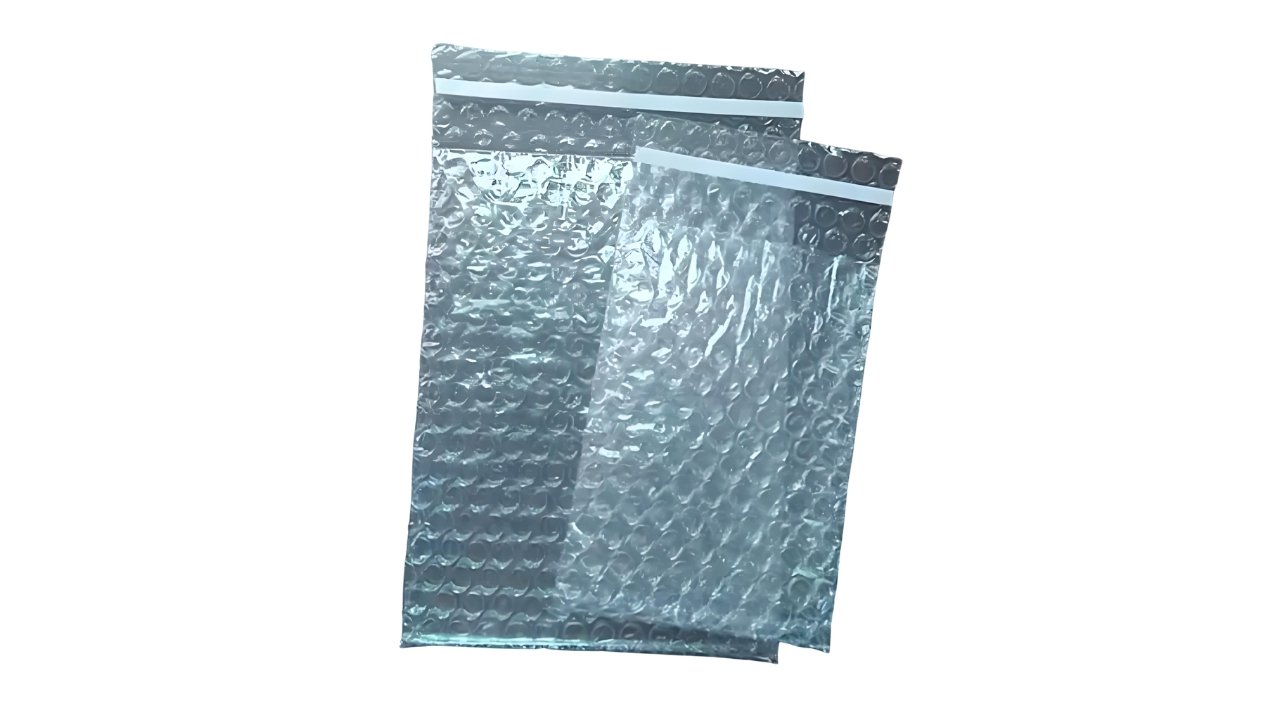
11) Ziplock Bubble Bag for Packing
Ziplock bubble bags are used to package sheet metal components and give cushioning. Such packaging safeguards surfaces, contamination, and enables easy opening and resealing during storage, inspection and reuse of the package in subsequent transportation cycles when needed.
Pros:
- Reusable packaging lowers total material waste and cost.
- Proper cushioning will eliminate scratches and surface damage.
- Dust protection keeps sheet metal parts clean effectively.
- Easy accessibility enables inspection and repeat opening with ease.
- Applicable to small components that need systematized packaging solutions.
Cons:
- Small size selections make bigger parts less flexible.
- Not applicable to heavy or oversized fabricated parts.
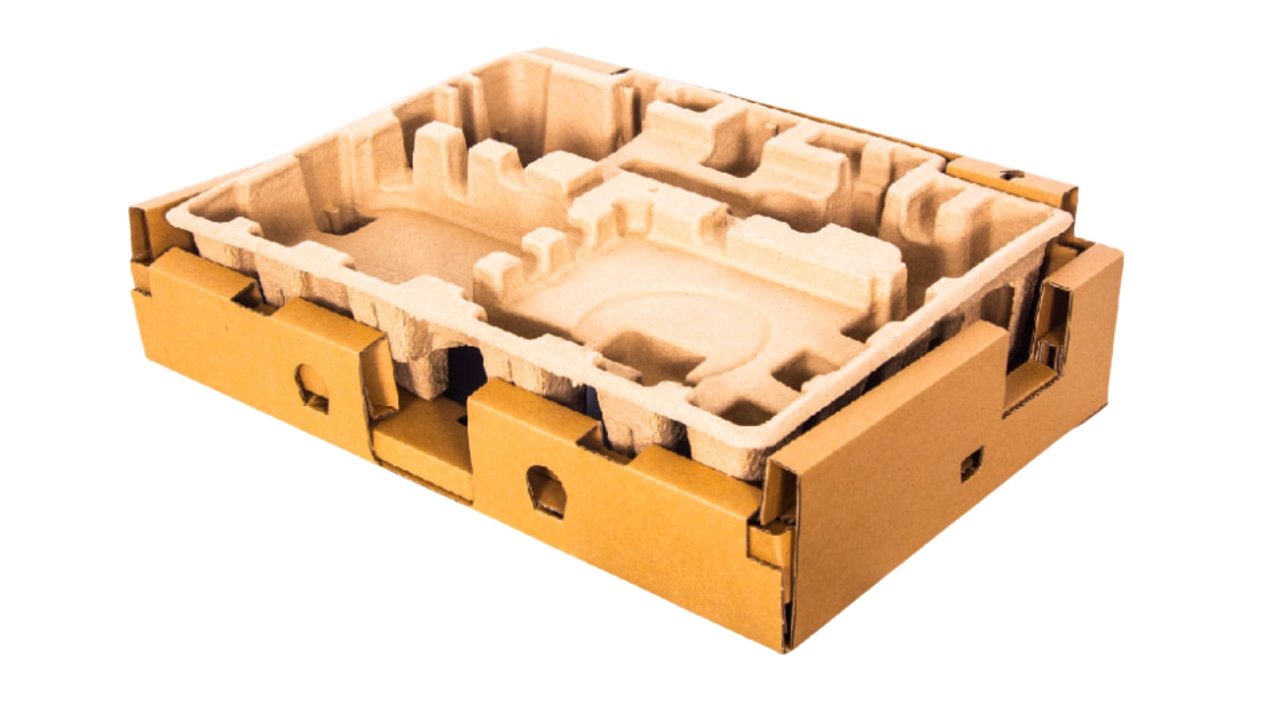
12) Molded Pulp Packaging
Molded pulp packaging develops sheet metal parts trays. This packaging offers environmentally friendly cushions, minimizes movement, and helps in recyclable protection during transportation, storage, and the need of manufacturers to have environmentally friendly packaging.
Pros:
- Eco-friendly packaging minimizes environmental effects and wastages.
- Custom-fit design helps small and irregular parts to be firmly held.
- Recyclable packaging is efficient with sustainable material practices.
- Good cushioning helps to prevent scratches and minor shocks on parts.
- Light packaging saves a lot on shipping and handling expenses.
Cons:
- Poor moisture resistance will decrease protection of sheet metal packaging parts in wet transportation.
- Initial packaging cost is high due to custom tooling that is necessary.
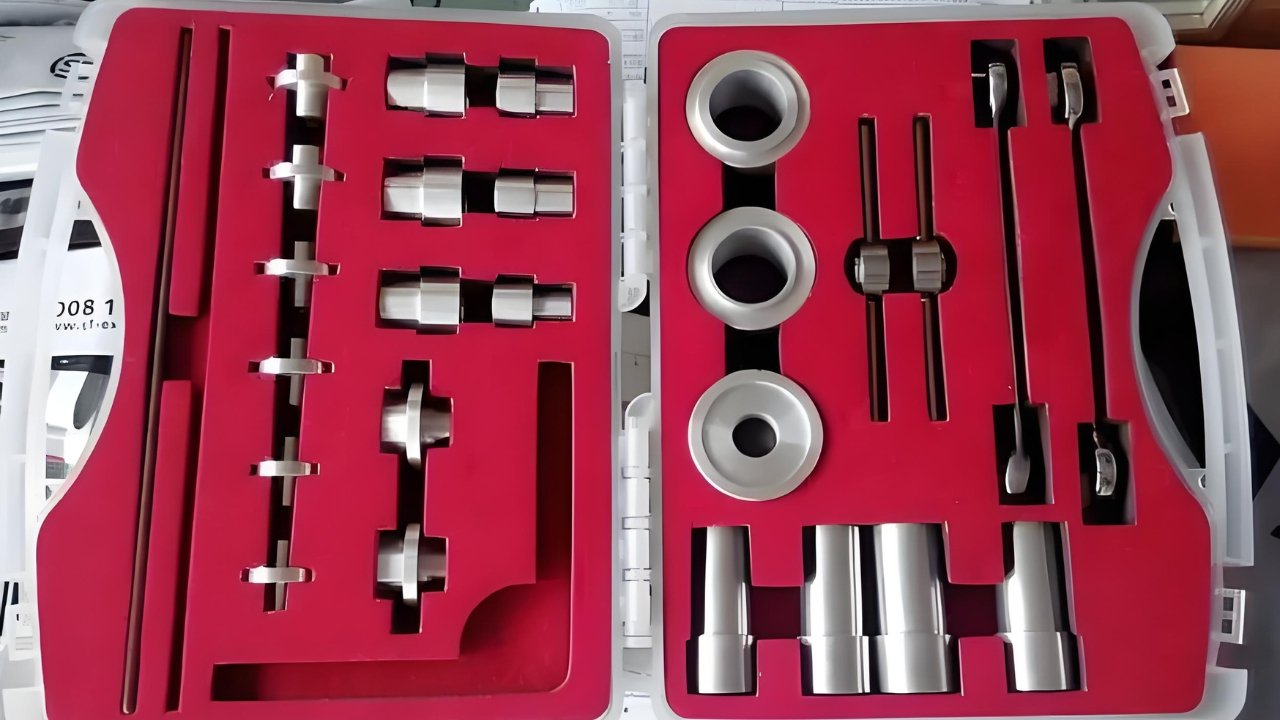
13) EVA Packaging
EVA foam inserts are used to secure sheet metal components. This packaging offers a high level of cushioning, eliminates scratches and allows reusable protection in transportation, storage and handling of precision parts and assemblies.
Pros:
- Good cushioning ensures the fragile sections are not affected by slight impact.
- Reusable packaging saves money on the shipping cycle.
- High-quality parts are packaged professionally.
- Precision-fit inserts have components that are fastened and cannot move.
- Durable material will provide long-term storage and shipping protection.
Cons:
- Increased price makes packaging costly in large quantities.
- Special tooling needs raise the time and material expenses of preparation.
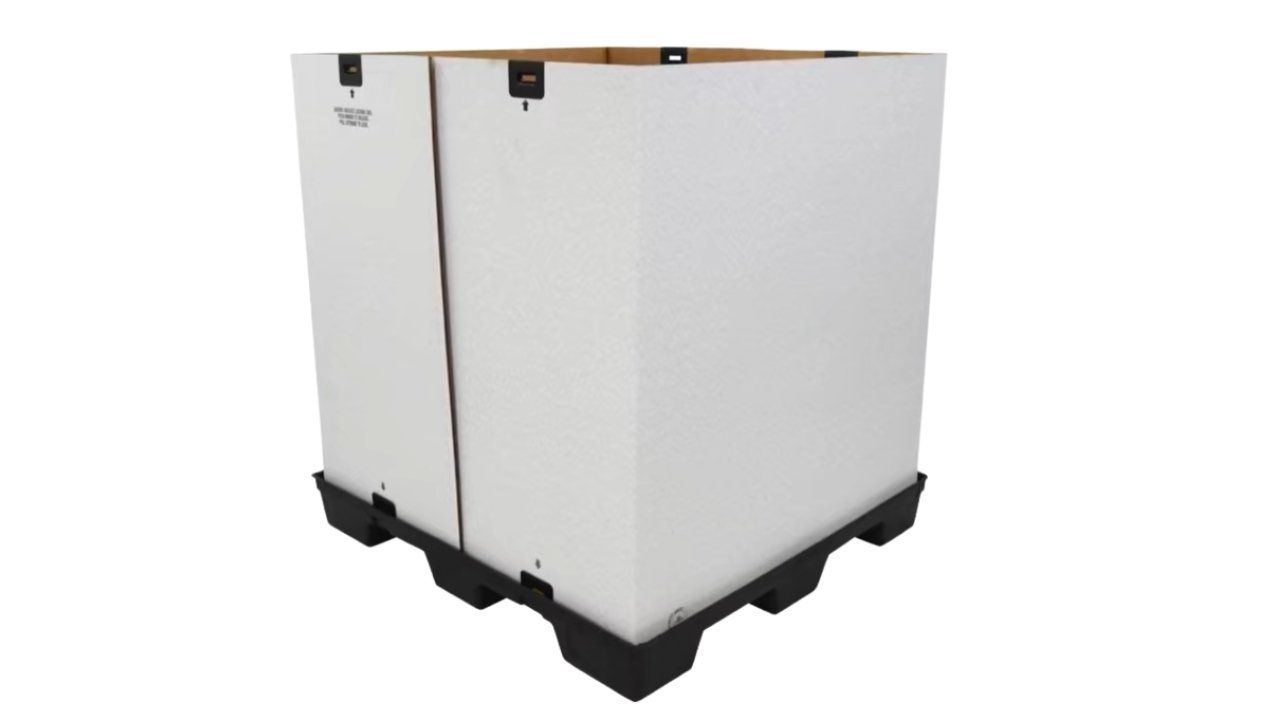
14) Plastic Pallet + Corrugated Side Panels
Sheet metal products are supported in plastic pallets with corrugated side panels. This type of sheet metal packaging enhances stability, stacking, and protection of constituents in the transportation process of warehouse handling and export shipping needs in logistics.
Pros:
- Reusable pallets minimize packaging wastes and environmental effects.
- Lightweight pallet: Lightweight pallet enhances shipping and manual handling.
- Good stacking strength promotes safety in storing and transporting warehouses.
- Parts that are exposed to humid or wet environments are covered by moisture resistant materials.
- The forklift handling is easy and this simplifies the operations of the warehouse and transportation.
Cons:
- Higher initial cost: The more expensive the initial cost, the more packaging budget is required.
- Needs storage space where pallets are not in operation.
Internal Packaging for Sheet Metal Fabricated Parts
1) EVA Foam (Ethylene-Vinyl Acetate foam)
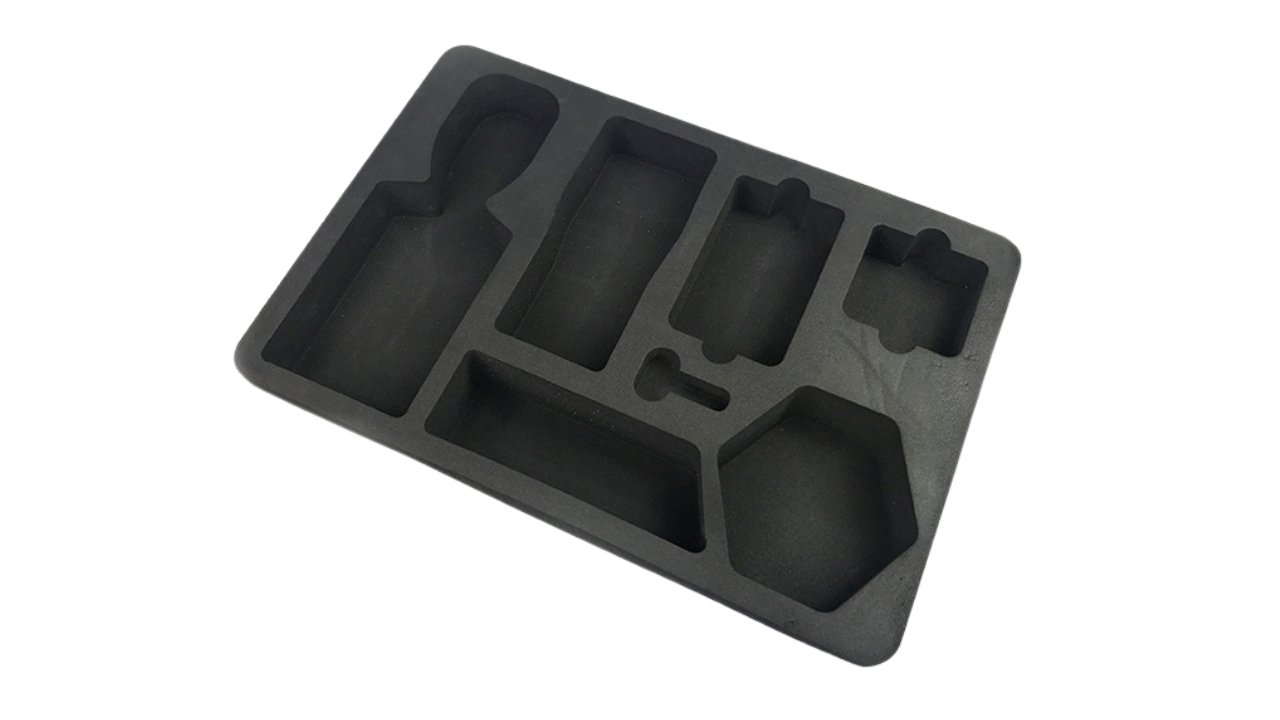
EVA (Ethylene Vinyl Acetate) foam is a lightweight and flexible material that is used for internal sheet metal packaging. It absorbs shocks, is resistant to chemicals and surfaces are not scratched, so the products are not damaged during transportation and storage. It is soft and cushions well, thus suitable to delicate or heavy components.
Pros:
- Good shock absorption can be used to protect delicate sheet metal surfaces.
- Lightweight material will save on general shipping and handling transportation costs.
- Waterproof, chemical-resistant, and moisture-resistant.
- The flexible structure fits the portions of different shapes perfectly.
- Simple to slice and redesign to fit a variety of packaging.
Cons:
- May compress permanently when subjected to heavy weight load during a long period.
- Not as friendly to the environment as biodegradable in disposal.
2) EPS Foam
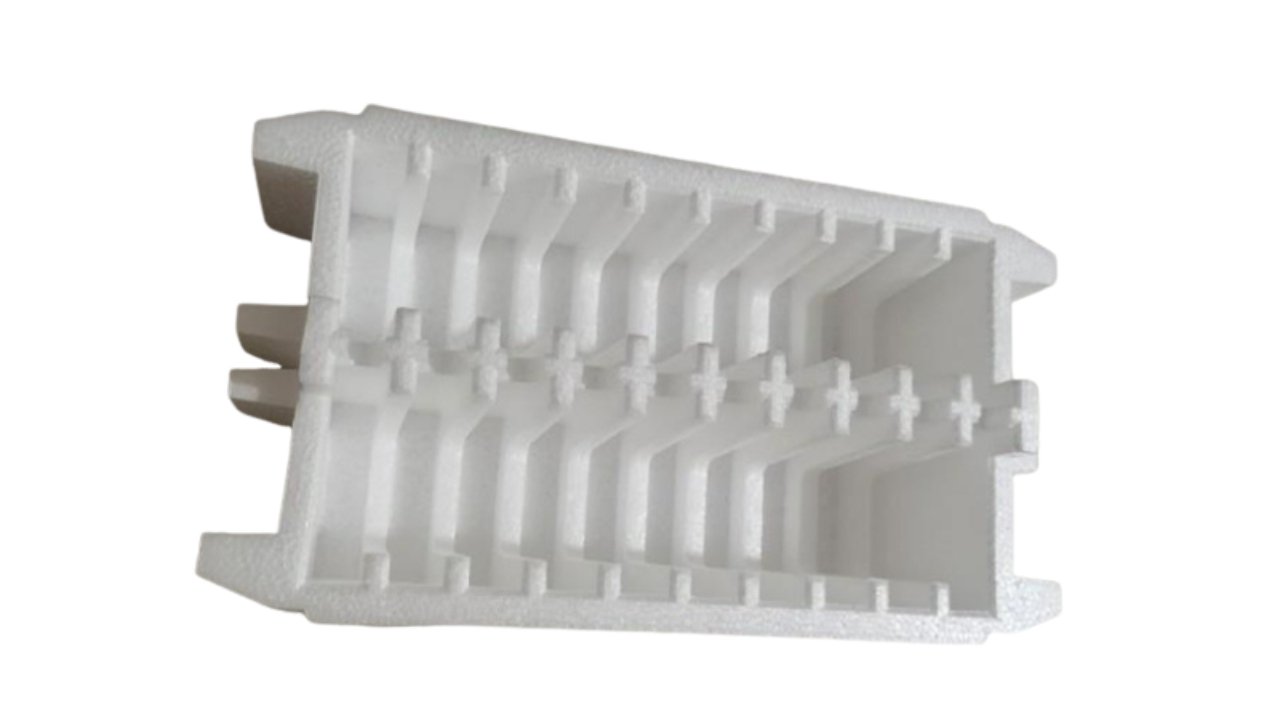
EPS (Expanded Polystyrene) foam is a lightweight rigid foam that is usually applied in packaging sheet metal. It offers thermal insulation, impact protection and dimensional stability. It is made of closed-cell beads which absorb shocks and vibrations, reducing the amount of surface damage and keeping components secure during shipping and storage.
Pros:
- Higher impact protection of delicate or sharp metal parts.
- Lightweight design: Lightweight metal packaging design reduces transportation and total shipping costs.
- Waterproof and resistant to water, which prevents corrosion of metals.
- Can be easily shaped into various shapes and sizes.
- Economical material that can be used in the high-volume packaging needs at all times.
Cons:
- Non-biodegradable substance poses environmental disposal challenges across the world.
- Break easily when exposed to extreme coldness, leading to possible fracture during transportation.
3) EPE Foam
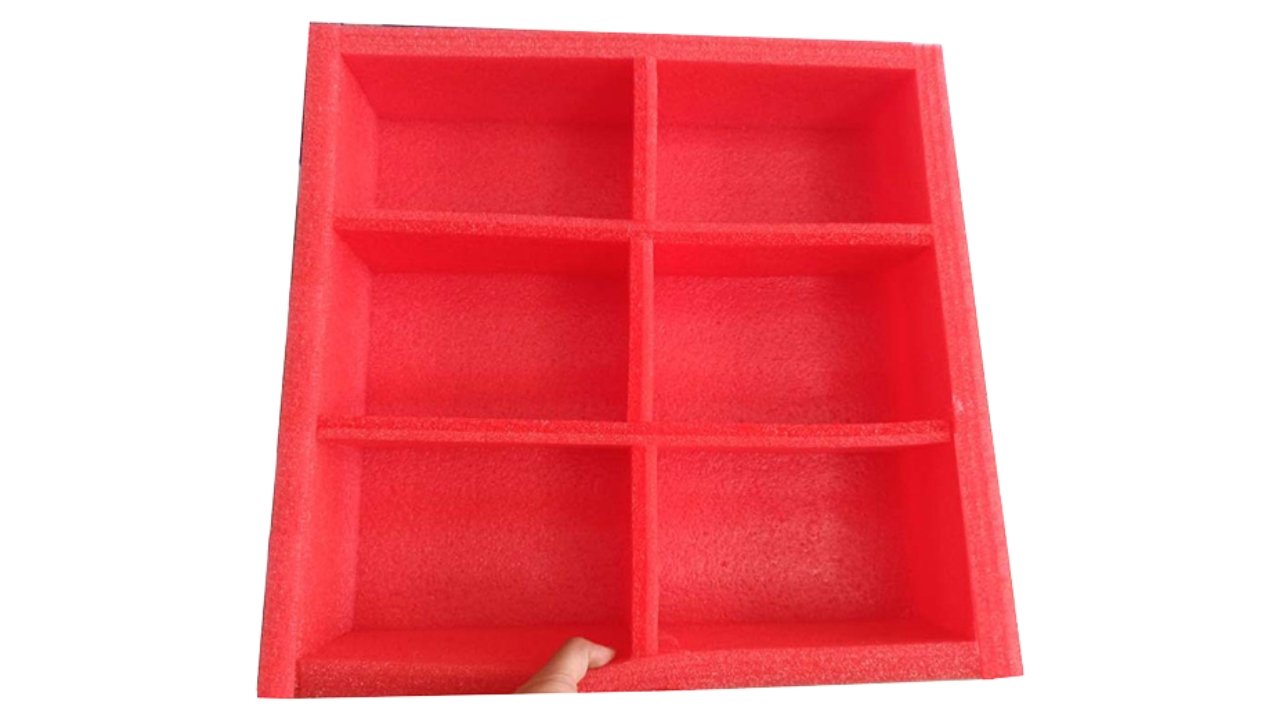
EPE (Expanded Polyethylene) foam is pliable, soft, and resilient and is perfect in cushioning sheet metal parts. Its closed-cell construction is shock and vibration absorbing, moisture and chemical resistant. EPE foam used in sheet metal packaging is reusable and lightweight, which avoids scratches and deforming, and this makes it common in industrial and consumer packaging of delicate parts that need to be handled safely.
Pros:
- Soft foam gives high absorption of shocks during transit in a safe manner.
- Lightweight construction saves shipping and effort in handling labor.
- Reusable material helps to sustain in various packaging cycles effectively.
- Waterproof, chemically and moisture resistant.
- Flexible foam will conform to irregular shapes or surfaces.
Cons:
- Vulcanized to the build up of statical electricity on sensitive electronics.
- Flexible, not necessarily able to support very heavy metal components.
4) EPP Foam
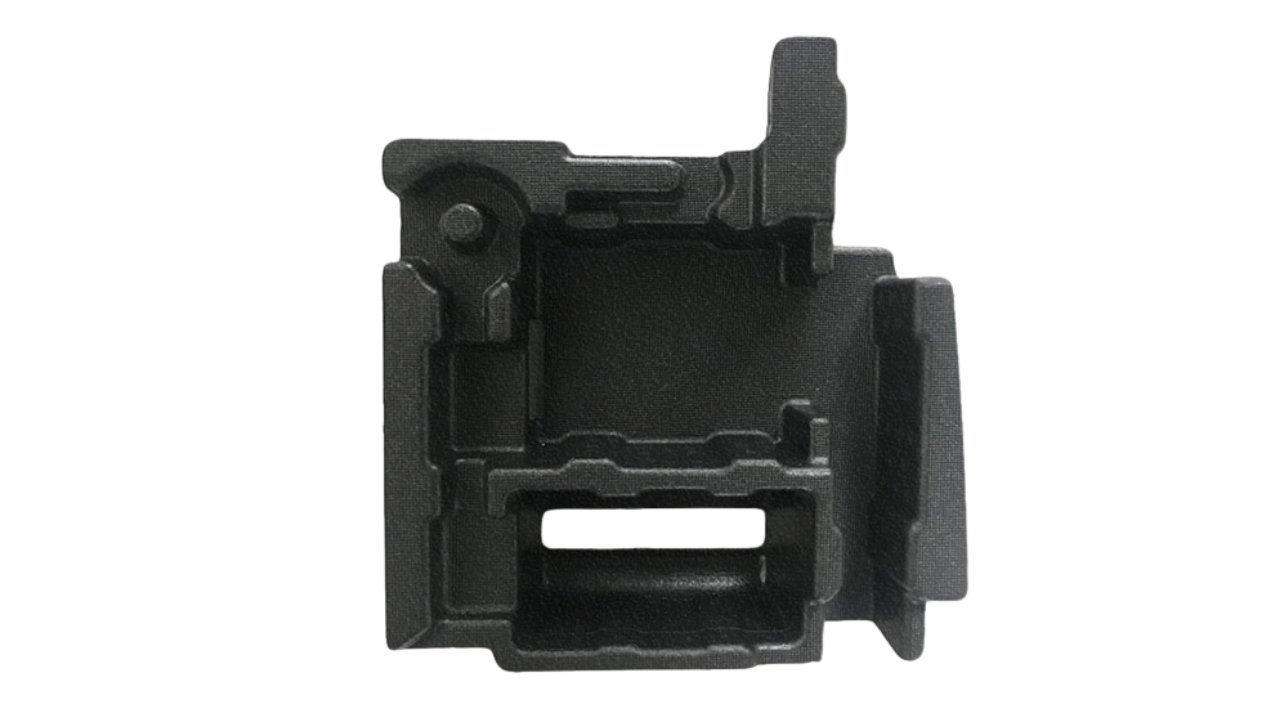
EPP (Expanded Polypropylene) foam is a very lightweight material that has excellent energy absorption and is highly durable. It has a closed-cell structure which can be compressed repeatedly without deformation hence it is suitable in internal packaging of sheet metal. EPP has a high resistance to chemicals, moisture and heat, which offers long term protection and low environmental effects because of recyclability.
Pros:
- Excellent compression and deformation resistance can be compressed and deformed repeatedly.
- Lightweight construction saves transportation cost and weight during shipping.
- Outstanding chemical and moisture protection guarantees the long-term protection of components.
- Soft but tough foam is easily shaped into different parts.
- Environmentally friendly packaging is facilitated by the use of recyclable material.
Cons:
- Increased cost of material than standard EPE or EPS foam.
- The complexity of manufacturing might restrict customization on complex shapes in a short time.
5) PET Blister Inner Lining
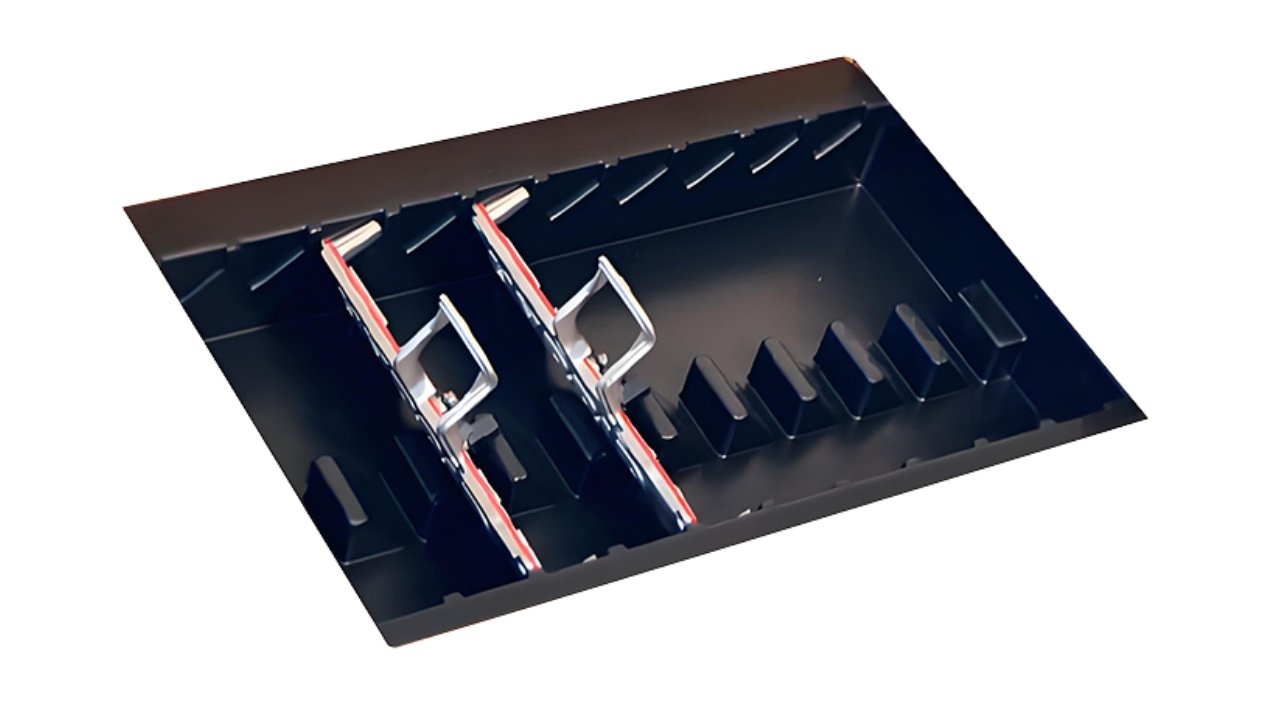
PET (Polyethylene Terephthalate) blister liners are transparent, rigid sheets that are applied to cushion and display sheet metal parts. They offer structural reinforcement, scratch protection and hold position of products in packaging. PET is highly transparent, chemically resistant, and durable and is therefore suitable in retail-ready and protective sheet metal packaging.
Pros:
- Clear material can be visibly checked without part removal in a safe manner.
- Rigid structure- This does not allow the vulnerable sheet metal parts to deform.
- Chemical resistant surface prevents corrosion or reaction of parts.
- Lightweight sheets: Lightweight sheets lower the total weight of packaging and shipping.
- Easily thermoformable to various shapes to ensure protection.
Cons:
- Non-biodegradable, which poses a problem of environmental disposal upon use.
- Brittle under heavy impact with possible cracking during transportation.
6) HDPE Bubble Wrap
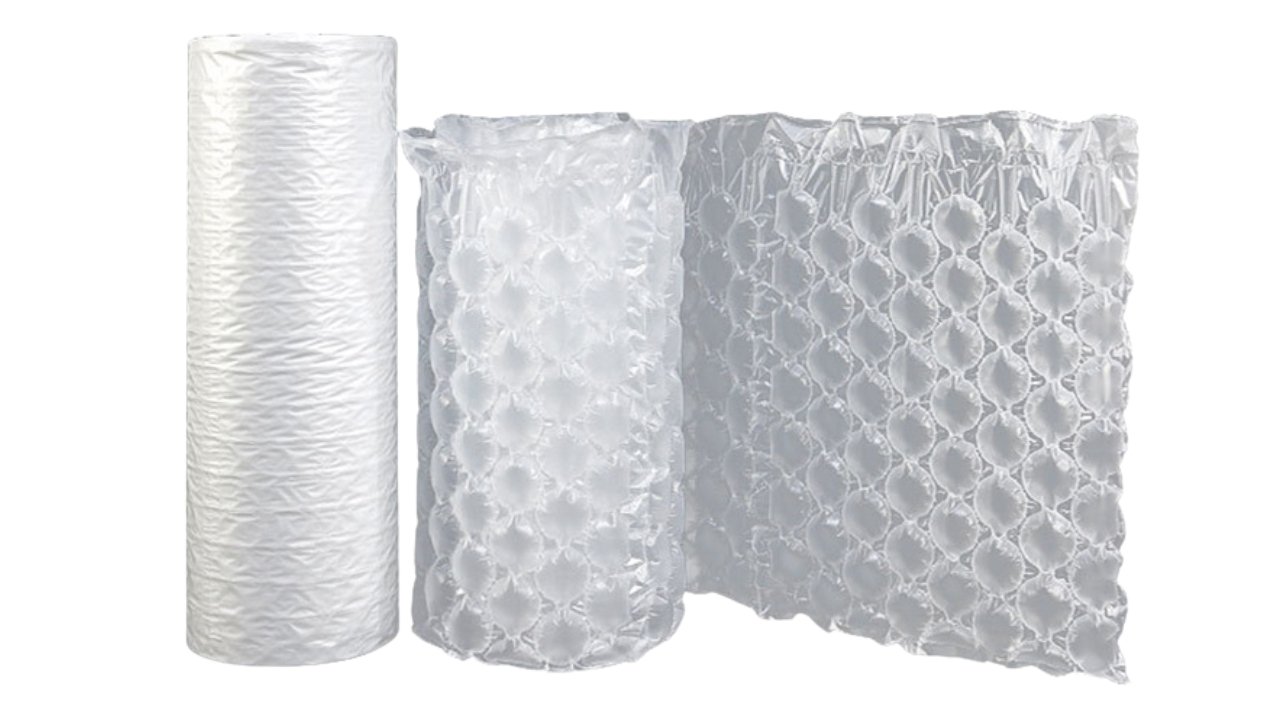
HDPE (High-Density Polyethylene) bubble wrap is made of airfilled pockets on a tough sheet of polyethylene. It protects sheet metal components against shock, vibration and scratches. Bubble wrap made of HDPE can be used to protect temporarily, ship, and store goods, and is lightweight, flexible, and waterproof, which reduces the chances of surface damage.
Pros:
- Air pockets are shock absorbing during transportation and are safe.
- Lightweight wrap helps to decrease the packaging weight and shipping cost.
- Flexible sheet can easily conform to irregular shapes and surfaces of components.
- Moisture and water resistant, which ensures rust or corrosion resistance.
- Readily available and affordable for bulk packaging requirements efficiently.
Cons:
- Non-biodegradable, which leads to environmental pollution after disposal.
- Punctured bubbles: bubbles that are punctured will lessen protective cushioning in transit.
7) PE+PA Inflatable Air Pillows
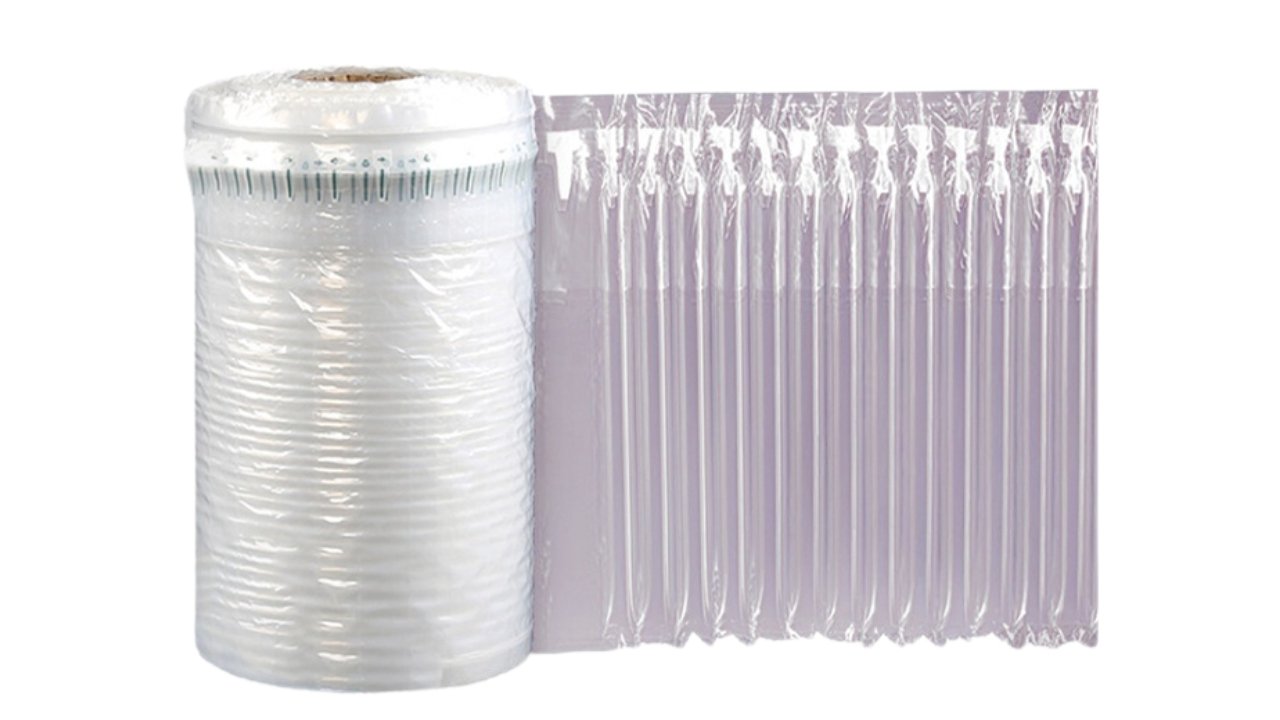
PE+PA (Polyethylene + Polyamide) inflatable air cushions are lightweight, tough sheet metal packaging cushions. These pillows cushion blows and do not slide around during transportation. They are resistant to punctures, reusable and shapeable to products. Inflatable design occupies less space in storage and less wastage as compared to traditional foams.
Pros:
- Inflatable design works well with bulk packaging because it does not occupy much space.
- High-grade puncture-resistant construction safely secures metal parts during shipping.
- Lightweight material reduces transportation expense and labor handling work.
- Conforms to irregular shapes for secure product cushioning effectively.
- Reusable pillows lower the environmental impact and waste production on a regular basis.
Cons:
- Needs inflation equipments to carry out big packaging tasks appropriately.
- Can be punctured and deflated, which seriously reduces protection during shipment.
8) Molded Pulp
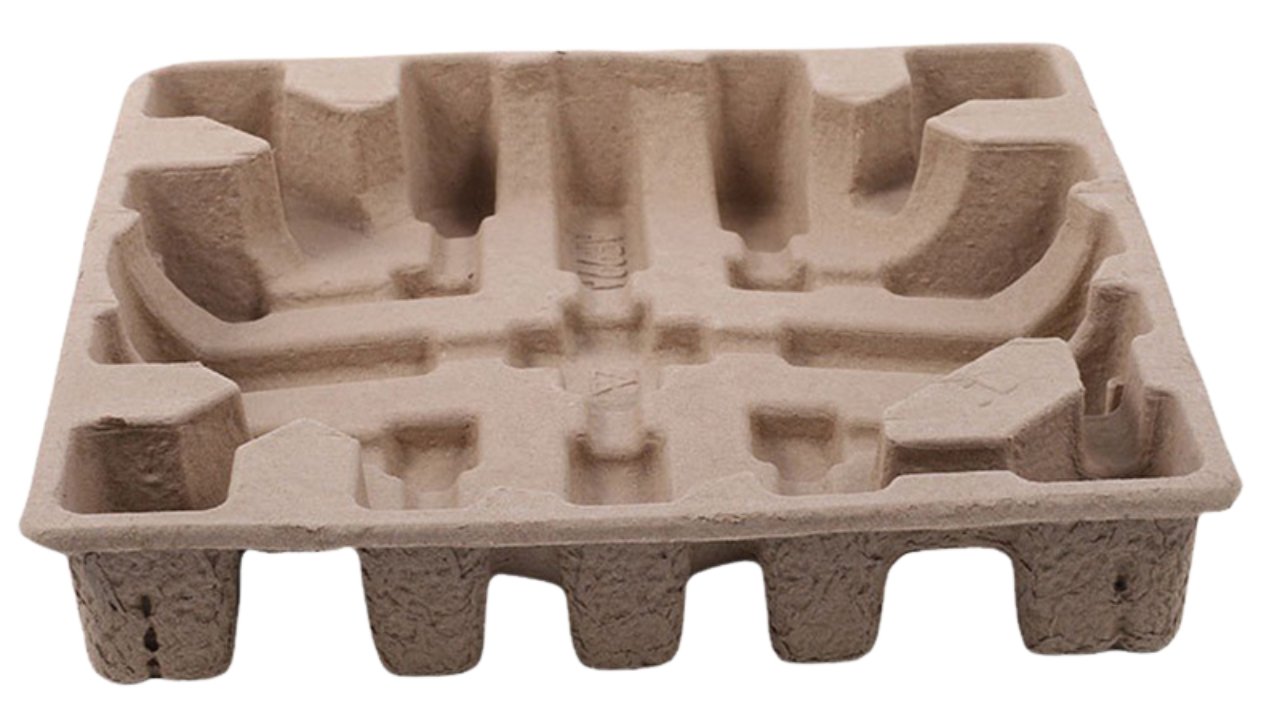
Molded pulp is a greener packaging product that is made of recycled paper. It is also shaped to suit sheet metal components, providing cushioning, shock absorption, and surface protection. Molded pulp is recyclable, lightweight, and biodegradable, which makes it a great sustainable option in terms of protective packaging with limited effect on the environment.
Pros:
- Sustainable packaging and environmental friendly material.
- Custom-molded shape- Transports sheet metal parts firmly.
- Lightweight design will minimize shipping and transportation energy needs.
- Shock absorbing pulp is used to protect delicate or fragile parts.
- Can be recycled once used and this means that there is less disposal problems in the environment.
Cons:
- Less waterproof, they need more protection to keep moisture out of components.
- Breaks when subjected to heavy weight during handling or shipping.
9) Honeycomb Packing Paper
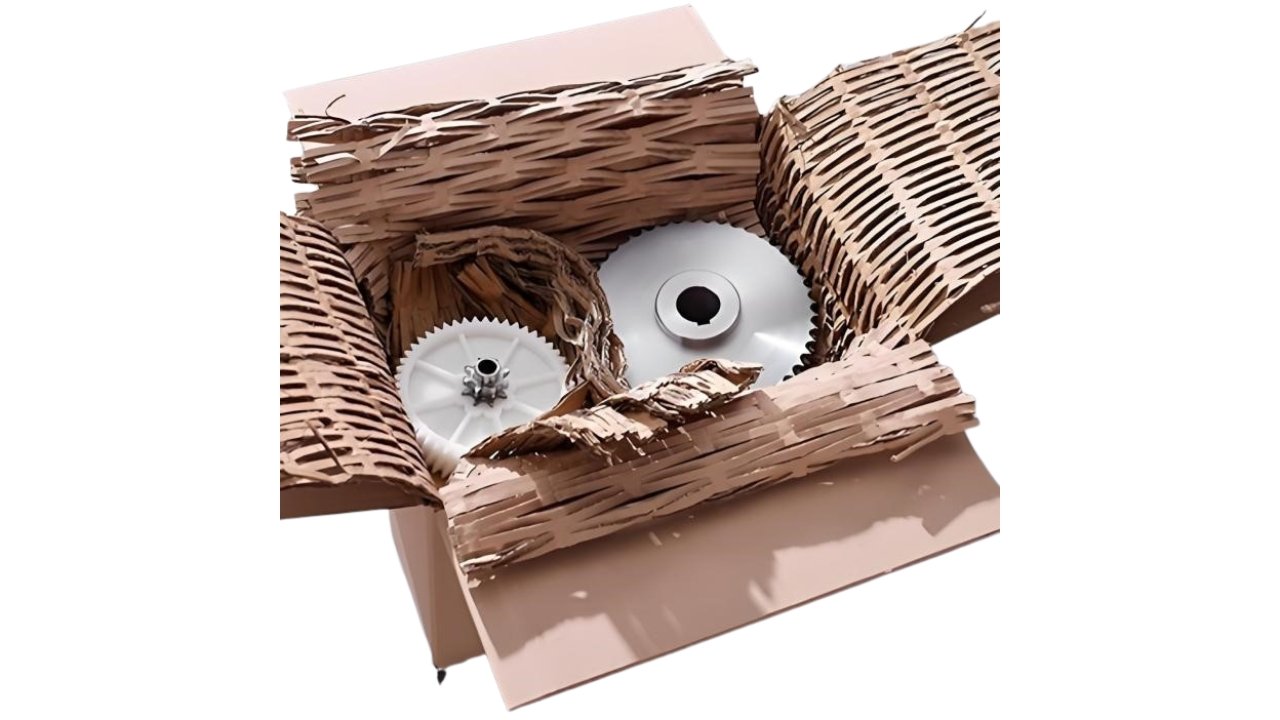
Honeycomb packing paper is a hexagonal structure of paper-based protective material. It offers cushioning, compression resistance and surface protection of sheet metal packaging components. It is lightweight and can be recycled, it takes in shocks and avoids scratches, which makes it the choice of eco-friendly packaging and sustainable shipping options.
Pros:
- Honeycomb structure: Honeycomb structure is an effective distribution of pressure across packed components.
- Lightweight material reduces shipping weight and transportation expenses.
- Sustainable packaging using recyclable paper is environmentally friendly.
- Outstanding cushioning ensures protection of metal components against shocks and scratches.
- Flexible design enables wrapping of oddly shaped products easily.
Cons:
- Not applicable in damp or liquid sensitive product protection.
- Low longevity against heavy weight or compression forces.
10) XPE Foam
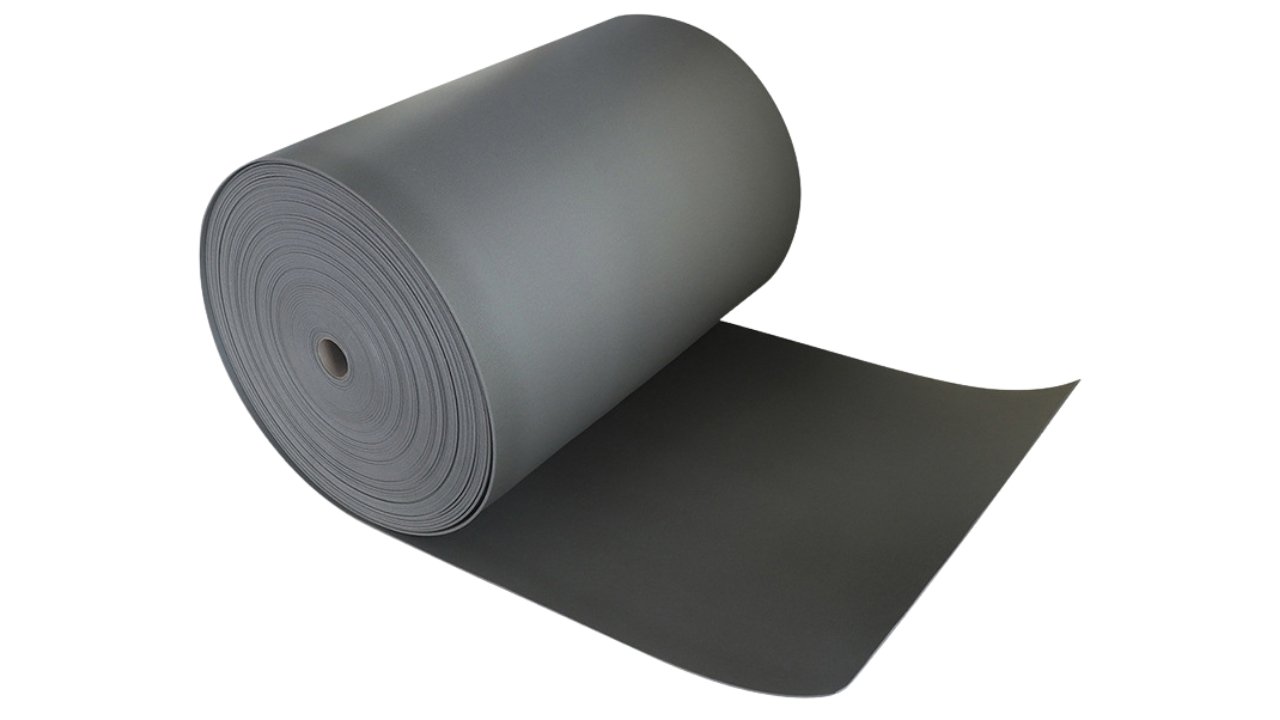
XPE (Cross-Linked Polyethylene) foam is a lightweight, resilient, and closed-cell foam, which is best used as internal packaging. It offers better shock absorbing, waterproofing and thermal insulation to sheet metal components. XPE is very strong and resistant to various chemicals which has contributed to its high level of protection when it needs to be handled frequently or stored over a long period of time.
Pros:
- Closed-cell construction offers an excellent shock absorption during transit without being unsafe.
- Water, chemical and corrosion resistant to protect the components.
- Lightweight foam is efficient in reducing packaging weight and shipping cost.
- Long-lasting material can withstand a frequent compression and handling during storage.
- Flexible design easily and securely adapts to irregular shaped components.
Cons:
- A little more expensive than ordinary EPE or EPS foam.
- Less biodegradable, which adds to the environmental problems after disposal.
11) Paper Void Fill
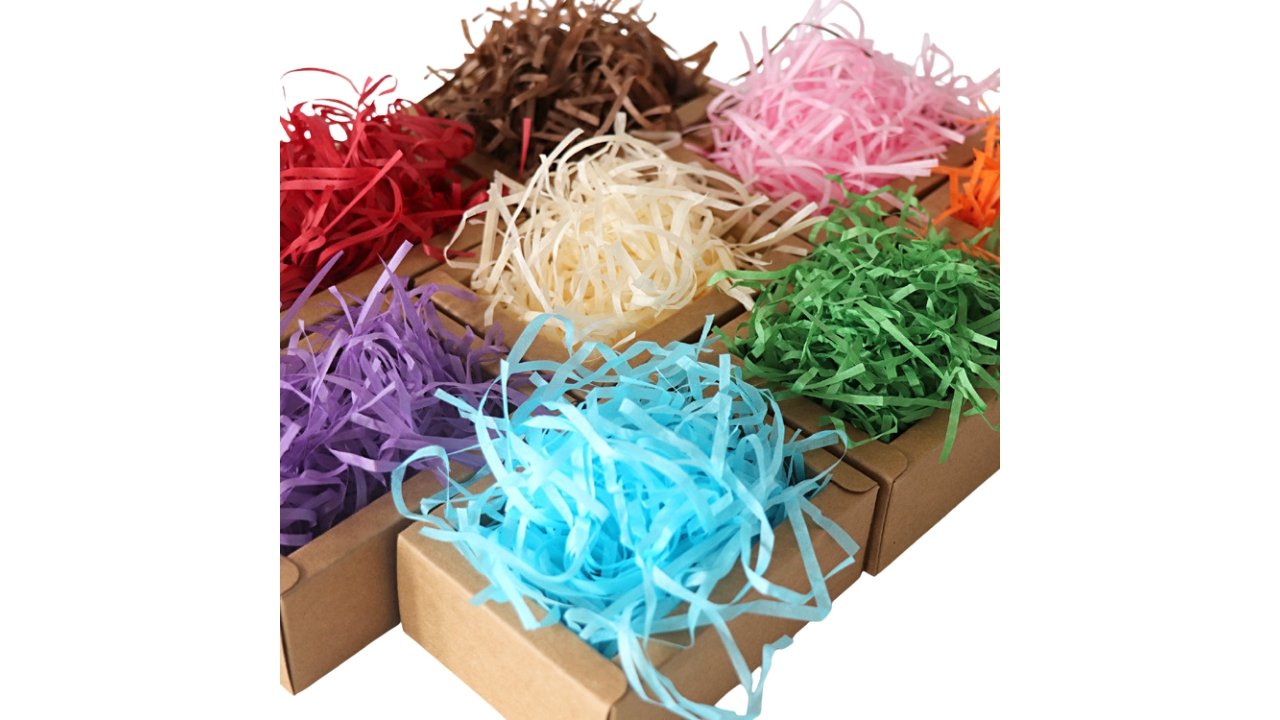
Paper void fill is a shredded or crumpled paper that is utilized to fill in a packaging void. It also inhibits movement, protection of sheet metal parts and minimized surface damage during shipping. It is lightweight, recyclable, and biodegradable, providing an environmentally-friendly option to plastics in terms of internal sheet metal packaging and holding delicate parts.
Pros:
- Recyclable and biodegradable to provide packaging solutions that are ecologically friendly.
- Seals in empty space to avoid the movement of parts during transportation.
- Lightweight material will result in a lower total packaging weight and shipping expenses.
- Protects delicate parts against shocks and surface damage.
- Ready and convenient to package due to its easy handling.
Cons:
- Poor shock absorption when compared to foam or air pillow products.
- May get messy or compressed in the course of long-term storage transportation.
Labeling Sheet Metal Parts
In identifying sheet metal components, select techniques such as laser, screen printing or electrochemical marking. You may add traceability numbers, branding and easy-to-follow assembly instructions to ease the use. Make sure that your labels are in accordance with the local laws to prevent problems with distribution. In the case of knocked-down kits, label every part to simplify the process of assembly and to control inventory effectively. Labeling is used to ensure that you can track the parts, minimize the mistakes, and uphold professionalism in the processes of production and delivery.
Why Masion is Best for Metal Parts and Packaging?
Masion is distinguished by the production of custom sheet metal parts, sheet metal packaging, and the entire product solution with the help of the latest automation and experience. It has more than 17 years experience, a 30,000 square meter facility and 400+ employees thus high precision and large scale production. The team assists in the review of design, DFM optimization and process selection, such as laser cutting, bending, stamping and welding. Masion provides quality assurance, efficient production and consistency in its prototyping to final assembly and packaging.
Conclusion
The sheet metal packaging involves high standards of protection/cost/logistics efficiency at each level. You are to match materials and methods to product design, shipping mode and risks in product handling. Testing and validation are done to confirm that your packaging works in real-life situations. Working with specialists such as SheetMetalMasion will guide you to perfect designs, enhance durability and simplify operations. By doing it right, you will be able to minimize the damage, manage the costs, and achieve the same quality of domestic and international shipment in 2026.