Custom Sheet Metal Frames – The Complete Beginner’s Guide in 2026
What Are Sheet Metal Frames?
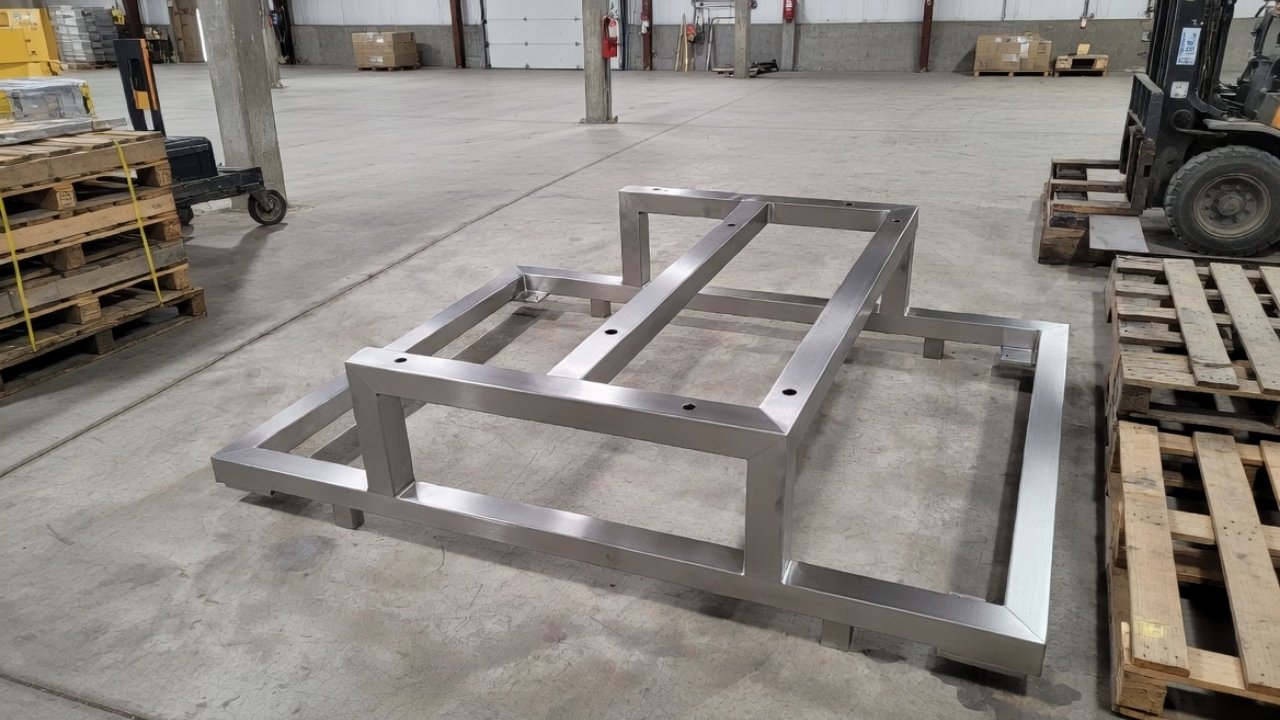
Sheets metal frames are the types of structures that are made out of thin sheets of metal to hold or cover components. You make them by cutting, bending and joining parts into specific shapes. It is done to make sure that the process is accurate, repeatable and the material is used efficiently. Structural frames are used to support loads and create strength whereas non-structural frames are used to support or protect. You enjoy a light but powerful structure that is well balanced in terms of cost and durability. Simple materials comprise surfaces panels, connection brackets, reinforcements to increase strength, and attachment points to fix components and make them fixed and stable to assemble.
Key Characteristics of Sheet Metal Frames
- High Strength-to-Weight Ratio: High strength-to-weight ratio lets you build rigid frames without excessive mass. You get structural stability and use of less material. This reduces transport loads and enhances handling in a wide range of contemporary applications.
- Design Flexibility: Design flexibility allows you to customize shapes, sizes, and features for diverse needs. Frames can be adapted fast, and prototyping, modification and complicated geometries can be supported without hurting overall performance or manufacturability.
- Cost Efficiency: Cost efficiency results from optimized material usage and streamlined fabrication processes. You save on wastage and man-hours and attain uniform production. This assists in regulating budgets sustain quality in production cycles.
- Precision Manufacturing Capability: Precision manufacturing ensures tight tolerances and accurate dimensions in every frame. You enjoy standardized operations, sophisticated equipment, and stable assembly. These enhance product compatibility, consistency and functional performance.
- Durability and Long Service Life: Durability and service life make sheet metal frames suitable for demanding environments. You acquire resistance against corrosion, wear and deformation, which make sure of dependable work. This minimizes maintenance during usage.
- Easy Integration with Other Components: Easy integration with other components simplifies assembly and system compatibility. Fasteners, brackets and enclosures can be integrated without any disruption, making the installation efficient. This makes multi-part designs and contemporary applications less complex.
Common Sheet Metal Frame Materials and Their Properties
Material | Common Grades | Strength | Weight | Corrosion Resistance | Cost | Typical Applications |
Carbon Steel | A36, A572 | High | Heavy | Moderate | Low | Industrial frames |
Stainless Steel | 304, 316 | High | Heavy | Excellent | High | Medical, food equipment |
Aluminum | 5052, 6061 | Medium | Light | Good | Medium | Electronics, aerospace |
Galvanized Steel | SGCC, G90 | High | Heavy | Excellent | Medium | Outdoor structures |
Copper | C11000 | Medium | Heavy | Excellent | High | Electrical enclosures |
Brass | C26000 | Medium | Medium | Good | High | Decorative frames |
Material Selection Criteria
Strength Requirements
Strength requirements determine the influence of loads and stresses on material performance. Tensile, compressive, and fatigue limits are checked and appropriate alternatives are chosen. Adequate strength guarantees longevity and avoidance of sudden structural breakdowns.
Weight Considerations
The weight factor affects the efficiency, transportation expenses, and general product functionality. You strike the balance between lightweight materials and the necessary strength to ensure no performance is compromised. Less weight enhances handling, and it consumes less energy in general.
Corrosion Resistance
Corrosion resistance is used to define how materials are resistant to moisture, chemicals and reactions. You consider finishes or metals to augment security in settings. Good resistance also increases life and lowers the maintenance and replacement costs.
Cost Considerations
The cost factor influences the material selection in procurement, processing and cost. You equate the price with long term value to make sure that it is efficient. Balanced cost decisions help to avoid excessive spending and ensure the necessary quality performance.
Environmental Exposure
Environmental exposure encompasses extremes of temperatures, humidity, UV radiation and contact. You study conditions in order to choose materials that are well-stable. The appropriate selection reduces degradation, and therefore, promotes a safe, reliable and service life.
Manufacturing Compatibility
Compatibility in manufacturing is the ability of the materials to match with processes machining, welding, or forming. You think about tool wear, speed of production, tolerances when making. Similar materials make the manufacturing process easier, eliminate errors, and enhance efficiency in manufacturing.
Surface Finishing Options for Sheet Metal Frames
Surface finishing improves sheet metal frames in function and appearance. Coatings are used to protect against corrosion and increase service life. Color is added with powder coating and anodizing to make it more appealing to the eyes. You decide to plate or hard coat to enhance wear resistance. Conductive finishes ensure the stable electrical performance of assemblies. You also minimize environmental impact by choosing low-VOC or recyclable finishes. Surface preparation is important to provide high adhesion and uniform outcomes. The appropriate choice of finishing offers durability, safety, and performance.
Common Surface Finishing Methods
Surface Finish | Suitable Materials | Benefits | Common Applications |
Powder Coating | Steel, Aluminum | Durable finish | Equipment frames |
Anodizing | Aluminum | Corrosion resistance | Electronics |
Zinc Plating | Steel | Rust protection | Industrial frames |
Nickel Plating | Steel, Copper | Wear resistance | Precision equipment |
Passivation | Stainless Steel | Corrosion resistance | Medical devices |
Black Oxide | Steel | Decorative protection | Machinery frames |
Manufacturing Processes of Sheet Metal Frames
Step 1: Design and Engineering Phase
CAD modeling is the starting point of design and engineering to specify geometry and functions. You test ideas by prototyping and simulation then go to production. Tolerance planning is done with care to have parts fit well and be reliable with loads expected to be applied on them. It puts into consideration the conditions of the environment in service.
Step 2: Cutting Processes
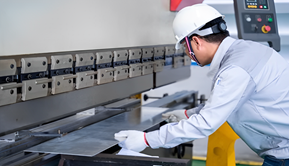
Raw sheets are cut into an accurate blank using various technologies. Laser cutting provides high precision of intricate profiles and narrow features. You strike punching on quick, repeatable holes and forms. Shearing gives straight edges that are easily geometries.
Step 3: Forming Techniques
Forming techniques convert flat blanks into three dimensional deformed structures that are controlled. Press braze bending produces precise angles and consistent bends between batches. Stamping is used to assist large scale production, rolling and deep drawing are used to shape the curves, cylinders, and cups in a cost effective and reliable way.
Step 4: Assembly Methods
Assembly processes combine shaped parts into stiff frameworks satisfying practical needs. Welding techniques are MIG, TIG, and spot welding techniques, which are used to provide strength and speed. You can decide to use riveting or bolting so that it can be disassembled or to minimize heat affected distortion.
Step 5: Finishing and Quality Control
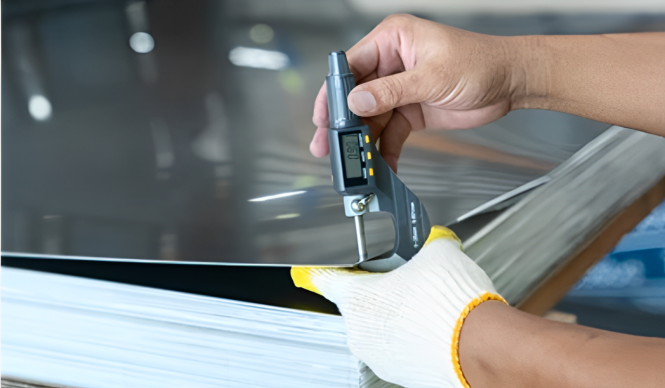
Finishing and quality control guard surfaces and check on performance prior to delivery. Surface treatments enhance service life, and service appearance and corrosion resistance. Inspection involves dimensional and structural tests, and meets the requirements of the standards. It ensures that the frame is in compliance with requirements.
Design Considerations for Sheet Metal Frames
Thickness of Materials (Choice of Gauge)
Choosing the right material thickness influences strength, weight and cost. Heavy gauges are more durable but heavier. You have to strike a performance demand and management, shaping constraints, and general efficiency objectives.
Bend Radius and Geometry
Bend radius helps to avoid cracking and retain material properties in the course of forming. Close curves may make edges weak. The recommended radii should be adhered to, grain direction should be taken into account, and geometries should be designed in such a way that they evenly distribute stress.
Tolerances and Precision
Tolerances contribute to proper fitting of parts during assembly and also reliability. Tolerances are loose resulting in misalignment and vibration. You must set realistic limits in terms of processes, tooling capability and inspection requirements.
Reinforcement and Distribution of Load
The distribution of loads enhances the strength without much material consumption. Stiffness is enhanced by reinforcements. You are advised to install supports to avoid deformation, control stress paths and increase frame service life.
Design for Manufacturability (DFM)
Design of manufacturability eases the manufacturing process and minimizes the cost of operation. Multi-layered characteristics raise tooling time and mistakes. You ought to standardize bends, reduce setups and design parts to allow efficient fabrication and assembly.
Advantages of Sheet Metal Frames
- Good Strength and Durability: Sheet metal frames do not deform, are not affected by impact and wear and structural life is very long. You depend on them to make demanding applications.
- Lightweight Construction: Frames are lightweight and they do not affect integrity. You are enjoying the benefit of easy handling, lower transportation costs, and easy installation.
- Production Economically: Effective production saves on time and materials wastage. You not only do quality work, but also make production cost effective.
- Scalability to Manufacturing: High volumes can be produced successfully. You possess norms, require and efficiency of workflow without performance degradation.
- Diverse Design: It is possible to have complex shapes and custom solutions. You personalize dimensions, finishes and features to various projects.
- Sustainability and Recyclability: It is possible to reuse materials, which lowers the waste and environmental impact. You approve sustainability in modern production.
Limitations and Challenges
- Corrosion Vulnerability: Frames which are not treated should be covered to prevent corrosion. You have to safeguard documents in the severe conditions.
- Expensive Tooling: Stamping requires costly dies and equipment. You should ensure that the amount of production is worth the money.
- Issues with Design Complexity: Geometries of complexity increase errors. You need to plan and simulate to reduce the rework and wastage.
- Deformation Under Stress: Materials can be deformed by extreme loads. To avoid failure, you should select the appropriate thickness or reinforcement.
- Sophisticated Resource Needs: Sophisticated equipment and talented workforce are required. To sustain quality and safety, you will have to invest in training.
Applications of Sheet Metal Frames Across Industries
Automotive Industry Applications
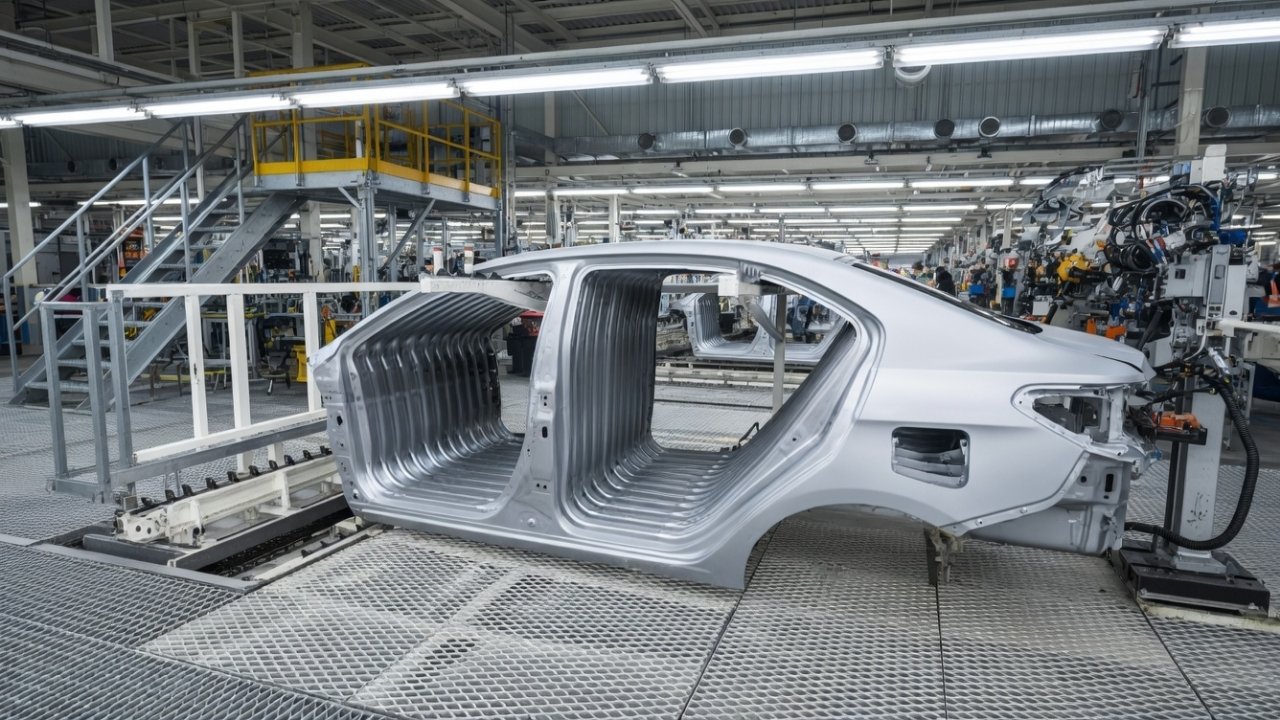
The chassis components are made stronger with sheet metal, which improves the durability and resistance of the vehicle to crashes. You count on them to have EV battery enclosures, which are safe, lightweight and more efficient in energy consumption, in all the automotive designs.
Construction and Infrastructure
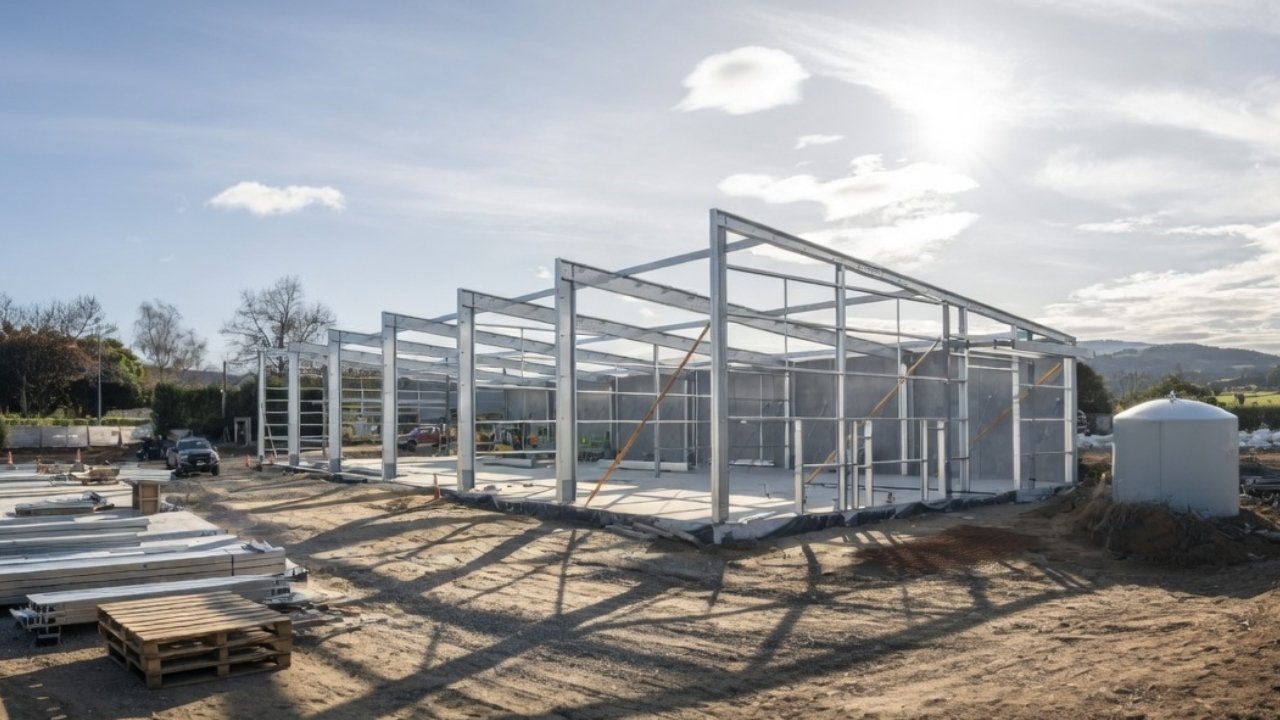
Sheet metal frames are used in structural supports, facades, and HVAC structures. These frames can be relied on to be integrity-assured, to be able to withstand environmental pressure, and to give stability in the large scale.
Electronics and Enclosures
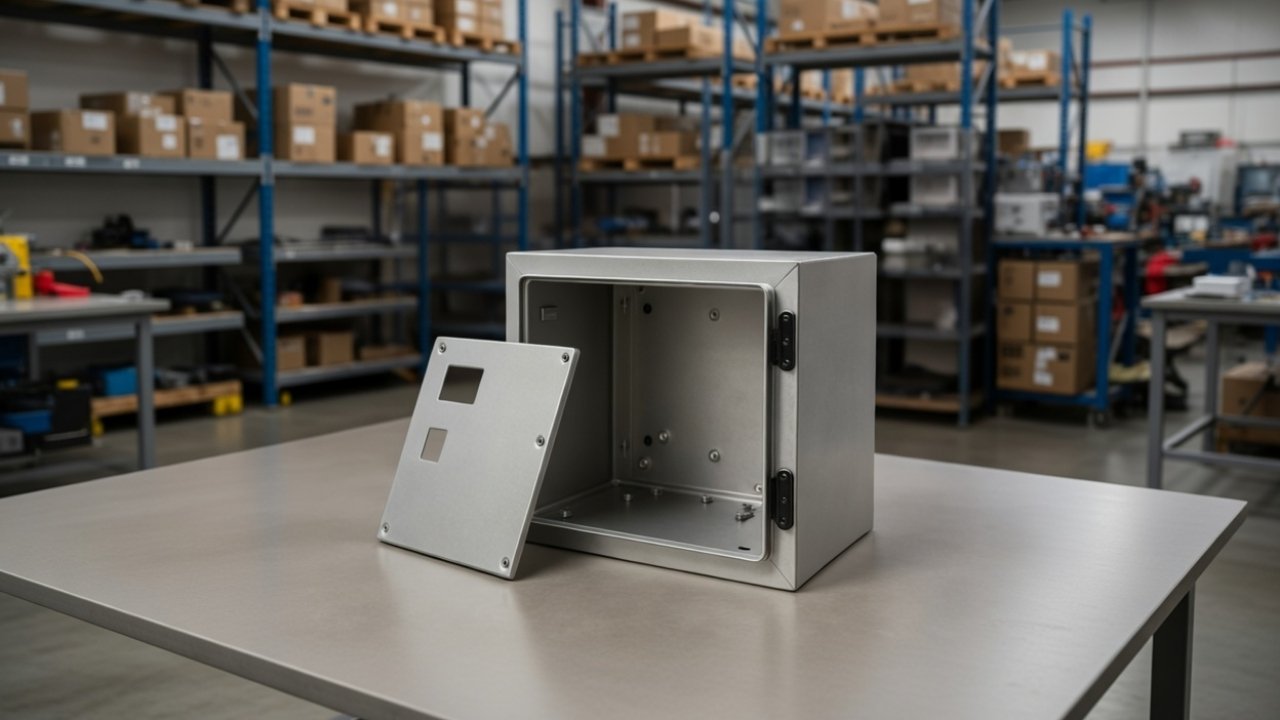
Sheet metal frames are effectively used as device housings, server racks, and heat dissipation structures. You enjoy better cooling of the devices, robust protection, and accurate layouts that guarantee the longevity of the equipment and their safety of operation.
Aerospace Industry Components
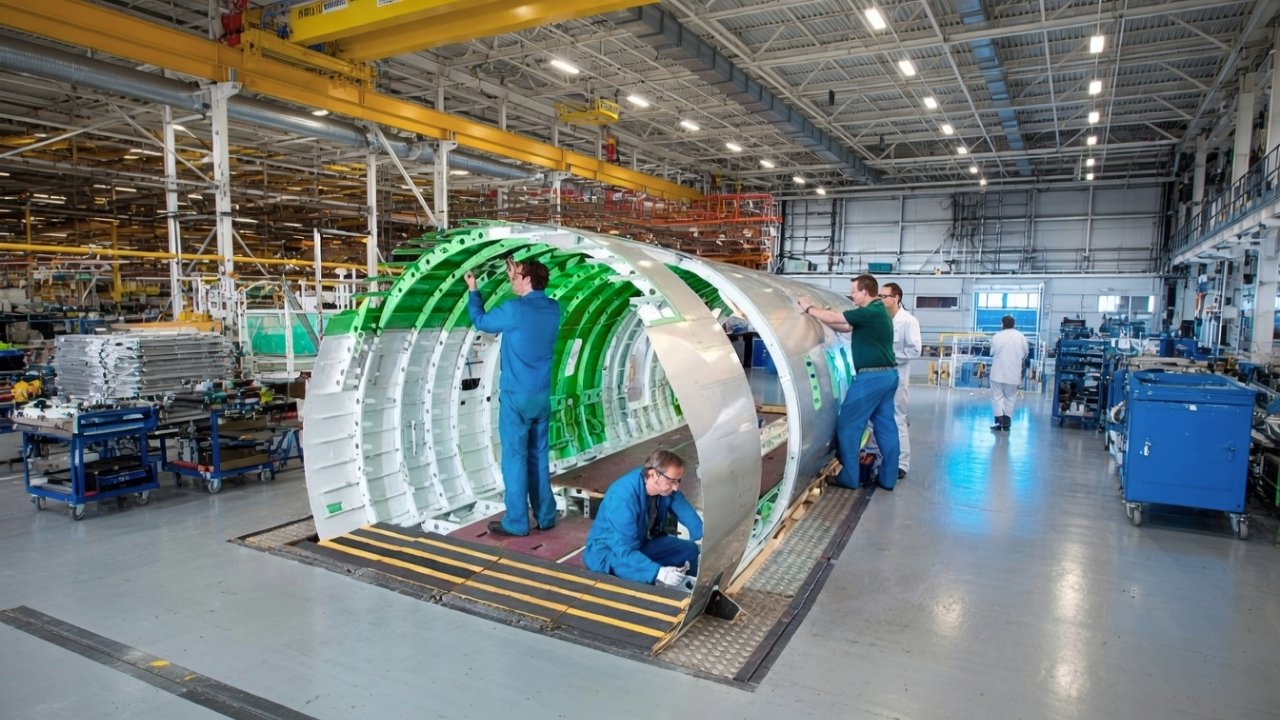
The performance of aircraft structural components and lightweight frameworks relies on the use of sheet metal frames. You achieve greater load carrying capacity and less weight on the aircraft, which is fuel efficient and reliable to operate at all times.
Industrial Machinery Frames
The use of sheet metal to make equipment frames and protective housings makes them strong and durable. You get a perfect fit, less vibration, and safe operation and make industrial working conditions reliable on the machinery.
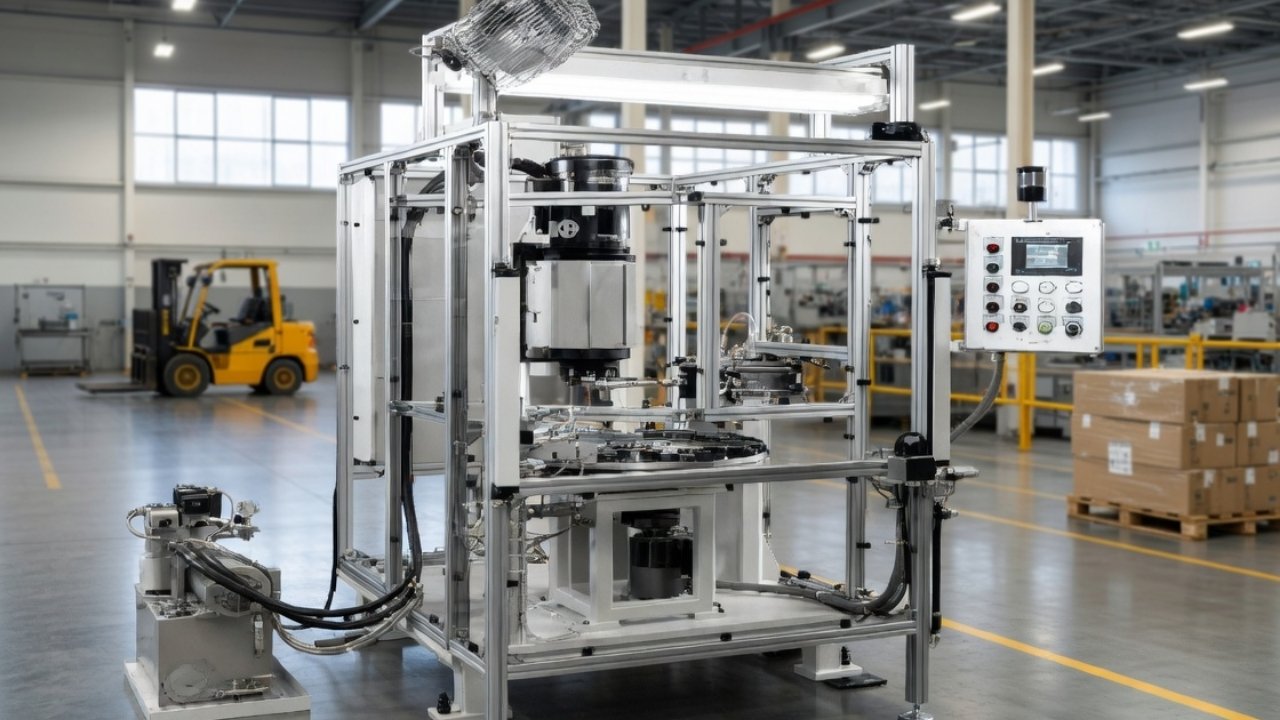
Furniture and Appliance Structures.
Appliance bodies, shelves and cabinets use sheet metal frames to achieve modern designs. You have quality, trendy, and useful furniture that is able to bear weight without deteriorating on its looks over time.
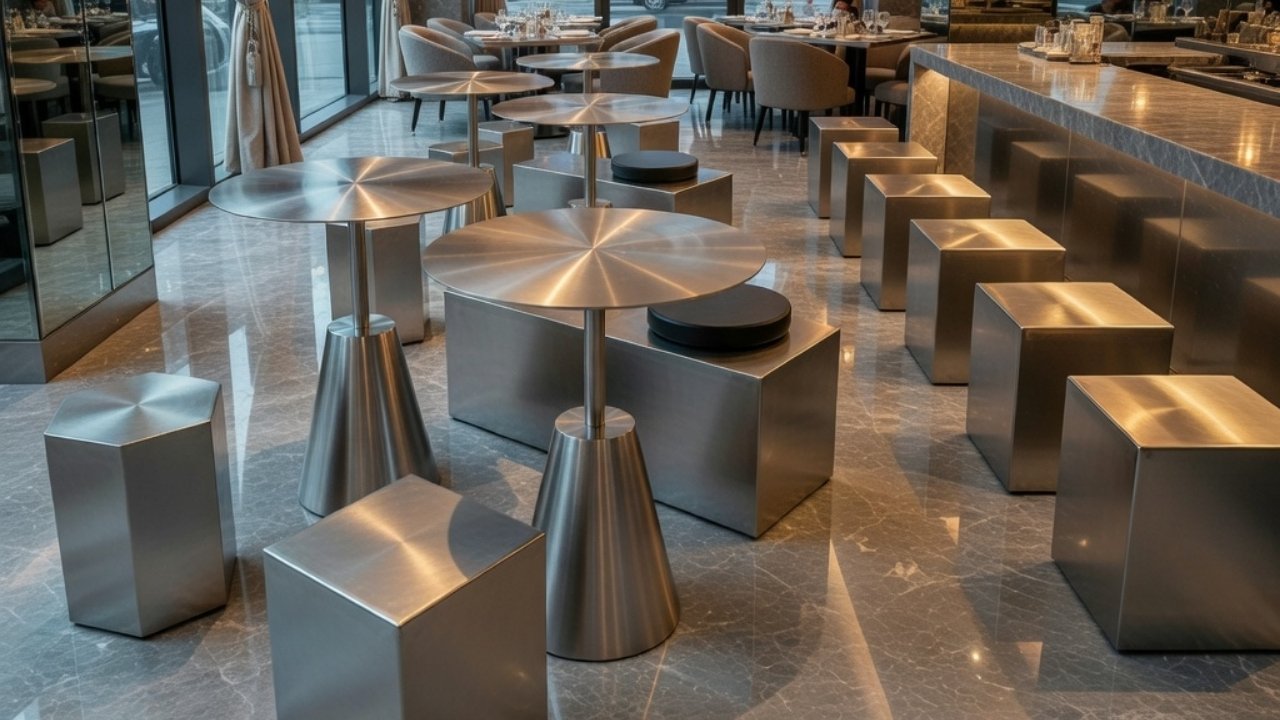
Renewable Energy Installations
Sheets metal frames are used as solar panel mounts and wind turbine structures. With confidence, you can install energy systems, which will stand up against weather, perform operationally, and structural performance over the long run.
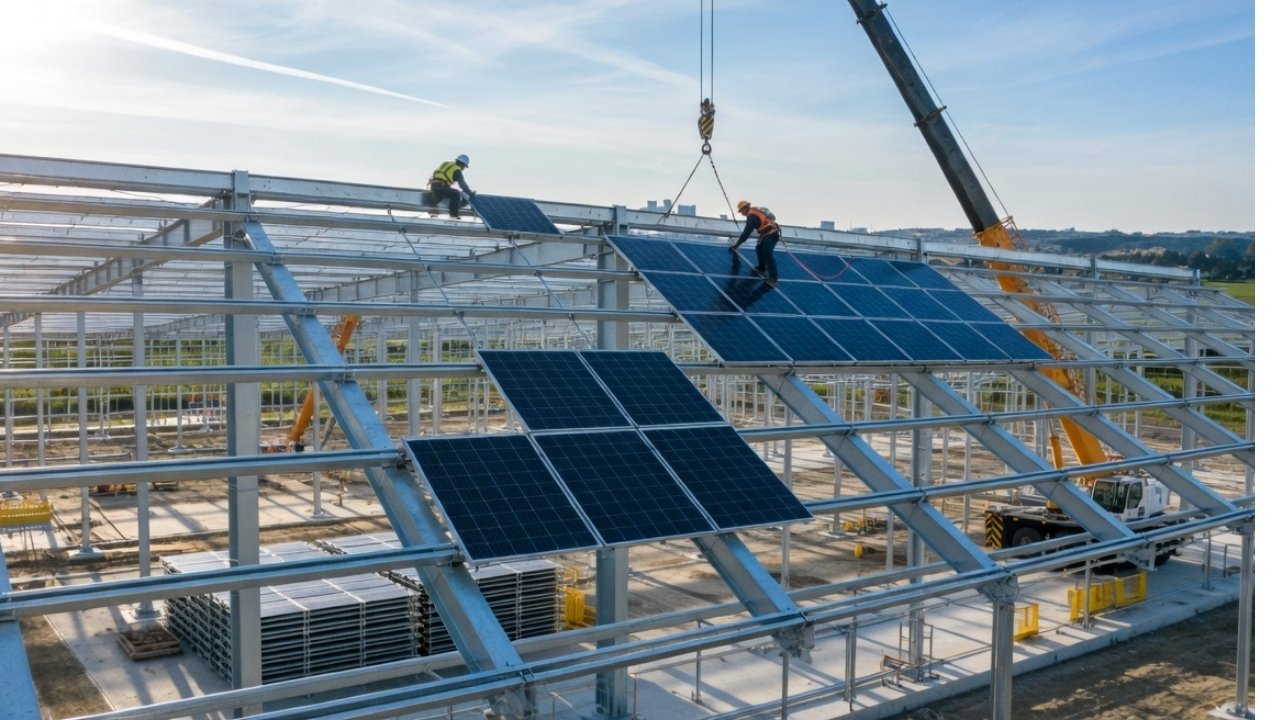
Medical Equipment Applications
The sheet metal frames are used in the enclosure of devices and sterile structural components. You make sure that medical equipment is clean, safe, and meets the high health standards in their day-to-day operations effectively.
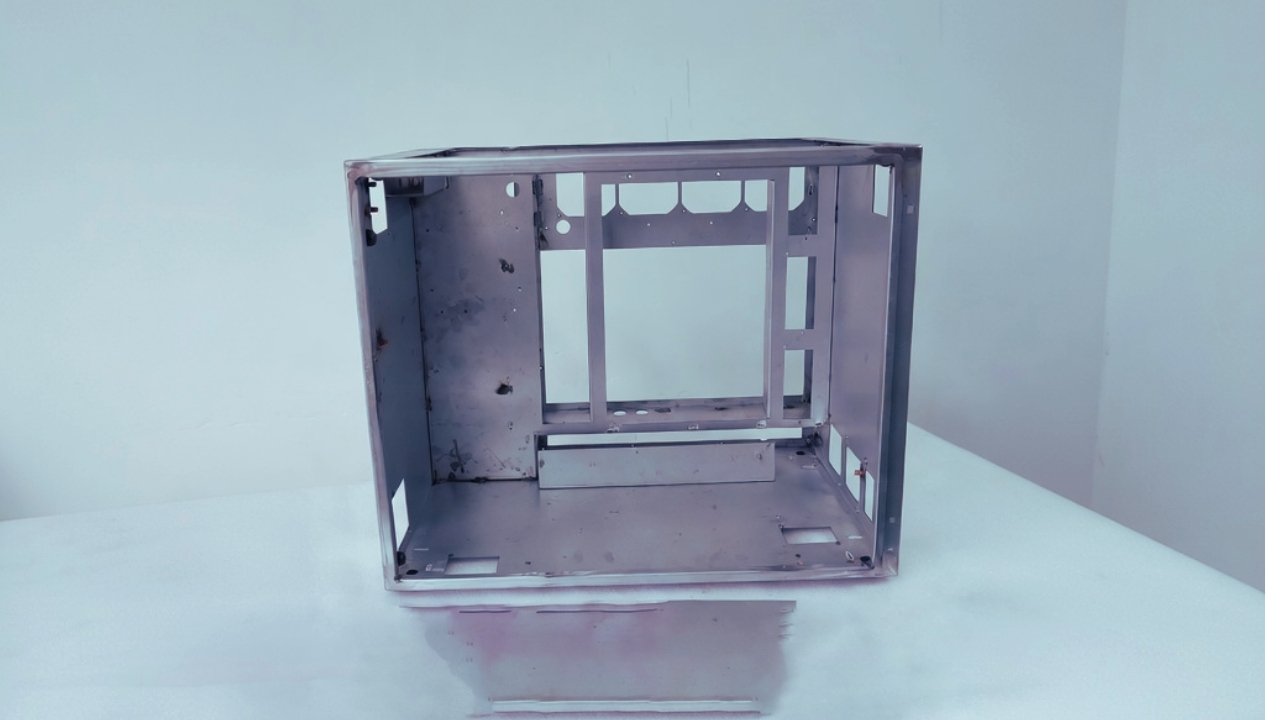
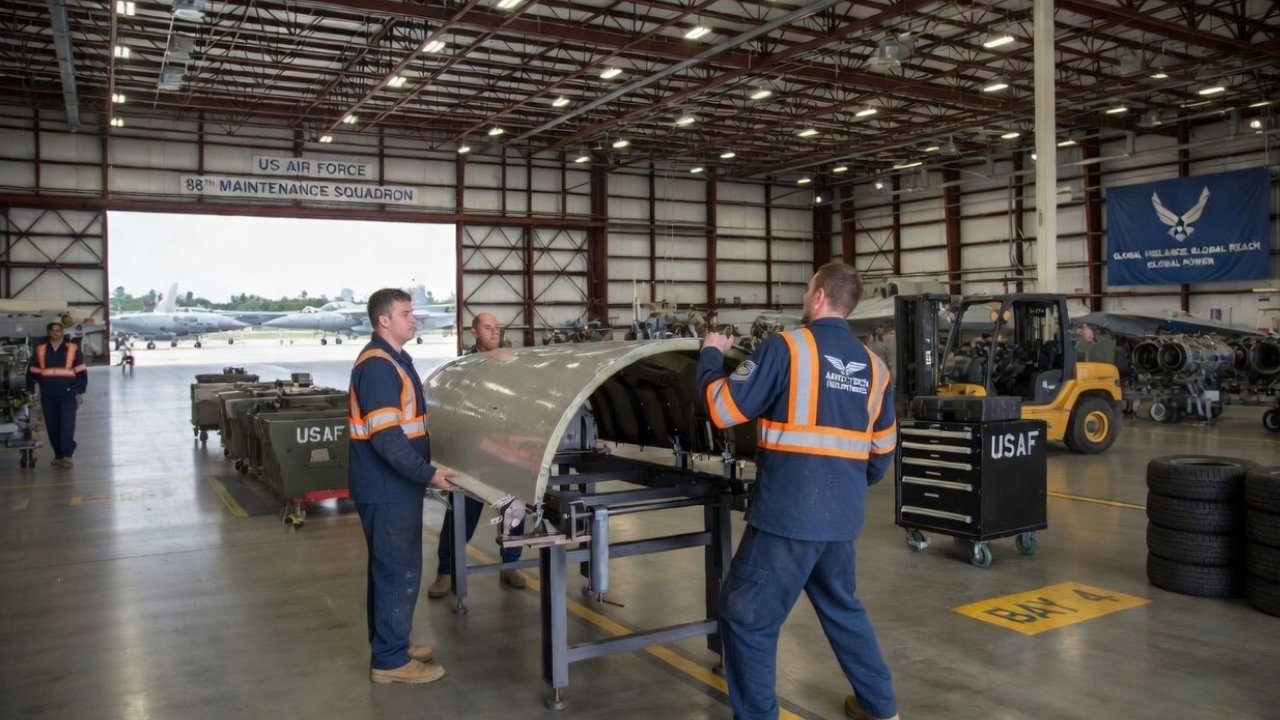
Military and Defense Applications.
Protective enclosures and vehicle frames use sheet metal frames as strong defensive measures. You depend on them to protect people and equipment against outside risks and to be able to operate under strain.
Architecture and Design Characteristics.
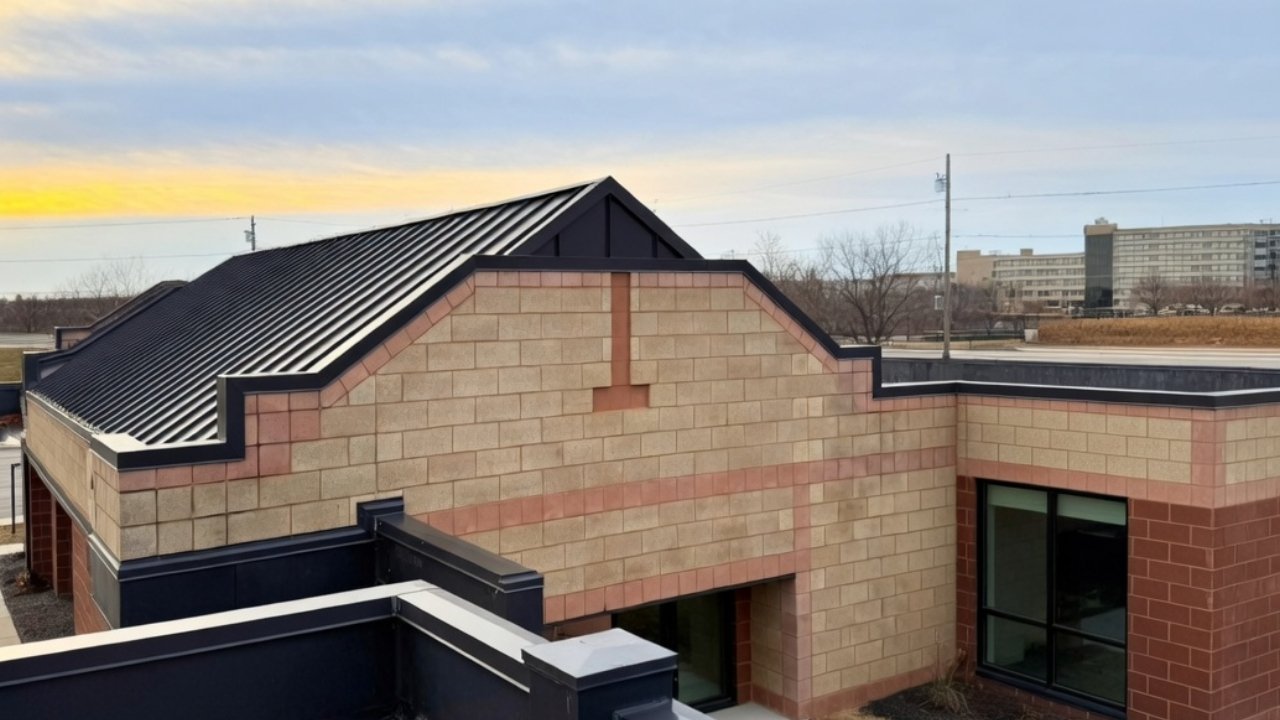
Sheets metal frames are used in the decorative structures and modern industrial aesthetics. You are able to create aesthetically pleasing architectural structures and at the same time maintain durability, stability and versatility in terms of interior and exterior use.
How to Choose the Right Sheet Metal Frame
The first step towards selecting the correct sheet metal frame is to determine your application requirements. Measure weight, load, and structural requirements to make sure that it is durable. Secondly, assess environmental factors such as moisture, temperature, and corrosion threats to choose the right materials. Take into account finishes that guard the metal and increase its durability. You also need to check on manufacturing feasibility whereby the design must be manufactured at an efficient and cost-effective way. Lastly, collaborate with skilled fabricators that know how to behave materials and how to achieve precision to ensure a high quality, reliable frame that fits your specifications.
Sheet Metal Frame vs Solid Metal Structures
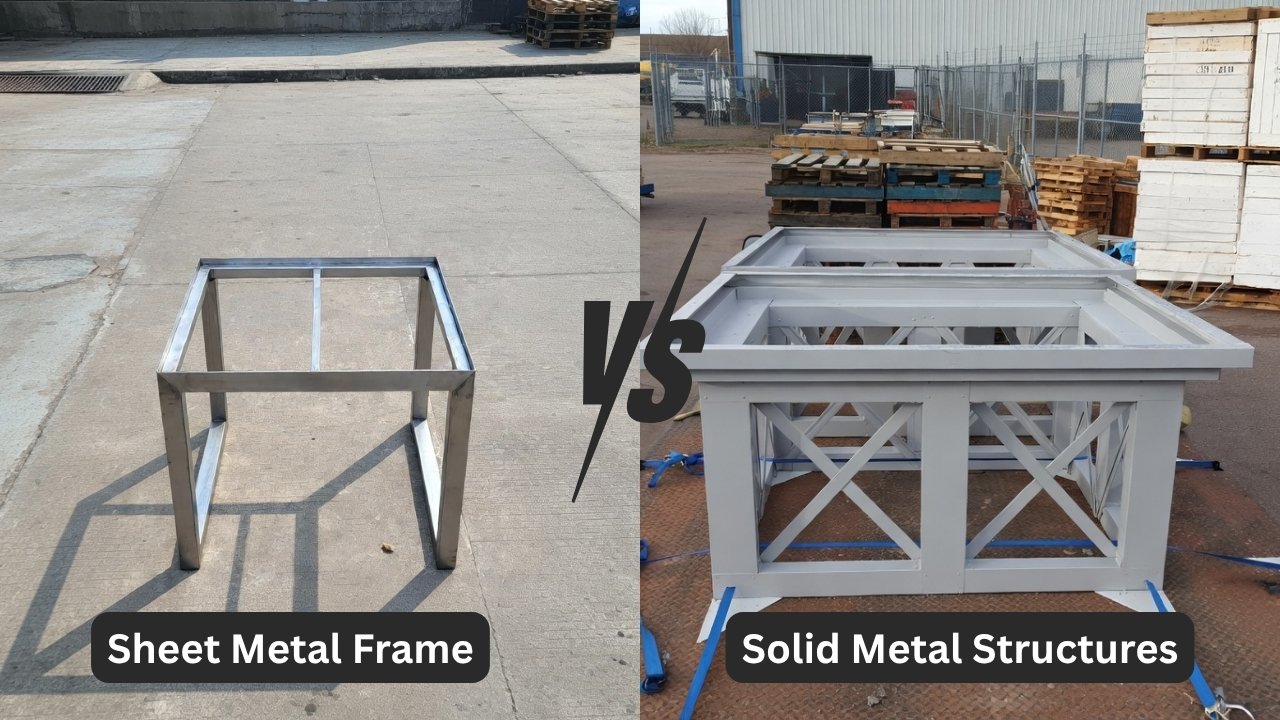
In deciding on the type of structure to use (sheet metal or solid metal), there are a few things that need to be taken into consideration. Frames made of sheet metal are lighter and therefore easier to carry and handle whereas solid metal structures are stronger and durable. You will discover that sheet metal fabrication is cheaper and less time consuming to manufacture as compared to solid metal, which is more prone to machining and labor. Sheets metal designs can be tailored to a specific need more easily. In performance, solid structures are more effective in heavy load bearing whereas sheet frames are more effective in flexibility and weight sensitive work.
Why Masion Is a Strong Choice for Custom Sheet Metal Frames?
The unique ability to combine the latest manufacturing facilities with the long-term experience in the industry predetermines the ability of Masion to stand out in the market of sheet metal frame fabrication. The company has over 17 years of experience, a large-scale production plant, and a highly trained workforce that is capable of dealing with precision and high volume projects.
End-to-end support is offered by their team, which includes design validation, Design for manufacturability optimization, and the choice of the most efficient fabrication processes, which could be laser cutting, bending, stamping, and welding. Since the beginning of prototyping to final assembly, Masion is dedicated to providing a high-level of consistency, structural integrity and a simplified production process-this makes it a reliable choice in the production of quality sheet metal frames.
Conclusion
To sum up, custom sheet metal frames are the most versatile, strong, and efficient in any industry. They are still vital in the contemporary production because of their lightweight construction, cost-effectiveness, and flexibility to complex designs. With the right choice of materials, finishes and fabrication processes, you are guaranteed of durability, performance and aesthetic quality. SheetMetalMasion is a reliable business partner, offering quality design assistance, accurate fabrication, and scalable manufacturing to produce quality and reliable frames. Today, adoption of sheet metal technology makes you innovative and successful in the long-term.
FAQs
What thickness is best for sheet metal frames?
The thickness you want to use should be determined by the weight that your frame should carry and the use. Light to medium-duty structures are normally 1.5mm to 3mm. You are to evaluate usage.
Which material is most durable?
Stainless steel is very resistant to corrosion, whereas carbon steel is stronger in case of heavy loads. You can choose materials according to the environmental, cost and long-term performance requirements.
Can sheet metal frames be customized?
Frames can be cut, bent, punched or welded to a great extent. You are able to adjust dimensions, angles or finishes to fit exactly to your needs whether industrial or decorative.
How long do they last?
Frames have a life of more than 30 years with proper treatment such as galvanization, powder coating or regular cleaning. They should be maintained regularly to assure a regular structural integrity and appearance.