How to Bend Copper Pipe, Wire, and Sheet in 2026 – Complete Guide
Key Properties of Copper That Affect Bending
High ductility and malleability makes copper bend easily. It can be molded without breaking under an average pressure. It has a superior thermal conductivity that distributes heat in the course of bending. This eliminates local stress and avoids immediate deformation. Work hardening takes place when you bend, which makes the bend stronger but less flexible. To continue shaping, you may require annealing to soften it. Resistance to corrosion maintains surfaces and makes them predictable with time. Soft temper is easy to bend, but hard temper is difficult to bend. Depending on your application requirements, you are supposed to select the temper.
Types of Copper Materials Used for Bending
- Copper pipe/tube
- Copper wire
- Copper sheet
- Copper rod
- Copper strip
Copper Material Types and Bendability
Material Type | Form | Max Thickness for Cold Bending | Notes |
C110 | Pipe | 2 inches diameter | Best for plumbing, high malleability |
C110 | Wire | 12 AWG | Excellent electrical conductivity |
C110 | Sheet | 1/16 inch | Can be hand-bent or with small tools |
C260 (Brass) | Sheet | 1/32 inch | Slightly less malleable, may need annealing |
C12200 | Pipe | 1 inch diameter | Ultra-pure copper, very soft, easy to bend |
Common Copper Bending Techniques
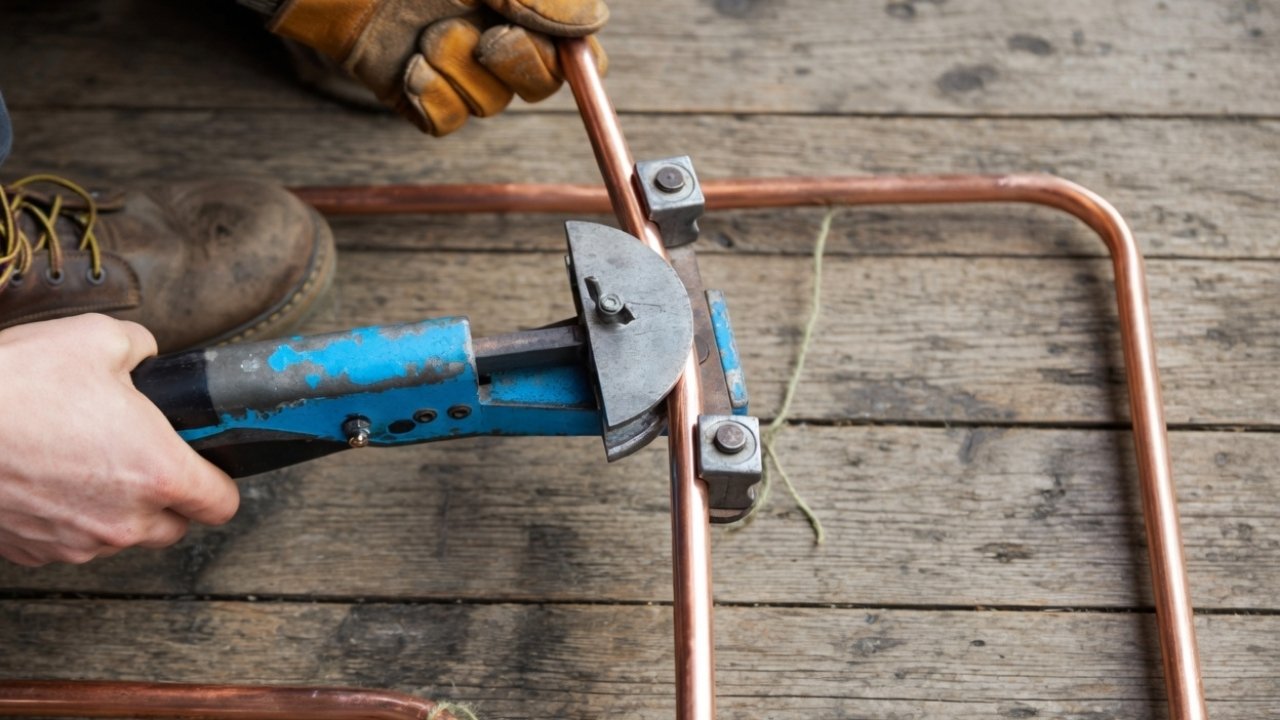
Manual bending
Manual bending is based on hand tools and physical control. You use copper manually to produce smooth curves without tools. This process is suitable when there are small projects that need a high level of precision and flexibility.
Heat-assisted bending
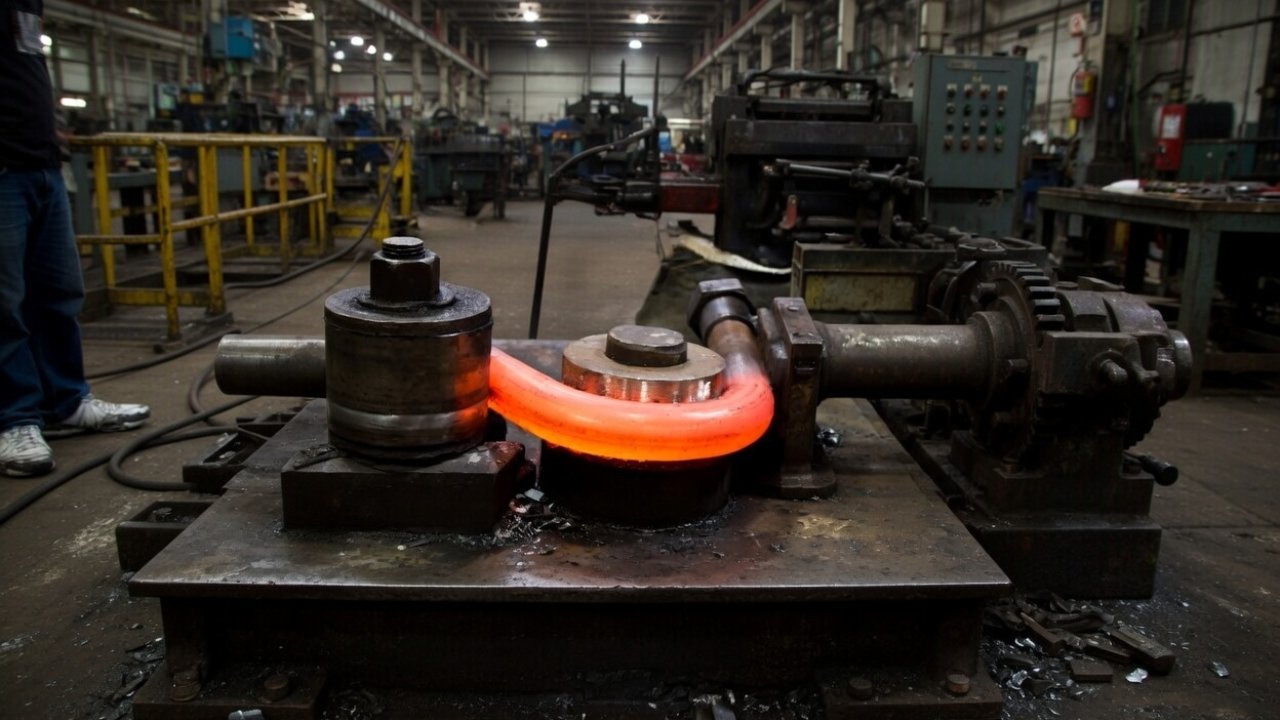
Heat-assisted bending involves the controlled temperature bending of copper and then shaping. You heat uniformly to eliminate cracking or weakening structure. This method is used to form tighter bends without compromising the integrity of the material in general.
Mechanical bending
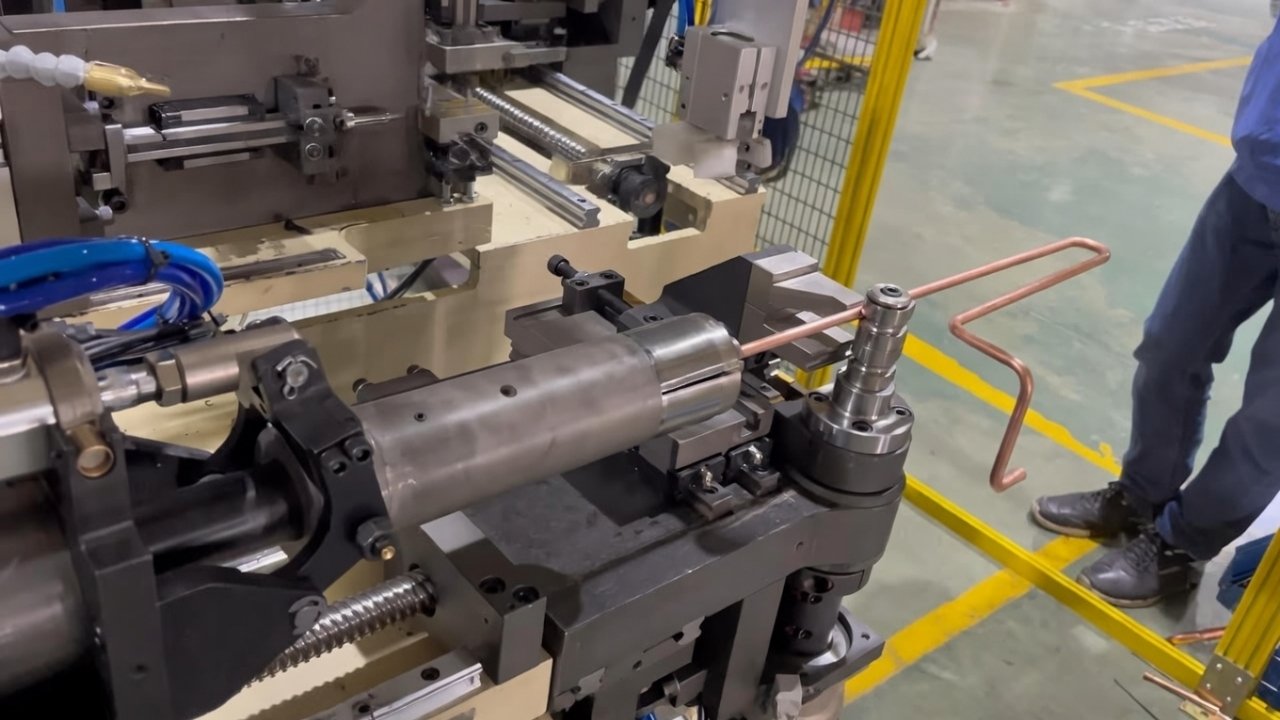
In mechanical bending, machines benders are used to create angles. You place parameters and roll copper or feed it through rollers or dies. This method enhances efficiency and saves manual work in repetitive fabrication processes.
Hydraulic bending
Hydraulic bending is used to bend copper using pressure. You manipulate the pressure to obtain shapes without breaking material. This approach is applicable to thick pipes that need robust and rigorous deformation control.
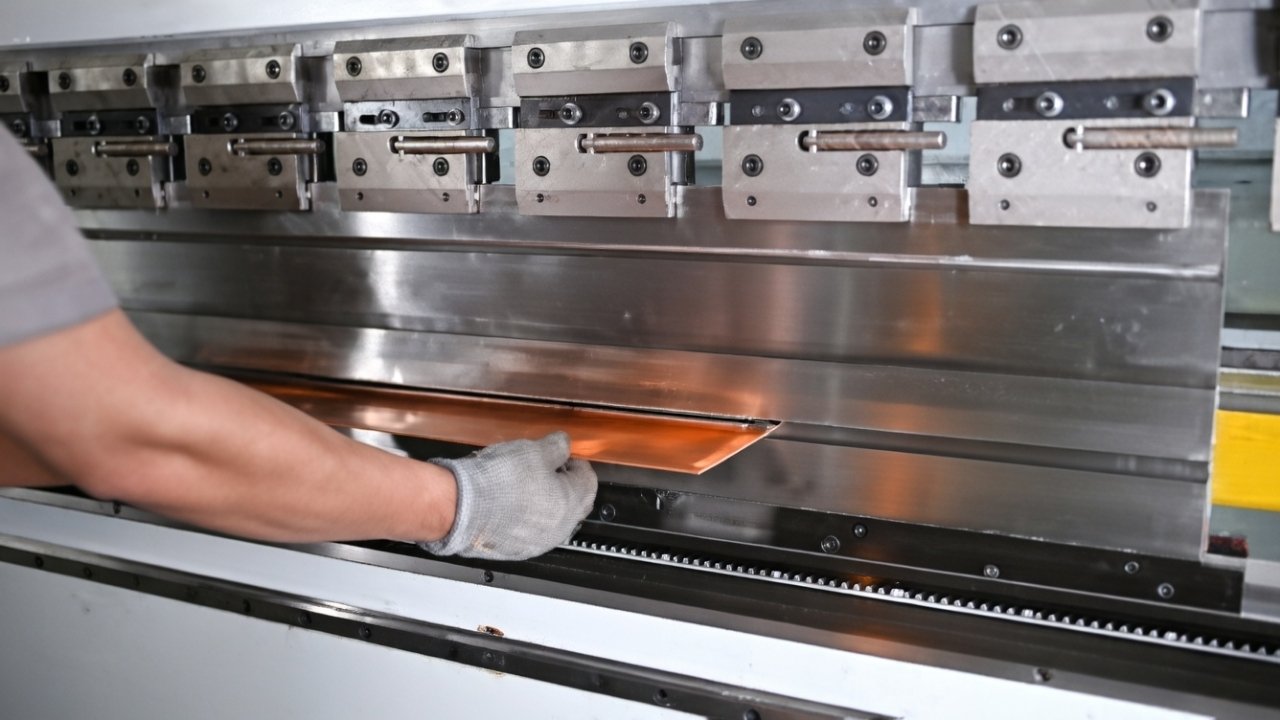
CNC bending
CNC bending involves computer-controlled machines to repeatably shape copper. You program dimensions and angles into the system beforehand. The technology is of high accuracy, speed and consistency to meet the modern production needs.
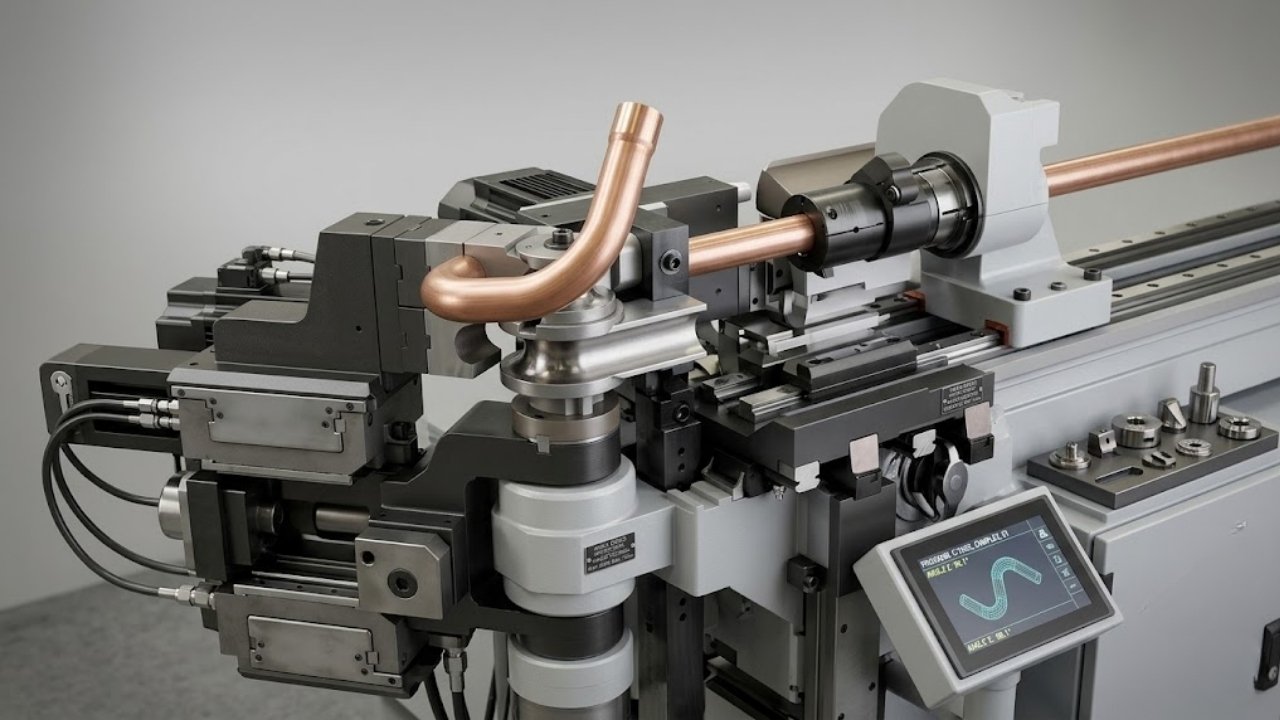
Roll bending
Roll bending is a process of creating radius curves by running copper through rollers. Roller positions are adjusted to regulate curvature and shape. This technique works for cylindrical forms and long continuous bending applications.
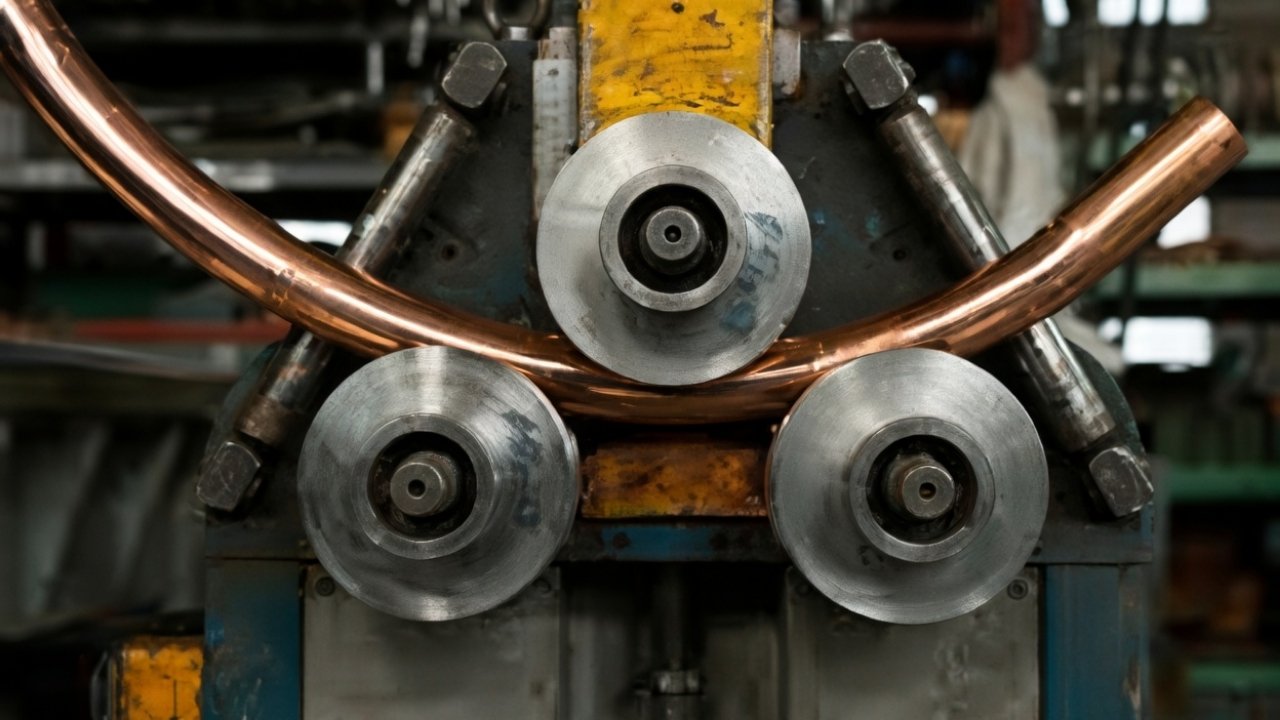
Press brake bending
Press brake bending is a process that involves punch die in shaping copper sheets. You place material and use force to bend. It is applied in fabrication to make sharp angles and profiles.
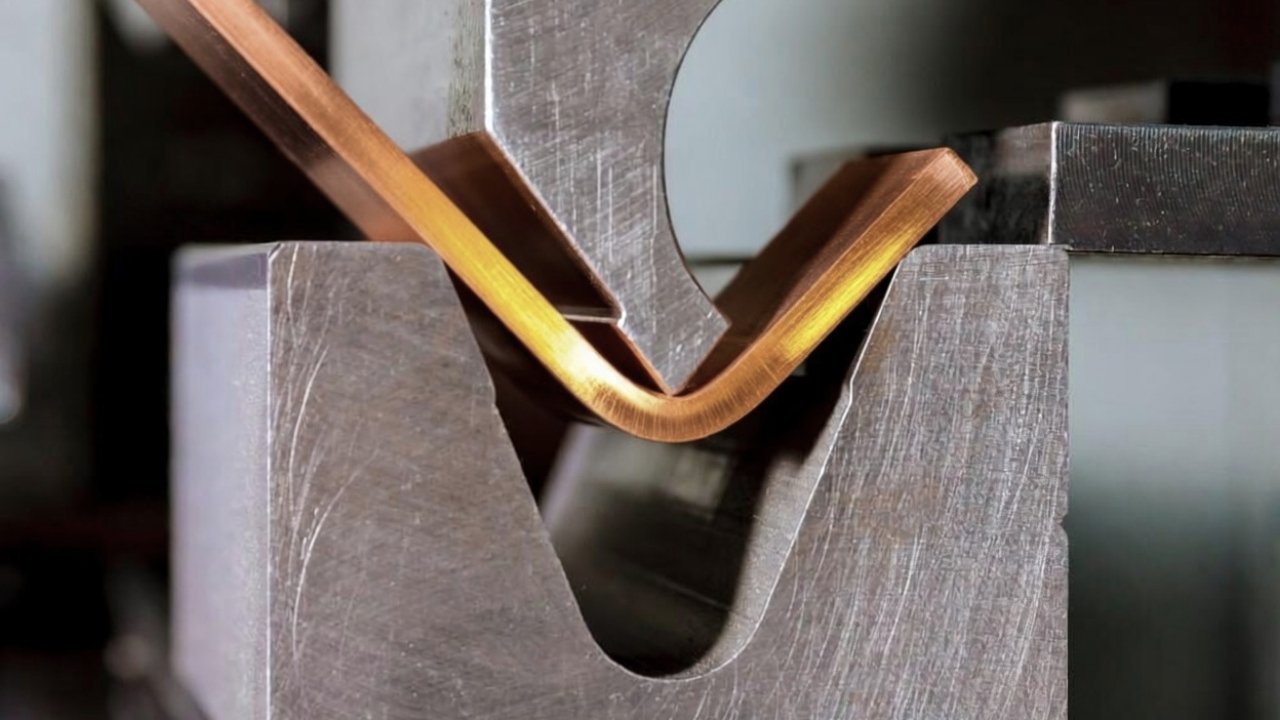
Choosing the Right Bending Method
The selection of the appropriate bending technique is based on various practical considerations. The thickness of the material influences the choice of tools and force needed. Tight radius requires accurate techniques such as mandrel or rotary draw bending. Bigger radii enable easier methods. The volume of production determines the type of systems you will use which could be manual or automated. CNC solutions are suitable when it comes to high-volume work. The criteria of accuracy will direct your decision to controlled and repeatable processes with the minimization of errors and waste of materials.
Tools Used for Bending Copper
Basic Hand Tools
- Pipe benders
- Tube benders
- Spring benders
- Pliers
- Form blocks
- Wooden jigs
Professional Bending Equipment
- Hydraulic benders
- Rotary draw benders
- Mandrel benders
- CNC tube bending machines
- Press brakes
- Roll forming machines
Heating Tools
- Propane torch
- Induction heater
- Heat gun (light bending)
What Is Copper Pipe Bending?
The art of bending copper pipes is the process of forming pipes without cutting or attaching fittings. You bend the pipe to suit the desired angles or designs. It finds extensive application in plumbing, HVAC systems and refrigeration lines. This technique will minimize the usage of joints and connectors. You get a smoother flow and the reduction of leak points. It also enhances durability, reduces costs and makes cleaner and efficient installations in general.
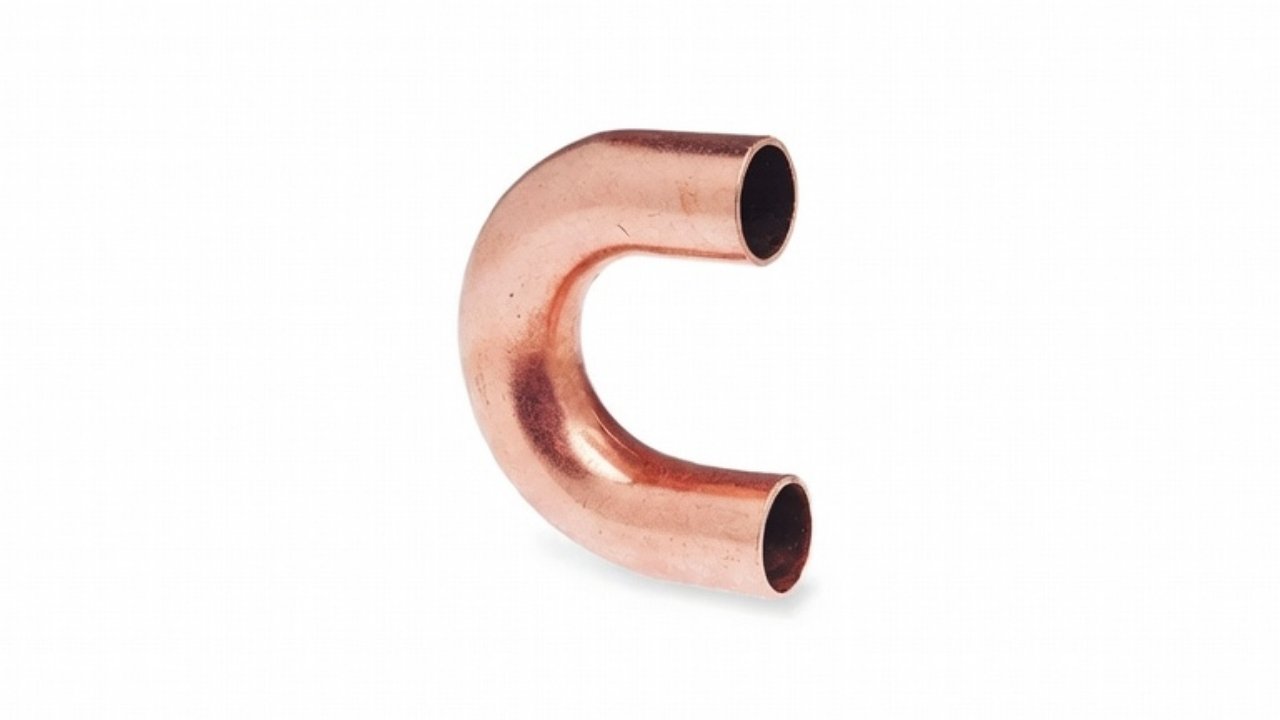
Types of Copper Pipes Used for Bending
- Soft copper tubing
- Hard copper tubing
- Type K copper pipe
- Type L copper pipe
- Type M copper pipe
Copper Pipe Bending Methods
Manual Pipe Bending
Manual pipe bending is applicable to small projects where accuracy and control is important. You bend pipes by hand, without flattening. The support of thin walls in curves is done with bending springs. The sand filling technique eliminates collapses, as it assists you in keeping the internal diameter and bending uniformly.
Mechanical Pipe Bending
The use of mechanical pipe bending produces uniform results on intricate shapes and increased production requirements. Rotary draw bending is used to make tight, precise bends with low distortion. Mandrel bending aids internal walls in bending. Compression bending is less time-consuming, but the deformation risks should be observed during the process.
Heat-Assisted Bending
When the pipes are thicker or tighter in the bend radius, heat-assisted bending is required. Copper is softened by controlled heating so that it can be easily shaped without cracking. Pay attention to temperature to prevent weakening material. Always observe safety measures such as wearing gloves and eye protection during heating operations.
Step-by-Step Copper Pipe Bending Process
Step 1: Measure and Mark Bending Location
Begin by taking the length of the pipe by a good tape measure. Indicate the point of bending with an observable mark. Make sure accuracy and alignment throughout the process.
Step 2: Select correct Bending Tool
Choose a bending tool depending on the type of material and the pipe diameter. The right equipment eases the tension and avoids injuries, and will guide you to curves. They provide a steady output without wasting efforts.
Step 3: Secure Pipe
Install the pipe in the bending tool or vice to hold it in place. Securing it prevents slipping and ensures movement. This will enable you to be accurate and safe during bending.
Step 4: Use Progressive Bending Force
Use constant pressure on the tool to bend the pipe at a slow pace. Do not use sudden force, it may lead to kinking or breaking. This will guarantee the smoothness of curve and its structural integrity.
Step 5: Check Bend Angle.
Use a protractor or built in guide to verify the bend angle. Checking angles are used to keep accuracy and guarantee the pipe to the necessary specifications. This aids in appropriate installation and functionality.
Step 6: Inspect Deformation
Inspect the bent part to check its flattening, wrinkles or surface damages. Close monitoring will guarantee results and make sure that the pipe is strong. This enables it to work well in its designed usage.
Common Copper Pipe Bending Mistakes
- Kinking
- Flattening
- Over-bending
- Cracking
- Surface damage
Copper Pipe Bending Methods Comparison
Method | Best For | Accuracy | Cost | Advantages | Limitations |
Hand Bending | Small pipes | Medium | Low | Simple and portable | Limited precision |
Spring Bending | Soft copper | Medium | Low | Prevents collapse | Limited angles |
Mandrel Bending | Thin walls | High | High | No deformation | Expensive |
Hydraulic Bending | Thick pipes | High | Medium | Powerful bending | Less portable |
CNC Bending | Mass production | Very High | Very High | Automated precision | High setup cost |
What Is Copper Wire Bending?
Bending of copper wire is a process that bends wire into accurate shapes without breaking. You control angles and curves to meet functional or decorative needs. It finds application in electrical wiring to provide efficient conductor routing. When making jewelry, you bend the wire to form rings, chains and designs. Bent wires are used in electronics and automotive harnesses to provide compact layout and long life connections. You select tools and bend radii to prevent kinks and keep the conductivity.
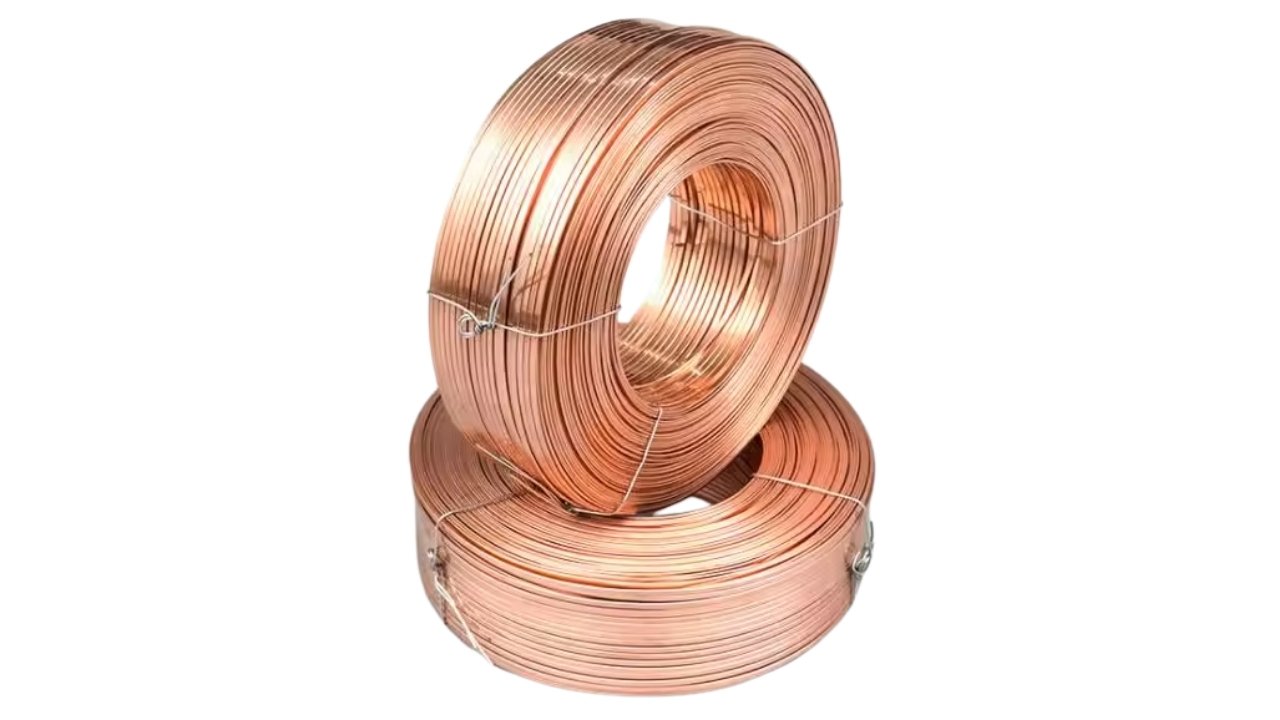
Types of Copper Wire for Bending
- Solid copper wire
- Stranded copper wire
- Tinned copper wire
- Magnet wire
Copper Wire Bending Techniques
Manual Wire Bending
Simple shapes and fast adjustments with small projects can be done using manual wire bending. You hold, twist and make sharp angles with continuous pressure by using pliers. Mandrels assist in creating curves that are smooth. Repeatable shapes are directed by bending jigs, minimizing errors.
Precision Wire Bending
Precision wire bending is appropriate to complex designs which require accuracy and repeatability in many parts of the same design. You are using CNC wire forming to move along programmed paths with a low level of deviation. Robotic bending systems enhance speed, tolerances and minimize material wastage in production cycles.
Heat-Assisted Wire Bending
The use of heat-assisted wire bending is applicable whenever copper work becomes hard or it does not bend easily during tight forming. You take a controlled heat to soften the material and then shape it. Never overheat copper, which makes it weak. Wear protective gloves and have adequate ventilation when heating.
Step-by-Step Copper Wire Bending Process
Step 1: Choose Type of wire.
Select the right copper wire depending on the flexibility, thickness, and the project requirements. Make sure that you choose a wire that does not crack when stressed. Take into account durability and conductivity.
Step 2: Choose Bending Method
Choose either manual or mechanical bending based on the gauge of wire and shape required. The best results would be to match the method with the thickness of the wire and your level of skill.
Step 3: Cross-mark Bending Points.
Mark points correctly where the wire should bend in with a pencil or tape. Measurement should be done to the exact to achieve uniformity and avoid misaligned or uneven bends during the process.
Step 4: Use progressive Bending Force.
Bend the wire slowly and at designated points with pliers or a jig. You should use constant pressure to prevent kinking or abrupt breaks in the copper.
Step 5: Inspect for Cracks
Look under bright light at the bent wire to identify tiny cracks. Bends should be smoothed or straightened as soon as possible to ensure structural integrity and appropriate functioning.
What Is Copper Sheet Bending?
Copper sheet bending is the act of bending copper sheets to form accurate angles or curves. This is a method to make roofing elements, electronics housings, decorative panels, or heat exchangers. Copper is malleable and flexible, which is why it can be used in intricate designs. When copper is bent properly it keeps its strength and conductivity. Knowledge of correct bending methods assists you to prevent cracks, be durable and produce precise and professional outcomes with mixed uses.
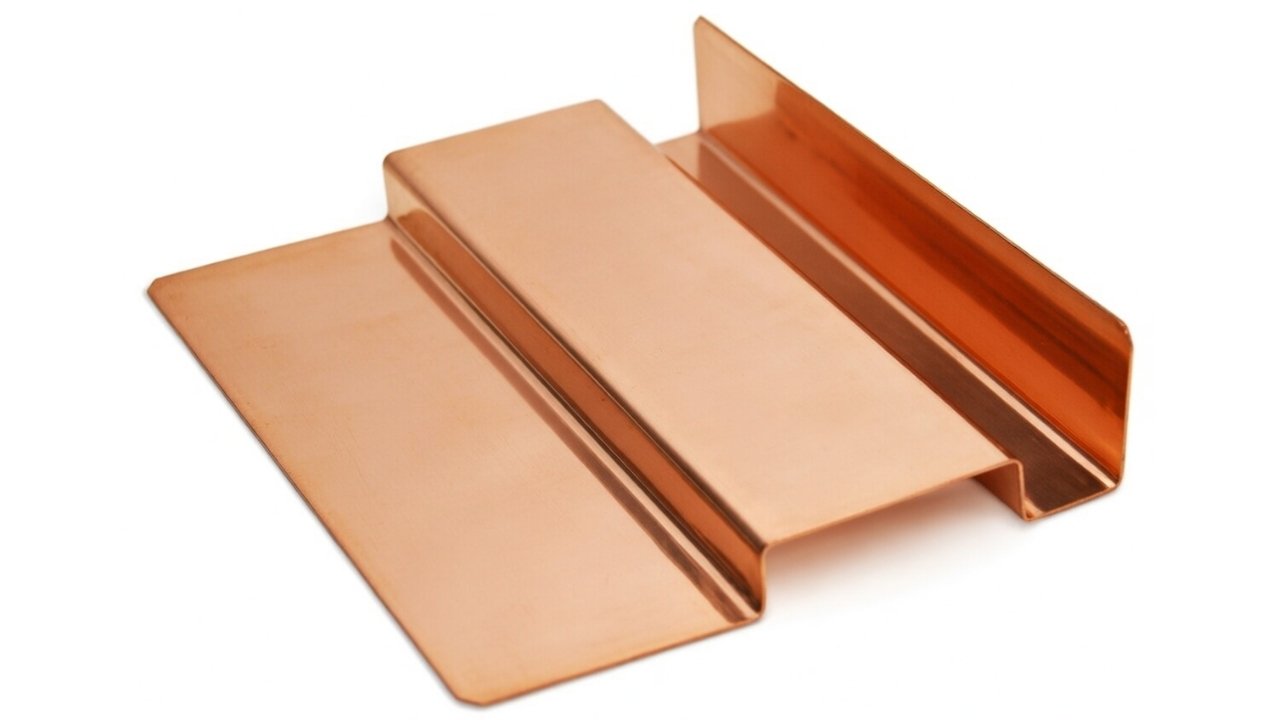
Types of Copper Sheet Materials
- Soft copper sheet
- Hard copper sheet
- Copper alloy sheet
Copper Sheet Bending Methods
Manual Bending
Small projects and thin copper sheets are under your control with manual bending. You make good use of hand tools, bending brakes, and making blocks. These tools assist in shaping edges, angles and curves accurately. You are able to control pressure step-by-step, minimizing errors and preserving material integrity.
Press Brake Bending
Press brake bending enables you to make precise and repeatable bends of copper sheets. You apply such techniques as air bending, bottom bending and coining. All of them regulate the precision of the angle and force in a different way. This is an appropriate method of production where consistency and efficiency are the most important factors.
Roll Bending
Roll bending assists you in making cylindrical shapes and smooth curves in copper sheets. To get large radius bending you roll the sheet through rollers. This technique has the benefit of providing a smooth curvature without acute deformation. You are able to create pipes, tubes, and rounded panels in the same manner.
Step-by-Step Copper Sheet Bending Process
Step 1: Measure Thickness of Sheet.
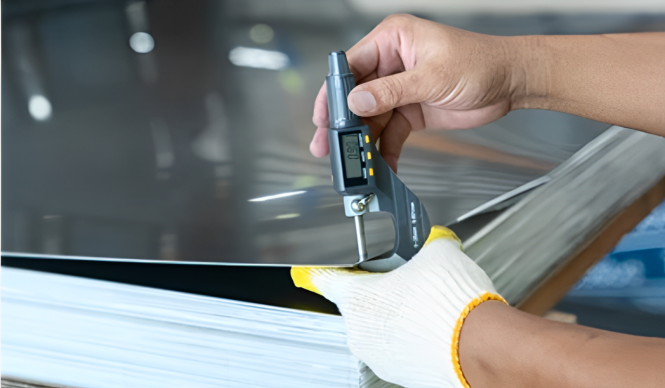
Begin with the correct measurement of copper sheet thickness with a caliper or micrometer. This will guarantee good choice of tools and elimination of overbending. You are able to make measurements to be able to record the consistent bending results at a later date.
Step 2: Choose Bend Radius.
Find out what bend radius to use in your copper sheet project. A proper radius keeps off the cracking. The thickness of the sheets and the purpose of use should be considered to achieve strong, accurate bends each time.
Step 3: Choose Bending Tool
Choose a bending tool that matches with the thickness of the copper sheet and the angle required. Depending on the requirements of precision and the size of the project, you can use a brake, hammer, or press.
Step 4: Use Bending Force.
Bend the copper sheet using steady and even pressure. Sudden pressure spikes should be avoided to avoid sheet deformation or undesired stress marks developing.
Step 5: Check Bend Quality.
Inspect your copper sheet closely to find cracks, sharp edges or undesirable creases. Modest bends can be fixed with slight fiddling and the final bend will be professional and lasting.
Copper Sheet Bending Guidelines
Thickness | Recommended Method | Minimum Bend Radius | Difficulty Level |
0.2–0.5 mm | Manual bending | Small | Easy |
0.5–1 mm | Press brake | Medium | Moderate |
1–3 mm | Press brake / Roll | Medium | Moderate |
3–6 mm | Hydraulic press | Large | Difficult |
6 mm+ | Industrial bending | Large | Very Difficult |
Common Copper Bending Problems and Solutions
- Cracking – Cracking occurs when copper bends too sharply or becomes overly stressed during shaping. To avoid cracking, you can heat the metal progressively and not make sudden, tight bends when working.
- Wrinkling – Wrinkles appear along the inside radius of copper bends due to compression. Wrinkling can be reduced by supporting the metal using proper dies and being careful with the bending speed.
- Springback – Copper tends to partially return to its original shape after bending. You need to consider the springback, that is, overbending and trying sample pieces prior to actual production.
- Flattening – Flattening happens when rounded copper sections lose curvature under pressure. To stay in shape, mandrels or internal supports can be used in the bending operations to retain the original shape.
- Surface Damage – Scratches or marks often occur when tools contact copper improperly. The surface damage can be prevented by applying protective coating, soft dies or by taking care during bending processes at all times.
Applications of Copper Bending
Plumbing Systems
Bending of copper pipes enables easy installation of water supply lines and drainage pipes. You are able to bend pipes to fit in the narrow spaces without reducing the effectiveness of the flow or forming leaks in systems.

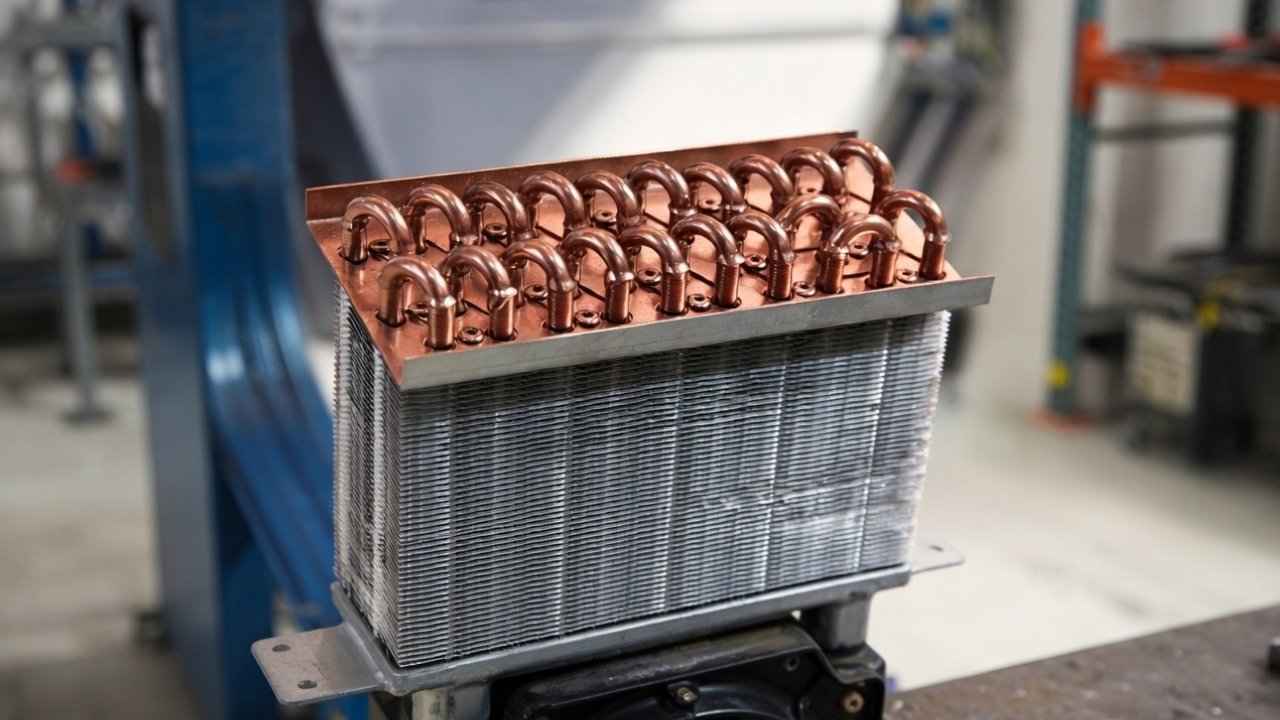
HVAC Systems
Copper bends create effective loops and connections in heating and cooling installations. You are able to design small layouts and retain good thermal conductivity and dependable heat transfer among systems.
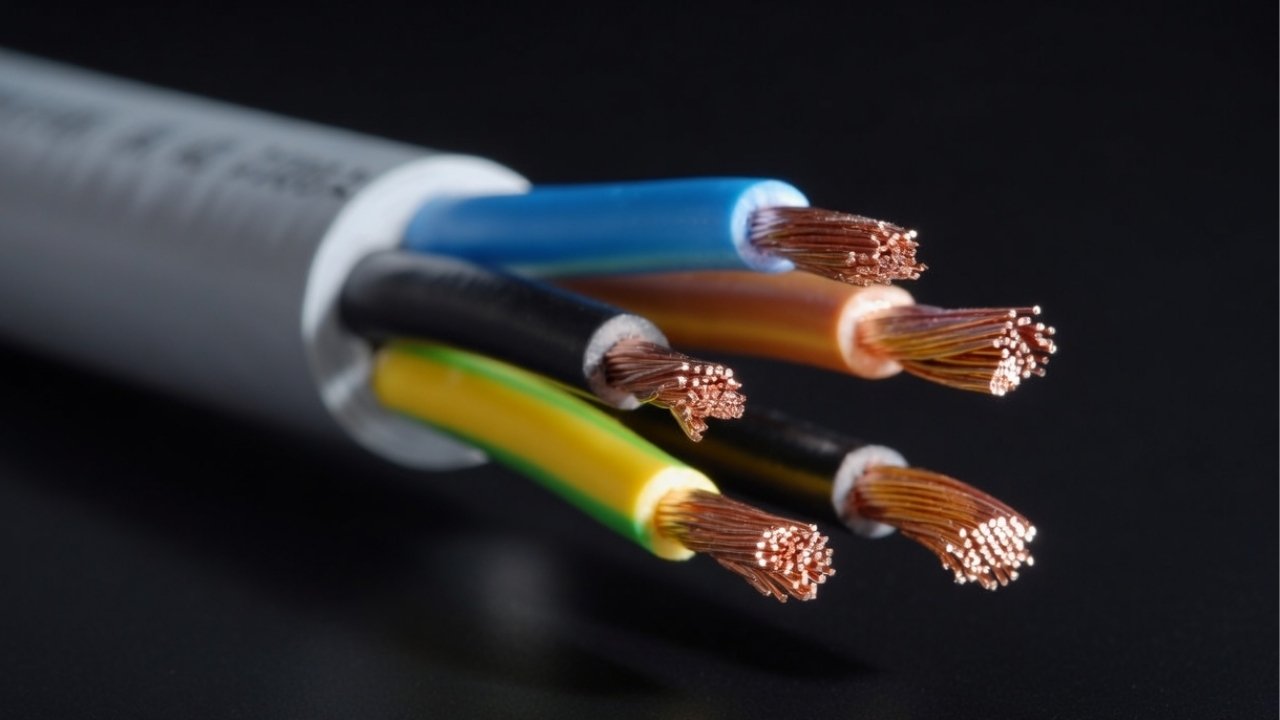
Electrical Systems
Copper bending is used to run electrical conduits around corners and obstacles safely. You will be able to achieve the correct insulation and minimize resistance, which will help maintain the stability of the electrical system in the long term and avoid expensive repairs in the future.
Automotive Industry
The design of fuel and brake systems and cooling systems is supported by bending copper tubes. Complex engine compartments can be installed without compromising the tubing or system performance when under pressure.

Renewable Energy
The copper bending is used to make efficient connections in the solar, wind and hydro energy systems. You are able to design layouts to make the most out of transferring energy and minimize the amount of space used in the installation and the amount of resistance losses.

Decorative Fabrication
Copper bends are effectively used by the artisans in the furniture, lighting and artistic installations. You may create attractive outlooks and designs that are durable and flexible to create unique and long life decorative items.

Copper vs Other Metals in Bending
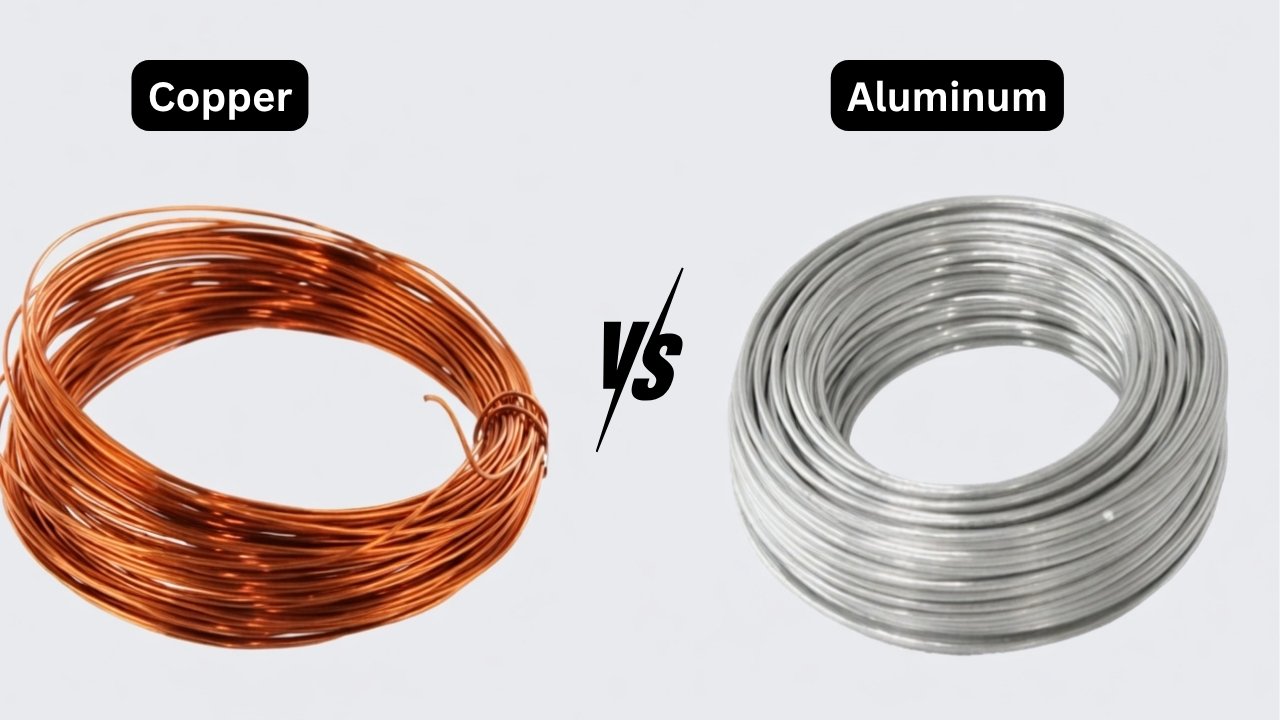
Copper vs Aluminum
Copper is more ductile and thermally conducting than aluminum, which means that it is easier to bend. You are able to work copper without much chance of breaking it. Aluminum is lighter and is not uniform in bending when stressed. Aluminum needs to be fine-tuned prior to using tools, unlike copper.
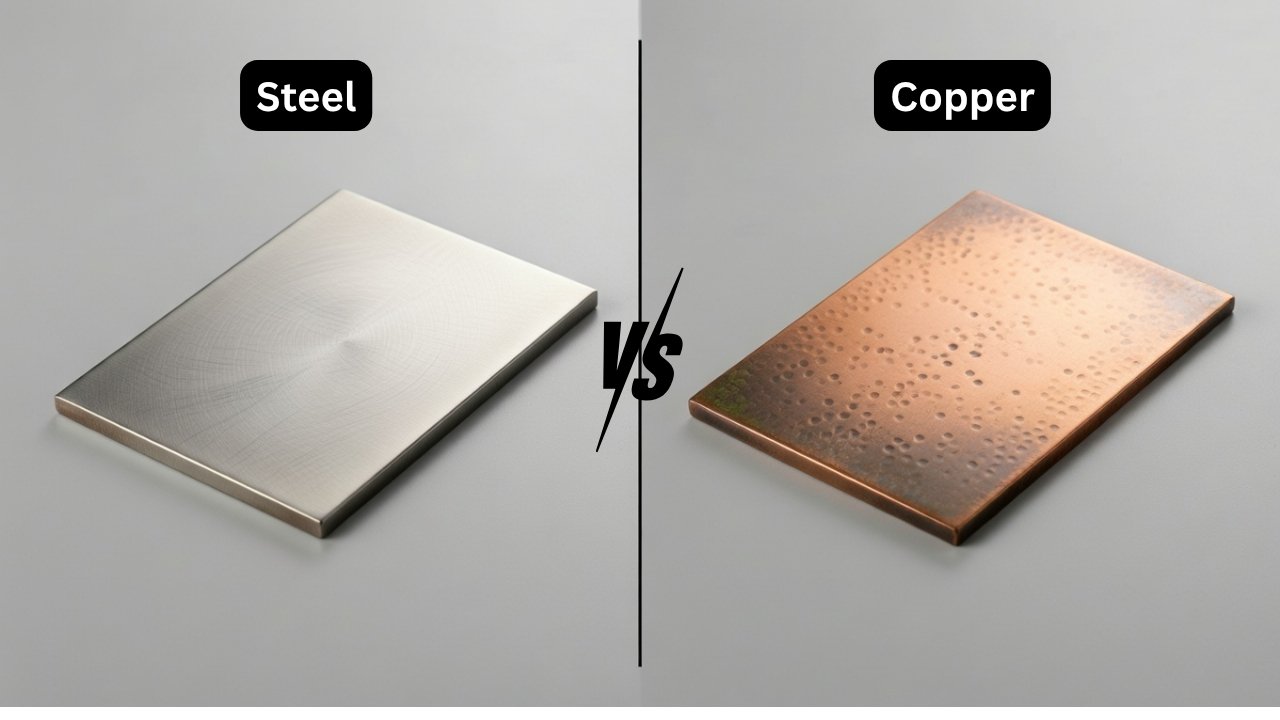
Copper vs Steel
Copper is easily bent with the help of little force, whereas steel is to be worked with more powerful equipment. Work hardening can be avoided when bending copper. Steel is less resistant to corrosion. When shaping steel you need to use more heat or lubrication than copper.
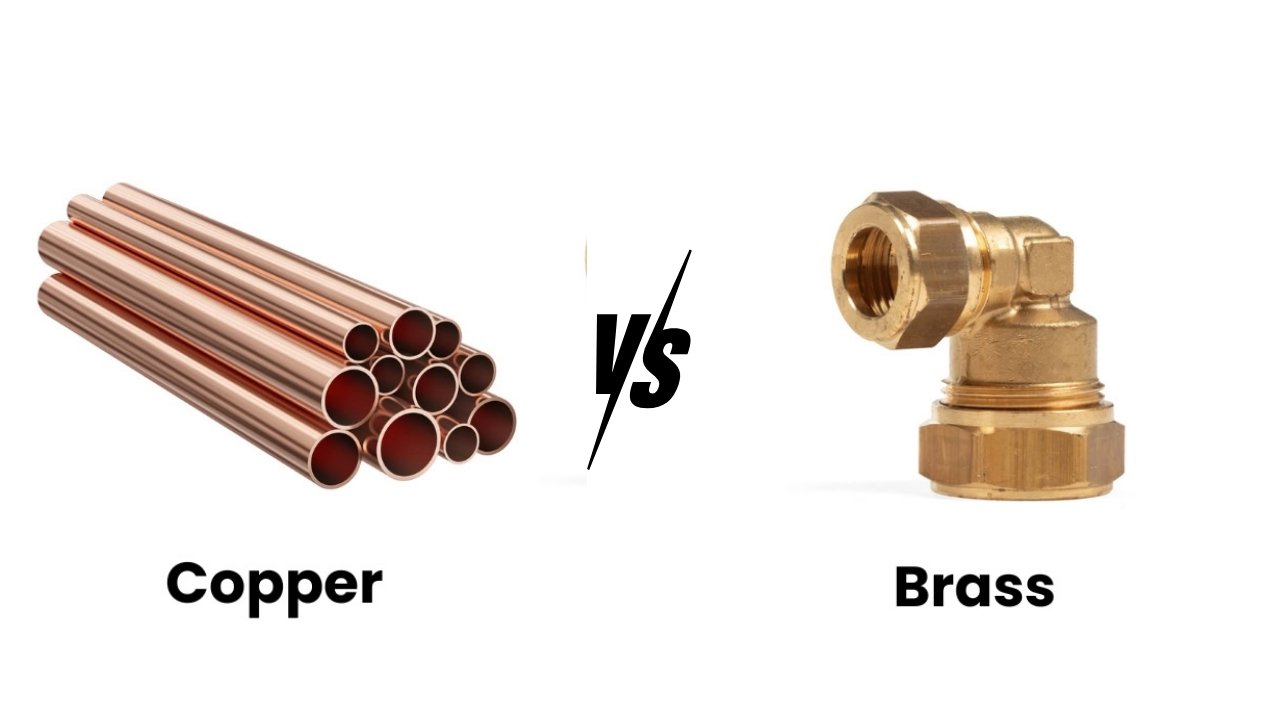
Copper vs Brass
During bending, copper is more flexible compared to brass. Fractures can be prevented when handling copper. Brass is more rigid, and it needs additional attention and tooling. Angles should be measured with care, because brass is more likely to spring back than copper.
Conclusion
In order to be successful in copper bending, one needs to be familiar with material properties, tools and techniques. The right method can help you to create accurate angles and curves. Thickness, temper and bend radius are always to be considered before beginning your project. It is best to avoid such common errors as kinking, flattening, or cracking by using gradual force and support. Depending on the project requirements, you are supposed to select manual, mechanical or heat-assisted. The ability to practice these will guarantee effective, long-lasting, and professional outcomes in plumbing, electrical, HVAC, or decorative projects each time.