Brass Bending Guide – Everything You Need to Know
What is Brass?
Brass refers to a metal alloy that is comprises of copper and zinc in balanced ratios. Copper content ranges between 55 and 95 percent, normally, and influences strength and color. An increase in zinc level makes it harder but less resistant to corrosion. Brass appears like gold, hence it is used in decorations. You enjoy its high levels of resistance to rust and tarnish in most settings. It is also a good conductor of heat and electricity. Moreover, brass is easily machineable, shapeable and formable into accurate components.
Mechanical Properties Relevant to Bending
- Ductility: Ductility enables materials to stretch to bending without fracturing. Thus you obtain smooth curves and prevent cracks.
- Malleability: Malleability allows metals to deform on compressive forces. It assists you in bending sheets without fracturing or splitting them.
- Yield Strength: Yield strength is a measure of stress limits above which permanent deformation occurs. You should exercise restraint in order to prevent overextending when bending.
- Hardness: Hardness is a measure of resistance to deformation of the surface. The harder materials demand more force and you are likely to have more wear in the tools during bending.
- Elastic Modulus: Elastic modulus is a measure of stiffness, and it affects the behaviour of a material in terms of springing back. You have to consider springback in planning right bends.
These properties combined determine your material selection and accuracy of bending.
Work Hardening in Brass
Hardening of brass at work occurs when you bend or form it. The crystal structure of the metal prevents movement which enhances strength and hardness. The more you bend the brass, the brittle it becomes, and it is likely to crack. This has a direct impact on fabrication because too much deformation decreases ductility.
Springback Behavior
The recovery of the bending force once you have taken it away is known as springback. Brass springs back since its atoms get back to their original positions partially. This will be particularly obvious in thin section. To keep it in check, you may bend a little over the required angle. You can also tighten the tooling, use heat, or choose the right bend radii to be more accurate.
Why Brass Bending Is Important in Metal Fabrication
Brass bending is an important process in metal fabrication because it enables the fabrication to be shaped accurately without additional joining operations. Complex geometries can be made on a single piece and the welding requirement is minimized. This will reduce wastage of material and the total cost of production. You also have better, more stable parts as there are no weak joint points. Consequently, your end products work better and are more durable on strenuous tasks.
Key Industries That Use Brass Bending
- Plumbing and fluid systems
- HVAC components
- Electrical and electronics
- Automotive manufacturing
- Architecture and interior design
- Musical instruments
- Ornamental metal and jewelry
Examples of Brass Components Produced by Bending
- Pipe fittings and assemblies of tubing
- Electrical connectors
- Brackets and housings
- Decorative rails and trims
- Springs and clips
- Instrument tubing
Brass Alloys Suitable for Bending
C260 (Cartridge Brass)
C260 is very ductile and has a great cold forming performance in bending projects. It is easy to bend sheets without cracking or surface damage. It is effective in deep drawing and structural parts and consistent production.
C272 (Yellow Brass)
C272 offers a balance between strength and ductility, which provides reliable performance in most bending processes. It does not easily deform under load in forming. You acquire regulated shaping in hardware and fabrication tasks. This balance is useful in various industrial applications.
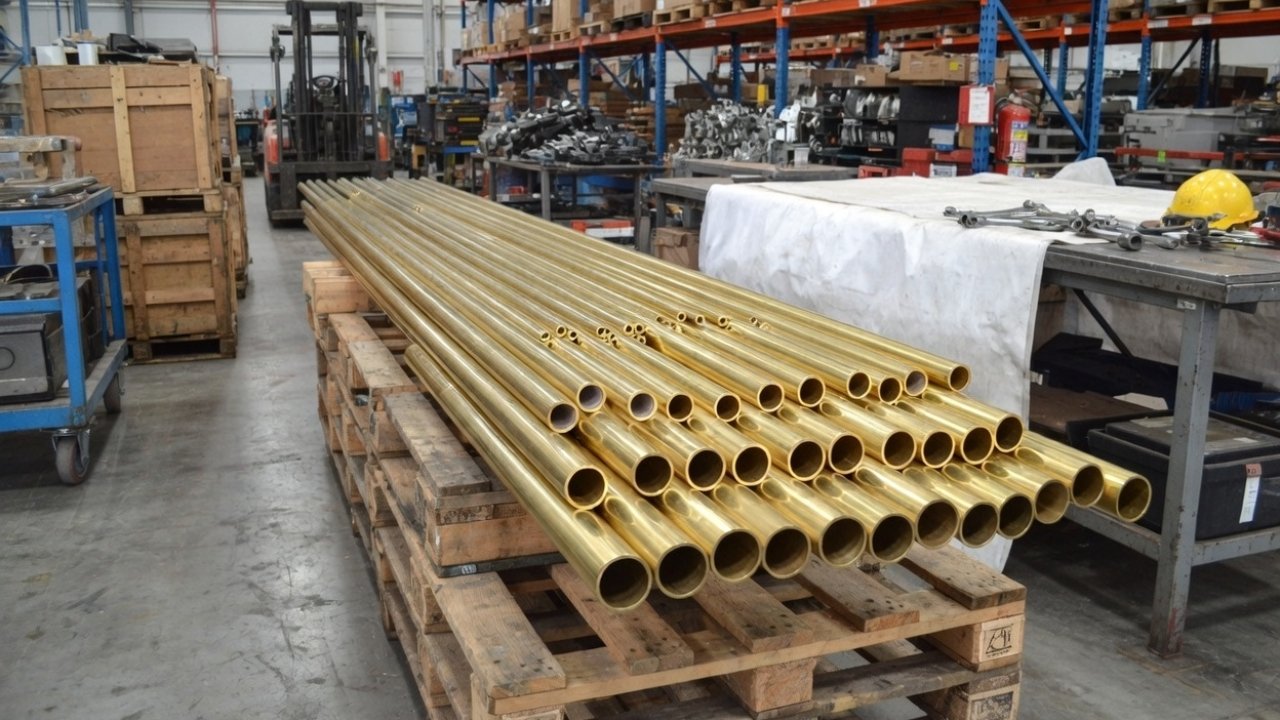
C360 (Free-Cutting Brass)
C360 focuses on machinability since increased lead content enhances the cutting performance. You find yourself cracking as you bend intricate shapes. Consider your design in order to prevent stress concentration and guarantee safe forming outcomes in the manufacture procedures continually.
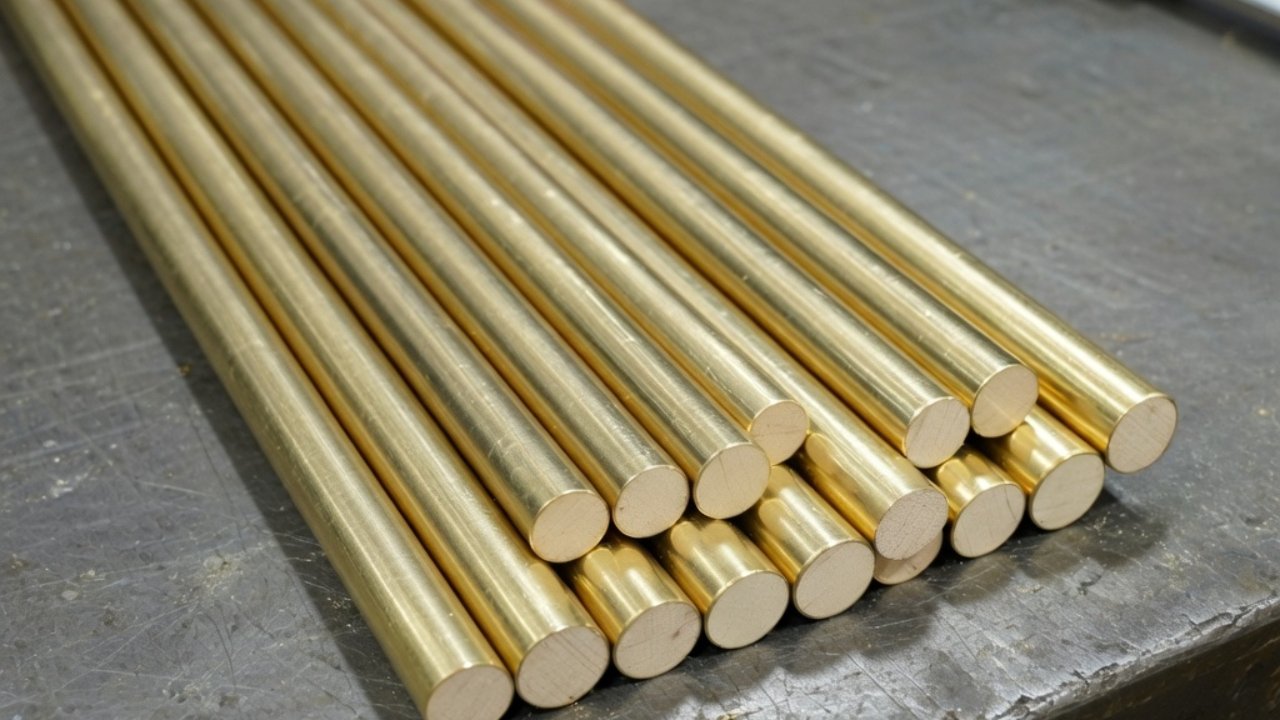
The influence of Alloy Composition on Bendability
Bendability is directly influenced by the composition of alloys in terms of zinc content and other components. With increased zinc, strength is enhanced and and the general ductility decreases when any bending is involved. Lead enhances machinability at the cost of bendability, and presents apparent trade-offs in fabrication choices.
Types of Brass Products That Can Be Bent
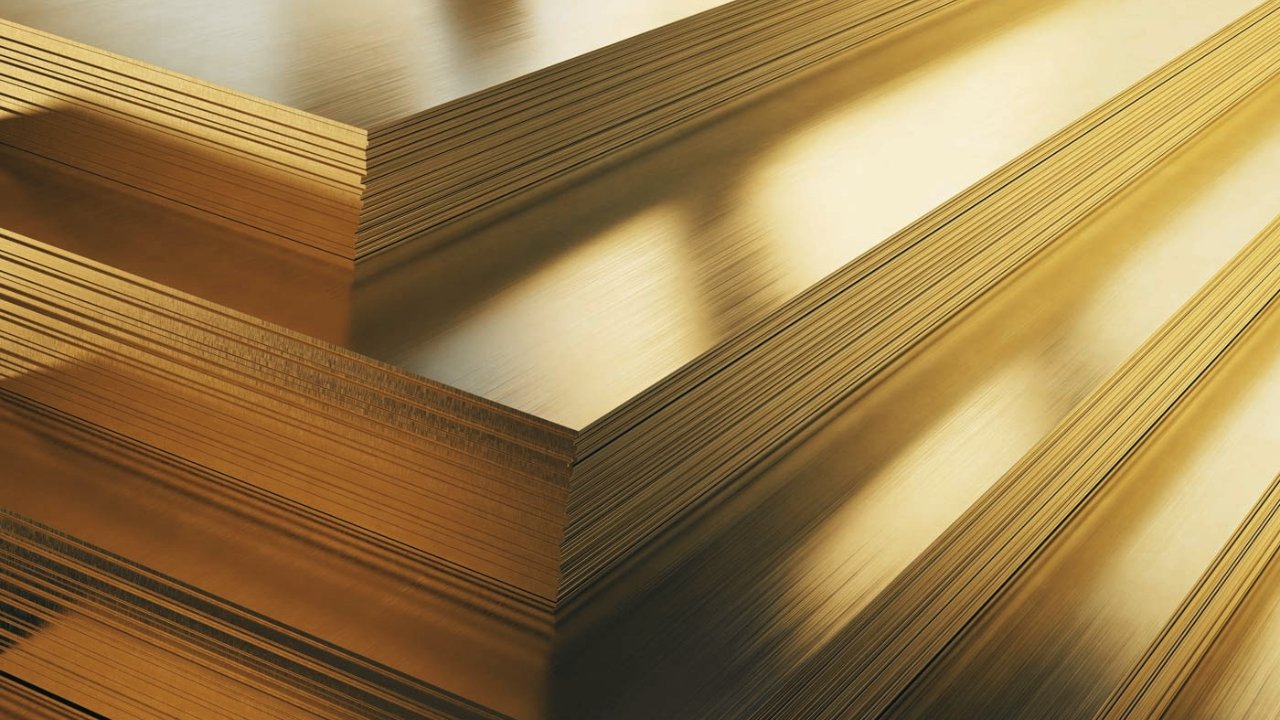
- Brass Sheet and Plate: Brass sheets and plates are easy to bend into panels, enclosures, brackets and decorations when you work with press brakes or controlled folding machines to be precise.
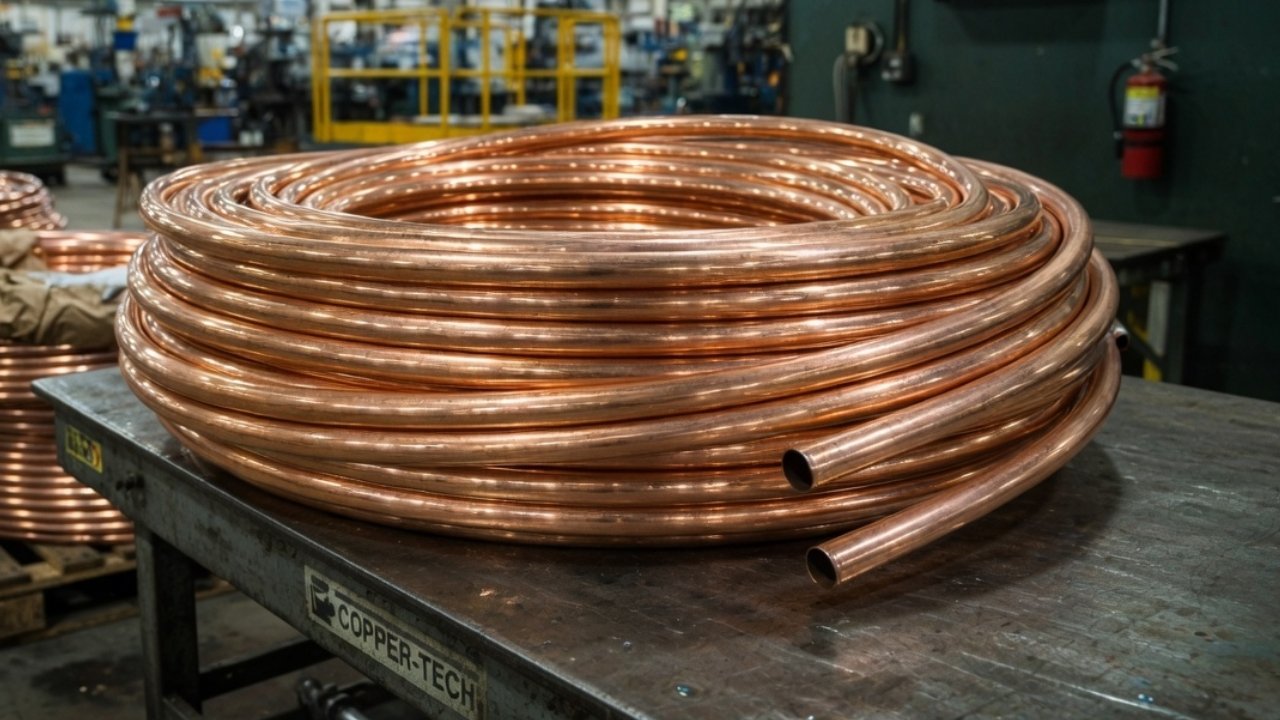
- Brass Tubes and Pipes: To install brass tubes and pipes, you need special tools to bend the tubes and pipes, which are round and do not kink, collapse, and ruin the structure in a tough project.
- Brass Bars and Rods: Brass bars and rods are available with round, square, or hex sections, and can be bent to fittings, supports and tailor-made structural elements with precision.
- Brass Wire: Brass wire is used as a smooth bending wire in electrical parts, springs, jewelry, and decorative designs enabling you to shape finer parts without cracking when worked in the right manner during fabrication.
Key Principles of Metal Bending
Tension and Compression Zones
In bending, the outer surfaces are under tension but the inner surfaces are compressed. These conflicting stresses need to be known to avoid cracking and structural failure of materials.
Neutral Axis Concept
The neutral axis passes through the material in which stress is zero during bending. Compression of material above it and extension of material below it predicts deformation.
Bend Radius
You ought to choose the right radius of bending to suit material type and thickness. Strict bends create pressure and can lead to cracking and irreversible deformation problems.
K-Factor in Bending Sheet Metal
The K-factor determines the location of the neutral axis in the sheet thickness. You apply it to compute bend allowance and generate precise flat patterns on a regular basis.
Essential Tools and Equipment for Brass Bending
Manual Bending Tools
- Bench Vise: Bench vise grips metal firmly giving it stability on the bench as you bend accurately and safely. It eliminates slippage, improves control and helps in shaping when doing repetitive fabrication work.
- Hand Benders: Hand benders will help you to achieve the perfect angle of the rods and strips without the use of complex machinery. You apply continuous pressure resulting in smooth curves that give reproducible results.
- Pliers: Pliers allow you to grip, bend and twist small materials in doing light bending jobs. You grasp objects in tight aisles and handle figures in a very clumsy way.
- Mandrels: Mandrels are used to hold tubes together, in order to prevent collapsing and unwanted flattening. When you are fabricating, you achieve smooth radii, diameter control and general bend quality.
- Tube Bending Springs: Tube bending springs are intended to reinforce thin tubing to prevent kinking. You put them in or out of the tube, and set the controlled curves in effect by hand.
Mechanical and Industrial Bending Machines
- Press Braces: Press braces help to bend sheet metal using punches and dies. You also achieve stable angles and increase productivity in fabrication workshops with stable results.
- Rotary Draw Benders: Rotary draw benders are rounded instruments that make precise curved bends in tubes and pipes through controlled rotation and clamping. These machines help in providing accuracy and uniformity in production.
- Roll Benders: Roll benders are the machines that roll metal sheets and plates using rollers that can be adjusted. The process of fabrication can be performed effectively and safely by designing curves and cylinders with equal radii.
- Tube Bending Machines: Tube bending machines are employed to provide complicated shapes to hollow sections without affecting the structural strength. Such systems will assist you in achieving industrial standards easily and with reliability.
CNC Bending Equipment
- CNC Press Brades: CNC press brades consist of bending sheet metal with programmable precision and controlled repeatability. You maximize productivity and remove the mistakes of fabrication successfully.
- CNC Tube Bending Machines: CNC tube bending machines enable you to draw precise curves in pipes to cut complex structural designs. You have consistent quality production.
- CNC Wire Forming Machines: CNC wire forming machines can help you to make detailed parts in a short time with automated precision and repeatability. You boost efficiency daily.
Supporting Tooling
- Dies and Punches: Dies and punches are applied to shape, cut or form material to the production process. They control dimensions and can be depended on to give similar outcomes in every cycle.
- About the mandrels: Mandrels contain hollow materials and maintain them straight during bending or shaping tubes. They do not lose interior shape and make deforming processes more accurate to improve quality.
- Pressure Dies: Pressure dies are applied to apply controlled forces to stabilize material when working on complex profiles. You rely on proper positioning to avoid imperfections and surface scars at any given time.
- Bending Blocks: You are bending blocks and you are simply going to bend material around certain radii so that you can achieve repeatable angles. They reduce the level of stress and help you to stay structurally intact in the process.
- Jigs and Fixtures: Jigs and fixtures are used to secure the workpieces in position, so that you never make any mistake when you are working on them. They increase safety, speed, and consistency between repetitive production operations in your workflow.
Brass Sheet Bending Techniques
Press Brake Bending
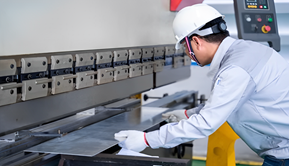
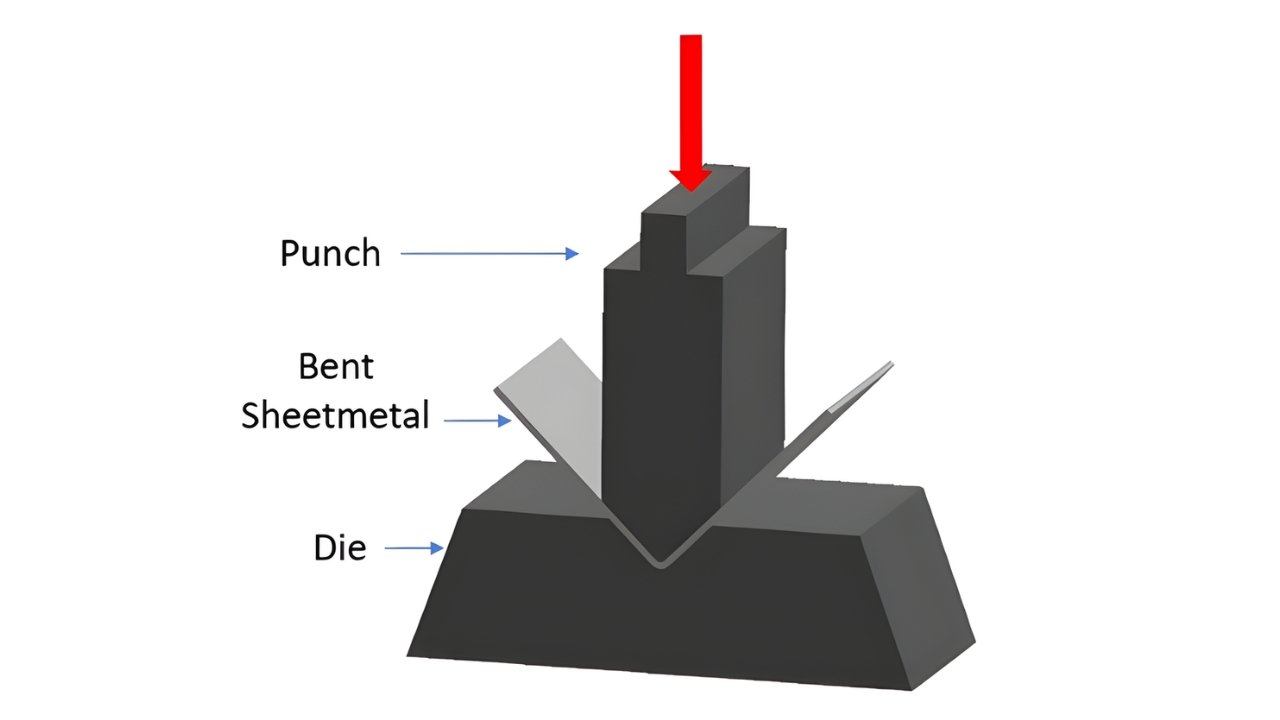
You can use matched punches and dies to shape brass sheets through press braze bending. The sheet is placed between the tools, and controlled machine force is applied. Always be careful with what angle to use to achieve consistent fabrication results.
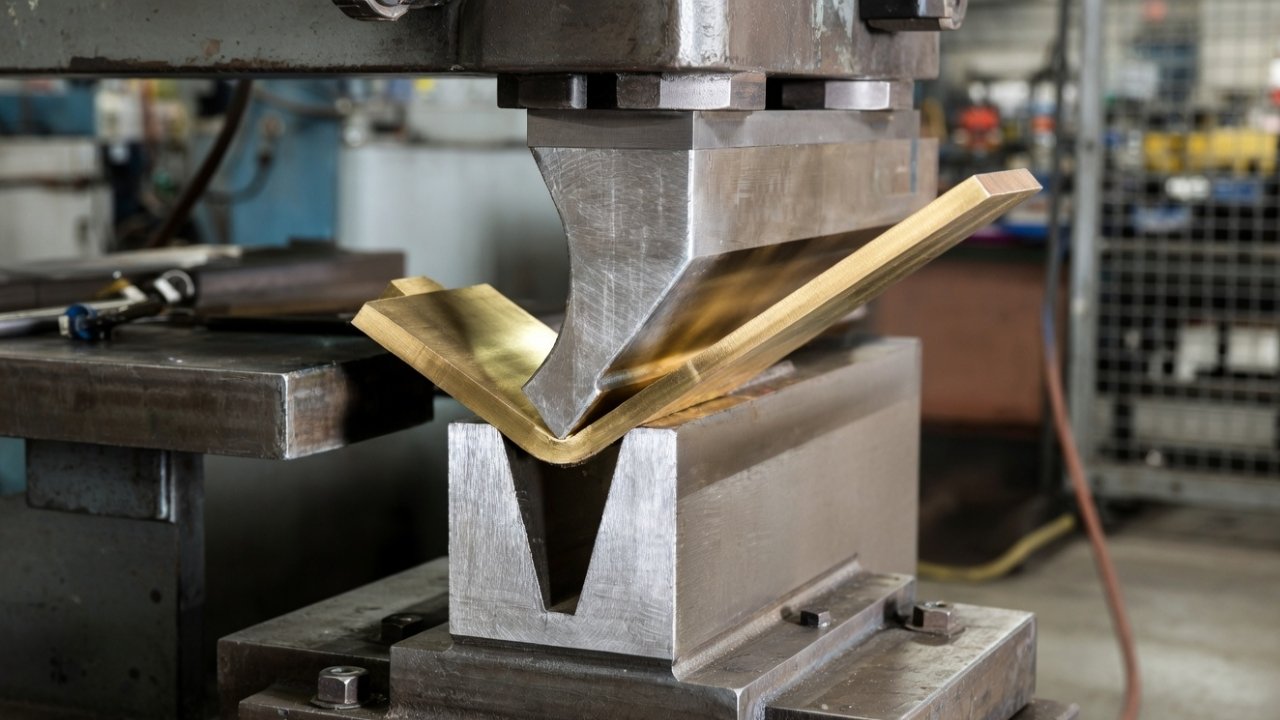
Air Bending
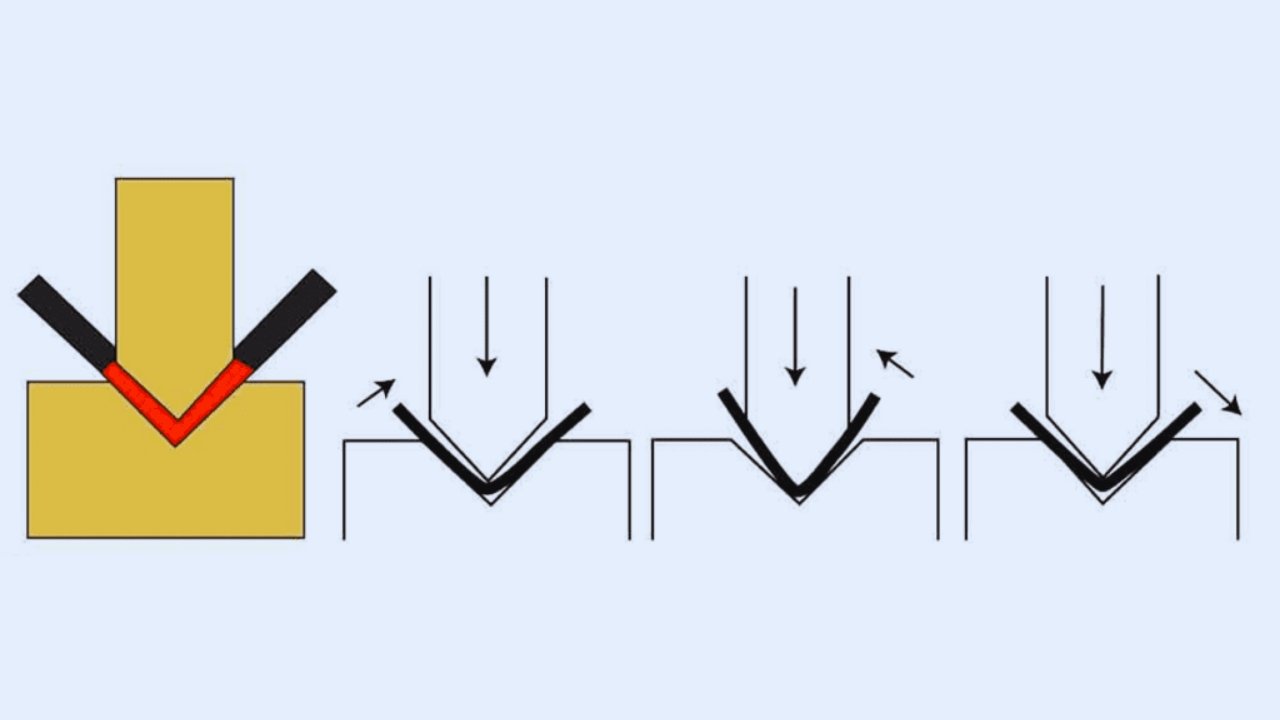
Air bending allows you to bend angles without plowing the sheet into the die. The die edges hold the punch and the brass is hit by the punch. Adjust the ram position to get the desired bend angle.
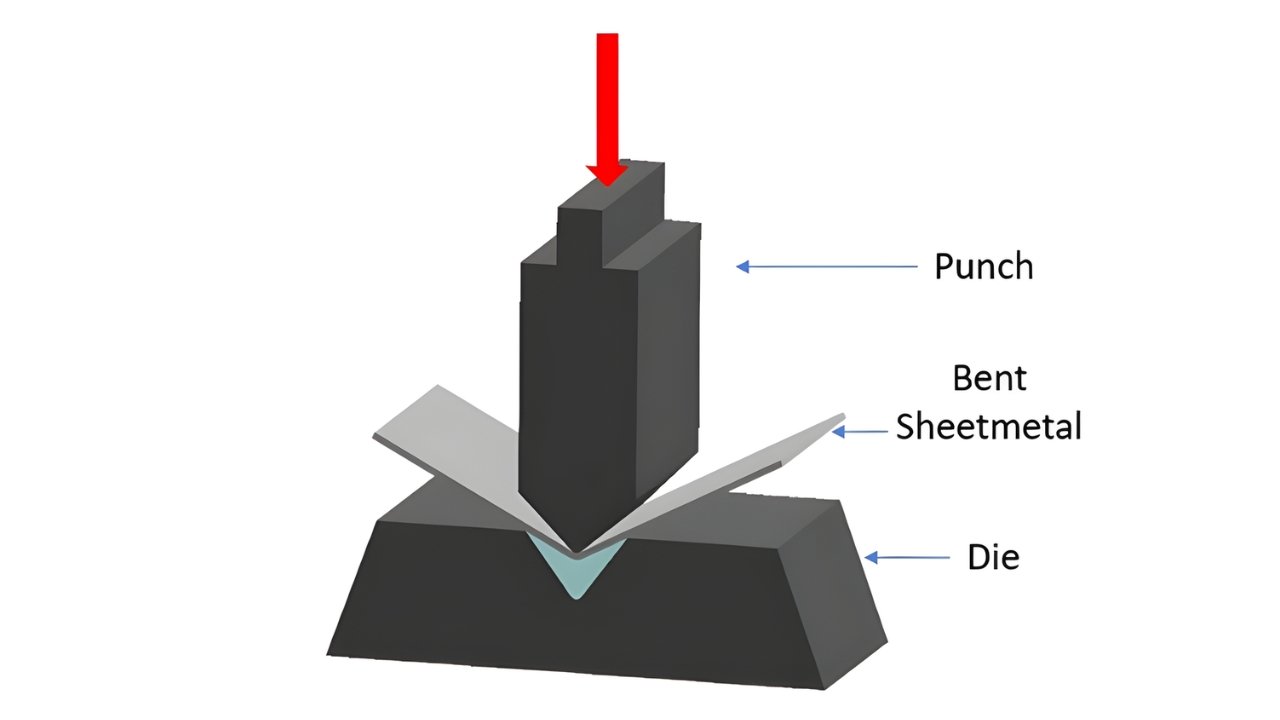
Bottoming
Bottoming forces the brass sheet into the die cavity. You exert more force until the material is the same as the tool shape. This method decreases variability and enhances angle stability. Proper tooling should be used to avoid damage.
Coining
Coining involves the use of very high pressure to create accurate brass folds. You press the sheet into the die profile fully. The process reduces the thickness of the material and reduces springback. It provides high precision in high-performance use.
Roll Bending of Brass Sheets
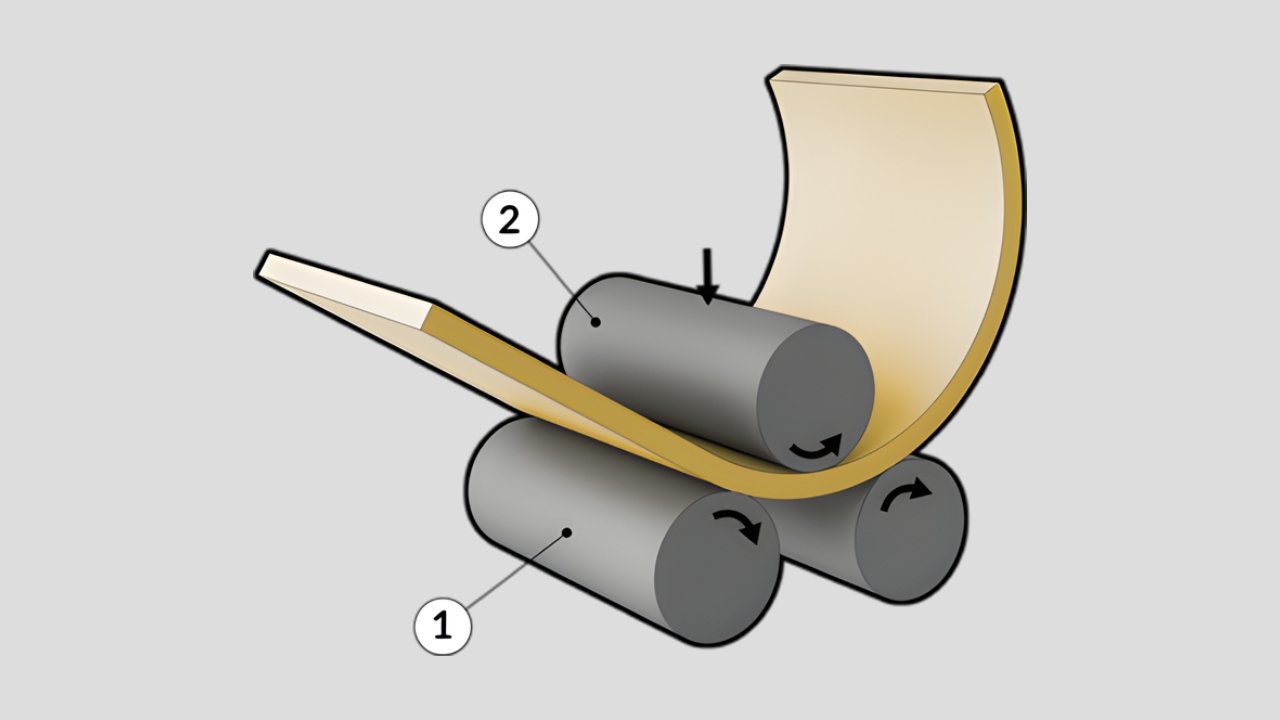
Roll bending involves shaping brass sheets with rollers which are adjustable. You roll the material to form smooth curves. The technique is effective with large radii and cylindrical parts. you slowly vary distance to exact curves.
Brass Tube Bending Techniques
Coil Spring Tube Bending
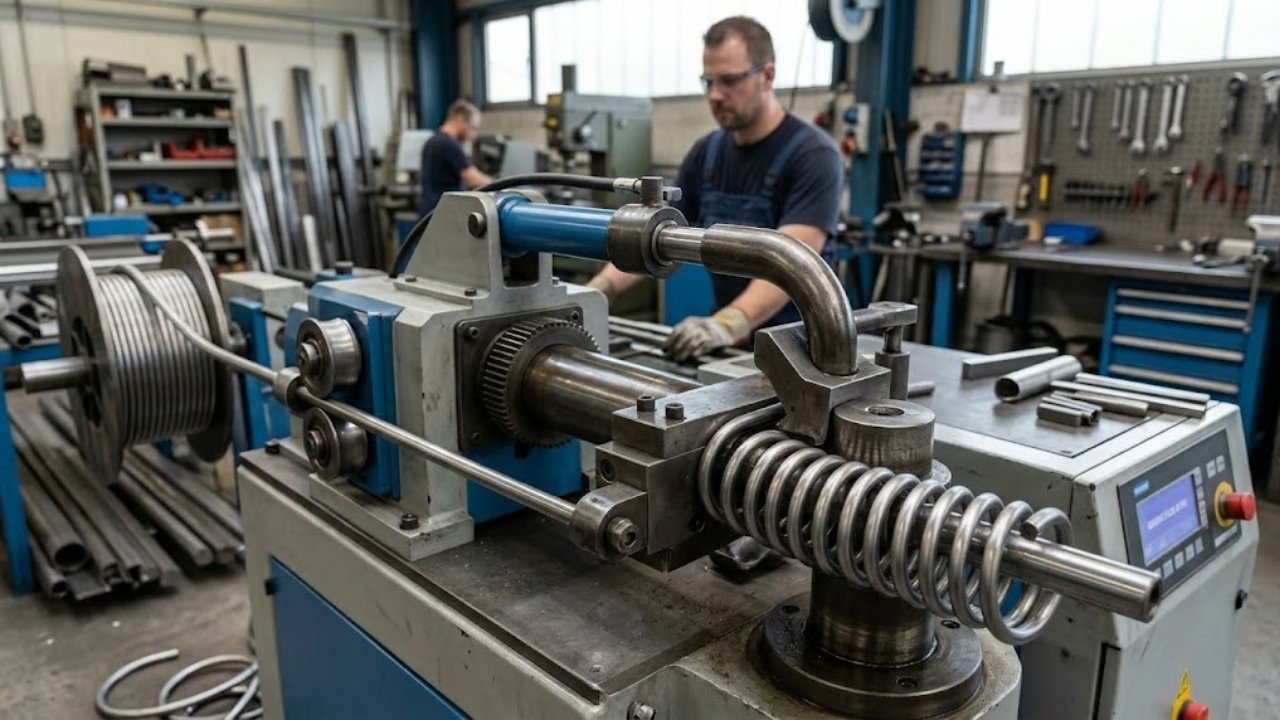
Coil spring bending assists you to bend tubes using easy support equipment. You fit yourself an internal or external spring to keep round. Then the tube is bent by hand, and the spring will not be kinked when forming.
Rotary Draw Bending
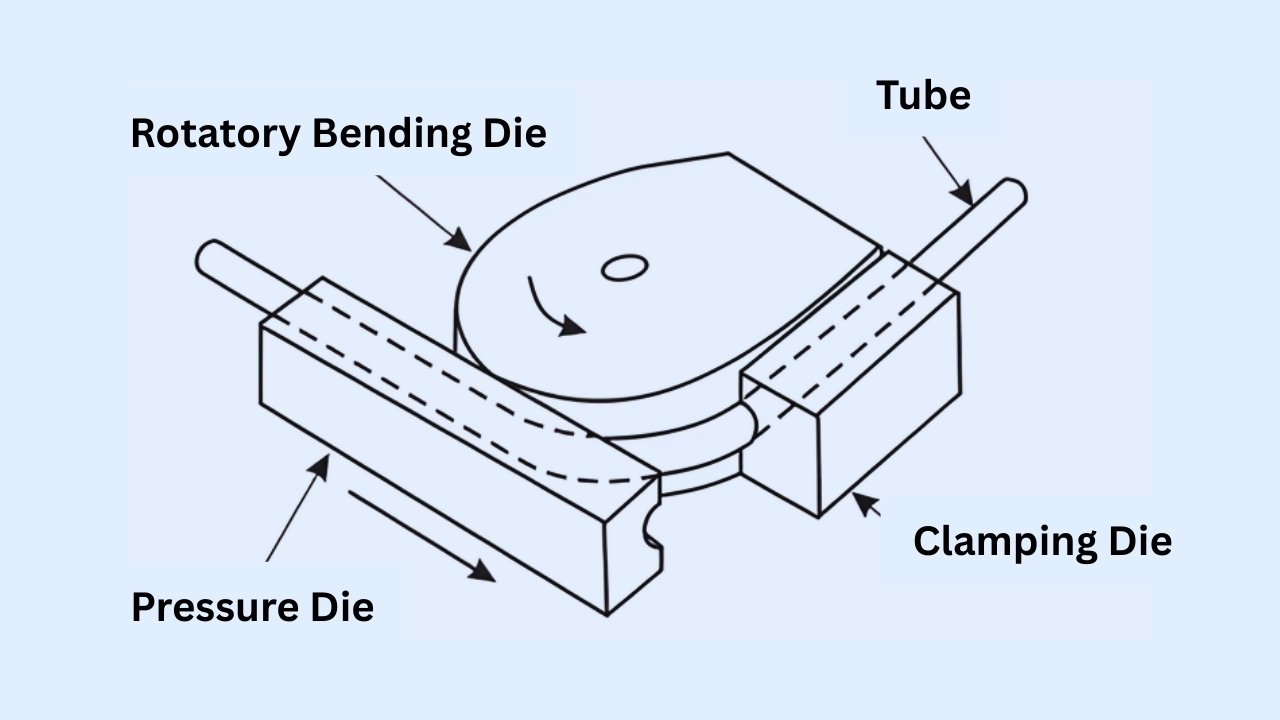
Rotary draw bending provides accurate and consistent results to industrial projects. A tube is clamped with a die and rotated around a constant radius using a bend die. Tube is firmly clamped with pressure die.
Mandrel Bending
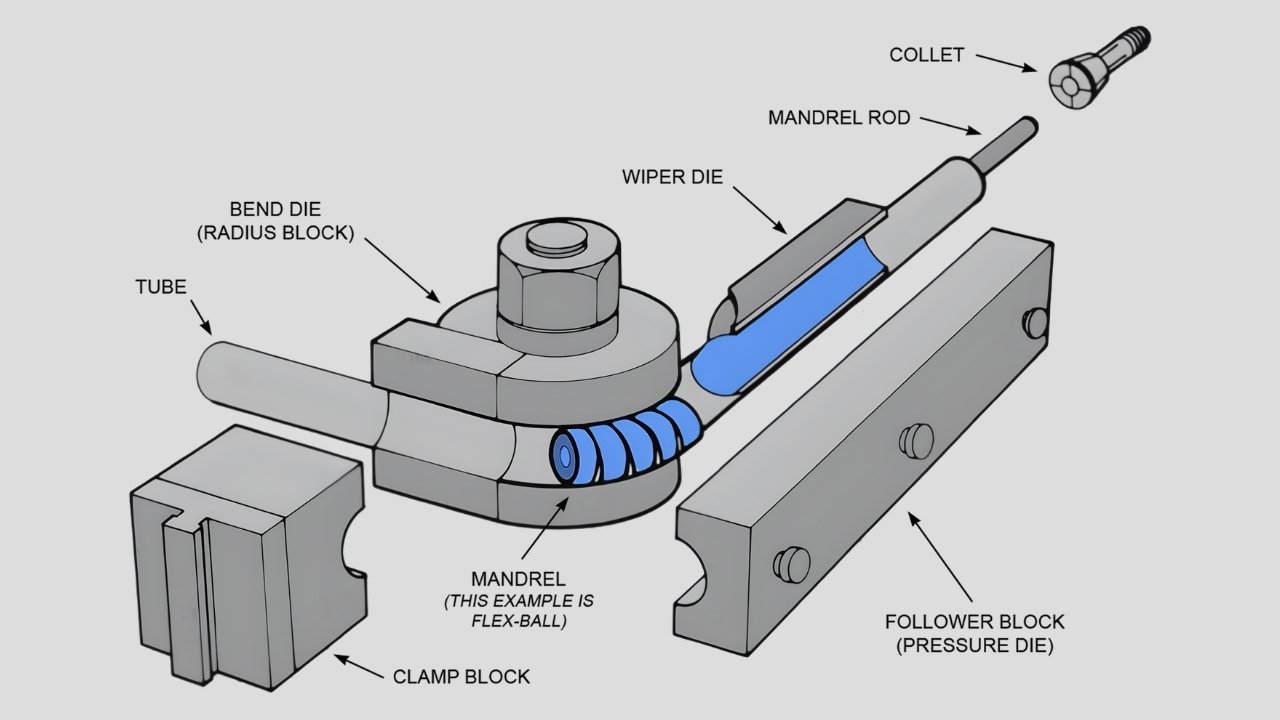
The mandrel bending involves the use of an internal rod to hold the tube in place as it is formed. Before bending starts you put the mandrel in the tube. This reinforcement allows against collapse and regulates wall thickness in tight radius constructions.
CNC Tube Bending
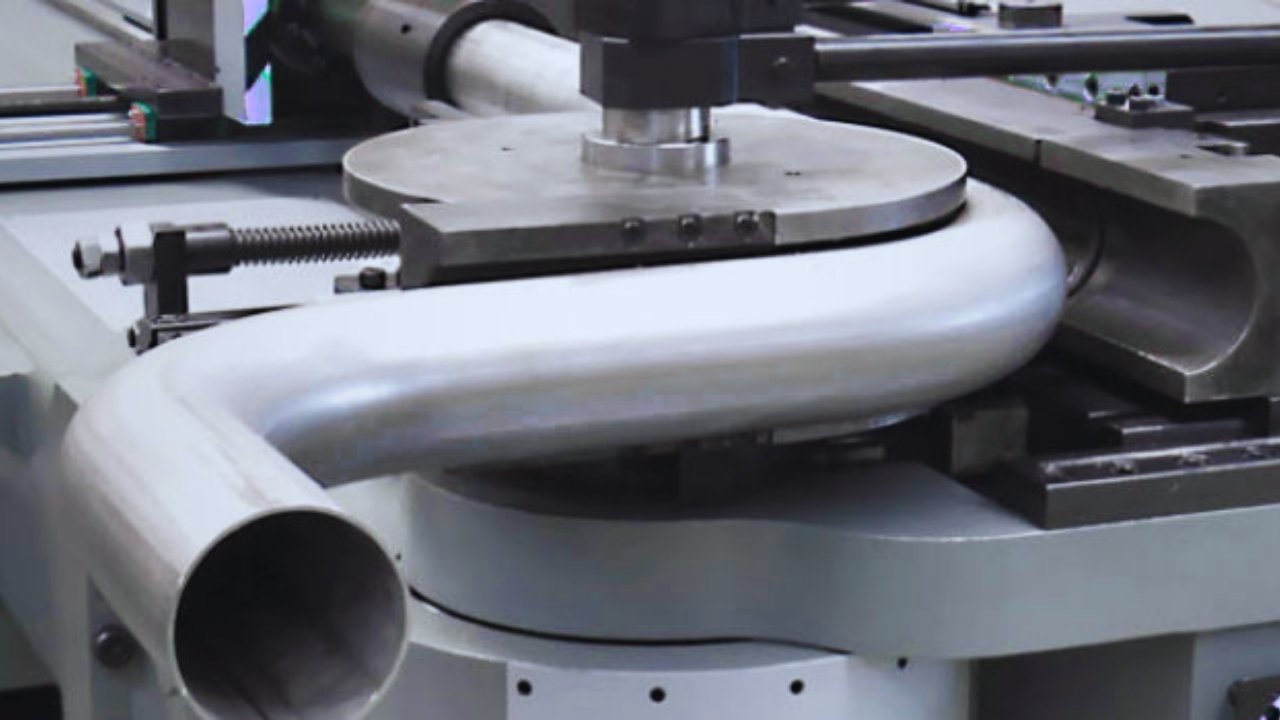
Computer numerical control bending is used to make elaborate tube shapes with high precision. You enter the angles and radii into the machine and it repeats the movements. Multi axis control enables effective manufacture of complex parts with accuracy.
Brass Bar and Rod Bending Techniques
Cold Bending Technique
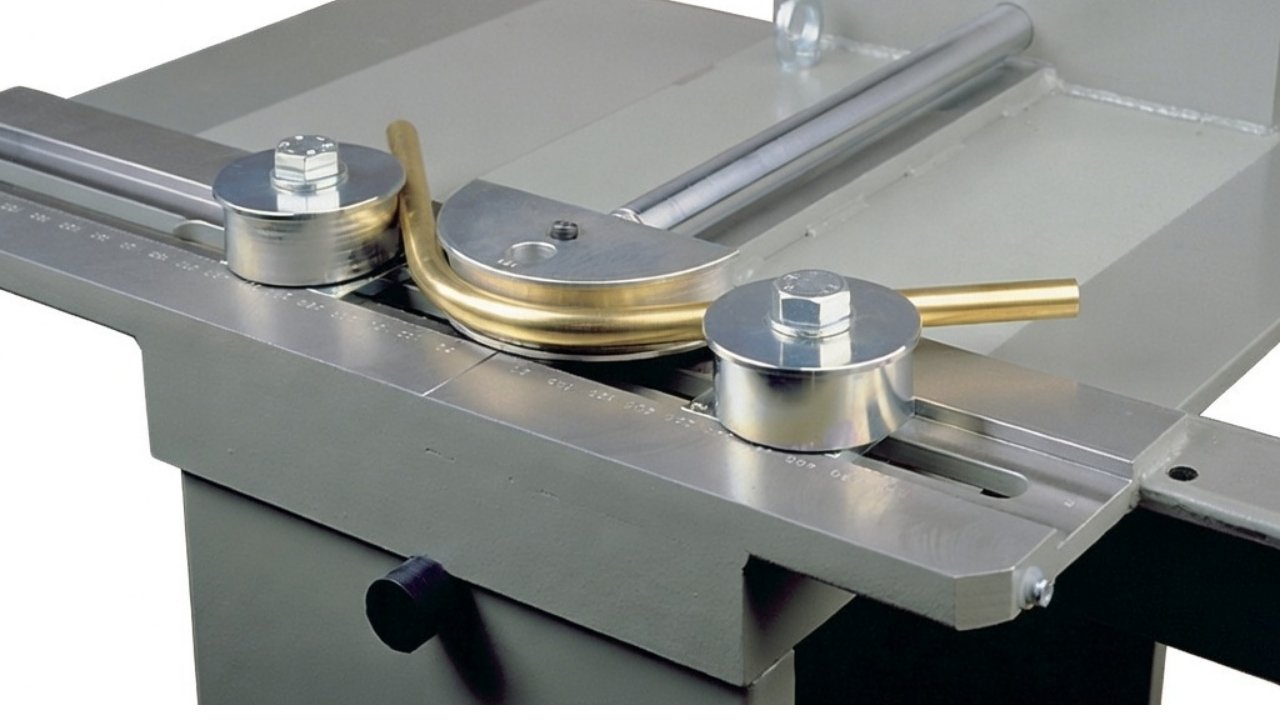
Cold bending is a method used in shaping brass bars without heating. You use presses or manual instruments to apply controlled force. This technique is effective in thinner parts and softer alloys. It is effective in material strength.
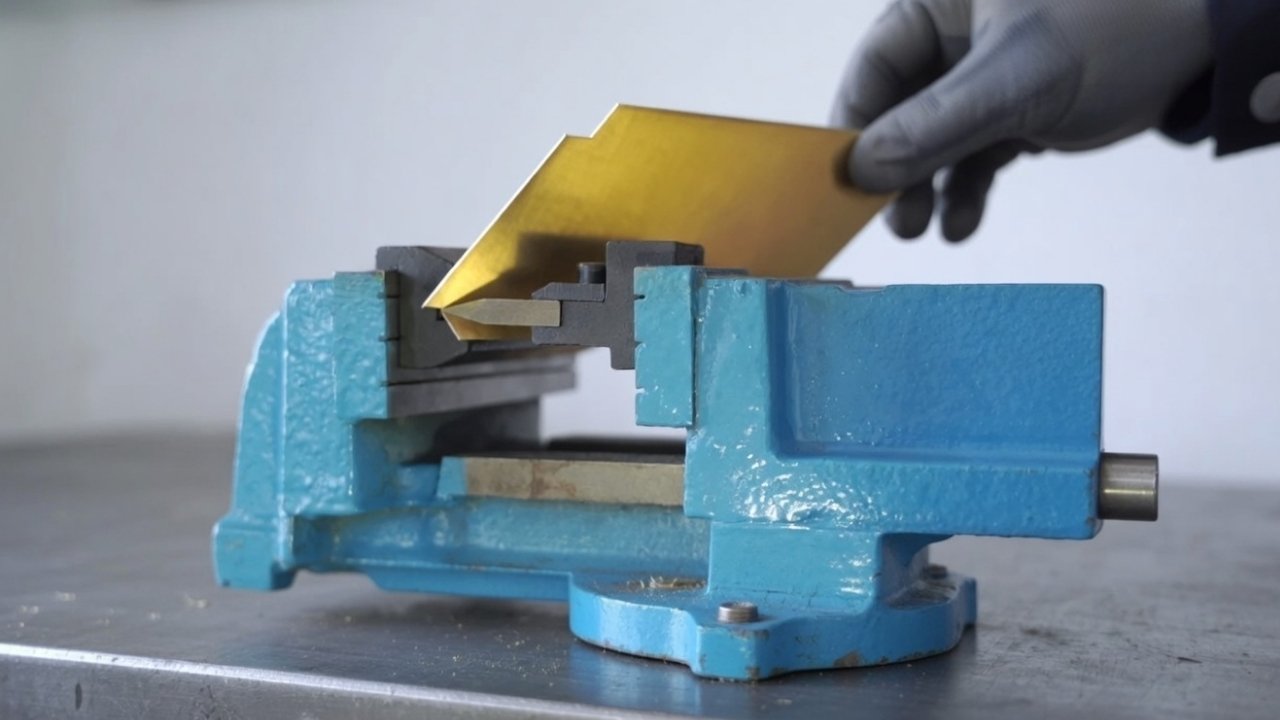
Vise-Assisted Bending
Vise-assisted bending involves leveraging on a strong bench vise. You screw the brass in place and then put a gradual pressure. This minimal system enables shaping in workshops to be controlled. It is appropriate to small projects and rapid changes. With accuracy.
Rotary Draw Bending for Rods
Rotary draw bending is a technique that bends rods with precision dies and clamps. You insert the rod into the machine as it turns. The tooling regulates radius and eliminates surface distortion. You get repeatable curves to repeat production.
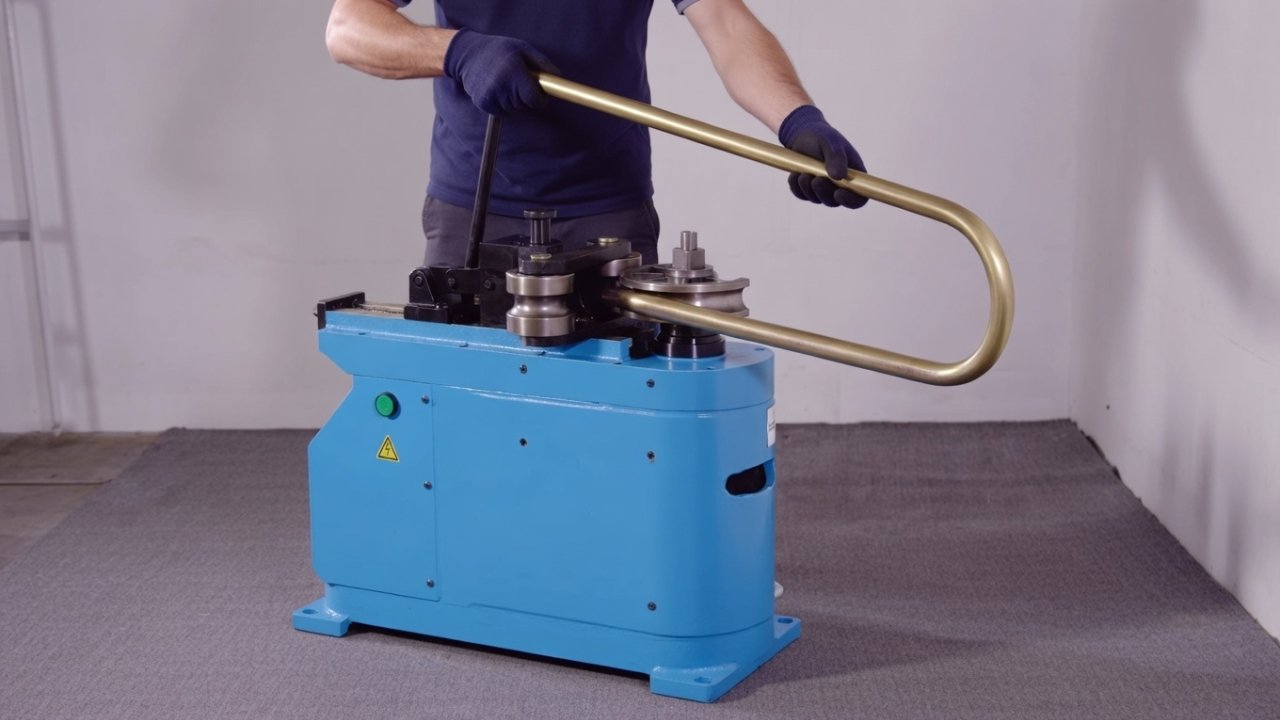
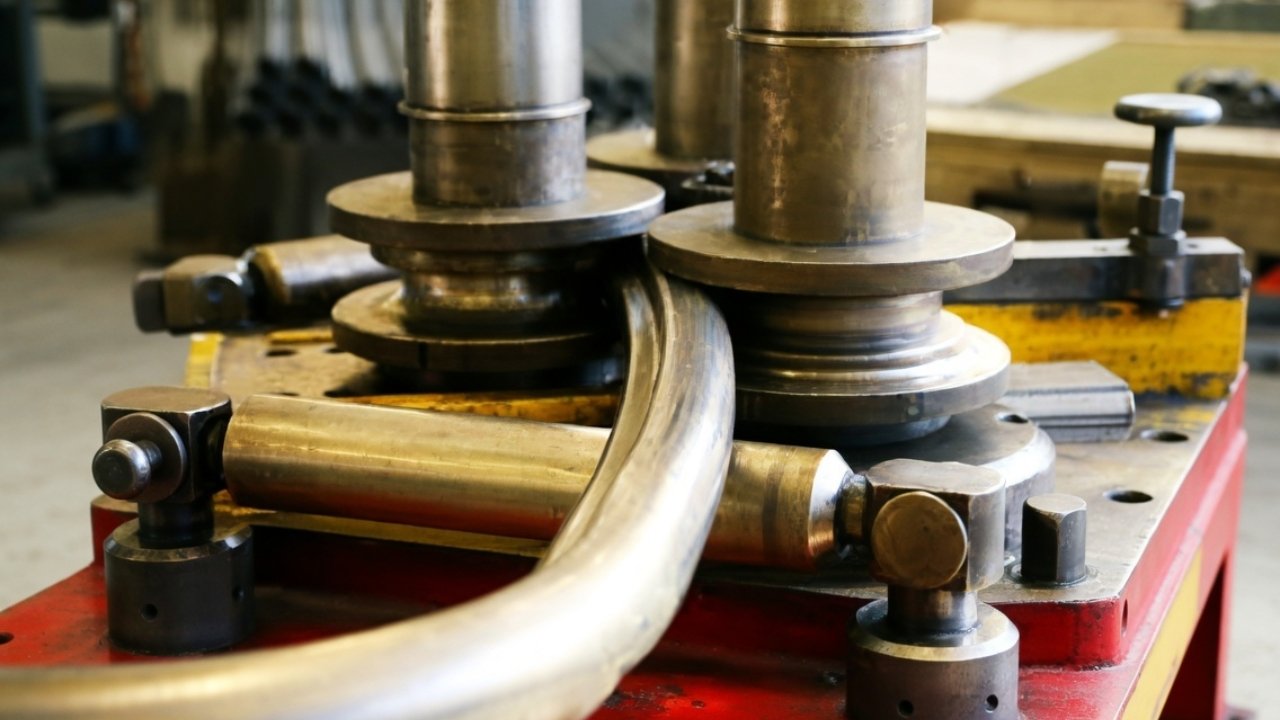
Roll Bending
Roll bending involves passing brass through adjustable rollers in order to form curves. You slowly use rollers to adjust curvature. This method generates rounded arcs, rings and big areas. It is effective with slow structural parts. Safely.
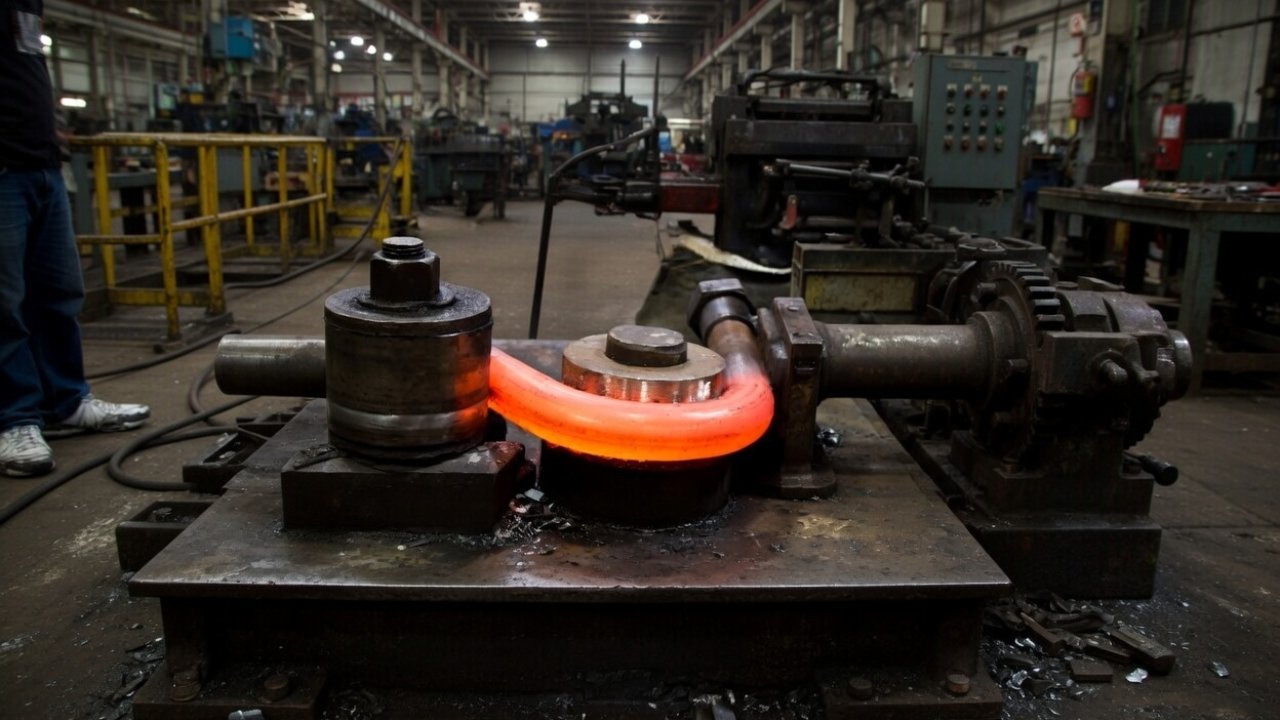
Heat-Assisted Bending
In heat assisted bending, the thick brass bars are heated and then bends. You heat it locally with a torch or furnace. Heating enhances ductility and decreases the chances of cracking. You roll the heated matter into the correct shapes.
Brass Wire Bending Techniques
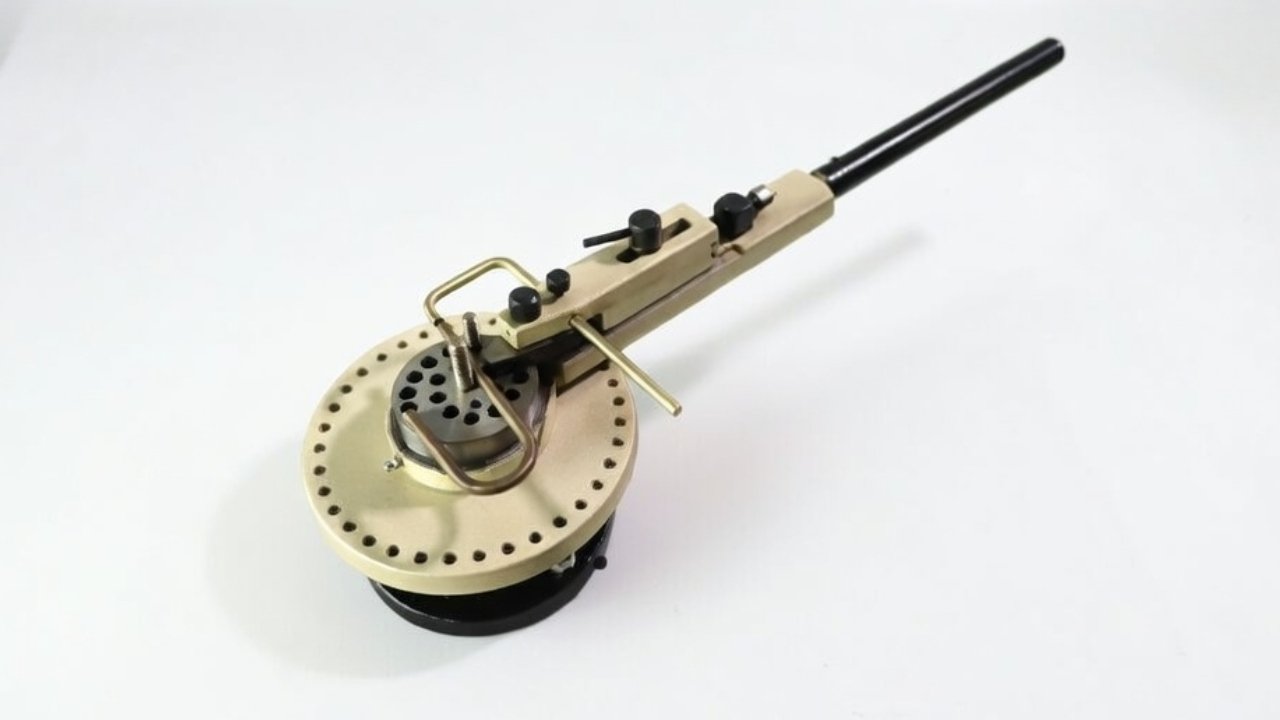
Manual Wire Bending
Hand bending of wires is based on hand tools like pliers and basic jigs. You place the brass wire in place, and a little pressure is applied to create the correct angles and curves on small projects and make corrections precisely.
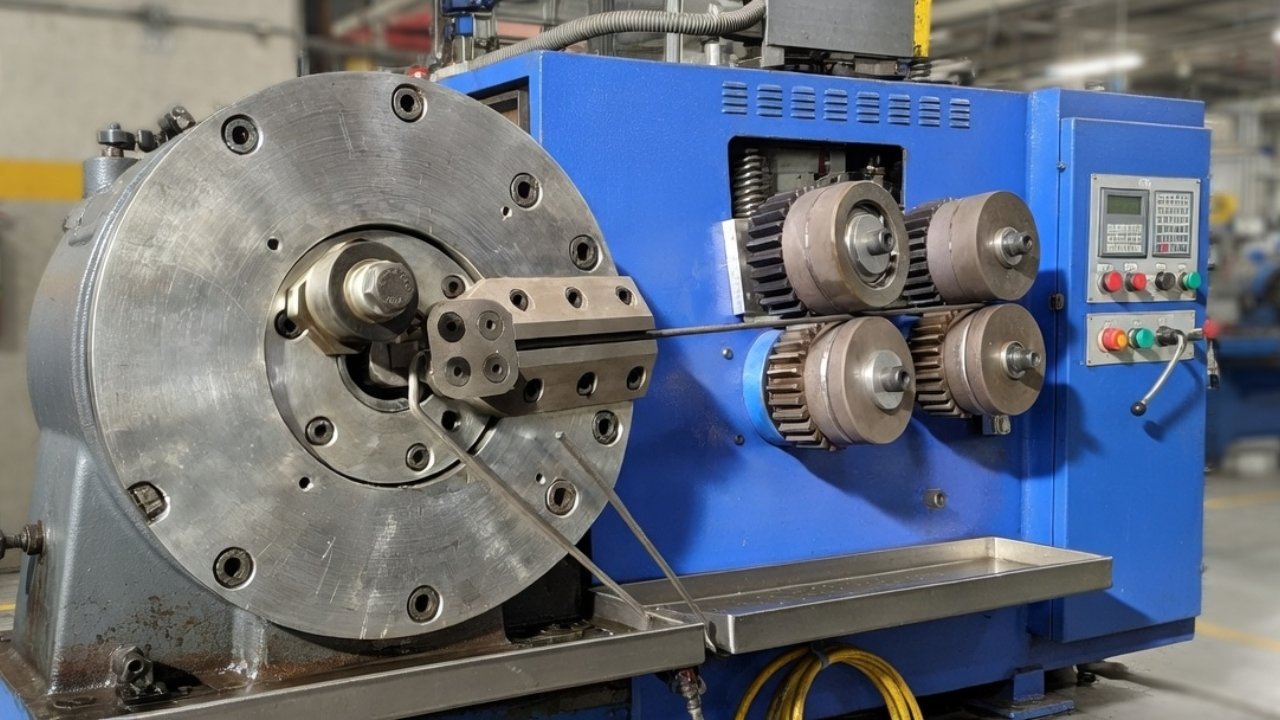
Mechanical Wire Forming
Mechanical wire forming involves the use of pneumatic or motor powered machines to bend brass on a regular basis. You insert the wire into precision tooling and the machine exerts uniform pressure to produce repeatable forms with enhanced speed and precision.
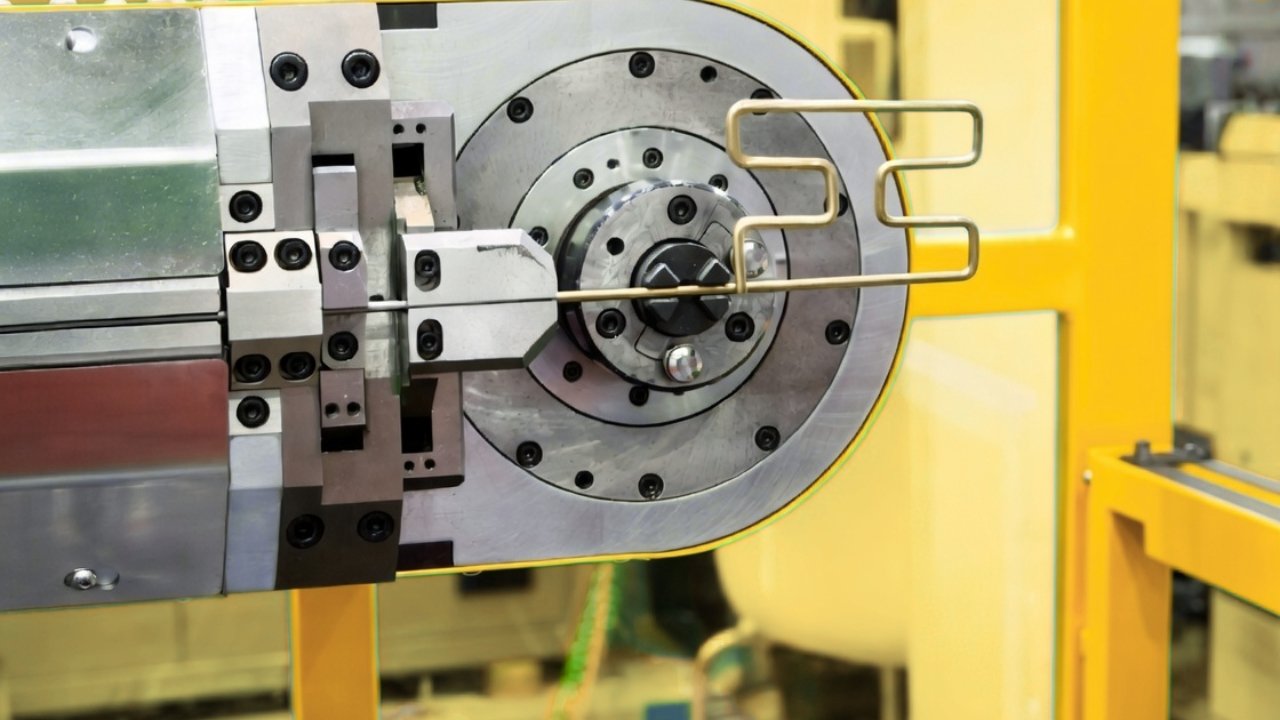
CNC Wire Bending
CNC wire bending is based on programmable controls to control accurate movements. You create the shape on the computer, and then insert the program into the machine, which then bends brass wire into complex geometries with tight tolerances in an efficient manner.
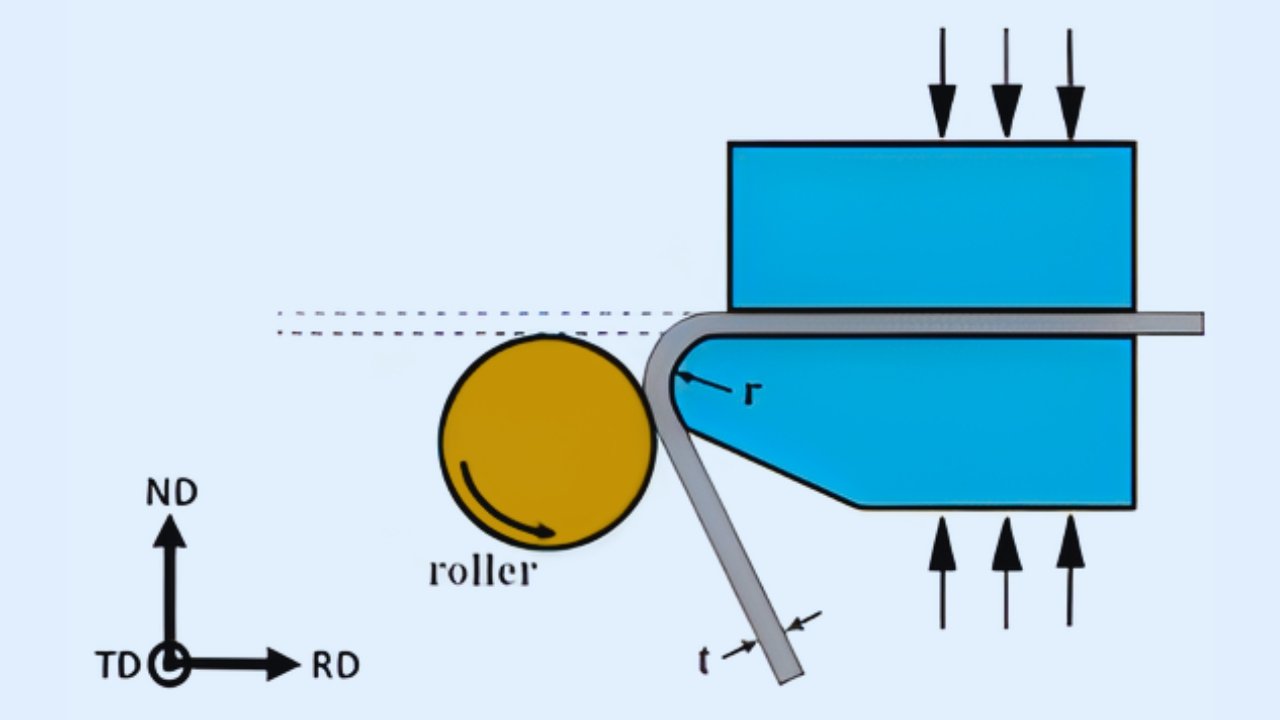
Wrap Bending
Wrap bending is a technique that uses a mandrel or shaped core wrapped in brass wire. You choose the mandrel sizes to determine the coil size exactly. Setting up carefully will enable you to be confident that quality is being maintained even between batches.
Annealing Brass for Easier Bending
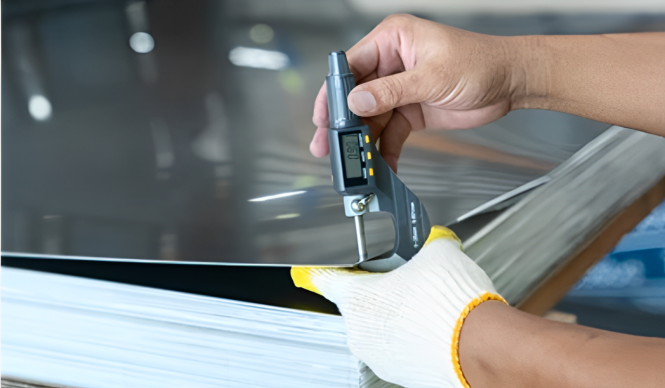
Annealing brass refers to the act of heating brass to make it more bendable. Heat brass to about 450 C -650 C, depending on the alloy. This heating results in recrystallization to refine the grain structure. Consequently, the hardness is reduced and the ductility is enhanced. The heating should be kept very low and then left to cool off naturally. Then wipe the surface to clean the oxidation and give it a finish.
Factors That Affect Brass Bending Quality
- Material Thickness: Thicker brass requires larger bend radii and more powerful tools. You have to be careful with shaping force so that you do not crack or unintentionally distort the object. Plan each bend precisely.
- Grain Direction: It is always prudent to examine the rolling direction prior to beginning the bend. Flexing in the opposite direction to the grain decreases cracking and enhances structural integrity. This stage safeguards the surface quality.
- Bend Radius: Choose the bend radius based on the grade of brass and its thickness. Excessively small radius heightens the stress concentration and can result in fractures during forming. Carefully.
- Condition of tools: Check tools and dies before each production run. Damaged or worn dies may produce surface flaws and lower the general bending precision. Keep your tools in good shape.
- Lubrication and Friction: Before starting the bending process apply appropriate lubricants. Lubrication minimizes friction, removes scratches, and increases the life of the tool when it is used repeatedly. You improve finish quality.
- Bending Speed and Force: Manage speed of bending to achieve accuracy and stability. Too much force or speed may bend the material and undermine the end dimensions. Work patiently throughout.
Common Brass Bending Defects and Solutions
Cracking at the Outer Radius
The outer-radius cracking happens when the tensile stress is more than the material strength. Hard temper and tight radia augment danger. To alleviate stress, you should anneal the brass or add bend radius. This enhances safety in bending.
Inner Radius Wrinkling
The inner radius wrinkling occurs because of the compressive stress on the bending. The problem is exacerbated by thin material and ineffective support. Proper tooling and internal supports can be used to stabilize metal and compress.
Tube Collapse or Flattening
Tube collapse or flattening happens when you bend without any sufficient internal support. The tube walls are overstretched by external pressure and the shape is distorted. A mandrel or other appropriate filler material should be inserted to sustain round geometry.
Surface Scratches
Surface scratches are the result of coarse die, contaminated tools or incorrect clamping during bending. Such flaws decrease cosmetic and corrosive resistance. Protective films and soft jaws can be applied to the brass surface to protect it.
Inaccurate Bend Angles
The incorrect bend angles are caused by springback or misalignment of the tools during forming. Brass is more likely to resume a little after the release of pressure altering the final angle. Before production, springback needs to be accounted and tool alignment checked.
When Bending Brass, Do It Right the First Time
- Scrap Test On Material First: Test scrap material before actual work to be familiar with springback and bending limits. This practice helps you to control the right amount of pressure, the angle and position of the tools.
- Use Appropriate Lubrication: Size appropriate lubrication to reduce friction and protect the surface of the brass during bending. With constant movement you can improve on the finish and decrease the scratches.
- Do Not Bend: Do not bend in the same place again and again because such stress causes work hardening. You possess material strength and prevent cracks when considering all the bends.
- Proper Clamping: Before bending, the brass should be clamped well in order to prevent slipping and creating angles that are not equal. Clamping should be done correctly in order to be in control of the alignment and to have consistent results that are reliable.
- Keep Tooling Clean: Clean your tools to avoid surface defects and undesirable marks on brass. Dirt and debris can destroy finishes, so you check equipment before projects.
Brass Bending Safety
Personal Protective Equipment (PPE)
Wear protective clothing, gloves and safety glasses when bending brass. The practice will reduce the number of injuries and help you to maintain the same handling control at work.
Safe Operation of Bending Machines
Work with bending machines according to the instructions of the manufacturer and verify the settings at the start of each working session. Never have your hands anywhere near a pinch point that may be hazardous whilst operating.
Ventilation During Heating
During heating of brass, make sure that the space is well ventilated to hold airborne fumes. Install exhaust systems and keep the air constantly moving over the workspace region.
Safe Handling of Sharp Edges
Check on the edges of every cut and check every piece before you touch it. Flat surfaces reduce the scratches and help to work in the future in workshops safely.
Conclusion
Brass bending is an art that involves both material science and a practical skill to deliver its results correctly and precisely. You can make high-quality parts with very few defects by choosing the appropriate alloy, good tools and appropriate techniques. The accuracy and structural integrity are guaranteed by controlling forces such as bend radius, grain direction, and springback. Through practice, planning and attention to detail, you can become more effective and less wasteful, and able to take on a broad variety of applications of brass bending in fabrication projects.