Brass Anodizing – The Complete Beginner’s Guide in 2026
Can Brass Be Anodized? OR What is Brass Anodizing?
A surface treatment process that you can use to increase the durability and corrosive resistance. You use electrochemical methods to change the outer layer of brass and enhance its performance. It is done by applying a controlled electrical current within a chemical bath to form a protective surface. During treatment, a coating is created through the formation of an oxide layer right on the brass surface. Such coating reinforces the metal and enhances wear resistance.
Why Brass Requires Surface Treatment
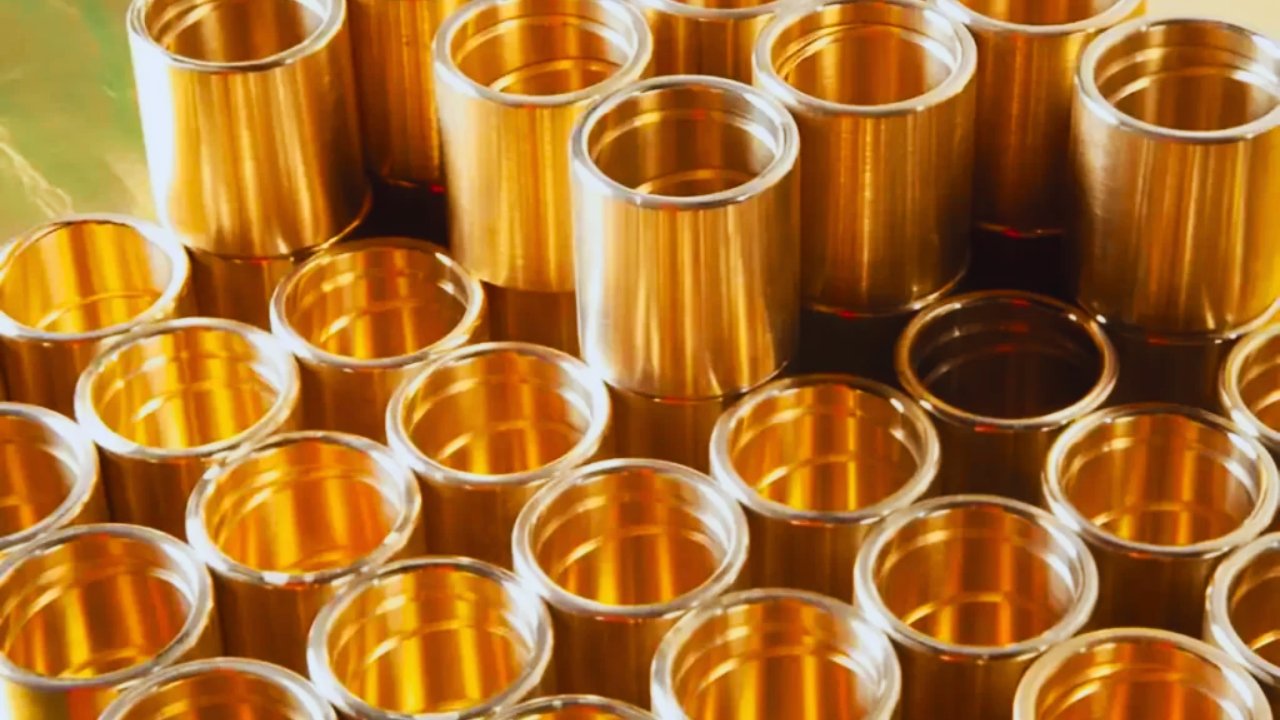
Brass is a mixture of copper and zinc, which renders it prone to oxidation with time. You subject brass to air, moisture, and chemicals, which initiate corrosion and wear on the surface. Environmental influences slowly diminish its lustre and power. Surface treatment secures the material against these dangers. It creates a shield that retards decay. You increase longevity and hold on to appearance by coating and finishing.
Brass Anodizing Process – Insights
It is a process which features an electrochemical reaction that tranforms the metal surface into a shielding layer. The ions are forced across the electrolyte solution using electricity to produce regulated oxidation. You use voltage to activate and control this response successfully. The process creates a stable oxide coating that increases corrosion and surface life.
Equipment Required
- Anodizing machine
- Voltage/current controlled power supply
- Non-metallic tanks
- Electrolyte solution preparation instruments
- Safety equipment
Materials Required
- Brass parts
- Phosphoric acid
- Distilled water
- Optional dyes/additives
- Cleaning agents & degreasers
Step-by-Step Process: How to Perform Brass Anodizing
Step 1: Cleaning and Surface Preparation
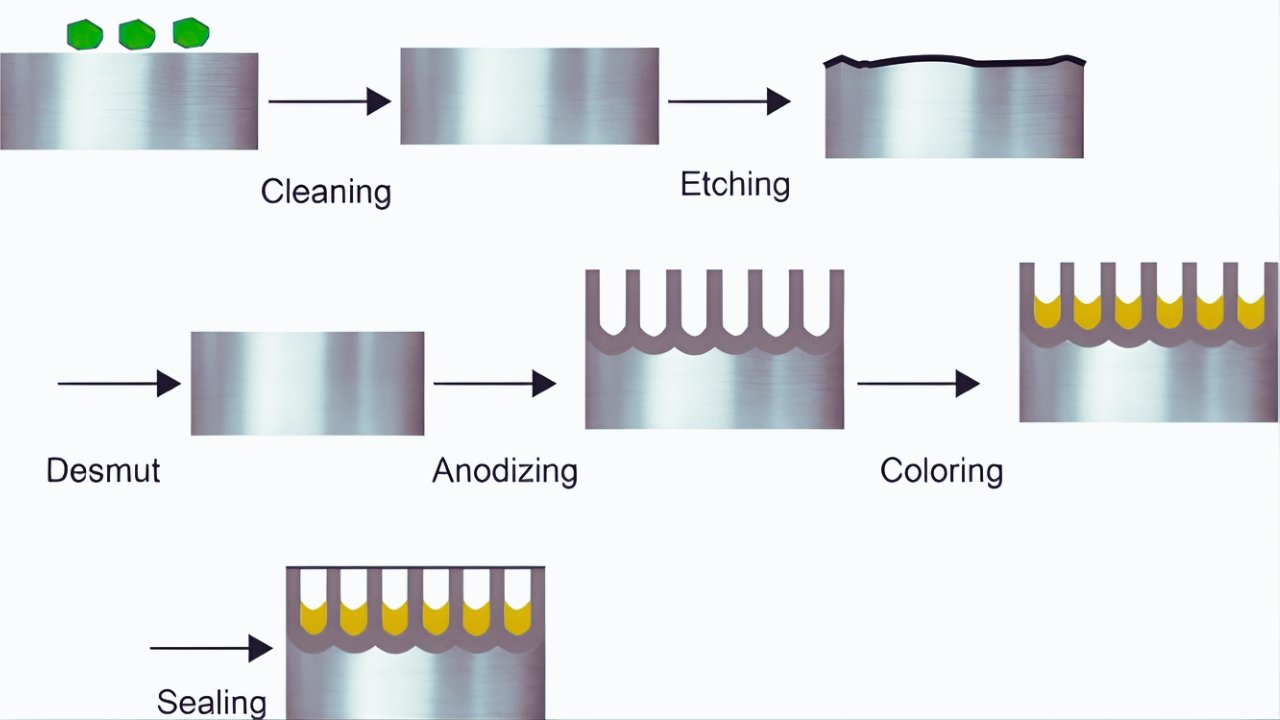
Eliminate oils and grease and then begin. Mechanical polishing or chemical degreasers should be used to remove contaminants. Wash the brass with clean water. Wipe the surface thoroughly to avoid residues interference. Good preparation is important to guarantee good adhesion and uniform anodizing in the future.
Step 2: Preparing the Anodizing Solution
Combine phosphoric acid and distilled water in the ratio of 1:10. Non-metallic containers should be used to prevent undesirable reactions. Add additives or dyes as needed to add color effects. Stir the solution carefully. Proper mixing enhances stability and allows you to have a greater control over the anodizing result.
Step 3: Applying the Solution to Brass
Select either spray application or immersion application depending on project requirements. Give adequate dwell time to surface absorption. Make sure the brass is evenly covered. Wipe off the area and proceed. This is a precursor to successful electrochemical treatment.
Step 4: Electrochemical Anodizing Stage
Install the anodizing machine and wiring with electrodes. Check the current flow and keep the temperature constant. Time period of control process to obtain uniform coating. Check progress on a regular basis. A close supervision will assist you in getting uniform quality and permanent anodized brass.
Types of Brass Anodizing Processes – Best Suited
Brass anodizing is primarily based on phosphoric acid anodizing since it provides consistent surface adhesion and regulated oxides formation. You do so because you have superior corrosion resistance and compatibility of coating. Sulfuric anodizing is incompatible with brass because it does not anode copper rich alloys and forms weak oxide layers. Other chemistries also have constraints with respect to thickness control and uniformity on the surface. They tend to decrease your process stability as well as reduce durability.
Available Color Options for Anodized Brass
Anodizing process involves the use of dyes to produce stable and vibrant colors. You may obtain ordinary colors such as:
- Black
- Brown
- Blue
- Green
- Purple
by means of controlled dye uptake. Color uniformity and consistency are influenced by process parameters and surface preparation. You need to control the temperature, timing and quality of material to achieve balanced outcomes in batches.
Quality Control: How to Verify Successful Brass Anodizing
Coating Thickness Measurement
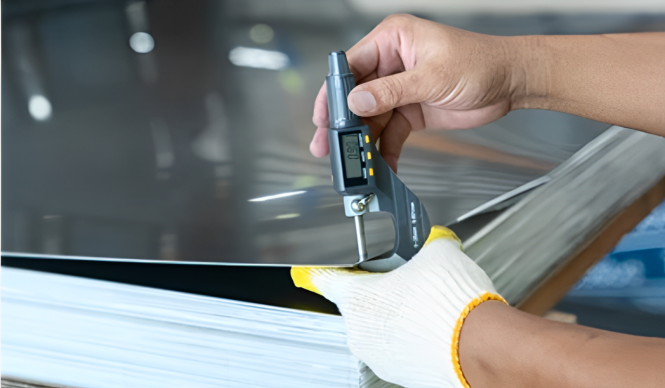
Measure brass anodized layers using a micrometer and thickness gauge. Reading check on various points of the surface. Compare outcome with specifications to check consistency. Excessive thick layers are broken and excessive thin layers reveal metal to control durability.
Adhesion Testing
Carry out a tape test to ascertain the quality of oxide bonding on the surface of brass. Apply adhesive tapes and apply firmly and then remove. Examine coating loss or peeling. Good adhesion indicates good surface preparation and anodizing process under controlled conditions.
Corrosion Resistance Evaluation
Test salt spray to simulate extreme environmental exposure and establish corrosion resistance. Place samples in a saline mist chamber. Measure variations of surfaces over time. Durable coating provides protective performance and prevents pitting and discoloration when exposed over a long time.
Color Uniformity Inspection
Perform visual inspection on the same light to verify that the color is consistent across the anodized brass. Examine spots or lines. Compare samples with accepted color standards. Constant look is an equivalent of control over the process and quality production to guarantee a reliable branding.
Benefits of Brass Anodizing
- Enhanced wear resistance: Brass anodizing makes the surface stronger and less wear in real life damages it. It offers a protective hard coating to avoid scratches and abrasion. You can can extend the life of products by not having regular contact and handling.
- Improved corrosion resistance: Anodized brass forms a uniform barrier against water, chemicals and the external environment. This layer prevents rust and corrosion over time. You maintain your performance and even appear even in a humid or outdoor environment.
- Greater aesthetic design choices: Anodizing allows deep finishes on color and smooth finishes on brass. It encourages new branding and decorative influence on different products. You have reached a special visual effect of retained material strength.
- Safe and stable finish: The process suggests a regulated application of chemicals and low emissions. It gives a non-toxic and durable coating. You approve safer production and guarantee long-term finish stability.
- Low maintenance needs: Anodized brass is not easily damaged and does not stain, which implies that it does not require a lot of cleaning. The protective coating minimizes the required repair or touch-ups. Product utilization saves time and energy in maintenance.
- Economics in terms of product life: Pre-treatment investment lowers the cost in the long term repair and replacement. Durability reduces wastage of materials and maintenance costs. It will be more valuable to you as the product will have a longer life span with a constant performance.
Applications of Anodized Brass
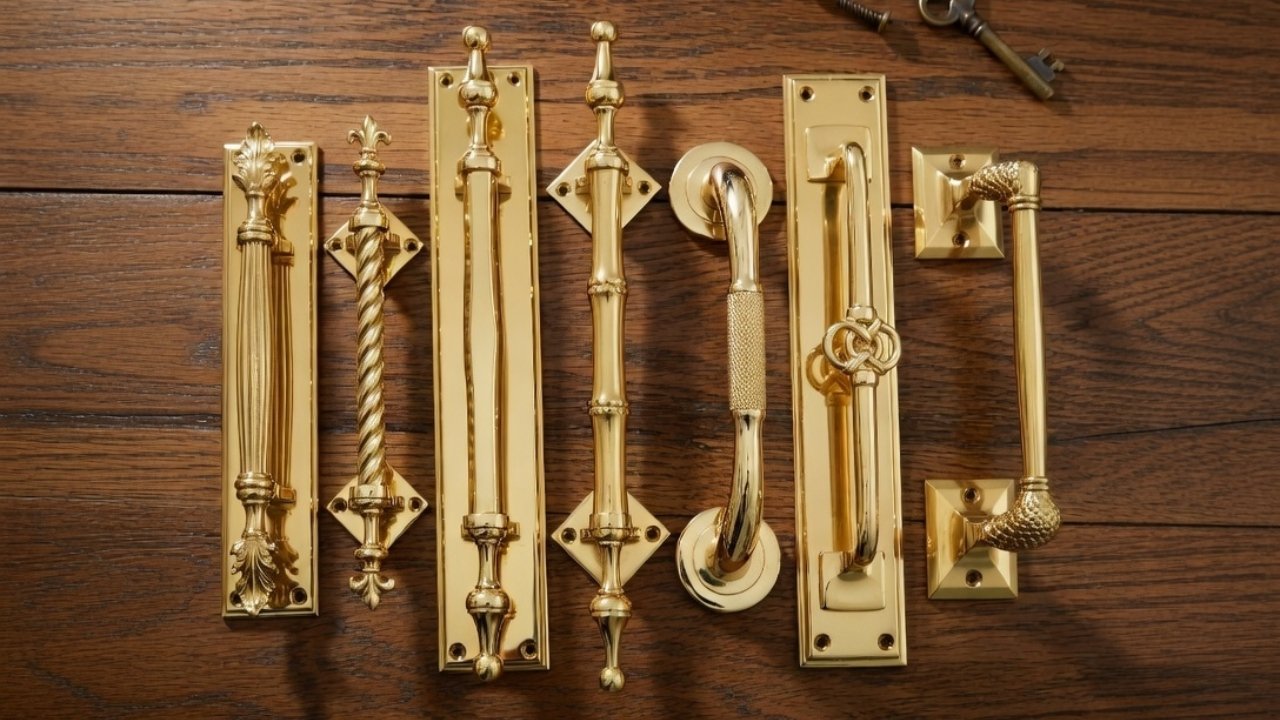
Architectural Hardware
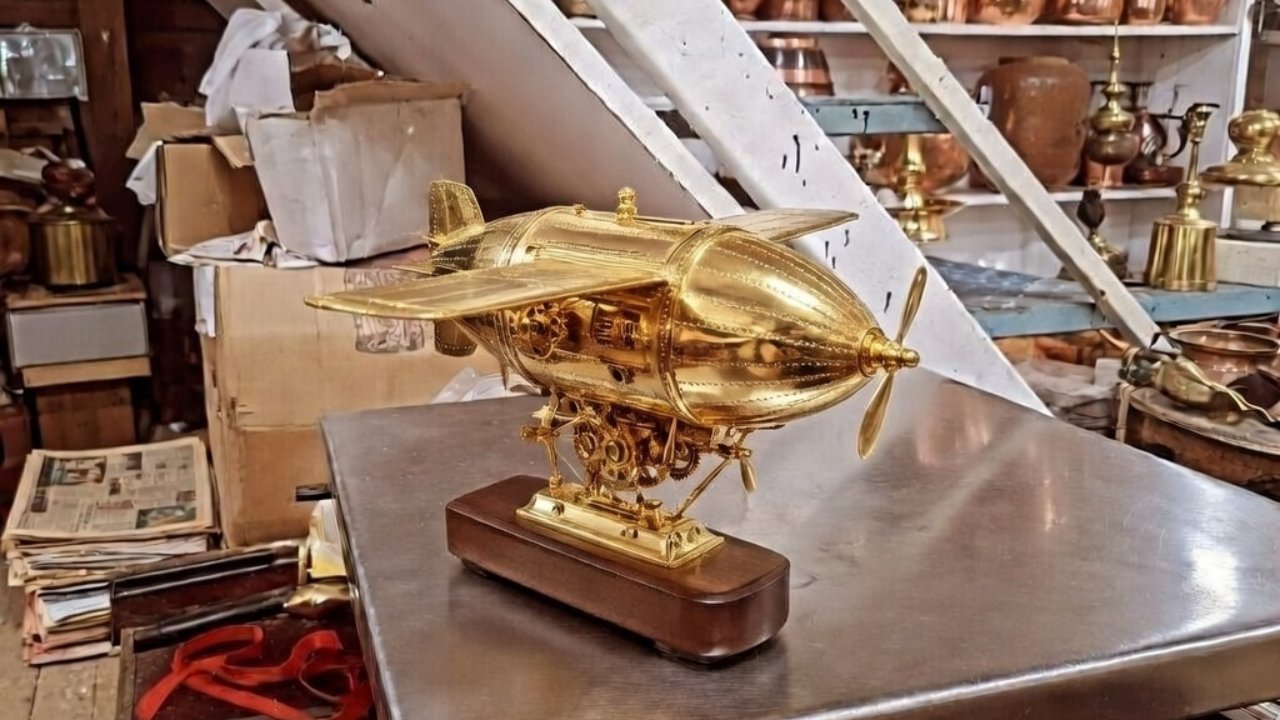
The handles, rails, and frames are anodized with brass to ensure that the products are strong in harsh environments. It is not corrosive, non-wearing and shiny. You increase power and beauty in buildings. It can be applied on doors, stair rails and structural accents.
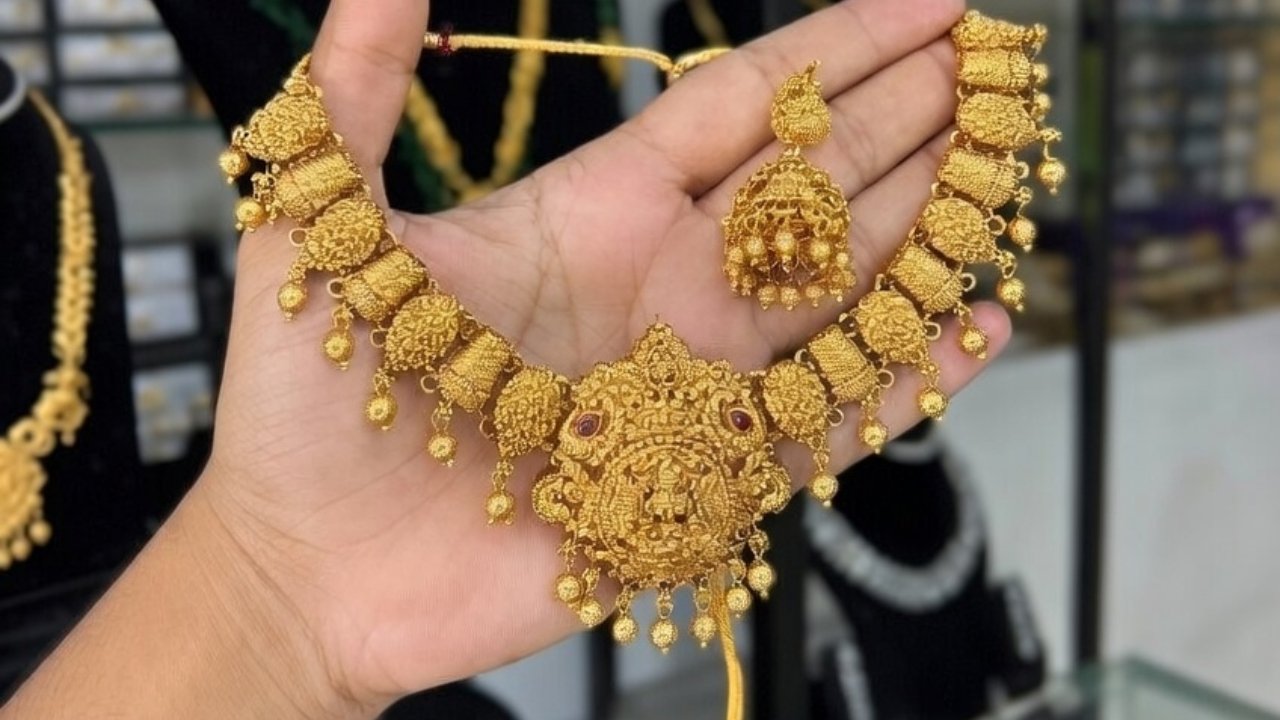
Ornaments And Jewellery
Bright finishes and durability of jewelry are added by anodized brass. It is not tarnished or scratched easily. You manufacture trendy rings, necklaces, and accessories whose surfaces are of superior quality. It prefers creative and sustainable designs.
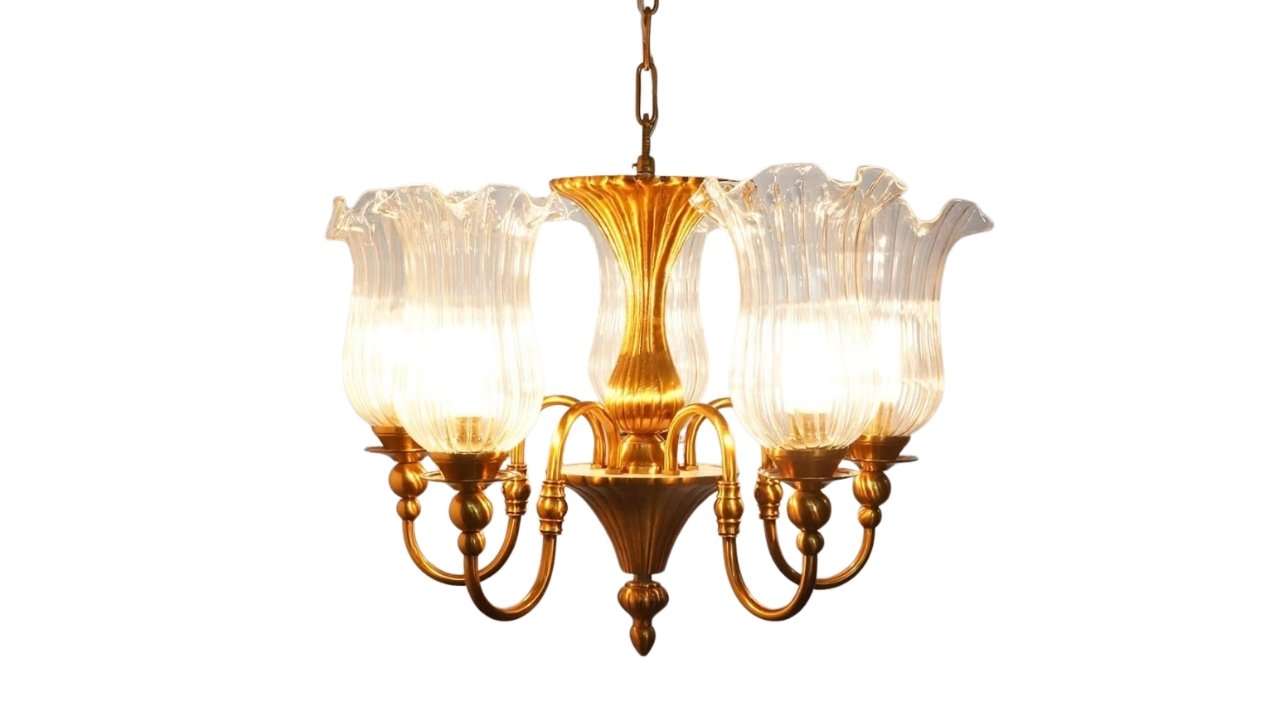
Chandeliers And Lighting Fixtures
Manufacturers apply anodized brass on lighting fixtures to make them appear elegant and strong. It is resistant to heat and moisture. You receive fine chandeliers and decorative lamps of solid finishings. It introduces comfort and long-term performance within the indoor.
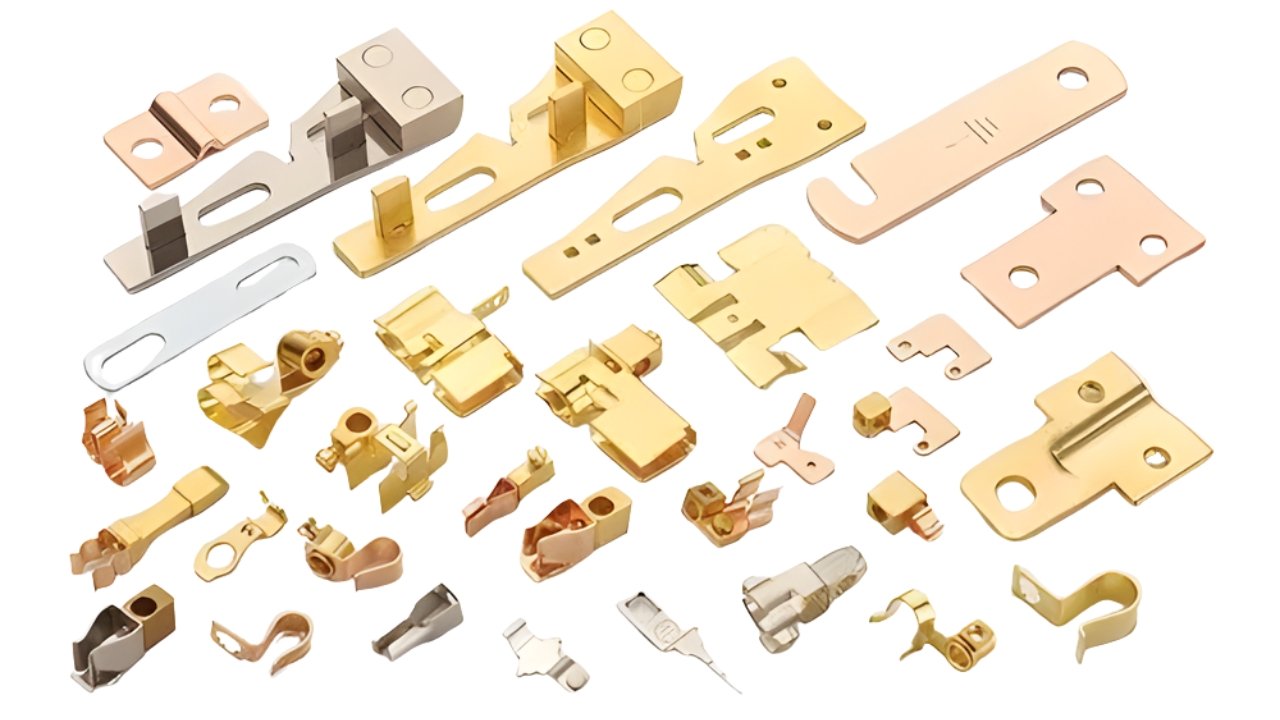
Electronic Components
Anozied brass protects connectors and internal electronic components against corrosion. It improves conductivity and stability on the surface. You rely on it to offer permanent housing and good parts. It facilitates the safe and reliable electronic equipment operations on an ongoing basis.
Decorative Household Items
A source of protection and beauty has been offered by anodized brass to the home decor. It maintains trays, frames and handles shiny. You redecorate rooms using durable decorative materials. It is a tradeoff between beauty and power in everyday use.
Car Trims And Emblems
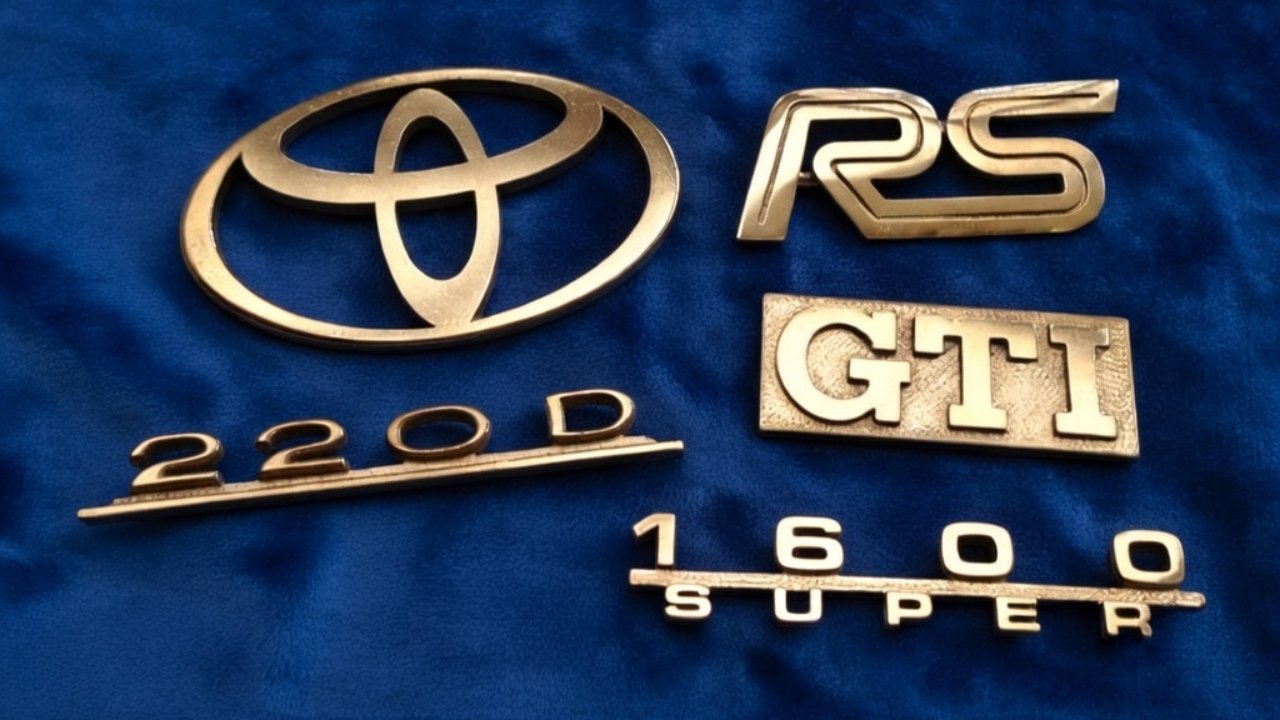
Automobile trims are made of anodized-brass to enhance their durability and luxury. It is weather and fading resistant. You apply it to symbols and interior decorations successfully. It offers permanent fashion to cars.
Medical And Dental Equipment
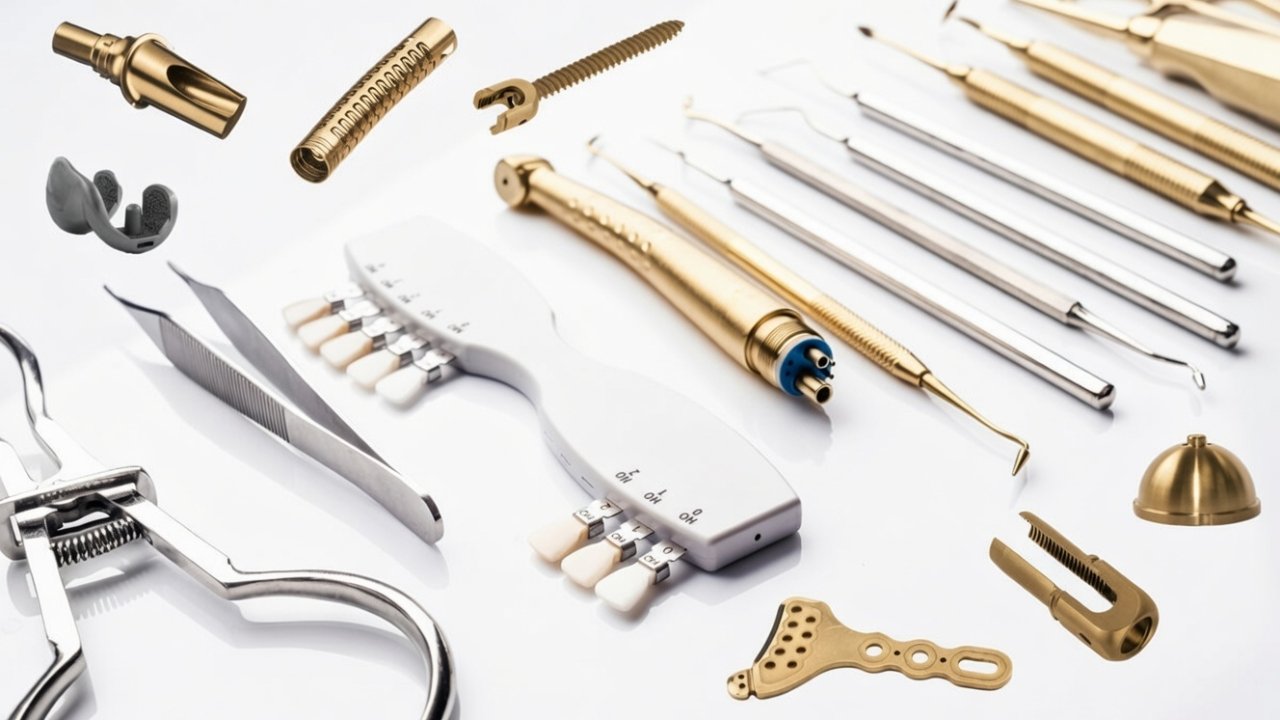
Corrosion and cleanliness Anodized brass is used to make medical instruments. It encourages cleanliness and horizontal surfaces. You ensure the instruments and accuracy gear. It improves workplace safety and life span.
Methods to Remove Anodizing from Brass
Mechanical Abrasion
Removal of anodizing of brass is done through controlled sanding and abrasives. This is a process that argues the layer by friction and surface erosion. It is useful in small objects and finer work. You press to avoid the destruction of the brass beneath. It is user friendly but requires patience and precision.
Electrochemical Etching
This method is done by dissolving anodized brass surfaces using electrical current. You put up proper equipment and precautions. It provides homogenous eradication and more control of complex shapes. By properly handling the process, you are free of electrical hazards and chemical exposures.
Brass Anodizing vs Other Surface Finishing Methods
Brass Anodizing vs Plating
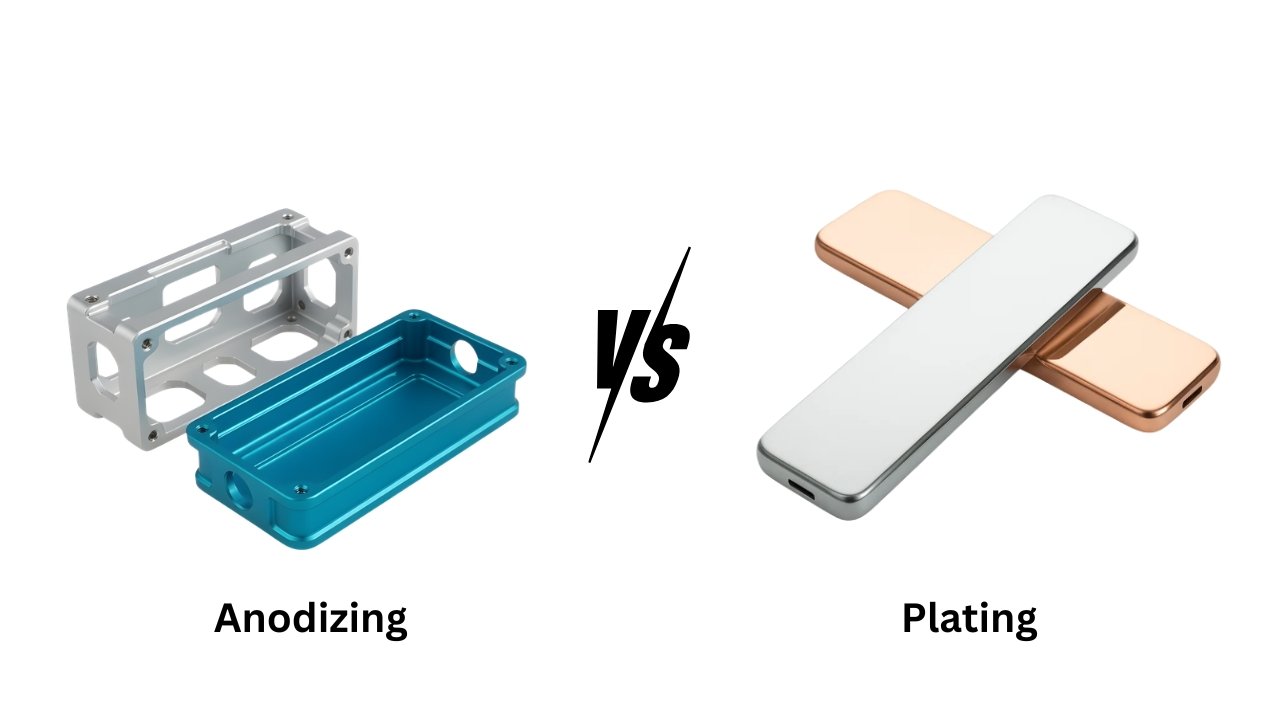
A protective layer of oxide is formed on brass anodizing through an electrochemical reaction. Plating is another method of coating the metal to offer extra protection and finish. The adhesion that you receive with anodizing is greater as it is incorporated with brass. When bonding is weak over time, it is possible to peel plating. The prices vary according to the nature of the metal and thickness. You would consider the long-term sustainability before choosing the technique.
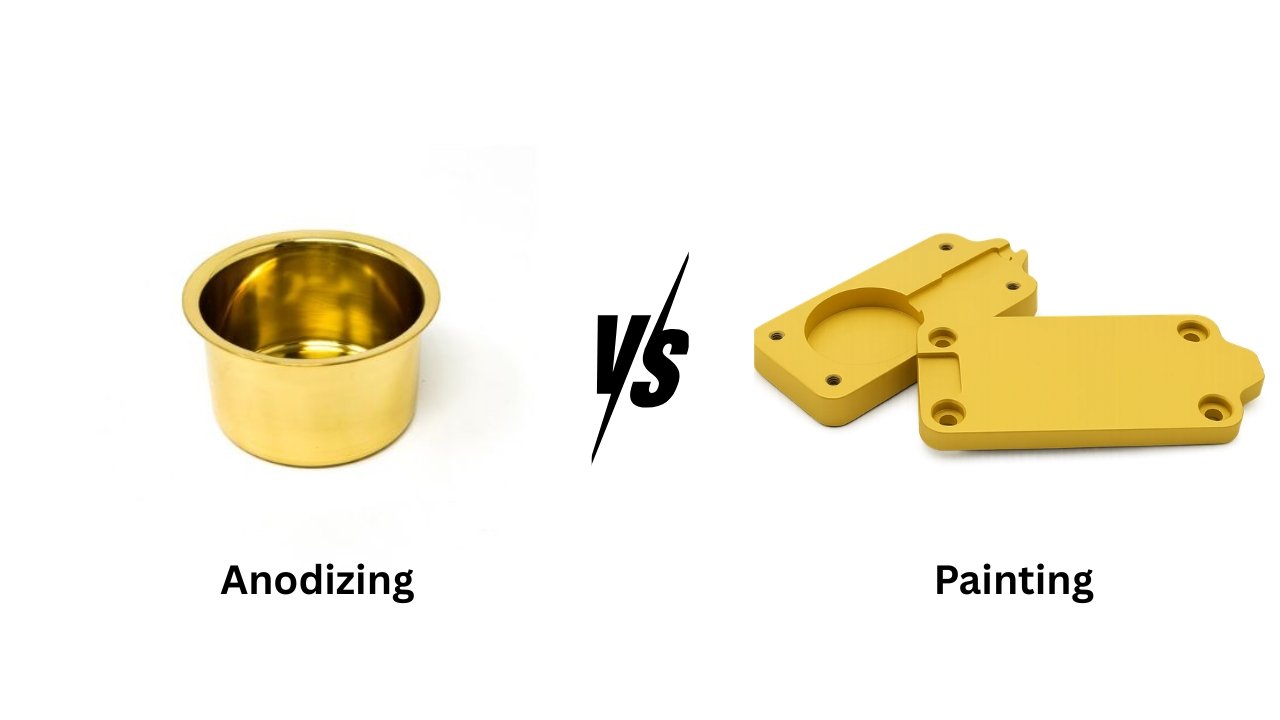
Brass Anodizing vs Painting
A natural metallic finish in anodizing offers increased corrosion resistance. Painting is a technique that involves the use of a coating that is liquid and depends on sticking to the surface. In anodizing, wear resistance in harsh conditions is enhanced. Paint is very colorful and needs frequent care. Surfaces that are anodized last longer. It is because you want beauty you have painting and because you want permanence you have anodizing.
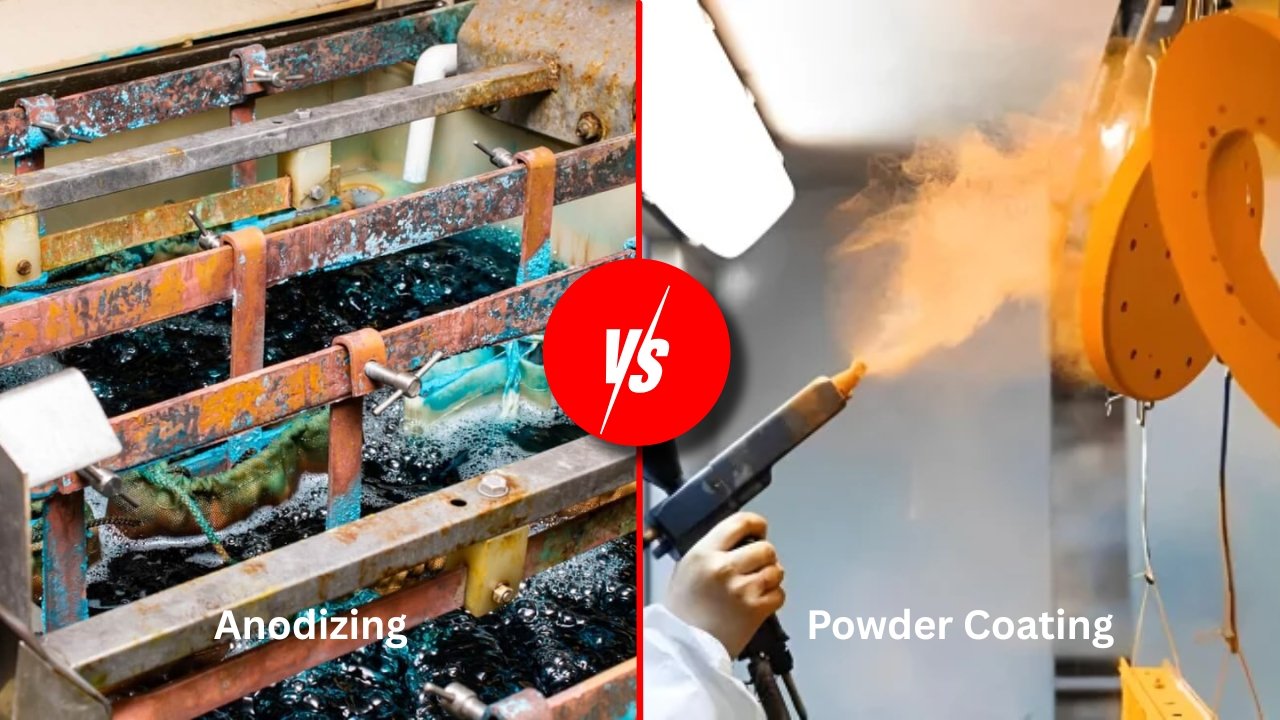
Brass Anodizing vs Powder Coating
Heat cured thick layers of impact protection are called powder coating. The outcome of anodizing is a finer integrated oxide layer bonded well. You put powder coating on more easily, but less smoothly. Anozoated finishes are used on functional elements that demand the preservation of conductivity. The use of color in decorative sections is often done through powder coating. At your own risk, we are as thick as thieves, and as hard to repair.
Brass Anodizing vs Alternative Finishes
Feature | Brass Anodizing | Plating | Painting | Powder Coating |
Process Type | Electrochemical oxide formation | Metal layer deposition | Liquid coating application | Powder sprayed & heat cured |
Surface Bonding | Forms protective oxide layer on brass | Adds separate metal layer | Surface adhesion coating | Heat-fused surface coating |
Appearance | Natural brass look with color options | Shiny metal finish (chrome, nickel, gold) | Full color coverage | Solid color finish |
Durability | High resistance to wear & corrosion | Good but may peel over time | Low to moderate | High impact resistance |
Corrosion Resistance | Excellent | Good | Moderate | Excellent |
Maintenance | Easy, minimal maintenance | Moderate | Frequent repainting needed | Moderate |
Cost | Cost-effective long-term | Higher (especially precious metals) | Low upfront | Moderate |
Repairability | Can be removed & re-anodized | Difficult to repair | Easy repaint | Hard to repair seamlessly |
Conductivity Impact | Slightly reduces conductivity | Depends on metal layer | No effect | No effect |
Limitations & Considerations
- Alloy Response: Response to treatments varies among brass alloys. Some of them are completed and the others are not completed. Material grade must be checked before processes are applied. It is testing that ensures visual and mechanical consistency of your project.
- Zinc Effect: Surface finishes made by excess amounts of zinc are uneven. It affects wearability and appearance during processing. You criticize composition to avoid defects. Right decision reduces risks and improves the quality of the end products.
- Thickness Control: Strength and stability depend on the thickness of material. Improper control causes weak sections or distortion. In fabrication, you take measurements. Structural integrity and ease of work are promoted by proper control.
- Electrical Conductivity: Conductivity decreases slightly with the alloying elements. It influences sensitive current applications. You check performance before installation. Reliability is ensured in an electrical or technical context by proper evaluation.
- Pre-Production Testing: Testing eradicates costly production errors. Different batches perform differently. You are experimental before mass production. This process provides compatibility, finish quality and durability.
Conclusion
Brass anodizing improves the strength, corrosion resistance and looks of the surface. The proper preparation and process control will lead you to the next level of durability. Quality testing ensures that the behavior of the coating remains the same across applications. Materials and parameters are taken into serious consideration to reduce defects. The methodology prefers industrial and long-term use and regular protection of brass products.
FAQs
Will Anodizing Hurt Brass?
Brass is not normally damaged by anodizing. It is primarily used on aluminum. Material compatibility should be checked prior to the application of any coating. The reaction of copper and zinc in brass is dissimilar. The correct testing will prevent corrosion on the surface or undesirable chemical reactions during treatment.
Can You Anodize A Black Finish Over Brass?
Brass can be not anodized like aluminum. The black finishes usually need plating or coating processes instead. It is advisable to use a base color first and then apply color treatments. Preparation of surfaces enhances bonding and strength. The correct finishing process should always be verified in order to have a stable black look on brass.
Is Manganese Brass An Anode Or Cathode?
Manganese brass acts according to the electrochemical arrangement. It does not serve as a fixed anode or cathode per se. You decide its position in the circuit by the circuit conditions. It reacts to the flow of voltages when it is placed in electrolytes. You check polarity to regulate corrosion and material performance efficiently.