Sheet Metal Fabrication Cost – Know Every Unknown
Fabrication quotes can seem straightforward, but it’s not uncommon for seemingly identical parts to come with vastly different price tags. Sheet metal fabrication is involved in the manufacturing of important products in aerospace, automotive, medical, electronics, and construction. Design changes and manufacturing considerations are avoided to prevent budget overruns due to cost awareness. Prices are affected by material, processing, tolerances and quantity. This guide outlines the major cost factors, calculation methods and practical steps to increase manufacturing efficiency and reduce costs.
What Drives Sheet Metal Fabrication Cost? – The Big Picture
The cost of sheet metal fabrication relies on four pillars that are interlinked and determine the overall final cost of the project. In many instances, material cost is the greatest factor in budgets, particularly in high-volume production. Fabrication costs are the cost of the machine time, labour, and amortization of the tooling over the volume of parts produced. The complexity of the design affects the processing time, the amount of materials used, and the efficiency of manufacturing. Post-processing involves finishing, hardware installation, assembly and shipping, all of which have a cost. The industry calculation is usually performed as follows: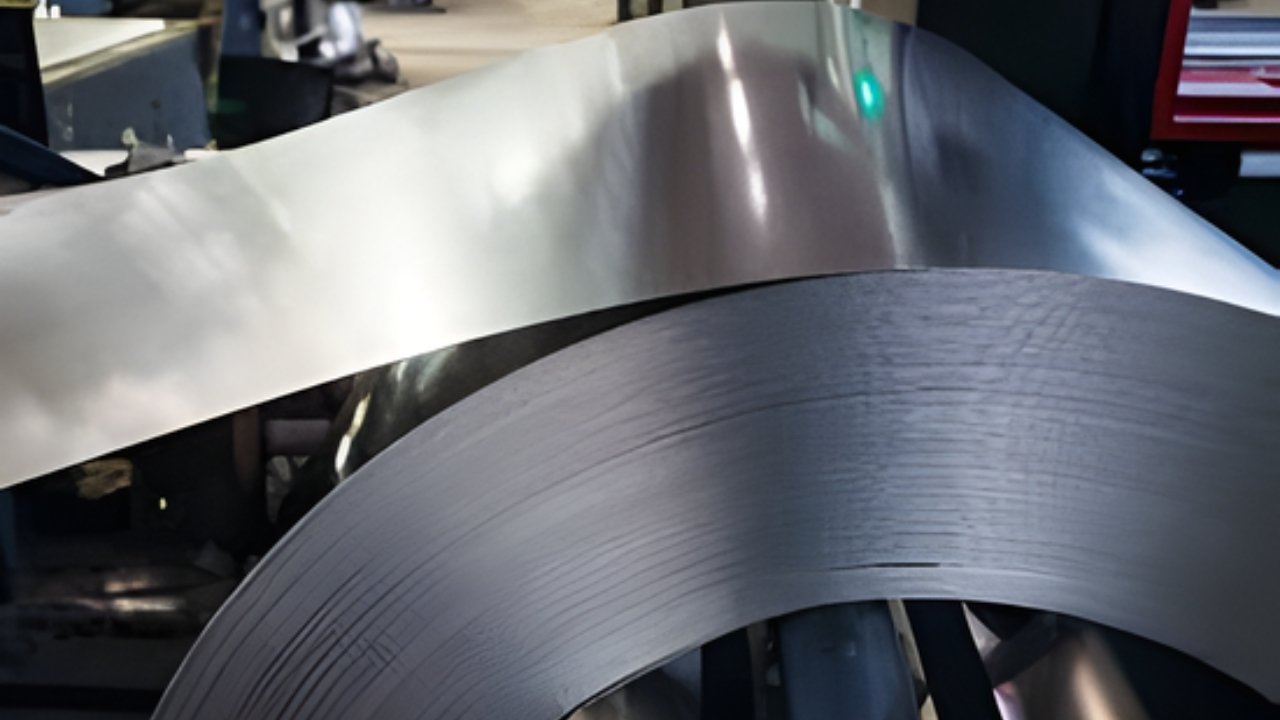
Part Cost = (Volume × Density × Unit Price) + (Hourly Machine Cost × Cycle Time / 3600 × Efficiency)
This formula is used for cost analysis during the entire process of fabrication planning.
Material Selection and Its Cost Impact
Mild/Carbon Steel
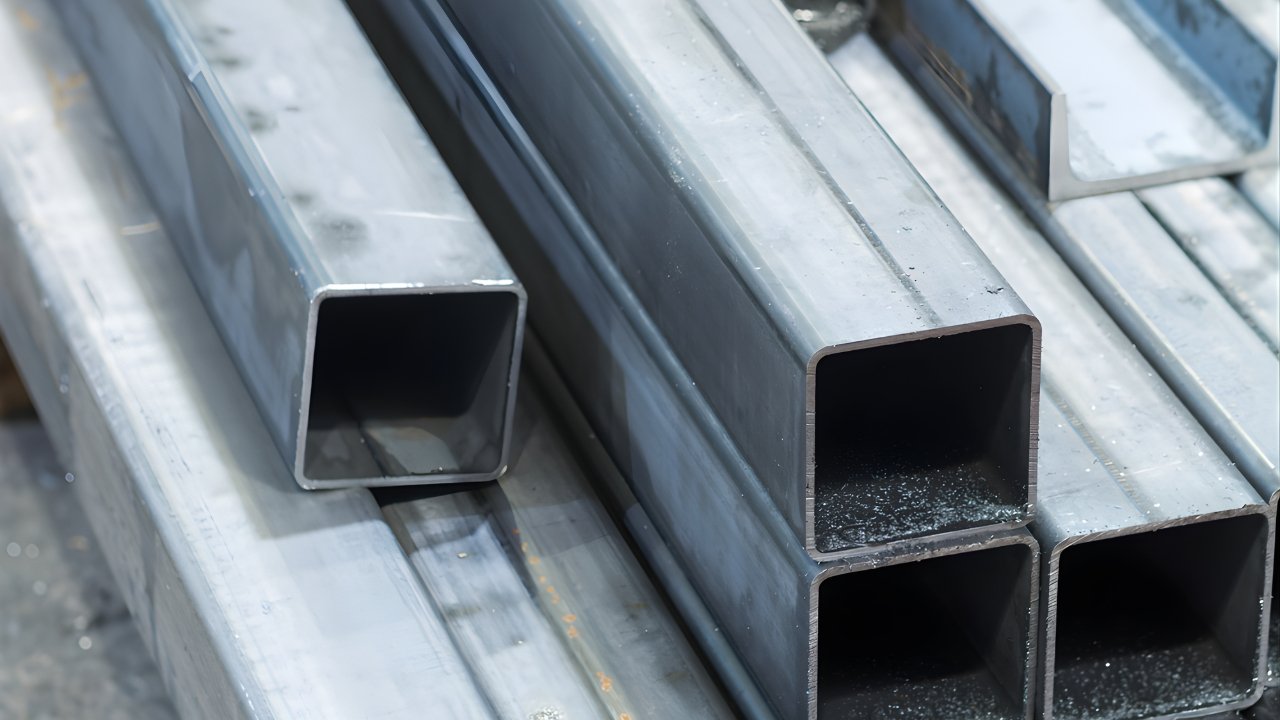
Mild / Carbon steel is still the most cost-effective fabrication material. The cost factor is 1.0x (default). The material is highly weldable and formable, which helps to streamline manufacturing. But they need to be painted or galvanized to provide corrosion protection. Common grades include A36, 1018, 1020, and 1045.
Aluminum
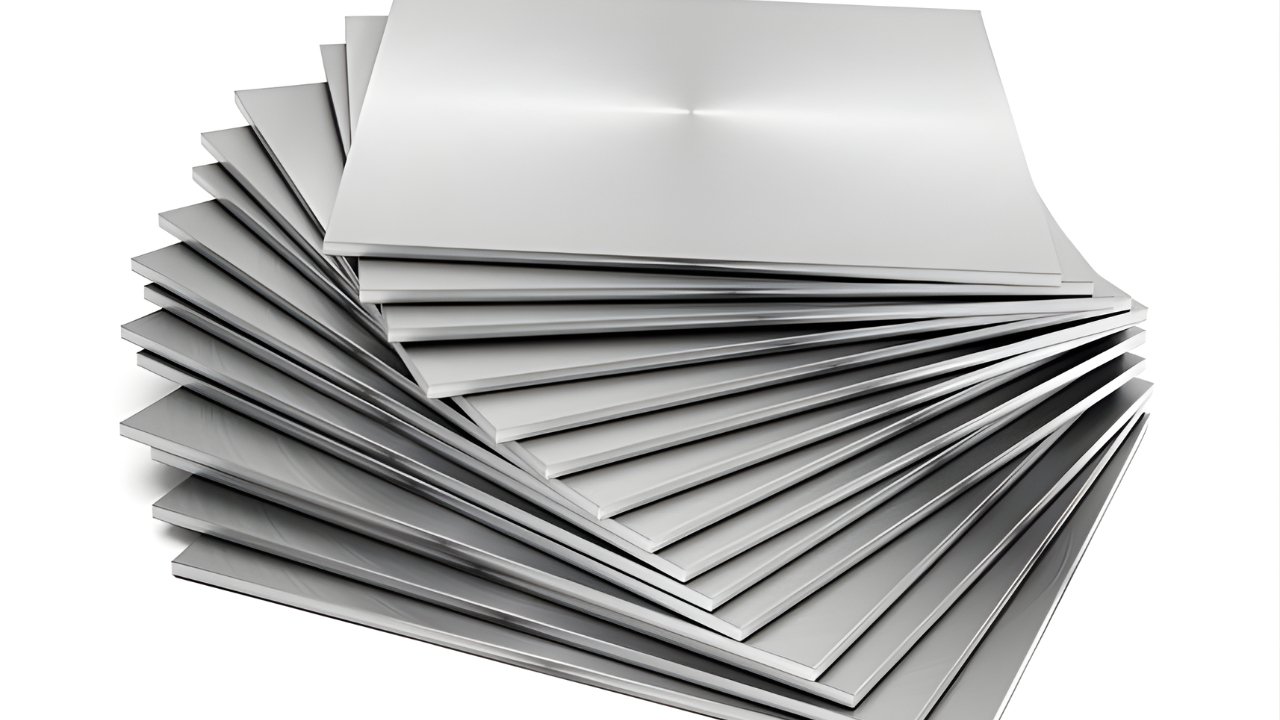
The price of aluminum is about 1.5x – 2.0x higher than the price of carbon steel. It is lightweight, which lowers transportation and operational costs. Many times, the natural corrosion resistance results in no need for further finishes. Functional value is provided by strong conductivity. Popular grades include 5052, 6061, 7075, and 2024.
Stainless Steel
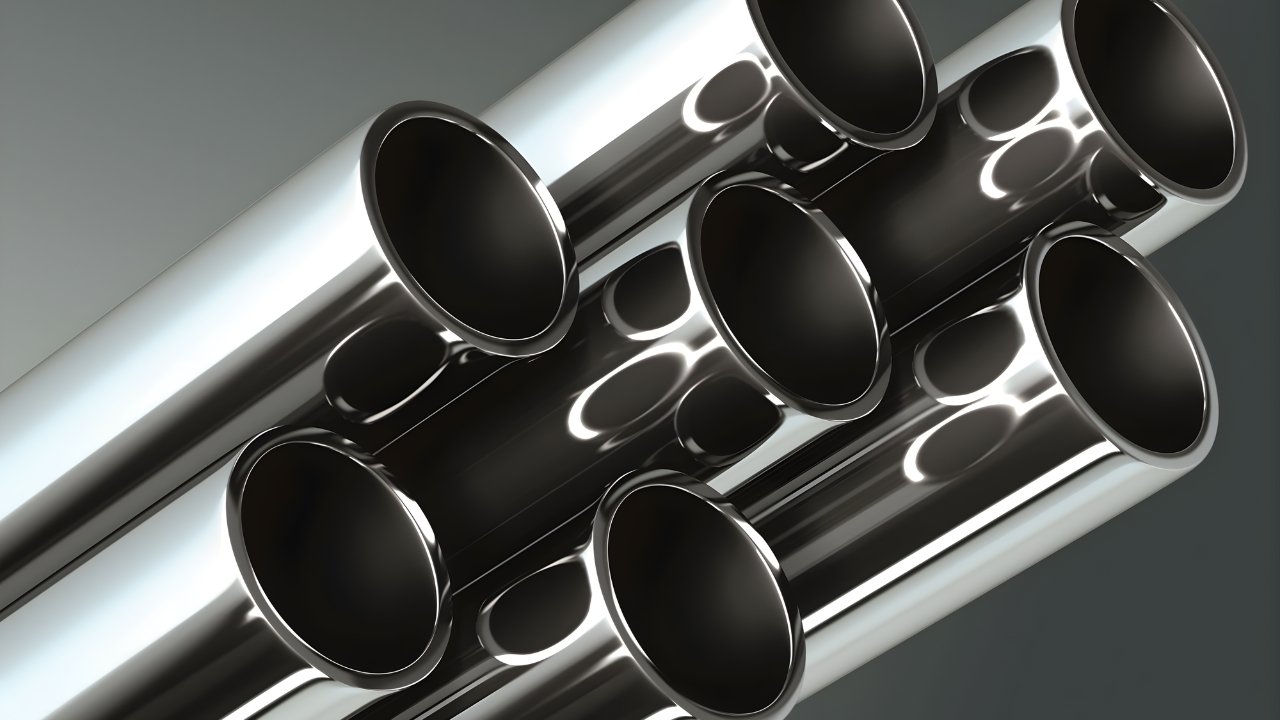
The price of stainless steel is usually 2.5x-3.5x higher than that of carbon steel. Chromium content provides excellent corrosion protection in challenging conditions. Hygienic properties are suitable for the food, pharmaceutical and medical applications. The higher durability reduces the lifecycle costs. Common grades include 304, 316, 430, and 410.
Premium Materials
High-quality materials add to sheet metal fabrication cost but offer specialized performance benefits. High-quality materials add to the project cost but offer specialized performance benefits. Copper/Brass is more than 4.0 x the cost of Carbon Steel. They are used for electrical and thermal applications. The price of titanium is very high. It’s often worth the cost in aerospace and medical applications.
Comprehensive Material Cost Reference Table
Material | Type | Relative Cost Factor | Approx. Cost (USD/kg) | Primary Application |
SPCC | Cold Rolled Steel | 1.0x (Baseline) | ~$0.75 | General enclosures, chassis, brackets |
SGCC | Galvanized Steel | 1.1x | ~$0.90 | Outdoor structures, HVAC |
Q235/A36 | Carbon Steel | 1.0x | ~$0.70 | Construction, structural fabrication |
AL 5052 H32 | Aluminum Alloy | 1.7x | ~$2.80 | Marine, automotive, corrosive environments |
AL 6061 T6 | Aluminum Alloy | 2.0x | ~$3.20 | Structural, aerospace, electronics |
SS 304 | Stainless Steel | 3.0x | ~$3.00 | Food processing, medical instruments |
SS 316 | Stainless Steel | 3.5x | ~$2.40–$3.50 | Marine, chemical processing |
Copper/Brass | Non-ferrous | 4.0x+ | ~$6.00–$10.00+ | Electrical, thermal management |
Material Thickness
The thickness of the material is directly related to the raw material used and the manufacturing costs. The heavier the material, the more weight, freight charges, and equipment required. Thinner materials will decrease material costs, but may require reinforcement. Indicate minimum functional thickness to optimize performance, manufacturability and cost.
Sourcing and Availability Considerations
The material sourcing strategy has a significant impact on project cost, lead time, and supply reliability. Local sourcing reduces transportation costs, tariffs and scheduling delays. While sourcing materials locally may be more expensive, sourcing from overseas can have more complex logistics. Prices for metals, in particular, are subject to volatility, and proactive pricing management is required.
Sheet Metal Fabrication Processes and Their Costs
A. Cutting
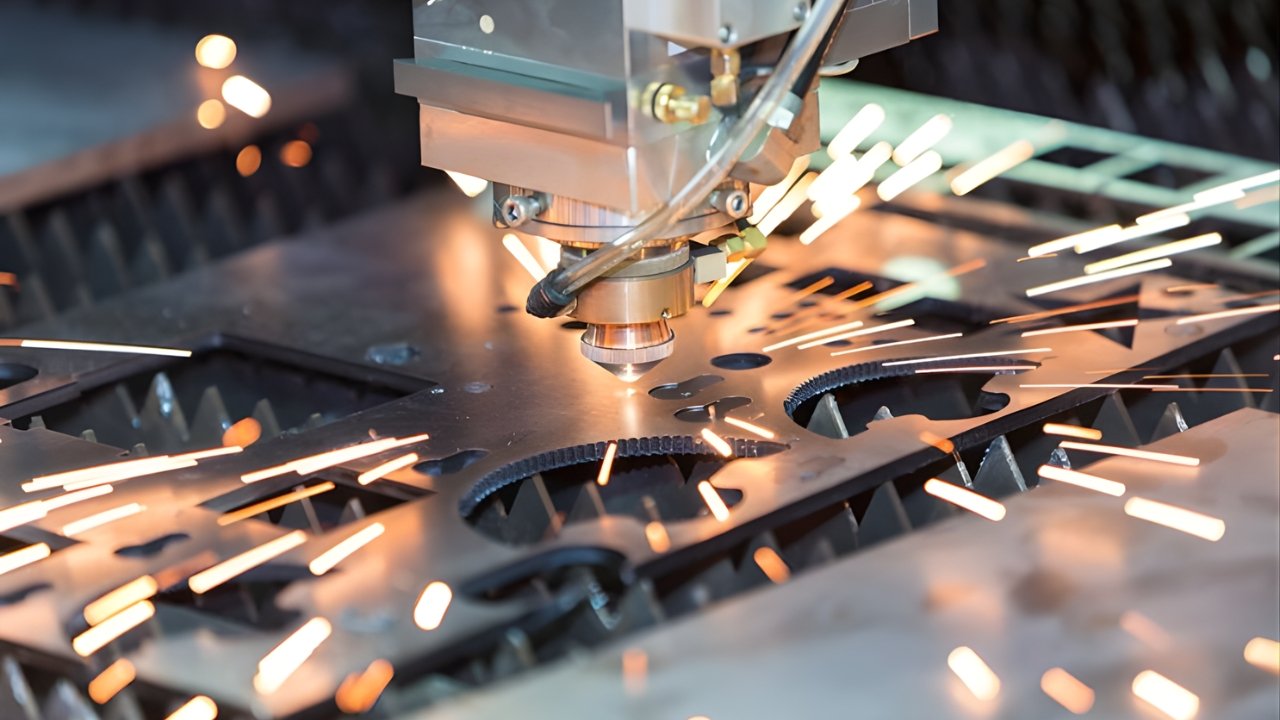
Fabricating sheet metal typically starts with cutting and has a significant impact on downstream manufacturing efficiency. Sheet metal fabrication costs vary widely depending on the method chosen, material type, thickness, part complexity, quantity, and finishing requirements. Laser cutting is suitable for cutting various materials and shapes with high accuracy. Thickness, material and complexity are factors in costs. The average cost is $1.50-$6.00 a linear foot. Parts may cost $5–$500+. Plasma cutting decreases costs on thicker materials and reduces precision. Waterjet cutting has the benefit of not causing heat distortion, but it is more expensive to operate. For repetitive shapes, punching and stamping can be very cost-effective after investments in tooling.
B. Bending and Forming
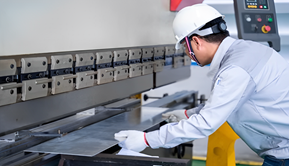
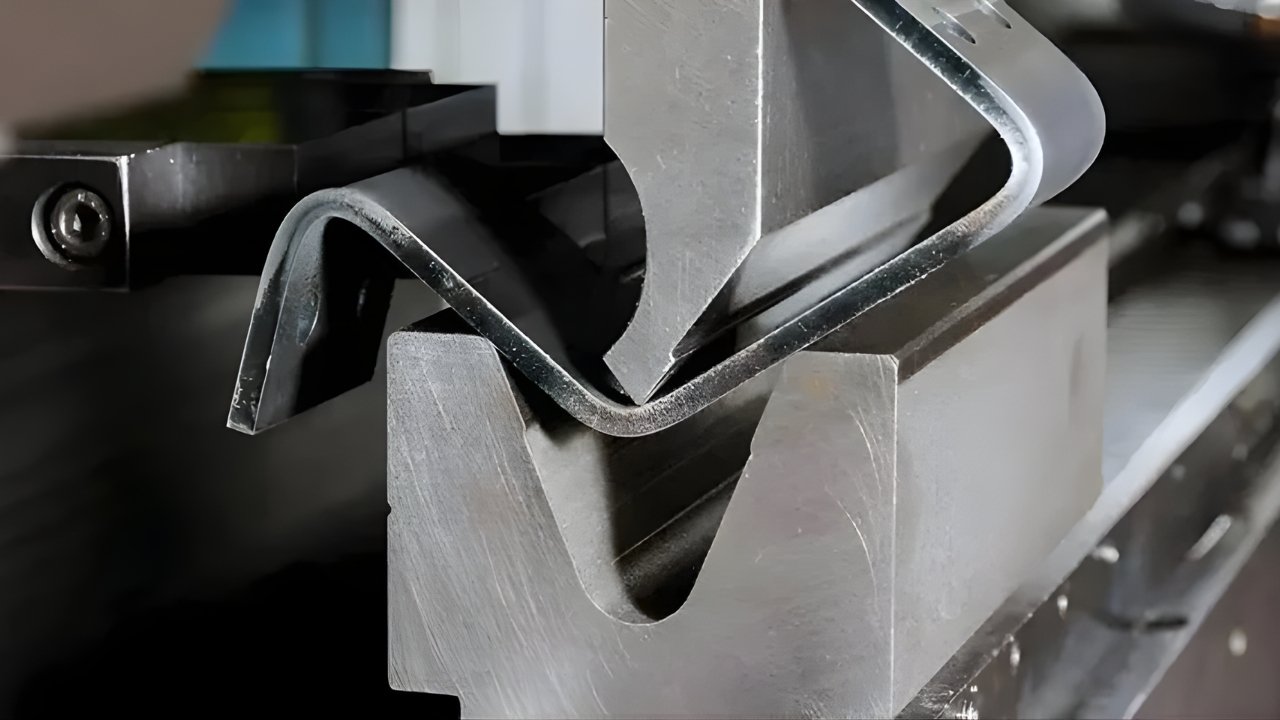
Bending is a process in which flat sheet metal is turned into useful pieces of metal with exact dimensions. The cost of a press brake depends on the kind of bends, angles, thickness and the level of difficulty of the sequence. Basic bends range from $1-$5 per bend. Close tolerances lead to higher production requirements. There are unavoidable expenses due to the time spent on setting up. Deep drawing is an economical way to produce curved form parts, typically priced at $2-$10 per part, depending on geometry and material properties.
C. Welding
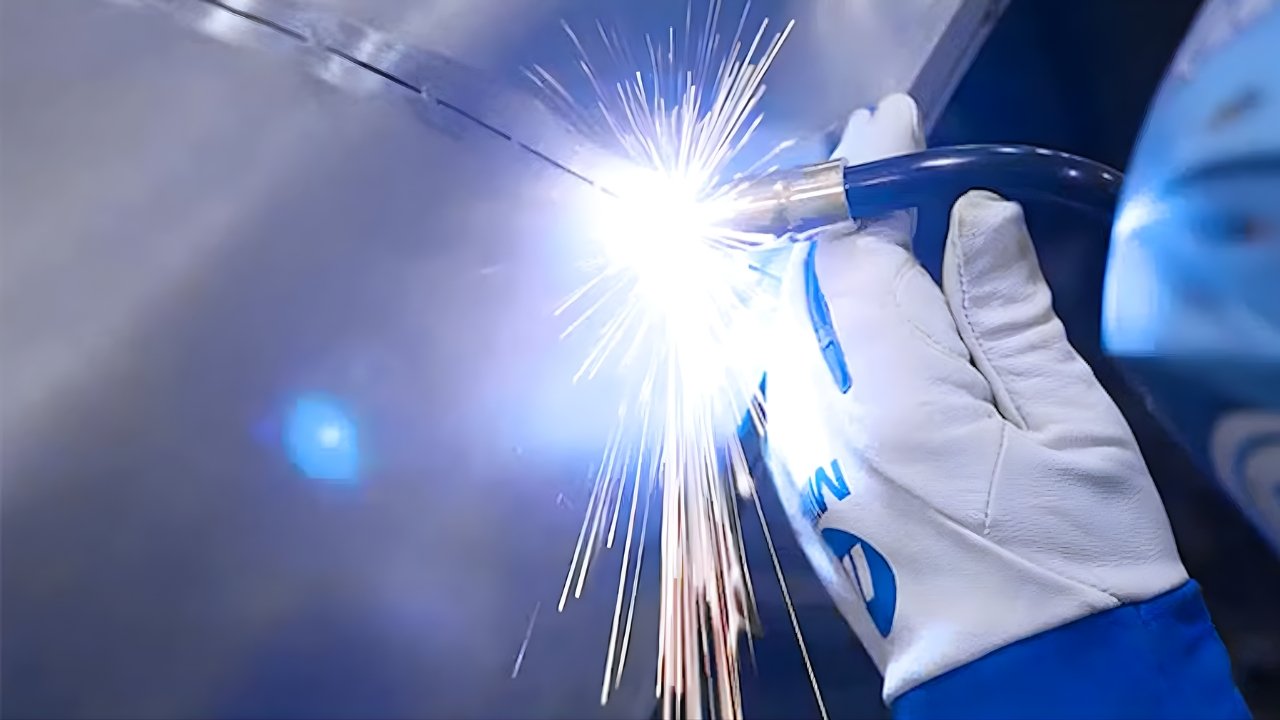
Welding is the process of permanently joining metals together and producing high-strength welds that are essential for many assemblies used to fabricate sheet metal. MIG welding is faster and less labour-intensive. You can expect to pay $50-$250 for small-to-medium parts. TIG welding produces cleaner results when welding stainless steel and aluminum. Costs commonly range from $200–$1,000+. Spot welding continues to be cost-effective for thin overlaps. Automation and jigs increase productivity and minimize reliance on skilled welders, who are costly.
D. Stamping and Punching
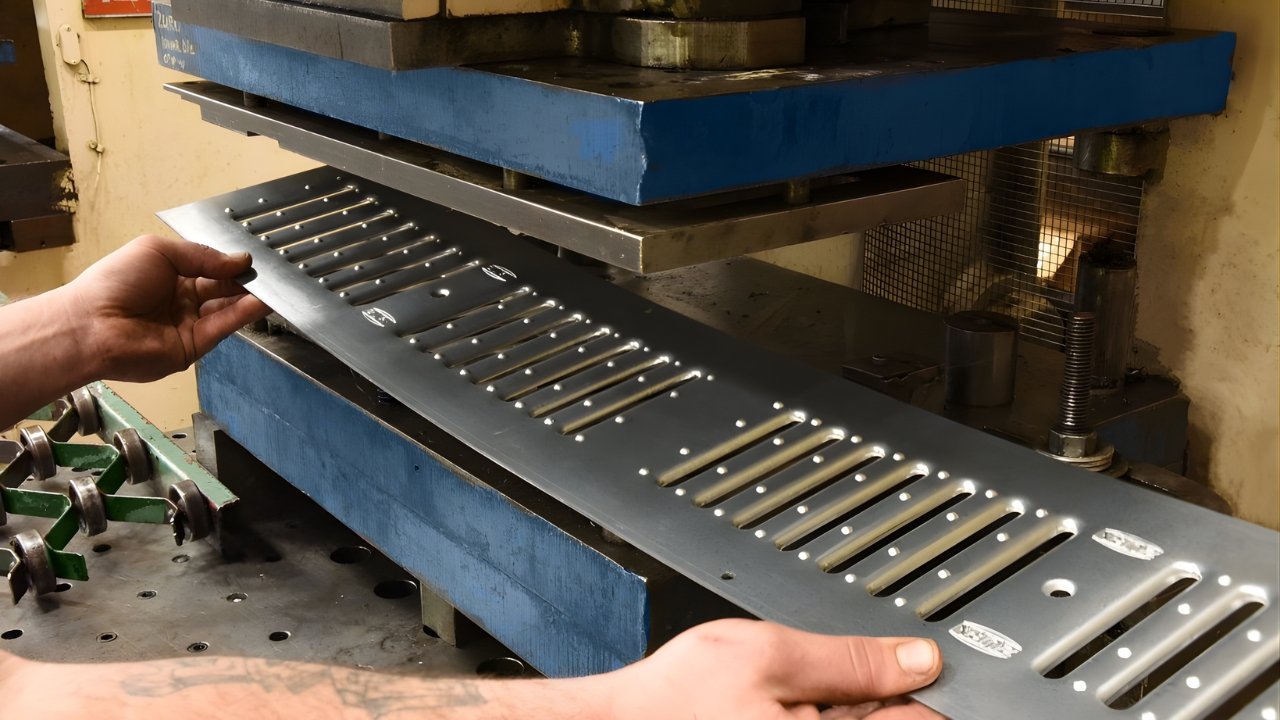
Stamping and punching are better suited for large-scale production in situations where the output has to be consistent. High initial tooling costs with low per-unit costs. Laser cutting is still the best choice for prototype applications. Break-even is usually at several thousand pieces. As volume goes up, these processes provide outstanding productivity, repeatability and cost efficiency in standardized component production programs.
E. Machining (Drilling, Milling, Tapping)
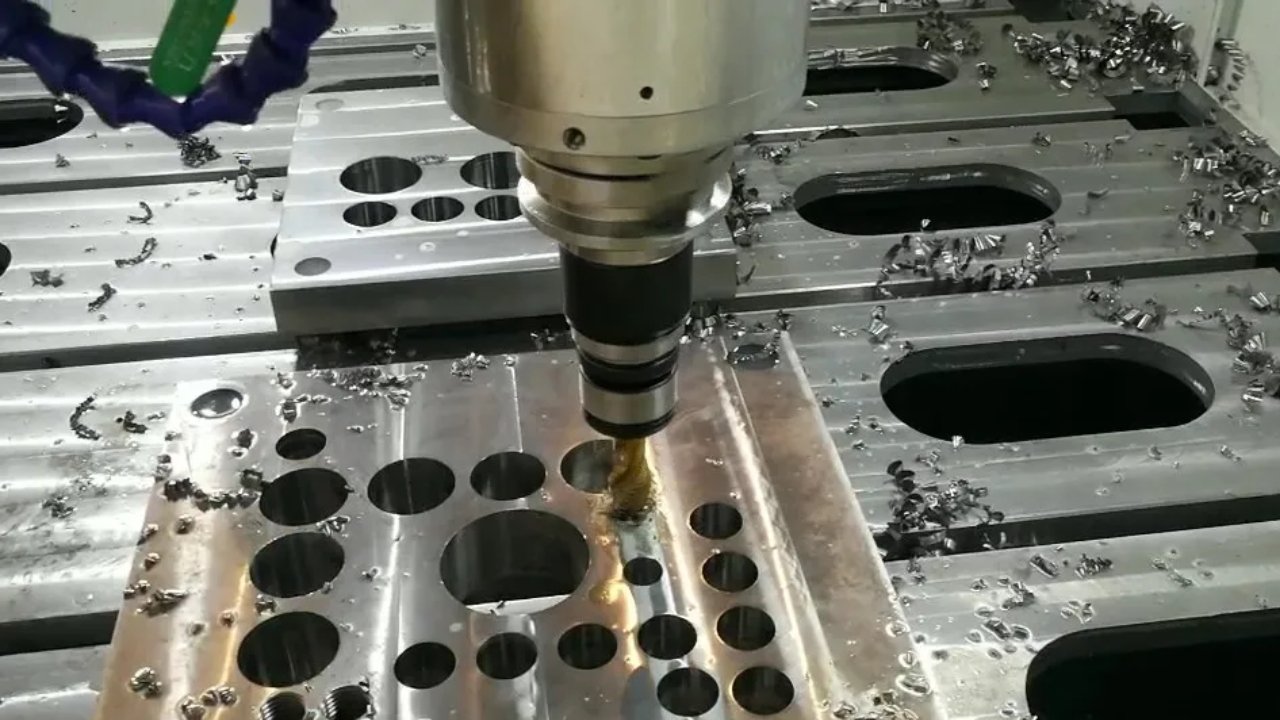
Machining introduces precision features that can’t be obtained by forming processes. They are usually used for threaded holes, bores and countersinks. The typical hourly rate for CNC work is $60-$120 per hour for 3-axis work. For multi-axis or high precision machining, the cost is $120-$200+ per hour. Overall machining costs and production efficiency are directly related to complexity and cycle time.
F. Assembly and Hardware Insertion
Assembly involves fabrication processes to join, fasten, and integrate components into finished products. The usual hourly rate is $50-$100+ per hour. Understanding sheet metal fabrication cost at the assembly stage helps in evaluating hardware insertion, which includes PEM nuts, standoffs and rivets. Standard hardware reduces expenses compared with speciality fasteners. Automated insertion reduces the cost of labour at volume. When used for dissimilar metal joining and for heat-sensitive applications, riveting can be more successful than welding.
Fabrication Process Cost Summary Table
Process | Typical Cost Range | Key Cost Drivers | Best For |
Laser Cutting | $5–$500+ per part | Material thickness, cut complexity, and length | Prototypes to mid-volume; complex geometries |
Plasma Cutting | $3–$200 per part | Material thickness, speed | Thick materials, lower precision needs |
CNC Bending | $1–$5 per bend | Number of bends, setup time, tolerances | All volumes; angular forms |
Stamping/Punching | Low per-unit (high tooling) | Tooling amortization, volume | High-volume, repetitive parts |
MIG Welding | $50–$250 per part | Seam length, material, skill | Carbon/mild steel structures |
TIG Welding | $200–$1,000+ | Material (SS/Al), intricacy | Precision, stainless, aluminum |
CNC Machining | $60–$200+/hr | Axis count, cycle time, tolerance | Added features, high precision |
Assembly | $50–$100+/hr | Part count, joining method | Final integration |
Powder Coating | $2–$5/sq ft | Surface area, color, batch size | Durable decorative/protective finish |
Anodizing | $1–$3/sq ft (batch) | Part count, color, alloy | Aluminum corrosion protection |
How to Calculate the Cost of Sheet Metal Fabrication
Step 1: Process Breakdown
Divide the design into separate operations. Include cutting, bending, welding, finishing and assembly. Every operation has its own labour, equipment, and production costs.
Step 2: Raw Material Calculation
First, determine the net material needed for each completed part. Include scrap and waste allowances, which are in the range of 10-30% of sheet metal fabrication cost. The waste percentage depends on the efficiency of the nesting and the utilization of the material.
Step 3: Machining Cost Calculation
Using hourly machine rates and cycle times, calculate machining costs. Apply: Hourly Machine Rate × Cycle Time / 3600 / Efficiency. A decrease in efficiency results in a higher cost because productive output decreases substantially.
Step 4: Iterative Accumulation
Bring the calculated cost of each operation to the next manufacturing step. All costs accumulate over the course of production. Add up all of the costs to find the total cost of the part.
The Core Cost Formula
Part Cost = (Volume × Density × Unit Price) + (Hourly Machine Cost × Cycle Time / 3600 × Efficiency)
How Volume Affects Per-Unit Cost
Because of the absorption of set-up costs, the highest per-unit costs are for the prototype runs that produce 1 to 10 units. Small batch production, which is 50-500 parts, reduces per-unit cost and spreads set-up costs. The high volume of 1,000 to 10,000+ units means that the cost of setting up is negligible per unit. Doubling 100 to 200 cuts per unit costs 15–25% through amortisation, according to the rule of thumb. The cost of setting up is distributed, which helps to enhance economics when there is a significant increase in volume.
Hidden Sheet Metal Fabrication Price Factors Often Overlooked
In addition to the material and machining costs, there are several other hidden factors that impact the sheet metal fabrication costs. Expedited lead times add a 20-50% premium for overtime, rush sourcing and disruption of schedules. Custom foam, VCI bags and crates are used for packaging and shipping, resulting in increased freight weight and volume. Quality certifications such as ISO 9001, AS9100, and ISO13485 create overheads through documentation, traceability and inspection rigour. If any change is made to the design after quoting, it will be necessary to invest in new tooling, and the setup will have to be repeated from scratch.
Tolerances and Their Cost Implications
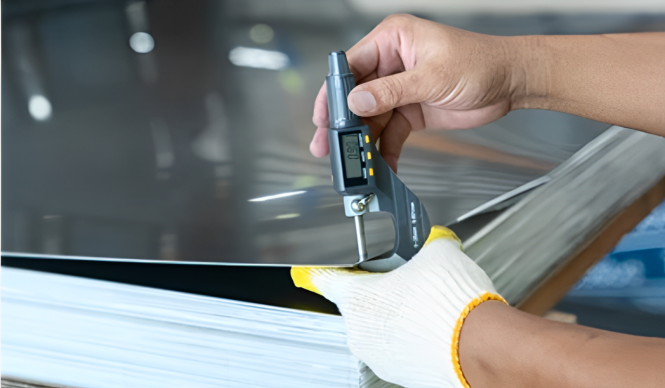
The tighter the tolerance, the more critical the dimensional control, and standard tolerances specify the normal limits of manufacturing. Standard tolerances of ±0.5mm enable faster machining, lower inspection and overall less scrap. For tighter tolerances, such as those within ±0.01mm, speed must be reduced, state-of-the-art equipment is required, and there must be numerous quality checks. In fact, specifying tolerances that are too tight on decorative panels adds to the cost of the panel without any real benefit. Aerospace, medical devices, and other systems that demand accuracy in hydraulics require tight tolerances. Use ISO 2768 standards.
Surface Finishing Costs
Finishing enhances corrosion resistance, electrical insulation, wear resistance and therefore increases the functional performance of parts. Smooth finishing contributes to color, texture, reflectivity and market and visual appeal. Inappropriate selection or over-specification can lead to a higher cost, so finish selection can be an economically important decision.
Major Finishing Types and Cost Profiles
As-machined / no finish
As-machined finish is the lowest cost finish and does not need any further processing steps in fabrication. It is appropriate for internal parts which do not need corrosion protection and appearance frequently.
Sandblasting
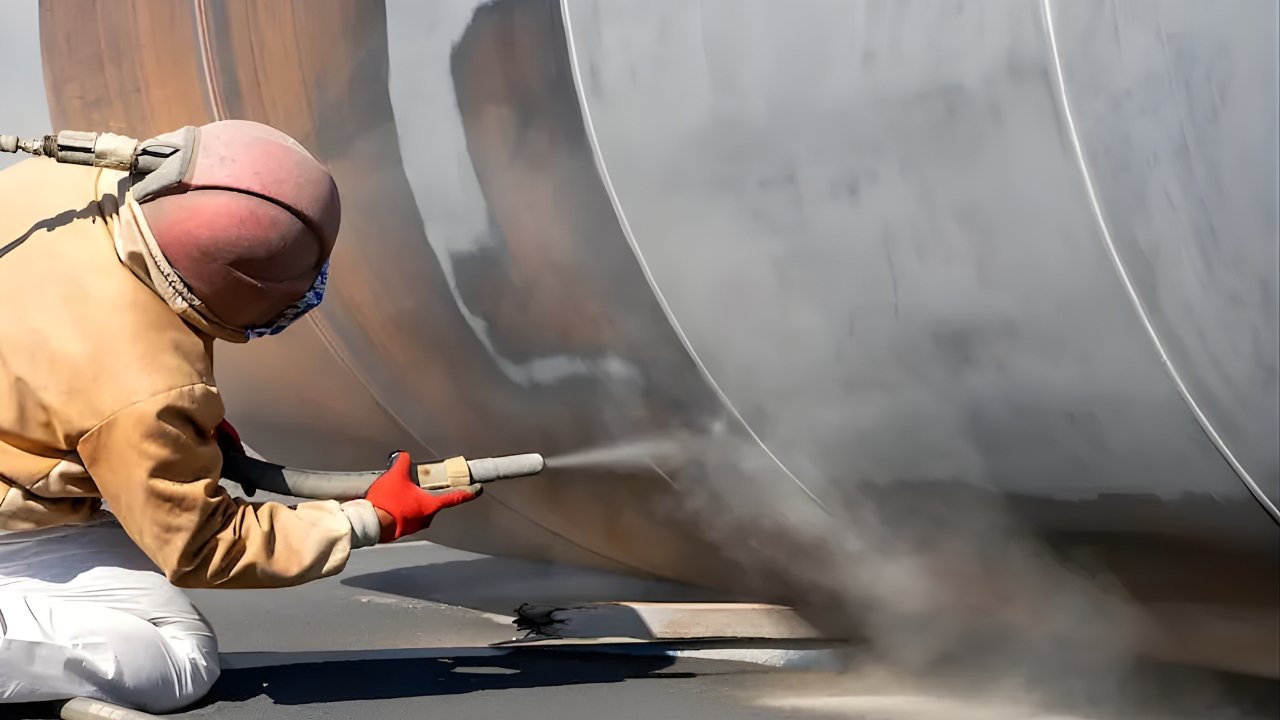
For metals, sand blasting is a process that can be used to produce a uniform matte finish at low processing cost. It also enhances adhesion of coatings and surface preparation for painting and finishing, which may contribute to the total sheet metal fabrication cost.
Powder coating
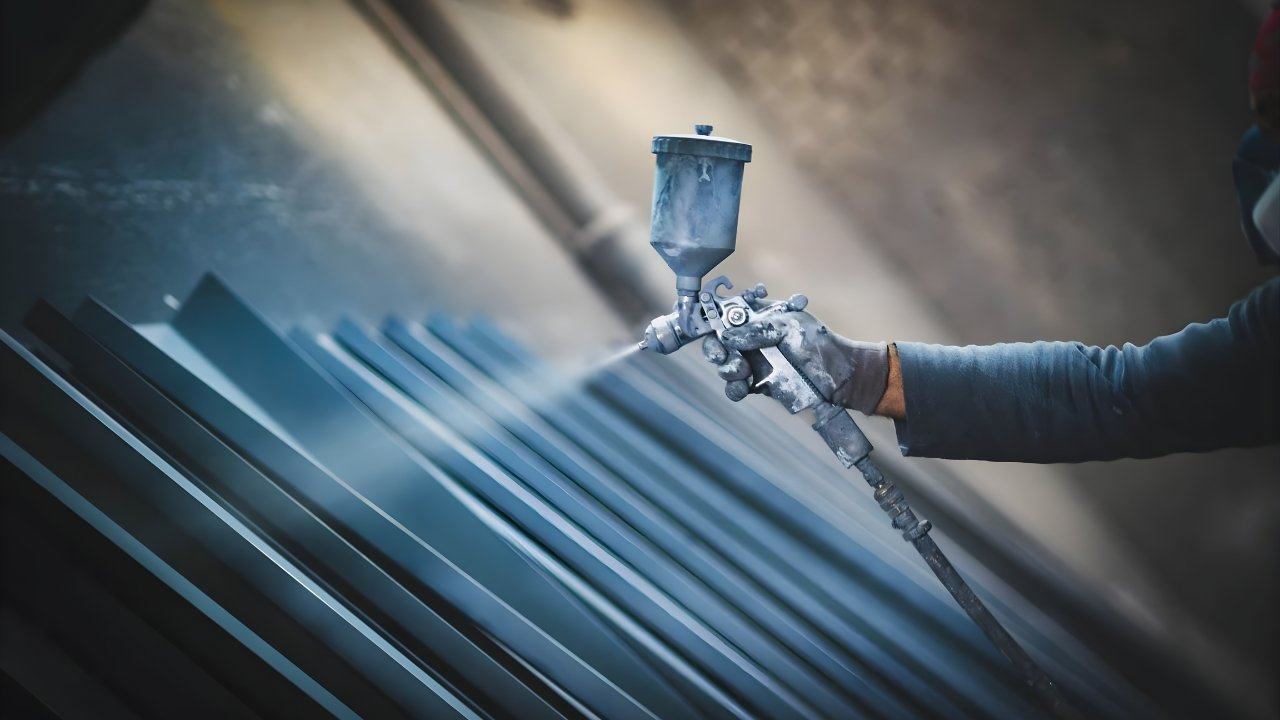
Powder coating is approximately $2-$5 per square foot and offers a long-lasting color and protective coating. It can be used in large quantities in batches, but it will increase the thickness in tight tolerances.
Anodizing (aluminum)
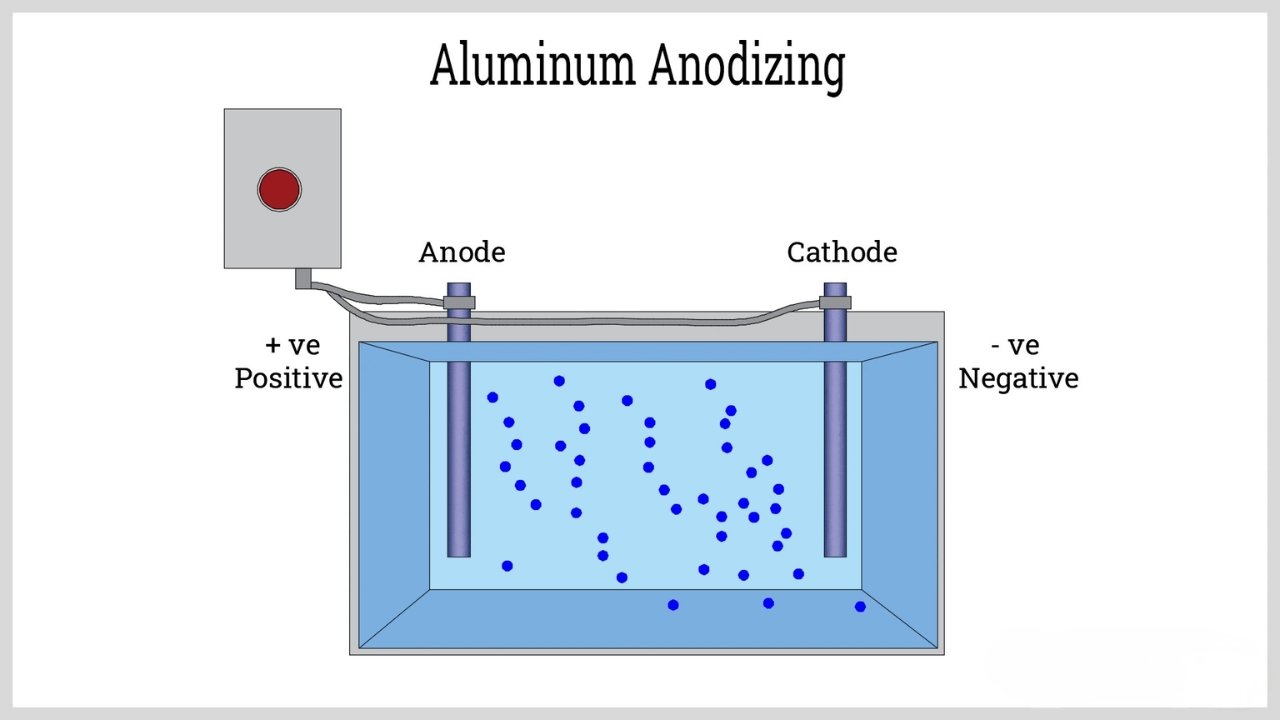
The anodizing of aluminium is a low to moderate-cost process that increases corrosion resistance and hardness. It is batch processable, but only available in the following materials: Aluminum and Titanium and in limited colours.
Galvanizing
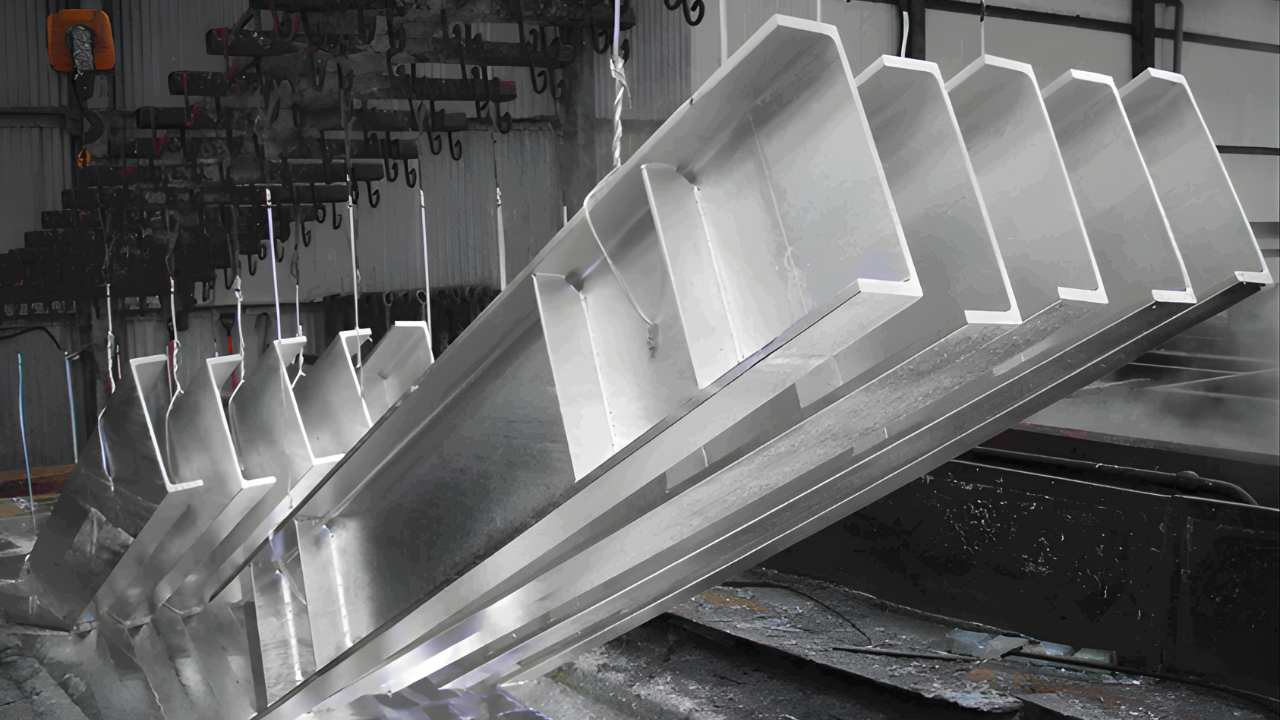
Galvanizing is an excellent method of protecting steel from corrosion, particularly in severe outdoor conditions. However, galvanizing also adds to the overall sheet metal fabrication cost depending on the required coating thickness and part size. The typical price for hot dip galvanizing is $0.5-$2 per sq ft, based on the thickness of the material to be galvanized.
Electroplating
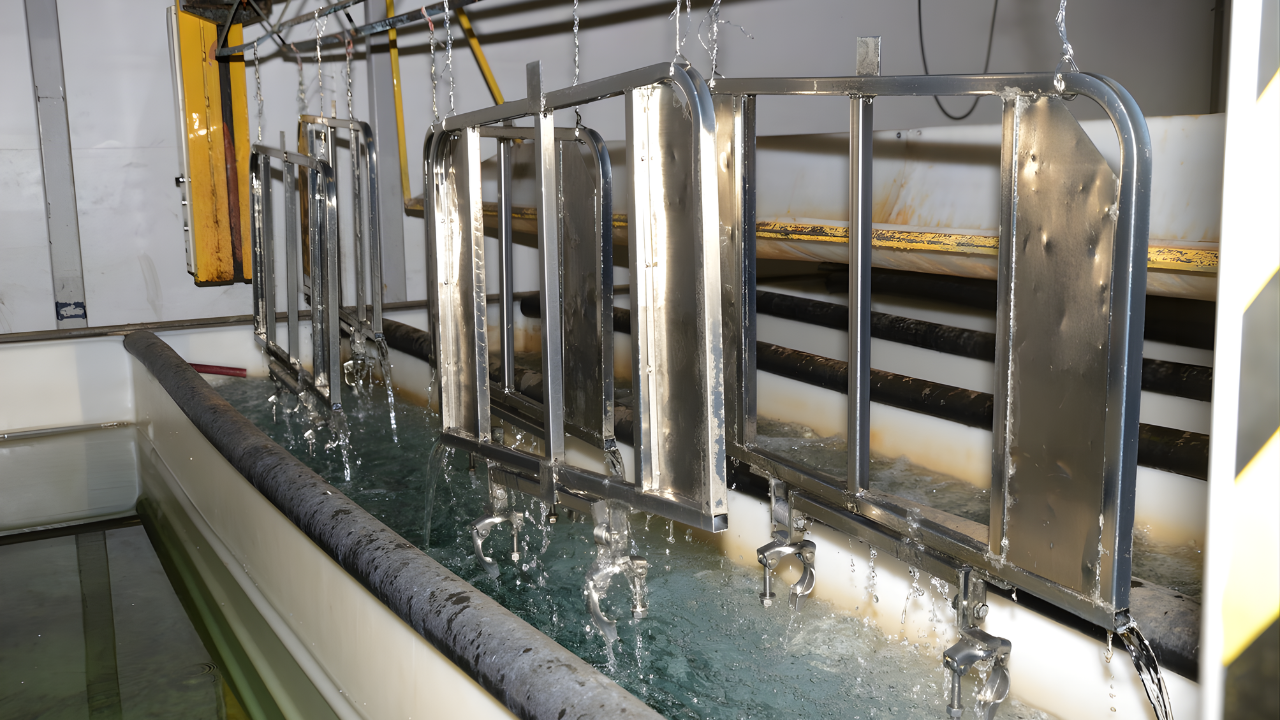
Electroplating is performed to enhance wear and corrosion resistance, such as zinc, chrome and nickel. Moderate cost, but is subject to careful process control to avoid problems of flaking or defects.
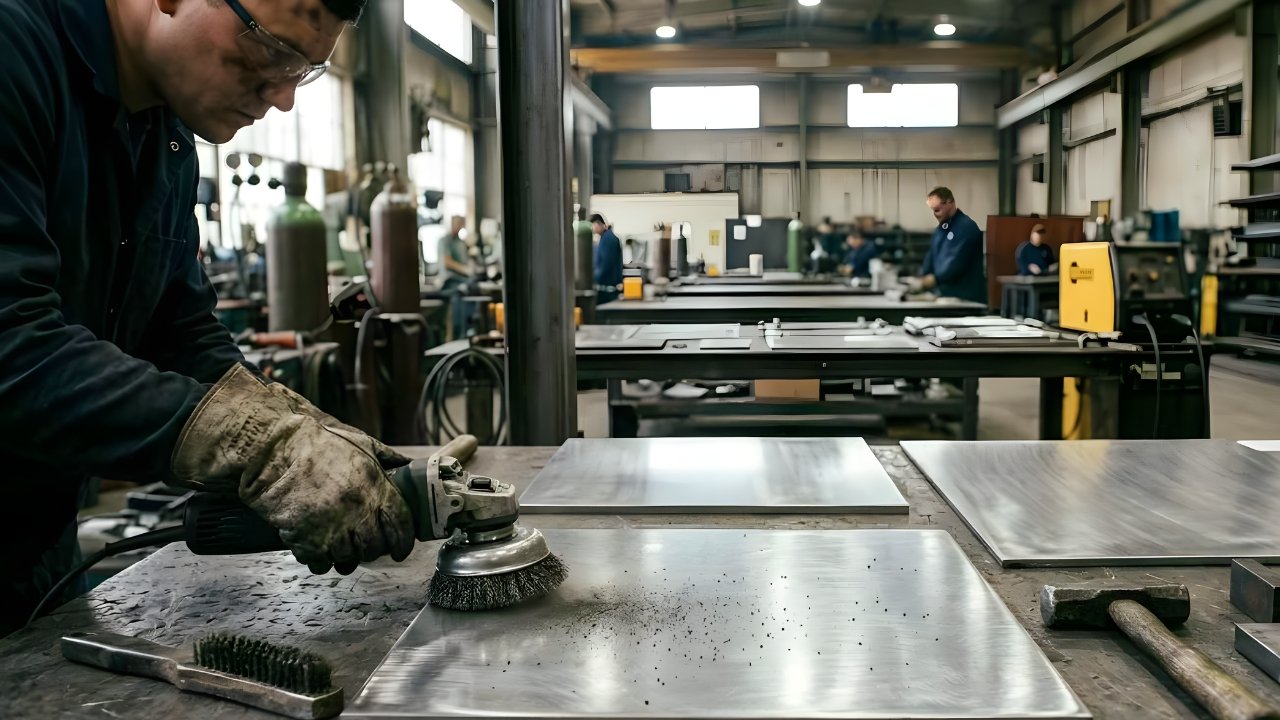
Polishing/brushing
Polishing or brushing is done to produce smooth, shiny surfaces primarily for cosmetic uses. For complex shapes, processes are labor intensive, which results in high finishing costs overall.
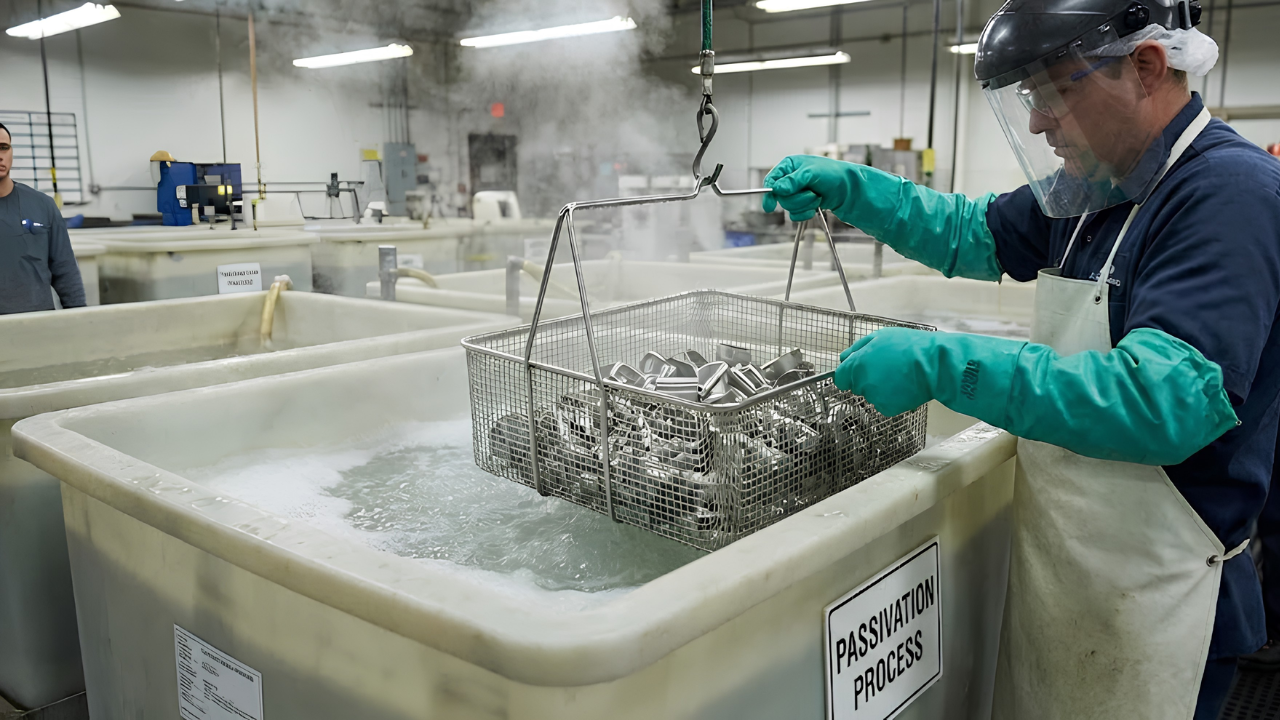
Passivation
The acid bath treatment is called passivation and is used for removing contaminants from stainless steel. It increases the corrosion resistance without affecting the surface appearance and dimensional properties to a great extent.
Cost-Saving Principles for Finishing
Use standard colors from the off-the-shelf to save a lot of money on finishing. Group similar components together to be finished more efficiently, which reduces the cost per component. Do not finish surfaces that are concealed within assemblies, and use the properties of natural materials wherever possible.
Hardware Selection and Its Cost Impact
Standard vs Custom Hardware Selection
Cost saved with standard off-the-shelf components such as PEM nuts, hex standoffs, and screws. They reduce lead times and make them immediately available. Custom hardware – tooling and minimum order quantities come with a price. Only use custom when design requirements cannot be met by standard parts.
Material Choice in Hardware
Material selection in hardware also affects the overall sheet metal fabrication cost. The zinc-plated steel hardware is suitable for use in the indoor corrosion resistance field and is an economic option. Stainless steel hardware is more expensive but will hold up nicely in harsh environments. Aluminium hardware is light, but only suitable for low-strength applications. Plastic fasteners are inexpensive, light and have a limited load-bearing capacity.
Brand Considerations
Top brands such as Penn Engineering have a consistent performance and dimensional compliance. For critical assemblies where reliability and accuracy are needed, they have their right. For non-critical applications, cost savings can be achieved in the form of OEM or generic alternatives. But they do need to be vetted for compliance with the standards.
Brief Hardware Cost Reference
The price of an M4 pan head Phillips screw depends on the material of the screw. Zinc plated around $0.01 aluminum $0.045 stainless $0.03, brass $0.043. The difference for each unit is small, but it is cumulative in large production quantities. Twenty thousand dollars scale can be the difference of two cents.
Labor Costs and Geographic Considerations
Labour costs have an impact on all stages of fabricating sheet metal through embedded hourly rates and processes. Skilled jobs include CNC programmers, press brake operators, certified welders and quality inspectors. CNC programmers make $30-$60 per hour, and welding makes more than $50-$100+/hr in North America and Western Europe. Moderate and competitive rates are available in Eastern Europe and Mexico. Southeast Asia and China offer CNC labour cost benefits of $10-$25/hr. Less expensive areas can add risk factors such as communication, IP issues, and longer lead times. Automation pays for itself in per-part labour cost at scale, even if this means paying more upfront.
Cost Reduction of Sheet Metal Fabrication – Key Strategies
Design-Phase Strategies (Highest Impact)
Simplify Geometry
Remove all unnecessary bends, cutouts and complicated features from the design. The removal of each bend cuts down the cost and the manufacturability by a great deal. Make sure that each curve is a functional necessity.
Standardize Bend Radii
Avoid tool change by using a consistent bend radius. This saves set-up time, reduces production complexity, and helps lower sheet metal fabrication cost. Standardization also helps in reducing errors to a great extent in batch runs while manufacturing.
Relax Non-Critical Tolerances
Design to close tolerances only when necessary. Apply general dimensions in accordance with ISO 2768 dimensions. The cost of unnecessary precision is high and may be avoided in the cost of machining and inspection.
Part Consolidation
Integrate several simple parts into a complex part. This decreases assembly steps, fasteners and labour cost. Part consolidation boosts efficiency and reduces the overall production cost.
Design for Standard Sheet Sizes
Create components that fit on a standard 4″ x 8″ or 5″ x 10″ sheet. Efficient nesting means that a lot of materials are not wasted. The higher the sheet utilization, the lower the raw material cost and overall efficiency.
Material Strategies
Avoid over-specification
When the functional requirements are completely satisfied, use carbon steel. Stainless steel is an added expense with no added benefit in performance. Use materials according to the conditions of use.
Use material characteristics to eliminate finishing.
Aluminium provides natural corrosion resistance, which can significantly influence sheet metal fabrication cost by reducing overall coating requirements. When material performance is adequate, avoid using secondary finishes. Compare the LC cost with the material cost.
Optimize nesting
For efficiency improvement, use nesting software, such as Deepnest or Powernest. Minimize material waste when cutting due to layout optimization. A scrap percentage reduction is directly affected by better nesting.
Process Strategies
Match Process with Volume
Laser cutting is well-suited to low to mid-volume production. Stamping tooling is viable beyond 3,000-5,000 units/ lot. Select a process based on cost and scalability requirements.
Combine Complementary Processes
With the combination of turret punching and laser cutting, the production cost can be reduced. When engaging the fabricator on hybrid approaches, efficiency is enhanced. This mix will provide a balance of speed, flexibility and cost.
Automate Where Volume Justifies
When production volume increases, automation decreases labour overhead in sheet metal fabrication cost. Hardware insertion robotic welding, and automated bending cells have good scalability, which enhances consistency and lowers the unit cost overall.
Relationship and Process Strategies
Early Fabricator Engagement (DFM Reviews)
Getting the fabricator involved early in the design process better ensures manufacturability early on. DFM reviews are used to make cost-saving changes to designs. The overall cost saving due to DFM feedback is about 10-30 per cent.
Compose for future Volume.
Facilitator communication is important to plan for future volume. Scaling is anticipated to reduce process changes, which are expensive and considered later. Projected growth planning of production is helpful in initial tooling decisions.
Build a Long-Term Partnership
Shared knowledge value through long-term fabrication partnerships. Partners identify proactive improvements in recurring manufacturing work. Over time, strong relationships result in better pricing.
Cost Estimate for Industrial Sheet Metal Fabrication – Notable Factors
Aerospace
Sheet metal fabrication cost in aerospace applications is driven by strict engineering and compliance requirements. For aerospace, tolerances are small, and materials are certified, such as alloys. Made from 7075 aluminum-titanium under AS9100 documentation standards. Premium manufacturing cost levels are justified by safety performance requirements.
Medical Devices
Medical devices must be ISO 13485 certified and have robust systems in place for traceability. Materials used for biocompatibility, like 316 SS, are crucial. Overhead rises, but it is a non-negotiable requirement.
Automotive
The world of automotive manufacturing is based on high-volume production runs. Stamping tooling investment enables economies of scale benefits. Design standardization focus for cost optimization.
Consumer Electronics
Consumer electronics have a high requirement for precision enclosures and tolerances all the time. Common process of critical aluminum anodizing cosmetic finish quality. Working together with DFM to achieve unit cost goals.
Construction/General Fabrication
Mild steel is used most frequently in construction and general fabrication. Standard tolerances were used in cost-driven production. Galvanizing used for corrosion protection in environments with exposure zones.
Conclusion
Industries are dependent on material, process, design complexity and post-processing factors that influence the sheet metal fabrication cost. Cost control starts with the design; decisions made at the design stage of materials, tolerances and geometry contribute to the efficiency and cost results. Early involvement with fabrication partners such as Masion can result in DFM feedback, which can minimise manufacturing risks and avoid cost. It is not the lowest cost component, but the most cost-effective solution that satisfies the requirements in an efficient manner as a whole.
FAQs:
How much does sheet metal cost per kilogram?
Mild steel costs $0.80–$2.50/kg, stainless steel $2–$8/kg, and aluminum $2–$5/kg, depending on grade.
Are low cost sheet metal fabrication services suitable for tight tolerances?
Generally, no — tight tolerances demand precision machinery, skilled operators, and strict QC, which increase costs unavoidably.
How do you achieve cost-effective custom sheet metal fabrication?
Achieving cost-effective custom sheet metal fabrication starts with design optimization, smart material selection, and standardized processes that reduce waste, labour, and unnecessary production complexity.
How does a sheet metal fabrication cost calculator work?
A sheet metal fabrication cost calculator estimates pricing by analyzing material usage, machine time, setup charges, labour, and any finishing or secondary operations required.
Who determines the cost to fabricate sheet metal?
The cost to fabricate sheet metal is determined by the fabrication partner, based on part complexity, material selection, production volume, labor, equipment, and overhead costs.
Why does sheet metal fabricators cost vary by project?
Sheet metal fabricators cost varies by project because each job differs in material type, design complexity, labour needs, production methods, tolerances, and finishing requirements.
Why is estimating sheet metal fabrication costs essential?
Estimating sheet metal fabrication costs is essential for budgeting, pricing accuracy, design optimization, and profitability, while helping manufacturers avoid costly surprises during production.
Who provides sheet metal fabrication cost estimation?
Sheet metal fabrication cost estimation is typically provided by fabrication companies, contract manufacturers, online quoting platforms, and software tools that evaluate material, labour, and process costs.