Melting Point of Metals – Everything You Need to Know
All metals can withstand high temperatures, pressures, and stresses, but there is a limit to how much heat they can withstand. Melting points have a direct impact on the choice of material in the aerospace, construction, electronics and manufacturing sectors. If engineers do not consider thermal limits, they could find themselves facing catastrophic structural failures and expensive manufacturing mistakes. These thresholds should be known before designing any component or system that is exposed to heat. This article explores the melting point of metals, their relevance in industry, and how they can make smarter engineering decisions. Let’s get started!
What Is the Melting Point of a Metal?
The melting point of a metal is the temperature at which the metal changes from a solid to a liquid state. At this important point, solid and liquid phases coexist in a state of perfect equilibrium at the same time. Heat added at this point is not used for temperature increase but is used to provide the latent heat of fusion. That absorbed energy ruptures the bonds between atoms until the metal is totally melted.
Melting Point vs. Melting Range
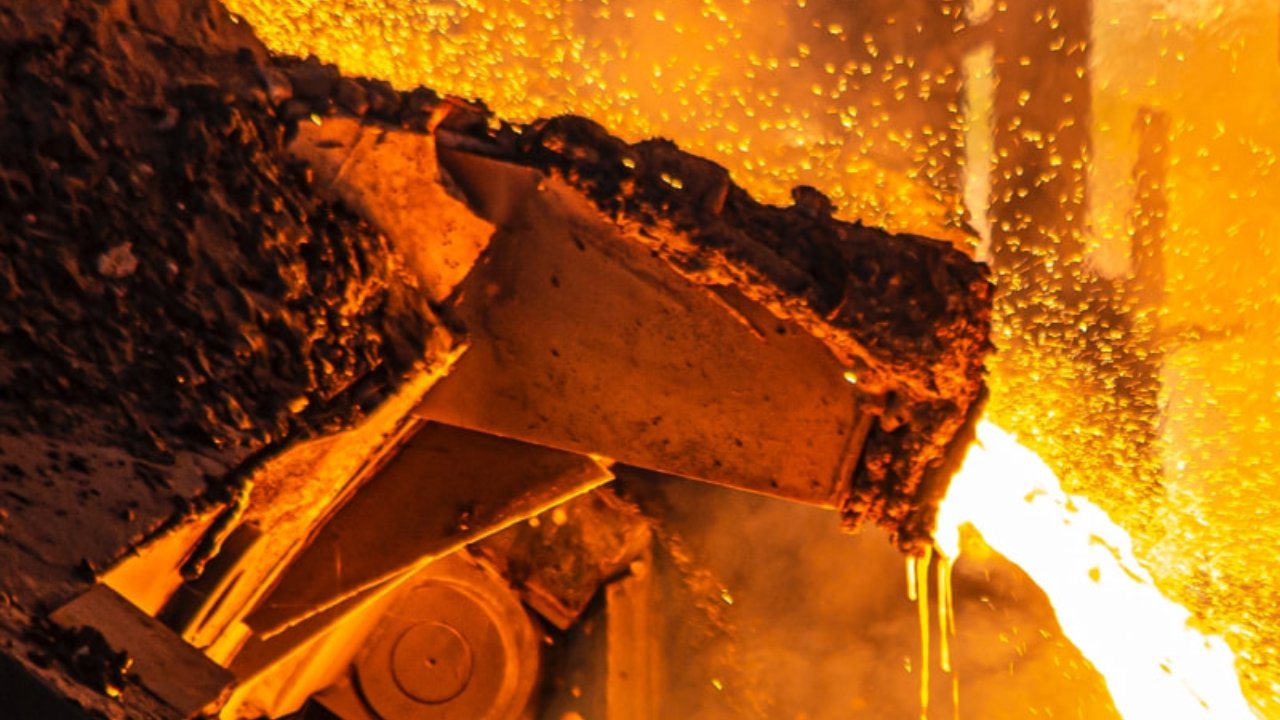
Pure metals have a well-defined melting temperature and a clean, predictable threshold that engineers can use. There is a range of temperatures over which alloys melt. The solidus is the point at which melting commences, and the liquidus is the point at which the material is completely liquid. Engineers have to consider both boundaries, not only one.
Why Does the Metal Melting Point Matter?
Selection of Materials for High Temperature Applications
In order to maintain structural integrity when heated, engineers choose metals that have thermal resistance. Tungsten and molybdenum are able to withstand extreme industrial temperatures reliably. Equipment failures occur when the wrong metal choices are used, causing catastrophic equipment failures. Matching metal properties to application demands is critical to safety and operational reliability.
Melting Points Relating to Welding/Fabrication
The heat produced in Arc Welding is over 6,500°F, and only compatible base metals should be used. TIG welding requires good control of the temperature of the joint to ensure clean joints. It is important to have knowledge about the melting point of metals while performing MIG welding. MIG welding is an excellent process for intermediate melting range metals. Brazing is a process that is conducted below the melting temperature of the base metal with the use of filler materials. Soldering is a technique used to join low-melting-point metals without damaging other parts.
Role in the Casting and Foundry Operations
Mold materials should not be degraded at molten metal temperatures. The furnace temperature is carefully adjusted to the melting temperature of each metal. The molten flow is proper, which makes it possible to fill the cavity completely without defects. The mechanical strength of the final casting is directly related to the controlled solidification of the casting.
Heat Treatment and Thermal Processing
Industrially, the temperatures of melting point, annealing, forging, and tempering are quite different. Annealing reduces the hardness of metals, but not close to the melting point. The grain is heated under controlled conditions to enhance the grain structure without inducing undesirable phase changes. Careful understanding of these different temperature limits is important in industrial thermal processing.
Preventing Metal Failure at Extreme Temperatures
Before complete melting, metals creep and soften and undergo deformation. Thermal deformation can affect the dimensional accuracy under continuous high temperatures. Fatigue and sudden component failure are greatly accelerated by structural weakening. In many critical metals, their ability to carry a load drops to about 50% of the melting point.
Why Do Different Metals Have Different Melting Points?
Atomic Structure and Metallic Bonding
Delocalized electrons form a shared “sea” around the nuclei of metals, which holds the metals together. The more tightly bound the metal bonds are, the higher the melting point of metals are
Key variables:
The size of the atom and the attraction of the nucleus
The bigger the atom, the further the outer electrons are from the nucleus. This greatly weakens the attraction between the nucleus, so that the energy required to break the metallic bond is lowered. Tungsten’s small atomic size has the effect of holding the electrons firmly in place, resulting in a melting temperature of 3,422°C, which is very high.
Electron Delocalisation and Metallic Cohesion
As the free electron density increases, there is increased cohesion through the metallic lattice structure. The transition metals possess very large electron clouds (e.g., W, Mo). These delocalized electrons share out bonding energy evenly across the material. The net effect is dramatically increased resistance to thermal breakdown under extreme industrial operating conditions.
The structure of the crystal lattice and the stability of atoms
Hexagonal close-packed and face-centred cubic structures are more efficient packing structures than simpler structures. This packing is more compact, with lots of atomic contact points. The more the contact points, the more the bonds that need to be broken at the same time. BCC and simple cubic metals provide fewer contact points and are thus weaker under continuous thermal stress.
Effect of Alloying and Impurities
The presence of impurities in the metal lattice causes a disruption of the regularity of the arrangement of the atoms in the lattice, which has a fundamental effect on the melting point of metals. For example, the melting point of iron is affected by the presence of alloying elements and impurities. Alloys do not melt at a single temperature, but over a range of temperatures. The addition of carbon to iron gives rise to steel, which has a significantly higher range of melting temperatures. The resulting alloys will vary in their melting points, depending on the elements used, and some alloys will have a lower melting point than the original elements, while others will have a higher melting point.
Refractory Metals — A Special Class
They are characterised by extraordinarily high melting points that are >2000°C and are termed refractory metals. The most industrially important are tungsten, rhenium, tantalum, osmium, and molybdenum. They are very heat-resistant due to the strong and delocalized d-electron bonding of these transition metals. Such a high electron sharing forms bonds that can only be broken by very high energy input, and this makes refractories irreplaceable in aerospace, defence, and high-temperature industrial applications.
Metals with High Melting Points
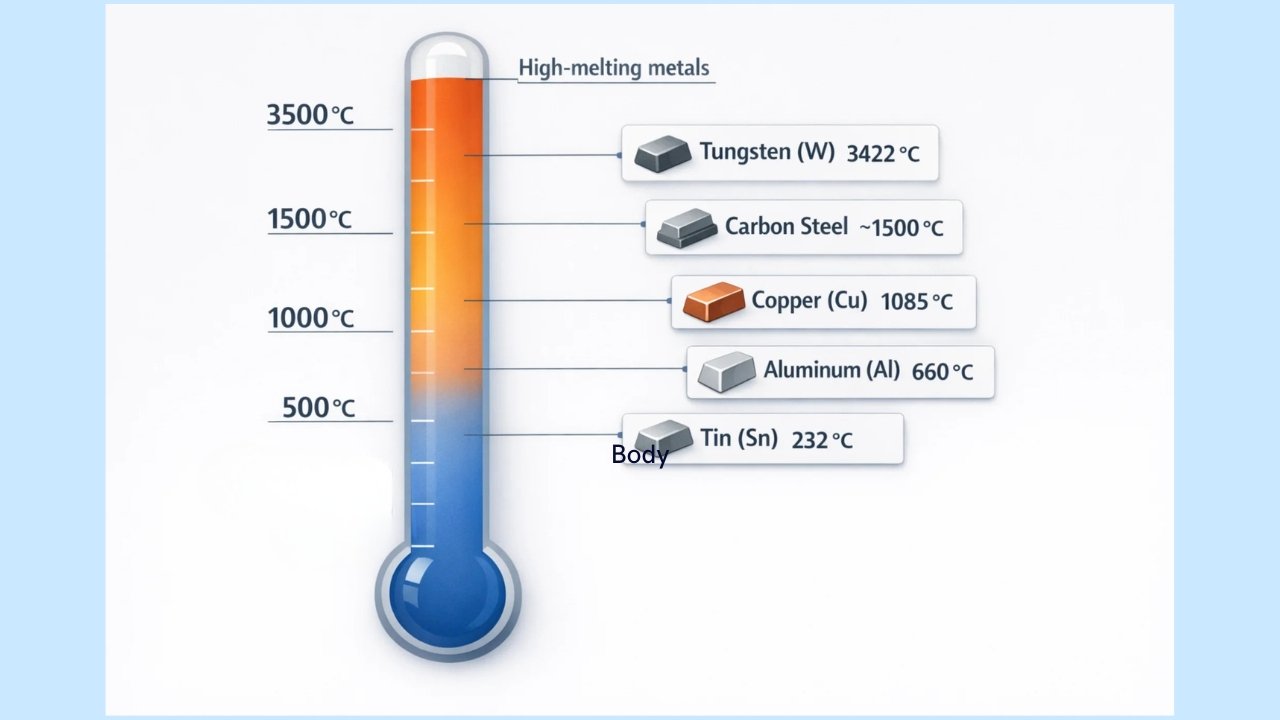
These materials are able to withstand extreme thermal stresses without structural failure. In industrial applications where engineers need to identify which metal have highest melting point characteristics, refractory metals dominate the field. They are the leaders of the category in terms of melting point of metals, with tungsten having a melting point of 3,422°C, and industries depend on them for mission-critical performance.
Key High-Melting-Point Metals:
Metal | Melting Point (°C) | Melting Point (°F) | Key Applications |
Tungsten (W) | 3,400°C | 6,150°F | Incandescent filaments, aerospace, electrical contacts |
Rhenium (Re) | 3,186°C | 5,767°F | Jet engine turbine blades, catalysts |
Osmium (Os) | 3,025°C | 5,477°F | Electrical contacts, pen tips |
Tantalum (Ta) | 2,980°C | 5,400°F | Capacitors, surgical implants, and chemical equipment |
Molybdenum (Mo) | 2,620°C | 4,750°F | Furnace components, high-temp alloys, electrodes |
Niobium (Nb) | 2,470°C | 4,473°F | Superalloys, superconductors, pipeline steels |
Chromium (Cr) | 1,860°C | 3,380°F | Stainless steel alloying, hard coatings |
Titanium (Ti) | 1,670°C | 3,040°F | Aerospace structures, biomedical implants |
Platinum (Pt) | 1,770°C | 3,220°F | Catalytic converters, lab equipment, jewellery |
Metals with Medium Melting Points
Medium melting point of metals provides the basis for the backbone of modern industrial manufacturing throughout the world. It is uncommon to find a material that combines the properties of formability, strength, conductivity, and heat resistance to the same extent as iron, steel, copper, and nickel. The melting point of iron and copper melting temperature are important factors that contribute to their widespread industrial use. Every day, these workhorses are used in industries for structural parts, electrical systems and high-performance alloys.
Key Medium-Melting-Point Metals:
Metal | Melting Point (°C) | Melting Point (°F) | Key Applications |
Stainless Steel | 1,510°C | 2,750°F | Food equipment, medical, and construction |
Carbon Steel | 1,371–1,540°C | 2,500–2,800°F | Structural, automotive, tools |
Nickel | 1,453°C | 2,647°F | Superalloys, electroplating, batteries |
Cobalt | 1,495°C | 2,723°F | Cutting tools, magnets, superalloys |
Cast Iron | 1,127–1,204°C | 2,060–2,200°F | Engine blocks, pipes, and cookware |
Copper | 1,084°C | 1,983°F | Electrical wiring, plumbing, and heat exchangers |
Gold | 1,063°C | 1,945°F | Jewellery, electronics, and monetary reserves |
Silver | 961°C | 1,761°F | Electrical contacts, jewellery, photovoltaics |
Inconel | 1,390–1,425°C | 2,540–2,600°F | Jet engines, chemical processing |
Lowest Melting Point Metal
Low melting point metals are used for specific industrial applications, such as in electronics, soldering, casting and thermal measurement. Some, such as mercury and gallium, are liquid at or near room temperature. These metals allow low-heat manufacturing methods that would be impossible with other high melting point metals.
Key Low-Melting-Point Metals:
Metal | Melting Point (°C) | Melting Point (°F) | Notes |
Mercury (Hg) | -39°C | -38°F | Only metal liquid at room temperature |
Cesium (Cs) | 28.5°C | 83°F | Melts just above room temperature |
Gallium (Ga) | 29.8°C | 85.6°F | Melts in the palm of your hand |
Tin (Sn) | 232°C | 449°F | Soldering, food-safe coatings |
Lead (Pb) | 328°C | 621°F | Batteries, radiation shielding, and solder |
Zinc (Zn) | 420°C | 787°F | Galvanising, die casting, brass production |
Aluminum (Al) | 660°C | 1,220°F | Aerospace, packaging, transportation |
Complete Melting Point of Metals Reference Chart
This is a reference chart of metals and common alloys sorted by melting point, from lowest to highest. It displays 3 units of temperature — Celsius, Fahrenheit, and Kelvin — and all of these are verified. Please be aware that there may be slight variations in the value, depending on the level of purity and the source of the measurement.
Full Reference Table
# | Metal / Alloy | Melting Point (°C) | Melting Point (°F) | Melting Point (K) | Type |
1 | Mercury (Hg) | -39°C | -38°F | 234 K | Pure Metal |
2 | Phosphorus | 44°C | 111°F | 317 K | Pure Element |
3 | Potassium (K) | 63°C | 145°F | 336 K | Pure Metal |
4 | Sodium (Na) | 98°C | 208°F | 371 K | Pure Metal |
5 | Solder (50-50 Tin-Lead) | 215°C | 419°F | 488 K | Alloy |
6 | Selenium | 217°C | 423°F | 490 K | Pure Element |
7 | Tin (Sn) | 232°C | 449°F | 505 K | Pure Metal |
8 | Babbitt Metal | 249°C | 480°F | 522 K | Alloy |
9 | Bismuth (Bi) | 272°C | 521°F | 545 K | Pure Metal |
10 | Cadmium (Cd) | 321°C | 610°F | 594 K | Pure Metal |
11 | Lead (Pb) | 328°C | 621°F | 600 K | Pure Metal |
12 | Magnesium Alloys | 349–649°C | 660–1,200°F | 622–922 K | Alloy Range |
13 | Zinc (Zn) | 420°C | 787°F | 693 K | Pure Metal |
14 | Aluminum Alloys | 463–671°C | 865–1,240°F | 736–944 K | Alloy Range |
15 | Aluminum Bronze | 600–655°C | 1,190–1,215°F | 916–930 K | Alloy |
16 | Antimony (Sb) | 630°C | 1,166°F | 903 K | Pure Metal |
17 | Plutonium (Pu) | 640°C | 1,184°F | 913 K | Pure Metal |
18 | Magnesium (Mg) | 650°C | 1,200°F | 922 K | Pure Metal |
19 | Aluminium / Pure (Al) | 660°C | 1,220°F | 933 K | Pure Metal |
20 | Beryllium Copper | 865–955°C | 1,587–1,750°F | 1,137–1,228 K | Alloy |
21 | Manganese Bronze | 865–890°C | 1,590–1,630°F | 1,139–1,161 K | Alloy |
22 | Coin Silver | 879°C | 1,614°F | 1,152 K | Alloy |
23 | Sterling Silver | 893°C | 1,640°F | 1,166 K | Alloy |
24 | Admiralty Brass | 900–940°C | 1,650–1,720°F | 1,172–1,211 K | Alloy |
25 | Yellow Brass | 905–932°C | 1,660–1,710°F | 1,178–1,205 K | Alloy |
26 | Bronze | 913°C | 1,675°F | 1,186 K | Alloy |
27 | Silver / Pure (Ag) | 961°C | 1,761°F | 1,234 K | Pure Metal |
28 | Red Brass | 990–1,025°C | 1,810–1,880°F | 1,261–1,300 K | Alloy |
29 | Gold (Au) | 1,063°C | 1,945°F | 1,336 K | Pure Metal |
30 | Copper (Cu) | 1,084°C | 1,983°F | 1,357 K | Pure Metal |
31 | Cast Iron | 1,127–1,204°C | 2,060–2,200°F | 1,400–1,478 K | Alloy |
32 | Uranium (U) | 1,132°C | 2,070°F | 1,405 K | Pure Metal |
33 | Ductile Iron | 1,149°C | 2,100°F | 1,422 K | Alloy |
34 | Cupronickel | 1,170–1,240°C | 2,138–2,264°F | 1,443–1,513 K | Alloy |
35 | Manganese (Mn) | 1,244°C | 2,271°F | 1,517 K | Pure Metal |
36 | Beryllium (Be) | 1,285°C | 2,345°F | 1,558 K | Pure Metal |
37 | Monel | 1,300–1,350°C | 2,370–2,460°F | 1,572–1,622 K | Alloy |
38 | Hastelloy | 1,320–1,350°C | 2,410–2,460°F | 1,594–1,622 K | Superalloy |
39 | Carbon Steel | 1,371–1,540°C | 2,500–2,800°F | 1,644–1,811 K | Alloy Range |
40 | Inconel | 1,390–1,425°C | 2,540–2,600°F | 1,666–1,700 K | Superalloy |
41 | Incoloy | 1,390–1,425°C | 2,540–2,600°F | 1,666–1,700 K | Superalloy |
42 | Silicon (Si) | 1,411°C | 2,572°F | 1,684 K | Metalloid |
43 | Nickel (Ni) | 1,453°C | 2,647°F | 1,726 K | Pure Metal |
44 | Wrought Iron | 1,482–1,593°C | 2,700–2,900°F | 1,755–1,866 K | Alloy |
45 | Cobalt (Co) | 1,495°C | 2,723°F | 1,768 K | Pure Metal |
46 | Stainless Steel | 1,510°C | 2,750°F | 1,783 K | Alloy |
47 | Palladium (Pd) | 1,555°C | 2,831°F | 1,828 K | Pure Metal |
48 | Titanium (Ti) | 1,670°C | 3,040°F | 1,944 K | Pure Metal |
49 | Thorium (Th) | 1,750°C | 3,180°F | 2,022 K | Pure Metal |
50 | Platinum (Pt) | 1,770°C | 3,220°F | 2,044 K | Pure Metal |
51 | Zirconium (Zr) | 1,854°C | 3,369°F | 2,127 K | Pure Metal |
52 | Chromium (Cr) | 1,860°C | 3,380°F | 2,133 K | Pure Metal |
53 | Vanadium (V) | 1,900°C | 3,452°F | 2,173 K | Pure Metal |
54 | Rhodium (Rh) | 1,965°C | 3,569°F | 2,238 K | Pure Metal |
55 | Niobium / Columbium (Nb) | 2,470°C | 4,473°F | 2,740 K | Pure Metal |
56 | Ruthenium (Ru) | 2,482°C | 4,500°F | 2,755 K | Pure Metal |
57 | Molybdenum (Mo) | 2,620°C | 4,750°F | 2,894 K | Pure Metal |
58 | Tantalum (Ta) | 2,980°C | 5,400°F | 3,255 K | Pure Metal |
59 | Osmium (Os) | 3,025°C | 5,477°F | 3,298 K | Pure Metal |
60 | Rhenium (Re) | 3,186°C | 5,767°F | 3,459 K | Pure Metal |
61 | Tungsten (W) | 3,400°C | 6,150°F | 3,672 K | Pure Metal |
Can the Melting Point of a Metal Change? – Key Factors Affecting the Change
Pressure
Atoms are pressed together under high pressure, and this increases the strength of the metallic bonding between the atoms. This increases the melting point of metals directly under extreme conditions. The Earth’s core and the high-pressure industrial processes are good examples of this principle.
Nanoparticle Form and Reduced Dimensions
Nanoparticles have an extremely large surface area per unit volume relative to bulk materials. The bonding of the surface atoms is noticeably weaker because the atoms have fewer neighbours. This results in melting points drastically reduced at the nanoscale.
Alloying and Impurities
Foreign atoms in a crystal lattice cause a significant disturbance in the regular, orderly arrangement of the lattice. The melting points may increase or decrease depending on the alloying element. Alloys do not have a definite melting point, but rather a melting range.
Atmospheric Composition
Surface behaviour near the melting point is affected by reactive atmospheres, oxidising or reducing. These interactions change the way in which the substance changes from a solid to a liquid and vice versa. This is a relatively small contributing factor under normal industrial conditions.
Melting Points in Manufacturing Processes
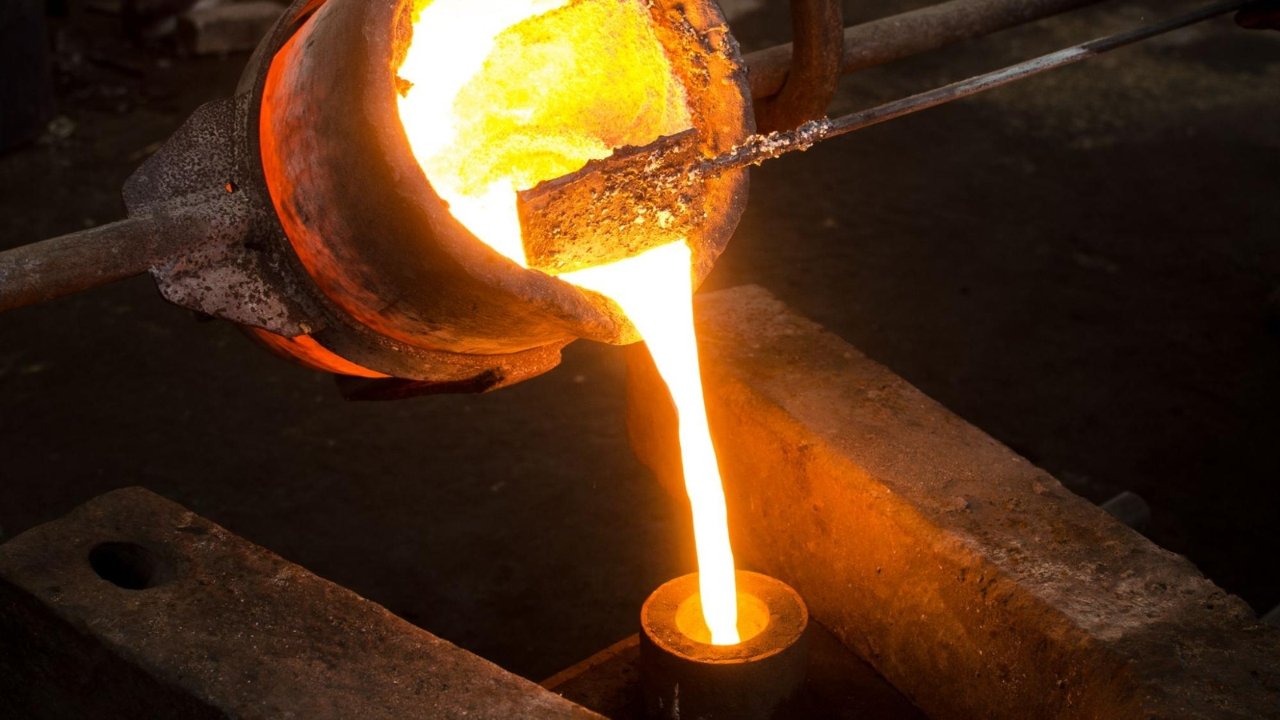
Casting: Forming Metal with Heat
Pouring metal above the liquidus temperature into a mold. Die casting is an appropriate process for zinc, aluminium, and magnesium alloys. Investment casting is able to run with challenging materials such as steel or titanium, where the steel melting point is significantly higher than that of many non-ferrous alloys. The melting point of iron remains an important reference when selecting casting parameters. The melting point of the die material should always be higher than the cast metal.
Fusion Welding: Managing Heat at the Joint
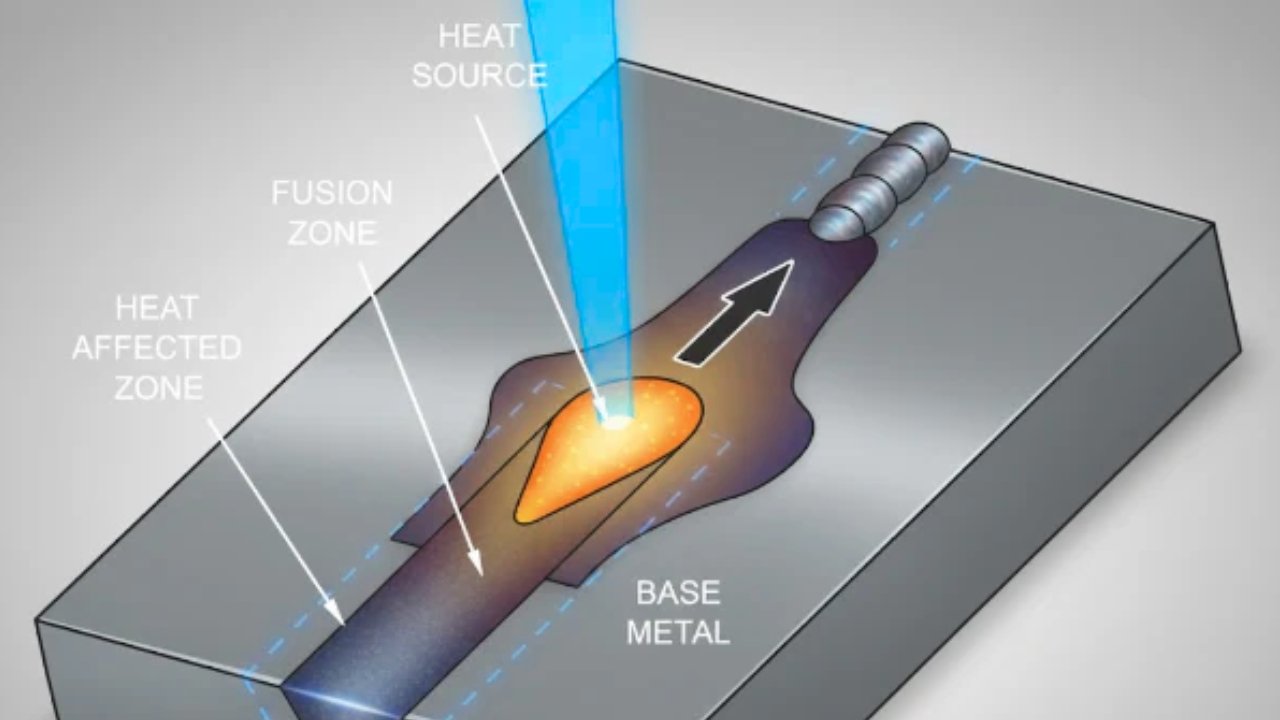
Fusion welding is a method in which the base metal and filler material are melted at the same time in the area to be joined. Welding rods should have melting points that are compatible with the parent metal. Welding of dissimilar metals requires extra attention to thermal management to avoid failure of the joint. The porosity, cracking and structurally weak welds are the result of the mismatch of the melting point of metals.
Smelting and Refining: From Raw Ore to Molten Metal
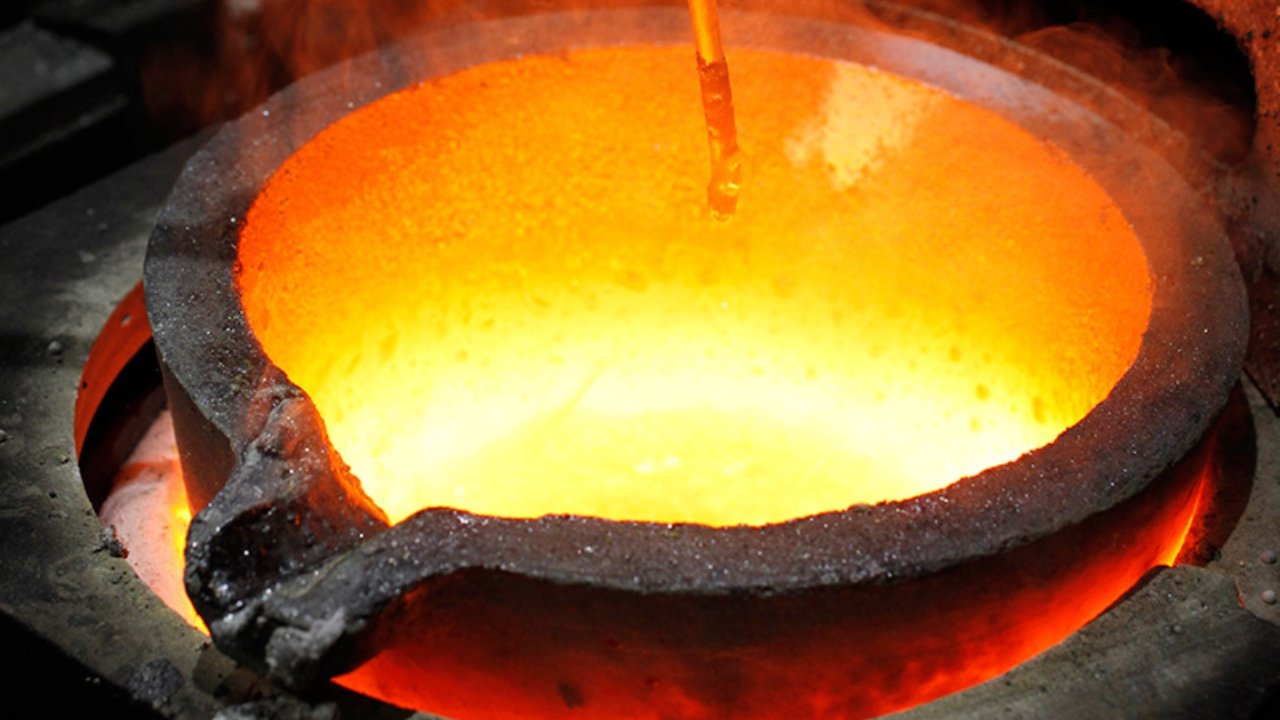
The raw ore is melted down to molten metal at or above the melting temperature. The design of the furnace is determined by the heat requirements of the desired metal. Aluminium smelting takes place at about 660°C; steel requires about 1500°C, which reflects the notably higher melting point of steel compared to non-ferrous metals. These differences involve widely different infrastructure, energy systems and refractory materials.
Powder Metallurgy: Sintering High-Melting-Point Metals
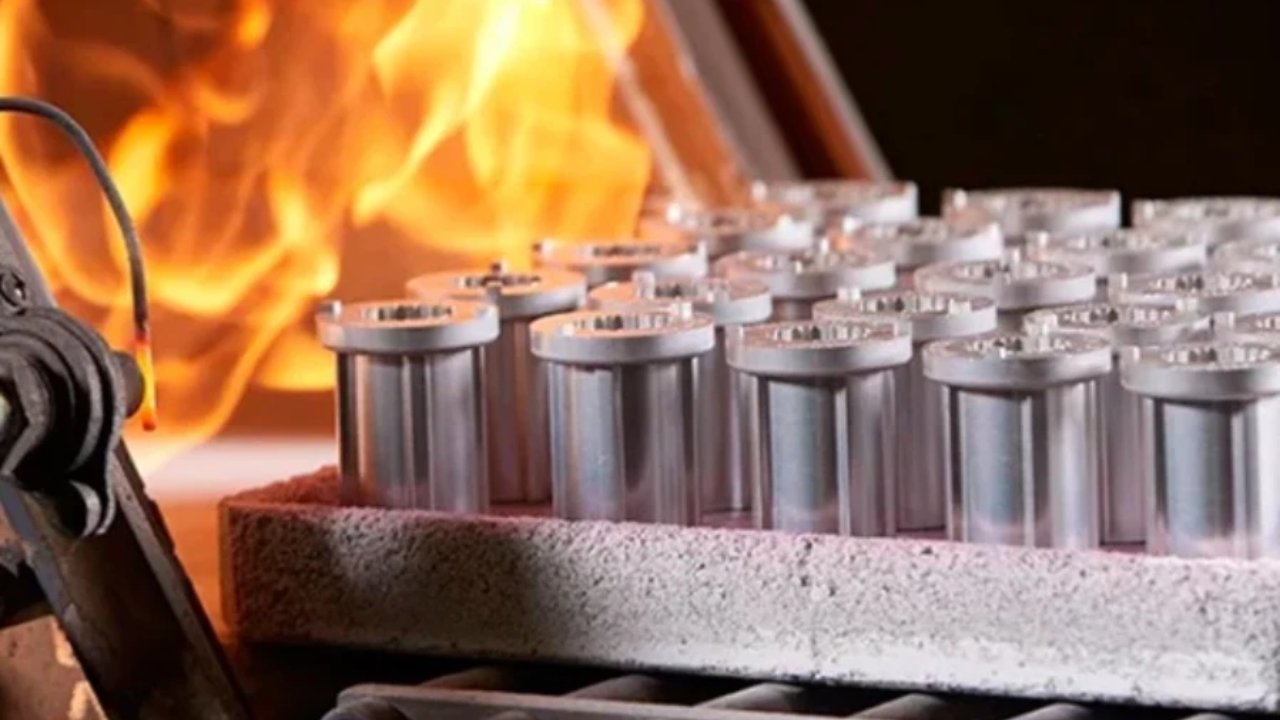
Tungsten and molybdenum are too refractory to be normally melted, and therefore are sintered. Metal powders are compressed, then heated below their actual melting point. Controlled heat bonds particles, but does not cause complete liquefaction of the material. This allows for the production of components of otherwise virtually unmeltable metals.
Heat Treatment: Working the Thermal Profile Below Melting
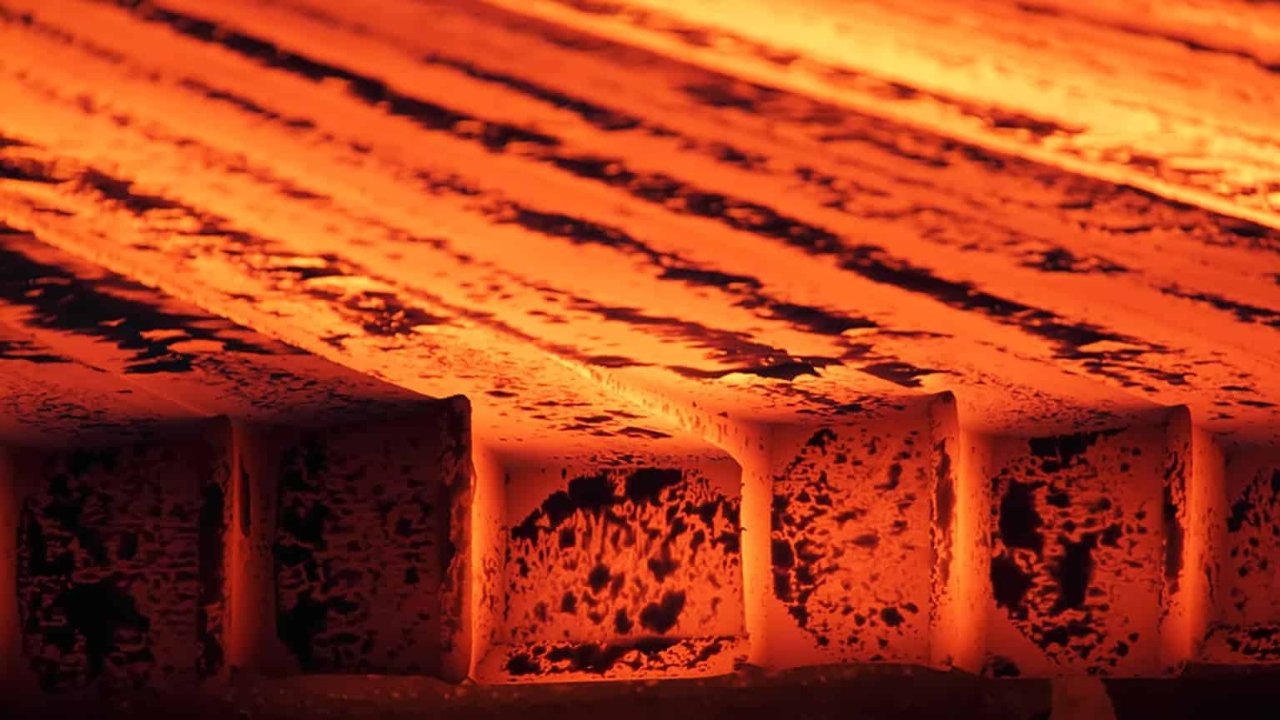
Annealing, quenching and tempering are all below the melting point. The aim of each process is to produce particular microstructural changes in the solid metal. It is imperative to know the whole thermal profile of a metal. Using only melting point data results in inconsistent and not very effective manufactured parts.
Real-World Applications Organised by Melting Point Category
Applications at Ultra-High-Temperatures (>2000°C)
For withstanding high combustion temperatures, rocket nozzle liners require tungsten and rhenium because of the high melting point of metals. Tungsten and molybdenum are the elements used in the electrodes of arc furnaces for sustained electrical performance. The filaments of incandescent lamps are made of tungsten only because no other metal can withstand the heat required for their operation.
High-Temperature Applications (1000–2000°C)
Turbine blades in jet engines are made of nickel superalloys such as Inconel and Hastelloy, which are thermally resistant. Stainless steel, cast iron, and nickel alloys are essential to the structural integrity of industrial furnace components, where the melting point of stainless steel and the melting point of iron are important considerations in material selection and performance. Titanium and Hastelloy are the only materials capable of effective resistance to aggressive high-temperature corrosion for chemical processing equipment.
Medium-Temperature Applications (500–1000°C)
Cast iron and aluminium alloys are used for automotive parts such as engine blocks to control heat. Copper is used in electrical wiring and plumbing because it has a consistent thermal and conductive nature and a high melting temp of copper. The highly efficient and corrosion-resistant thermal transfer performance of heat exchangers is achieved through copper alloys and stainless steel.
Low-Temperature and Specialised Applications (Below 500°C)
Tin and lead-tin solder are used for bonding electronic components where a low-heat soldering process is necessary, and precision bonding is essential. During galvanising, zinc is applied to the surface of steel to create a protective barrier against the environment’s corrosive effects. Babbitt metal, a mixture of tin, lead and antimony, is a good bearing material for reducing friction in high-load industrial bearings.
Tips for Engineers and Manufacturers Selecting Metals by Melting Point
Never Design to the Melting Point
Do not design structural metal components without an ample safety factor. Operating temperatures should be less than 50 to 70% of the melting temperature. When the limit of melting point of metals is exceeded, catastrophic structural failures may occur, which are often unpredictable.
Try the Full Thermal Profile
Creep, oxidation or phase change can cause metals to fail well below their melting point. All failure modes require individual assessment at the design stage. Many good engineering projects have been aborted because of the failure to account for thermal profile complexity.
Know the Melting Range of Alloys
Alloys do not have a specific melting point. Solidus temperature is your actual upper safe operating temperature. Do not use the liquidus temperature for any structural or thermal design considerations.
Ensuring the right equipment and machinery
Furnaces, dies, crucibles and welding electrodes should all have a higher melting point than your material. If the equipment is too small, it will cause reduced performance and significant processing safety risks. Check the ratings of the equipment before starting any high-temperature manufacturing process.
Verify Alloy Composition Accurately
A metal’s melting range can be significantly changed with small changes in the alloying elements. Small differences in steel’s carbon content have a significant effect on its thermal response, which is why accurately determining the melting temp of steel requires knowing the exact grade and composition being used. Before making thermal design assumptions or processing parameters, always check the exact composition.
Have a look at the manufacturer’s datasheets first
Melting points given in the literature are only a starting point and are general in nature. Product grades within a specific alloy system may have significant differences. Thermal data should always be taken directly from a manufacturer’s data sheet, and final specifications must never be made without this information.
Conclusion
Melting point of metals are still one of the most significant thermal properties in metal engineering and manufacturing. It impacts the choice of materials, welding capabilities, casting effectiveness, thermal processing and the reliability of structures over time in various industries. Different materials have different melting points, ranging from low-melting metals such as mercury to refractory metals such as tungsten, and each is used in various industrial applications at different temperatures. Engineers and manufacturers with an understanding of the melting behaviour at the beginning will make safer, more cost-effective and higher performing design decisions throughout the production and application development process.