Lead Frames 101 – Everything You Need to Know
Lead frames are basic elements of semiconductor packaging. Knowing their structure, materials, and manufacturing processes enables us to understand why they are so important in the contemporary electronics. This guide explains the design, production, and application of lead frames in industries, both in consumer gadgets and in automotive and industrial systems.
What is a Lead Frame?
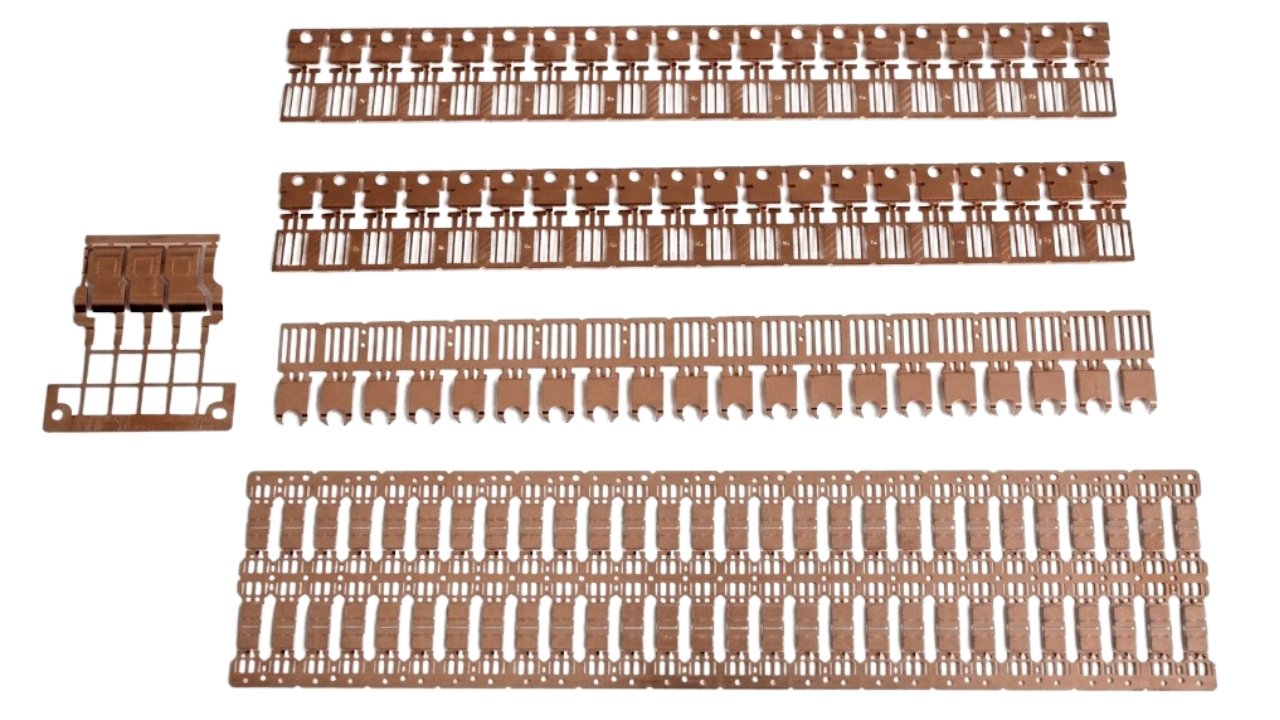
A lead frame is a thin metal frame that holds and connects semiconductor chips in packages. You may consider it as the skeleton of the device, which provides mechanical support and electrical pathways. It also provides accurate bonding and encapsulation alignment.
Why Lead Frames Are Important in the Semiconductor Industry
- Signal Conduction: Lead frames offer effective electrical conduits to conduct current between the circuit and the chip. You enjoy a constant signal transmission, lessened resistance and uniform operation in the contemporary high speed electronic applications.
- Mechanical Stability: Lead frame is a stiff structure that supports sensitive dies at assembly and operation. You achieve better alignment, physical protection and less risk of wire bond or package damages.
- Thermal Control: Lead frames assist in the removal of heat in active areas using conductive metal tracks. You have better junction temperatures, you avoid performance drift, and you predictably increase the operating life of important components.
- Harsh Environment Reliability: Lead frames are made of strong alloys and plated finishes resistant to corrosion, fatigue, and vibration. You get reliable electrical contact and constant packaging performance even in automotive, industrial, or outdoor conditions.
- Cost Efficiency: Lead Frames have a well-established high-volume production path that maintains the packaging expenses to a comparatively low level. You save costs in materials, cut down assembly procedures and have uniform competitive prices in high volume production.
- Miniaturization Support: Lead frames can support fine pitch layouts and compact package outlines that facilitate the new electronics. You are able to design smaller units, enhance the total density of circuits, and retain trustworthy interconnections with minimal board space.
Main Functions of Lead Frames in Electronic Components
Electrical Connection
Lead frames develop efficient electrical conductors within packages. They contain low-resistance signals and power. You enjoy a steady performance and reliable flow of current. For demanding equipment.
Mechanical Support
Lead frames are used to keep sensitive semiconductor dies firmly embedded. They maintain alignment during bonding and packaging. You also achieve improved assembly stability and minimize the chances of damage. Across production cycles.
Heat Dissipation
Lead frames are also effective thermal conductors in electronic packages. They dissipate heat rapidly on active areas. You assist in avoiding overheating, performance drift, and early failure. Under load.
Encapsulation and Protection
Lead frames are used to form compounds in sealed packages with a rigid laminate. They protect internal structures against moisture, dust and mechanical stress. You realize increased service life. In demanding environments.
Structure and Components of a Typical Lead Frame
- Die pad: Die pad is the middle platform where the semiconductor chip is assembled. It diffuses heat and keeps things in line. Your advantage is that you are able to have stable bonding surfaces, which enhance reliability and ease of precise placement in your manufacturing.
- Leads: Leads establish the conductors through which signals and power flow between the chip and the circuits. Resistance and spacing are regulated by their geometry. You have predictable electrical performance and manufacturers can cut or shape the leads effectively when assembling them.
- Dam bars: Dam bars are used to keep the leads in place throughout the molding and plating processes. They eliminate resin bleeding and spacing drift. You have a uniform lead pitch, and the factories take out the bars afterwards without leaving functional parts out of practice.
- Tie bars: Tie bars are used to attach the die pad to the outer structure to ensure the assembly is rigid. They regulate movement when stamping and molding. You have less alignment error, and engineers achieve dimensional accuracy until final singulation in the production lines.
- Outer rails: Outer frame rails create the periphery, which supports handling, indexing, and transport using automated equipment. They keep every lead aligned. Strips can be processed at a high speed and operators ensure stability during plating and molding in factories.
- Plating layers: Plating layers are used to cover parts of the selection with metals like silver, nickel or tin. These finishes enhance solderability, corrosion resistance and wire bonding. You have consistent joints, and manufacturers can regulate thickness to maintain a consistent cost-performance ratio.
Lead Frames Manufacturing Process
Step 1: Preparation of raw material
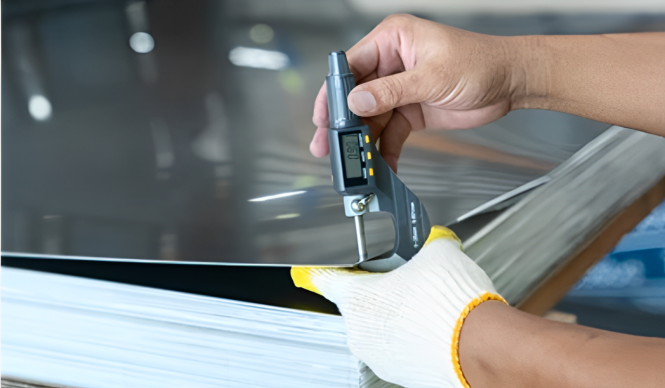
The start point of lead frame production is the preparation of raw materials. Coils made of beryllium copper, phosphor bronze, and iron-nickel are used by manufacturers. Common coil widths are 25mm, 35mm, 48mm and 70mm. Prior to processing, coils are cleaned, degreased, and leveled correctly. This process averts defects in the future.
Step 2: Mold Design and Fabrication
The accuracy and repeatability of lead frames is determined by mold design. CAD software and simulation tools are used to design tooling by engineers. Hardened steels are then used to make progressive dies. Tooling is expensive but you enjoy years of stable precision and long life.
Step 3: Stamping Forming
The prepared strip is stamped and shaped to functional lead frames. Pilot holes are punched to ensure proper alignment. The next steps are precision punching, inner lead forming, outer lead forming, marking and final blanking, which assure uniform dimensions and consistent quality. This process runs quickly.
Step 4: Surface Finish
Lead frame surface finishing enhances solderability, corrosion resistance, and electrical performance of the lead frames. Nickel plating creates a diffusion barrier and enhances adhesion. Tin plating will ensure good solder joints, whereas gold plating will offer better conductivity and resistance to oxidation in challenging electronic applications. You should choose finishes.
Step 5: Packaging
Packaging prevents the mechanical damage and contamination of delicate lead frames while in storage and transportation. Parts are aligned in tape and reel packaging to be used in automated assembly lines. You also have moisture-barrier materials and labeled carriers to ensure traceability and handling efficiency. Corrosion risks are avoided by sealing properly.
Manufacturing Technologies for Lead Frames
Metal Stamping
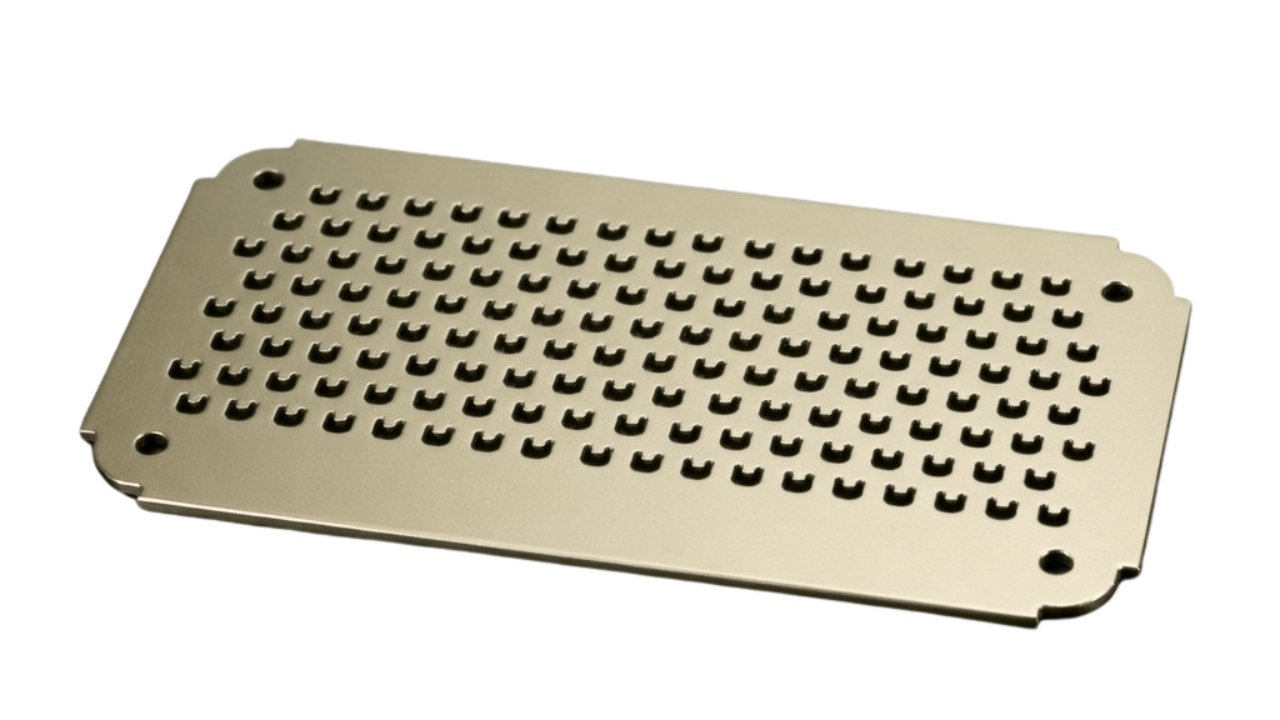
High speed production of lead frames is done with metal stamping through the use of progressive dies. You are able to attain consistency in high volume production. This is how costs remain low in scale production. You ought to bear in mind that tooling arrangement may be costly. The precision is ultra-fine and thus you might require other methods of complex designs. In general, metal stamping is the right choice when throughput and reliability are more important than extremely detailed.
Photochemical Etching
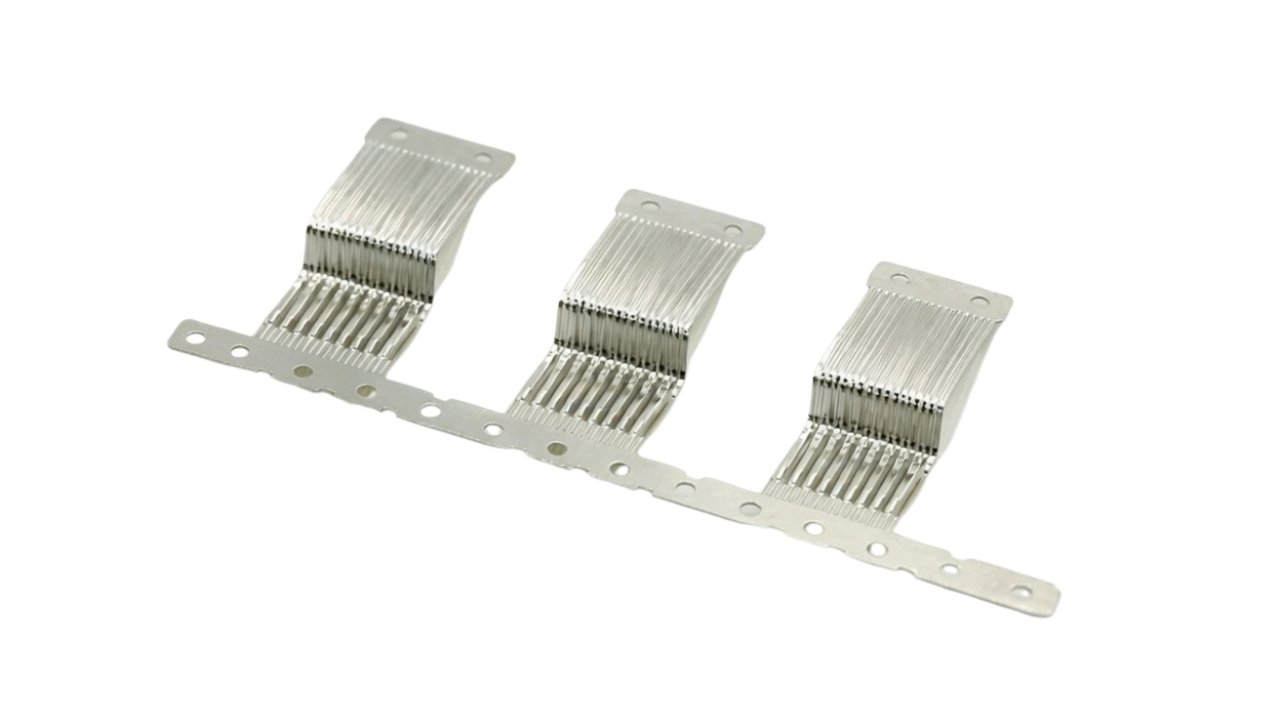
Photochemical etching is a precision chemical machining of lead frames. You are able to make small details and smooth edges. The technique is helpful in terms of high-density packaging. It is worth noting that the rate of production is lower than stamping, and the cost is more expensive. Nevertheless, photochemical etching guarantees very high precision and completeness. When the product is sensitive to complex designs and tolerances, you can depend on it.
Comparison of Stamping vs Photochemical Etching
Feature | Stamping | Photochemical Etching |
Production Speed | Very high | Moderate |
Precision | Moderate to high | Very high |
Tooling Cost | High initial cost | Lower initial tooling |
Suitable Volume | High volume | Low to medium volume |
Design Complexity | Limited | Very high |
Edge Quality | May require finishing | Smooth, burr-free |
Base Materials for Lead Frames
C19400 (industry standard)
C19400 is a copper based alloy with a composition of approximately 2 percent nickel and 0.7 percent tin. It has good thermal conductivity, mechanical strength, and electrical conductivity. You apply it in lead frames to ensure reliable connections, cost-effectiveness, and efficient heat dissipation on electronics.
Beryllium copper
Beryllium copper has 0.5-3 percent beryllium in copper. It offers high strength, elasticity and resistance to corrosion. You depend on it to provide spring contacts, connector, and lead frame products that must be durable, maintain accurate shape, and exhibit high conductivity when subjected to mechanical forces.
Phosphor bronze
Phosphor bronze is a mixture of copper and 0.01-0.35 percent phosphorus and 0.5-1 percent tin. Its characteristics are high conductivity, resistance to corrosion and resistance to wear. You apply it in lead frames of durable connectors and terminals that need frequent mechanical and thermal cycling.
C19210 (KFC alloy)
C19210 includes copper, approximately 2 percent nickel and approximately 0.5 percent tin. It is a trade-off of conductivity and mechanical strength. You use it in lead frames that require the fabrication of fine features and consistent electrical operation under repeated thermal and mechanical load.
C151 zirconium copper
C151 zirconium contains copper and 0.15 zirconium. It is very strong, fatigue resistant and very conductive. You apply it in lead frames of components subjected to thermal cycling, high current, and non-deforming mechanical stress.
Oxygen-free copper
Pure copper that contains little oxygen is called oxygen-free copper and is >99.95 pure copper. Its characteristics include: maximum electrical and thermal conductivity and high ductility. You use it in delicate lead frames in high-performance electronics that require low resistance and heat transfer accuracy.
Iron-Nickel Alloys
Alloy 42 is a nickel-balance iron mixture of about 42%. It has the same thermal expansion as silicon, and decreases stress. You apply it in optoelectronics lead frames and automotive products, where thermal stability is important, even though conductivity is slightly reduced and it costs a little more.
Copper-molybdenum-copper composites
These alloys are made of copper and molybdenum alloys. They provide a low thermal expansion, high thermal conductivity, and mechanical stability. They are used in high-power lead frames to reduce thermal stress and efficiently cool down heat.
Copper-Invar-Copper
Copper-Invar-Copper sandwiches Sandwich Invar (approximately 36% nickel, remainder iron) between copper. It provides dimensional stability, low thermal expansion, and high conductivity. In lead frames that demand tight alignment, thermal management and consistent electrical operation, you use it.
Stainless steel
Stainless steel alloys are usually made of iron, chromium, and nickel. They are strong, corrosion resistant and durable. In lead frames where mechanical strength, stability at high temperatures, and chemical resistance are required, even though the electrical conductivity is reduced, you use them.
Advanced thermal materials
Developed thermal materials are engineered copper alloys, composites, and metal-ceramic hybrids. They offer better thermal stability, heat dissipation and reliability. You use them in high-power and high-reliability devices that require the best thermal control in lead frames.
Material | Composition | Electrical Conductivity | Thermal Conductivity | Strength | Applications |
C19400 (industry standard) | Cu + ~2% Ni + ~0.7% Sn | High (~22 MS/m) | Good (~210 W/m·K) | Moderate | Standard lead frames, connectors, terminals |
Beryllium copper | Cu + 0.5–3% Be | High (~20–24 MS/m) | Good (~105–125 W/m·K) | Very high | Spring contacts, connectors, high-reliability lead frames |
Phosphor bronze | Cu + 0.5–1% Sn + 0.01–0.35% P | Moderate (~15–17 MS/m) | Moderate (~60–70 W/m·K) | High | Connectors, terminals, wear-resistant lead frames |
C19210 (KFC alloy) | Cu + ~2% Ni + ~0.5% Sn | High (~21 MS/m) | Good (~200 W/m·K) | High | Fine-featured lead frames, precision electronics |
C151 zirconium copper | Cu + 0.15% Zr | High (~21–22 MS/m) | Good (~215 W/m·K) | Very high | Thermal-cycled components, high-current lead frames |
Oxygen-free copper | >99.95% Cu | Very high (~58 MS/m) | Very high (~390 W/m·K) | Moderate | Sensitive electronics, high-performance lead frames |
Iron-Nickel Alloys (Alloy 42) | Fe + 42% Ni | Low (~1.0 MS/m) | Low (~17 W/m·K) | Moderate | Optoelectronics, automotive electronics, thermal-matched frames |
Copper-molybdenum-copper composites | Cu / Mo / Cu layers | Moderate (~15–20 MS/m) | High (~180–200 W/m·K) | High | High-power, high-reliability lead frames |
Copper-Invar-Copper | Cu / Invar (~36% Ni, 64% Fe) / Cu | Moderate (~15–18 MS/m) | Moderate (~50–100 W/m·K) | High | Precision-aligned lead frames, thermal stress control |
Stainless steel | Fe + Cr + Ni | Low (~1.4 MS/m) | Low (~15 W/m·K) | Very high | Mechanically robust lead frames, high-temperature stability |
Advanced thermal materials | Engineered Cu alloys, composites, metal-ceramics | Variable | Very high | High | High-power, high-reliability lead frames requiring thermal management |
Plating for Lead Frames
Plating prevents corrosion of lead frames and enhances their bonding capacity. Proper plating guarantees improved solderability and improves the reliability of the device. It also eliminates the wear on the surface in severe conditions, ensuring that your components remain robust and effective.
Core Plating Layers
Base Layer – Nickel
Nickel is used as a diffusion barrier, which inhibits the movement of copper and hardens the surface. You use it to guard lead frames in soldering. It makes it durable and platable further. With nickel, you obtain structural integrity and adhesion in intermediate layers. This coating gives your lead frames toughness and wear resistance that forms a solid base towards consistent performance.
Intermediate Layer – Palladium & Silver
Palladium is a cheaper substitute of gold and does not oxidize. You take advantage of it to save money without sacrificing quality. Silver is conductive and enhances attachment of chips. It is the layer between base and outer layers that supports soldering and bonding. Choosing an appropriate intermediate layer enables you to trade off performance, cost, and reliability. The two metals shield lead frames against environmental and operational strains.
Outer Layer – Tin, Silver & Gold
Tin is available in matte, bright, and alloy forms to be used flexibly. Silver is very conducting but it can tarnish, so use it with care. Gold has hard gold to use in bonding and soft gold to be used in high reliability applications. The outer layer is selected according to performance and durability. It provides optimum electrical contact, corrosion inhibition and enhances the life of the lead frames.
Types of Lead Frames
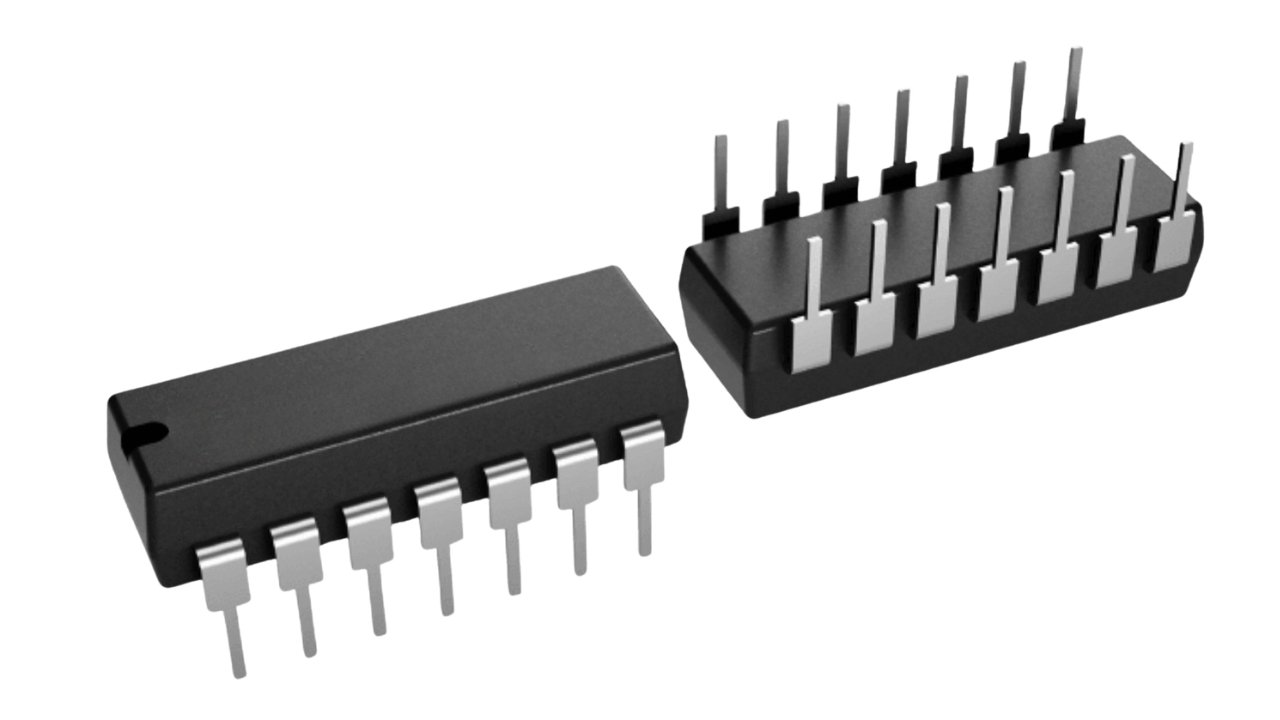
Dual In-Line Package (DIP)
DIP lead frames are mounted through holes. They provide classic packaging that is dependable. They are easily soldered on standard PCBs. Prototypes and educational electronics have found their niche in their strong design. You take advantage of their longevity and ease. DIP simplifies the replacement of components. Circuit testing can be performed without sophisticated equipment. They are still used in legacy and hobbyist applications.
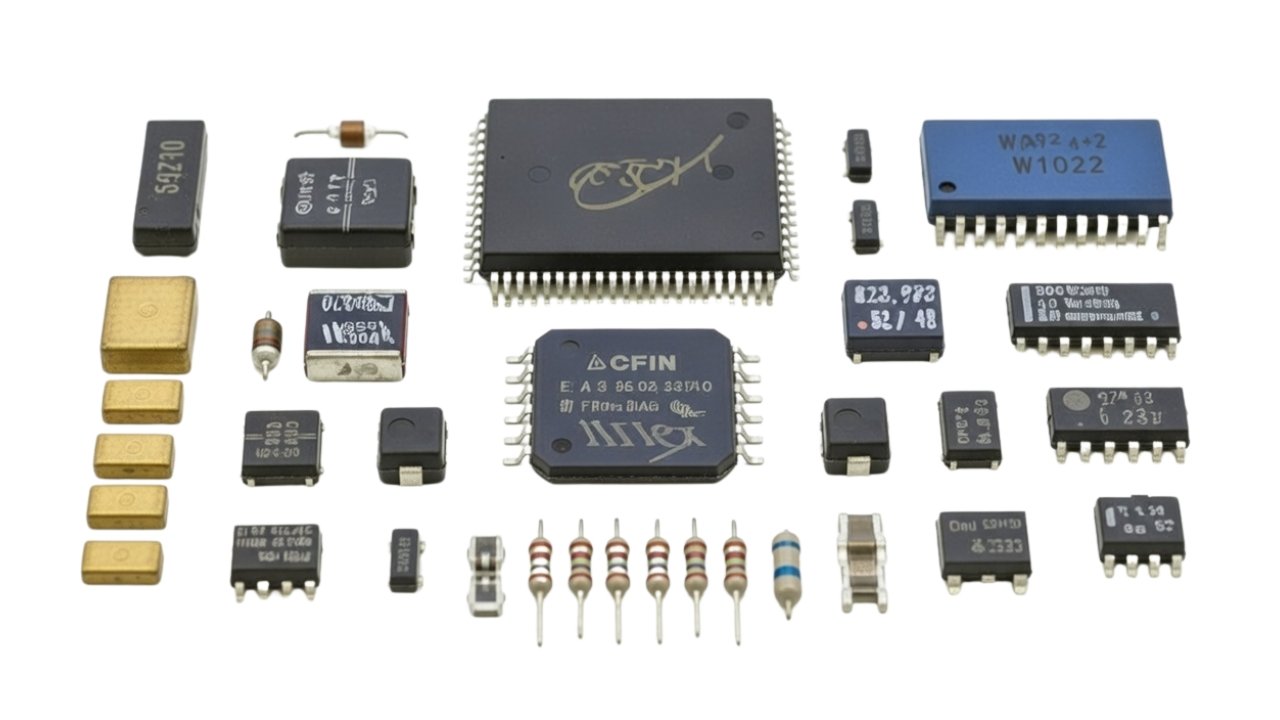
Surface-Mount Device (SMD)
Compact designs SMD lead frames save PCB space. You are able to incorporate more elements effectively. They suit high density electronics. You enjoy automated assembly and expedited production. SMD simplifies board wiring. You will be able to have lighter and thinner gadgets. These frames improve the work of contemporary consumer electronics.
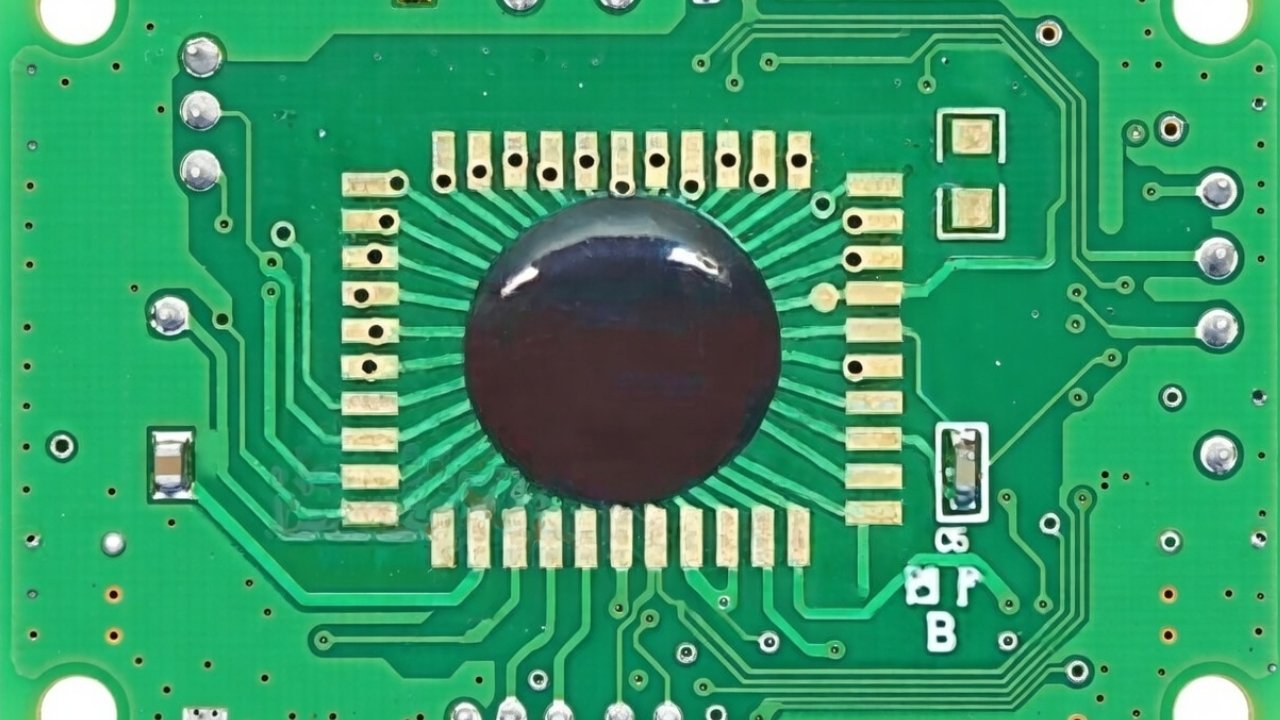
Chip-on-Board (COB)
COB frames can be mounted directly into PCBs. You are able to reduce space usage. They are compatible with LEDs and sensors. COB minimizes parasitic capacitance, enhancing operation. You are able to increase reliability and thermal management. They fit small and high precision machines. You are able to develop new designs in lighting and sensing.
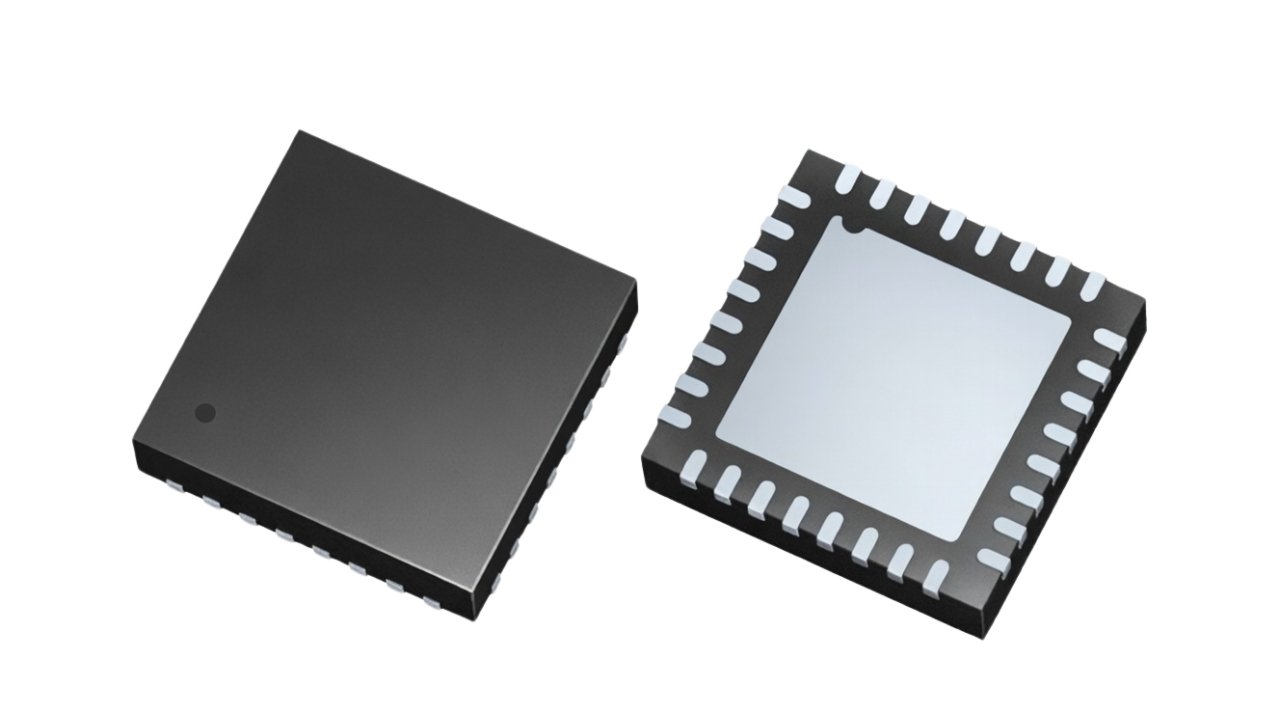
Quad Flat No-Lead (QFN)
QFN frames are low inductive and small footprint. It is possible to obtain very high thermal performance. They are small in size in electronics. You have the advantage of reduced resistance paths. QFN is effective with high-frequency circuits. You are able to create thin, high performance boards. Their soldering provides a stable mechanical connection.
Ball Grid Array (BGA)
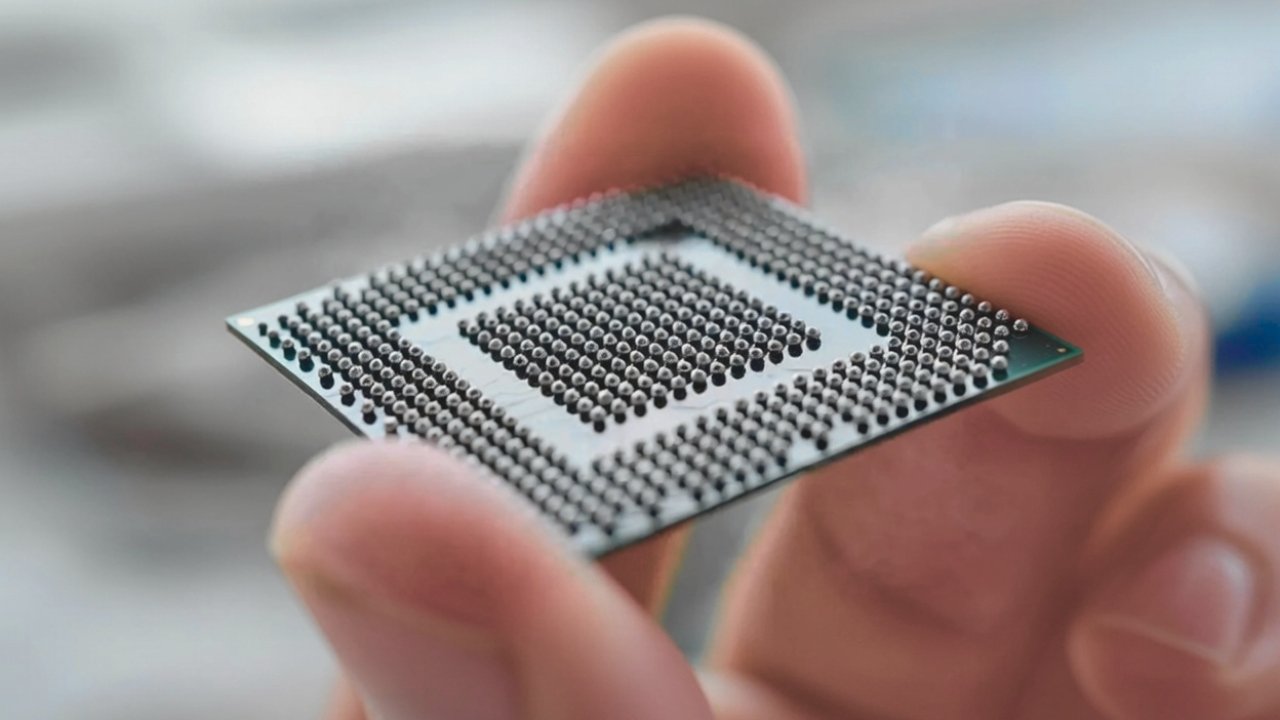
BGA frames facilitate high density connectivity of advanced electronics. High-performance computing is easy to handle. They enhance signal integrity on complicated circuits. You have improved thermal dissipation. BGA saves board space and increases reliability. You are able to use more quick processors. They are compatible with servers, GPUs, and smartphones.
Smaller Outline Transistor (SOT)
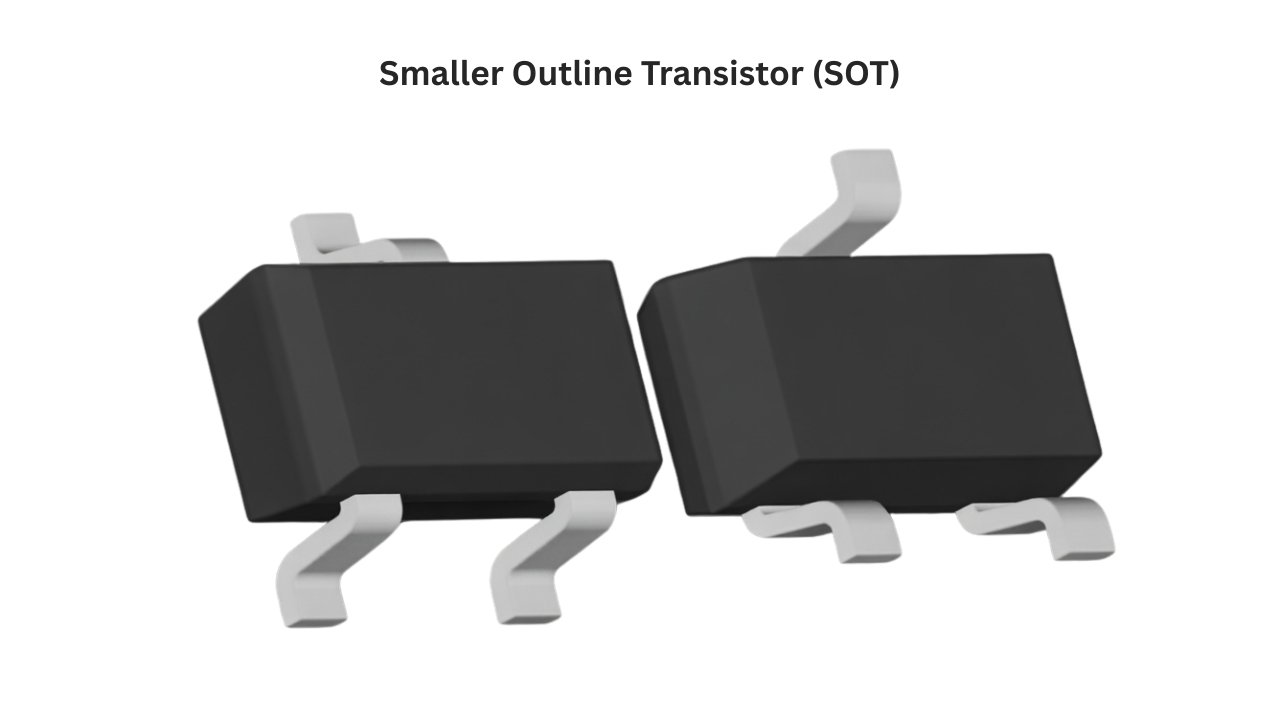
SOT frames are applicable to low-power electronics. They can be incorporated into handheld devices. They save board area without loss of performance. You have the advantage of easy production. SOT frames provide strong connections between transistors. You are able to create light and effective circuits. They suit small devices that run on batteries.
Small Outline Integrated Circuit (SOIC)
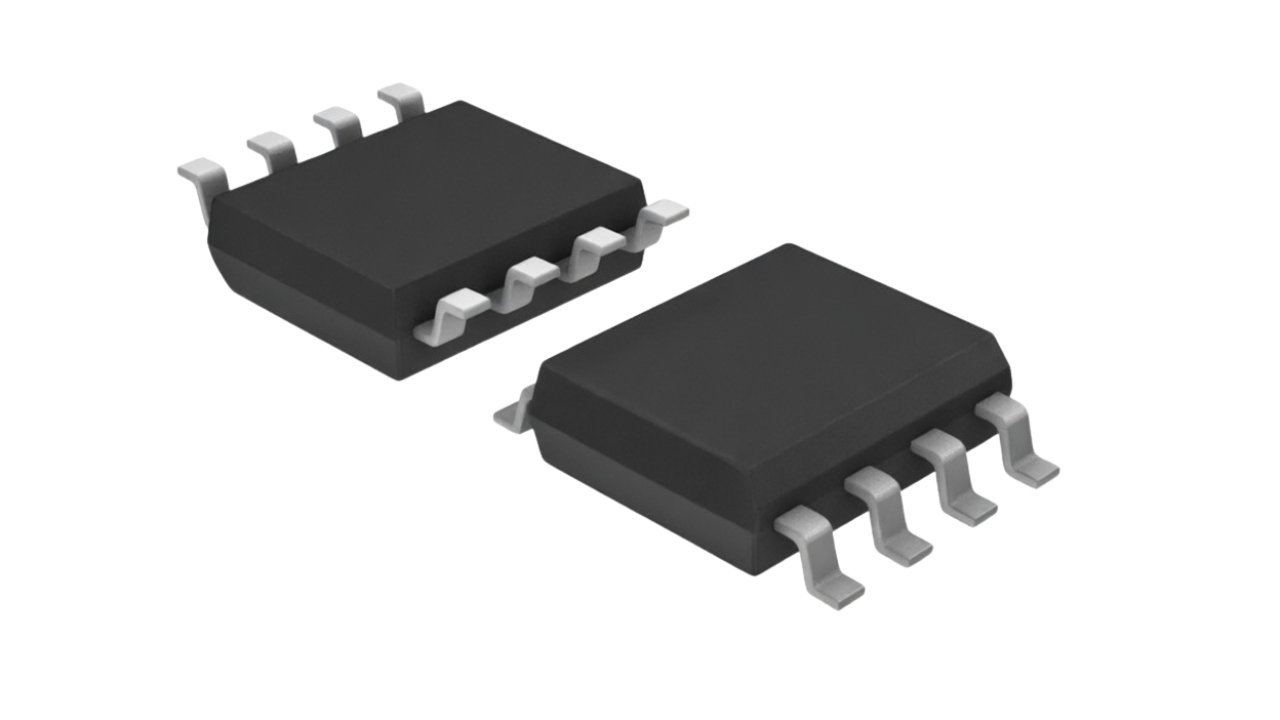
SOIC frames are suitable to medium-power applications. You can save space on your PCB. They can be more easily assembled automatically. You enjoy the advantage of less wiring complexity. SOIC is applicable to consumer electronics and embedded systems. You are able to maintain consistent and sustainable relationships. They are performance and compact.
Flatpack
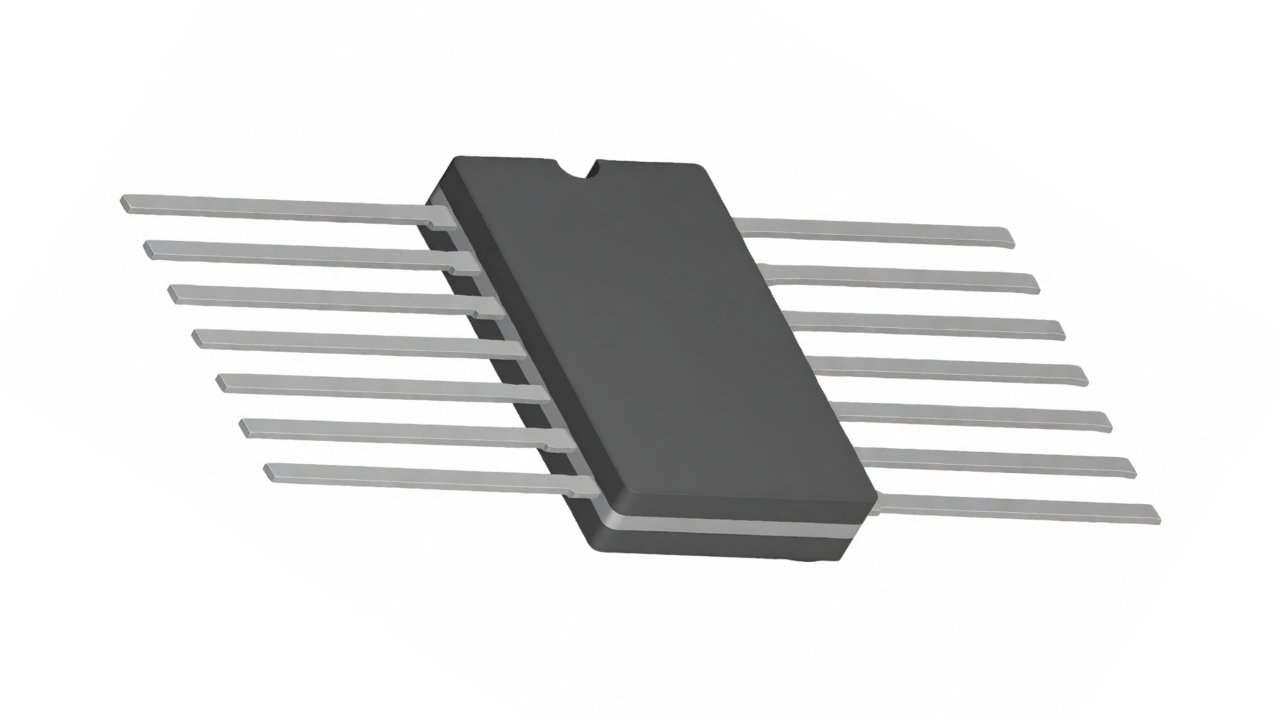
Flatpack frames are focused on industrial and military electronics. They can be used in harsh conditions. They offer high thermal and mechanical performance. You are highly reliable when stressed. Flatpacks are applicable to aerospace, defense, and control systems. You are able to come up with durable, accurate electronics. They are resistant to extreme conditions.
Industrial Applications of Lead Frames
Consumer Electronics
Lead frames enhance the functionality of smartphones, laptops and appliances. You are using them in reliable electrical connections. They are heat efficient and durable. You have longer circuits and performance stability. Their accuracy underpins smaller parts you handle every day in the contemporary electronics.
Automotive
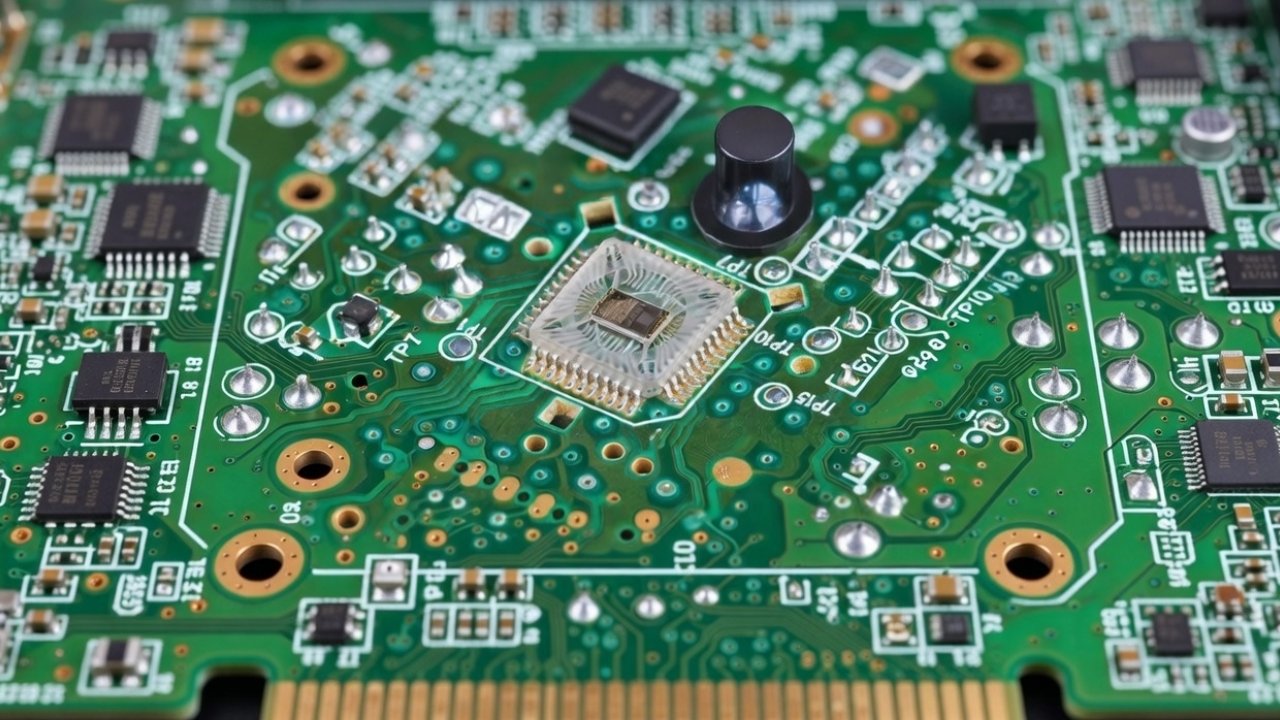
Sensors, power modules, and engine control units are supported by lead frames. You rely on them to give correct signals. They resist vibration, heat and stress. They will give you the reliability of performance. Lead frames increase component life, provide safer, responsive automotive electronics.

Medical Devices
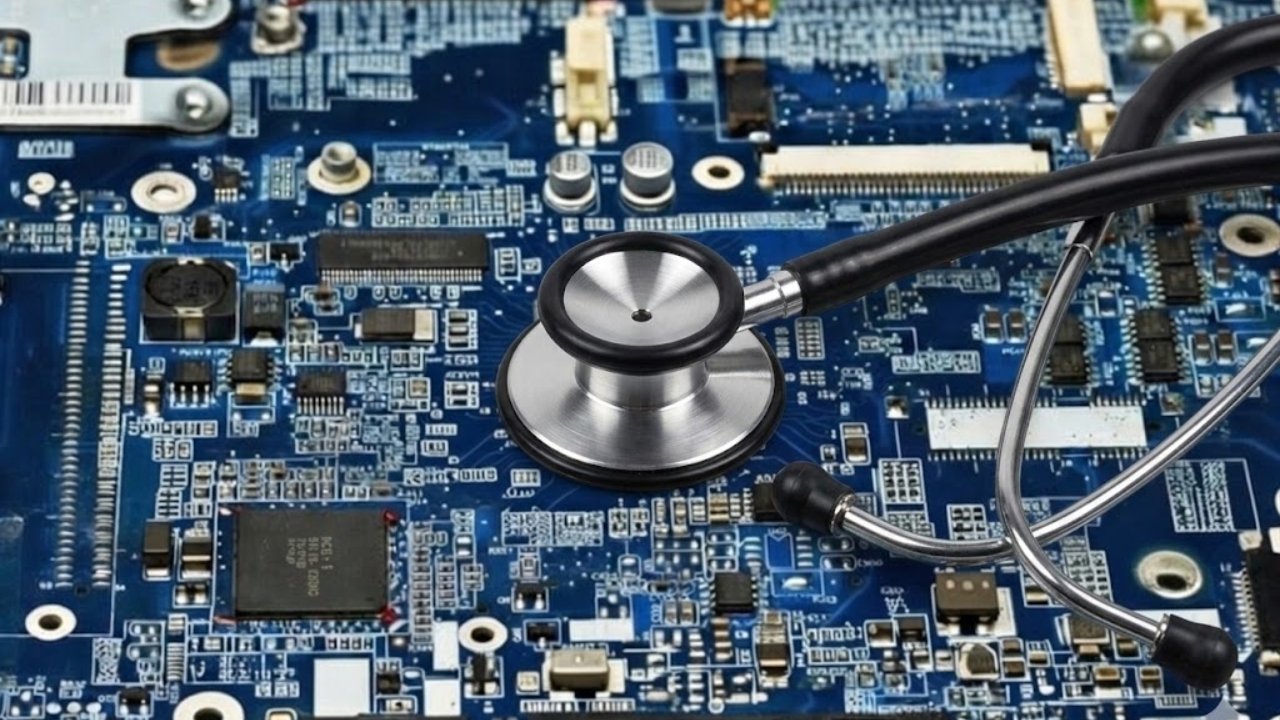
Lead frames are important in diagnostic devices and monitoring. You count on them to give accurate readings and reliable functionality. They are reliable when subjected to continuous use. You enjoy small, efficient equipment that makes patients safe. Lead frames make long-lasting quality healthcare electronics that you come into contact with.
Telecommunications
Lead frames improve signal processing devices and networking devices. You witness improved speeds and less loss of data. They give thermal stability when operating at high frequencies. You will find them reliable in the long run. Lead frames allow small, high-performance circuits, which make daily communication easy.

Industrial and Manufacturing Equipment
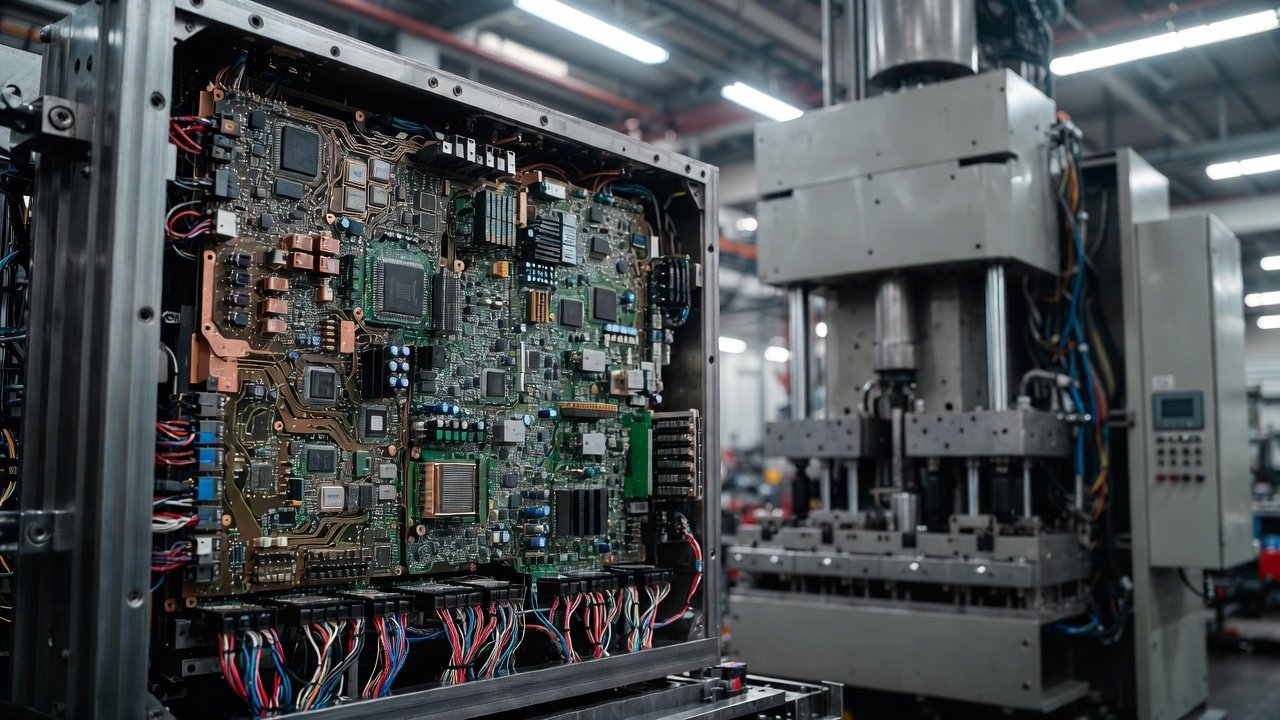
Lead frames are used in automation systems and control boards to achieve durability. You receive accurate operations with low downtimes. They are efficient with high currents and thermal stress. You enjoy uniform production and reduced machinery sizes. Lead frames enhance efficiency in various industrial systems on a daily basis.
Why Choose Sheetmetalmasion for Lead Frame Manufacturing
A high level of accuracy and quality in the manufacturing of lead frames is imperative, and that is what Sheetmetalmasion provides. Our experience will ensure the optimization of ASIC performance and reduction of the risks of failures such as bond failure, thermal cracking, and elevated electrical resistance. Our quality standards such as ISO9001, IATF16949, ISO14001 and FSC are upheld and all products conform to international standards.
You have access to tailored designs which take into account lead pitch, thermal requirements, electrical performance, mechanical life and cost limitations. In high-power electronics, our team is solving the manufacturing issues of the increasing precision, costs of materials, reliability in harsh environment, and thermal management. You will have confidence in 17+ years of experience, high production resources, and highly qualified R&D support at Sheetmetalmasion to deliver accurate, long-lasting, and affordable lead frames to suit your requirements.
Conclusion
Semiconductor packaging is based on lead frames, which offer electrical connection, mechanical support, and thermal control. You depend on them as a source of dependable performance in consumer, automotive, medical, telecommunications, and industrial applications. The quality of the manufacturing and the choice of materials and their accuracy influences the efficiency and the life of the device directly. With the ever-decreasing size of electronics and their increasing performance requirements, lead frames will always be needed. Their timeless applicability extends to the latest technologies and to the future ones, so they are an essential part of the modern electronic design and manufacturing.