24 Best Electrical Terminal Types – The Complete Beginner’s Guide
Electrical terminals are essential in making electrical connections in any system safe, efficient, and reliable. It is important to know all the electrical terminal types since the incorrect selection may lead to failures, overheating, or even accidents. This guide describes the importance of terminal selection and the work of each type. You will learn the 24 types of electrical terminals, their characteristics, advantages, disadvantages, and applications to be able to select the appropriate terminal to use in any electronics, automotive, or industrial project.
What is a terminal in electronics?
In electronics, a terminal is an electrical connection point to enable the flow of electrical current in or out of a circuit. You connect wires with components or power sources by using terminals. Terminals in a circuit are kept in constant contact such that the current flow is smooth, and resistance losses are minimized. Well-designed terminal connections enhance efficiency of the circuit and avoid overheating or signal drop. To be more specific, add a simple visual representation of a wire that is firmly attached to a terminal.
Top 24 Terminal Types You Need to Know in 2026
1. Alligator Clip Terminal
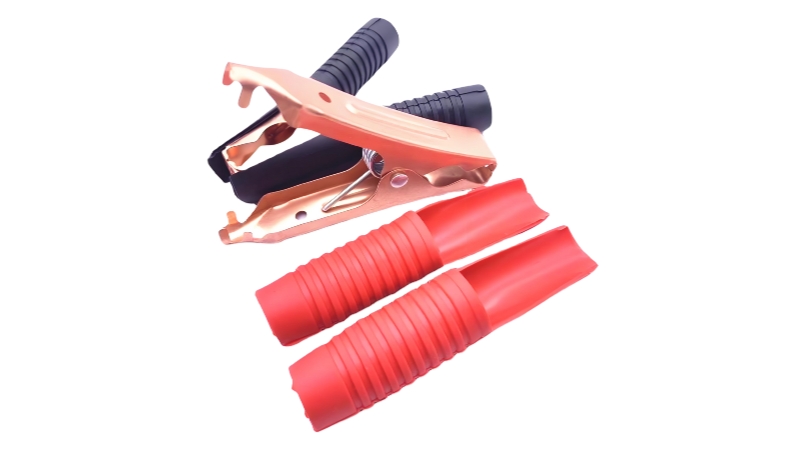
An alligator clip terminal is a temporary electrical connector that has spring loaded jaws that are used to connect in a transient manner. You use it when you require fast and adaptable connections with testing or troubleshooting. It is easy to attach and detach and is available in insulated or bare metal. You have the advantage of speedy connect reuse in varying wire sizes and parts. You must not use permanent installations, though, as durability and current carrying capacity is still low. Such alligator clip solutions can be used in laboratory work, electronics prototyping, and automotive diagnostics. They are often used when talking about alligator clip options, the types of terminal wire connectors, and the type of electrical terminals nowadays.
2. Banana Terminal
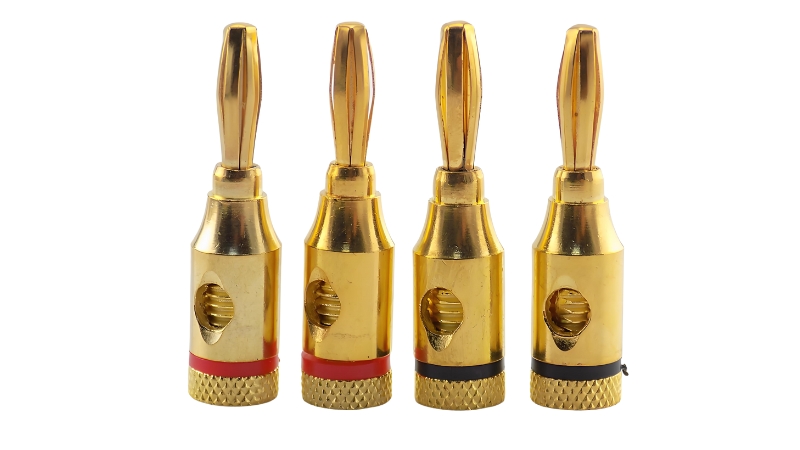
A banana terminal is a cylindrical plug that fits in wires to fit compatible equipment. It is common in test environments that need consistent, stable connections. The terminal has either one or two formats, typically pressure contacts which are spring loaded. You can easily insert and pull out without breaking sockets or conductors. Banana connectors are used to connect high frequency signals with the same performance. Nevertheless, matching sockets are required, which restricts universal compatibility. Popular uses are multimeters, speakers, amplifiers and lab equipment. Banana terminal listings are found in electrical connector types and wire terminals types in catalogs. They are still used in educational, industrial, and measurement activities.
3. Bullet Connectors
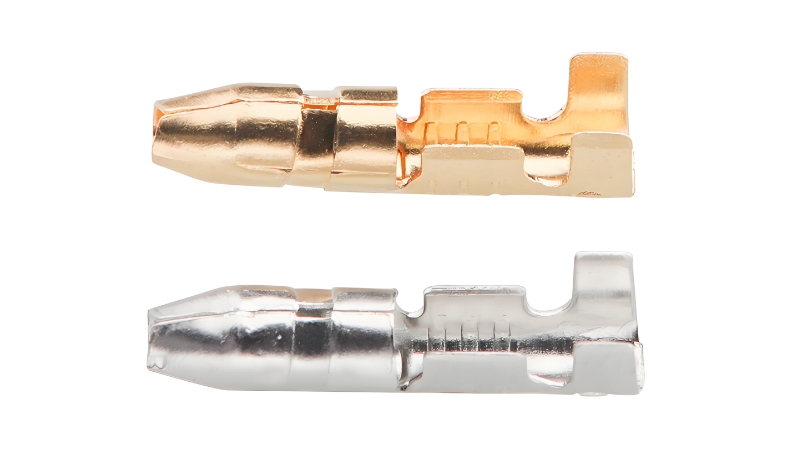
Bullet connectors are fast male female cylindrical contacts. You apply them in cases where quick disconnection is required without wire cutting. These connectors are either insulated or uninsulated with crimp or solder termination. Their small size and good contact under moderate conditions are valued by you. They work good but can be easily loosened when subjected to heavy vibration unless locking styles are employed. Bullet connectors are used in automotive wiring and household appliances. You will find bullet connectors mentioned in connector terminal types and types of wire terminals documentation. They facilitate structured harnesses, minimize service time, and ease maintenance to technicians in both the automotive and electrical systems.
4. Butt Connectors
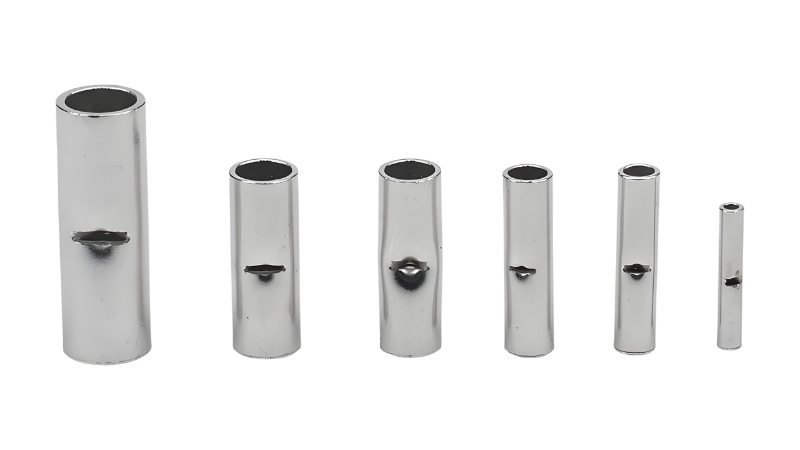
Butt connectors are round-shaped terminals that are used to connect two wires at the end. When you need to do any repair or extensions, you use them to do clean splicing. These connectors are compatible with crimped or soldered installation with insulated or non insulated bodies. When clamped together you get a plain, robust electrical bond. The right tools are important since bad crimps inhibit resistance and failure. Butt connectors are commonly found in automotive, industrial and building repairs. Butt connectors are found on wire terminal connectors types and types of electric wire connectors lists. They assist in circuit continuity, conductivity protection, and in long term reliability in challenging electrical conditions.
5. Crab Claw Terminal
A crab claw terminal is a screw mounting connector that has a forked shape like a claw. It is usually found in panels that need a solid mechanical hold. The shape provides good grip and consistent conductivity in tightened screws. Insulated options are available to minimize the risk of accidental contacts. Installation remains fast due to easy sliding of fork beneath terminals. There are restrictions due to the screw type and spacing of use. In circuit boards and industrial control panels, the design of crab claw terminals is seen. The sources are crab claw terminal, types of terminal connectors, and electrical terminals. You apply them in areas where vibration is minimal, and access is limited.
6. Dual Fork Terminal
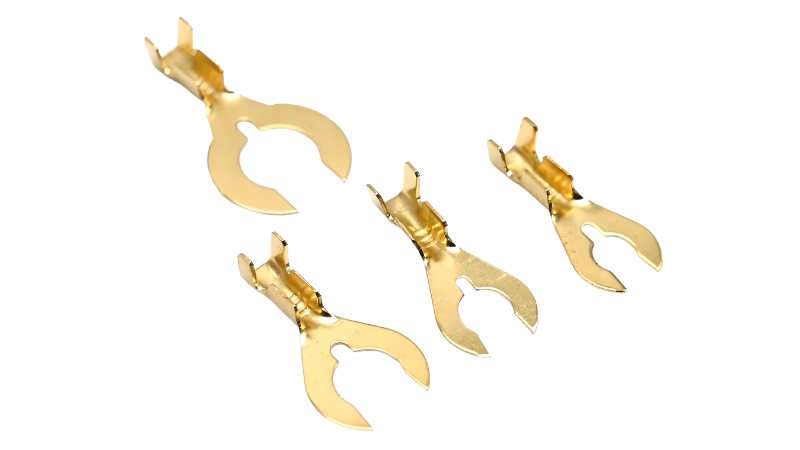
A dual fork terminal is a connector with two prongs to enhance the screw connection stability. You pick it when resistance to vibration is more important than size. The terminal is available in crimp or solder, insulated or bare. You get superior mechanical grip than single fork designs. Footprint is slightly bigger, which influences dense layouts. Dual fork terminals are applicable in car circuit breakers and control boards. You find two-forked terminal listings in the terminal in circuit reference and wire terminals and connector categories. They assist in keeping you safe under load, temperature variations and repeated maintenance procedures in harsh automotive and industrial electrical systems.
7. Flag Terminals
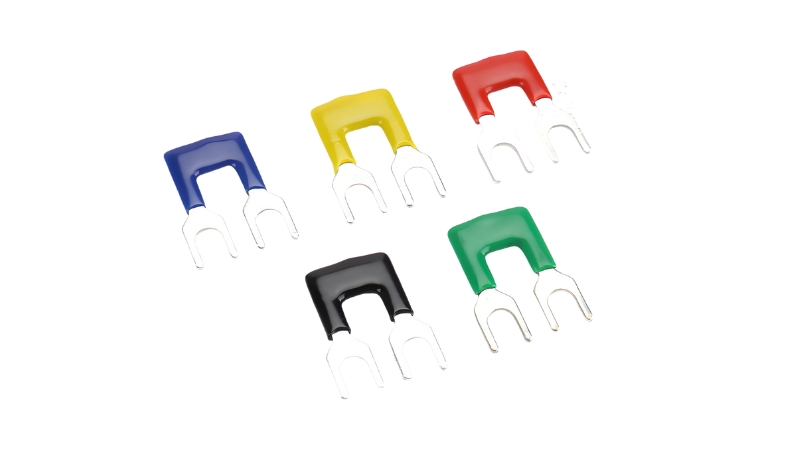
Flag terminals are L shaped connectors that have the capability to attach right angle wires. You save space with them and avoid bending sharp wires. The design assists with insulated choices of safety in miniature assemblies. You also gain when the vertical clearance is low behind components. Availability might be reduced, and special crimp tools might be needed. Flag terminals are used in small electronics and cars dashboards. You have flag terminals in flag electrical connectors and wiring connectors types classifications. They enhance routing performance, minimize strain, and contribute to structured layouts in recent electronic enclosures and automobiles where space is limited and smart terminal choice and installation planning are necessary.
8. Flat Terminal
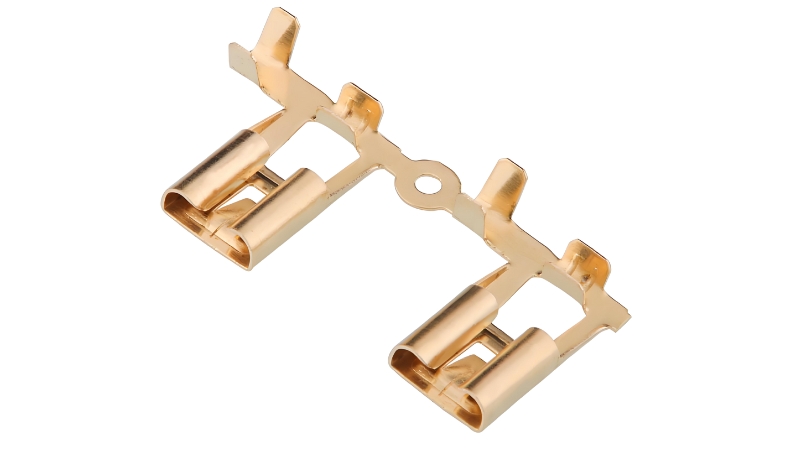
A flat connector is a rectangular connector that is more efficient in transferring current. You observe it in low resistance and high contact. The broad contact area enhances heat dissipation and conductivity. These terminals can be crimped or soldered, usually with insulation sleeves. Larger size restrictions are used in narrow spaces. Flat terminals are used in automotive and industrial power uses. Flat terminal references will be seen in electrical terminals, electric terminal connector categories. They are used in circuits with heavy load where they provide reliable operation conditions with long life in service in vehicles, machinery, power supplies and other energy intensive systems around the world.
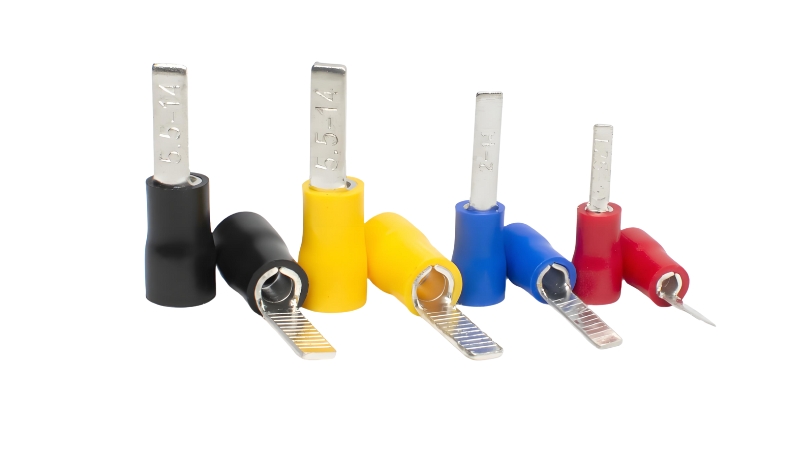
9. Fork Terminal
A fork terminal has a U shaped screw connection end. You select it because it is easy to install without taking off screws completely. The unrestricted design facilitates easy repairs and safe seating. There are insulated versions with crimped or soldered. It is imperative that tightening be done properly to avoid loosening. Fork terminals are used in home wire and automotive harnesses. In wire terminal terminologies and electronics terminology, you can find fork terminal references. They strike a balance between convenience and reliability, and are therefore more likely to be chosen when it comes to serviceable electrical joints, both in residential and mobile systems, where periodic inspection, upgrades and repairs are the anticipated operations over time.
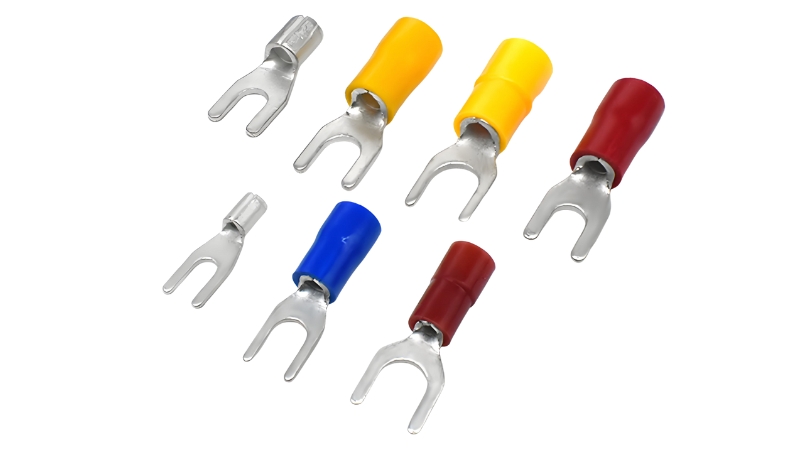
10. Hook Terminal
A hook terminal is a hook that has a curved end that is used to hook on screws or posts. It is fastened and loosely connected, easy to install. This is flexible to assist when there are temporary or adjustable wiring needs. You get speed, but vibration resistance is not that great. Hook terminals are used on low current electronics and quick disconnect systems. You usually apply them to prototyping or access points to services. Hook terminal references are found in resources of electrical connector types and wire terminals. They are most effective where the adjustments are numerous, the loads are minimal, and long term mechanical stability is not a major factor like laboratories, demonstrations, training boards, and experimental electronic circuits.
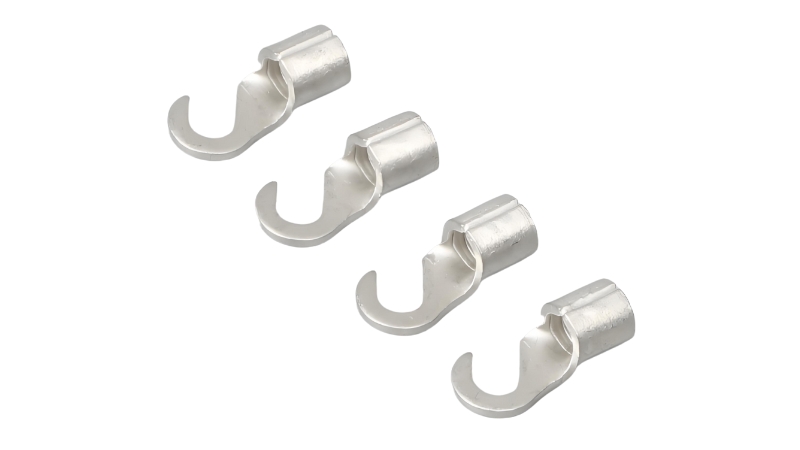
11. L Terminal
A directional connection is made by bending an L terminal to an angle. You utilize it in cases where straight terminals do not fit space. This shape facilitates routing in miniature assemblies. Depending on the exposure, you can choose between insulated and uninsulated versions. The range of application remains narrow in regular panels. L terminals are found in small-scale electronics, automobile assembly, and equipment. L terminal You will find L terminal mentions in categories terminal electronic and types of terminal connectors. They assist in controlling cable direction, eliminating stress and ensuring clearance where equipment layout requires accurate angular connections in vehicles, control modules, instruments, enclosures and in applications of densely packed electrical systems.
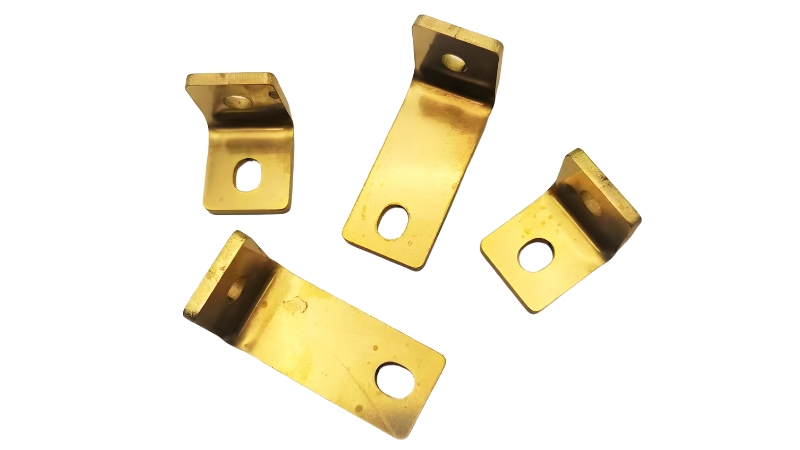
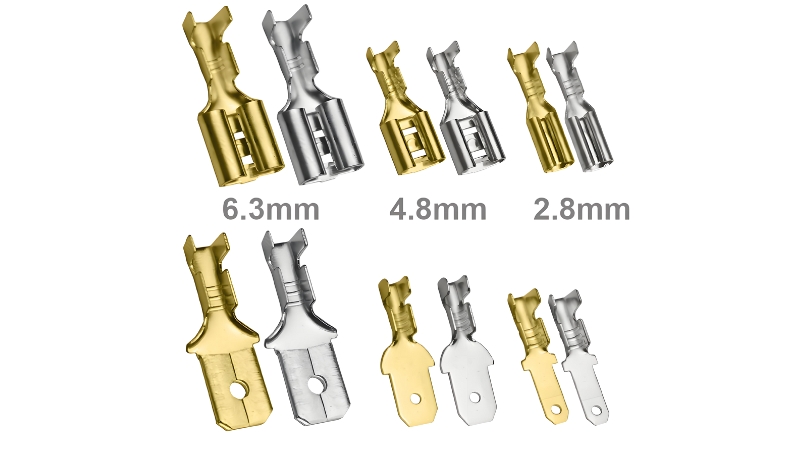
12. Male-Female Terminal
Male female connectors are two part connectors that allow plug and play wiring. You apply them to quick assembly and harmless disconnection. The structure embraces insulation, crimping, or soldering. You minimize accidental shorts and ease of maintenance. Compact designs may be challenged by bulkier size. These terminals are dominant in automotive wiring, appliances and electronic modules. Male female terminal listings will be found under terminal connectors types and electrical terminals and connectors sections. They offer consistent modularity, accelerate production, facilitate troubleshooting, and facilitate component change in current electrical and electronic systems in automotive, appliances, industrial equipment, consumer devices, and emerging smart technology platforms across global markets.
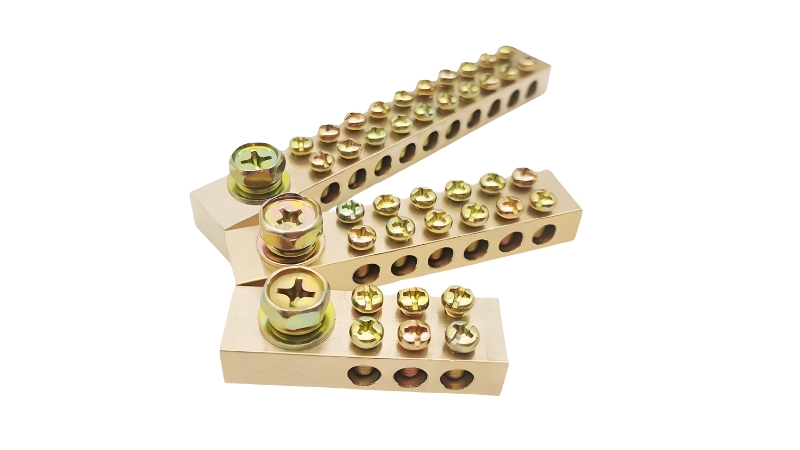
13. Multi-Hole Terminal
Multi-hole terminals provide you with flexible wire end termination of complicated circuits in new electrical systems. Multiple holes can be drilled in one point to connect several conductors. They uphold structured designs where organized wiring is required in control panels. You have the advantage of having simplified troubleshooting since wires remain well-separated. These terminals are appropriate in industrial settings where they are used in professional types of wire termination. You need to be careful with wire routing so that it is not overcrowded or causes heat. Multi-hole terminal designs enhance safety and reliability in the long run with proper planning. Modern automation upgrades commonly feature terminals electrical rated to high currents and used in challenging control panel designs.
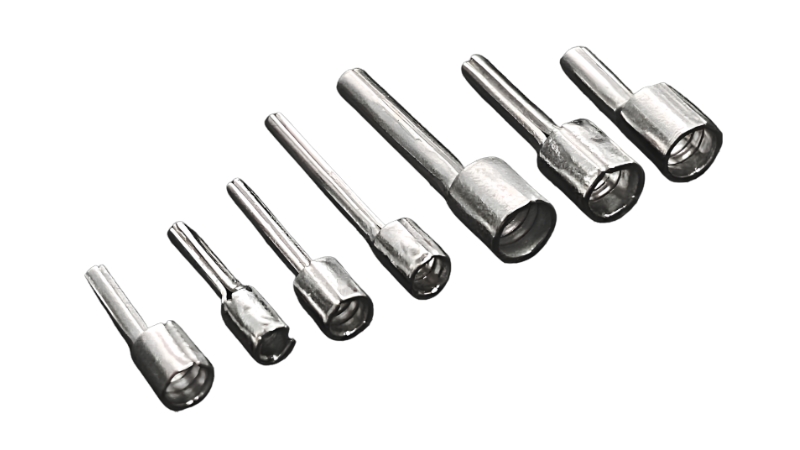
14. Pin Terminals
Pin terminals offer straight and rigid conductors, which you fit into connectors or screw blocks. You carry them everywhere where there is a need of small electronic terminals due to space. These pin wire terminals are highly conductive and come in insulated or uninsulated building. You have regular alignment, and this will aid in avoiding loose connections on PCBs. The primary disadvantage is the risk of bending when being handled or reconnected several times. During installation and maintenance work, you are supposed to cover the exposed pins. Pin terminals in industrial electronics make it easier to assemble and minimise wiring errors. They are the still needed electronic terminals of the test points, modules, and compact interfaces in modern automation platforms currently in use worldwide.
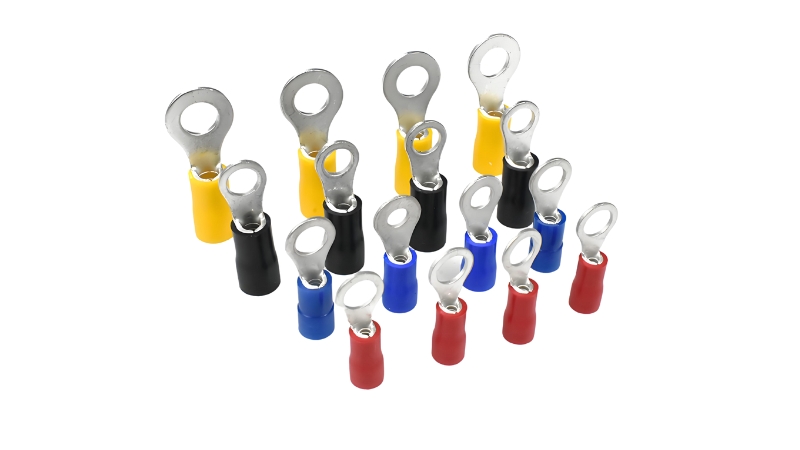
15. Round Terminal (Ring Terminal)
Ring terminals form protective circular welds which you clamp on to bolts or screws. You use them when resistance to vibration and reliability are really counted. These ring terminal designs of the electrical type spread pressure evenly around tightened hardware. You obtain reliable conductivity in severe automobile wiring situations. There are a wide range of wire gauges and plating materials covered by ring terminal options. The primary constraint is related to the necessity of sufficient space of nuts and washers. You have such electrical terminals in batteries, grounding, and industrial control. Properly installed, the ring terminal provides extensive service life and performance stability on the heavy electrical systems employed by professionals all over the world on a daily basis.
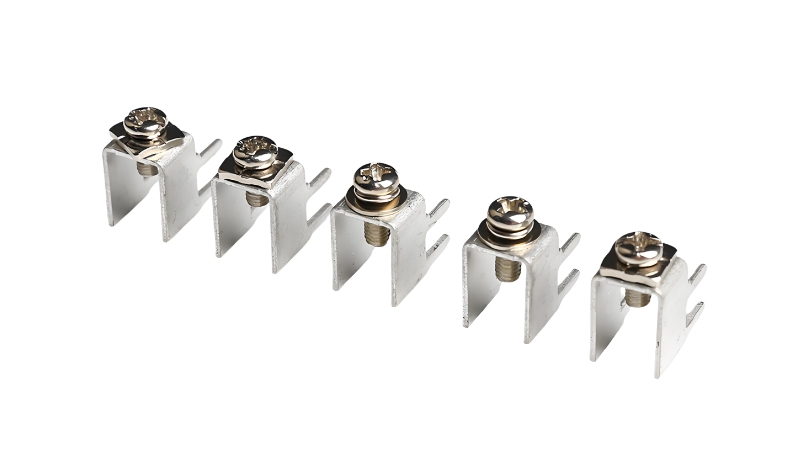
16. Screw Terminal (Welded Terminal)
Screw terminals have good electrical contacts that you bind with threaded connectors. Welded terminal types often occur on equipment panels. These are solutions in the electrical terminals which are capable of handling high current with minimum contact resistance. You have stability, even with thermal cycling and vibration. Installation is more time consuming since you require tools and correct torque control. Electrical terminal service guidelines should be observed to prevent loose or torn threads. Screw terminals are also reliable in critical circuits once mounted. They are still favored in panel wiring, power distribution, and fixed industrial connections that need long-term reliability in the hard-working electrical installations worldwide today.
17. Spade Terminal
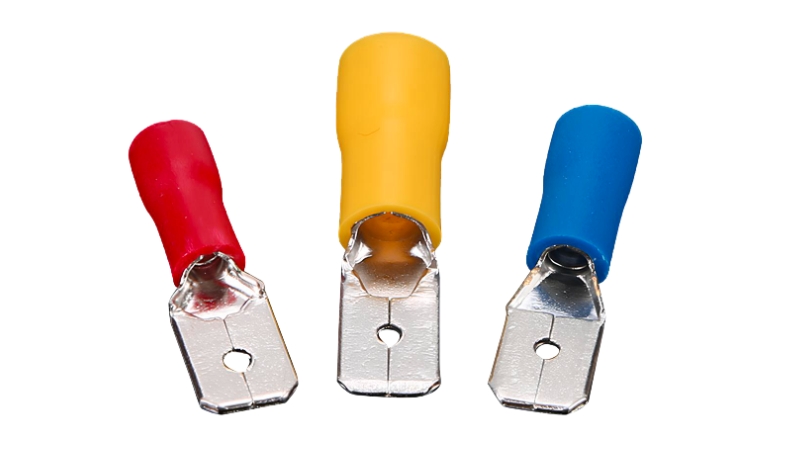
Spade terminals are designed with fork-like ends that are pushed under screws in a short time. You love simple attachment and easy removal in case of maintenance or upgrades. These types of wire terminals are insulated or uninsulated to be used flexibly. You usually use them in car wiring and domestic appliances. Screw tension must be ensured to provide good contact and avoid accidental disconnection. The greatest weakness is the potential looseness when not installed carefully. Spade terminal designs are convenient and perform well in numerous applications. You will find such forms of terminal connectors everywhere that where quick serviceability is important in the modern electrical systems that technicians use today and in the future in various industries around the world.
18. Star Terminal
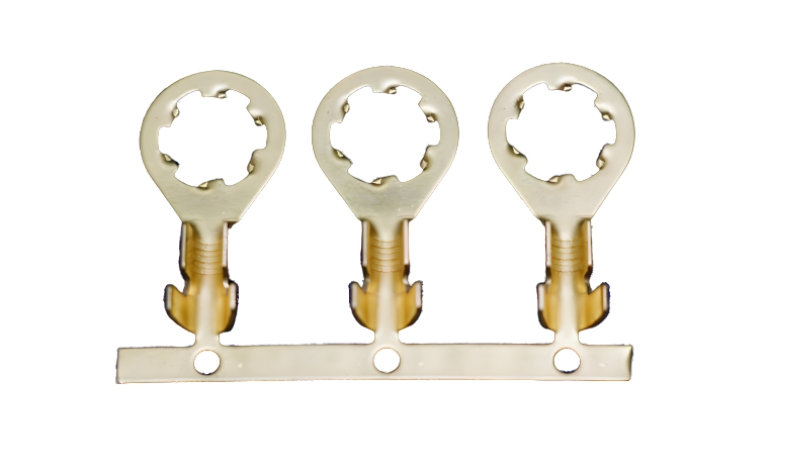
Star terminals have star-shaped contacts which bite surfaces to hold onto. You attain better conductivity since sharp edges minimize contact resistance. These electric terminals are resistant to vibration and motion loosening. You frequently use them on machinery that is subjected to mechanical stress. Star terminal designs are particularly well suited to grounding and bonding. The restriction is on the availability in that they handle particular types of electrical connectors. They are usually found in industrial equipment as opposed to consumer goods. Star terminals can be used to improve safety and stability of long term connection in harsh operating conditions characterized by high levels of vibration and thermal cycling over long service life when chosen appropriately.
19. T Terminal
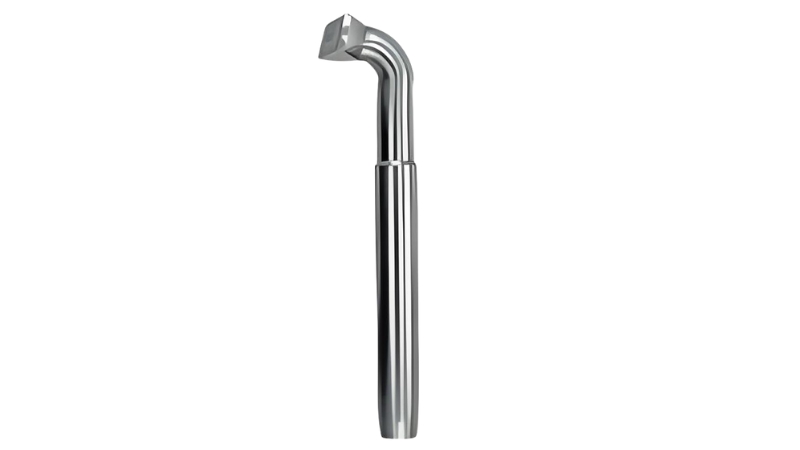
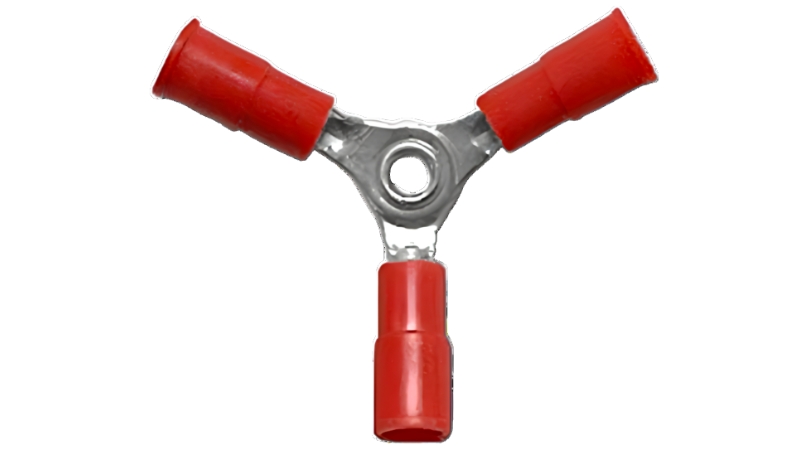
T terminals are of T-shape design which allows perpendicular branching of wires. You apply them where circuits need systematized splits that do not need complex splicing. These electrical connection terminals are insulated and are usually crimped. You enjoy rapid installation as well as cleaner wiring harness layouts. T terminal connectors are frequently found in automobile and control systems. The disadvantage is mass and poor compatibility with some wire sizes. Specifications should be checked to make sure that connections are reliable under load. T terminal solutions are useful types of wire connector used in structured branching of modern equipment, the correct choice makes them valuable in the selection of wire connector types or connectors, as long as global accepted standards are not exceeded.
20. Triple Fork Terminal
Triple fork terminals are an extension of the normal fork designs with three prongs to grip on. You have a better mechanical grip of screws and studs. These connector terminal varieties are resistant to rotating and loosening under vibration. You use them when construction of the electrical connections is heavy and needs reliability. Triple fork terminal designs are more supportive in comparison to single-fork terminal designs. The disadvantage is that it has an increased footprint in congested panels. Layout spacing should be considered during installation. They are used in electronics in terminal applications to provide outstanding stability to power circuit breakers and grounding points to be used in industrial applications that are subject to constant mechanical loads and vibration during service over extended durations.
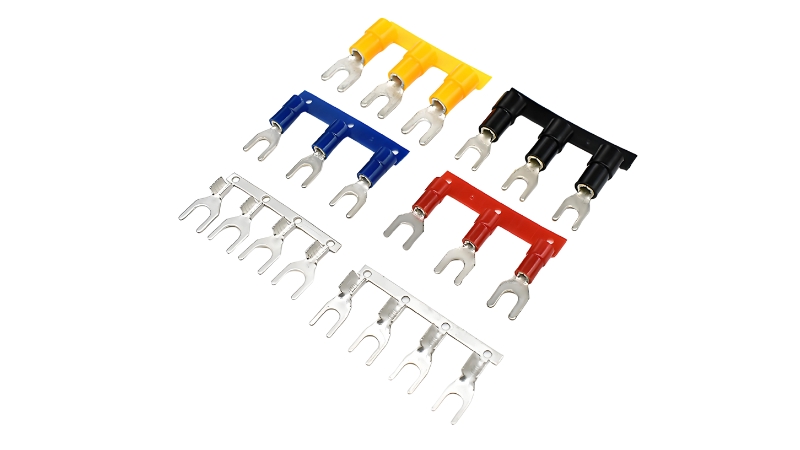
21. Tube Terminal
Tube terminals have sleeves that are cylindrical in form and which you crimp around stripped wire ends. You avoid fraying of conductors and produce clean and professional terminations. These are insulated and uninsulated types of wire terminals. You frequently use them at end of wire connections in panels. Electrical and mechanical performance is secure through proper crimping tools. The principal constraint is the resistance or failure due to improper crimping. You find tube terminal solutions in automotive and industrial wiring. They are a good type of crimp terminal wire connector that is reliable to the professional who values durability and safety of electrical installation in various industries around the world today and systems of the future are taking them up.
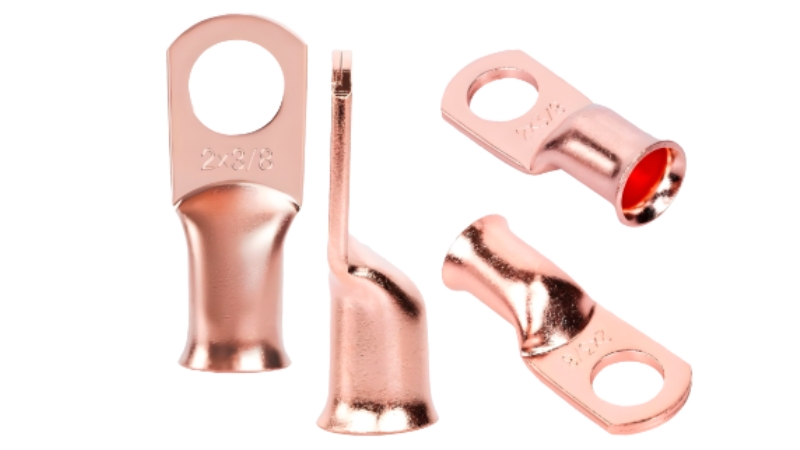
22. Two-Hole Terminal
Two-hole terminals have two holes where bolts or screws can be mounted. You have better stability since force is evenly distributed over fasteners. These electrical components of terminals minimize rotation and connection creep. You usually design them to be highly reliable in industrial applications. Two hole terminal designs are effective in dealing with vibration and thermal cycling. The disadvantage is that they are bigger and not as available. When installing, you should fit holes to prevent stress. They provide unsurpassed mechanical security to the machinery, panels and power equipment that operate in harsh environments with constant vibration and heavy loads and long service cycles in industrial applications in electrical connector types used in the industrial environment all over the world today.
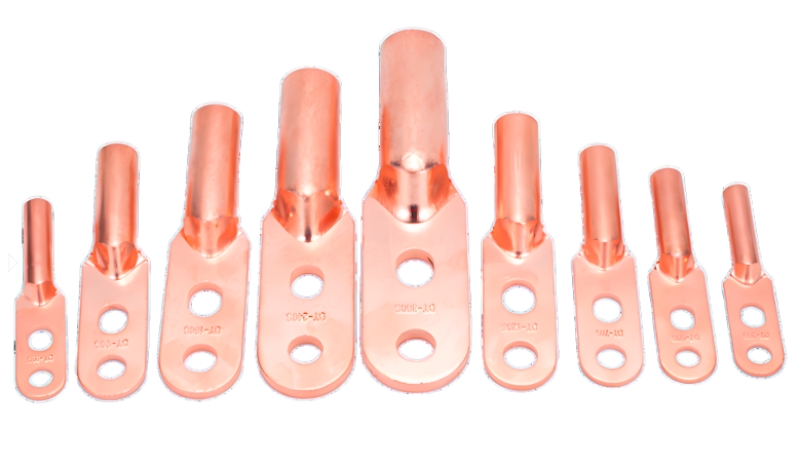
23. Wire Nuts
Wire nuts are connectors that can be twisted on to join striped wires together. They are primarily used in residential electrical installations. These are types of electric wire connectors that have threaded insulated shells. You enjoy the advantages of rapid tool-free installation when doing lightings or outlets. Wire nuts are appropriate in low-current applications that have low vibration exposure. The restriction is the low reliability in high current or moving conditions. Safe types of wire termination should be observed because of local codes. Proper installation eliminates loose connection and overheating hazards in residential power circuits and fittings that have been installed by qualified electricians in accordance with safety standards in the current and future homes in the world.
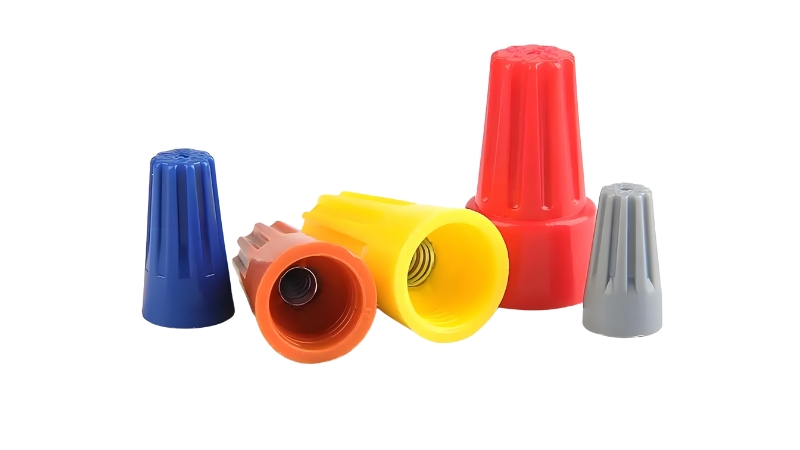
24. Y Terminal
Y terminals have a forked Y-shape that enables easy screwing. You slide them under screws that are not fully removed. Such electrical terminals are effective in supporting branching connections. You have insulated and non-insulated versions in various environmental conditions. Y terminal designs make layout of multi wires in a small area easy. The constraint is that it is compatible with certain wire sizes. They are typically found in industrial circuits and automotive wiring harnesses. Since they are electrical terminals and connectors, they are fast and reliable to assemble, maintain, and upgrade in professional electrical systems deployed in industries with standardized practices on the world today and emerging technologies to keep up with global trends in the future.
How to Choose the Right Type of Terminal for Your Project
Wire Size and Current Rating
Begin by determining the gauge of the wire and anticipated current load. The terminal should be of the same size as the conductor. Small terminals heat up and malfunction. Big terminals lead to loose connections. Proper ratings guarantee safety, efficiency, and reliability in the long run in any electric terminal connector or terminal in circuit.
The type of permanent or temporary connection
Determine whether the relationship should be permanent or flexible. Soldered and crimped options are used in permanent installations. Temporary connections are supported by screw and alligator styles. Connection intent matching assists in choosing appropriate terminal connector types without exposing you to frequent failure or maintenance problems.
Mating Connector Compatibility
Terminal/mating component compatibility. Poorly matched components lead to resistance, arcing or signal loss. Check dimensions, locking methods, and contact materials always. Correct compatibility guarantees stable operation in diverse kinds of wire terminals in complicated circuits.
Environmental and Mechanical Conditions
Assess the location of the terminal. Material choice is influenced by heat, moisture, vibration or chemicals. Terminals are insulated, sealed, or made resistant to corrosion, thereby enhancing durability. The terminal in circuit is safeguarded by environmental awareness against untimely wear and electrical breakdown.
Installation Method and tools required
Determine what installation tools are available. There are those that need crimping tools, others that need soldering irons or screwdrivers. Secure connections are made through proper tools. Incorrect installation destroys the type of connector used at the terminals and decreases performance of electrical characteristics in the long run.
Standards and Certifications Compliance
Take into consideration relevant standards and certifications. Eco-wiring can be mentioned as RWS or OEKO-TEX compliance. Certifications in industry assure safety and quality of materials. Certified terminals facilitate regulatory suitability and accountable manufacturing.
Application-Specific Performance Needs
Select matching terminal based on needs. Sensitized systems must be locked. Systems with high current will require heavy-duty terminals. Knowing performance requirement enables you to select trustworthy varieties of wire terminals to ensure long-term electric stability.
Maintenance, Safety, and Best Practices
Electrical terminals should be well-maintained to prevent system failure and avoid injury to users. Terminals should be inspected by you on a regular basis as regards their wear, corrosion or lose fittings. Early warning eliminates overheating and unforeseen failures. Proper crimping tools and established practice of soldering will give strong connections, lasting. Personal safety should be observed whenever handling live wires. Scheduled cleaning, tightening and testing are used to ensure service efficiency of electrical terminals and improve equipment life.
Conclusion
Safety and efficiency of any electrical connection rely on the use of electrical terminals. Knowledge of the types of terminals available to you will enable you to make the appropriate choice of current load, wire size, and environment. The terminals have a designated use and are temporary testing as well as permanent industrial facilities. An adequate selection, installation, and maintenance enhance functionality and minimize risks of failures. When working on DIY wiring or professional systems, the familiarity of the types of wire terminal connector guarantees the reliability, safety, and long-term effectiveness of the modern electrical and electronic projects.