Hastelloy C276 – Everything You Need to Know in 2026
What Is Hastelloy C276?
Hastelloy C276 is a Ni-Cr-Mo wrought superalloy that is intended for use in the most severe corrosive conditions. It is standardized for industrial identification under UNS N10276. This material is a corrosion-resistant nickel alloy for chemical processing. Hastelloy is more resistant in severe chemical environments than Inconel, Monel and stainless steel. It is good at oxidizing and reducing acidic conditions. When durability and corrosion resistance are essential, it is the choice of engineers.
Advantages of C276 Hastelloy
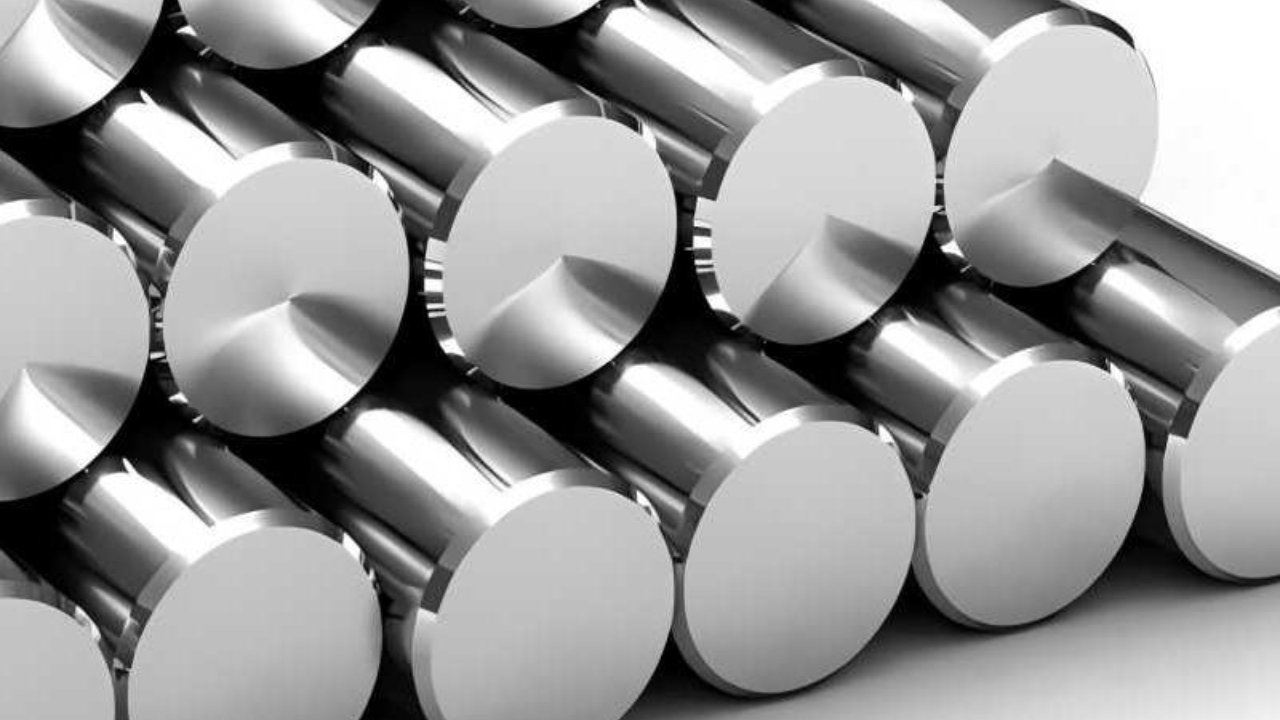
- Extreme corrosion resistance: Stable under strong acids and chlorides and strong in harsh chemical and heat conditions.
- Long operating life: Provides long-lasting performance in harsh conditions and minimizes replacement, ensuring reliability over time.
- Low maintenance requirement: Needs little maintenance because of great corrosion resistance, reducing downtime and operating costs significantly.
- High weldability: Excellent weldability while maintaining corrosion resistance, enabling the efficient fabrication of complex structures and parts in the industry.
- Suitable for multi-environment exposure: Works well in acidic and alkaline conditions, and in a marine environment, suitable for different industrial operations.
- Excellent stability in difficult chemical environments: Supports stability in variable chemical environments for safe and reliable industrial processing conditions.
Chemical Composition of Hastelloy C276
Element | Typical Content (%) | Primary Function |
Nickel (Ni) | Balance (~57%) | Base metal providing corrosion resistance and toughness |
Molybdenum (Mo) | 15–17% | Improves resistance to reducing acids and pitting |
Chromium (Cr) | 14.5–16.5% | Enhances oxidation and oxidizing acid resistance |
Iron (Fe) | 4–7% | Adds structural stability |
Tungsten (W) | 3–4.5% | Improves localized corrosion resistance |
Cobalt (Co) | Max 2.5% | Supports high-temperature stability |
Manganese (Mn) | Max 1% | Assists in deoxidation during manufacturing |
Silicon (Si) | Max 0.08% | Controlled to improve weldability |
Carbon (C) | Max 0.01% | Minimizes carbide precipitation |
Vanadium (V) | Max 0.35% | Contributes to alloy stability |
Copper (Cu) | Max 0.5% | Minor corrosion resistance enhancement |
Phosphorus (P) | Max 0.025% | Controlled impurity |
Sulfur (S) | Max 0.01% | Controlled to maintain ductility |
Role of Major Alloying Elements
Nickel
Hastelloy C276 has a structural backbone of nickel that provides stability under severe corrosive conditions. Gives good resistance to chloride-induced corrosion applications in marine and chemical environments.
Molybdenum
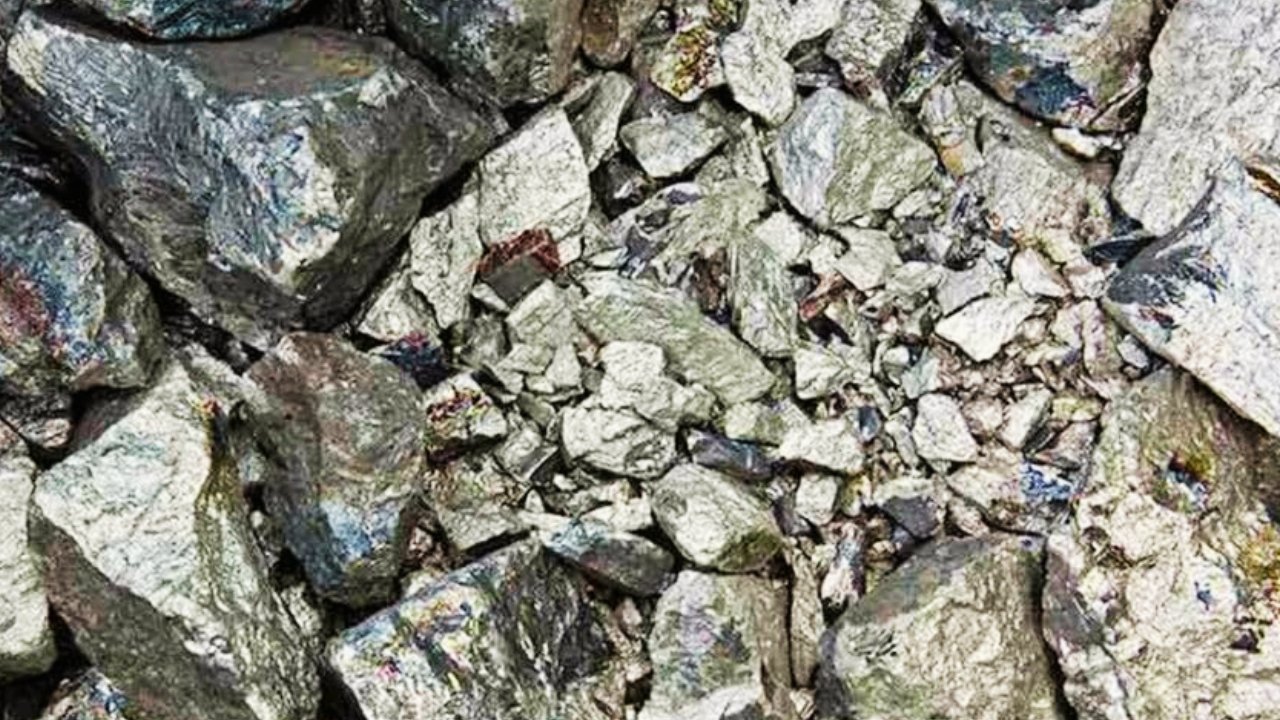
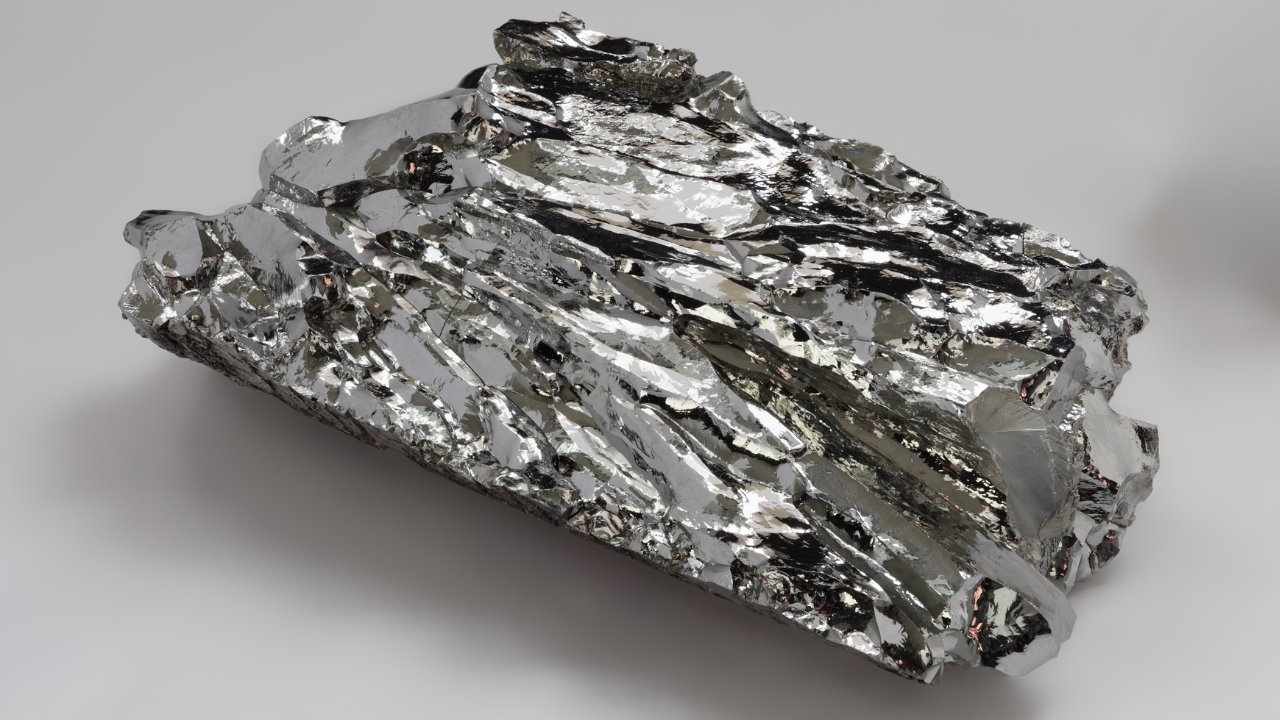
Molybdenum enhances resistance to hydrochloric acid and strong reducing chemical agents in processing systems. It enhances anti-pitting performance, inhibiting localized corrosion in harsh industrial applications.
Chromium
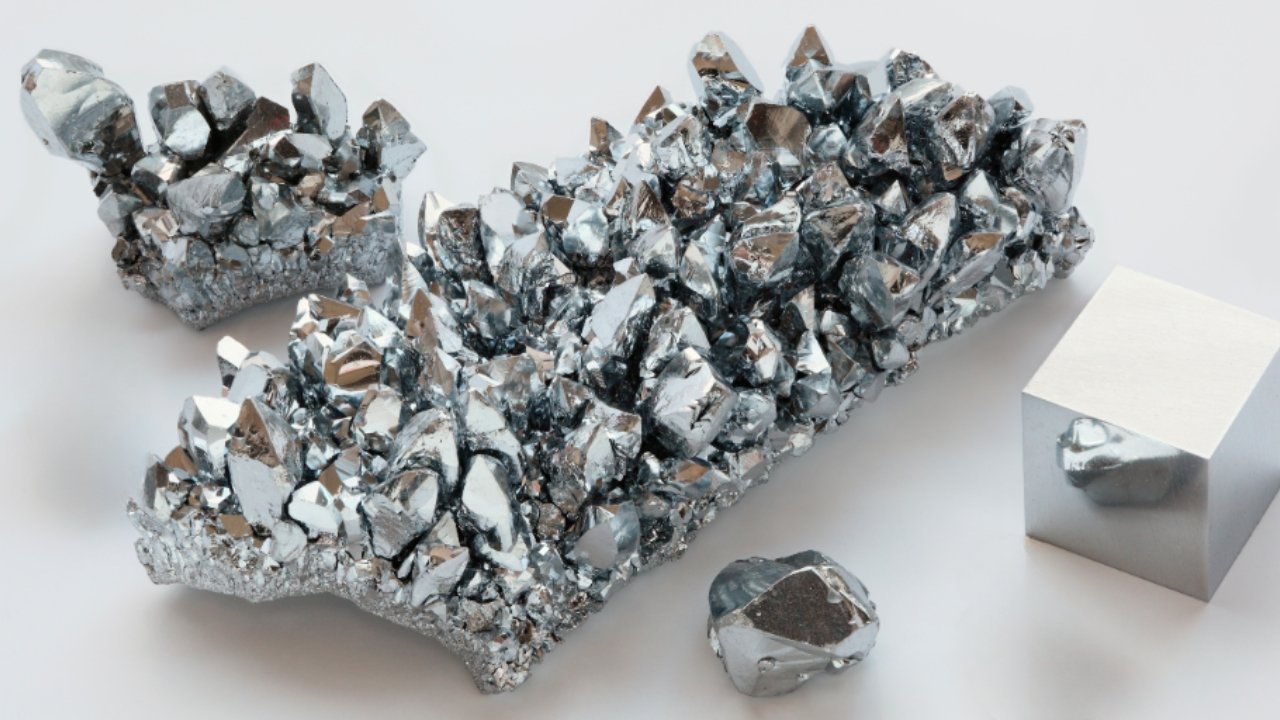
Chromium is used to give strong protection to oxidizing media, which gives durability in high-temperature chemical processes. It helps to maintain stable surface passivation characteristics and to create a protective oxide film to prevent additional corrosion attack.
Tungsten
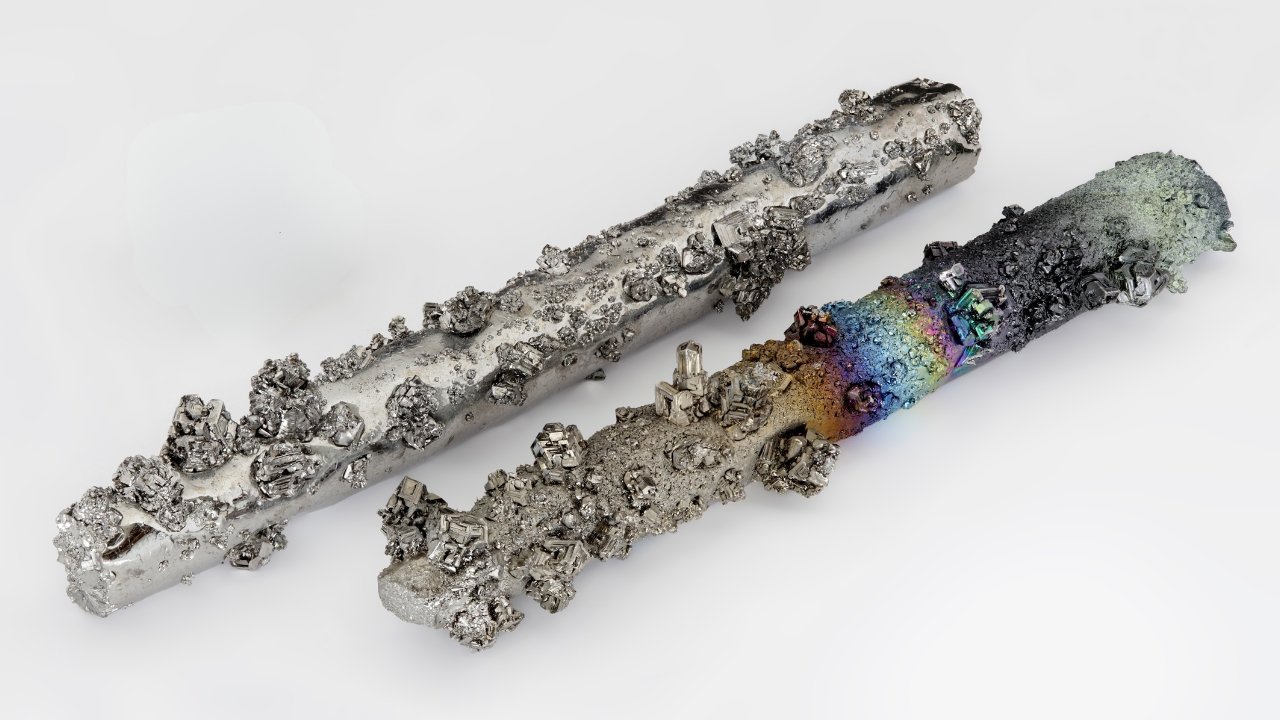
Tungsten has a strong effect on crevice corrosion resistance, particularly in small crevices and restricted chemical areas. It improves performance under severe chemical exposure conditions while avoiding the loss of alloy integrity in extreme conditions.
C276 Hastelloy Properties
Here are the physical properties of C-276 Hastelloy given below:
Property | Metric Value | Imperial Value | Significance |
Density | 8.89 g/cm³ | 0.321 lb/in³ | High structural strength |
Melting Range | 1325–1370°C | 2417–2498°F | Suitable for high-temperature use |
Elastic Modulus | 205 GPa | 29700 ksi | High rigidity and stiffness |
Thermal Conductivity | 7.2 W/m·K | 50 BTU in/hr·ft²·°F | Moderate heat transfer |
Thermal Expansion | 11.2 µm/m°C | 6.22 µin/in°F | Stable dimensional behavior |
Electrical Resistivity | 1.229 µΩ·m | — | Useful in specialized applications |
Specific Heat Capacity | 427 J/kg·°C | — | Thermal energy absorption capability |
Mechanical Properties of C-276
Property | Typical Value | Importance |
Tensile Strength | 700–1000 MPa | Handles high mechanical loads |
Yield Strength | ~280 MPa | Resistance to permanent deformation |
Elongation | Up to 35–56% | Excellent ductility |
Hardness | ~87 HRB | Good wear resistance |
Impact Toughness | High | Resistance to cracking |
Stress Corrosion Resistance | Excellent | Reliability in chloride environments |
Key Corrosion Types Resisted:
Pitting
This phenomenon is responsible for forming minute holes in localized points on the surfaces of metals. This happen specially under a chloride environment in a relatively shorter time frame. Hastelloy alloy C-276 resist pitting by forming a stable passive film, preventing chloride penetration effectively, and consistently protecting.
Crevice Corrosion
Crevice corrosion is corrosion that happens in protected places, such as joints, where oxygen is depleted, allowing a greater attack on the metal in that area. Molybdenum-rich composition and excellent passive layer stability result in uniform resistance to crevice corrosion by Hastelloy C276.
Stress Corrosion Cracking (SCC)
Stress corrosion cracking occurs when fine cracks form under tensile stress and a corrosive chloride environment at the same time. The high nickel content and outstanding resistance to chloride-induced cracking behaviour of Hastelloy make it highly resistant to SCC.
Sulfide Stress Dependent Cracking
It refers to a fracturing process that occurs because of the high brittleness of the metal and in a surrounding which contains H2S. C-276 Hastelloy can reliably perform in sour conditions without embrittling in the presence of hydrogen, which is what causes SSC.
Seawater and Marine Environments Performance
Metals in marine environments are subjected to corrosion, fouling and degradation of their surface over time at a fast rate. C-276 Hastelloy is very well suited for seawater applications, as it has a good passive film and resistance to chlorides over the long term.
Resistance in Sour Gas (H₂S) Environments
H2S found in sour gas environments will cause cracking corrosion and hydrogen-induced damage to metals. The nickel stability and the higher resistance to the effect of hydrogen sulfide make Hastelloy resistant to sour gas attack.
Comparing with Stainless Steels (316L Failure Scenarios)
Pitting corrosion can cause failure of stainless steels such as 316L in chloride-rich environments within a relatively short period of time. Hastelloy is superior to 316L in resisting localized corrosion and holding strength in aggressive chemical exposure conditions.
Key Properties That Make C276 Unique
Low Carbon and Silicon Weldability
During fabrication, the extremely low carbon and silicon content greatly improves the weldability performance of Hastelloy C276. This minimizes the risk of weld cracking and ensures robust and dependable weld connections in industrial applications.
Molybdenum Tungsten Strength Synergy
Synergy of high molybdenum and tungsten to improve corrosion resistance and mechanical properties under severe environments. Combination improves pitting resistance and durability, ensuring stable performance in chemical processing systems.
Oxidizing and Reducing Stability
Excellent stability in oxidizing and reducing chemical media in aggressive environmental conditions. Resists corrosion even during pH and temperature changes in industrial applications.
Grain Boundary Precipitation Resistance
Grain boundary precipitation is resisted, essentially preventing intergranular corrosion when exposed to conditions for high-temperature service. Helps to increase structural integrity and helps to avoid carbide formation, which makes for long-term material reliability in harsh systems.
At the Chemical Plant, Longer Service Life
Provides longer service life in chemical plants thanks to its high corrosion resistance and stability performance. Minimizes maintenance and downtime, and provides cost-effective operation in industrial chemical systems.
Fabrication and Processing of Hastelloy C 276
Hot Working
Controlled high-temperature forming is used to shape components efficiently by hot working of C-276. Ductility is achieved, and cracking is avoided by the temperature range of typically 900 to 1230°C during the deformation process.
Cold Working
C276 Hastelloy can be cold worked to increase strength by plastic deformation for better performance applications. Forming capabilities provide complex shapes with strength and corrosion resistance in components.
Welding
Hastelloy C-276 can be readily welded by TIG, MIG and SMAW processes. Low heat input control reduces distortion and eliminates the need for post-weld heat treatment.
Machining
Hastelloy C276 is highly work-hardenable and must be considered during machining. When using carbide-based tooling, wear is minimized, and efficient machining is ensured by using proper tools.
Heat Treatment Overview
The solution annealing of C276 is typically carried out at about 1121 °C to restore the microstructure. Processes and ageing are usually not necessary because of the stable alloy structure, and rapid quenching is used.
Forms and Availability
- Plates
- Sheets
- Bars
- Pipes and tubes
- Wires
- Forgings
- Covered electrodes
- The significance of flexibility in industrial supply chains.
C276 Hastelloy – Industrial Applications
CPI
Due to strong resistance to the corrosive acids that exist within heat exchangers and reactors, C276 is widely employed in the chemical processing industry. It also enables distillation columns and acid handling systems to be long-lasting and safely performing.
Petrochemical Industry
The Hastelloy C-276 is used for acid gas processing and sour gas equipment in the petroleum industry. Efficient protection of critical equipment like reactors, separators and pipeline systems against sour gas.
Marine and Offshore Engineering
Sustain marine engineering applications: seawater systems, subsea equipment, offshore pipeline structures. Increased corrosion resistance means greater durability for offshore energy and marine operations systems when exposed to salt water.
Flue Gas Desulfurization
FGD systems use C276 in pollution control systems and acid gas scrubbers effectively. Today’s industrial desulfurization systems are faced with corrosive emissions that are resisted by materials, which ensures better reliability and efficiency.
Power Generation
Hastelloy C-276 is used in boilers, heat recovery systems and acid condensate systems in power generation plants. These components make the process more efficient, and they can reliably withstand corrosion under high-temperature acidic operating conditions.
Limitations of Hastelloy C276
Although C-276 Hastelloy has excellent corrosion resistance, it has some practical drawbacks. It is much more expensive than stainless steel and adds to the cost of materials in the project. Machining is difficult due to rapid work hardening in the alloy during the process. Avoid using it in less severe environments where less expensive materials are satisfactory. It also demands high-tech fabrication methods to ensure that it will perform and be reliable.
Comparison with Other Nickel Alloys
Factor | Hastelloy C276 | Hastelloy C22 | Inconel 625 | Stainless Steel 316L |
Ni Content (%) | ~57% | ~56% | ~58% | ~10–14% |
Mo Content (%) | 15–17% | 12–14% | 8–10% | 2–3% |
Cr Content (%) | 14.5–16.5% | 20–22% | 20–23% | 16–18% |
Tensile Strength (MPa) | 690–1000 MPa | ~690–950 MPa | 760–1030 MPa | ~485–620 MPa |
Yield Strength (MPa) | ~280 MPa | ~310 MPa | ~345 MPa | ~170–300 MPa |
Hardness (HRB) | ~87 HRB | ~90 HRB | ~95 HRB | ~79 HRB |
Pitting Resistance (PREN approx.) | ~52–58 | ~55–65 | ~45–50 | ~25–30 |
Max Service Temp (°C) | ~400°C | ~400°C | ~600–700°C | ~300°C |
SCC Resistance (Chlorides) | Excellent | Excellent | Very Good | Poor |
Corrosion Resistance Level | Very High (mixed acids + chlorides) | Very High (oxidizing acids) | High (marine + heat) | Moderate (mild environments only) |
Weldability | Excellent (no PWHT needed) | Excellent | Very Good | Good |
Relative Cost Index | 5/5 (Very High) | 5/5 (Very High+) | 4/5 (High) | 1/5 (Low) |
Standards and Equivalent Grades
Common International Standards
- ASTM B575
- ASTM B622
- ASTM B619
- ASTM B626
- ASTM B366
- ASTM B574
- ASTM F467
- ASTM F468
- DIN 2.4819
Material Designations and UNS
- UNS N10276
- EN and DIN equivalents
Design Considerations for Engineers
Engineers consider factors for material selection to meet durability, performance and project efficiency requirements. Corrosive environment assessment helps to select materials to avoid degradation and to ensure their long life during operation. Operating range limits, determined by temperature restrictions, are used to ensure safety margins and preserve the integrity of the structure in extreme exposure conditions. Stress and load considerations are used to make sure that the components can resist the mechanical forces without failure beyond the design limits. Design considerations are influenced by the fabrication constraints, as it ensures that it can be manufactured, cost-efficient, and precision-controlled through production.
How to Select Hastelloy C 276 for an Application
Use Hastelloy C276 for chemical exposure, temperature, pressure and mechanical stress conditions. Carefully determine the type of corrosion and ensure material resistance meets the demands of the operating environment. Fabrication requirements should be evaluated to ensure manufacturing and weldability performance. Balance long-term durability and lifecycle maintenance cost effectively, taking budget constraints into account. Chloride exposure should not be ignored, as it can lead to accelerated, severe localized corrosion damage. If the complexity of the fabrication is underestimated, this can result in problems with the performance and even failure of the operation.
Conclusion
Hastelloy C276 – An alloy featuring higher corrosive resistance, mechanical stress, and heat in complicated industry environments. The balanced composition of Hastelloy C276 guarantees reliability in chemical, marine and petrochemical systems where failure is not an option. Engineers select it for its long service life, stability and low maintenance requirements. The choice of C276 Hastelloy will depend on the conditions of exposure, the requirements of fabrication, and cost. It’s still the best solution in applications where durability and safety are of paramount importance, despite the initial cost, in critical, high-performance applications around the world in demanding industries globally.