+86-18969433502
sales@sheetmetalmasion.com
What is Tool Cabinet?
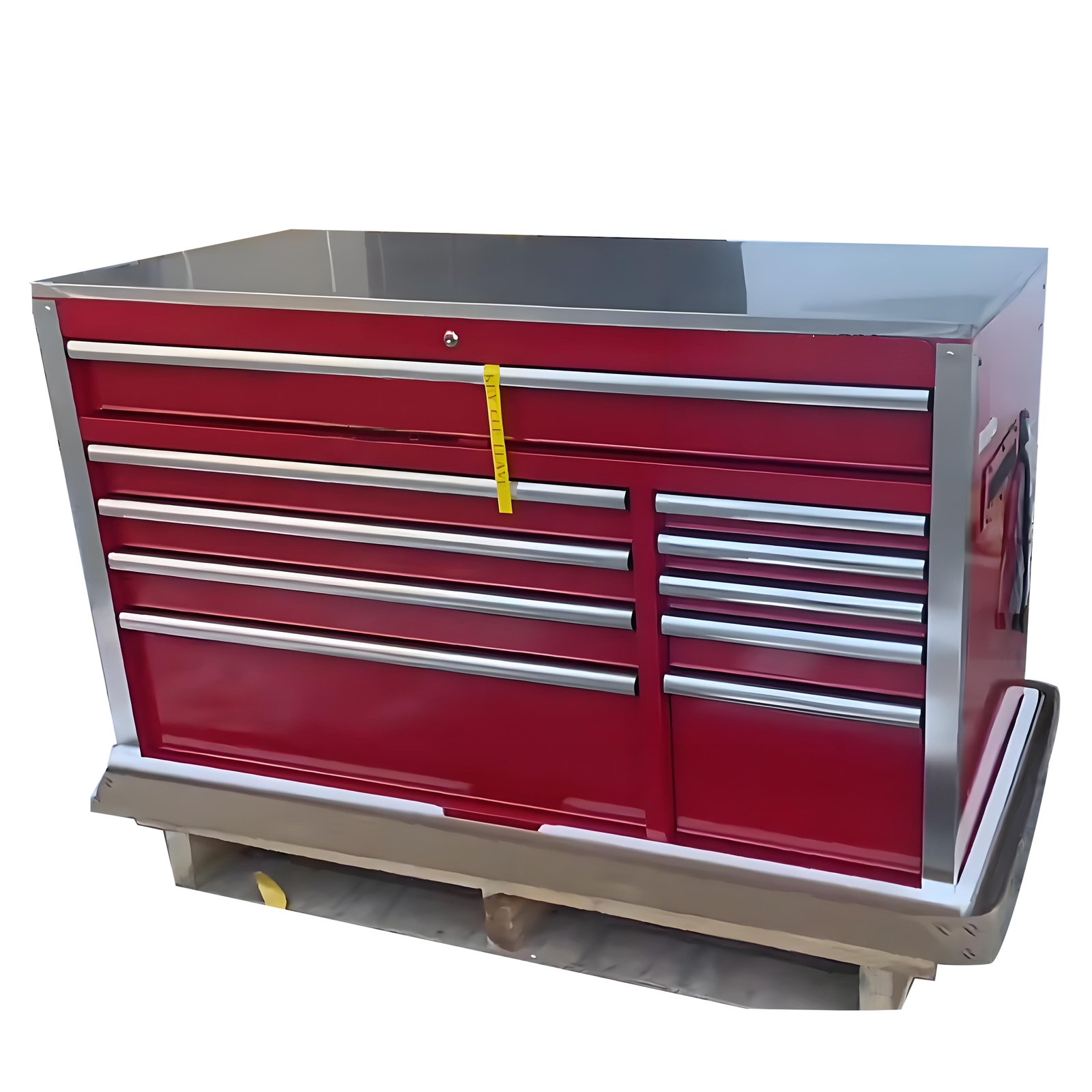
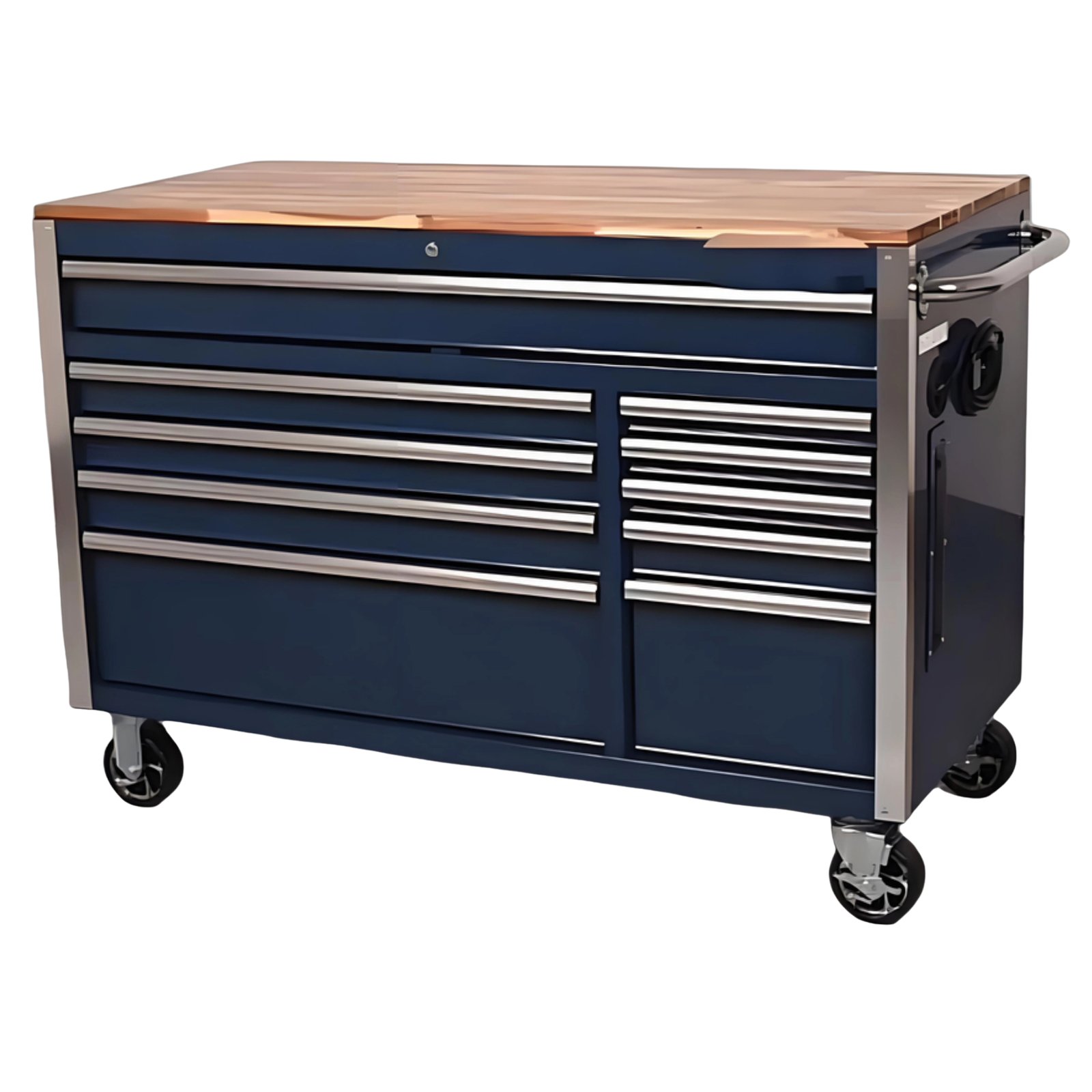
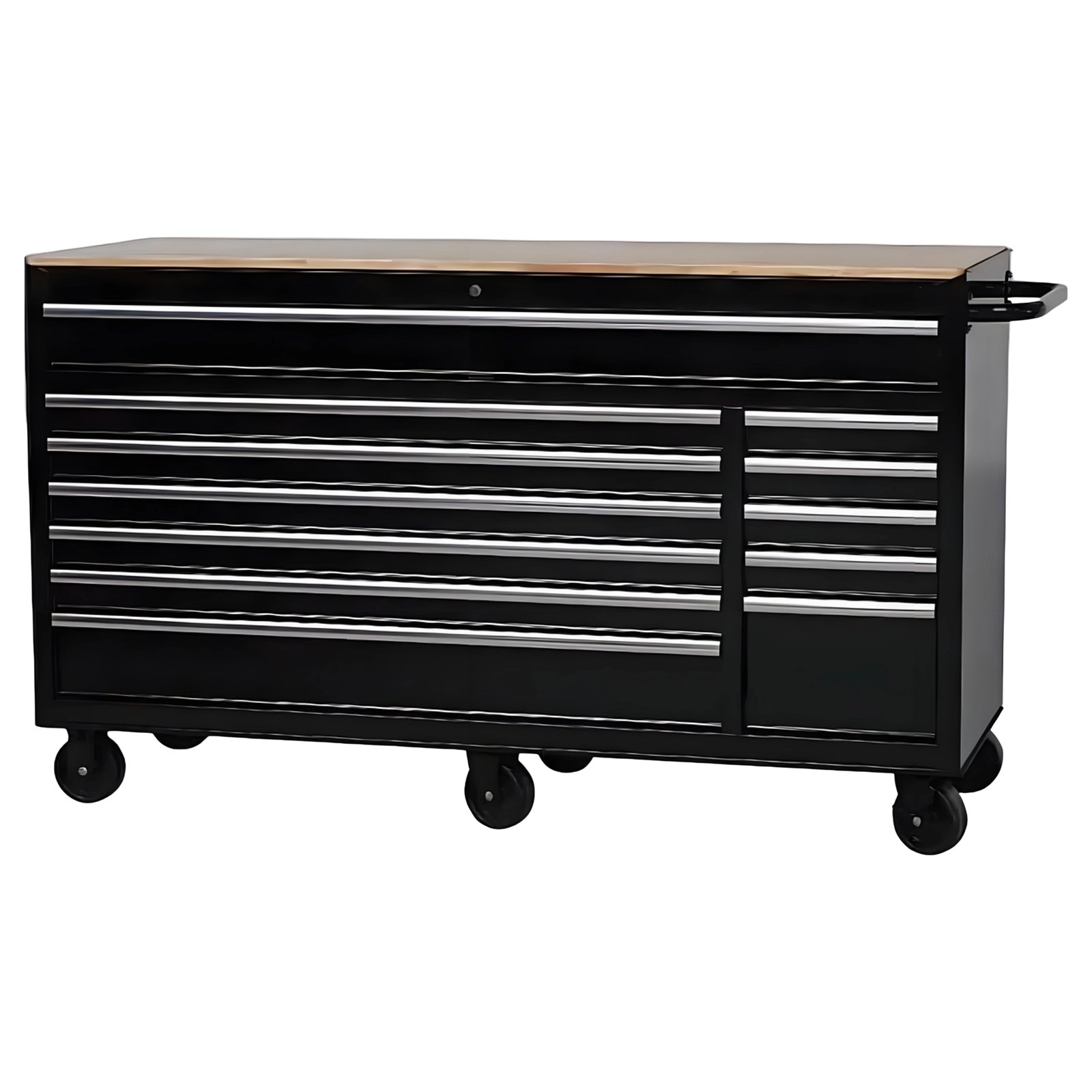
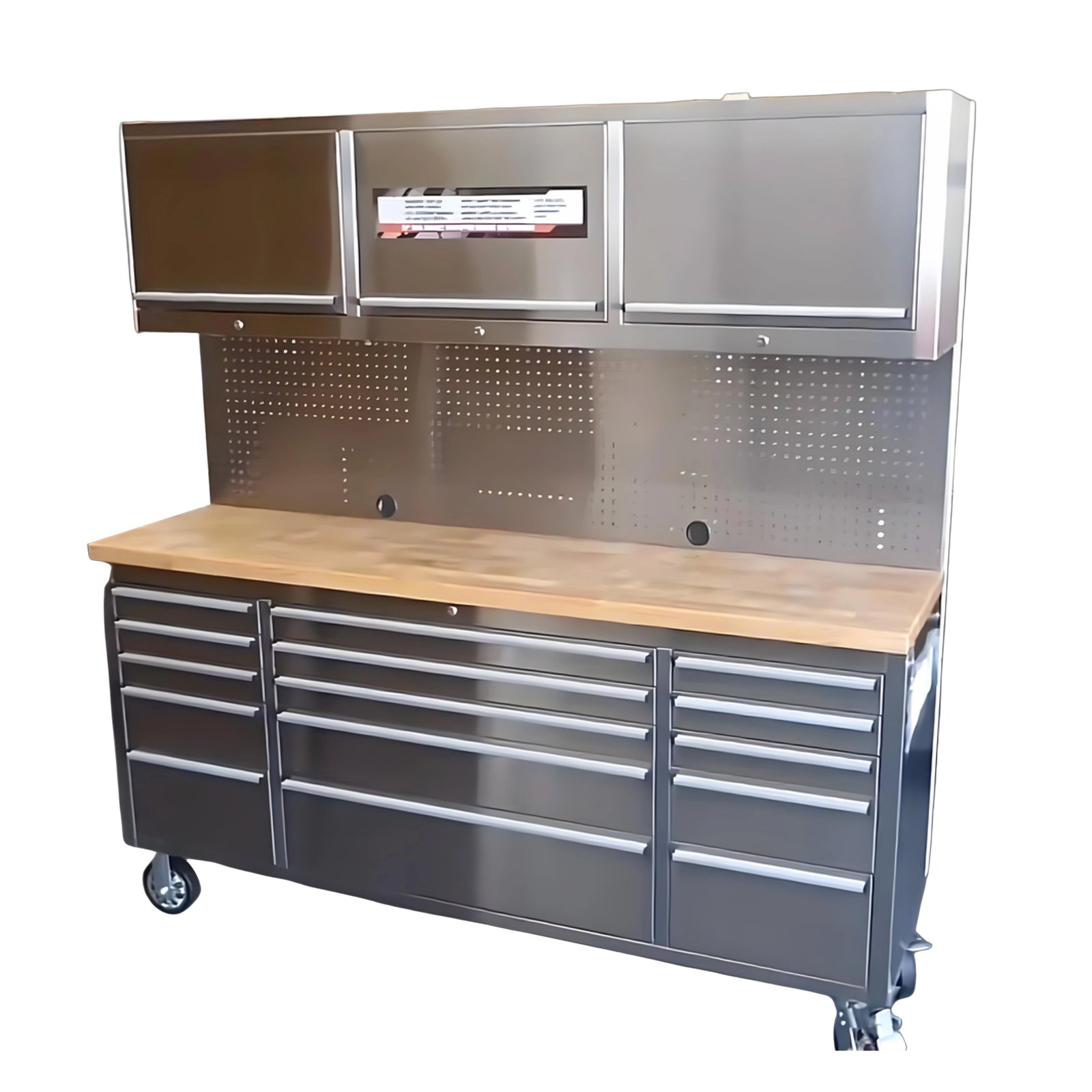
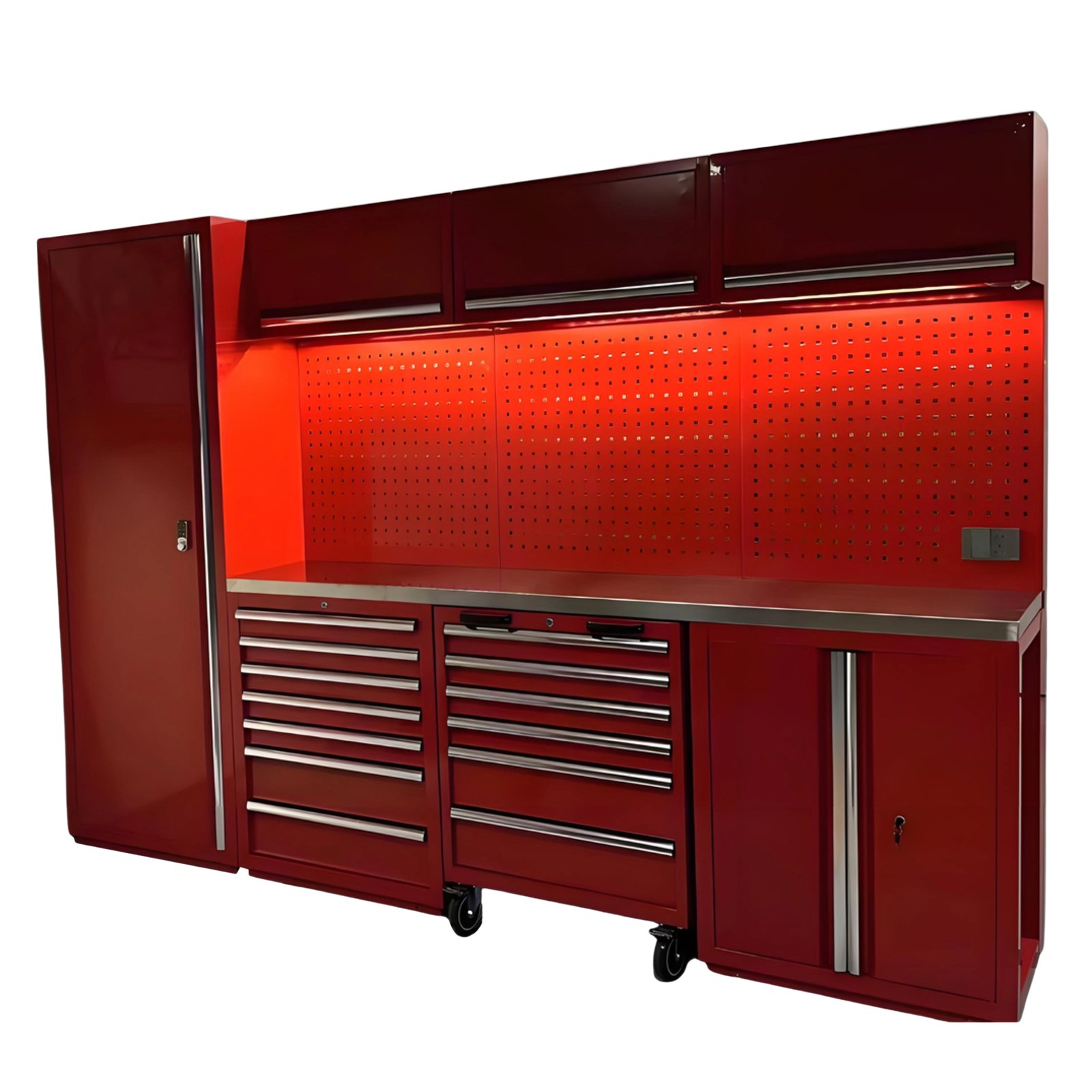
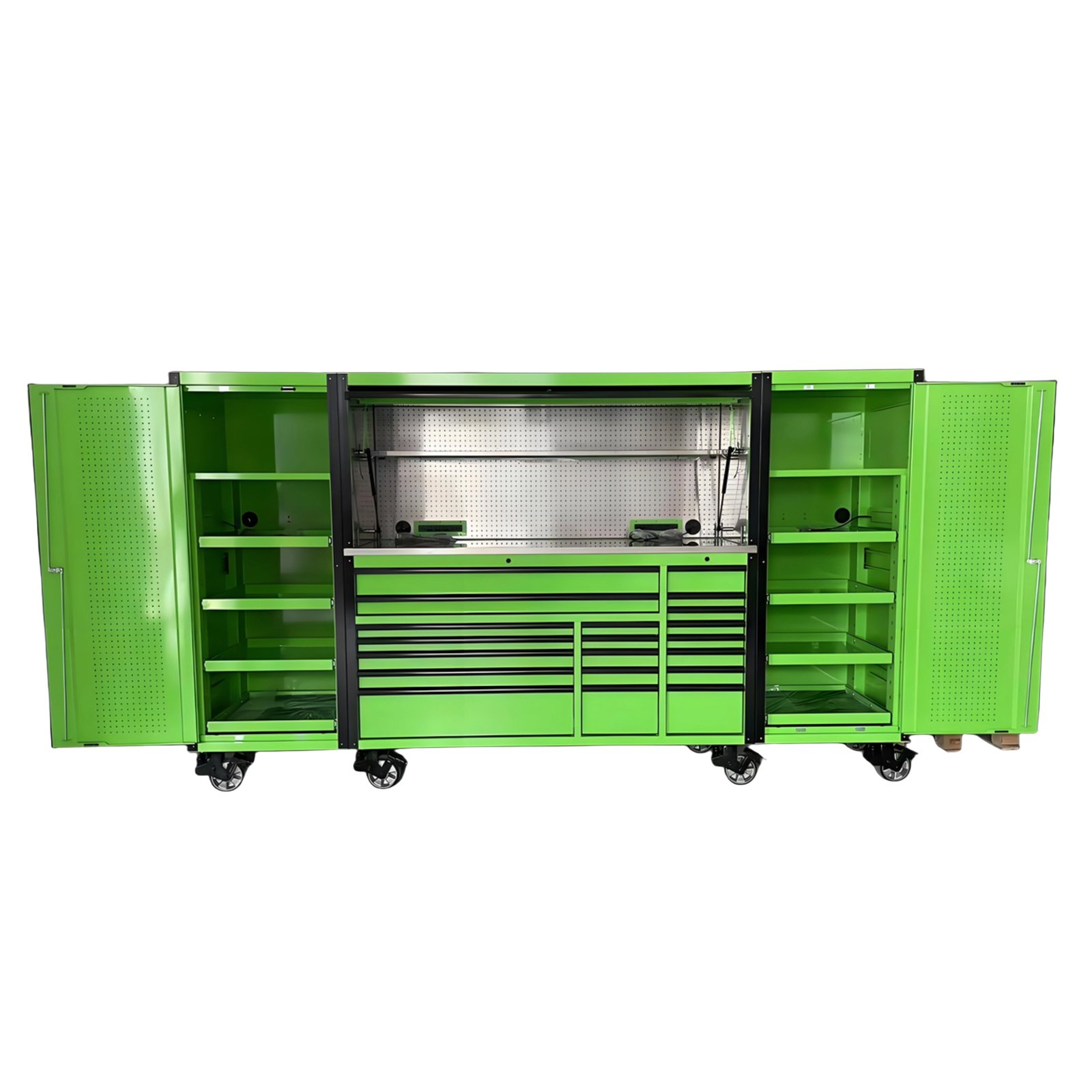
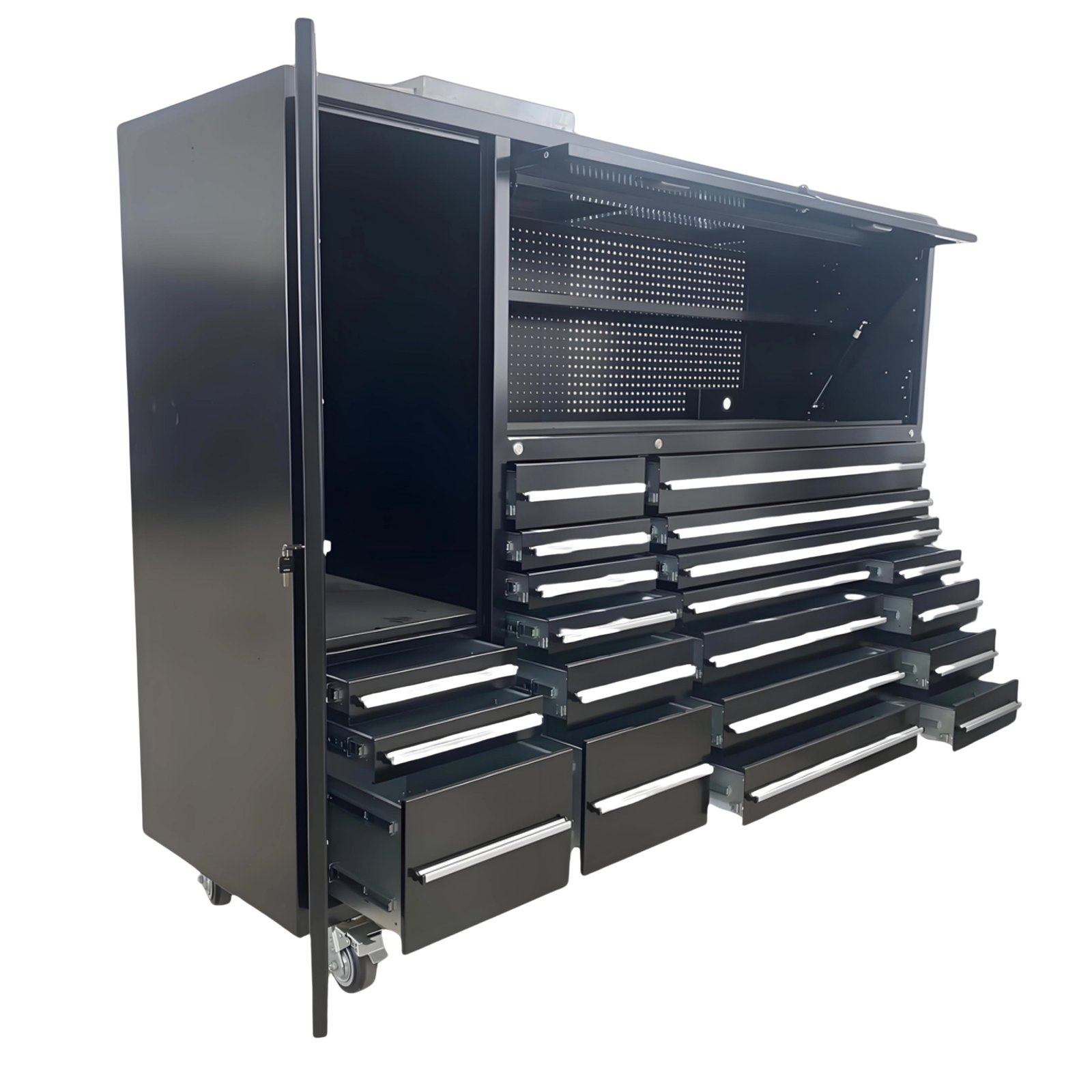
A tool cabinet is a special storage unit that is used to store your tools and ensure their security. It provides space enclosure with drawers, shelves, and compartments of various types of tools. You are able to store small hand tools, power tools and accessories in one location. It allows you to prevent the loss and damage of tools and maintains a clean workspace.
Types of Tool Cabinet
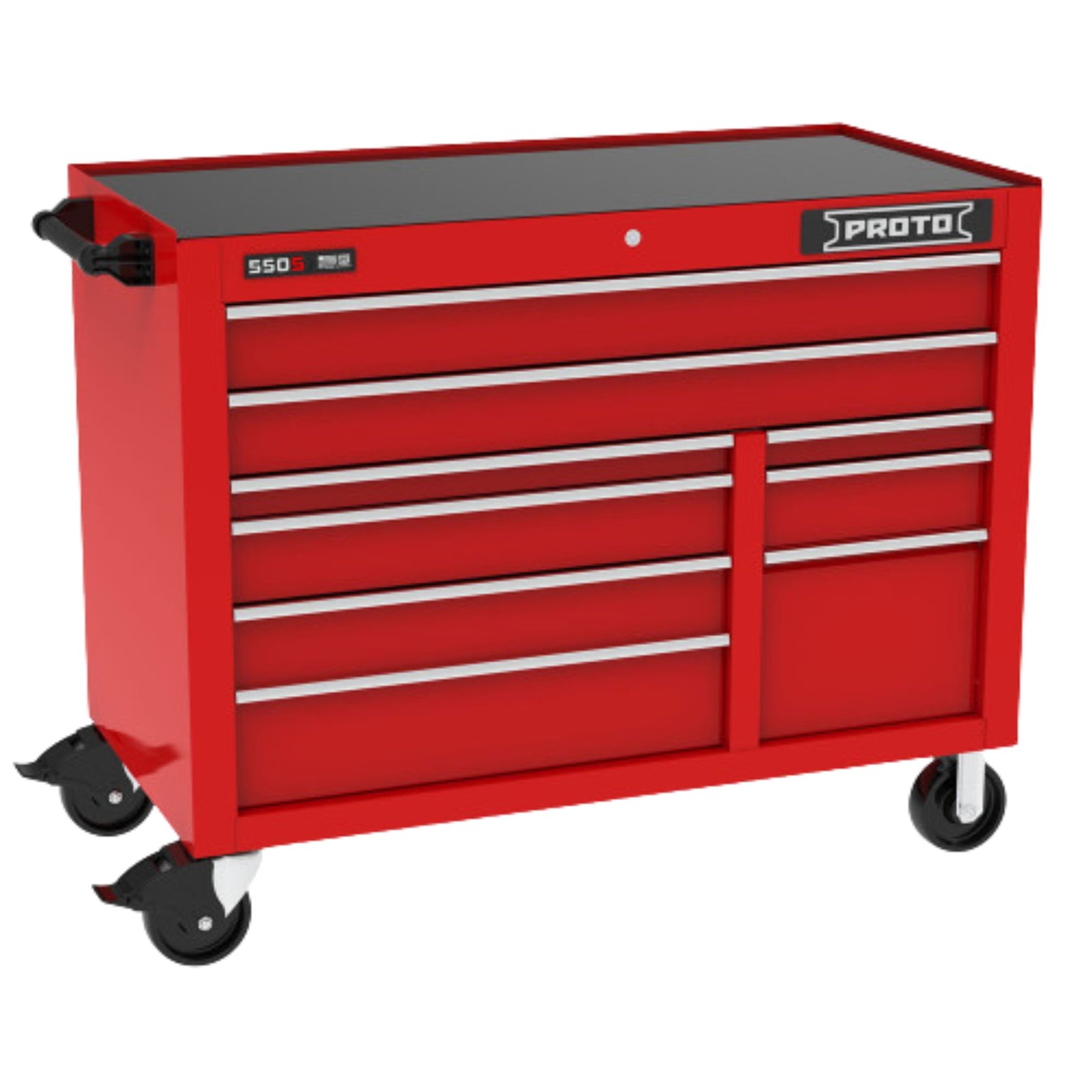
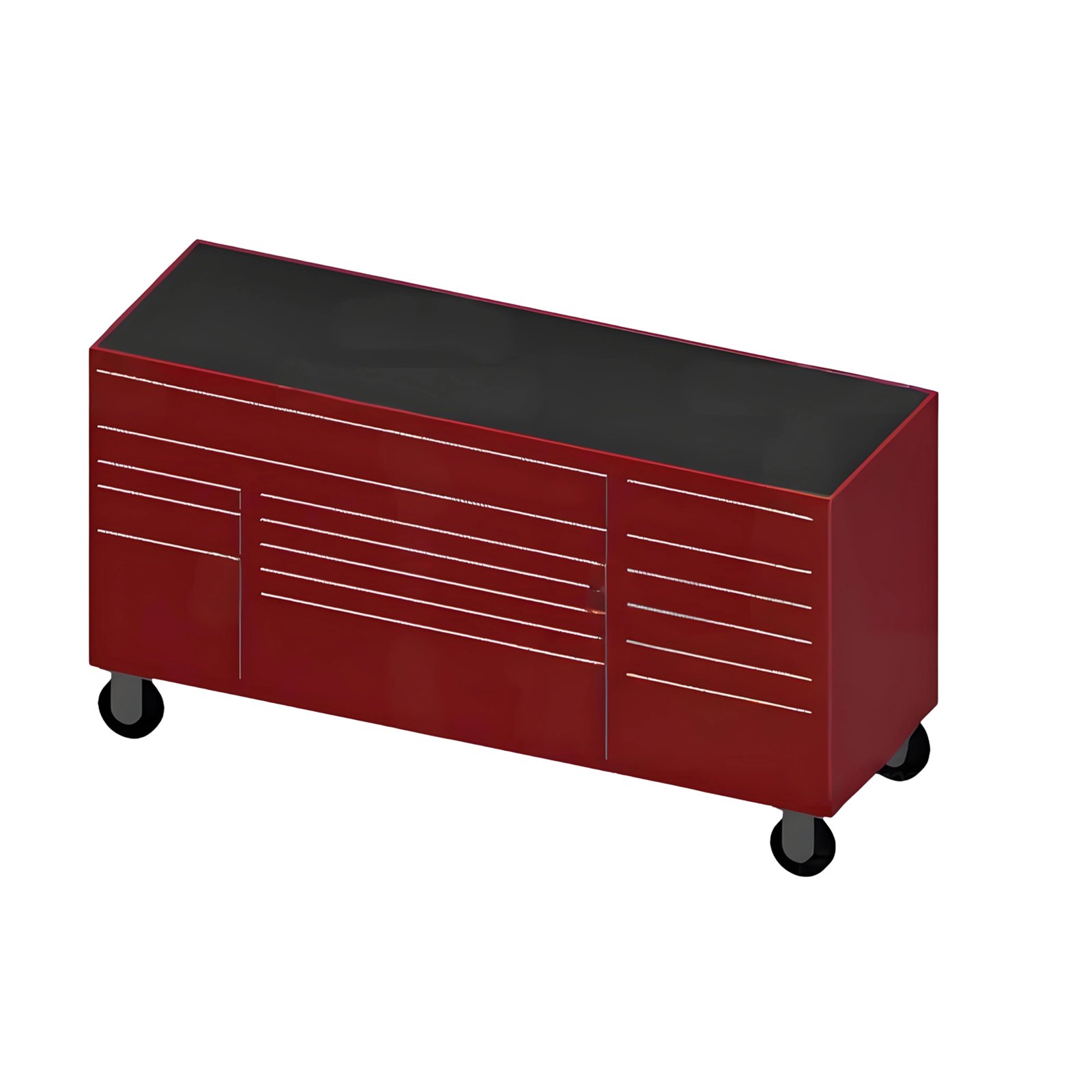
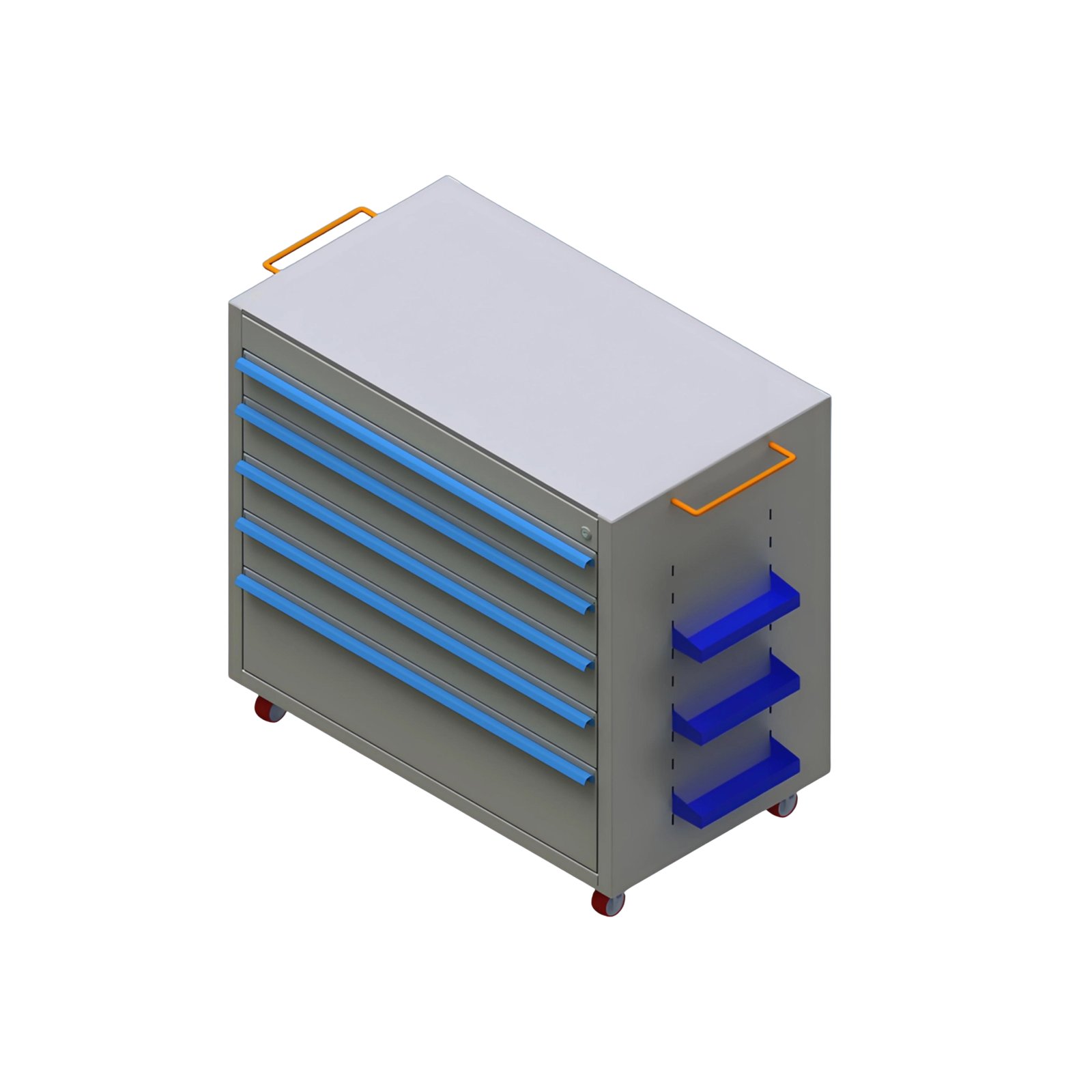
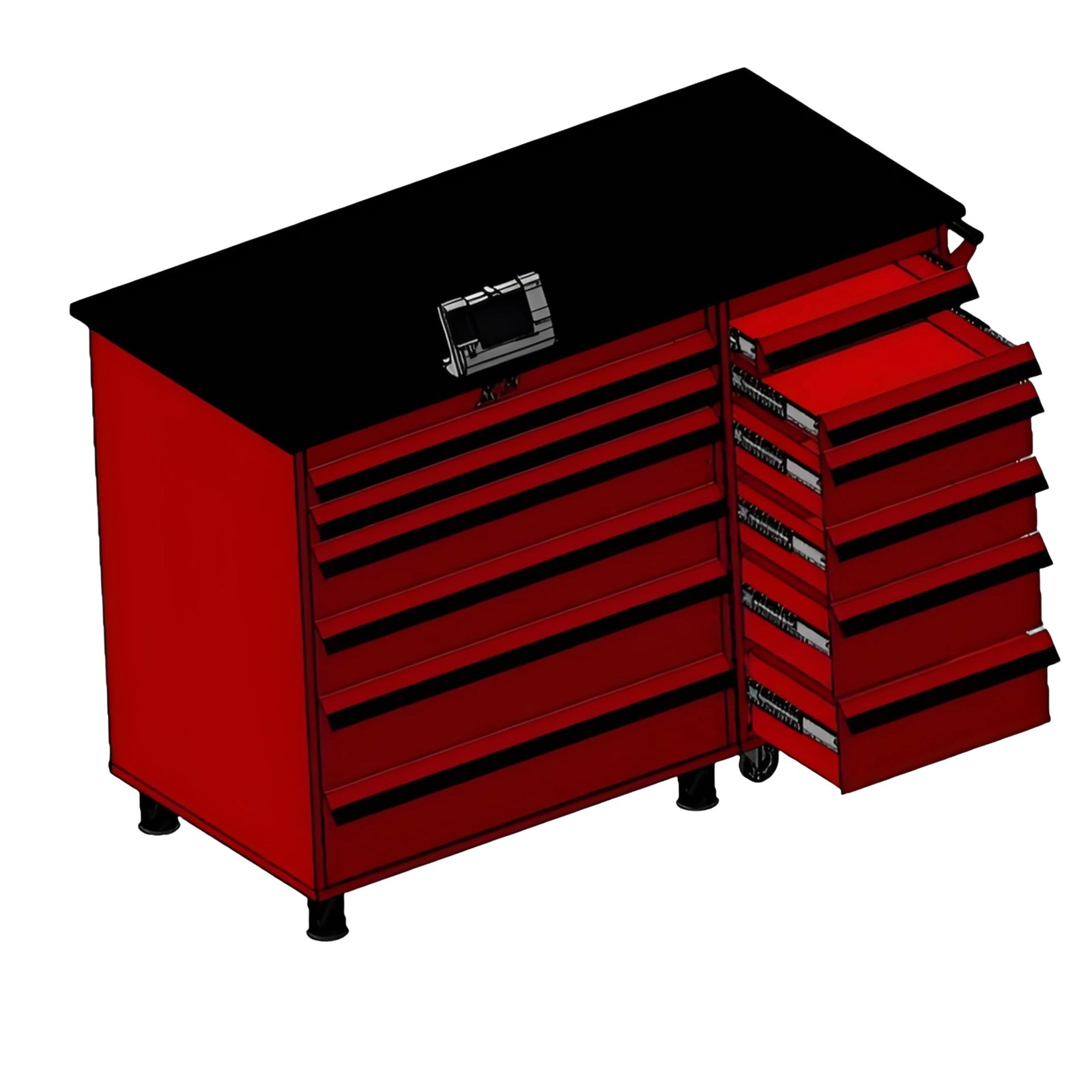
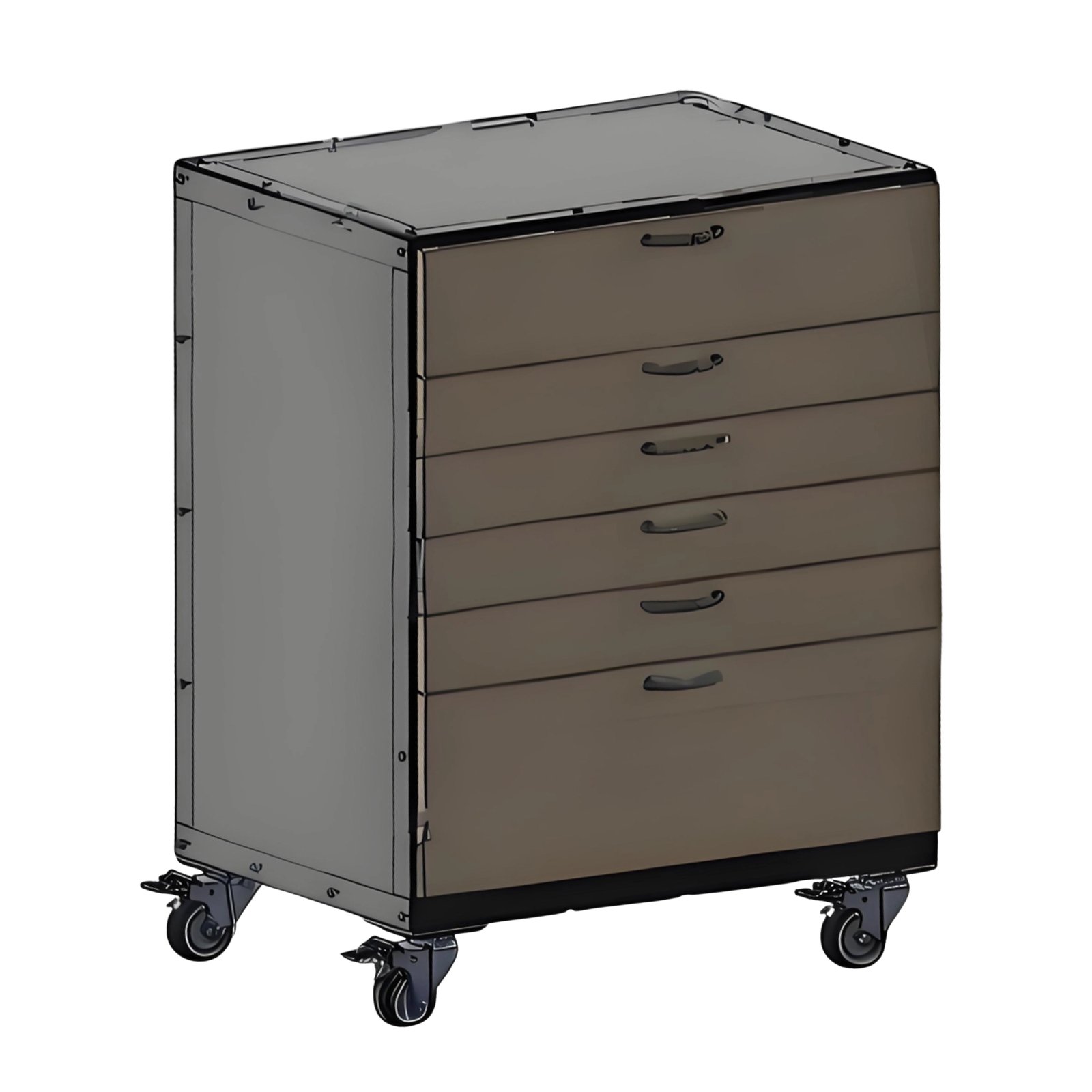
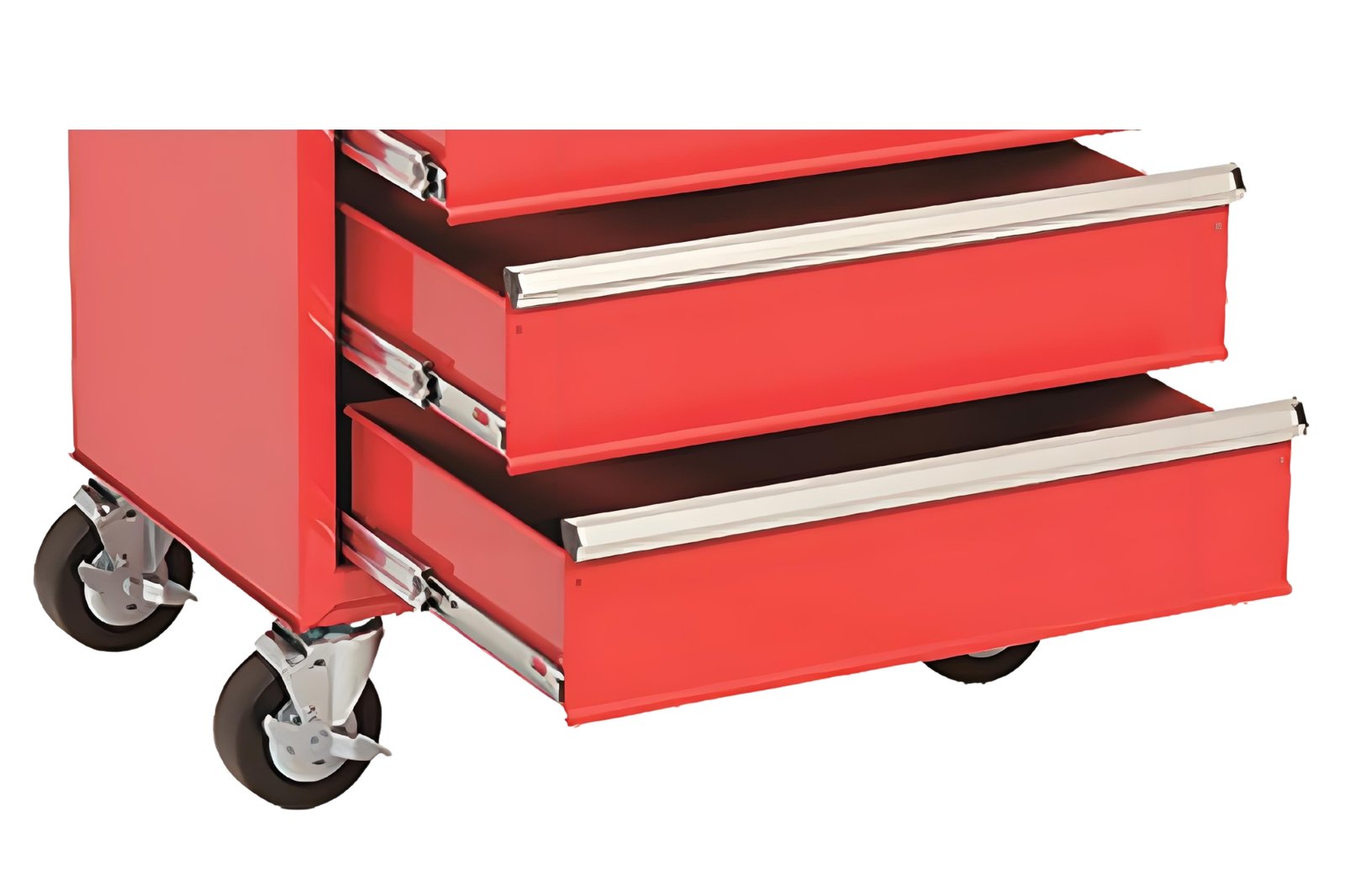
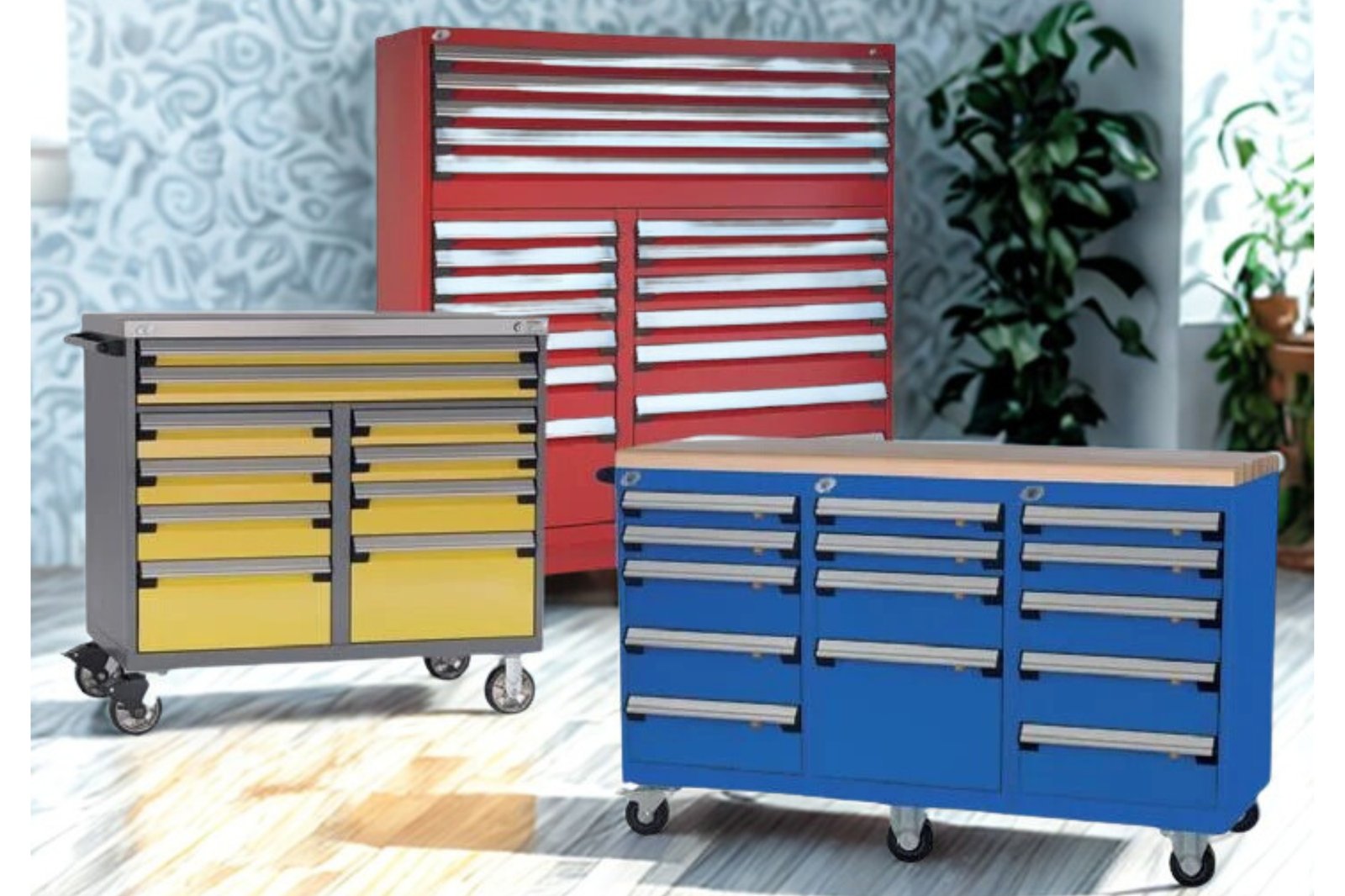
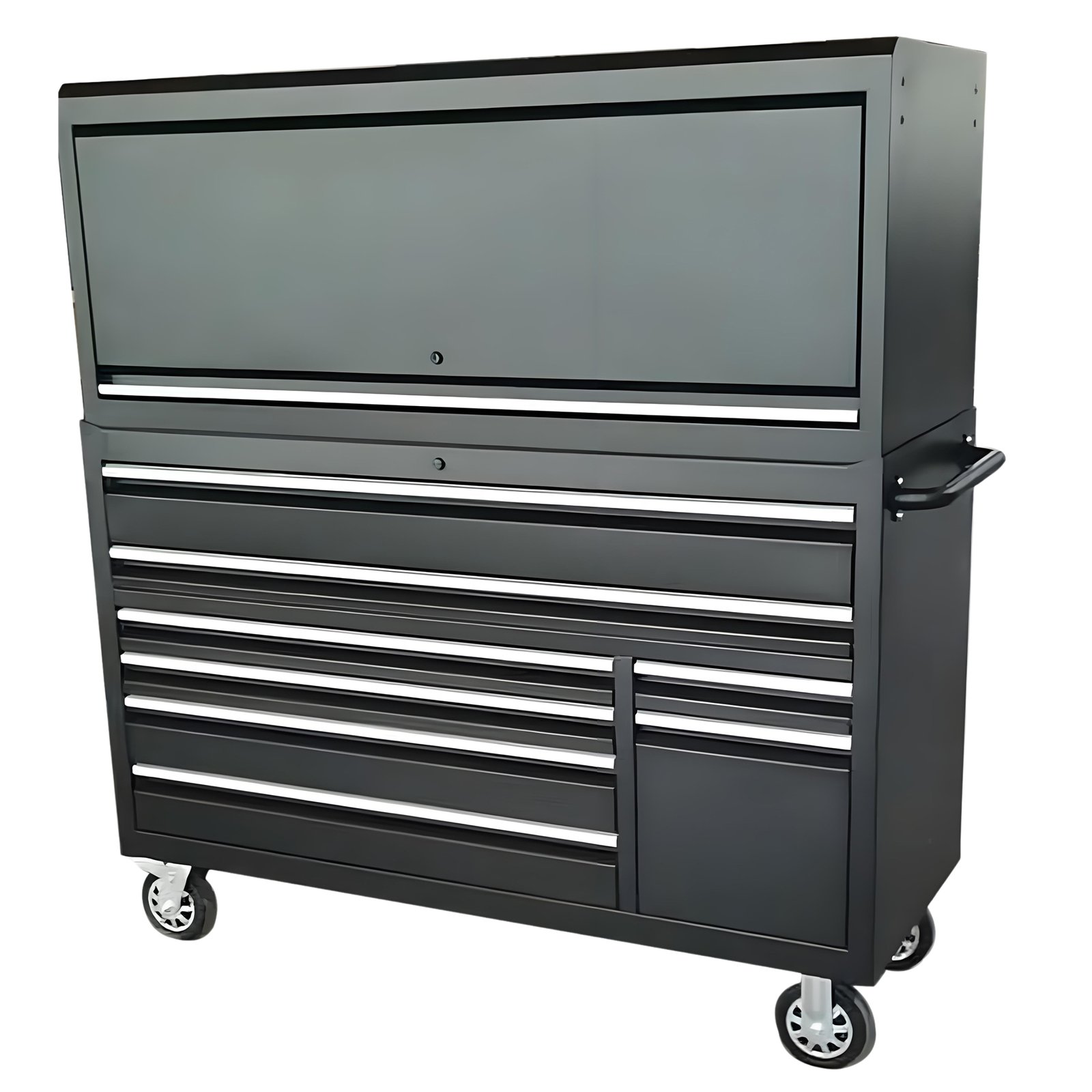
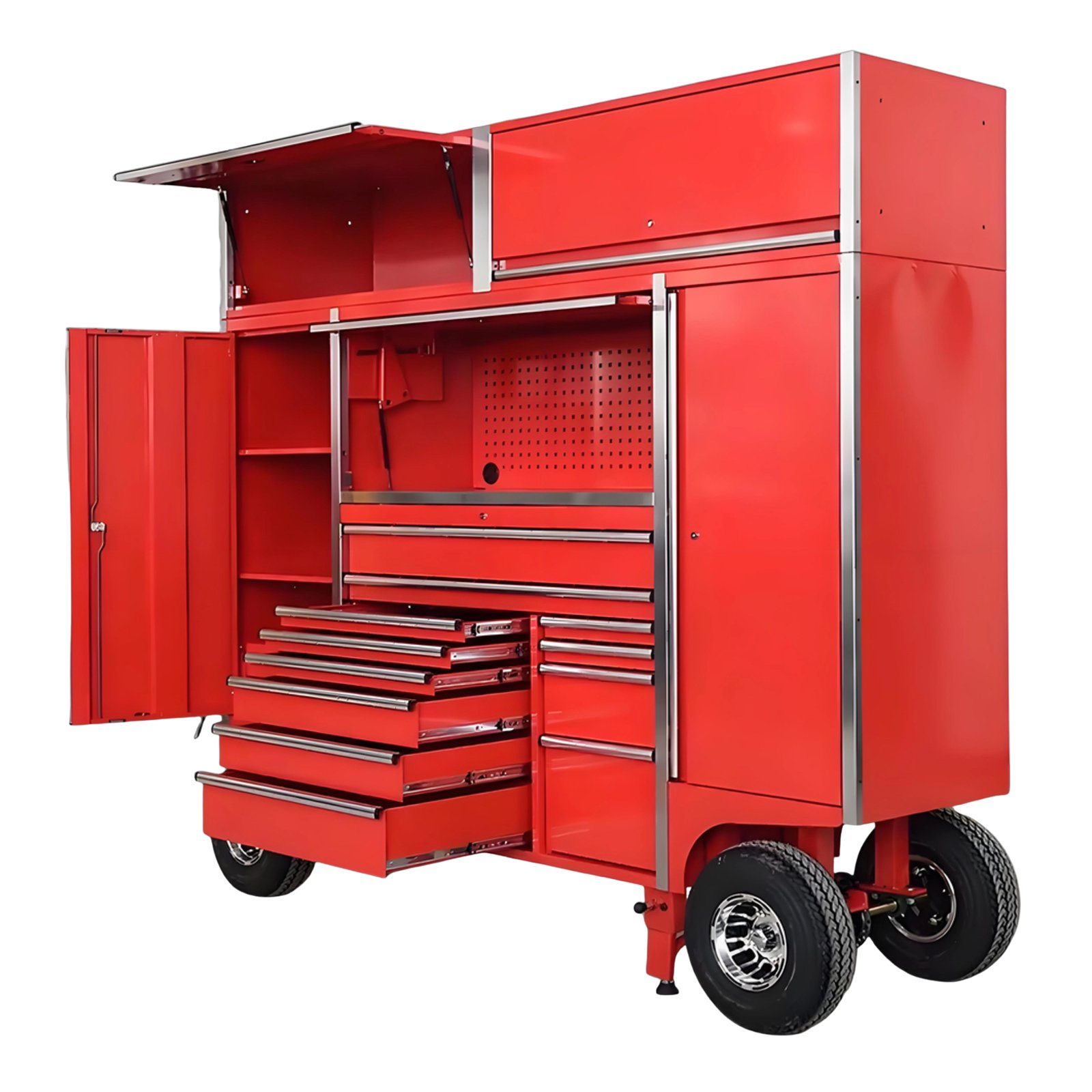
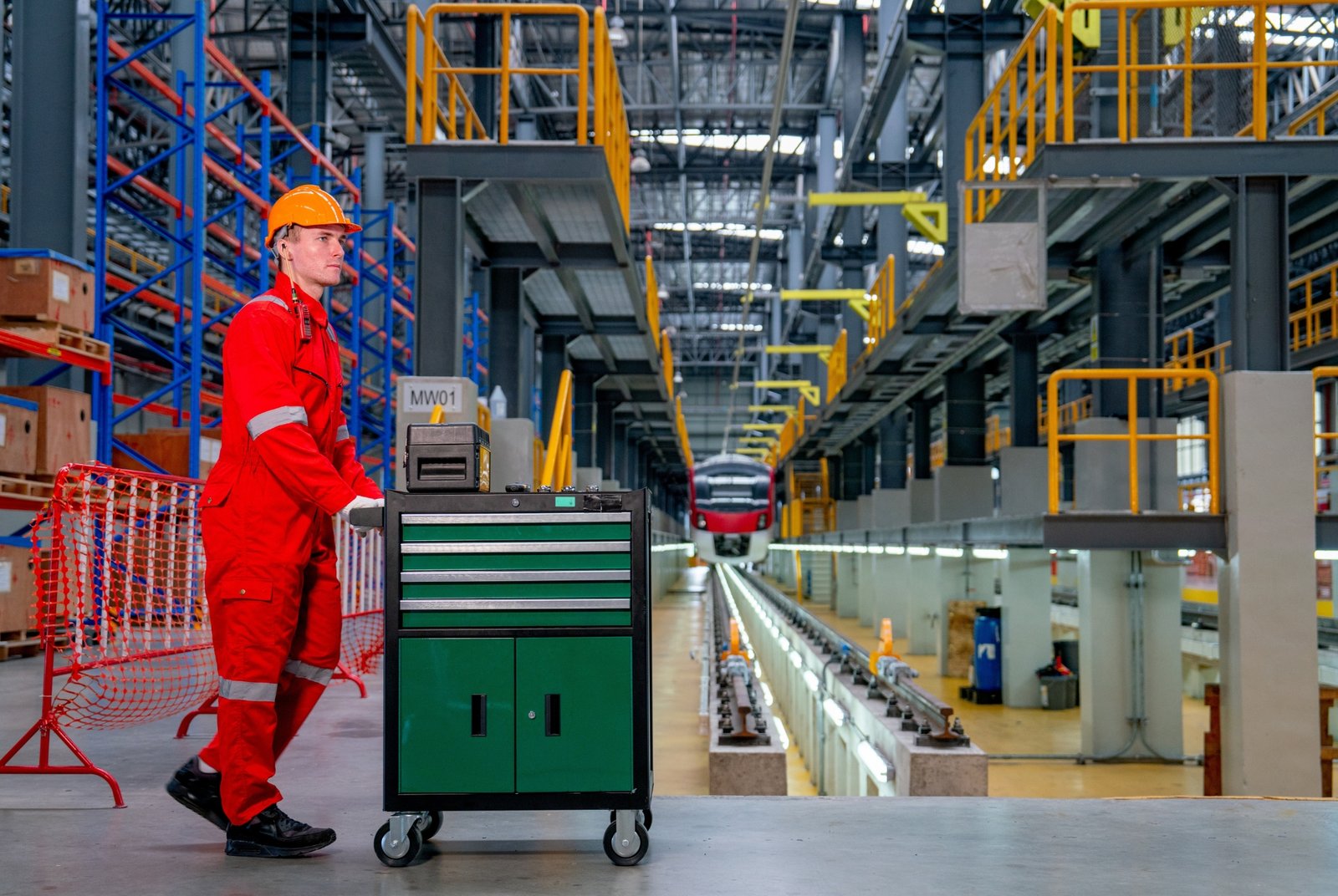
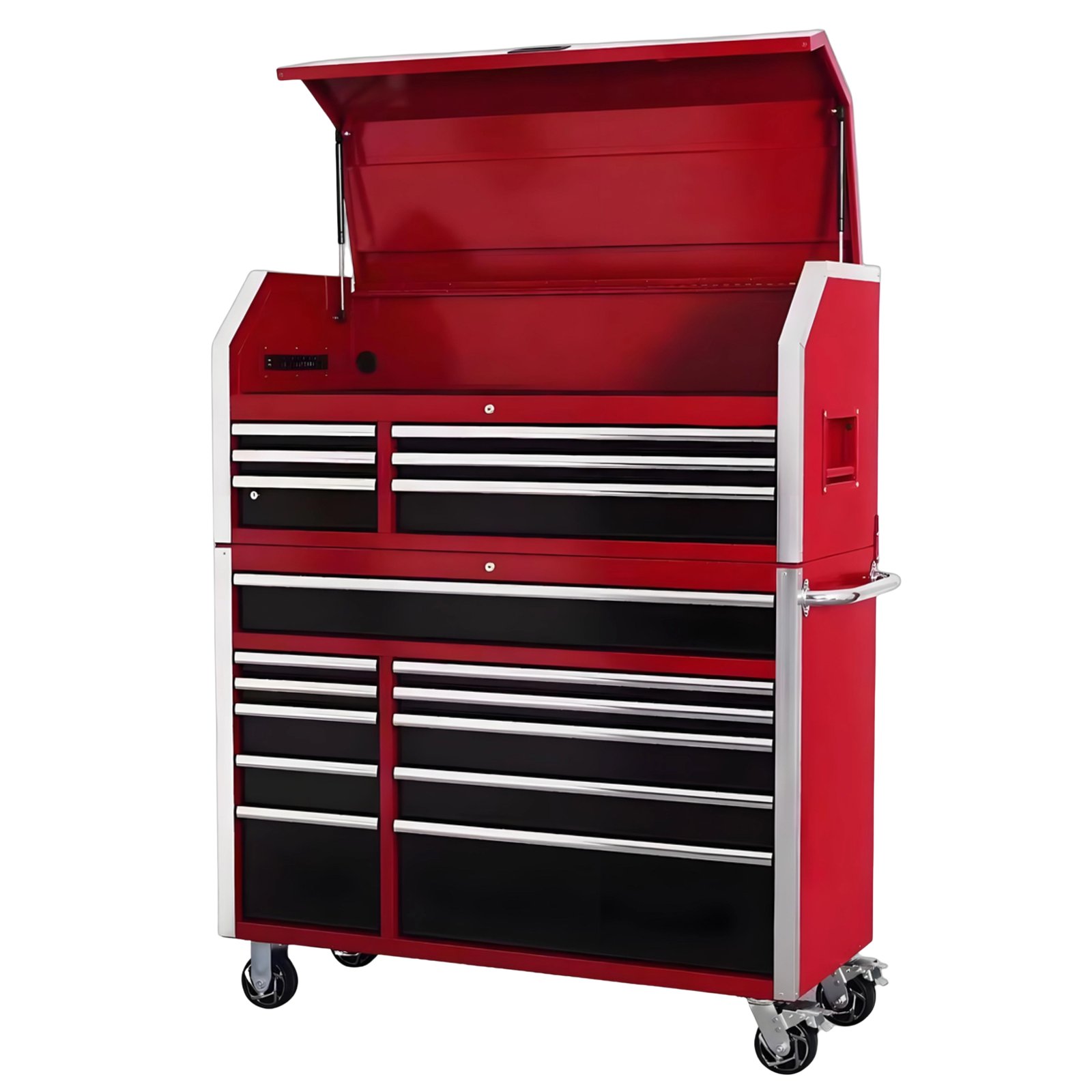
Rolling Tool Cabinets
The tool cabinets have rolling wheels that facilitate smooth transportation. You have tools prepared and close to hand in workshops. These drawers carry a load of tools and constant use. They are mobile, thereby enhancing efficiency and time-saving during their work.
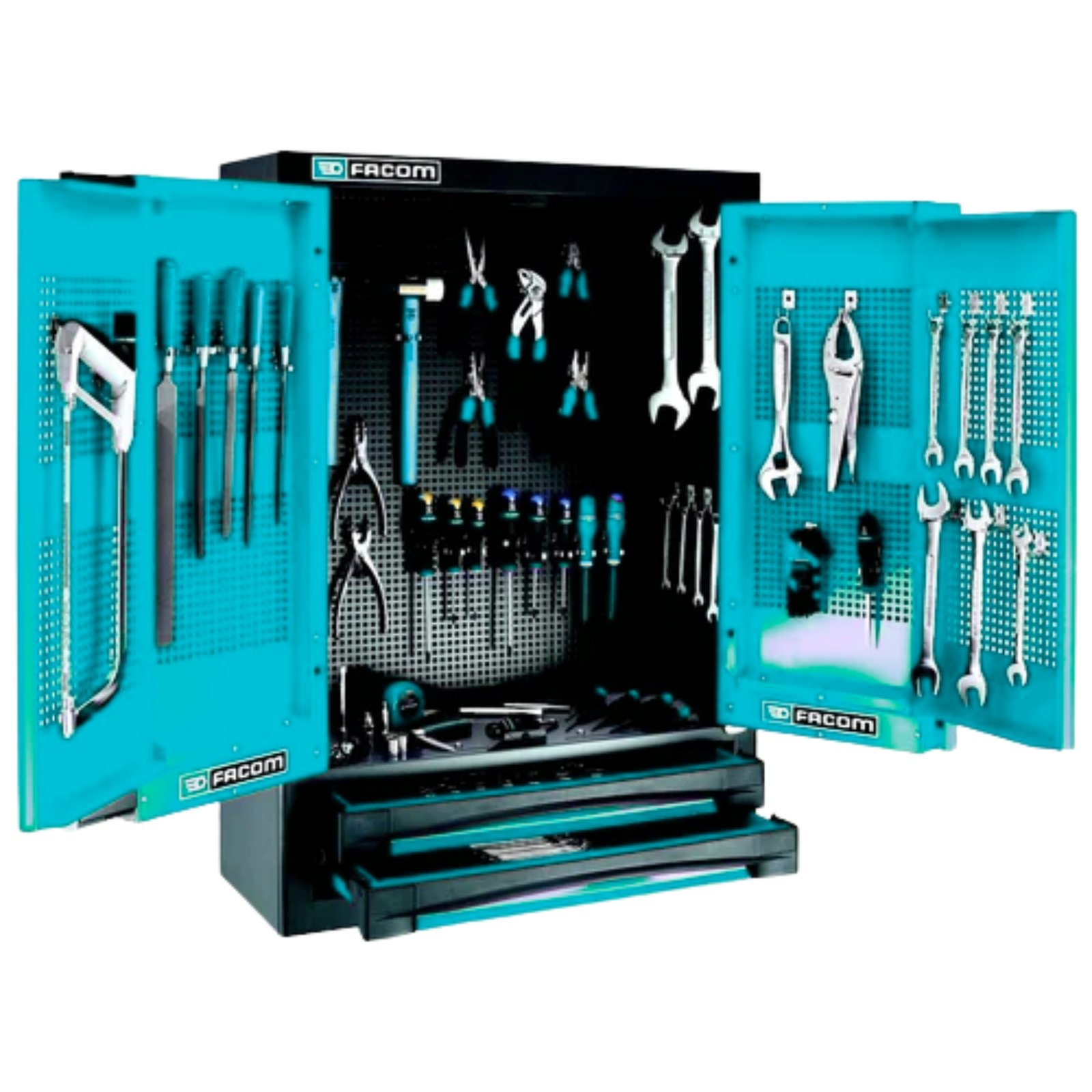
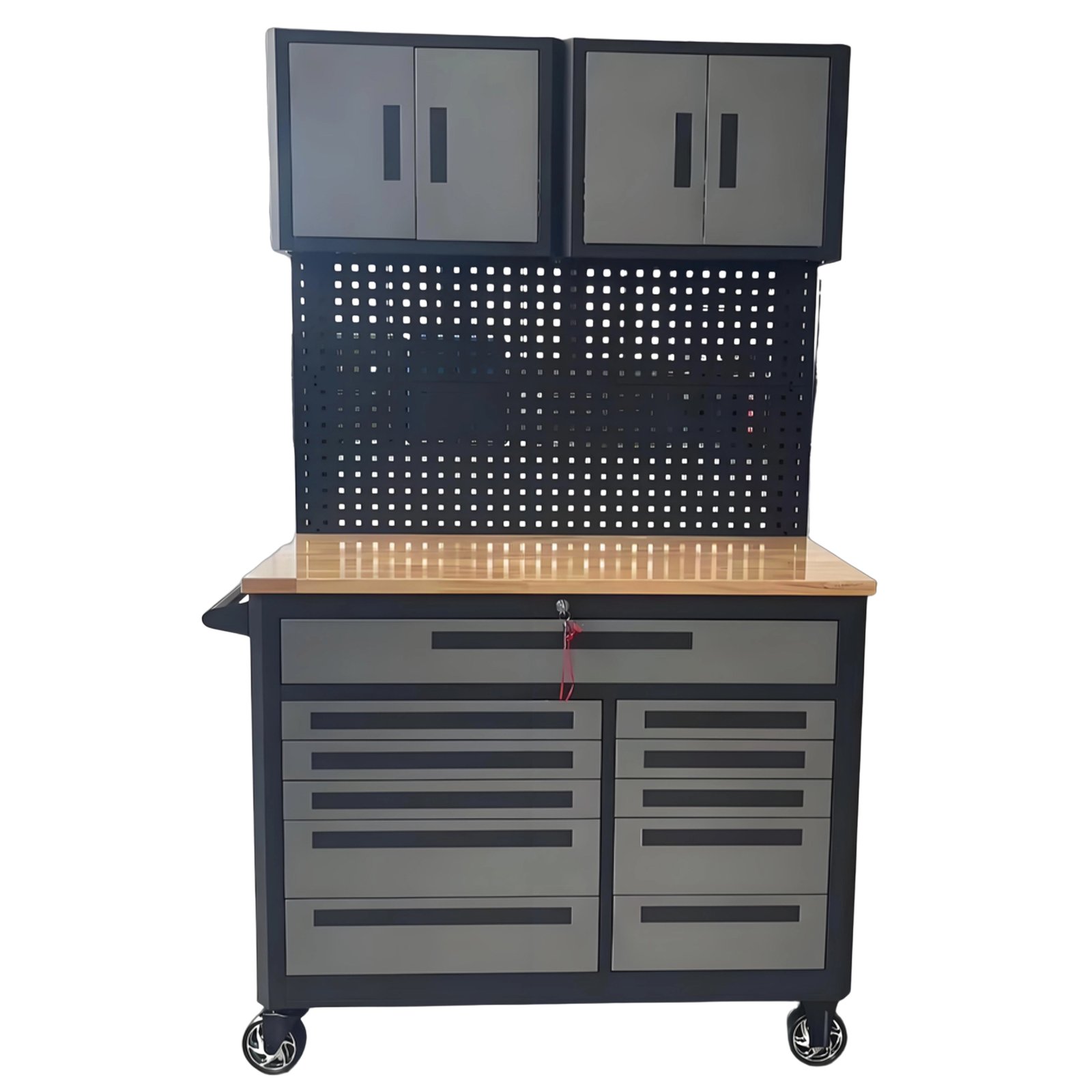
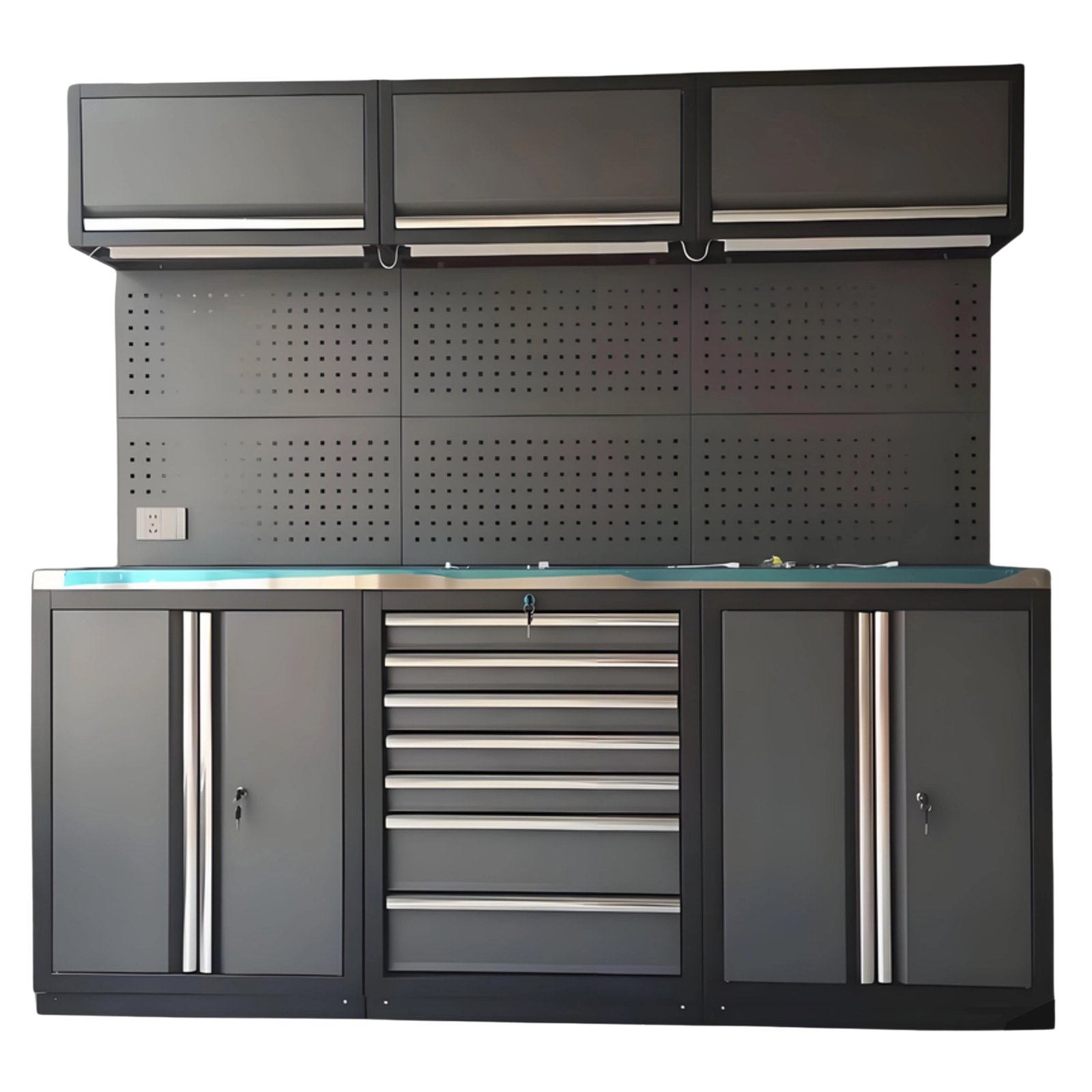
Wall-Mounted Tool Cabinets
Wall mounted tool cabinets are space saving since they are fixed to the walls. They carry small or medium tools in safes. You put up shelves and hooks with tools. Such an arrangement enhances visibility and speed of access. You make the most of vertical space and keep the workspace organized.
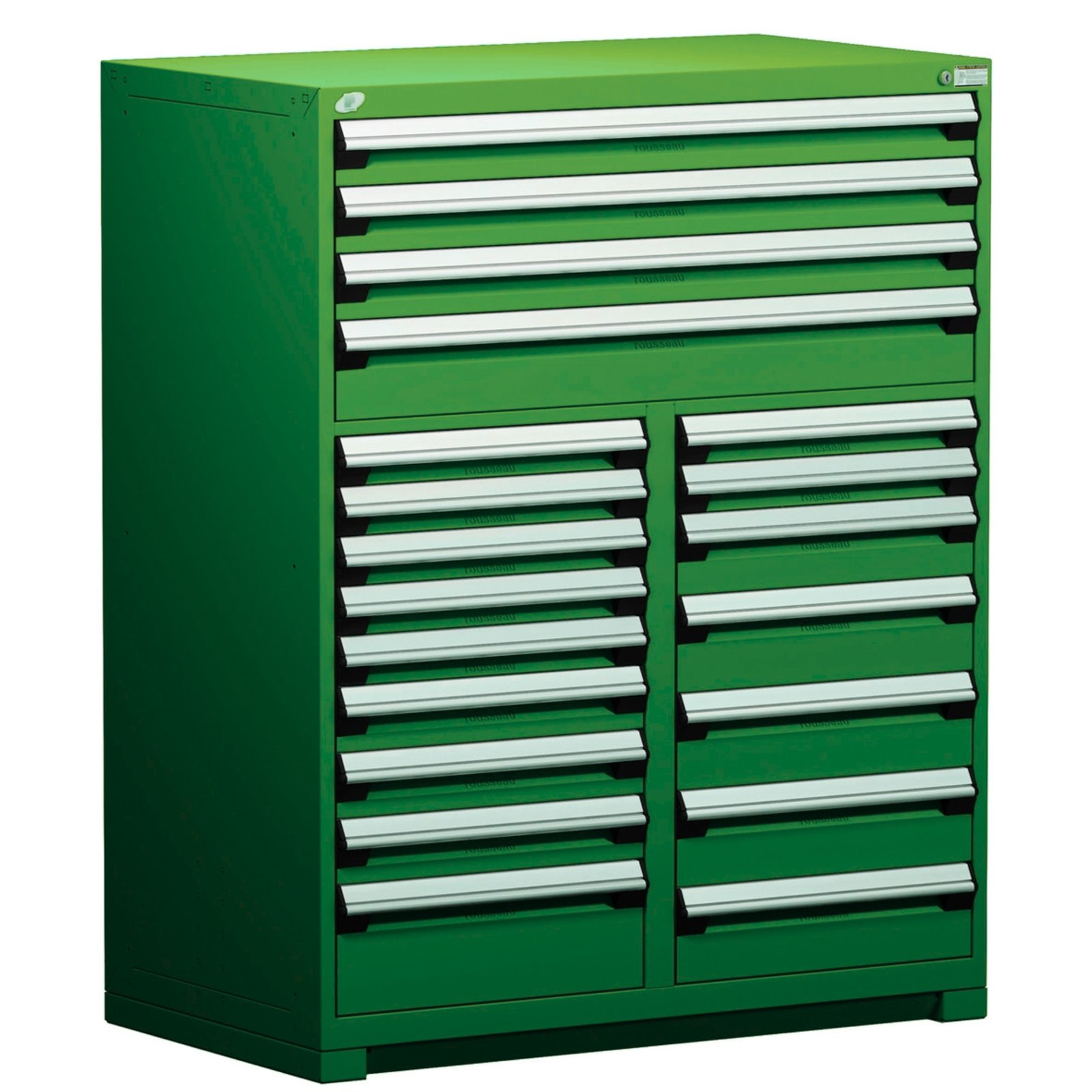
Stationary Tool Cabinets
Tool cabinets that are not moved remain stationary. They provide good construction of heavy tools storage. You keep big equipment and power tools locked up. These cabinets are applicable in workshops that have dedicated storage space and large volume of tools.
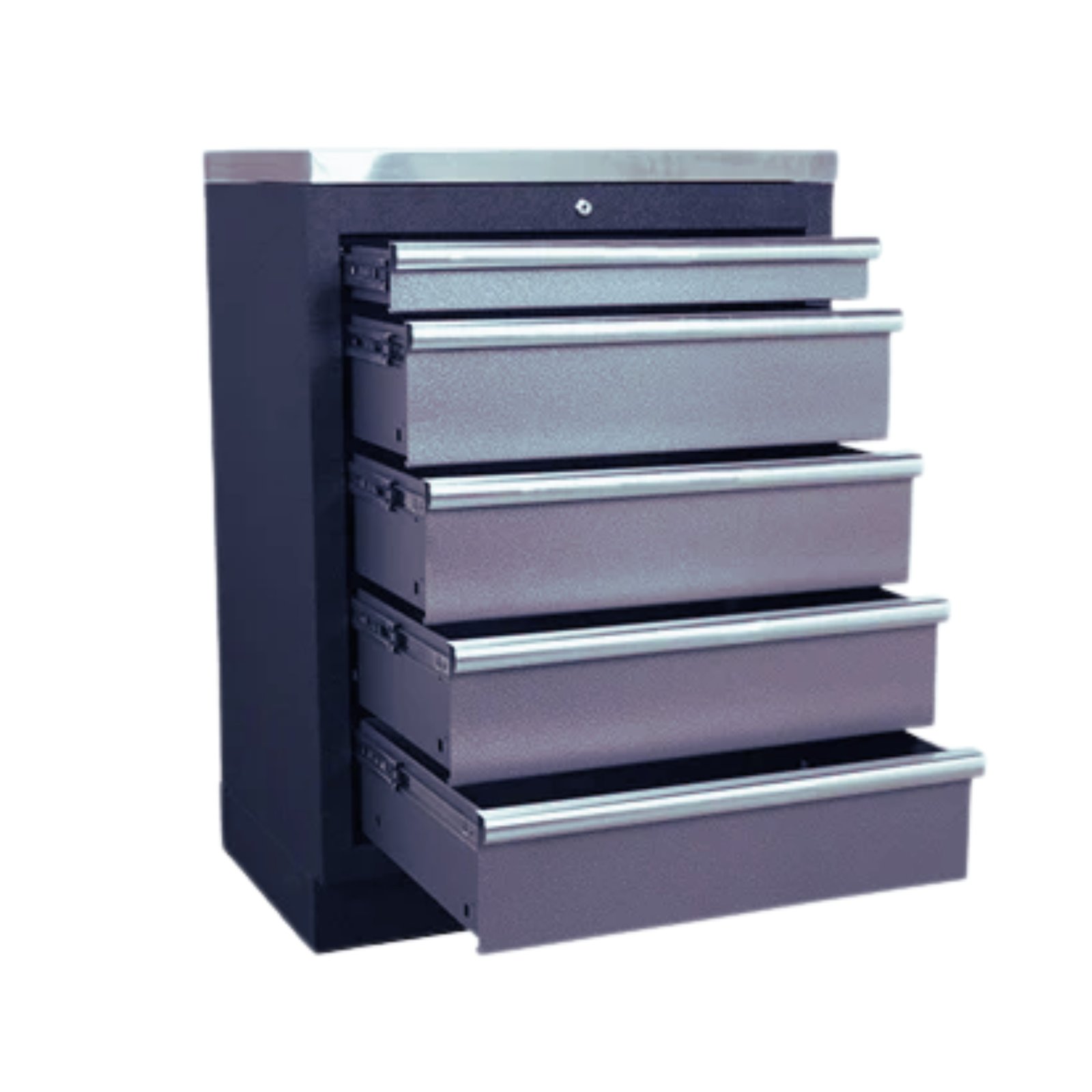
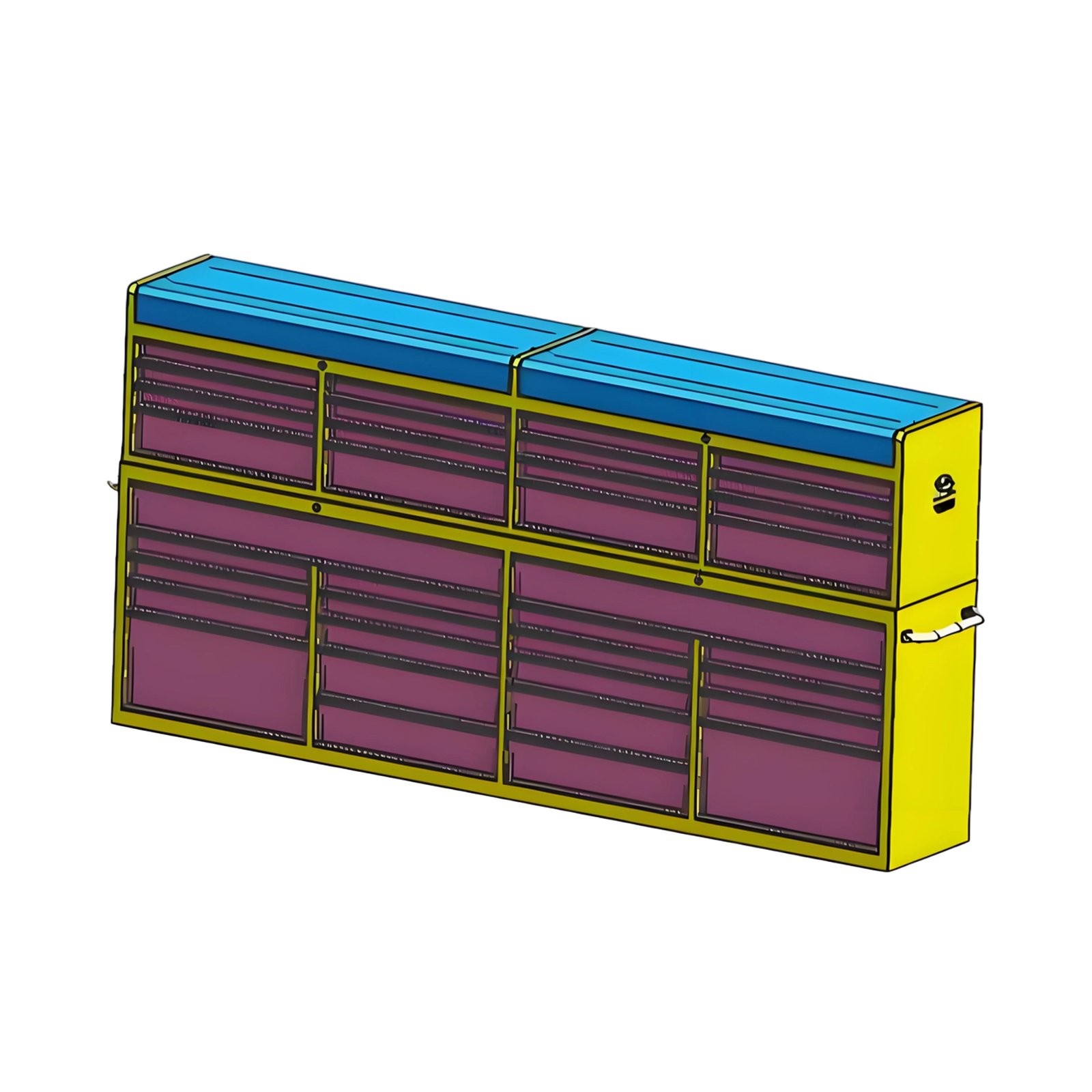
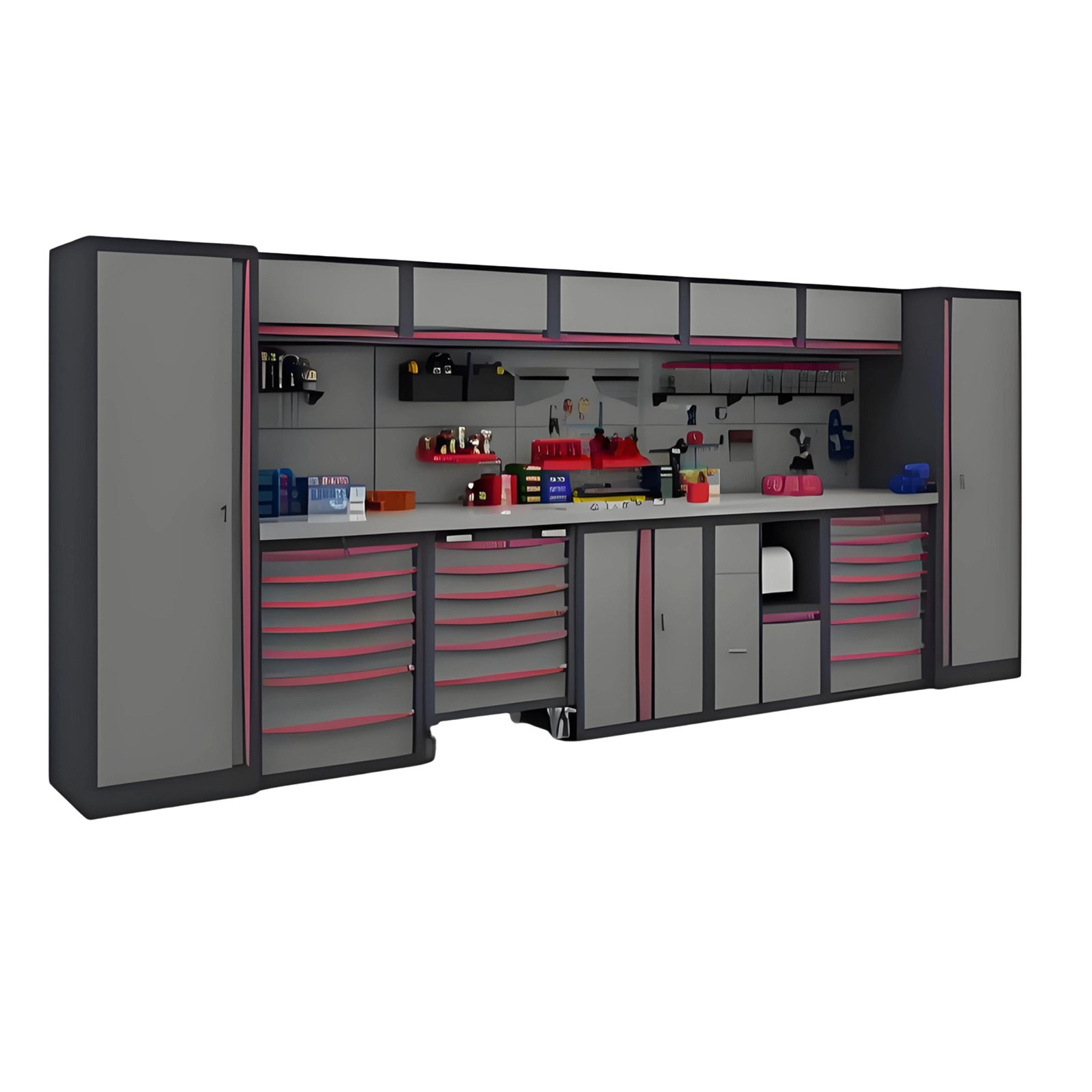
Modular Tool Cabinets
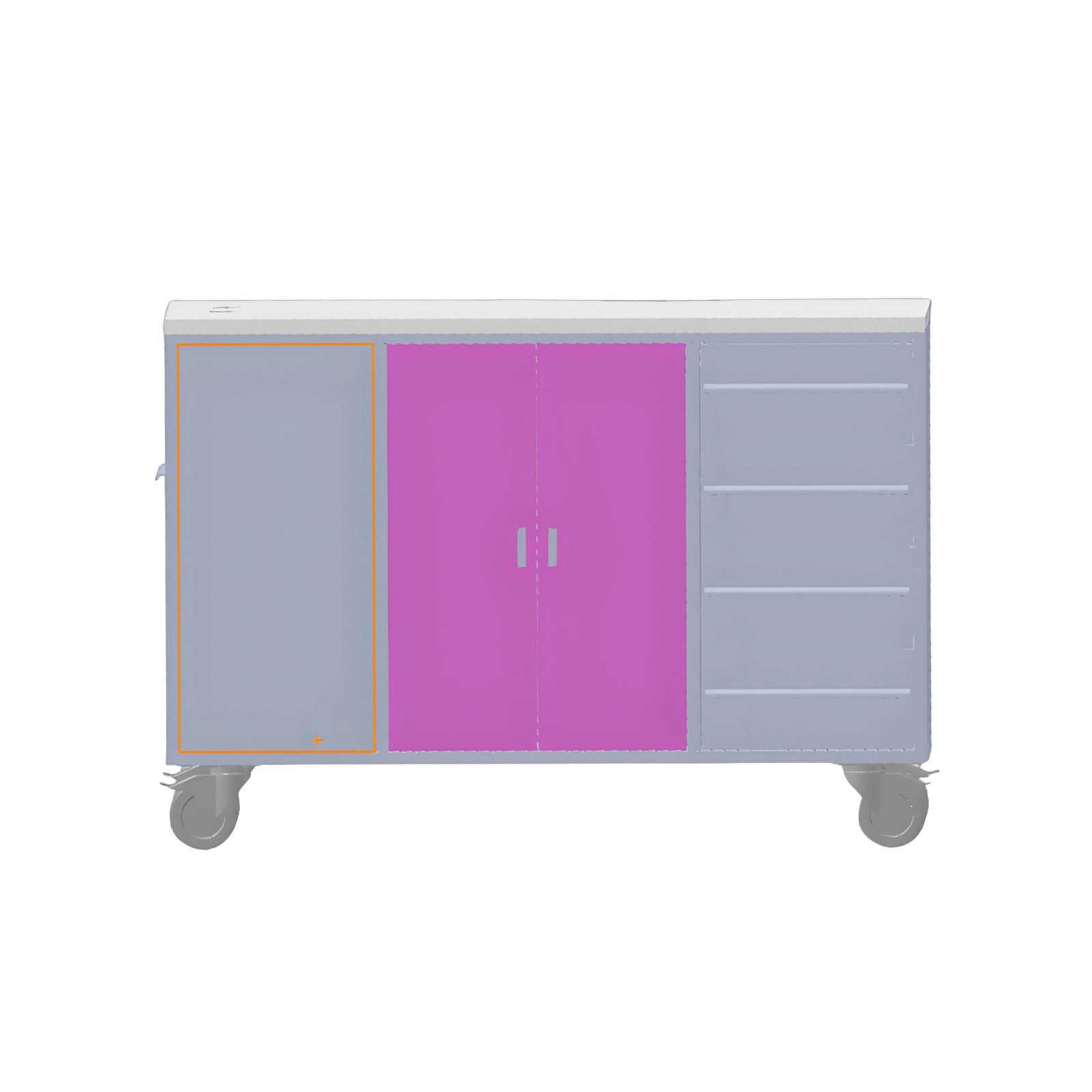
Tool cabinets are stackable and customizable in a modular way. You increase storage by adding compatible sections as you go. This is flexible to accommodate expanding tool sets. You can rework designs without much difficulty depending on workspace requirements and utilization.
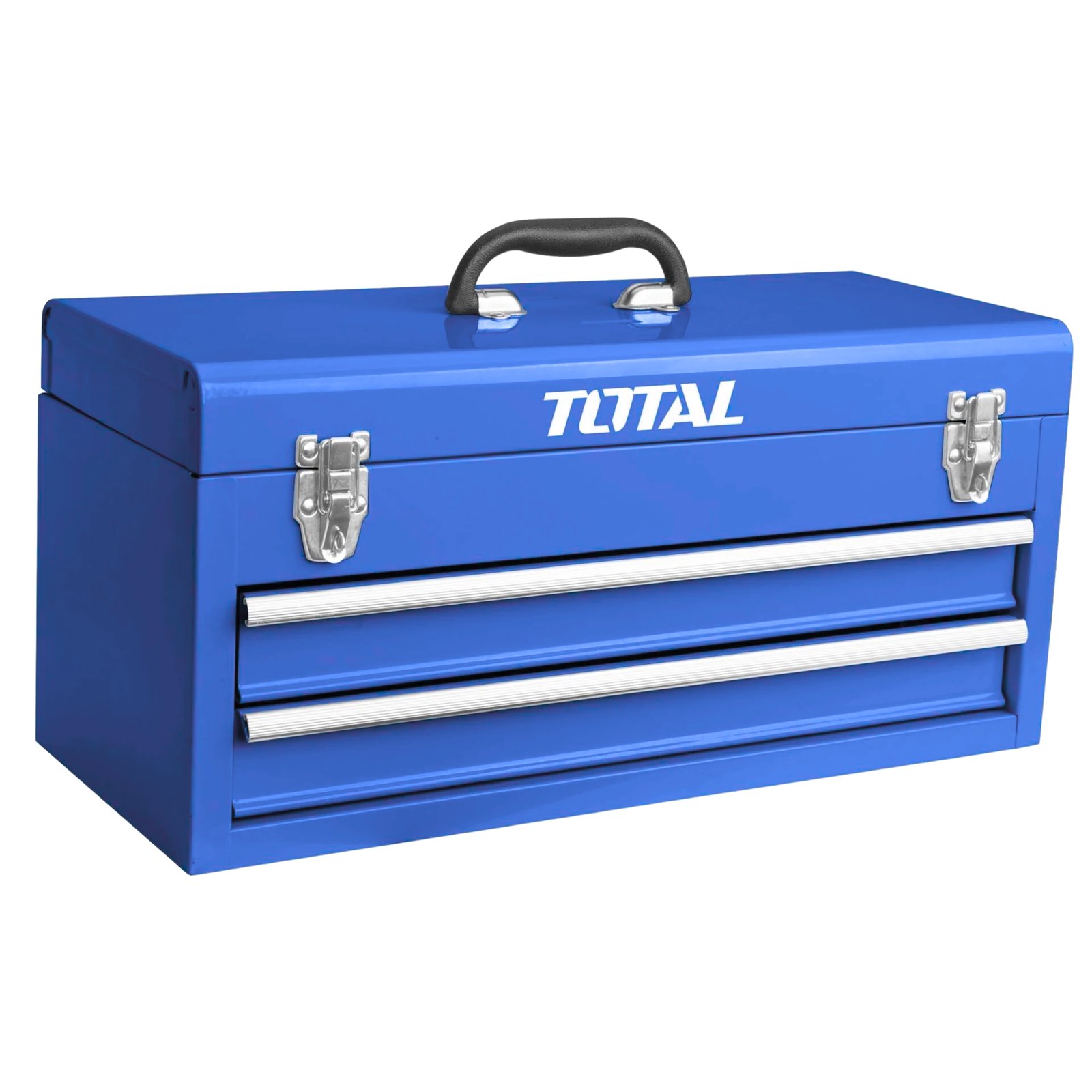
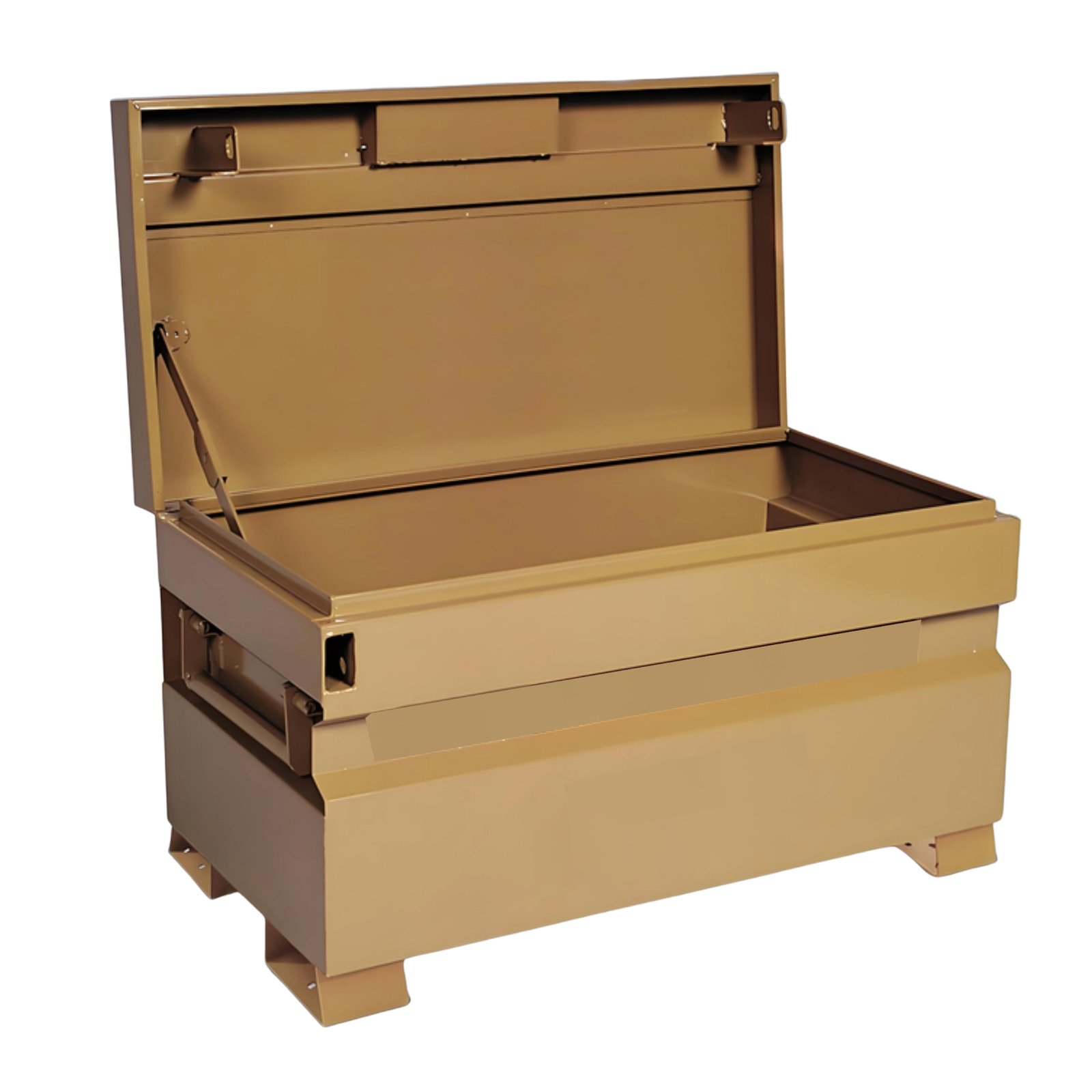
Portable Tool Boxes
Portable tool boxes are small boxes that can be easily transported. You bring important equipment to workplaces without much strain. They have handles and small tool compartments. The design is lightweight. You employ them in repair and maintenance and field projects.
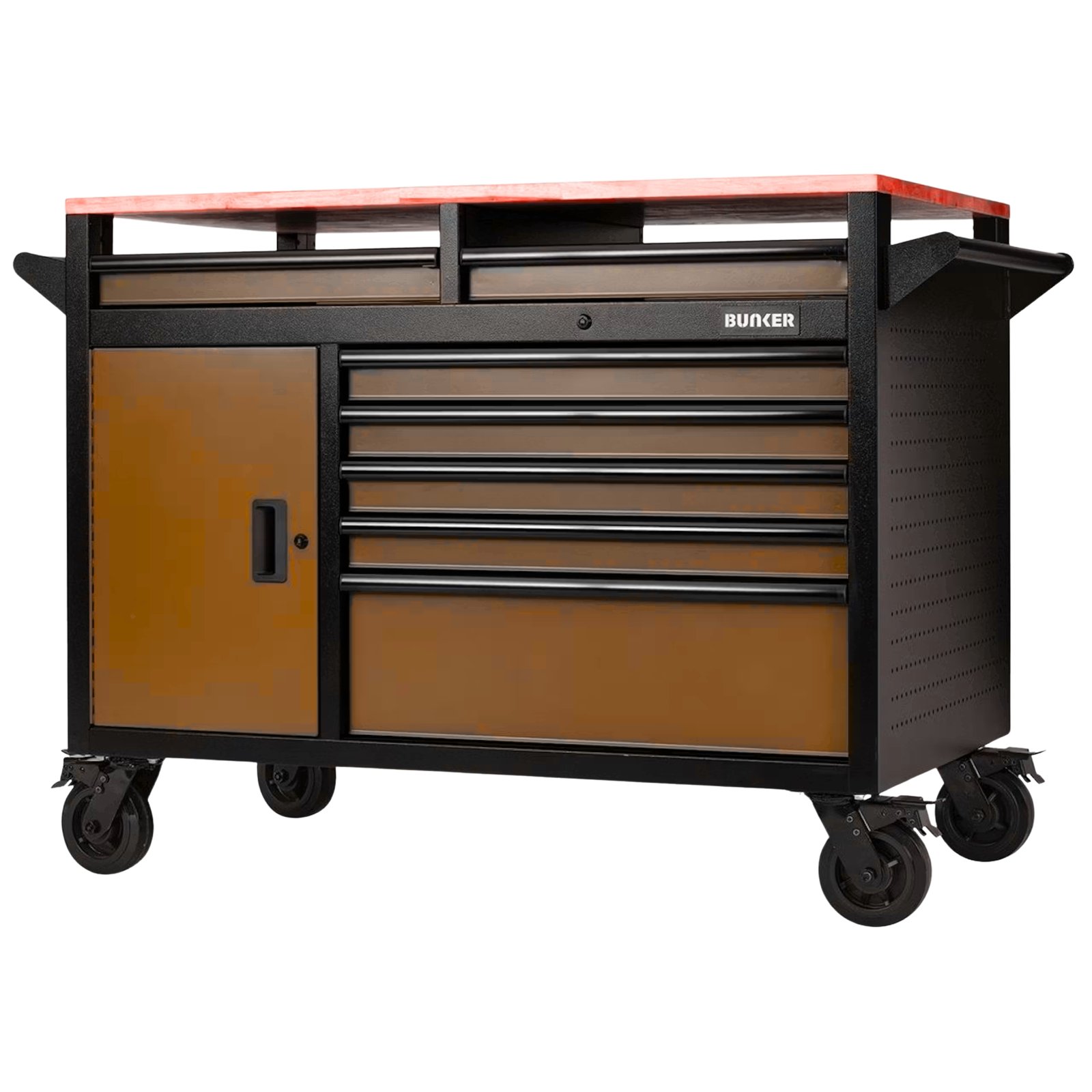
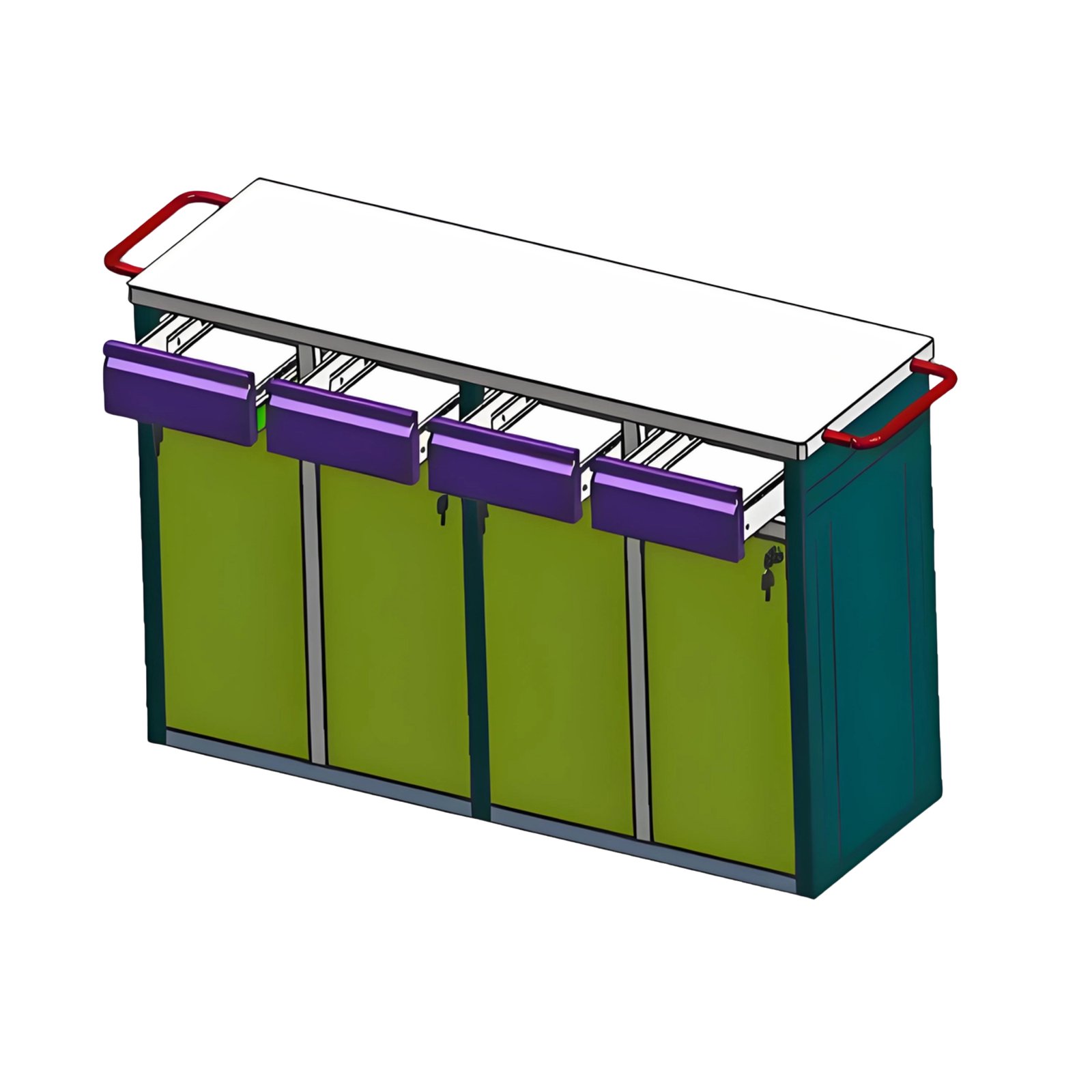
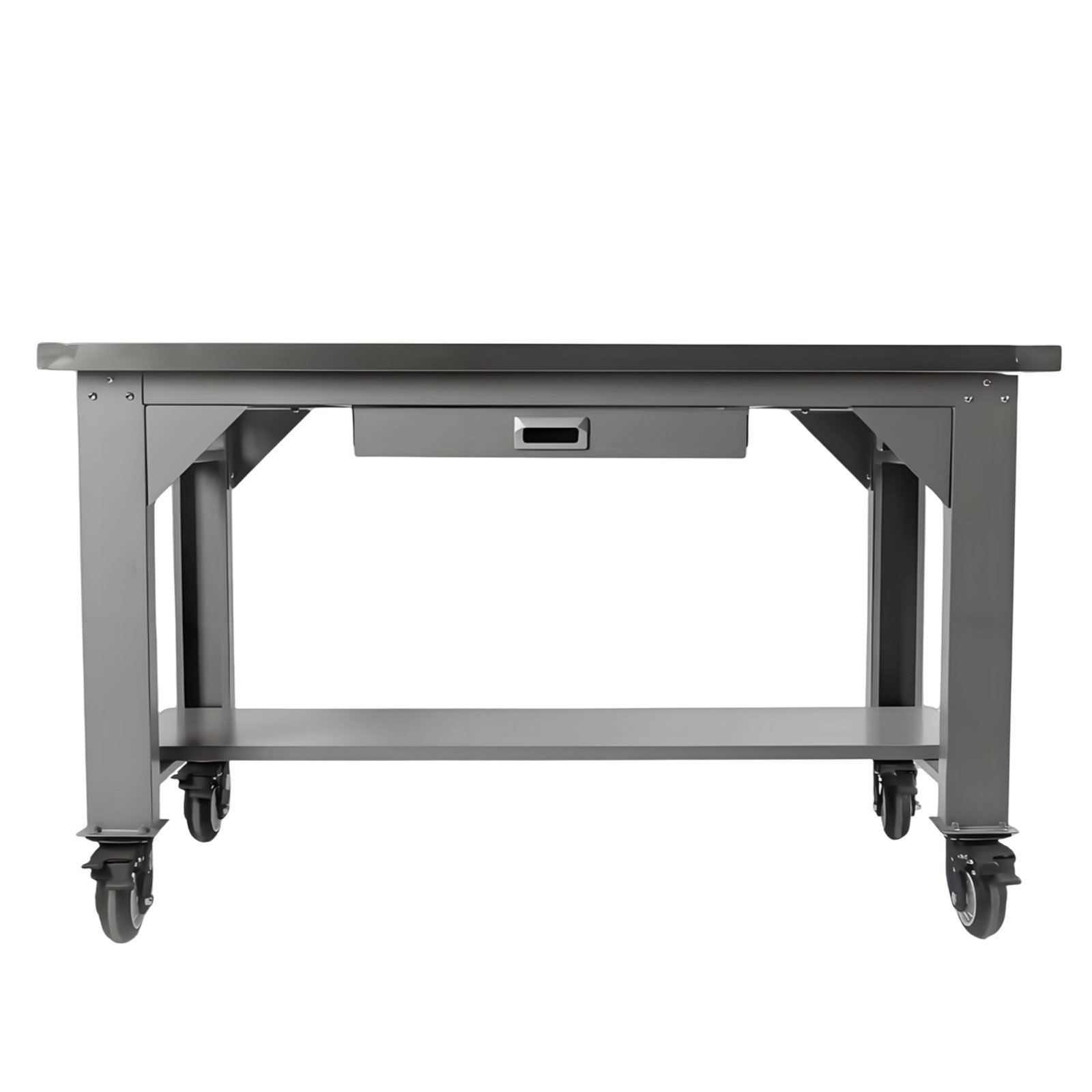
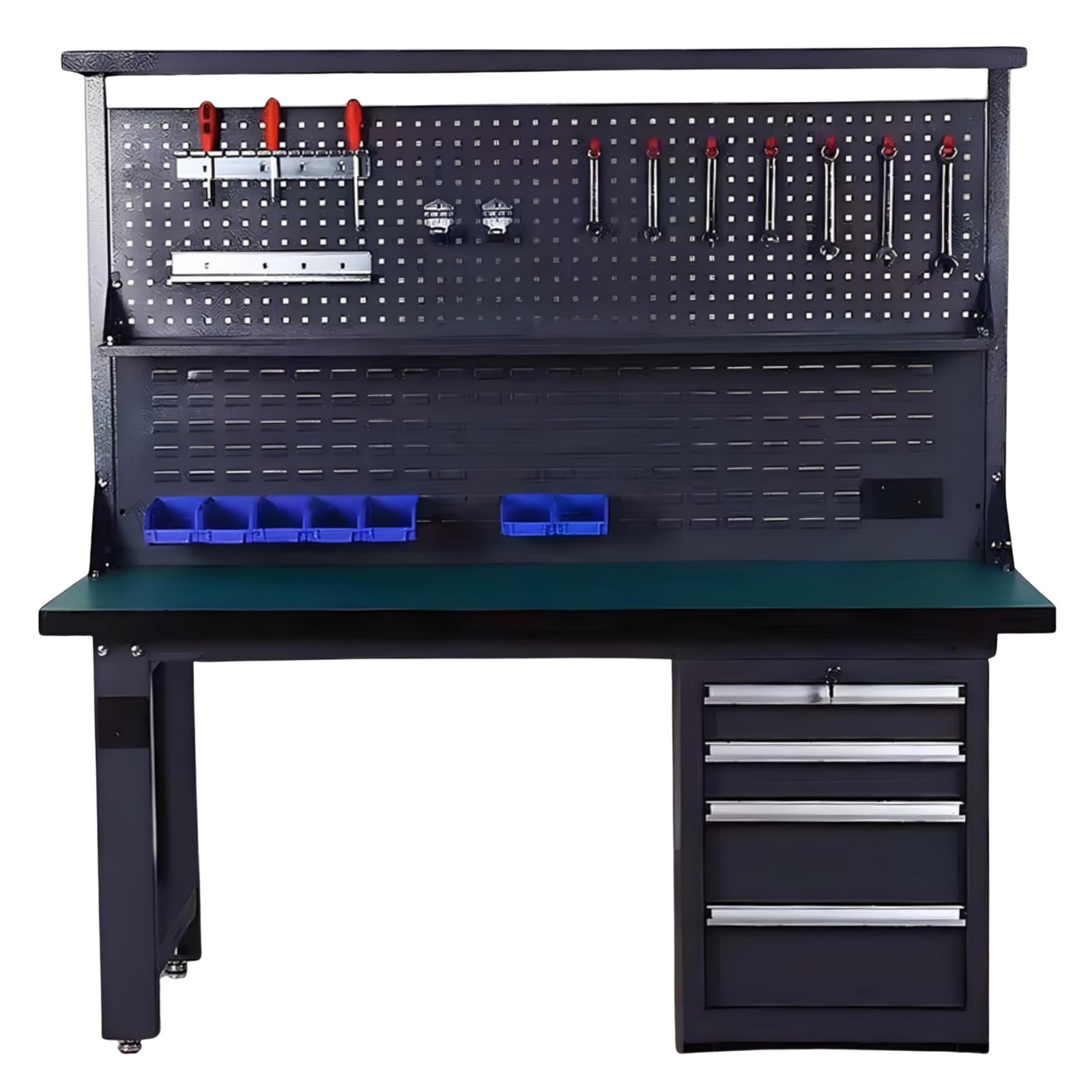
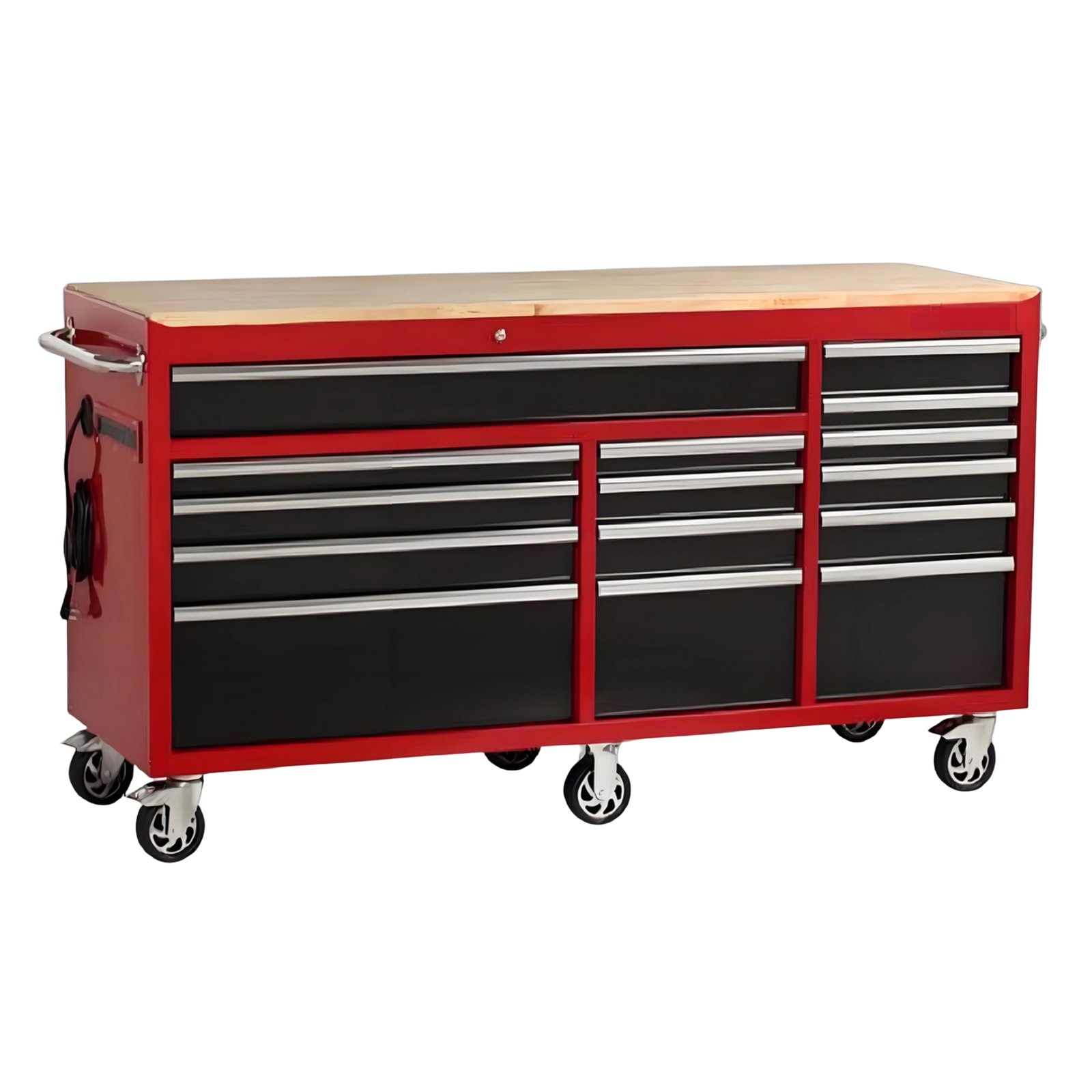
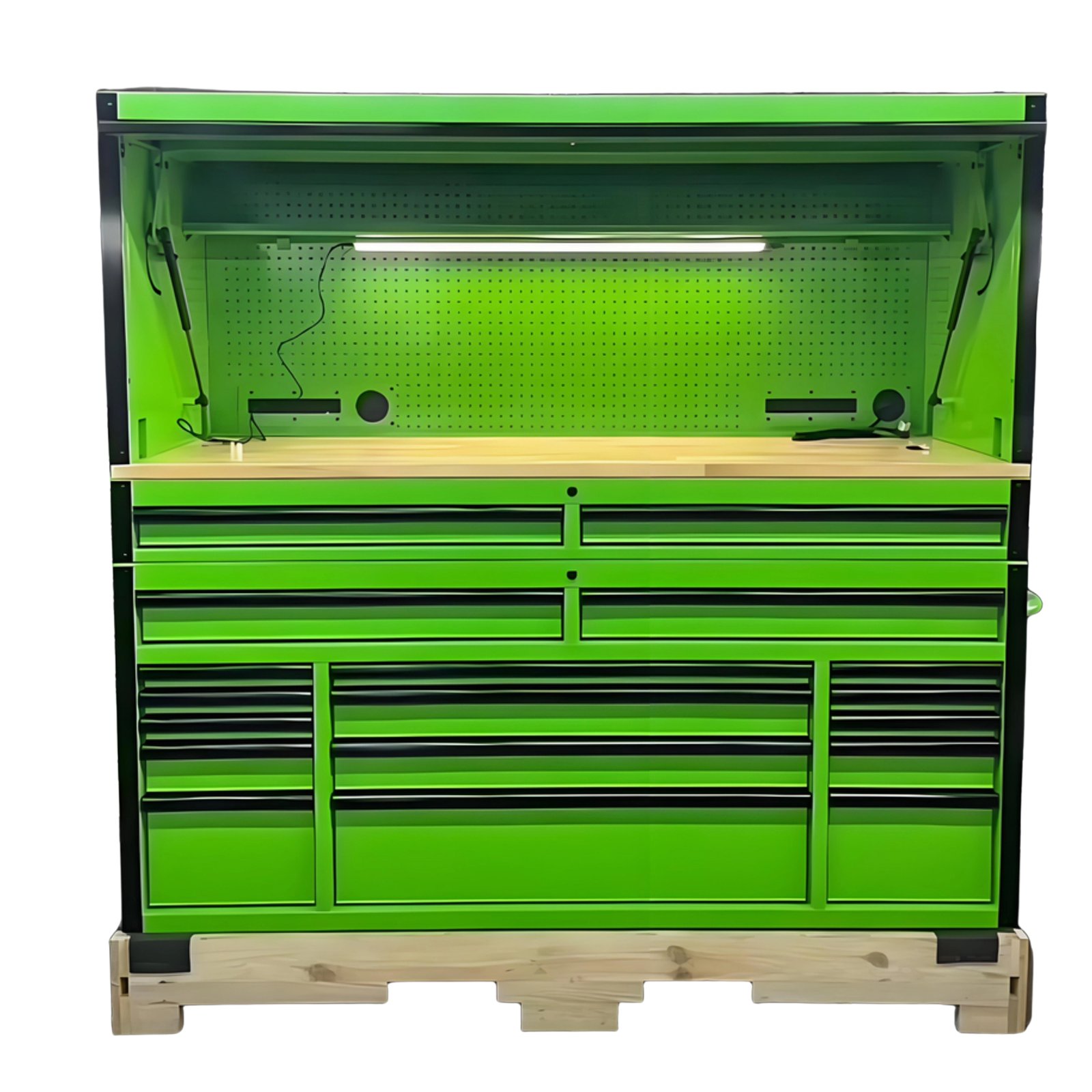
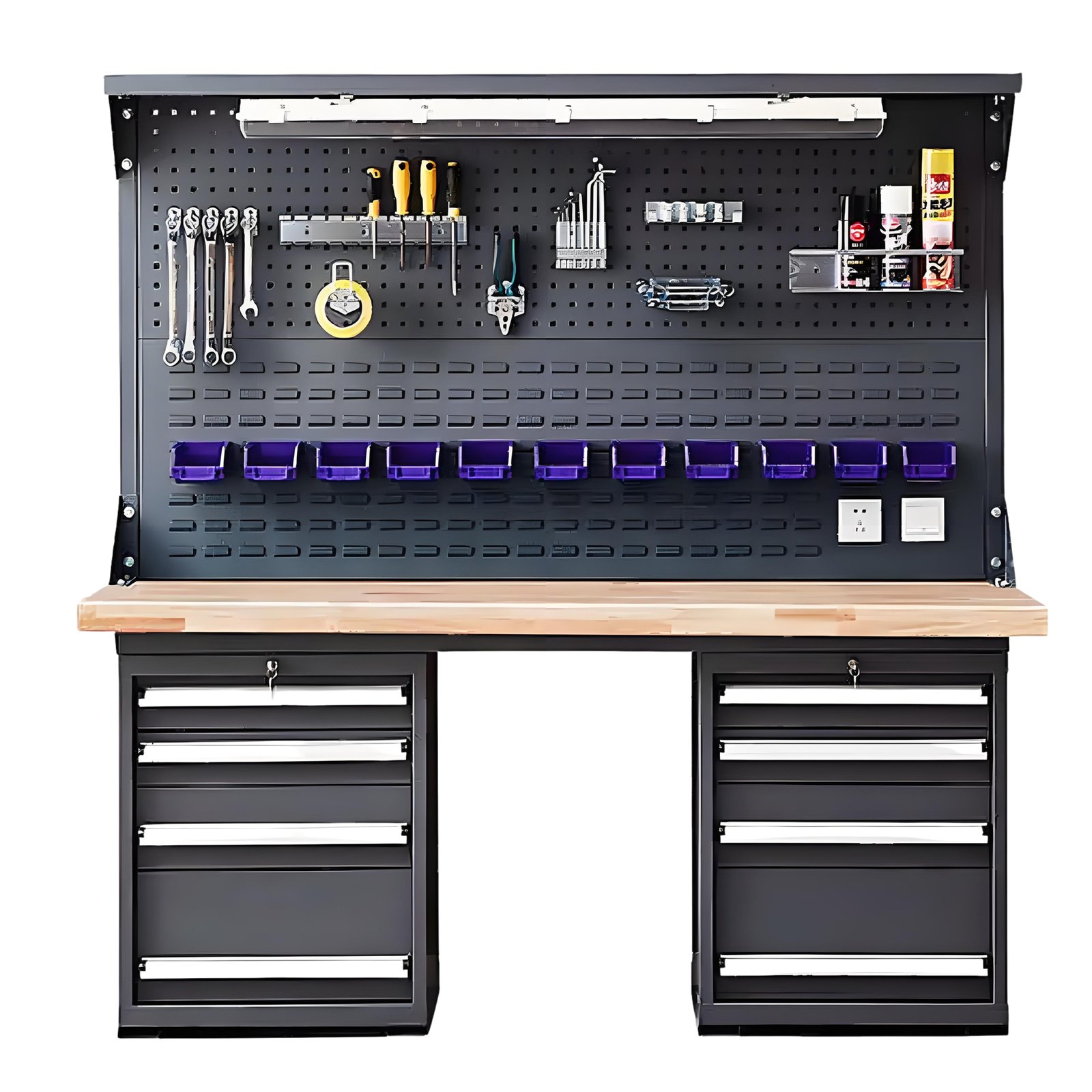
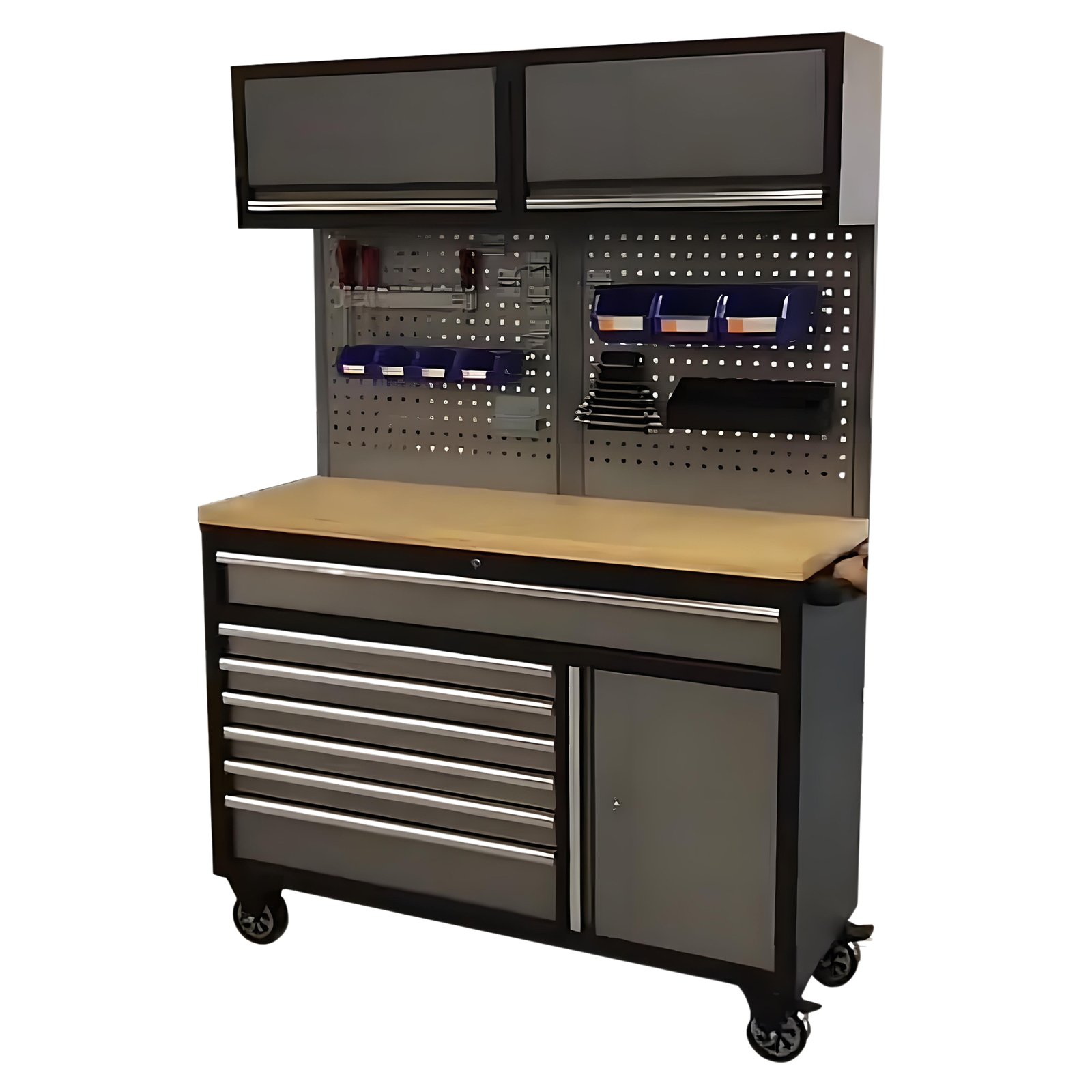
Workbench Tool Cabinets
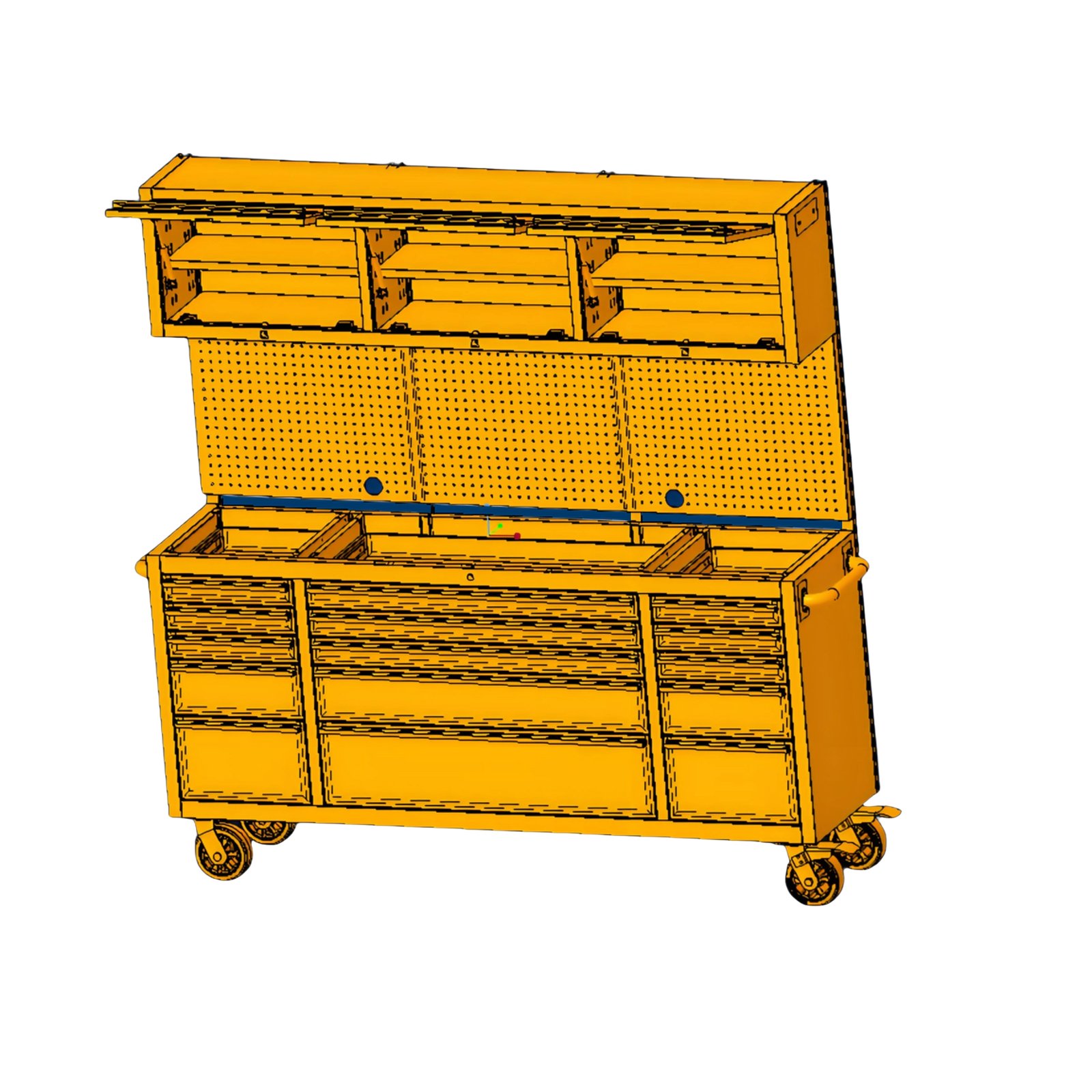
Workbench tool cabinets can be used with built in storage and a durable work surface. You work on projects and use the tools around you. Equipment is stored in built-in shelves and drawers. The compact layout conserves space in small shops. You enhance productivity and working space in a single unit.
Tool Cabinet Design
Mechanical and sheet metal engineers are the ones who design tool cabins and have a combination of manufacturing expertise and structural knowledge. They aim at developing functional, durable, and manufacturable storage systems. Designers create assemblies, simulate bends, produce flat designs, and manage tolerances using CAD systems such as
- SolidWorks
- Autodesk Inventor
- Siemens NX
- PTC Creo
Kinds of Parts That Can Be Designed
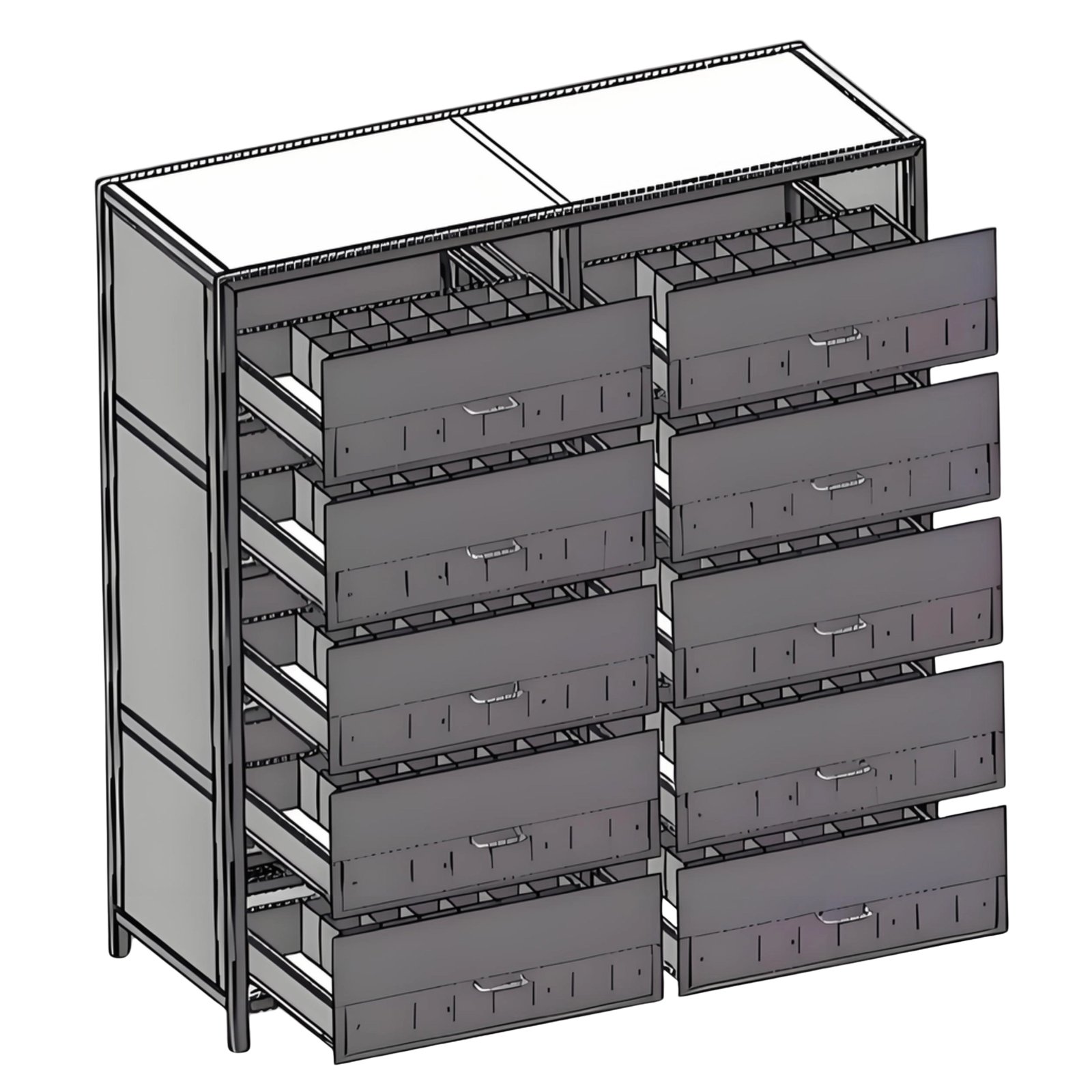
Tool cabinet systems consist of frames, side panels, back panels, drawers, drawer fronts, dividers, brackets, reinforcements, base plates, caster mounts, lock housings and slide rails. All the parts are dimensionally aligned to make assembly easy, load steady and durable. Locks, handles and anti-tip systems are also hardware integration and are designed at the design level.
Structural Engineering & Material Parameters
Strength is based on material thickness and bend parameters. It is usually made of cold rolled steel (1.0 – 2.0mm). Important criteria are a radius of bends ≥ material thickness (R ≥ T) and minimum height of flanges (H ≥ 2T + R). Homogenous thickness enhances manufacturability, and folded edges and stiffeners enhance load capacity, so drawers can hold 30 – 100 kg with ease.
Bending Calculations, Tolerances & Clearances
Correct flat patterns are obtained by accurate computation of bend allowances based on radius, thickness, angle, and K-factor (0.3 – 0.5 of steel). The springback can be controlled through minor overbending (approximately 1. The hole diameter must be at least the thickness, the spacing must be at least 2T, and the distance between bends must be at least 1.5T + R. Tolerances in manufacturing and clearances between bends will keep parts aligned and allow the drawers to slide smoothly.
Durability, Safety & Manufacturing Optimization
Powder coating (80-100 microns) and reinforced methods of folding are used to improve durability. The safety measures are anti-tipping, powerful locks, and a solid base. Design for manufacturability (DFM), standardized bends, and modular components are used to minimize production errors without compromising strength, functionality, and cost-efficiency.
Tool Cabinet Machining Process
Laser Cutting
Laser cutting is used to cut metal sheets accurately. Laser cutting also produces precise patterns and cuts which minimize wastage of materials. Tool cabinet parts are subject to consistent results, which are ensured by automated control systems. Accurate cutting enhances structural alignment and stability. High production efficiency and clean edges are ensured by advanced equipment.
Sheet Metal Bending
Bending of sheet metal creates panels in the shape and angles needed. Folds are made using controlled pressure with press brakes. This enhances stability and structural integrity. Correct bending ensures frame and door panel assembly and fit. Accurate tooling provides consistency in quality between production batches.
Welding
The welding process is used to connect metal components to build strong cabinets. MIG welding, argon arc welding and spot welding help to meet various joint requirements. Both approaches establish close and trusted bonds. Clean welds increase loading capacity and longevity. Strict control guarantees constant structural performance and prolonged service life.
Press Riveting
Press riveting is used to fasten metal parts without welding heat. Parts are held together by rivets pressed. This technique enhances the speed of assembly and stability. It offers dependable fixing of panels and internal supports. Vibration resistance and assembly efficiency are enhanced with riveting.
Stamping
Stamping is done using press machines and dies to form shapes, holes and patterns. Mass production is done by creating consistent metal components. Standardized parts enhance efficiency and precision in production. Accurate stamping reduces human error. It guarantees good parts to make the tool cabinets.
Drilling
Drilling makes the right holes in screws, locks, and accessories. Robots have high accuracy in positioning in creating holes. Precise drilling facilitates easy installation of hardware. Guide rails and panels are fixed with strong fixing points. Controlled drilling improves the accuracy of assembly and reliability of products.
Grinding
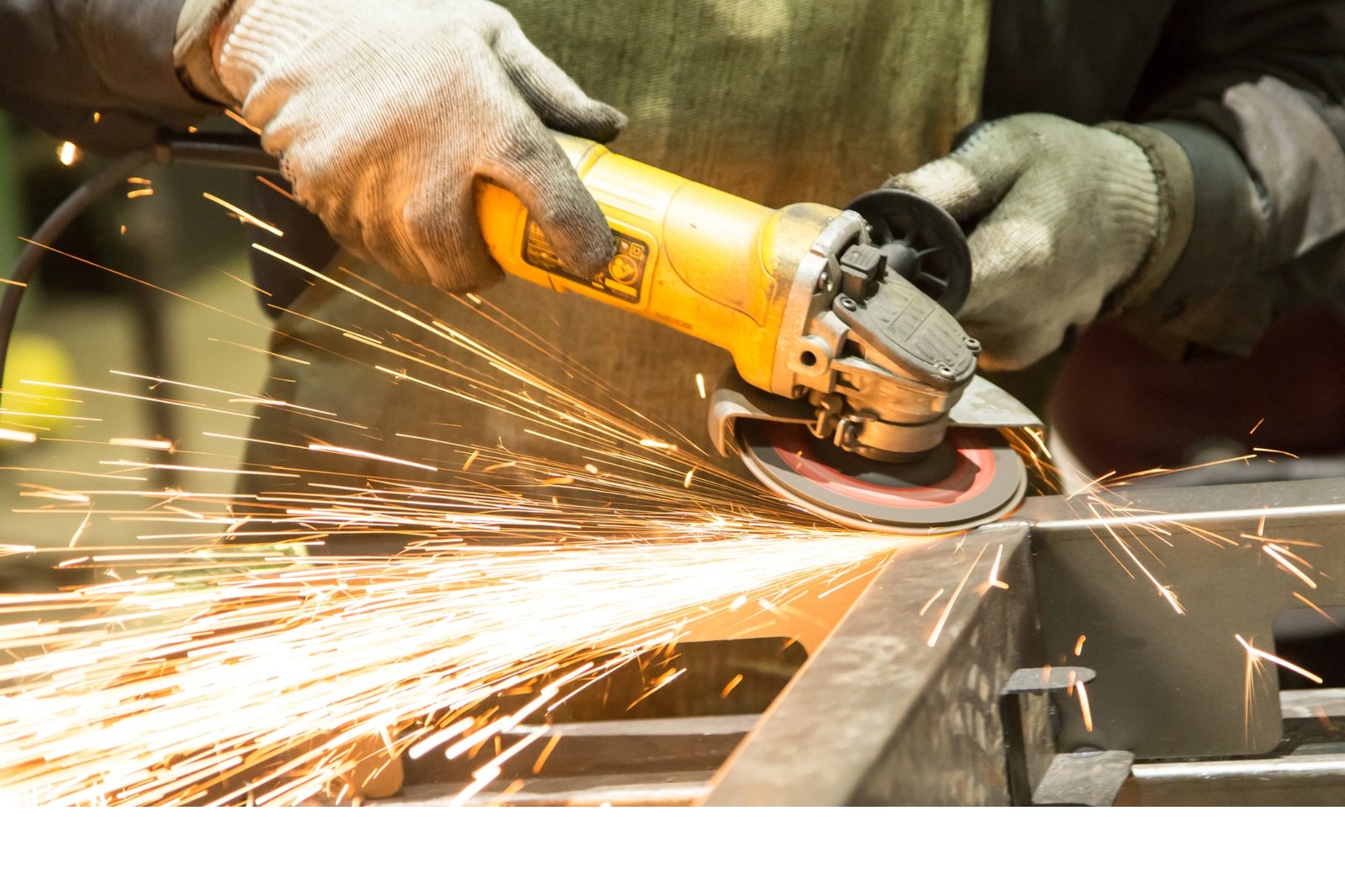
Fabrication Grinding after welding to remove sharp edges. Tools are used to eliminate burrs and surplus material on metal components. Surface refining enhances safety and looks. Grinding provides the preparation of components to be coated and finished. It enhances the general quality and the surface uniformity of the product.
Powder Coating
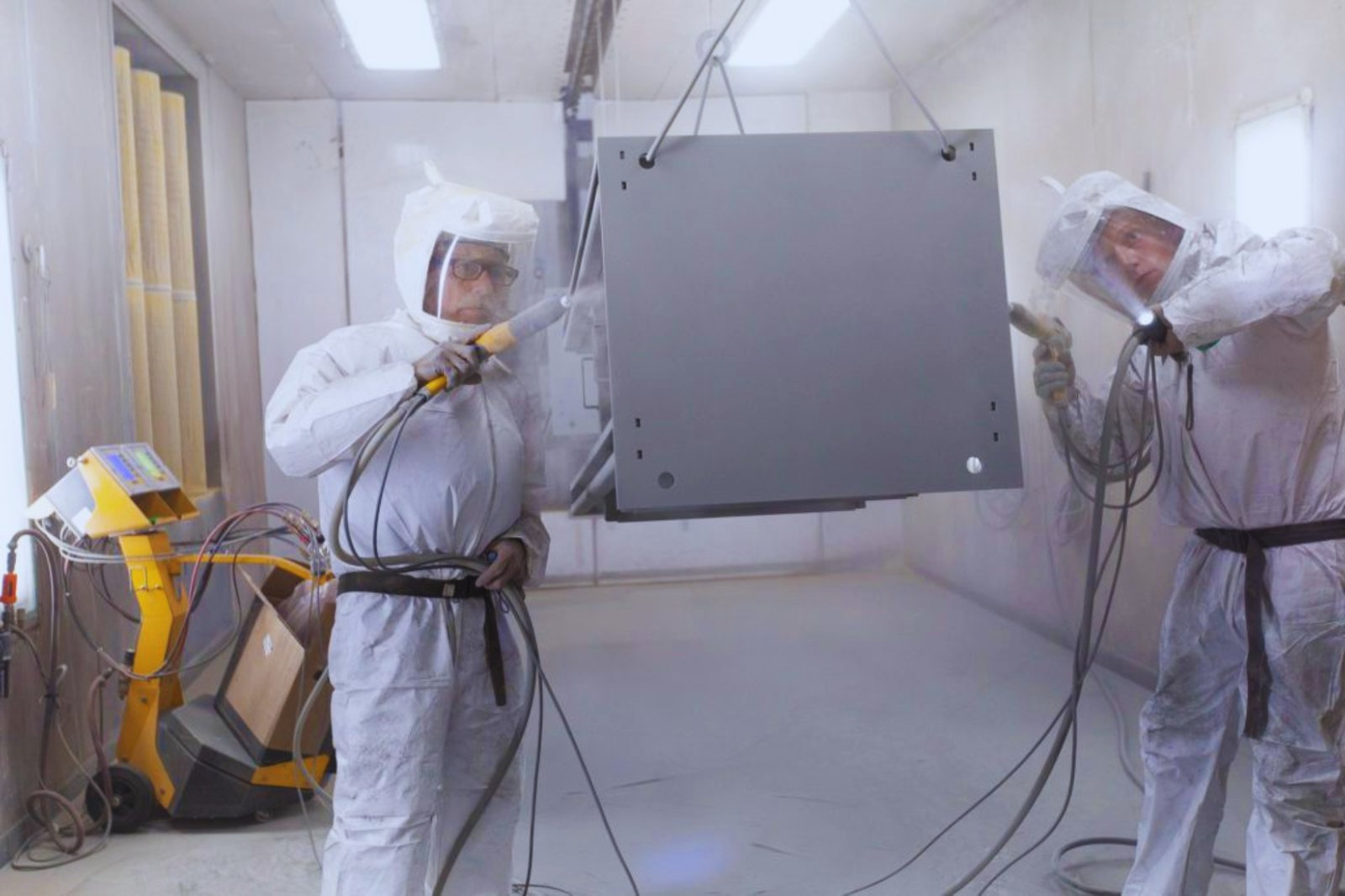
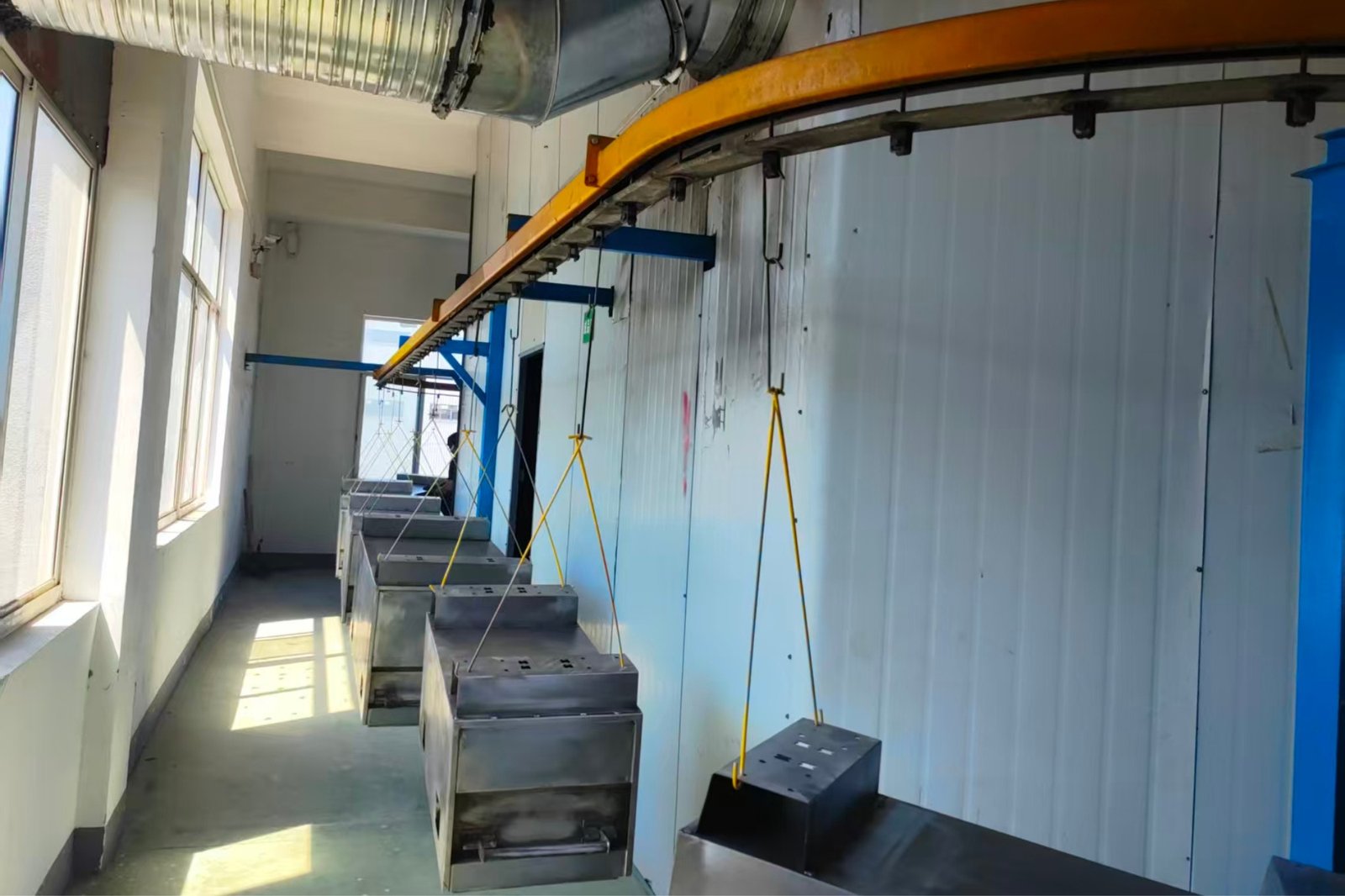
Powder coating is a protective and decorative coating. Electrostatic powder sticks on metal. This coating enhances corrosion protection and life. It improves visual attractiveness and scratch resistance. Proper curing guarantees the surface protection of tool cabinets.
Assembly
Assembly is the process of assembling all parts into a tool cabinet. Guide rails, gas struts, aluminum strip and locks are fitted with care. Other components are casters, partitions and panels. Accurate assembly guarantees flawless operation and framework. The overall inspection is done as to confirm functionality and quality.
Common Tool Cabinet Materials
- Stainless Steel: Stainless steel is resistant to corrosion and rust in harsh surroundings. It is highly durable and has a high life span. You have a professional appearance with minimal maintenance requirements.
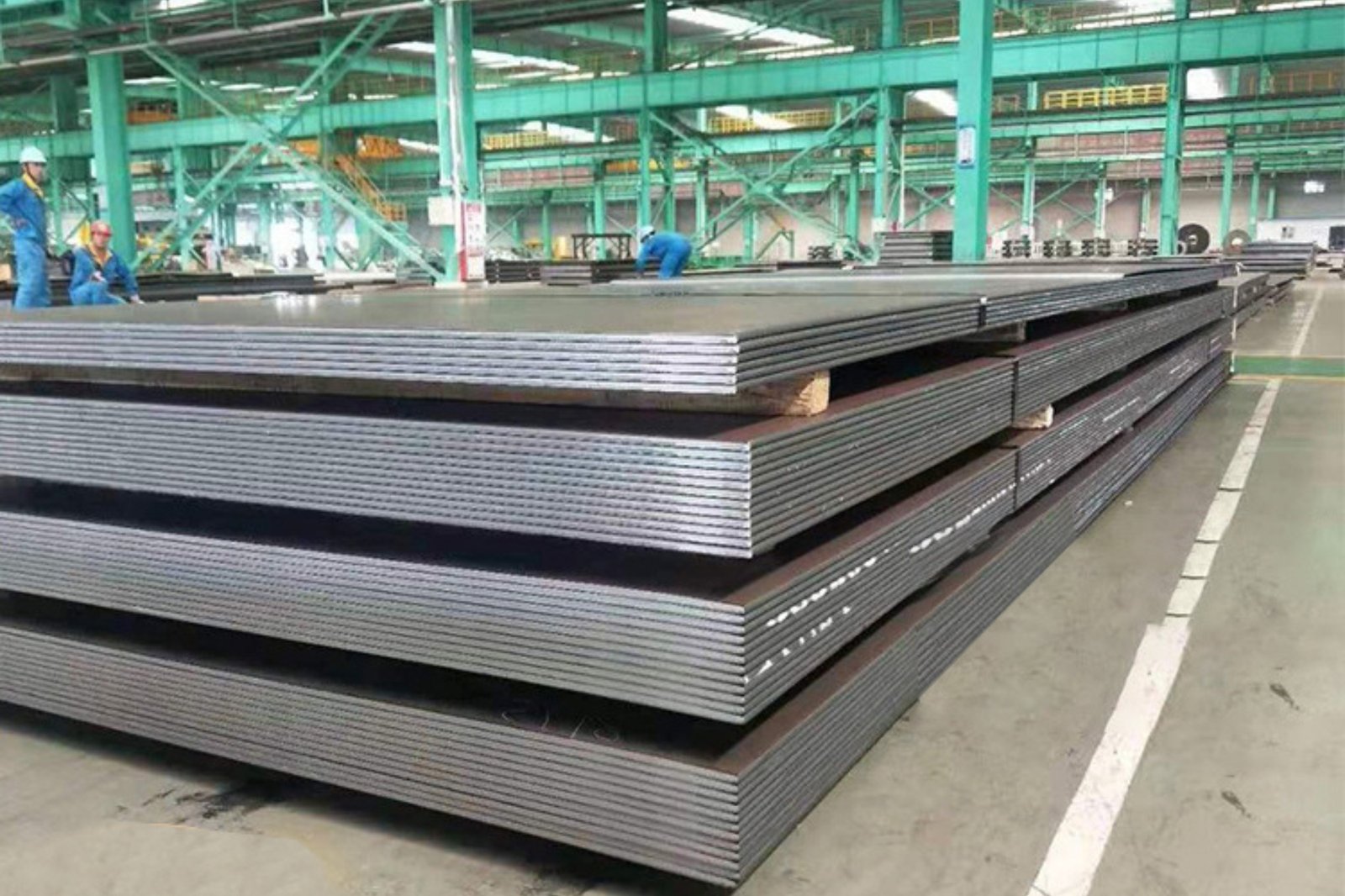
- Cold-Roll Steel Sheets: Cold-roll steel is very strong with smooth surface finish. It does not bend easily when storing heavy tools. You have the added advantage of improved shaping accuracy and sound structural support.
- Aluminum: Aluminum is a light but strong tool cabinet. It is rust resistant and can withstand frequent movement. You get the portability with good performance and contemporary look.
- Galvanized Steel Sheet: Galvanized steel is steel with a protective layer of zinc which prevents corrosion. It enhances resistance to moisture or outdoor environments. You provide storage with long-term protection and stability of performance.
- Chequer Plate: Chequer plate has a textured surface, which provides increased grip and strength. It increases impact resistance and safety. You select it to be used in heavy-duty and to store industrial tools.
Surface Finishes You Can Utilize for Tool Cabinets
Tool cabinets have a smooth and durable look courtesy of powder coating. It is not easily scratched, corroded or fades away with heavy use. In this process, dry powder is used and dried with heat. You obtain good protection and clean professional appearance of long-term performance.
Powder Coating
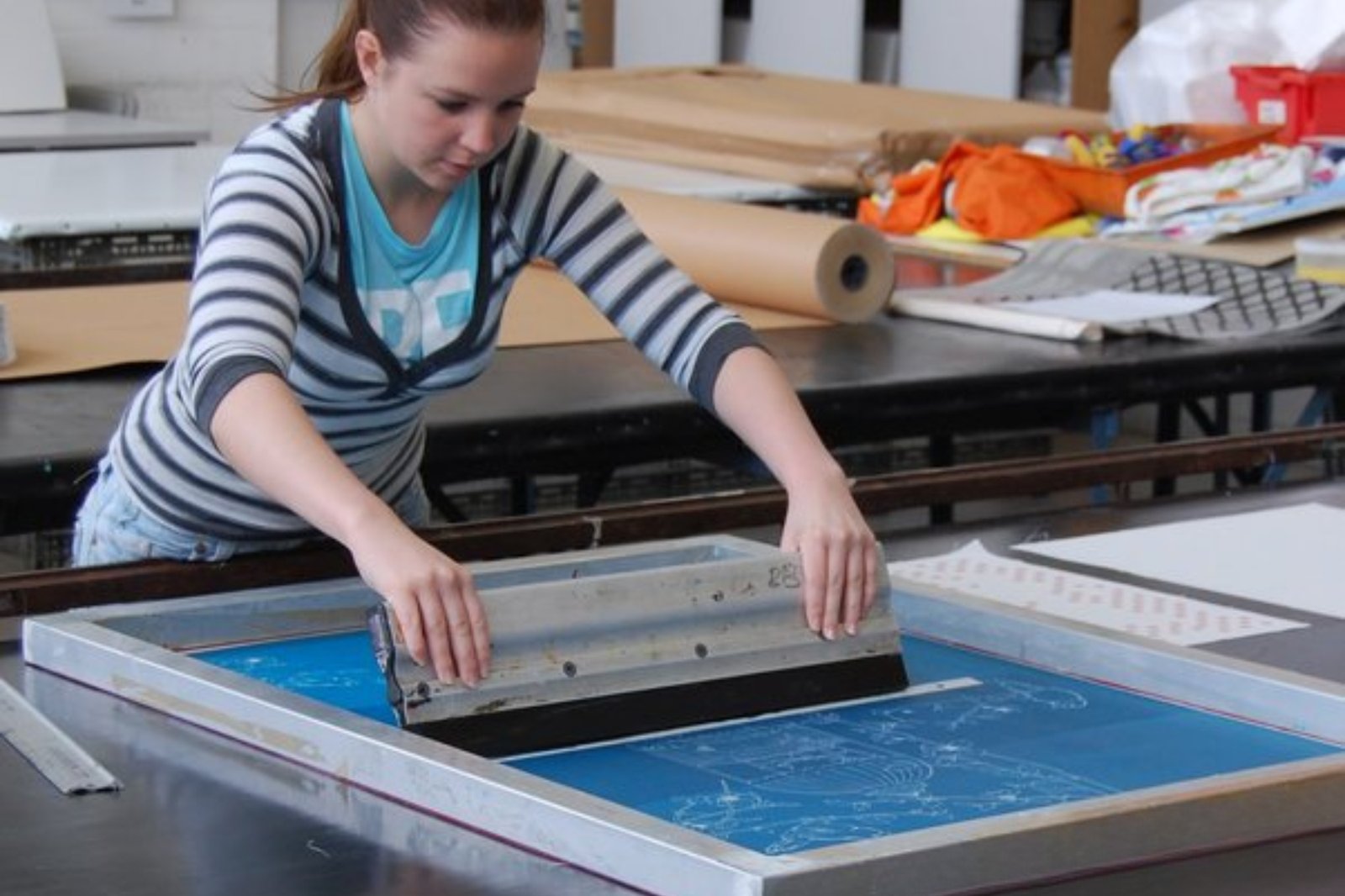
Silk screening is used to apply logos, labels and brand information directly onto surfaces. It applies ink onto a mesh stencil to create clear designs. You are able to enhance product recognition and brand exposure. The finish remains clean and clear even under the rigorous conditions of the workshop.
Silk Screening
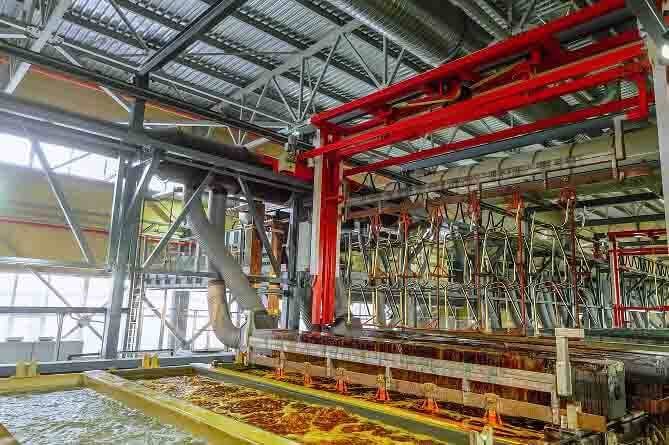
Anodizing is used to provide a protective oxide on metal surfaces. It enhances rust resistance and wear resistance and provides color choice. You make it last longer without making it look ugly. This is suitable in applications that need high surface protection and attractive looks on the aluminum tool cabinets.
Anodizing
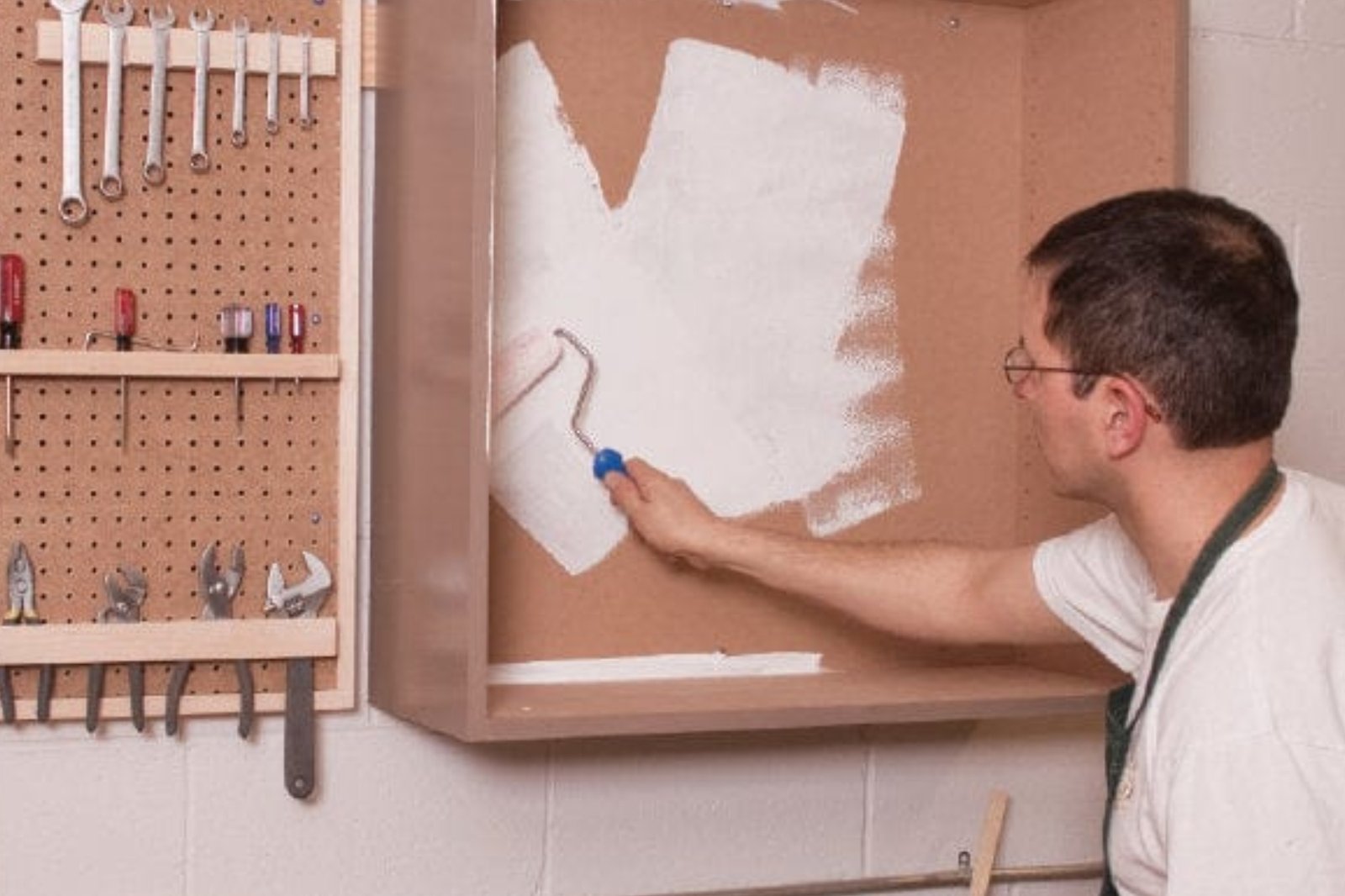
Tool cabinets can be customized flexibly with the help of painting. You use liquid finishes to make smooth or rough finishes. It provides a barrier against corrosion and moisture. You gain aesthetic diversity and still have protection that is functional in a factory or workshop setting.
Painting
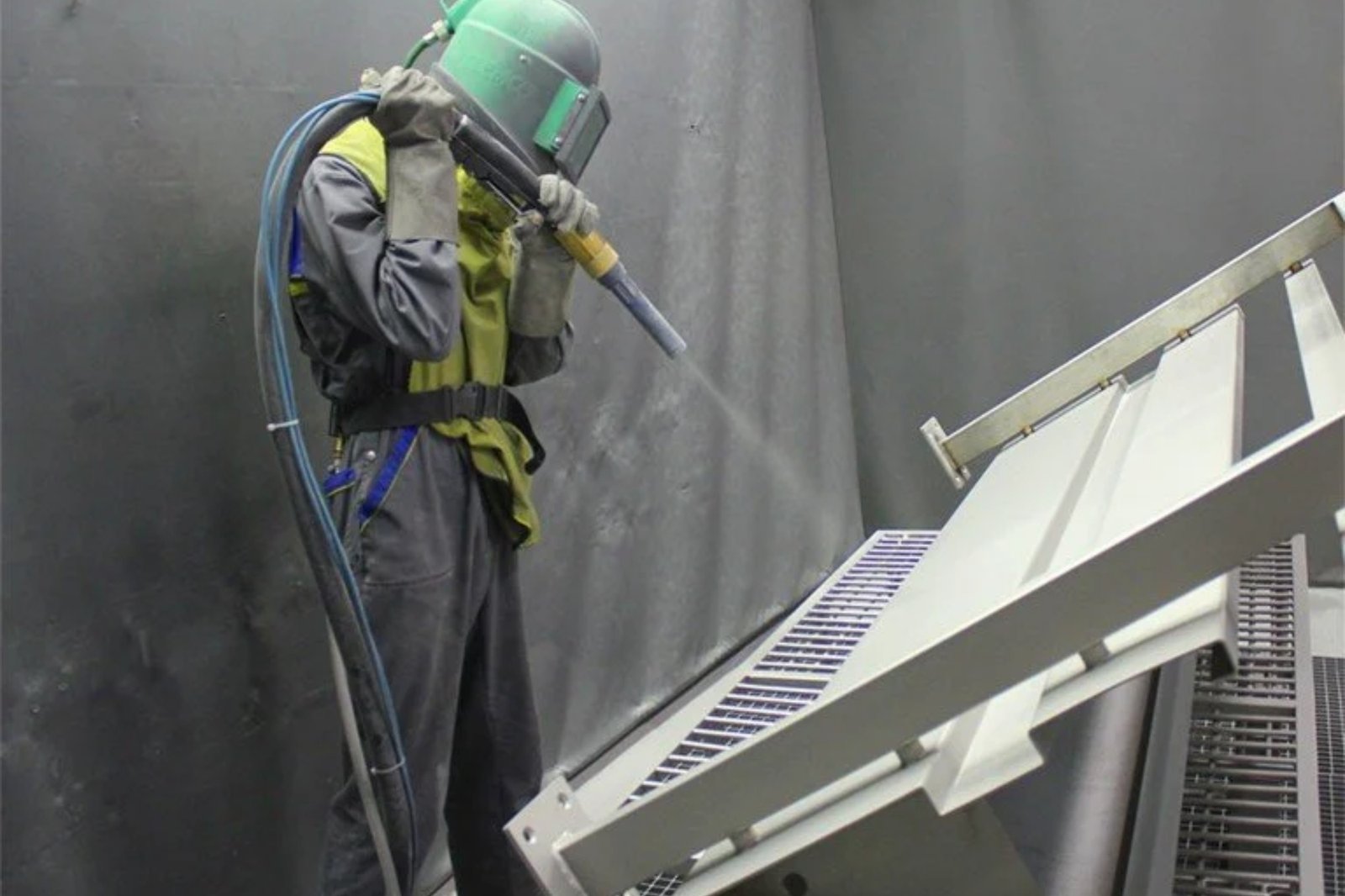
Sandblasting is used to clean surfaces by removing rust, dirt, and old finishes. It builds a smooth and coarse feel to enhance coating adhesion. You enhance durability by making sure that there is a good bond with paint or powder. This is done to improve surface preparation prior to final finishing.
Sandblasting
Grinding levels off metal surfaces and eliminates the defects. It also removes the acute edges and weld lines to give a polished appearance. You enhance uniformity on surfaces and then apply protective finishes. The step provides the improved coating performance and improves the quality of the cabinets in general.
Grinding
Quality Inspection Process for Tool Cabinets
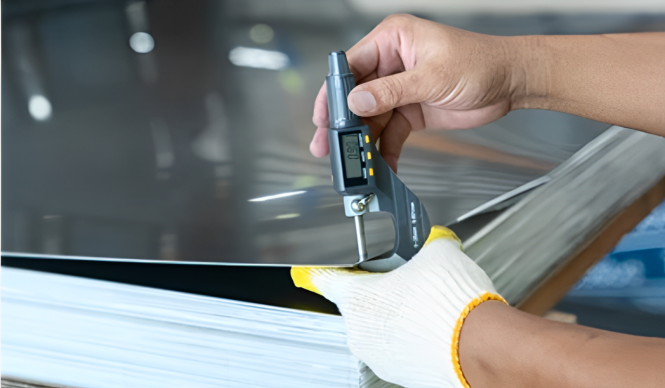
We check all the tool cabinets using intense multi-phase checks. Raw materials, welding strength, surface finish, and assembly accuracy are checked by our team. You get products that are tested in terms of durability and performance. At every stage, quality inspectors adhere to the standard operating procedures. High-tech measuring equipment identifies defects in advance. Stability, load capacity, and functionality are checked during the final inspection and shipped.
Tool Cabinets Certification Standards We Follow
We match production with the international certification procedures to achieve compliance and safety. Our system is in compliance with ISO9001, ISO14001, and TS16949. You also enjoy managed processes and quality records. FSC certification guarantees responsible sourcing of material. We possess 39 patents on innovation support. CE and RoHS certification may be implemented depending on what you need in the market.
Five Major Advantages Of The Tool Cabinet
Solid Material
Main body of the cabinet is made of 0.8mm cold-rolled steel. The bottom plate is made 1.5mm thick to support more. This is a strong base which supports heavy tools without crushing. It takes up floor impact and everyday stress. You achieve long-term stability and a better structural strength. The frame is not deformed when subjected to heavy weight and usage.
Super Corrosion Resistance
The surface is sprayed with plastic and a 300-hour neutral salt spray test is conducted, with a custom range of 1000hrs to 2000hrs available upon request. This coating decreases rust in damp and oil-filled workplaces. The finish is smooth and durable due to the coating. It safeguards metal against the effects of corrosion. You look presentable even in extreme conditions. The top layer promotes long-lasting durability.
Smooth Operation
The heavy tools can be supported by each drawer up to 90KG. The slides undergo more than 50,000 cycles of testing. Secure closing is maintained at 15-25N self-locking force. The resistance to sliding is low (8-15N) when under load. You get the ease of movement and secure locking. The system strikes a balance between easy access and high safety performance.
Flexible Mobility
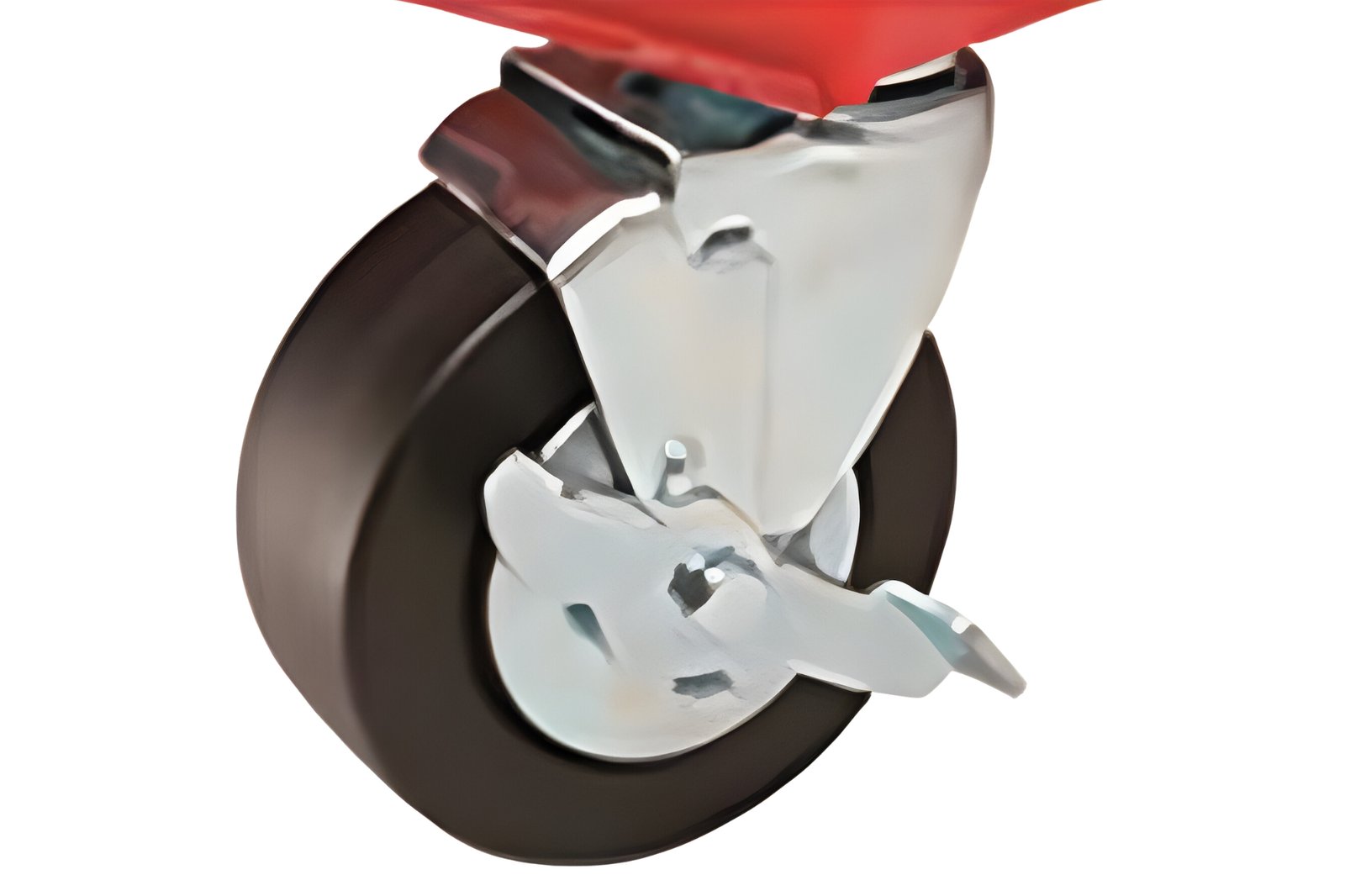
Casters handle load capacity of 300kg up to 1000kg and above. You push heavy loaded cabinets effortlessly. Molds and heavy equipment remain safe during transportation. Good wheels enhance stability on other floors. Smooth mobility facilitates industrial work. The design guarantees stability in movement at high weight conditions.
Flexible Configuration
It has different variations with 300kg, 800kg, and 1000kg casters. Special environments are appropriate with the stainless steel models. You choose settings according to workspace requirements and cost. Tailor-made products enhance industrial or food grade applications. This is flexible to various applications. The product is flexible to different professional needs.
Product Gallery
26 Inch Workbench
32 Inch 4 Drawer Tool Repair Workbench
32 Inch 8 Drawer Workbench Tool Cabinet
32 Inch 11 Drawer Stationary Tool Cabinet
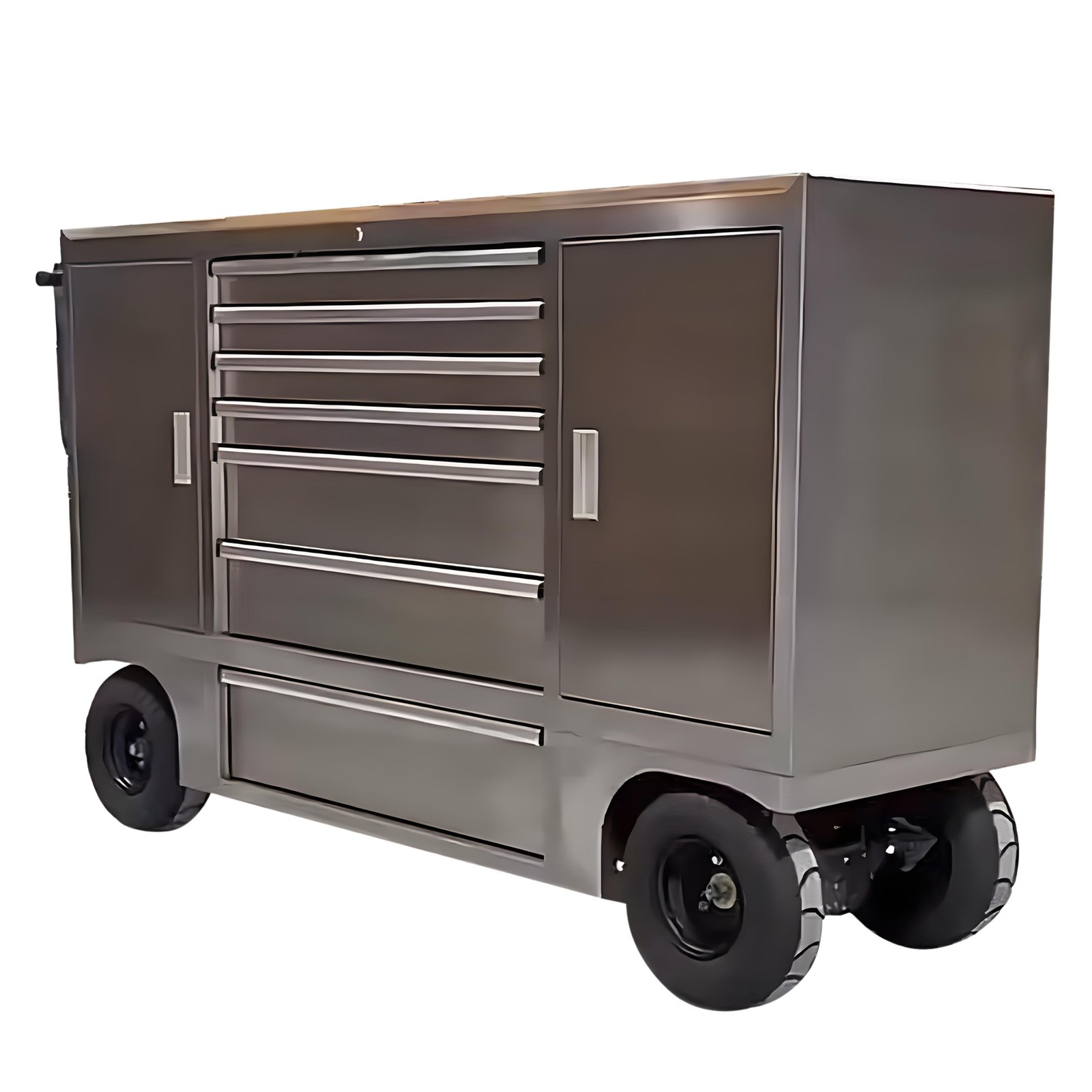
35 Inch 7 Drawer Pit Box
35 Inch 8 Drawer Tool Repair Workbench
39 Inch 17 Drawer Workbench Tool Cabinet
42 Inch 12 Drawer Workbench Tool Cabinet
45 Inch 7 Drawer Workbench Tool Cabinet
45 Inch 10 Drawer Workbench Tool Cabinet
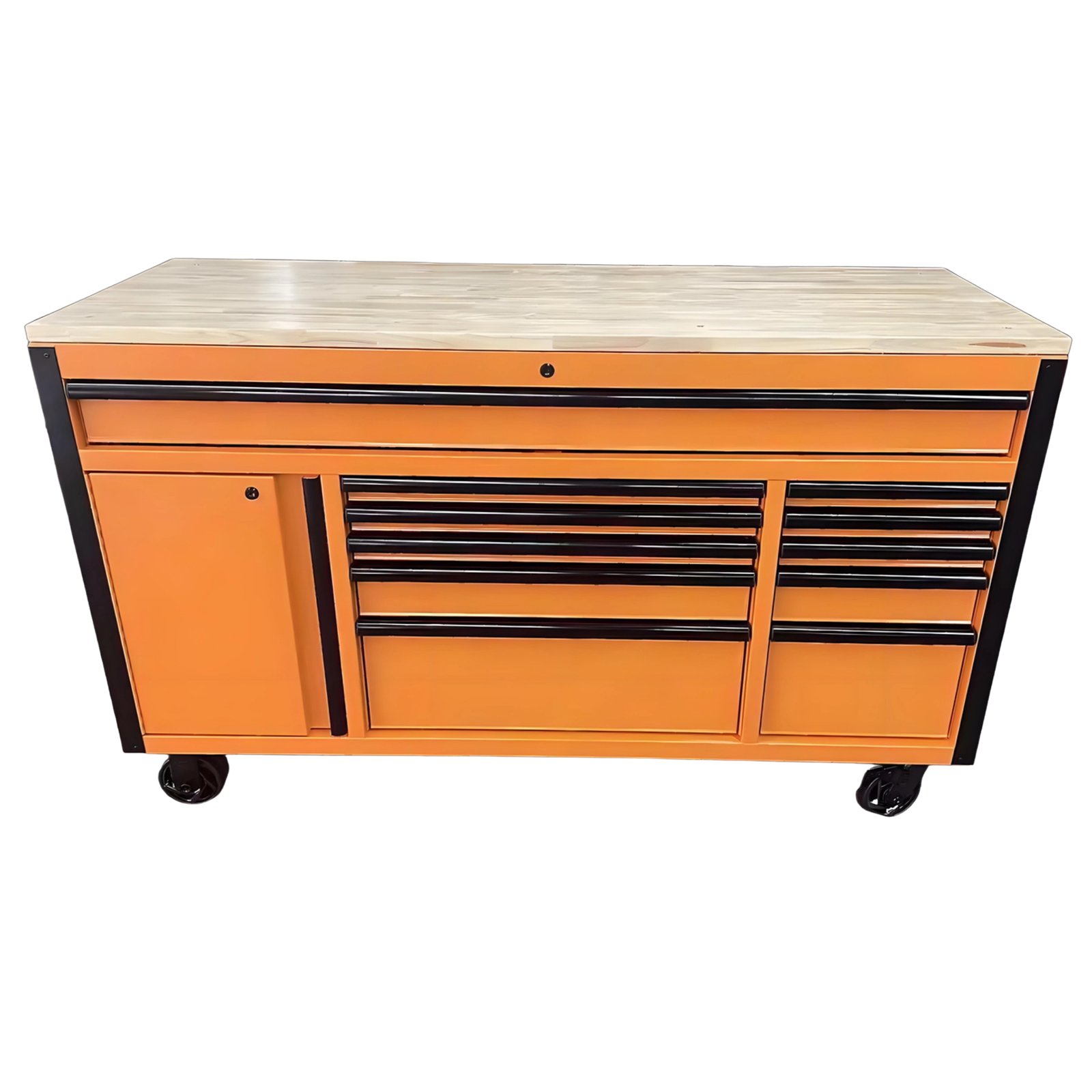
52 Inch 10 Drawers Cart Tool Cabinet
62 Inch 12 Drawers Cart Tool Cabinet
62 Inch 15 Drawer Workbench Tool Cabinet
72 Inch 7 Drawer Workbench
72 Inch 12 Drawer Pit Box
72 Inch 15 Drawer Workbench Tool Cabinet
72 Inch 18 Drawers Cart Tool Cabinet
79 Inch 13 Drawer Modular Tool Cabinet
84 Inch Two-Door 22 Drawers Cart Tool Cabinet
92 Inch 20 Drawer Workbench Tool Cabinet
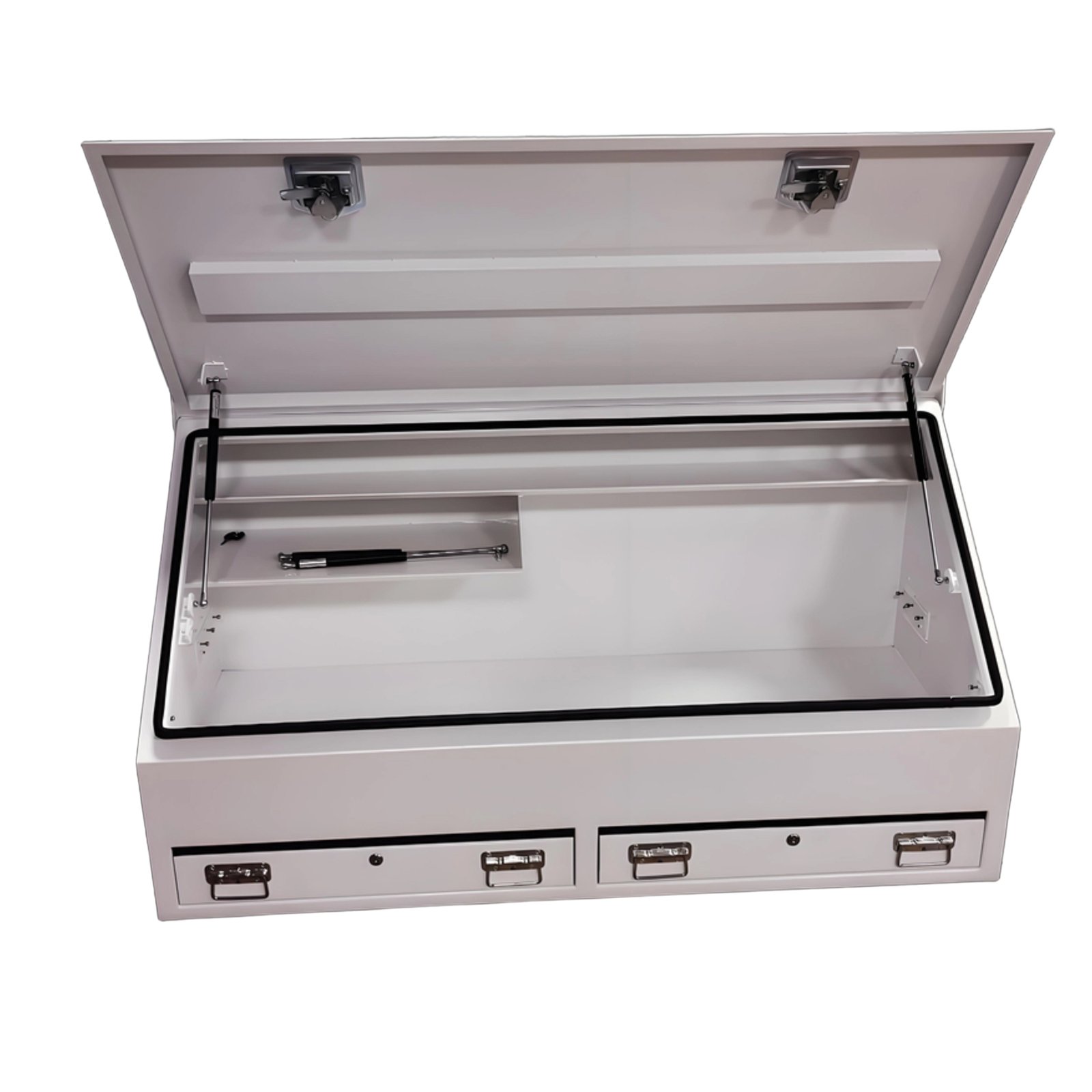
Truck Bed Box
Truck Tool Box
Where You Can Employ Tool Cabinets?
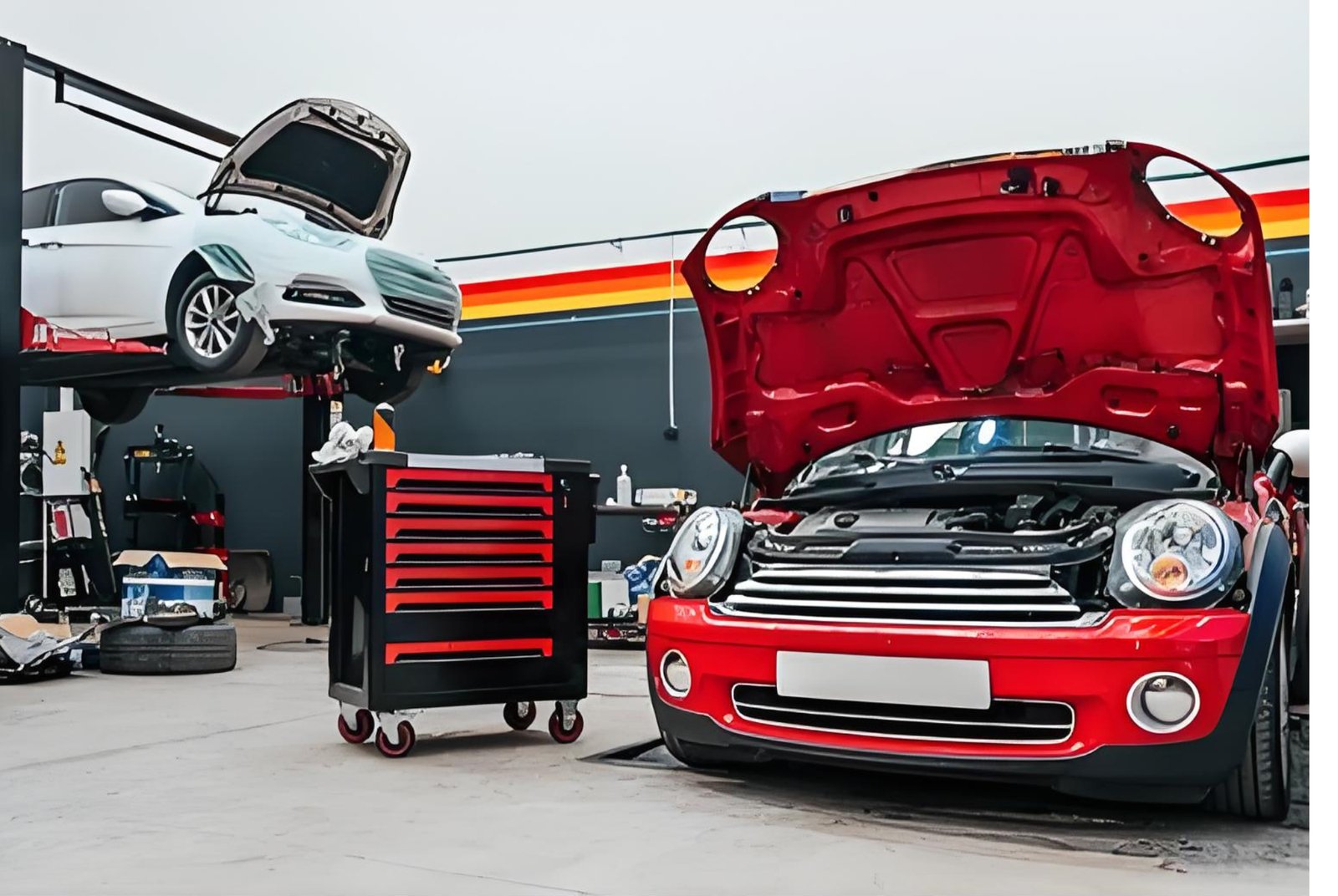
Automobile Repair Shop
Tool cabinets are used to store your tools in busy repair shops. You keep wrenches, sockets and diagnostic equipment locked away. Fast access saves time in the process of servicing the vehicle. You keep order and minimise tools loss. Durable cabinets are resistant to high usage and accommodate mechanical operations effectively on a daily basis.
Engineering Applications
Tool cabinets assist in precision work in engineering areas. You maintain the instruments, hand tools and parts in place. Structured storage enhances efficiency and precision. Tools are available promptly to engineers when they need them in design or fabrication. Powerful cabinets ensure that sensitive equipment is not damaged or exposed to dust.
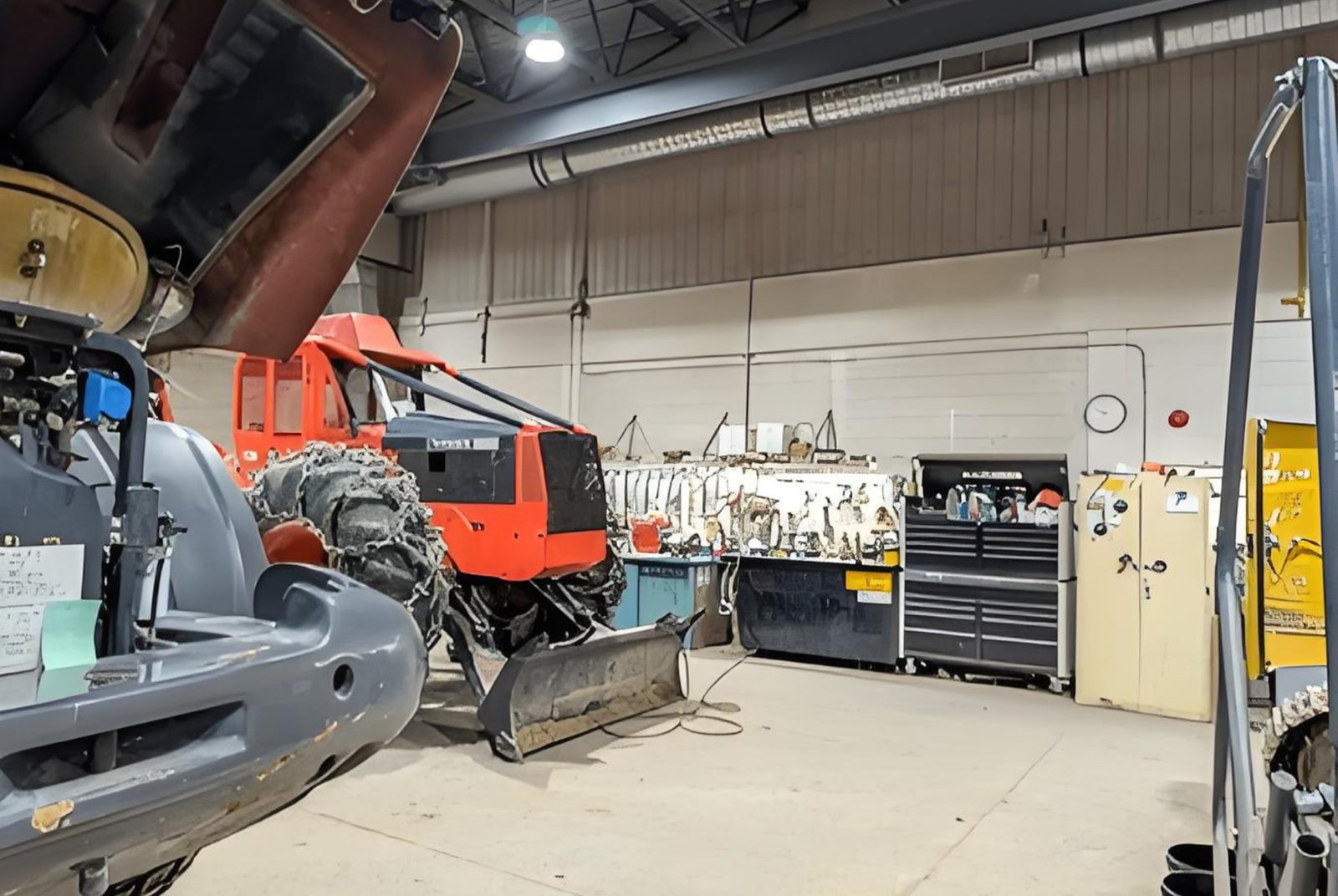
Industrial Workshop
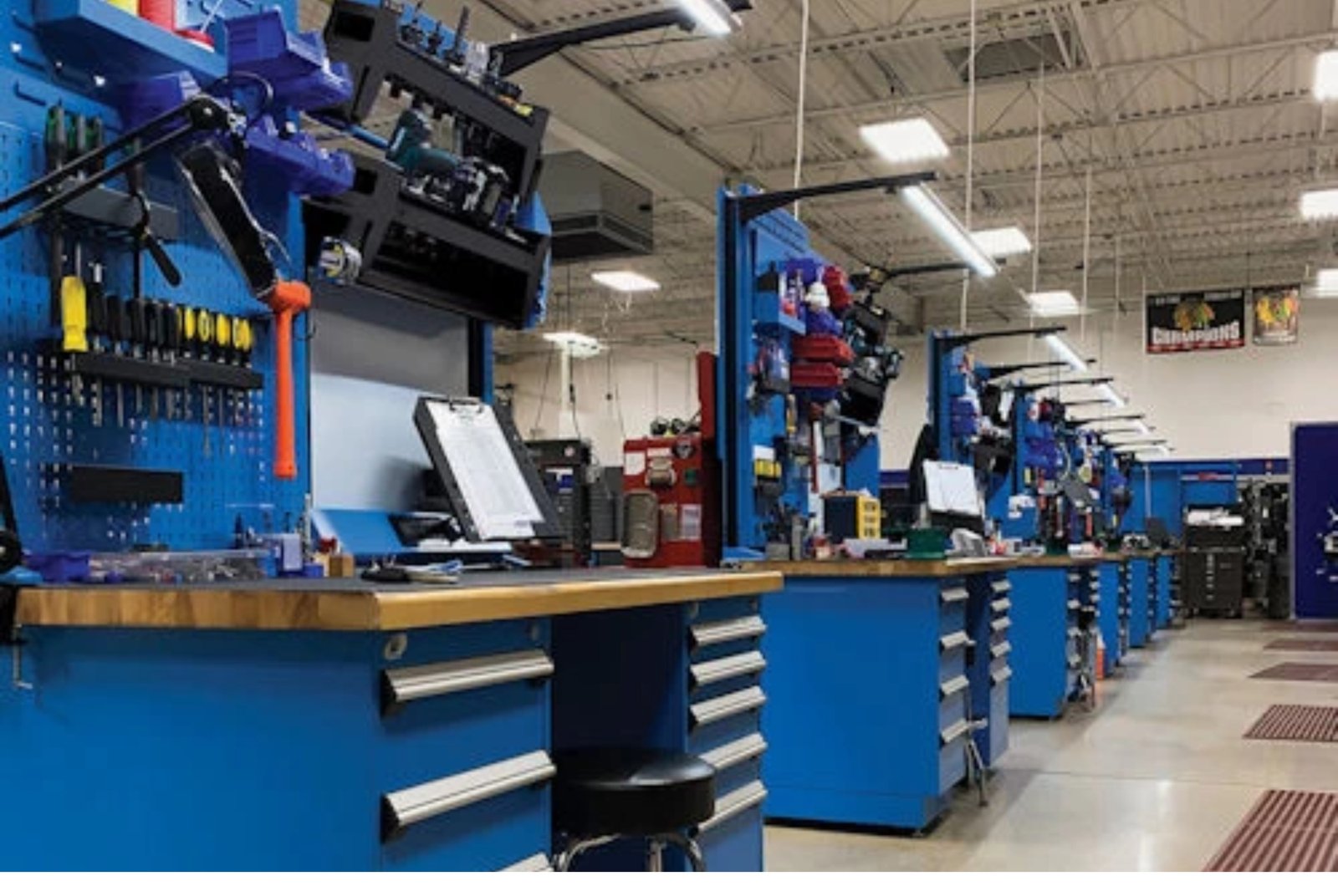
Tool cabinets are used in industrial workshops to handle heavy-duty equipment. You keep power tools, spares and maintenance kits in place. Effective storage minimizes work-related risks and mess. Employees locate tools quicker in production. Structured storage systems enhance safety standards and ensure the effectiveness of operations.
Private Garage
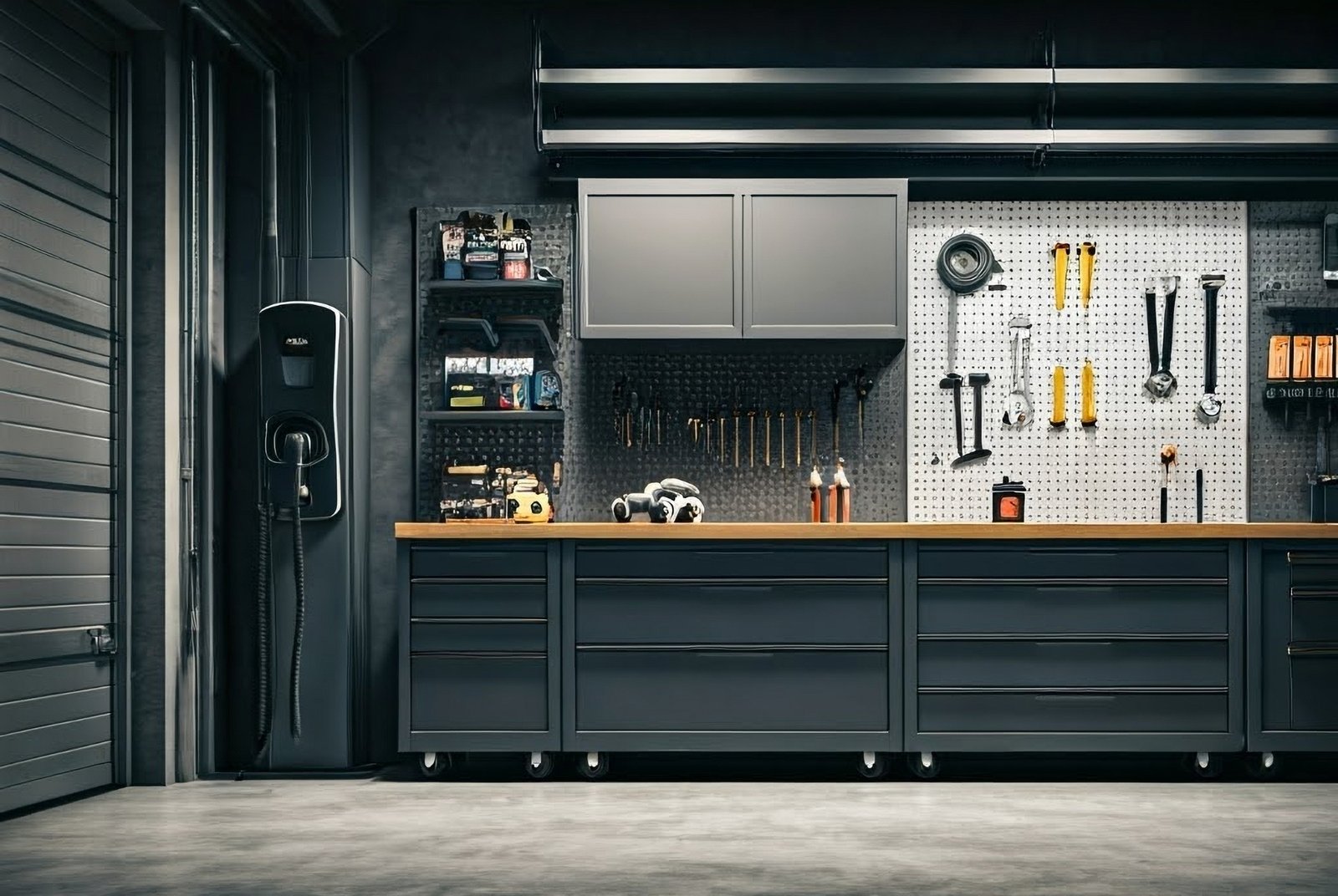
Tool cabinets make your home garage clean and practical. You arrange repair tools, lubricants, and small parts in place. This installation keeps tools dry and unharmed. The accessibility is useful when making repairs on vehicles or DIY. At home, you design a smart professional work station.
Manufacturing Units
The manufacturing units also need well-organized storage of tools in order to run their operations smoothly. You keep production tools, fixtures and maintenance equipment in a safe place. Cabinets decrease tool loss and time loss. Employees retrieve necessary objects in a fast manner. Powerful storage solutions can improve productivity and ensure well-organized work processes in high-demand production facilities.
FAQs
What materials do you use? How thick are the sheets?
Strong performance is achieved using cold-rolled or galvanized steel. Side panels are 1.2mm thick. Drawers are 1.0mm thick. Particularly heavy load parts are made of reinforced steel. Our materials are RoHS compliant in terms of safety and longevity.
What is the load capacity of the drawers? How far do the slides open?
Each drawer supports up to 80kg. Heavy-duty models go up to 150kg. Smooth movement is provided by ball-bearing slides. Slides are fully extended on opening. There are models that have self-locking features to enhance safety.
What is the surface treatment process? Is it rust-proof?
Prior to coating, we treat with phosphating or zirconium. The surface is covered by electrostatic powder coating. Baking under high temperatures enhances durability. Products survive 300 to 2000 hours NSS salt spray tests. This enhances high rust resistance.
What quality certifications do you have?
We are ISO 9001 certified in the control of manufacturing. The performance of products is verified by SGS test reports. CE certification assists in compliance with exports. Such documents confirm the reliability of factories. You get certified products which are up to international standards.
Can you customize the color and logo?
Your cabinet can be any RAL color you like. Color matching is supported by our powder coating line. We offer silk-screen printing and laser engraving. You add your logo easily. Branding your products enhances your business.
Can the internal structure be adjusted?
Internal design varies as per your requirements. We develop tailor-made solutions in our R&D. We provide EVA foam slotting and aluminum strip clamping. Dividers can be used in drawer layouts. Custom structure enhances efficiency in the organization of tools.
Do you accept custom drawings or ODM/OEM manufacturing?
You are able to send your design drawings to be produced. We endorse ODM and OEM services. Our team helps in design up to the development of molds. There is the option of private labeling. Bespoke production guarantees special product creation to your market.
What is the minimum order quantity (MOQ)?
The least possible order quantity is one piece. Smaller orders are also available but at a higher price. Quantitative quantities lower unit price considerably. Large quantities enhance price advantages. The amount depends on the budget requirements.
Is your quotation including shipping costs?
We are offering quotations on terms of trade. There are EXW, FOB and CIF pricing. The cost of shipping varies depending on the destination and mode. You choose the desired delivery term. Clear pricing does not have hidden costs.
Are the tool cabinets shipped flat-packed or assembled?
Tool cabinets are conveniently packed ready. You do not have complicated assembly on site. Ready-made units save on time during installation. During transportation, internal components are secured by packaging. Ready to use delivery enhances efficiency.
What is the packaging method? Can it prevent damage?
Packaging entails EPE bags and powerful cartons. Cases made of wood or plywood provide protection. Polyester strapping is used to maintain stability. Impact damage is avoided by stainless steel corner protectors. Safe international shipping is guaranteed through packaging.
What is the warranty period? How do you handle issues?
We provide five years warranty on the cabinet body. Slides are covered within three years warranty. In case of problems, replacement parts are sent within a short time. Our team allows returns or exchanges. Customer satisfaction is long term with after-sales service.